Category: Blog

Your blog category

  • Backyard Makeover Before After Ideas That Last

    Backyard Makeover Before After Ideas That Last

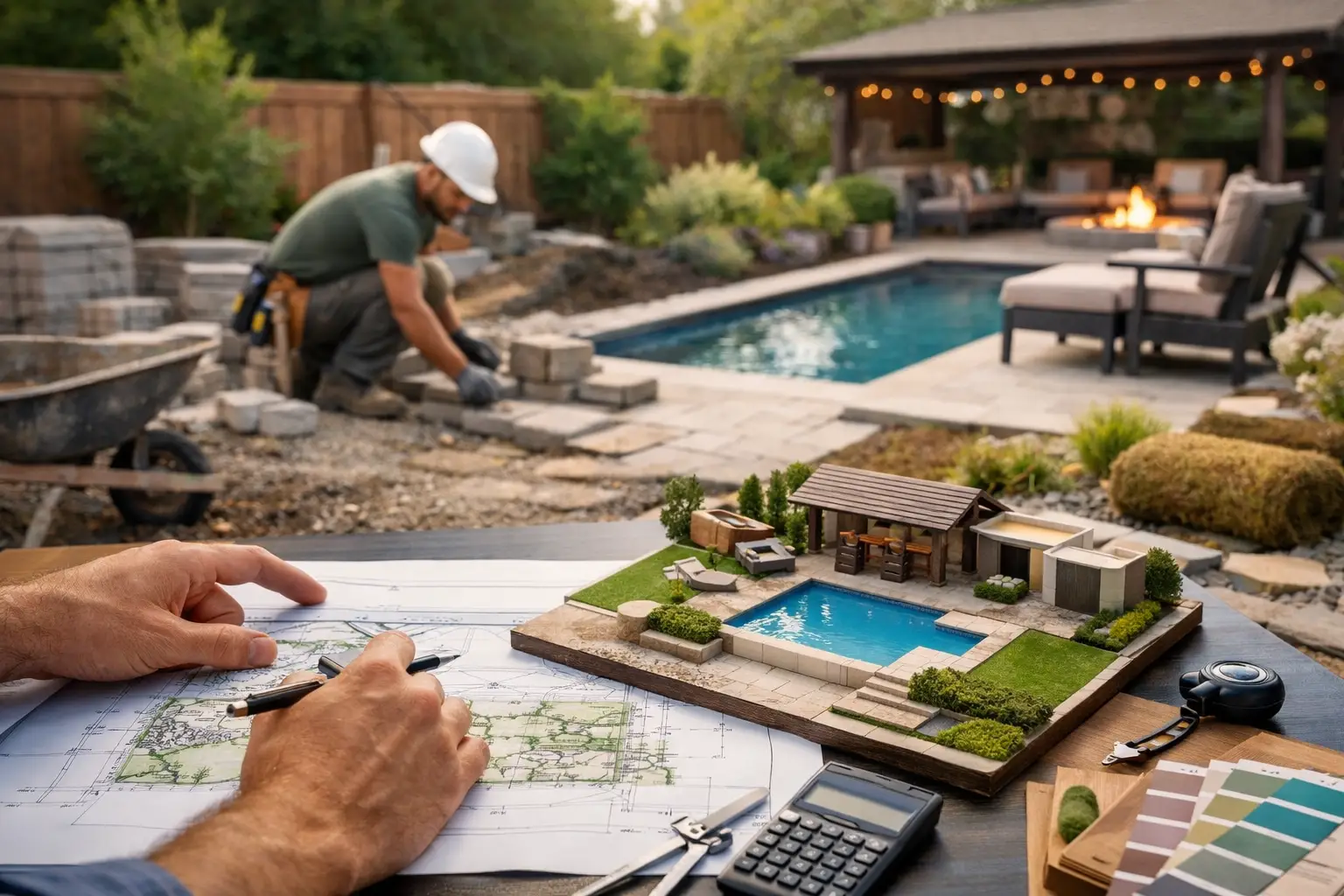
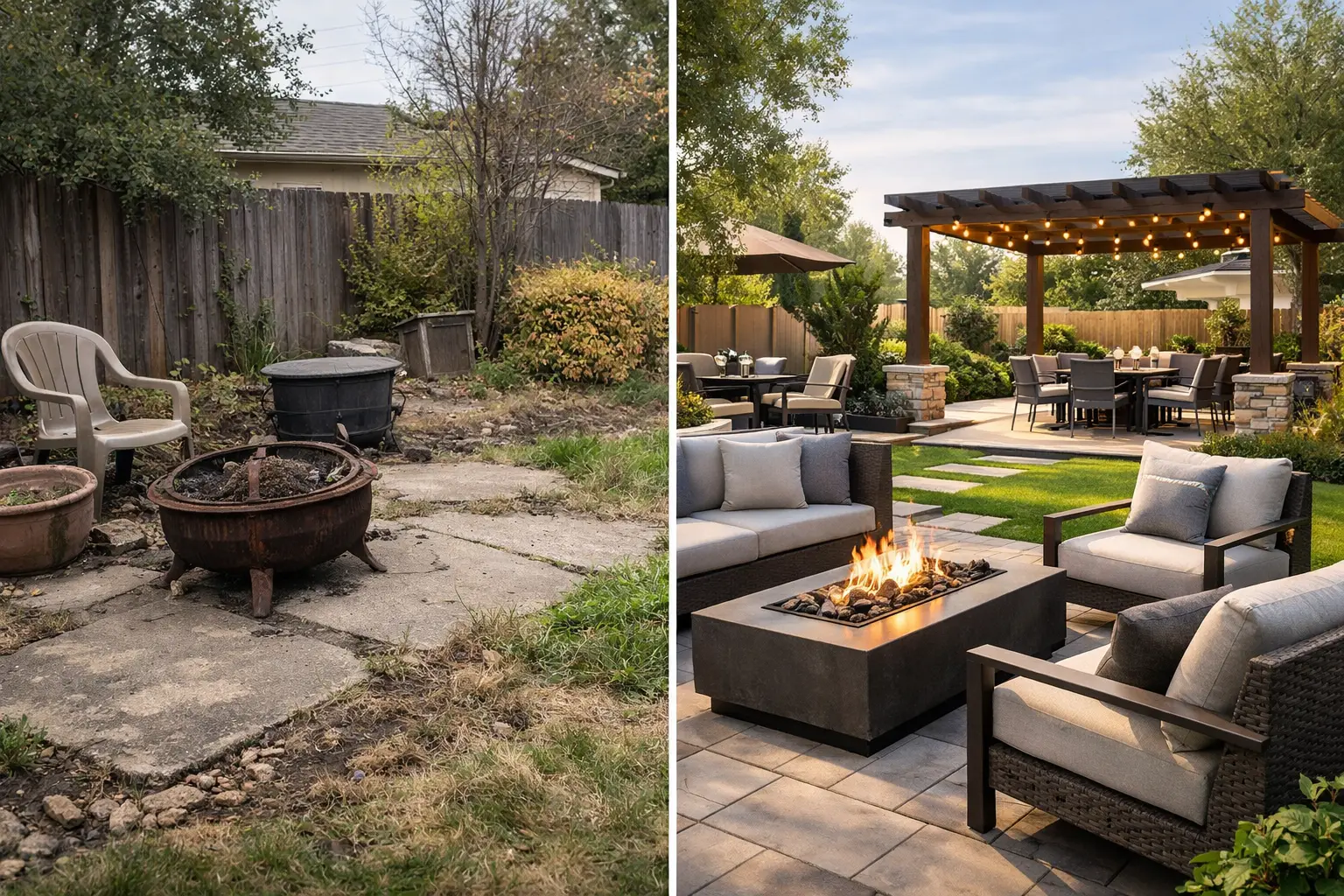
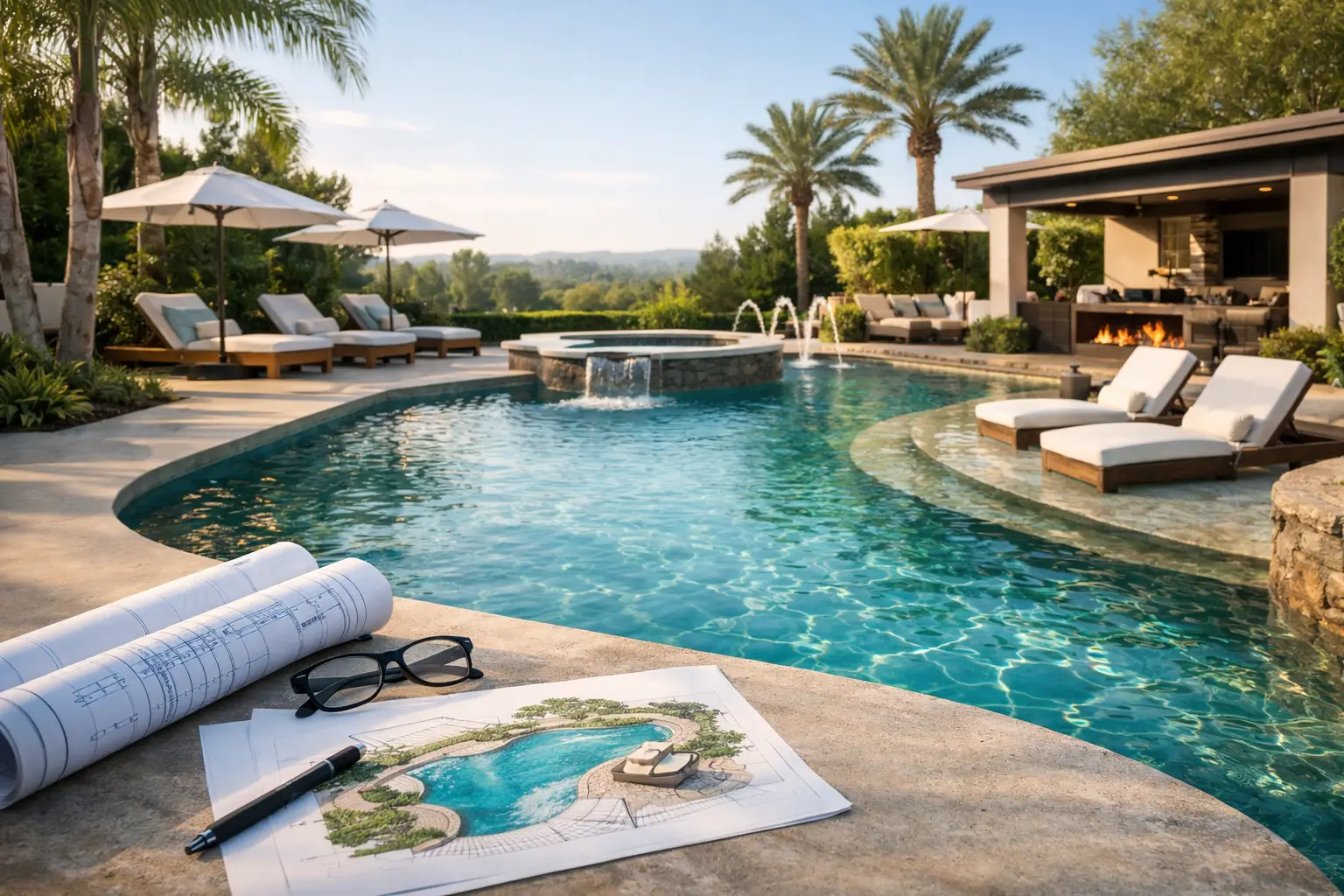
    Some before photos tell the whole story at a glance – patchy grass, a lonely concrete slab, maybe a grill pushed against the house and a few chairs that never quite make the space feel finished. What changes everything in a true backyard makeover before after is not one flashy feature. It is the shift from leftover yard to intentional outdoor living.

    That distinction matters, especially for homeowners who want more than a quick cosmetic upgrade. A beautiful backyard does not come from stacking trendy elements into an empty space. It comes from designing around the way you relax, entertain, cook, swim, and gather. The best transformations look dramatic in photos because they work beautifully in real life.

    What makes a backyard makeover before after feel dramatic

    The strongest transformations are not always the ones with the biggest budget or the most square footage. They are the projects where every part of the yard starts supporting a clear lifestyle vision. A backyard that once felt exposed, underused, or disconnected suddenly has purpose.

    Sometimes that means replacing a worn lawn with a resort-style pool, a generous patio, and layered planting that softens the hardscape. In another setting, it may mean turning a sloped, awkward yard into a series of elegant terraces with retaining walls, steps, and destination spaces. The visual change is striking, but the real success is in how naturally the finished yard invites people outside.

    This is why before and after images can be misleading when they focus only on surfaces. New pavers look great. A fire feature adds character. But if traffic flow is clumsy, shade is missing, or seating areas feel detached from the home, the space may still underperform. Luxury outdoor design is about composition as much as materials.

    Start with the “before” honestly

    Every exceptional transformation begins by reading the site as it is, not as you wish it were. The before phase is where constraints become design opportunities. A narrow side yard may shape circulation. A harsh afternoon sun pattern may determine where a pavilion belongs. Existing grade changes may suggest the right placement for a pool deck, outdoor kitchen, or lounge terrace.

    Homeowners often come in with a wish list first, which makes sense. You may want a fireplace, pergola, pizza oven, putting green, or waterfall. But a polished result usually starts one step earlier with questions about use. Where do guests gather first? How many people do you actually host? Do you want quiet morning coffee, full-scale weekend entertaining, or both? Should the yard feel open and social or private and tucked away?

    Those answers shape the design far more than any single feature.

    The difference between adding features and creating a plan

    This is where many backyard projects lose momentum. A homeowner installs a patio one year, adds a fire pit the next, then tries to fit in a kitchen later. Piece by piece, the investment grows, but the yard still lacks cohesion.

    A complete design plan changes that. It aligns architecture, hardscape, planting, lighting, drainage, and amenities into one clear vision. Even if construction happens in phases, the final result feels composed from the beginning. That is what gives a backyard makeover before after project its finished, effortless quality.

    The elements that change the look and the lifestyle

    A dramatic after photo usually includes several layers working together. Hardscape sets the structure. Softscape adds depth and comfort. Architectural features create presence. Water, fire, and lighting bring movement and atmosphere.

    Patios and walkways often do more heavy lifting than people expect. They define usable space, improve circulation, and establish the visual language for the entire yard. Material choice matters here. Large-format pavers can feel sleek and contemporary, while natural stone often lends warmth and timeless character. The right choice depends on the home, the climate, and how formal or relaxed you want the backyard to feel.

    Pools are often the headline feature, but they are rarely the whole story. A pool without surrounding amenities can feel isolated. A pool integrated with tanning ledges, shade structures, lounge zones, and a nearby kitchen becomes an experience. The after result feels less like an installation and more like a private retreat.

    Outdoor kitchens and dining areas are another turning point. They shift entertaining away from a simple grill setup and into something more hospitable. The most successful layouts make cooking part of the social flow instead of hiding it at the edge of the yard. That may mean bar seating, generous counter space, or a pavilion that anchors the whole space.

    Shade is one of the most underrated upgrades in any before-and-after transformation. In the Sunbelt, a backyard can look stunning and still be uncomfortable for much of the day if shade is missing. Pergolas, pavilions, covered patios, and thoughtfully placed trees can turn a beautiful scene into a usable one.

    Why the best “after” spaces feel effortless

    When a backyard is done well, people tend to describe it with emotional language. It feels calm. It feels inviting. It feels like a place where everyone naturally wants to gather. That reaction is usually the result of careful decisions that are almost invisible when they are done right.

    Scale is one of them. A patio that is too small for the furniture arrangement will always feel cramped, no matter how expensive the materials are. A fire pit area that sits too far from the house may look appealing in photos but get used less often than expected. A kitchen placed without regard to wind, sun, or serving flow may create frustration instead of ease.

    That is why custom design matters in luxury outdoor living. Cookie-cutter layouts rarely respond to the personality of the home or the rhythm of the family using it. The strongest transformations feel tailored because they are.

    Backyard makeover before after is also about what you do not see

    Drainage, grading, retaining walls, base prep, utilities, and lighting infrastructure are not the glamorous parts of a reveal. They are also the parts that determine whether the space ages well.

    A truly elevated backyard should not only photograph beautifully on day one. It should perform through heavy rain, strong sun, frequent entertaining, and years of use. There are always trade-offs. Some materials require more maintenance but offer richer character. Some design choices create a cleaner look but may reduce flexibility later. The right answer depends on priorities, not trends.

    For homeowners investing at a premium level, this is often where the difference shows most clearly. Craftsmanship is not just what you notice in the finish. It is what you stop worrying about once the project is complete.

    Seeing your own yard through the after lens

    If you are looking at your current yard and feeling underwhelmed, the next step is not to chase random inspiration photos. It is to start seeing the property in terms of zones, experience, and possibility.

    Picture arrival first. What do you see when you step outside? Then think about movement. Where would guests walk? Where would people sit, gather, cook, or drift after dinner? Where do children play? Where do adults unwind? Once you begin asking those questions, the after version of the yard starts to come into focus.

    This is often the moment homeowners realize they do not want a single upgrade. They want a complete outdoor environment. They want the pool to relate to the patio, the patio to connect to the kitchen, the kitchen to sit near a shaded dining area, and the whole composition to feel polished from every angle. That is the shift from improvement to transformation.

    For families who love to host, the payoff is obvious. A well-designed backyard expands the way you live at home. Weeknight dinners move outside. Birthdays feel more memorable. Quiet evenings become easier to savor. And the visual impact is immediate every time you look through the back windows.

    At Beyond Backyard Living, that is the heart of the work – designing dreams, building beauty, and creating outdoor spaces that feel as refined and welcoming as the homes they surround.

    The real value behind before and after

    A great transformation adds beauty, but beauty alone is not the whole return. The real value is in creating a space you use more often, enjoy more fully, and feel proud to share. It can strengthen curb appeal and property value, but for most homeowners, the bigger reward is personal. Home starts to offer more.

    That is why the best before and after stories are not really about the photos. The photos just prove what thoughtful design, craftsmanship, and a clear vision can do. The real transformation happens when the backyard stops being empty square footage and starts becoming the setting for the life you want to live there.

    If your current yard feels unfinished, that may be less a problem than an invitation. With the right plan, the space behind your home can become the one everyone gravitates toward.
  • 9 Resort Style Backyard Ideas That Feel Luxe

    9 Resort Style Backyard Ideas That Feel Luxe

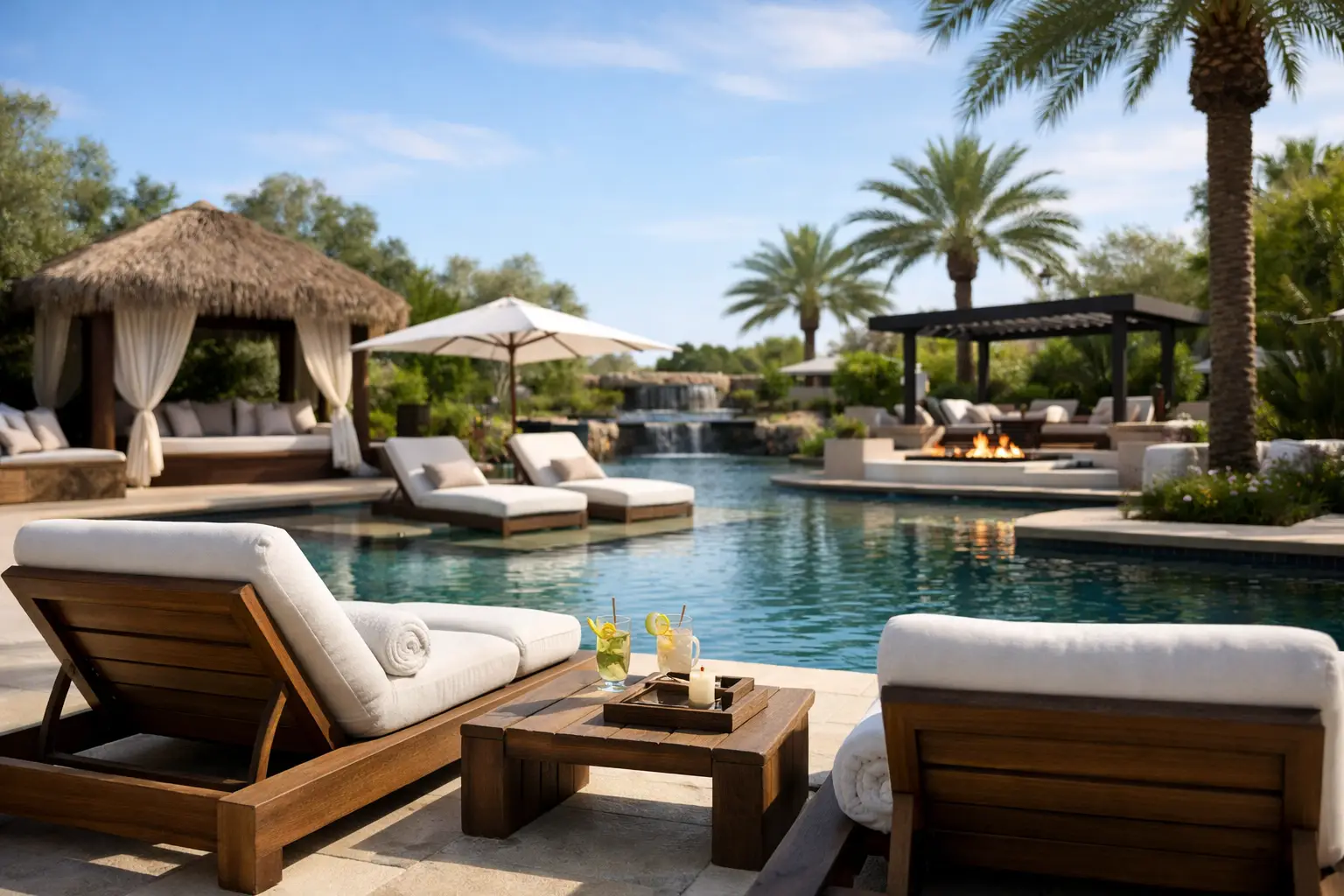
    A great backyard does more than look impressive from the patio door. It changes how you live at home. The best resort style backyard ideas create that shift immediately – the feeling that your outdoor space is no longer just a yard, but a destination designed for relaxing, entertaining, and staying awhile.

    That kind of transformation rarely comes from adding one feature in isolation. A beautiful pool can still feel exposed. An outdoor kitchen can sit unused if the layout is awkward. A pergola can look elegant but fall flat if there is no reason to gather beneath it. Resort living is about composition. Every detail should support comfort, flow, and a sense of escape.

    What makes resort style backyard ideas actually work

    Luxury outdoor spaces have a mood, but they also have structure. When homeowners picture a private resort at home, they usually imagine layered experiences rather than a single showpiece. There is a place to lounge, a place to cool off, a place to dine, and a place to linger after dark. The design feels intentional from every angle.

    That is where many backyards either come together or miss the mark. A resort-inspired space should feel generous, but not oversized for the property. It should feel polished, but not too formal to use on an ordinary Tuesday night. The most successful projects balance visual drama with daily comfort.

    Material choices matter here. So does scale. So does how you move through the yard. If guests have to walk around furniture to reach the pool, or if the grilling area is too far from the dining space, the experience starts to feel disconnected. Resort style is never just about appearance. It is about how the space performs.

    1. Start with a pool that sets the tone

    For many homeowners, the pool is the anchor of a resort-style backyard. Not every yard needs one, but if a pool is part of the vision, it should be designed as an integrated feature rather than a standalone insert. Shape, coping, surrounding hardscape, waterline finishes, and adjacent seating all contribute to the overall effect.

    A geometric pool tends to feel more architectural and contemporary, especially when paired with clean pavers and a restrained planting palette. A freeform pool can create a softer, more tropical mood. Neither is inherently better. It depends on the home, the lot, and the atmosphere you want to create.

    Details elevate the experience. Baja shelves, in-pool loungers, raised spillways, and subtle water features bring movement and sound without making the backyard feel like a public waterpark. If the goal is refined luxury, restraint often wins.

    2. Build zones instead of one large patio

    One of the strongest resort style backyard ideas is also one of the most overlooked: divide the yard into purposeful outdoor rooms. Large patios can be useful, but without definition they often feel flat and underdesigned. A resort-inspired layout works better when each area has a role.

    That might mean a shaded lounge near the house, a dining terrace near the kitchen, a sun shelf by the pool, and a fire feature set slightly apart for evening conversation. These zones do not need hard barriers. Changes in elevation, overhead structures, planting beds, and furniture groupings can define space beautifully.

    This approach also helps the yard feel richer and more custom. Instead of standing in one open slab of hardscape, guests naturally move through a sequence of experiences. That is what gives a backyard depth.

    3. Add shade that feels architectural

    True comfort is part of luxury. In warm climates, that means shade is not optional. But resort-style shade should do more than block the sun. It should shape the design.

    Pergolas, pavilions, covered patios, and well-scaled cabanas bring structure and presence to the yard. They also make the space more usable throughout the day and across more months of the year. A pavilion with a finished ceiling, statement lighting, and generous seating can feel like an outdoor living room rather than a basic cover.

    The right choice depends on how the space will be used. A dining area may benefit from full overhead protection, while a lounge zone might feel lighter and more open under a pergola. In some projects, combining both creates the most layered result.

    4. Design an outdoor kitchen people will actually use

    A resort backyard should invite hospitality, and few features support that better than a well-planned outdoor kitchen. But luxury is not about stuffing every appliance into a stone island. It is about making entertaining easy and enjoyable.

    At minimum, the cooking area should have enough prep surface, convenient storage, and thoughtful proximity to dining and seating. Refrigeration, trash storage, and a sink can dramatically improve function. Pizza ovens, bar seating, and custom vent hoods can add personality when they fit the homeowner’s lifestyle.

    The trade-off is footprint and budget. A full kitchen can become a major investment, especially when utilities and overhead protection are involved. For some families, a streamlined grilling station with beautiful finishes delivers more value than a sprawling setup with features they will rarely use.

    5. Use water and fire for atmosphere

    Resort environments engage the senses. That is part of why they feel transporting. Sound, warmth, and movement all shape the experience of the space, especially after sunset.

    Waterfalls, scuppers, bubblers, and sheer descents can soften noise from nearby roads and add a calm, polished energy. Fire bowls, fire pits, and outdoor fireplaces create warmth and a natural gathering point. When used together, water and fire can bring a backyard to life in a way that feels dramatic without being overdone.

    Placement matters. A fire feature too close to the pool may interrupt circulation. A water feature placed where it competes with conversation can become less relaxing than expected. The best designs use these elements to support the layout, not distract from it.

    6. Choose materials with a luxury point of view

    Upscale backyards do not rely on random mixes of finishes. They feel collected, edited, and intentional. That does not mean everything must match. It means the materials should speak the same design language.

    Natural stone, large-format pavers, textured concrete, rich wood tones, and premium tile all have a place in resort-style design. The key is consistency in color temperature, scale, and level of refinement. If the pool coping feels sleek and modern, but the retaining wall looks rustic and heavy, the space can start to feel disjointed.

    This is also where craftsmanship shows. Clean layout lines, precise cuts, integrated drainage, and refined transitions between surfaces make a visible difference. Homeowners may not always name those details, but they feel them.

    7. Let landscape design soften the hardscape

    No one wants a resort backyard that feels like a luxury parking lot. Hardscape gives structure, but planting gives the space life. The right landscape design frames views, adds privacy, cools the environment visually, and creates a more immersive retreat.

    In Sunbelt properties, that often means layered plantings that can handle heat while still delivering texture and color. Palms, ornamental grasses, flowering shrubs, evergreen screening, and sculptural accent plants can all contribute to the right mood. The exact palette depends on region, maintenance preferences, and the style of the home.

    Privacy deserves special attention. A resort feel often depends on what you do not see. Thoughtfully placed trees, hedging, walls, and vertical landscape elements can screen neighboring views without making the yard feel boxed in.

    8. Make lighting part of the design from day one

    Backyards built for entertaining should not disappear after sunset. Lighting is one of the clearest differences between a standard backyard and a truly elevated outdoor environment.

    Good lighting is layered. Path lights help with safety, but they should not be the whole story. Accent lighting in planting beds, subtle illumination on architectural columns, under-cap lighting on seat walls, pool lighting, and warm fixtures under covered spaces all help create a composed evening atmosphere.

    Bright is not better. The most luxurious outdoor lighting is often understated. You want enough glow to create depth, comfort, and visibility, without flattening the mood or making the yard feel commercial.

    9. Tailor the space to the way your family relaxes

    The most memorable resort style backyard ideas are personal. Some families want a polished entertainment setting with an outdoor bar, oversized dining table, and fireplace for hosting. Others want a quieter retreat with a spa, shaded daybed, and lush planting that blocks out the rest of the world.

    This is where custom design becomes essential. A beautiful backyard should reflect how you want to spend your time, not just what looks good in a photo. A putting green, a sports court, a tanning ledge, or a tucked-away conversation patio can all belong in a resort-style plan if they serve the lifestyle behind the project.

    At Beyond Backyard Living, that is often where the real magic happens – turning a long wish list into one cohesive environment that feels effortless once it is built.

    Bringing resort style backyard ideas together

    The most luxurious backyards do not try to do everything at once. They choose the right features, place them with intention, and connect them through strong design. That is what creates a space that feels welcoming at noon, impressive at sunset, and impossible to leave once the evening settles in.

    If you are planning your own outdoor transformation, think beyond individual upgrades. Start with the experience you want to create, then build a backyard that earns it every day.

  • Custom Pool Planning Guide for Luxury Backyards

    Custom Pool Planning Guide for Luxury Backyards

    A beautiful pool rarely starts with the pool itself. It starts with a decision about how you want your backyard to feel on a Saturday afternoon, during a family holiday, or when friends stay long after dinner because no one wants to go inside.

    That is why a custom pool planning guide matters. The best pools are not dropped into a yard as standalone features. They are composed as part of a larger outdoor experience, with the water, hardscape, lighting, architecture, and gathering spaces all working together.

    What a custom pool planning guide should solve first

    Before shape, tile, or tanning ledges enter the conversation, the first question is simpler and more revealing – how will you actually live in the space? Some homeowners want a calm retreat with clean lines, quiet water, and room for loungers. Others want a social setting built around entertaining, outdoor dining, a fire feature, and a pool that becomes the visual centerpiece of the property.

    Those two goals can lead to very different designs, even on the same lot. A pool designed for active family use may prioritize shallow areas, open deck space, and direct sightlines from the house. A pool meant for evening entertaining may lean into dramatic lighting, integrated seating, and strong connections to a covered patio or outdoor kitchen.

    This is where many projects either gain clarity or drift off course. If every choice is made separately, the result can feel fragmented. If the lifestyle vision is clear from the beginning, the pool becomes part of a complete environment instead of a collection of expensive features.

    Start with the property, not the wish list

    A strong custom pool planning guide always begins with the realities of the site. Property lines, drainage, grade changes, sun exposure, privacy, existing structures, and access for construction all affect what is possible and what will feel natural once built.

    A backyard with a slope may be ideal for a dramatic negative edge effect, retaining walls, or tiered entertaining zones. A flatter lot may support a broader deck, larger open lawn transitions, or a long geometric pool that extends the architecture of the home. If neighboring homes overlook the yard, privacy design becomes just as important as the waterline tile.

    Sun and shade deserve more attention than most homeowners expect. A tanning shelf that receives brutal afternoon sun in July may look appealing in renderings but feel less inviting in real life. Likewise, a lounge area that never gets direct light may miss the mark if your goal is a resort-style atmosphere. The right design balances comfort across the day, not just appearance from one angle.

    Shape, scale, and placement set the entire mood

    Pool design is often discussed in terms of style, but placement is just as influential as shape. A pool positioned too far from the home can disconnect the backyard experience. Too close, and it may limit circulation, crowd a patio, or dominate the architecture in a way that feels forced.

    The most successful layouts create flow. You step outside and understand where to gather, where to relax, where to dry off, where to eat, and where the eye should land. That sense of order is what gives a backyard a finished, high-end feel.

    Geometric pools often pair well with modern or transitional homes because they reinforce structure and symmetry. Freeform pools can feel softer and more organic, especially when paired with lush planting, natural stone, and water features. Neither is inherently better. It depends on the home, the setting, and the type of atmosphere you want to create.

    Scale matters just as much. A larger pool is not automatically more luxurious. If it consumes the entire yard, leaving little room for outdoor living, the space can feel less usable. In many premium backyards, the most elegant solution is a well-proportioned pool supported by generous entertaining areas and thoughtful transitions.

    Plan the pool with the full outdoor living space in mind

    This is where premium projects separate themselves. A pool should not be planned in isolation from the patio, pavilion, kitchen, fire feature, or landscape design. The strongest results come from treating the backyard as one composition.

    If you love to entertain, your seating areas should relate naturally to the pool rather than sitting off to the side as an afterthought. If outdoor cooking is part of the vision, the kitchen needs convenient access without creating congestion along the pool edge. If the goal is family use, there should be clear movement between the house, changing or storage areas, and the water.

    Materials also need to be coordinated early. Coping, decking, retaining walls, steps, columns, and adjacent architectural features should feel connected in color, texture, and style. When materials are selected piece by piece, the space can look busy or disjointed. When they are curated together, the backyard feels tailored.

    For homeowners pursuing a complete transformation, this integrated approach usually saves frustration later. It is easier to design the right relationships upfront than to retrofit patios, drainage, lighting, or structures after the pool is already in place.

    Features that add value and features that only add cost

    Luxury does not come from checking every option box. It comes from choosing features that support the way you want to experience the space.

    A tanning ledge can be perfect for families with small children, casual lounging, or adding resort character. Built-in benches create social seating and make larger pools feel more welcoming. Spillover spas are attractive and useful, especially if you want year-round enjoyment. Waterfalls, deck jets, and fire bowls can add drama, but only when they match the home and the mood of the project.

    The trade-off is that every added feature affects budget, circulation, maintenance, and visual simplicity. Too many focal points competing at once can dilute the design. A cleaner concept with a few strong elements often feels more elevated than a pool crowded with extras.

    Technology is another area where intention matters. Automation for lighting, heating, sanitation, and water features can make ownership easier and more enjoyable. But not every upgrade is worth the same investment for every homeowner. A thoughtful planning process helps distinguish between what will truly improve daily use and what may sound exciting during selection meetings but deliver little long-term value.

    Budgeting with clarity instead of guesswork

    One of the biggest misconceptions in pool planning is that budget is mainly about pool size. In reality, the surrounding environment often carries just as much weight. Excavation conditions, retaining walls, drainage solutions, decking, premium finishes, lighting, fencing, planting, and accessory structures can significantly influence the final investment.

    That is not a reason to scale back the vision too quickly. It is a reason to plan with honesty from the start. A custom pool is rarely just a vessel of water. It is part of a larger build that shapes how the entire backyard functions and feels.

    For many homeowners, the best approach is to establish priorities in tiers. Decide what must be included for the project to feel complete, what would be valuable if budget allows, and what could be reserved for a future phase. This keeps the design grounded while protecting the overall quality of the finished space.

    An experienced design-build team can be especially valuable here because they can align design ideas with realistic construction scope early, before the project drifts into avoidable redesigns.

    Timeline, approvals, and the decisions that prevent delays

    Great outdoor spaces take planning. Permitting, HOA approvals, engineering, material lead times, and weather can all affect the schedule. So can delayed decisions on finishes, equipment, or layout changes after construction begins.

    The smoothest projects are usually the ones where homeowners commit to the vision early and work through details before breaking ground. That does not mean rushing. It means making informed decisions in sequence so the project can move with confidence.

    This is another reason a detailed custom pool planning guide is so valuable. It keeps attention on the questions that matter before they become costly field changes. It also helps homeowners understand that quality craftsmanship and refined detailing are not rushed processes.

    If you are planning for a specific season or event, start earlier than you think you need to. The best design and construction calendars tend to fill well in advance, especially for high-end projects that involve more than a simple pool install.

    Design for the feeling you want to come home to

    The most memorable backyards do more than photograph well. They welcome people in, support the rhythms of real life, and make home feel like somewhere you want to stay a little longer.

    A truly useful custom pool planning guide does not push you toward the biggest pool or the trendiest feature. It helps you make sharper decisions about atmosphere, function, beauty, and flow. That is where a luxury backyard begins – not with more, but with a design that feels unmistakably like yours.

    If you approach the process with a clear lifestyle vision and a commitment to cohesive design, the result is not just a pool. It is the backdrop for slow mornings, lively evenings, and the kind of hospitality that changes how your home is enjoyed.

  • How the Backyard Design Build Process Works

    How the Backyard Design Build Process Works

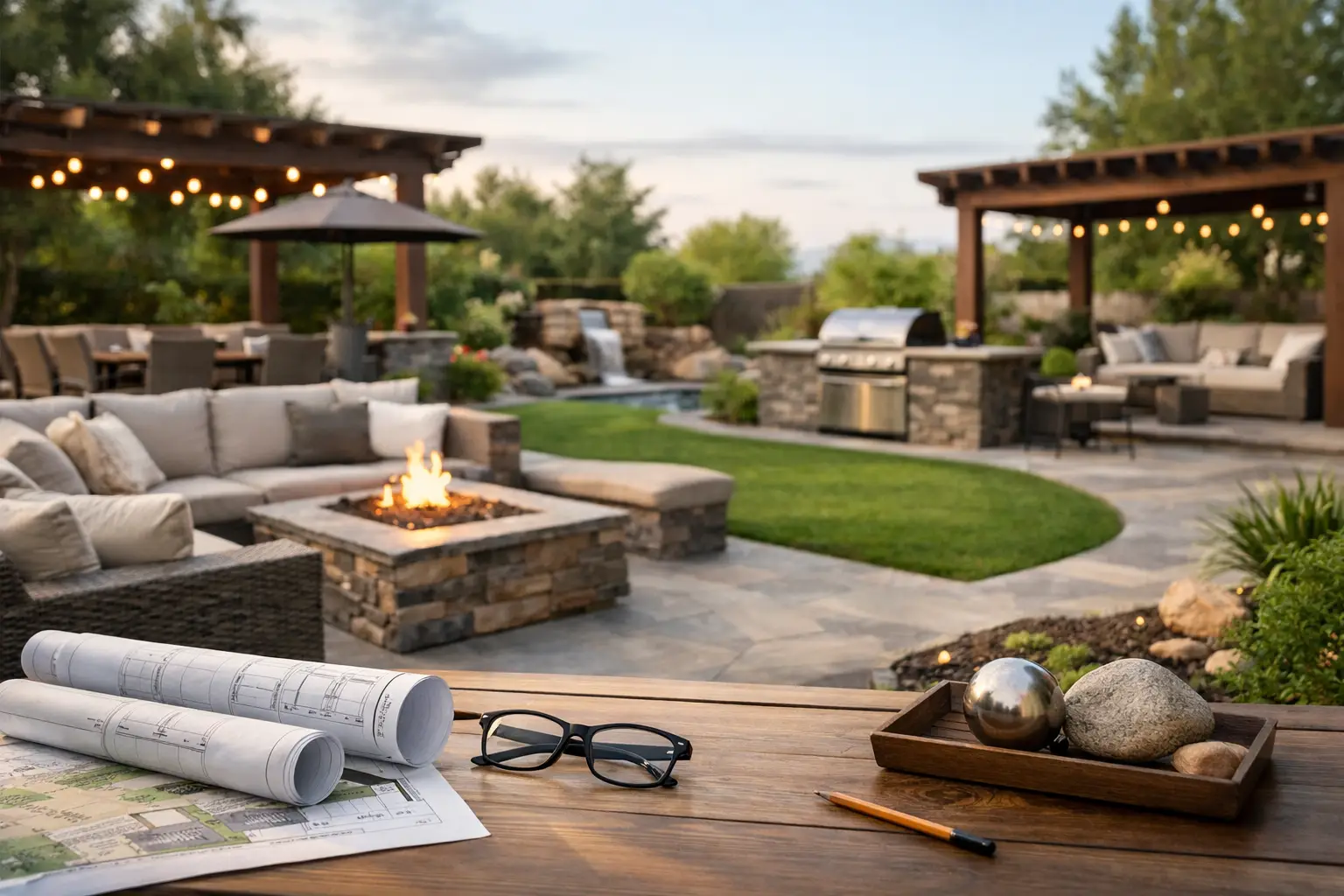
    A beautiful backyard rarely starts with a patio alone. It starts with a bigger question: how do you want to live outside? Morning coffee under a pergola, weekends by the pool, dinner from the outdoor kitchen, a fire feature glowing after sunset – those moments are what the backyard design build process is really built around.

    For homeowners investing in a premium outdoor transformation, the process matters as much as the finished space. A well-run project does more than add features. It creates a cohesive environment where every element feels intentional, from circulation and sightlines to materials, lighting, and comfort. When the design and construction teams work together from the beginning, the result is more refined, more efficient, and far less stressful for the homeowner.

    Why the backyard design build process creates better results

    In a traditional approach, design and construction often happen in separate phases with different companies. That can work for simpler projects, but it frequently creates disconnects on larger outdoor renovations. A designer may sketch a beautiful concept that exceeds the real budget. A contractor may build exactly what is specified without considering the larger experience of the space.

    A design-build approach closes that gap. The creative vision, project planning, material decisions, construction sequencing, and installation strategy are aligned early. That matters when your project includes multiple moving parts such as a pool, patio, pavilion, retaining walls, landscape lighting, drainage, planting, and an outdoor kitchen. Every choice affects the next one.

    This approach also gives homeowners a clearer path. Instead of juggling separate conversations, competing opinions, and mismatched timelines, you move through a guided process with one team shaping the full picture. For luxury outdoor living projects, that level of coordination is not a nice extra. It is what protects quality.

    Step 1: Vision, priorities, and the first conversation

    Every successful backyard begins with clarity. Not just what you want to build, but why. Are you creating a resort-style setting for entertaining? A private retreat for quiet evenings? A family space with room for recreation, swimming, and shade? The answers influence everything that follows.

    The first consultation is where practical needs and lifestyle goals start to meet. This is usually the moment to discuss how you use your home, what feels missing in the backyard now, and what level of investment feels comfortable. It is also the right time to talk honestly about site conditions, must-have features, and non-negotiables.

    For some homeowners, the pool is the centerpiece and everything else supports it. For others, the outdoor kitchen, covered structure, or fire lounge drives the layout. There is no single right starting point. The best projects are shaped around your priorities, not a preset package.

    Step 2: Site analysis and real-world feasibility

    Before a dream backyard takes shape on paper, the property has to be understood in detail. Grade changes, drainage patterns, sun exposure, privacy concerns, setback requirements, access for equipment, and existing structures all influence what is possible.

    This step often separates wishful planning from smart planning. A sloped yard may be ideal for terraced entertaining zones and retaining walls, but it can also affect excavation costs. A compact access point may limit how certain materials or pool equipment can be brought in. A stunning western view may also mean intense afternoon heat, which changes how shade structures should be positioned.

    The point is not to scale back the vision. It is to shape it intelligently. A thoughtful site review helps avoid expensive surprises later and opens the door to design ideas that fit the land instead of fighting it.

    Step 3: Concept design and layout development

    This is where the project starts to feel real. The concept phase turns conversations, inspiration images, and site constraints into an organized plan for how the backyard will function and flow.

    At this stage, the design is usually less about selecting every finish and more about establishing the framework. Where should guests enter the space? How close should the kitchen be to the house? Should the fire feature sit near the pool or farther away for a quieter lounge feel? How do you create visual balance between open gathering areas and soft landscape edges?

    Great outdoor design is never just feature stacking. It is choreography. A pool, patio, pergola, fireplace, and planting plan can all be beautiful on their own, but if they compete for space or interrupt movement, the yard will never feel effortless.

    This is also where homeowners often realize the value of custom planning. The difference between a basic backyard and an elevated one usually comes down to proportion, placement, and cohesion. Luxury lives in those decisions.

    Step 4: Budget alignment and scope refinement

    One of the most important parts of the backyard design build process is aligning ambition with investment before construction begins. That does not mean stripping a project down to the cheapest version. It means making informed choices about where value matters most.

    Sometimes the right move is to invest heavily in permanent structural elements such as masonry, drainage, and covered architecture, then phase in secondary features later. In other cases, a client may choose to prioritize the full entertaining experience now, combining cooking, dining, lighting, and poolside lounging in one complete transformation.

    Material selection plays a major role here. Natural stone, custom woodwork, specialty finishes, premium appliances, and advanced lighting systems all elevate the space, but they also shift the budget. A strong design-build team helps homeowners understand those trade-offs without losing sight of the larger goal.

    Step 5: Design detailing, engineering, and approvals

    Once the layout and scope are approved, the project moves into refinement. This is where broad ideas become buildable plans. Measurements are finalized, materials are specified, structural details are coordinated, and engineering requirements are addressed where needed.

    If your project includes a pool, retaining walls, major grade changes, pavilions, or outdoor structures, this phase is especially important. It ensures that beauty is supported by performance. A backyard should not only photograph well. It should drain properly, wear well, and hold up season after season.

    Permits and approvals are often part of this stage too. Homeowners do not always realize how much time can be tied to municipal review, HOA approvals, or utility coordination. That is one reason early planning matters. A polished process respects the creative side of design, but it also respects paperwork, sequencing, and logistics.

    Step 6: Construction and project management

    Construction is the most visible phase, but it should not feel chaotic. When pre-construction planning has been handled well, the build moves with more confidence. Crews know the scope, materials have been selected, and the sequence is mapped out to reduce delays and rework.

    That sequence matters more than most homeowners expect. Excavation affects drainage. Drainage affects hardscape elevation. Hardscape elevation affects outdoor kitchen placement, pool coping, and transitions to the home. Planting comes later for a reason. Lighting sleeves and utilities need to be considered before final surfaces go in. Every layer depends on the one before it.

    Communication is a major part of the experience here. Homeowners should understand what is happening on site, what comes next, and where decisions may still need to be made. Premium service is not only about craftsmanship. It is about making a complex project feel organized and well cared for.

    Step 7: Finishing details that make the space feel complete

    The final phase is where a backyard shifts from newly built to fully realized. Furniture placement, planting maturity, lighting scenes, grill setup, water feature tuning, and decorative accents all influence how the environment feels once you begin using it.

    This is also where cohesion becomes obvious. If the materials, architecture, and landscape palette were considered together from the beginning, the space feels settled immediately. The fire pit belongs with the seating wall. The pavilion feels anchored to the patio. The pool does not look dropped into the yard as an afterthought. Everything works as one composition.

    That finished feeling is what many homeowners are actually after. Not just a list of installed features, but a backyard that welcomes people in and makes staying outside easy.

    What homeowners should expect from a premium experience

    A high-end project should feel personalized, guided, and intentional from start to finish. That includes strong listening, thoughtful design feedback, realistic conversations about investment, and disciplined execution in the field.

    It also means understanding that no two properties or families are the same. A household that entertains large groups will make different design choices than one focused on quiet relaxation. A family with young children will think differently about circulation, safety, and play space than empty nesters building a polished outdoor retreat. Good design responds to those differences rather than forcing every yard into the same formula.

    At Beyond Backyard Living, that is the real opportunity in custom outdoor work. You are not simply adding hardscape or installing amenities. You are shaping an environment that reflects how you want to gather, host, unwind, and enjoy home.

    The best time to start is before you feel ready with every answer. A strong team can help define the vision, refine the priorities, and build a space that feels even better in person than it did in your imagination.

  • Pergola vs Pavilion Cost: What to Expect

    Pergola vs Pavilion Cost: What to Expect

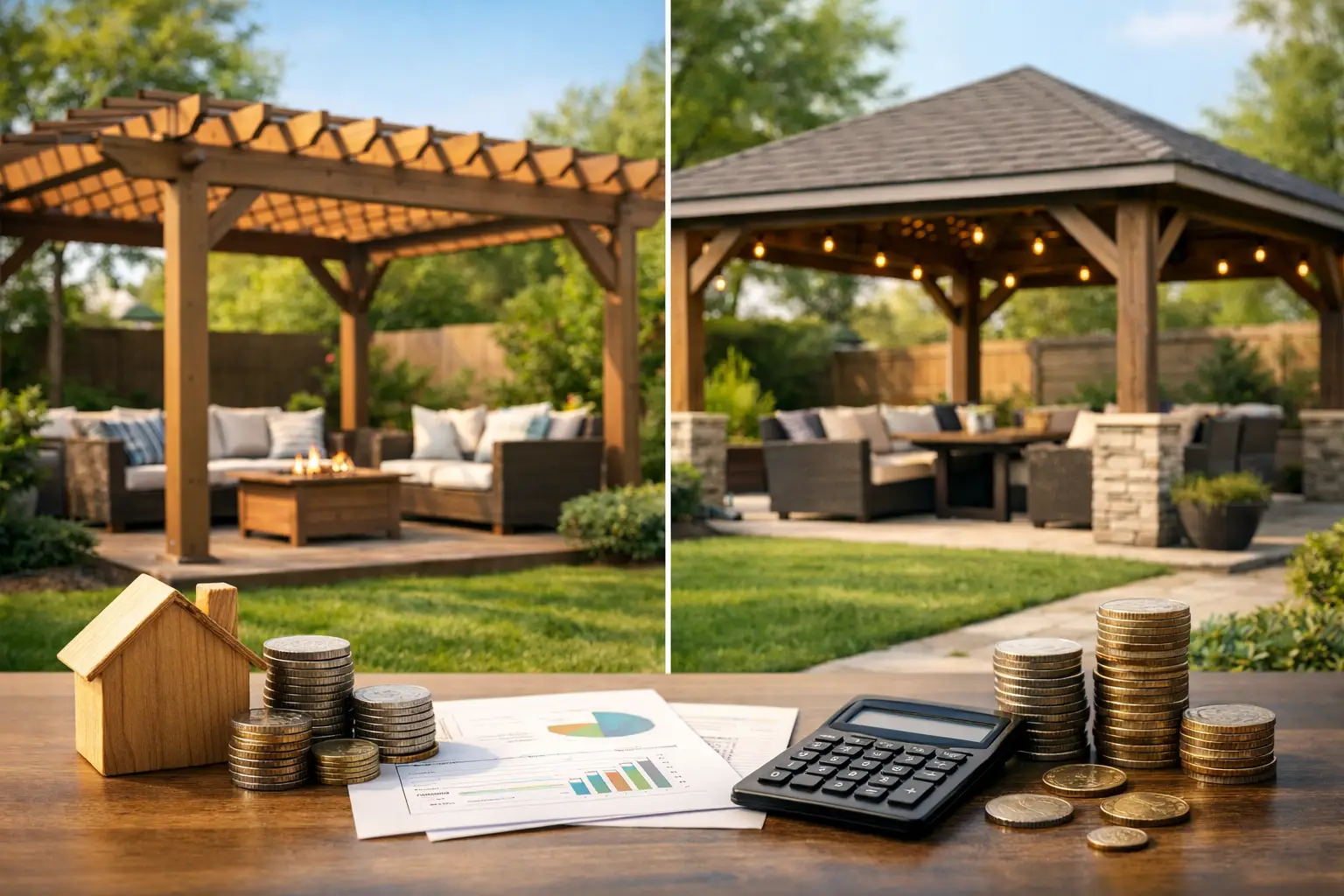
    If you are weighing pergola vs pavilion cost, the real question is usually bigger than price alone. You are deciding how you want your backyard to feel, how often you plan to use it, and whether this structure is a simple accent or the architectural anchor for an outdoor living space.

    A pergola and a pavilion can both elevate a patio, define a seating area, and make your yard more inviting. But they do it in different ways, and the budget difference can be significant once you factor in size, materials, finishes, site conditions, and the amenities you want underneath.

    Pergola vs pavilion cost at a glance

    In most residential projects, a pergola costs less than a pavilion because it is a simpler structure. A custom pergola may range from roughly $8,000 to $25,000 or more, depending on size, material, and design details. A pavilion often starts higher, with many custom projects falling between $20,000 and $60,000+, especially when the structure is fully finished and integrated into a larger outdoor setting.

    That gap exists for a reason. A pergola usually has an open roof structure with rafters or slats, while a pavilion has a full solid roof. The pavilion requires more framing, more roofing materials, and often a more substantial foundation and permitting process. It also tends to invite more upgrades, like ceiling finishes, lighting, fans, and outdoor kitchens.

    These are broad numbers, not universal pricing. In luxury outdoor environments, both structures can climb well beyond these ranges if the design is highly customized.

    What drives pergola cost

    A pergola is often the more accessible way to add architecture and shade to a backyard. It creates visual structure without fully enclosing the sky, which gives it a lighter, more open character.

    Material choice changes everything

    Pressure-treated wood is usually the most budget-friendly option, but many homeowners looking for a refined finish prefer cedar, redwood, fiberglass, aluminum, or premium composite materials. Cedar offers warmth and natural beauty, while fiberglass and aluminum deliver a cleaner, more tailored look with lower maintenance.

    The material affects both the upfront investment and the long-term ownership experience. A lower-cost wood pergola may need more staining, sealing, and maintenance over time. Premium materials tend to cost more at installation but can better support a polished, lasting result.

    Size and customization add up quickly

    A simple freestanding pergola over a small sitting area costs far less than a large custom design covering a dining terrace or poolside lounge. Decorative end cuts, oversized posts, integrated lighting, privacy screens, motorized canopies, and custom stain or paint colors all raise the price.

    That is where many homeowners see the difference between a basic structure and a finished outdoor feature. The pergola itself may be straightforward, but the custom details are what make it feel intentional and high-end.

    Installation conditions matter

    If the pergola is being installed on an existing patio with easy access, labor costs may stay relatively controlled. If crews need to work around a pool, tie into a retaining wall layout, or coordinate with new pavers and landscaping, installation becomes more complex.

    In other words, the structure is only part of the budget. The setting around it often determines how seamless and beautiful the final result will be.

    What drives pavilion cost

    When homeowners compare pergola vs pavilion cost, the pavilion usually comes in higher because it performs more like an outdoor room. It offers stronger protection from sun and weather, and it naturally supports a more complete entertaining space.

    A roof changes the project scope

    The biggest cost difference is the roof. A pavilion includes full roof framing, roofing materials, trim work, and often a finished ceiling underneath. That means more labor, more engineering, and more coordination with code requirements.

    The result is substantial. A pavilion can make an outdoor kitchen more comfortable, protect furniture more effectively, and extend how often you use your backyard through hotter afternoons and occasional rain.

    Structural requirements are heavier

    Because pavilions carry a full roof load, they often need larger posts, stronger footings, and more precise structural planning. In some areas, wind loads and local code requirements can increase engineering and construction costs even further.

    This is especially true in Sunbelt markets where outdoor living is a year-round priority. Homeowners want structures that are not only attractive, but built to handle climate conditions with confidence.

    Pavilions tend to attract more upgrades

    A pergola may stop at lighting and a few accent features. A pavilion often becomes the backdrop for a full outdoor lifestyle package. Recessed lights, pendant fixtures, tongue-and-groove ceilings, fans, mounted heaters, fireplaces, televisions, and fully equipped outdoor kitchens all fit naturally under a pavilion roof.

    That is one reason pavilion budgets can expand fast. The structure itself may be one line item, but the lifestyle built around it is usually much more ambitious.

    Which gives you more value?

    Cost matters, but value depends on how you plan to live outside.

    A pergola can be an excellent choice if you want shade definition without a heavy visual footprint. It works beautifully over dining areas, garden lounges, and transitional patio spaces. It can also be the right fit when you want to invest in multiple backyard features rather than place a larger share of the budget into one covered structure.

    A pavilion often delivers greater comfort and functionality if your goal is frequent entertaining, outdoor cooking, or a resort-style gathering area. It creates a stronger sense of destination. If you want your backyard to feel like a true extension of the home, the pavilion often justifies its higher price.

    The best value comes from choosing the structure that supports the way you actually use your property. Paying less for a pergola is not a better deal if you really want all-weather coverage. Paying more for a pavilion may not make sense if your goal is simply to add visual interest and partial shade beside the pool.

    Pergola vs pavilion cost in a full backyard design

    One of the biggest mistakes homeowners make is pricing the structure in isolation. A pergola or pavilion rarely stands alone in a premium outdoor project.

    If you are adding a new patio, upgrading drainage, incorporating a fire feature, building an outdoor kitchen, or reshaping the landscape around the structure, those surrounding elements often influence the total investment more than expected. The structure may set the tone, but the hardscaping, grading, utilities, and finish details are what make the space feel complete.

    This is where custom design matters. A pergola that is perfectly scaled to the patio can feel more luxurious than an oversized pavilion that overwhelms the yard. A pavilion placed to frame a pool, fireplace, and dining space can transform the entire property rather than functioning as a standalone shelter.

    In high-end projects, the question is not just pergola vs pavilion cost. It is how each option fits into the full vision.

    When a pergola makes more sense

    A pergola is often the smarter investment when you want an elegant architectural feature, filtered light, and a more open-air experience. It can define space beautifully without blocking views or making the backyard feel too enclosed.

    It also works well when your budget needs to stretch across several upgrades. If the plan includes new pavers, landscape lighting, planting beds, and a fire pit area, a pergola may leave more room to create a balanced, layered environment.

    For many homeowners, that mix delivers the right kind of luxury – not just one expensive element, but a cohesive outdoor space with depth and personality.

    When a pavilion is worth the premium

    A pavilion earns its higher cost when comfort, coverage, and year-round usability are top priorities. If you want to host dinners outside, relax in the shade for long stretches, or protect a full outdoor kitchen and lounge setup, a pavilion offers a different level of performance.

    It also tends to feel more like a finished extension of the home. With the right design, it can echo your architecture, elevate your patio, and create the kind of gathering space that naturally draws people in. That is why many homeowners who start by asking about price end up focusing on experience instead.

    For families investing in a long-term backyard transformation, the pavilion often becomes the centerpiece.

    How to budget wisely before you build

    The most useful early step is to decide what you want the space to do. Are you creating a shaded sitting area, an outdoor dining room, a poolside retreat, or a fully equipped entertainment zone? Once that is clear, the right structure usually becomes easier to identify.

    It also helps to think in phases if needed. Some homeowners begin with a patio and pergola, then add enhancements later. Others know they want one complete, highly finished environment from the start and prefer to invest in a pavilion with integrated features. Neither path is wrong. The right answer depends on your property, your priorities, and the level of transformation you want.

    A thoughtful design-build approach can bring clarity early, before allowances and surprises start driving the budget. That is especially valuable when custom craftsmanship, site integration, and a polished final result matter as much as the price tag.

    The best outdoor spaces are not chosen from a spreadsheet alone. They are shaped around the way you want to gather, unwind, and welcome people home.

  • How Much Does Landscaping Cost in 2026?

    How Much Does Landscaping Cost in 2026?

    A backyard that feels effortless rarely starts that way. The clean lines, layered planting, inviting patio, soft lighting, and poolside gathering space that make a home feel like a private retreat are usually the result of careful planning and a meaningful investment. So, how much does landscaping cost? For most homeowners, the answer ranges from a few thousand dollars for focused improvements to six figures for a fully customized outdoor living environment.

    The biggest mistake is treating landscaping as a single line item. It is really a collection of choices – design, grading, drainage, planting, hardscaping, lighting, irrigation, and specialty features – that all shape the final number. Once you understand what drives cost, it becomes much easier to invest wisely and build a space that looks beautiful and lives well.

    How much does landscaping cost for most homes?

    For basic landscaping updates, many homeowners spend around $5,000 to $15,000. That might include refreshing planting beds, adding sod, improving edging, installing mulch or decorative stone, and solving a few visible problem areas.

    For a more complete front or backyard refresh, costs often land between $15,000 and $50,000. This is where the project starts to feel more intentional. You may be adding landscape lighting, irrigation upgrades, new trees, expanded planting design, a walkway, small retaining walls, or a modest patio.

    For luxury outdoor transformations, budgets frequently begin around $50,000 and can rise well beyond $150,000. At this level, landscaping is no longer just about curb appeal. It becomes a full outdoor lifestyle project with custom hardscapes, water features, outdoor kitchens, shade structures, fire features, pool surroundings, and integrated design details that make the entire property feel cohesive.

    That is why broad online averages can be misleading. A homeowner searching for fresh sod and shrubs is asking a very different pricing question than someone envisioning a resort-style backyard built for entertaining.

    What has the biggest impact on landscaping cost?

    Scope of work

    The size of the project is the first major factor. A targeted upgrade to improve a front entry will cost dramatically less than reimagining an entire backyard with multiple gathering spaces. Cost rises not only with square footage, but with complexity. A yard that includes dining, lounging, cooking, and recreation zones takes more thought, more materials, and more skilled installation.

    Site conditions

    Flat, accessible lots are usually simpler and less expensive to build. Sloped terrain, poor drainage, erosion issues, tight access, and challenging soil can all raise costs. If crews need to regrade the property, bring in fill, install drainage solutions, or work around limited entry points, pricing will reflect that added labor and equipment.

    Softscape vs. hardscape

    Planting is typically less expensive than construction, although mature specimen trees and large-scale installations can still carry a premium. Hardscape elements such as patios, walkways, retaining walls, steps, and driveways tend to raise budgets quickly because they require excavation, base preparation, skilled craftsmanship, and higher-cost materials.

    This is one reason two projects of similar size can vary so much. A yard centered on lawn and planting beds may be relatively modest. A yard with natural stone, pavers, built-in seating, and architectural masonry will move into a different investment range.

    Materials and finish level

    Material selection changes everything. Concrete pavers generally cost less than premium natural stone. Pressure-treated structures cost less than custom cedar or hardwood details. Standard plant sizes cost less than mature installations that create instant impact.

    Luxury projects often invest in materials that do more than look good on day one. They hold their color, wear beautifully, and complement the architecture of the home. That matters when the goal is not just a finished yard, but a refined, lasting outdoor environment.

    Features and amenities

    Every added feature shifts the budget upward. Fire pits, fireplaces, pergolas, pavilions, seat walls, outdoor kitchens, pizza ovens, water features, putting greens, and custom lighting systems all add value and enjoyment, but each comes with its own design and installation demands.

    Pools deserve their own category because they often become the anchor of a high-end backyard plan. Once a pool enters the conversation, surrounding hardscape, plant design, drainage, fencing, lighting, and outdoor entertaining areas usually follow.

    Typical landscaping cost by project type

    If you are trying to build a realistic budget, it helps to think in components.

    A planting refresh with bed clean-up, mulch, and a mix of shrubs and ornamental accents may fall between $3,000 and $10,000, depending on yard size and plant selection. Sod installation may add several thousand dollars more, especially if site prep is extensive.

    Irrigation systems often range from roughly $2,500 to $8,000 or more. Landscape lighting can start around $2,000 for a simple setup and climb past $10,000 for a professionally designed system that highlights architecture, pathways, trees, and entertaining areas.

    Patios and walkways often begin around $8,000 to $15,000 for smaller spaces and can easily exceed $25,000 to $50,000 when materials, size, and custom detailing become more ambitious. Retaining walls can range widely based on height, engineering needs, and material choice, often starting in the several-thousand-dollar range and moving much higher for structural or decorative installations.

    Outdoor kitchens usually start around $15,000 and can rise quickly depending on appliances, utilities, counters, storage, and finish materials. Fire features may range from a few thousand dollars for a simple fire pit to significantly more for a custom fireplace with seating walls and integrated hardscape.

    A comprehensive luxury backyard renovation, especially one designed as a unified experience rather than a collection of add-ons, can move into the $75,000 to $250,000 range and beyond.

    Why design matters to the final number

    Homeowners sometimes see design as an extra cost when it is actually one of the smartest ways to control the overall investment. Good design prevents expensive missteps, awkward layouts, and disconnected features that never quite work together.

    A thoughtful plan also helps prioritize where to spend and where to simplify. You may decide that a larger entertaining patio matters more than oversized planting beds, or that lighting and drainage should happen now while a pavilion is phased for later. The point is not to cut ambition. It is to shape ambition into a plan that fits your property and your lifestyle.

    For premium outdoor living projects, design becomes even more valuable because every decision affects the next one. Grade changes affect patios. Patio placement affects kitchen layout. Shade structures affect lighting. Planting affects privacy and sightlines. When these elements are coordinated from the beginning, the result feels polished instead of pieced together.

    How to budget for the yard you really want

    The most effective starting point is not asking what landscaping should cost in the abstract. It is asking what kind of experience you want your property to deliver.

    If your priority is curb appeal, your budget may focus on front-yard planting, lighting, and entry hardscape. If you love entertaining, you may want to invest in a patio, cooking area, fire feature, and layered lighting first. If your goal is a complete backyard escape, the budget should reflect a holistic vision rather than scattered upgrades over time.

    It also helps to be honest about whether you want a cosmetic refresh or a transformational project. There is nothing wrong with either choice, but they are priced very differently. A refresh improves appearance. A transformation changes how you live at home.

    In many cases, phasing the project makes sense. Core infrastructure such as grading, drainage, utilities, and main hardscape can be completed first, with additional enhancements added later. That approach protects the integrity of the design while giving you flexibility on timing.

    When a lower bid is not really a better value

    Landscaping estimates can vary sharply, and it is tempting to compare them as if they are interchangeable. They usually are not. One proposal may include detailed site prep, drainage work, premium materials, and a cohesive design approach, while another may only cover visible surface improvements.

    A lower price can sometimes mean smaller plant material, less base preparation under pavers, fewer lighting fixtures, limited warranty coverage, or a fragmented scope that leaves key problems unresolved. Those savings can disappear fast if you need repairs, replacements, or additional work later.

    For homeowners investing in a signature outdoor space, craftsmanship matters. So does project management. A beautifully designed backyard loses its appeal quickly if the process feels chaotic or the details are rushed.

    So, what should you expect to spend?

    A practical working range for professional landscaping is about $5,000 to $50,000 for small to mid-sized improvements, with custom outdoor living projects often starting at $50,000 and moving upward based on features, materials, and site conditions. If your vision includes multiple destinations, elevated finishes, and a fully integrated design, the investment will reflect that level of customization.

    The right question is not just how much does landscaping cost. It is what will it take to create an outdoor setting that fits your home, your routines, and the way you want to host, relax, and spend time outside. That is where the real value lives.

    If you are planning a backyard with lasting beauty and purpose, start with the vision, then build the budget around the experience you want to come home to.

  • 9 Backyard Entertaining Space Ideas

    9 Backyard Entertaining Space Ideas

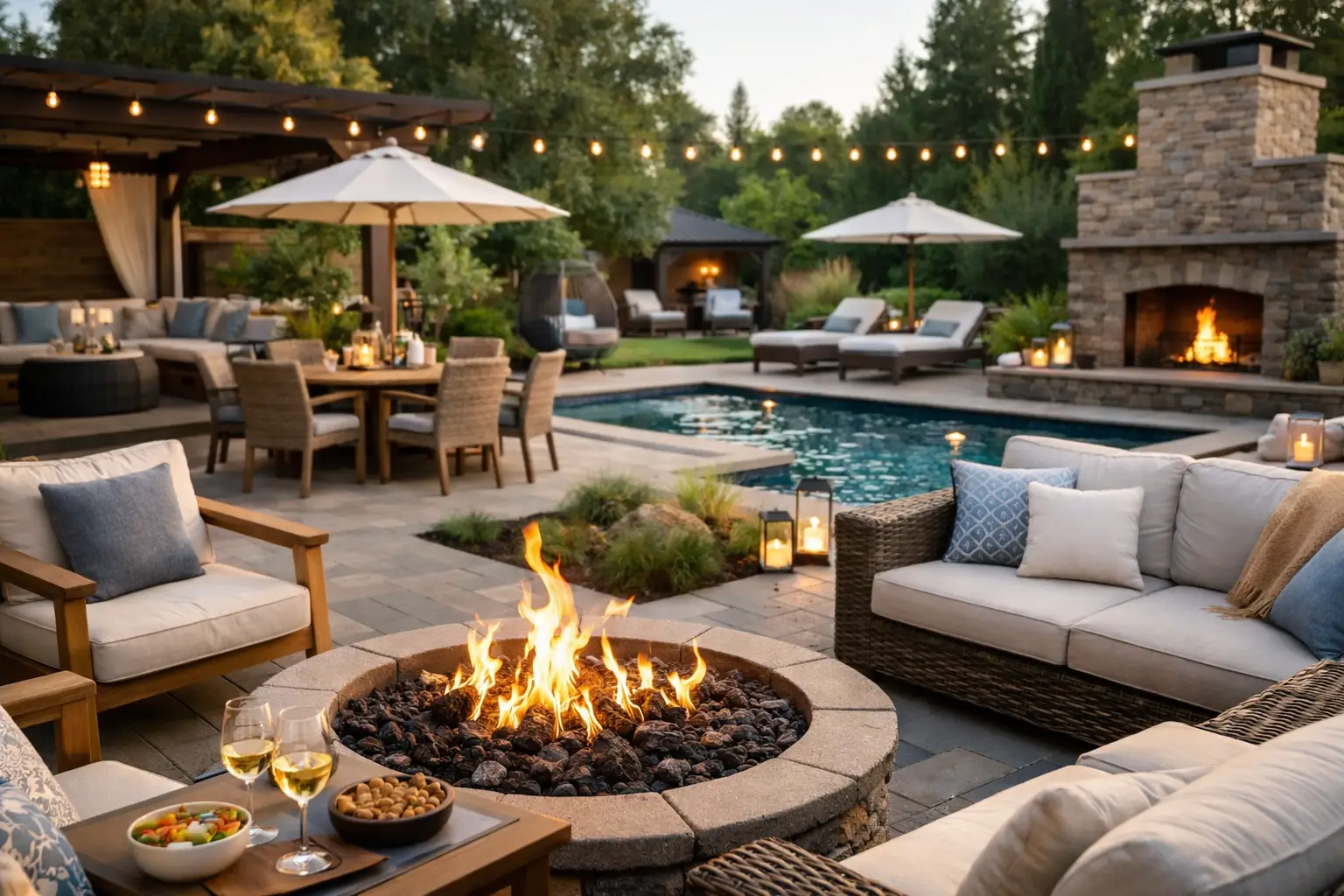
    A great party usually starts the same way – everyone drifts outside. One person heads for the grill, kids find the pool, and before long the patio becomes the place no one wants to leave. That is why backyard entertaining space ideas are less about adding a few features and more about shaping an experience people naturally gather around.

    For homeowners investing in a premium outdoor environment, the goal is not simply to make the yard look better. It is to create a setting that feels generous, easy to use, and beautifully composed from every angle. The most memorable entertaining spaces balance comfort, movement, atmosphere, and function. They are designed to host a quiet dinner for four just as effortlessly as a birthday celebration or holiday gathering.

    Backyard entertaining space ideas that feel complete

    The difference between an attractive backyard and a truly inviting one often comes down to cohesion. A standalone patio, a grill in the corner, and a few chairs may check boxes, but they rarely create the polished feeling homeowners are after. A successful entertaining space is layered. It gives guests a place to arrive, mingle, dine, relax, and linger.

    That usually starts with zones. Not rigid, overplanned zones, but purposeful spaces that support the way people actually use the yard. A dining terrace near the outdoor kitchen makes serving simple. A lounge area anchored by a fireplace or fire pit encourages conversation after dinner. If a pool is part of the design, the surrounding deck should still leave room for dry seating, shaded retreat, and clear paths of travel.

    This is where custom planning matters. The best layouts do not feel crowded or oversized. They feel intuitive. Guests know where to sit, where to gather, and where to move without the space ever seeming forced.

    Start with a strong central gathering area

    If you are deciding where to invest first, begin with the main entertaining terrace. This is the foundation of the backyard experience. In most high-end projects, that means a spacious patio built with quality pavers, natural stone, or another elevated hardscape material that can support dining, lounging, and circulation.

    Size matters here. One of the most common mistakes is underbuilding the patio and then trying to fit too many uses into it. Dining chairs need room to slide back. Walkways need to stay open. Lounge seating should feel relaxed, not wedged into leftover corners. A larger terrace often costs more upfront, but it performs better for years and protects the overall look of the design.

    Material choice matters too. Rich textures, clean edge details, and coordinated color palettes help the space feel tailored to the architecture of the home. When the patio, steps, walls, and coping speak the same design language, the backyard feels intentional rather than assembled piece by piece.

    Build an outdoor kitchen people will actually use

    Few backyard entertaining space ideas deliver as much lifestyle value as an outdoor kitchen, but only when it is designed around real habits. A built-in grill is a strong start. A prep counter, refrigeration, storage, and a sink can make the space dramatically more functional. Add bar seating and the cook is no longer isolated from the gathering.

    The right kitchen depends on how you entertain. Some homeowners want a streamlined grilling station that supports weeknight meals and casual weekends. Others want a full culinary setup with a pizza oven, beverage center, ice storage, and generous serving space for larger events. Neither is inherently better. It depends on whether the backyard is meant for occasional hosting or frequent, all-day use.

    Placement is just as important as features. A kitchen too far from the house can become inconvenient. Too close to a seating area, and heat and smoke may affect comfort. The most successful designs place cooking, prep, and serving in a way that keeps the host connected without overwhelming the social space.

    Backyard entertaining space ideas for comfort and atmosphere

    Beautiful entertaining spaces win people over quickly, but comfort is what keeps them outside. In warm Sunbelt climates especially, shade, airflow, and evening ambiance should be considered from the beginning, not treated as afterthoughts.

    Add shade with architectural presence

    A pergola or pavilion does more than provide relief from the sun. It gives the backyard structure and a stronger sense of destination. Covered spaces also expand when and how often homeowners use the yard. Midday lunches become more pleasant. Summer gatherings last longer. Outdoor furniture holds up better.

    A pergola offers filtered light and a lighter visual footprint, which works well over dining terraces or transitional lounge areas. A pavilion creates a more substantial outdoor room and can support fans, lighting, heaters, and even mounted entertainment. If your entertaining style leans toward long dinners, game-day gatherings, or all-season use, the extra coverage can be worth it.

    The trade-off is scale and investment. A larger structure makes a stronger statement, but it needs to fit the home and the site. If it dominates the yard or blocks valuable views, it can make the space feel smaller instead of more luxurious.

    Use fire to extend the evening

    A fire feature changes the rhythm of an outdoor gathering. People naturally settle in around it, conversations slow down, and the backyard takes on a warmer, more intimate character. For many homeowners, this is the element that turns a patio into a destination.

    A custom fireplace creates drama and architectural presence, especially in larger yards or under covered structures. A fire pit feels more casual and communal, making it ideal for open-air lounge zones. The choice often comes down to how formal you want the space to feel and how much room you have.

    Gas offers convenience and quick ignition. Wood brings crackle, aroma, and a more traditional campfire mood. In some neighborhoods, local codes or air-quality concerns may influence that choice, so the romance of wood should be weighed against practicality.

    Make lighting part of the design, not an add-on

    The most inviting outdoor spaces look just as considered at 8 p.m. as they do at 2 p.m. Layered lighting is what makes that possible. Path lights improve safety, downlighting softens seating areas, and accent lighting highlights stonework, water features, or specimen plantings.

    Good lighting should not feel glaring or theatrical. It should create depth and mood. Guests should be able to see their food, move comfortably, and enjoy the setting without feeling like the whole yard is under a spotlight. This is one area where restraint usually creates the more luxurious result.

    Features that turn a backyard into a destination

    Once the core entertaining areas are in place, signature features elevate the experience and give the space personality. These are often the elements guests remember most.

    A pool is the obvious anchor for many homes in the South, but it works best when it is integrated into the larger entertaining plan. The surrounding hardscape, tanning ledges, water features, and adjacent lounge areas should all support both recreation and visual impact. A beautiful pool with nowhere comfortable to gather nearby often feels incomplete.

    Waterfalls and decorative water features bring movement and sound, which can make the entire yard feel more serene and resort-like. They also help soften nearby hardscape and create a stronger sensory experience. That said, they should suit the architecture and scale of the project. Oversized rock features can feel disconnected in a more refined, modern setting.

    Recreation spaces can also be part of luxury entertaining when they are thoughtfully placed. Putting greens, sport courts, and lawn game areas give guests of all ages something to do, especially during longer gatherings. The key is integration. These features should feel like part of the property design, not like separate installations dropped into leftover space.

    Don’t overlook transitions and edges

    Some of the smartest entertaining upgrades are the ones guests barely notice. Wide steps, seat walls, planting borders, and connecting walkways make the entire backyard easier to enjoy. They guide movement, define spaces, and soften large paved areas.

    Retaining walls can do more than solve grade changes. When detailed well, they create usable terraces and additional seating opportunities. Planters can frame dining spaces and add privacy without making the yard feel enclosed. These quieter elements are often what give a custom project its finished, architectural quality.

    Design for your entertaining style, not someone else’s

    The most impressive backyard is not necessarily the one with the most features. It is the one that reflects how you live. If your favorite nights involve wine by the fire with close friends, invest in lounge comfort, lighting, and warmth. If your house is where everyone gathers for birthdays and big family meals, prioritize dining capacity, cooking space, and circulation. If your ideal weekend includes pool time, outdoor music, and kids moving from one activity to the next, the layout should support that energy.

    This is why luxury outdoor design is not about copying inspiration photo for inspiration photo. It is about editing, refining, and building around lifestyle. A thoughtfully designed backyard should feel natural on an ordinary Tuesday and exceptional when the guest list grows.

    When every surface, structure, and gathering space works together, entertaining becomes easier and more enjoyable. And that is really the point – not just to have a beautiful yard, but to create a place that welcomes people in and makes them want to stay a little longer.

  • Fire Pit vs Fireplace Outdoor: Which Fits?

    Fire Pit vs Fireplace Outdoor: Which Fits?

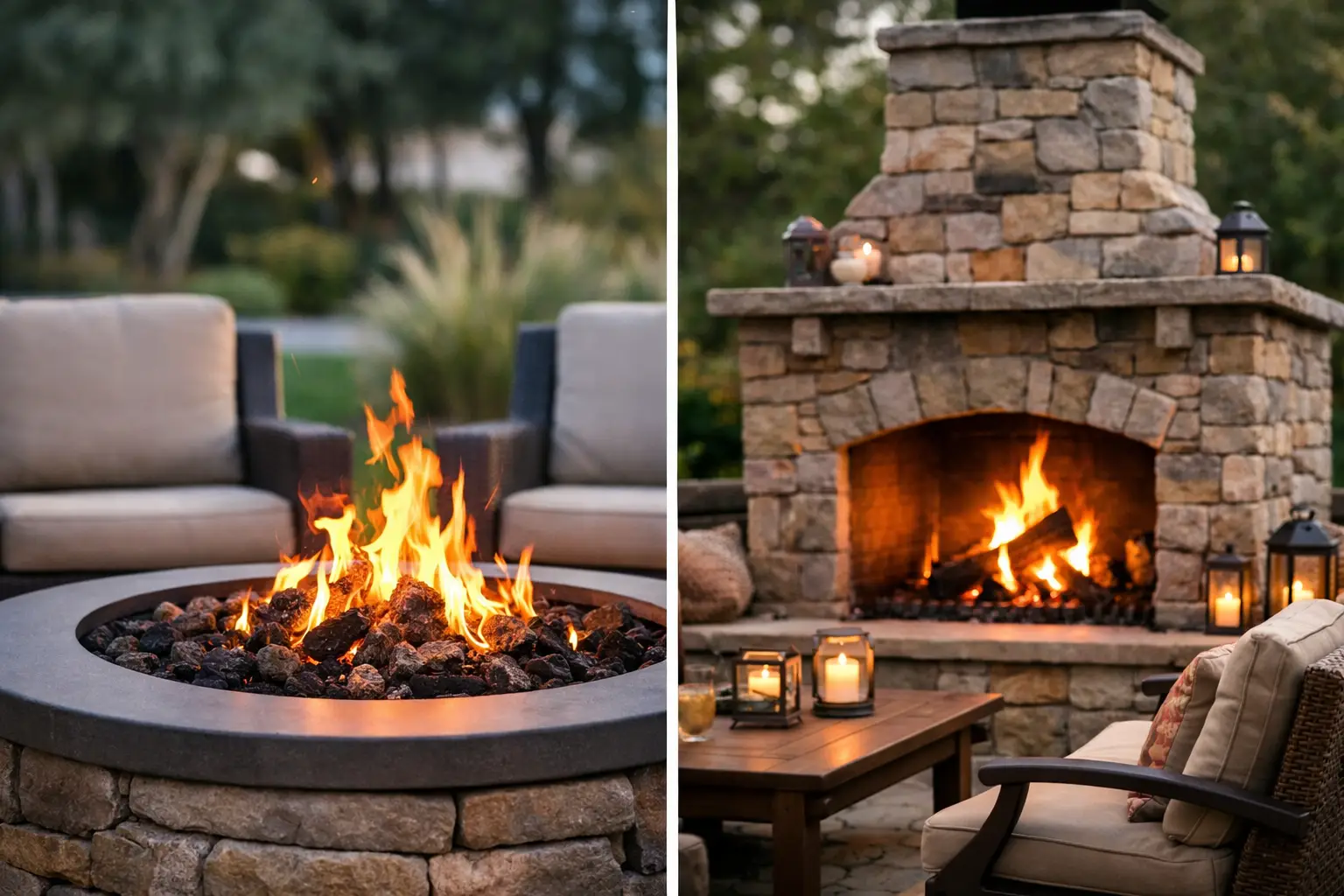
    A beautiful fire feature can change the entire mood of a backyard after sunset. If you are weighing a fire pit vs fireplace outdoor decision, the real question is not just which one looks better – it is which one supports the way you want to live, host, and relax outside.

    For some homeowners, a fire pit becomes the social center of the yard, where guests gather with a drink and conversation stretches long into the evening. For others, an outdoor fireplace creates the feeling of an open-air living room, with structure, warmth, and a more architectural presence. Both can be stunning. The better choice depends on your layout, how you entertain, and the atmosphere you want your outdoor space to deliver.

    Fire pit vs fireplace outdoor: the biggest difference

    At a glance, the difference seems simple. A fire pit is open on all sides and designed for gathering around the flame. An outdoor fireplace has a defined front opening and a chimney structure, which directs smoke upward and creates a more enclosed experience.

    That distinction affects far more than appearance. A fire pit invites movement and conversation from every angle. It feels casual, flexible, and communal. An outdoor fireplace is more directional. It naturally organizes furniture, frames a seating area, and gives the space a finished, resort-style character.

    If your backyard vision includes multiple guests mingling in a relaxed setting, a fire pit often feels more effortless. If you are designing an elegant lounge or covered patio with a clear focal point, a fireplace usually has the stronger visual impact.

    How each one shapes the experience

    The best outdoor spaces do more than add features. They create a feeling. That is where this decision becomes more personal.

    Why homeowners choose a fire pit

    A fire pit has an easy, magnetic quality. People instinctively gather around it. Because it can be accessed from all sides, it suits larger groups and more casual entertaining. It is especially appealing in open patio areas, poolside lounges, and backyard spaces where circulation matters.

    There is also a certain informality to a fire pit that many families love. It feels natural for roasting marshmallows, pulling up extra chairs, or letting the evening unfold without a strict seating arrangement. In design terms, it tends to support a more relaxed social setting.

    Fire pits can also be easier to integrate into broad outdoor plans. Round, square, and rectangular designs offer flexibility, and they pair well with patios, seat walls, and sunken gathering spaces.

    Why homeowners choose an outdoor fireplace

    An outdoor fireplace brings architecture into the landscape. It is not simply a source of warmth. It creates a destination. The vertical structure adds height, presence, and a sense of permanence that can elevate the entire backyard.

    This option often appeals to homeowners who want a more refined entertaining experience. A fireplace can anchor an outdoor living room, define a covered pavilion, or add elegance to a patio that already includes a kitchen, dining area, or custom poolscape. It feels intentional and composed.

    There is also a comfort advantage. Because the opening faces forward, a fireplace can make a seating area feel more sheltered and intimate. In cooler seasons or breezy conditions, that can be a meaningful benefit.

    Style matters, but layout matters more

    It is easy to choose based on appearance alone. That is where many backyard plans go slightly off track.

    A fire pit may be beautiful, but if your patio is narrow or your seating area already has strong directional lines, it can make the space feel less organized. A fireplace may be impressive, but if you want people moving freely through a large entertainment zone, it may create too much separation.

    The best choice usually starts with the layout. A fire pit works best when there is enough surrounding space for circulation and seating without crowding the flame. A fireplace works best when there is a natural wall location or a defined area that benefits from a visual anchor.

    This is especially true in premium outdoor environments, where every feature needs to contribute to a cohesive composition. The fire element should not feel dropped in. It should feel like it belongs to the larger story of the property.

    Warmth, smoke, and comfort

    Function matters as much as style. A fire pit radiates heat outward in all directions, which is great for group seating. But because it is open, smoke can shift more noticeably depending on the wind and fuel type.

    An outdoor fireplace handles smoke differently. The chimney draws it upward, which can create a more comfortable experience in the right conditions. That said, fireplaces concentrate warmth in front of the opening rather than around all sides, so furniture placement becomes more important.

    Fuel also changes the equation. Wood-burning options bring crackle, aroma, and a more traditional fireside feel. Gas offers cleaner operation, easier starts, and less maintenance. For many luxury outdoor projects, gas becomes the practical favorite because it supports convenience without sacrificing ambiance.

    Budget and build complexity

    When homeowners compare a fire pit vs fireplace outdoor installation, budget is often part of the conversation. In general, fire pits are usually more cost-effective than outdoor fireplaces. They require less vertical construction, fewer materials, and often less involved installation.

    Outdoor fireplaces tend to be a larger investment. They are more architectural, more labor-intensive, and often require a more substantial foundation and structural planning. If you want integrated seating, veneer finishes, hearth details, or a fireplace built into a pavilion or outdoor room, the project can become quite sophisticated.

    That does not mean a fireplace is the wrong choice. It simply means the return is different. A fire pit gives you flexibility and social energy. A fireplace gives you visual drama, stronger spatial definition, and a more elevated design statement.

    Which one is better for resale and curb appeal?

    There is no universal winner, because value comes from context. A well-designed fire pit can absolutely enhance a backyard and make the home more appealing to buyers who love entertaining. A custom fireplace can add a luxury layer that makes the property feel more complete and distinctive.

    The deciding factor is integration. A mismatched fire feature rarely adds as much value as one that feels tailored to the home, architecture, and outdoor lifestyle. In high-end backyards, buyers notice when the materials, proportions, and placement feel intentional.

    That is one reason custom design matters. The right fire feature should feel connected to the patio, pool, kitchen, landscaping, and flow of the yard – not like an isolated upgrade.

    When a fire pit is the smarter choice

    A fire pit is often the right fit if you entertain larger groups, want a casual gathering spot, or need a feature that works naturally in an open-concept backyard. It is also a strong choice when flexibility matters, especially if your space includes several activity zones and you want the fire feature to support social movement.

    It also tends to suit families who want a backyard that feels welcoming and easy to use. The atmosphere is relaxed, the seating can be more versatile, and the experience feels inherently communal.

    When an outdoor fireplace is worth it

    An outdoor fireplace is often the stronger choice if your goal is a polished outdoor living room feel. It works beautifully in spaces where architecture leads the design, especially under pavilions, beside outdoor kitchens, or along the edge of a formal patio.

    It is also ideal for homeowners who want a statement piece. A custom fireplace adds stature. It can make a backyard feel more curated, more luxurious, and more like an extension of the home itself.

    For many clients working with Beyond Backyard Living, that distinction matters. The fire feature is not just a utility. It is part of a larger experience – one that blends hospitality, beauty, and everyday enjoyment in a way that feels deeply personal.

    The best answer may be the one that fits your full vision

    Sometimes the question is not fire pit or fireplace. It is which one belongs in the setting you are creating. If your dream backyard centers on lively evenings with friends gathered in every direction, a fire pit may be the natural fit. If you picture a sophisticated lounge with layered materials and strong focal points, a fireplace may be the move that completes the space.

    Either way, the best outdoor fire feature should feel effortless once it is built. It should suit the scale of your yard, reflect the style of your home, and make the entire space more inviting after dark.

    When that choice is made with the full landscape in mind, fire becomes more than an amenity. It becomes part of how your backyard welcomes people in.

  • Paver Driveway Installation Cost Explained

    Paver Driveway Installation Cost Explained

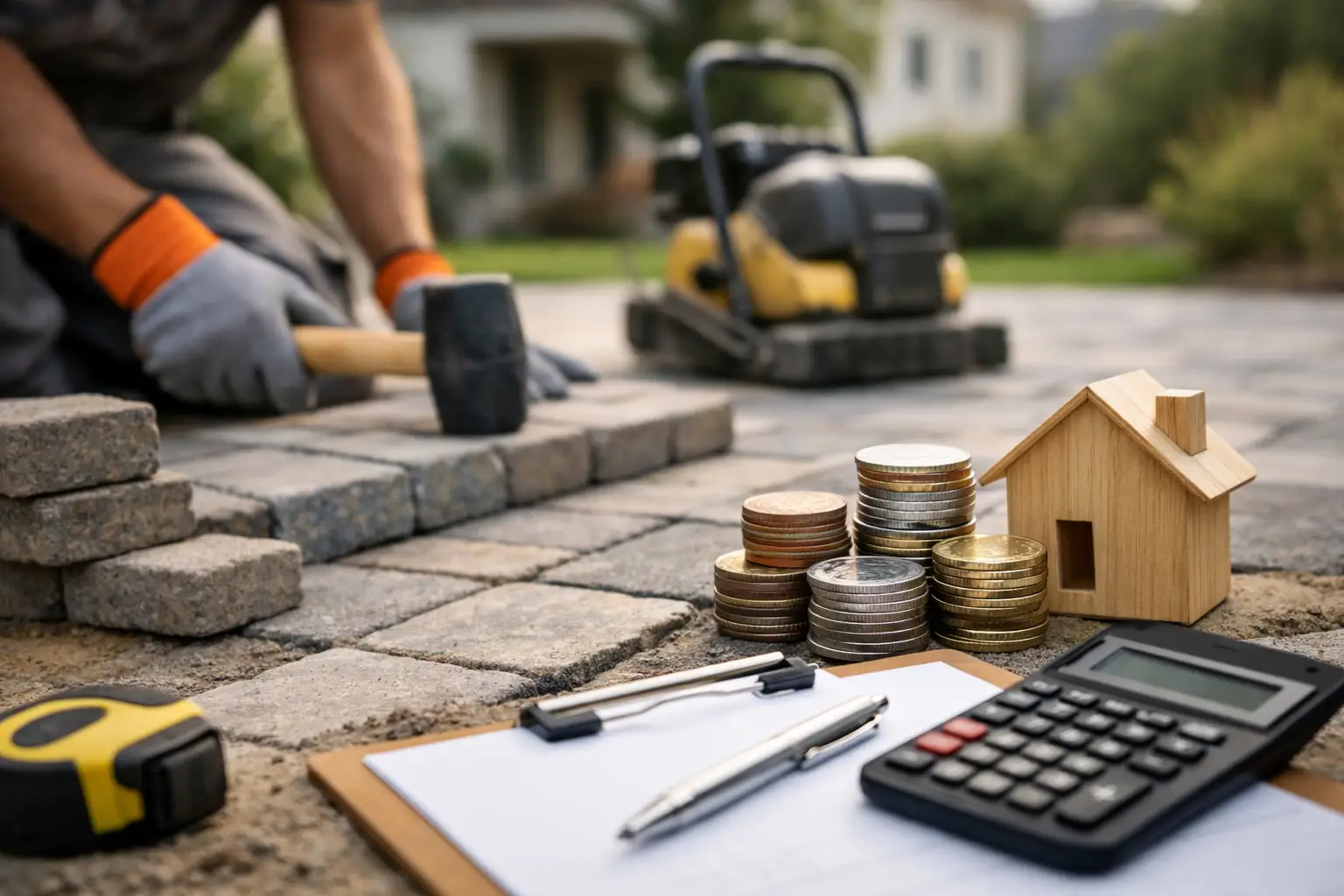
    The number most homeowners want first is simple: what will this actually cost? For a premium home, paver driveway installation cost often starts well above basic concrete because you are paying for more than surface area. You are investing in curb appeal, durability, drainage performance, and a finished arrival experience that sets the tone for the entire property.

    A paver driveway has presence. It frames the front of the home, elevates landscaping, and creates a more tailored look than a poured slab ever could. But cost can vary widely depending on the size of the driveway, the paver selected, the complexity of the layout, and what has to happen underneath the surface to support it for years to come.

    What is the average paver driveway installation cost?

    In most markets, paver driveway installation cost falls somewhere between $20 and $40 per square foot for a professionally installed project, with higher-end custom work moving beyond that range. A straightforward driveway using quality concrete pavers on a site with easy access will typically land at the lower to middle end. A larger estate-style entrance with premium materials, borders, lighting coordination, curves, and more demanding prep can climb quickly.

    That means a 600-square-foot driveway may start around $12,000, while a 1,000-square-foot driveway can reach $20,000 to $40,000 or more depending on design choices and site conditions. For luxury homes, those higher figures are not unusual because the driveway is rarely treated as a standalone utility surface. It is usually part of a broader front-yard composition.

    This is where simple online calculators often miss the mark. They tend to price only the visible layer, when much of the real value is hidden below grade.

    What drives paver driveway installation cost

    The biggest factor is size, but size alone does not tell the full story. Two driveways with the same square footage can have very different budgets if one is a flat rectangle and the other includes curves, aprons, transitions, steps, or parking extensions.

    Site preparation is often the swing factor. If the existing driveway needs demolition and haul-off, if the soil is unstable, or if grading has to be corrected to move water away from the home, the cost rises. In warm-weather and storm-prone regions, drainage planning matters. A beautiful paver surface will only perform as well as the base beneath it.

    Material selection also changes the number. Standard concrete pavers are often the most approachable option and still deliver an upscale look when the pattern and color palette are chosen well. Thicker driveway-rated pavers, textured finishes, larger-format units, and specialty shapes all add to material cost. Natural stone can push the budget substantially higher.

    Labor is another major component. Precision matters with paver installation. The driveway has to be excavated properly, compacted in lifts, graded accurately, edged securely, and finished so the pattern remains crisp and stable under vehicle traffic. A lower bid can look appealing at first, but shortcuts in excavation depth, base construction, or restraint systems often show up later as settling, shifting, or drainage issues.

    Material choices and how they affect price

    Concrete pavers remain the most common choice for driveways because they balance design flexibility, performance, and value. They come in a wide range of colors, shapes, and surface textures, which makes it easier to coordinate with the architecture of the home, the roof tone, and nearby hardscape features.

    Clay brick pavers offer classic character and warmth, but they may come at a premium depending on the product and availability. Natural stone creates a striking, estate-level finish, yet it usually carries one of the highest installation costs because material pricing and labor complexity both increase.

    The pattern matters too. A simple running bond is typically less labor-intensive than a herringbone or multi-size layout with decorative borders. That said, some patterns perform better for vehicular traffic and create a more intentional design statement. For many homeowners, that added investment is worth it because the driveway becomes a defining visual feature rather than an afterthought.

    Why the base matters as much as the pavers

    A premium driveway is built from the ground up. Excavation depth, aggregate base, compaction, bedding layer, edge restraint, and joint material all affect long-term performance. If the base is undersized or poorly compacted, even expensive pavers can fail.

    This is one of the clearest examples of where cost and value are not the same thing. A project with thorough prep may cost more upfront, but it protects the finish, reduces maintenance problems, and helps the driveway hold its lines over time. Especially on larger homes, where the driveway occupies a prominent amount of visual and functional space, structural integrity should never be treated as optional.

    Drainage also belongs in this conversation. Water management may involve subtle slope adjustments, collection points, tie-ins to other drainage solutions, or integration with surrounding grading. These details are not flashy, but they are part of what makes a driveway feel polished and professionally resolved.

    Design choices that raise or lower the budget

    Clean geometry is generally more budget-friendly than highly customized layouts. Straight runs, standard borders, and consistent elevations take less time to install than sweeping curves, inlays, medallions, or multiple transitions into walkways and entry courts.

    Still, many homeowners are not looking for the lowest possible number. They want a driveway that complements the home and creates a stronger first impression. In those cases, strategic upgrades often have the best payoff. A contrasting border, a richer paver tone, or a widened apron can dramatically elevate the final look without transforming the project into an entirely different budget tier.

    Lighting, columns, landscaping, and adjacent walkways can also influence the total investment if they are part of the same front-entry transformation. That is often the smarter approach from a design standpoint because the driveway should not feel disconnected from the rest of the property.

    Paver driveway vs concrete or asphalt

    If you are comparing options strictly on upfront cost, asphalt and poured concrete usually come in lower. But that does not mean they deliver the same long-term experience.

    Pavers offer a more custom appearance, stronger architectural character, and easier repairability. If one area is damaged or settles, individual sections can often be addressed without replacing the whole driveway. With concrete, cracks can be difficult to disguise. Asphalt can be practical, but it rarely delivers the refined, high-end look that homeowners want when the goal is to elevate curb appeal.

    There is a trade-off. Pavers generally cost more at the beginning. Yet for homeowners investing in a luxury exterior, the visual return is substantial. The driveway stops looking purely functional and starts feeling like part of the home’s design language.

    How to budget realistically for a premium project

    The best starting point is to think in ranges, not exact numbers. If you are early in the process, estimate based on square footage, then add room for the factors that commonly change pricing: demolition, drainage, access challenges, borders, upgraded pavers, and tie-ins to other hardscape elements.

    It also helps to decide what matters most. If your priority is a dramatic front-entry statement, put more of the budget into layout, proportion, and material selection. If long-term performance is the top concern, focus on proper base construction and drainage. In a well-executed project, both should be handled thoughtfully.

    For many homeowners, the right question is not just, “What is the cheapest way to do this?rdquo; It is, “What level of investment gives me a driveway that truly matches the home?rdquo; That shift in thinking tends to lead to better decisions and a more satisfying result.

    When a higher paver driveway installation cost is worth it

    A higher paver driveway installation cost makes sense when the driveway plays a visible role in the overall property design, when the home has upscale architecture that would be diminished by a plain surface, or when site conditions demand a more engineered solution.

    It is also worth paying more when the project is being considered alongside other exterior upgrades. A driveway that connects gracefully to a front walk, entry landing, retaining walls, or landscape lighting feels intentional. That cohesion is hard to achieve when each piece is handled separately with cost as the only filter.

    At Beyond Backyard Living, that bigger-picture thinking is part of what turns a driveway into a true design feature. The result is not just a place to park. It is an arrival experience that feels tailored, welcoming, and built with lasting craftsmanship.

    A well-designed paver driveway should make coming home feel different. If you are planning one, give equal weight to beauty, structure, and the way the space fits the rest of your property. That is usually where the smartest investment reveals itself.

  • Outdoor Living Planning Guide for Better Backyards

    Outdoor Living Planning Guide for Better Backyards

    A great backyard rarely starts with a patio or a pool. It starts with a clear point of view about how you want to live outside. That is what makes an outdoor living planning guide so valuable. It helps you move past scattered ideas and start shaping a space that feels intentional, beautiful, and built around the way you entertain, relax, cook, and gather.

    For homeowners investing in a premium outdoor environment, the biggest mistake is not choosing the wrong material or feature. It is planning each element in isolation. A fire pit gets added one year, a patio expands the next, and eventually the yard feels pieced together instead of composed. The strongest outdoor spaces work as a complete experience, with every choice supporting the next.

    Why an outdoor living planning guide matters

    Luxury outdoor projects are rarely about adding one feature. They are about creating a destination at home. That means circulation, views, shade, privacy, lighting, and scale matter just as much as the statement pieces.

    A well-planned backyard can make a property feel larger, calmer, and more welcoming. It can also improve how often you use the space. A stunning outdoor kitchen that sits too far from the house may look impressive but feel inconvenient on a weeknight. A fireplace without enough surrounding seating may become more decorative than social. Good planning protects your investment by making sure beauty and function rise together.

    This is also where budget decisions become smarter. When you know the full vision early, you can decide what deserves immediate investment and what can be phased without compromising the overall design. That is very different from making upgrades one at a time and hoping they eventually connect.

    Start with lifestyle, not features

    The best outdoor spaces are personal. Before discussing pavers, pool finishes, pergola styles, or appliances, define the life you want your backyard to support.

    Think about your most common use cases. You may host large family gatherings, quiet dinners for two, pool parties for the kids, or football weekends with neighbors. Some homeowners want a resort-style retreat that feels private and restorative. Others want a high-function entertaining space with multiple zones operating at once. Most want both, but the balance matters.

    This is where priorities start to separate. If cooking outdoors is central to your lifestyle, the kitchen should not be treated like an accessory. If evening entertaining matters most, lighting, fire features, and seating comfort deserve more attention than daytime focal points. If your family spends more time outdoors in the shoulder seasons, a covered structure or fireplace may increase enjoyment more than an additional hardscape expansion.

    There is no single right formula. The right plan reflects how your household actually lives.

    Read the property before you design the experience

    Every backyard has opportunities and constraints. Grade changes, drainage patterns, sun exposure, privacy from neighbors, existing trees, access paths, and sightlines from the home all influence what should go where.

    A pool may seem like the obvious centerpiece, but on some properties, a pavilion with a full outdoor kitchen and fireplace creates the stronger anchor. In other yards, retaining walls are not just structural necessities. They become part of the architecture of the space, helping terraces feel elegant rather than forced.

    Sun is another major factor, especially in the Sunbelt. An open patio can look beautiful on paper and feel underused by midsummer if there is no relief from heat. Shade structures, covered lounges, ceiling fans, and strategic landscape placement can make the difference between a space that photographs well and one that gets used every week.

    The house itself should also lead the design. Materials, scale, and architectural style should feel connected to the home, not imported from another property. The most polished results feel like the backyard was always meant to be there.

    Build in zones that flow together

    One of the clearest signs of thoughtful planning is zoning. Not in a technical sense, but in the way the backyard supports different activities without feeling chopped up.

    A strong layout often includes areas for cooking, dining, lounging, and gathering, with room for transition between them. If you are adding recreation features such as a pool, court, or putting green, those should feel integrated into the composition rather than pushed to the edge as afterthoughts.

    The flow between zones matters as much as the zones themselves. Guests should be able to move from the house to the main gathering area naturally. Food service should make sense. Seating should orient toward focal points, whether that is a fireplace, water feature, or long view across the property. Even the distance between spaces changes the mood. Tight adjacencies feel energetic and social. More separation can feel private and restorative.

    This is where custom design earns its value. A tailored plan can create layered experiences, where the backyard feels expansive without losing cohesion.

    Choose focal features with discipline

    Premium outdoor projects often include standout elements: a custom pool, a dramatic waterfall, a masonry fireplace, a pizza oven, a pavilion, or a fully equipped kitchen. These features create excitement, but they need hierarchy.

    Not every element should compete for attention. A backyard with too many competing statements can feel busy, even at a high budget. The better approach is to identify one or two primary focal points and let supporting elements reinforce them.

    For example, if the pool is the visual centerpiece, surrounding hardscape, planting, and lighting should elevate that experience. If the pavilion is the heart of entertaining, the kitchen, dining layout, and adjacent lounge should strengthen that zone. The goal is not to include everything possible. It is to create a space where each feature feels purposeful.

    Trade-offs are part of good planning. A larger patio may reduce room for lush planting. A bigger outdoor kitchen may limit the scale of the pool deck. More covered space may affect openness and sky views. Smart design weighs those choices against your lifestyle, not just the wish list.

    Materials should look beautiful now and age well later

    In a luxury backyard, material selection does more than set the style. It shapes maintenance, comfort, longevity, and how cohesive the finished space feels.

    Natural stone, pavers, wood accents, architectural metals, and specialty finishes each bring a different character. Some read formal and timeless. Others feel relaxed and resort-inspired. But aesthetic preference should be balanced with climate performance and maintenance expectations.

    Heat retention matters in warm regions. Texture matters around pools. Slip resistance matters on frequently used walking surfaces. Color also plays a larger role outdoors than many homeowners expect. Light surfaces can feel cooler and brighter. Darker finishes often create richness and contrast but may absorb more heat.

    The best palettes feel curated, not overmatched. Repeating tones and textures across walls, patios, structures, and landscape edges helps the entire backyard feel finished.

    Plan for comfort after sunset

    Some of the most memorable outdoor moments happen at night, yet evening comfort is often underplanned. Once the sun goes down, lighting, warmth, visibility, and atmosphere determine whether the space still feels inviting.

    Layered lighting is usually more successful than relying on one source. Path lighting improves safety, but it should not feel harsh. Accent lighting can bring out stonework, trees, or water movement. Task lighting matters around cooking areas. Soft ambient light in lounge and dining spaces creates the hospitality that makes people want to linger.

    Fire features can extend the season and create a natural social center, but they also require enough surrounding space to function well. A fireplace may feel architectural and grounding. A fire pit often feels more casual and communal. The right choice depends on how you gather.

    Audio, insect control, privacy screening, and storage also affect comfort in ways homeowners sometimes overlook. They may not be the glamorous part of planning, but they strongly influence everyday enjoyment.

    Budget for the whole vision, even if you phase it

    A sophisticated backyard does not have to be built all at once, but it should be planned as if it will be. That distinction matters.

    Phasing can be a smart approach when done intentionally. You might begin with the core patio, primary hardscape, drainage, and utilities, then add a pavilion, kitchen, or water feature later. But if the long-term plan is not established up front, future additions can become more expensive and less refined.

    This is especially true for underground work, electrical routing, gas lines, grading, and structural preparation. Installing those with the full master plan in mind can save disruption later. It also protects the design integrity of the finished property.

    For many homeowners, the right question is not, can we fit every feature into phase one. It is, what should be done now so the backyard evolves gracefully and never feels patched together.

    Work with a team that can see the full picture

    Outdoor transformations become more successful when design and construction are aligned from the beginning. A cohesive process reduces miscommunication, sharpens budget clarity, and keeps the final result true to the original vision.

    This is particularly important on projects that combine architecture, hardscape, landscape, lighting, water, and specialty features. A piecemeal approach can work for simple upgrades. It is much harder to achieve a polished, resort-style environment that way.

    A full-service design-build partner should help you think beyond individual installations and toward how the entire property will live, feel, and perform. That is where a company like Beyond Backyard Living brings real value – not just by building features, but by shaping complete outdoor experiences around the people who will use them.

    The best backyard projects do more than improve the view. They change how home feels on a Saturday morning, during a birthday dinner, or at the end of a long day when stepping outside finally feels like arriving somewhere special.