Category: Blog

Your blog category

  • Custom Backyard Waterfall Contractor Guide

    Custom Backyard Waterfall Contractor Guide

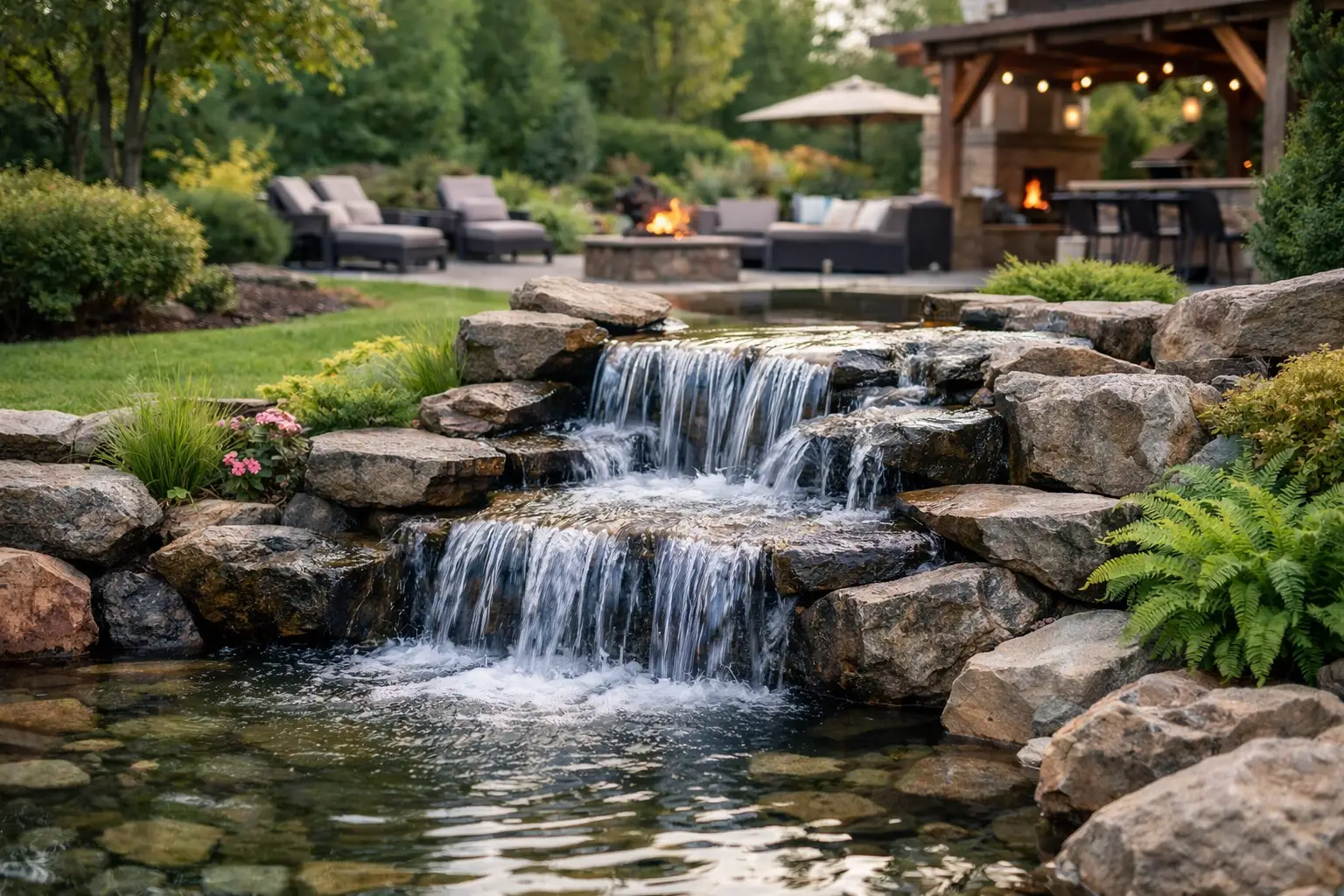
    The difference between a pleasant backyard and a backyard people remember often comes down to movement. Fire draws a crowd, but water changes the mood of an entire space. The right custom backyard waterfall contractor does more than stack stone and start a pump. They shape sound, guide views, solve drainage, and create a feature that feels like it has always belonged there.

    For homeowners investing in a premium outdoor living space, that distinction matters. A waterfall is rarely just a standalone add-on. It may frame a pool, soften the edge of a patio, anchor a retaining wall, or bring life to a quiet garden path. When it is designed in isolation, it can feel forced. When it is designed as part of a complete outdoor environment, it becomes one of the most captivating features on the property.

    What a custom backyard waterfall contractor actually does

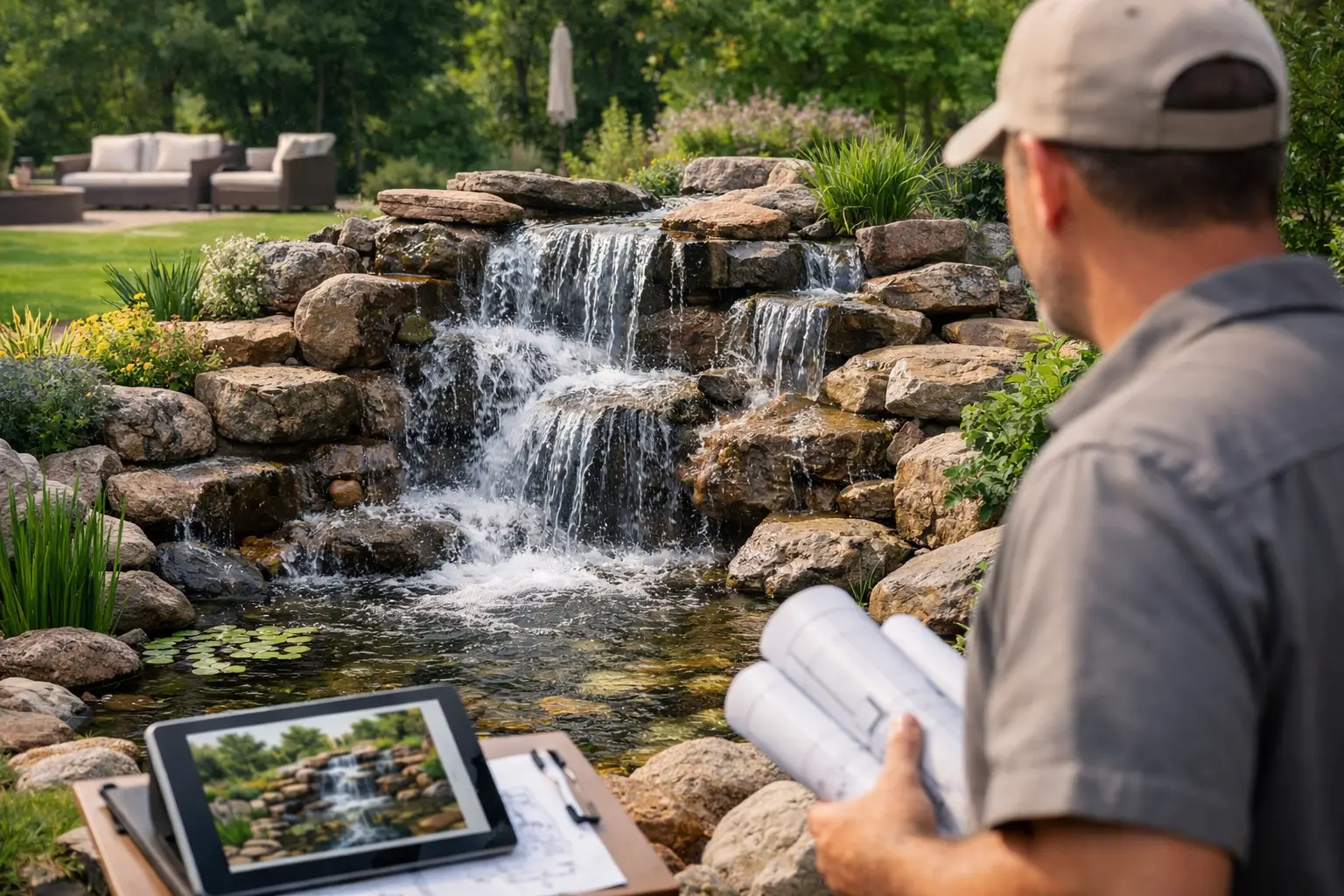
    A true custom backyard waterfall contractor is part designer, part builder, and part problem-solver. The work starts long before construction. Grade changes, drainage patterns, access, utilities, views from the house, and how you want the space to feel all influence the final design.

    That is why custom work looks different from a prefabricated installation. A luxury waterfall should respond to the architecture of the home, the surrounding hardscape, and the way your family uses the yard. A sleek contemporary setting may call for a clean-lined spillway and restrained stone palette. A natural retreat may benefit from layered boulders, lush planting, and a stream-like flow that feels organic rather than overly composed.

    The contractor you choose should be able to discuss more than materials and price. They should be able to talk about proportion, circulation, acoustics, lighting, and maintenance with the same level of confidence. That broader perspective is often what separates a feature that simply works from one that elevates the entire property.

    Why custom matters more than most homeowners expect

    Waterfalls are highly visual, but the experience is not just visual. Sound is one of the biggest reasons homeowners want one, and it is also one of the easiest details to misjudge. A gentle sheet of water creates a very different atmosphere than a bold cascade over textured stone. One may be ideal outside a primary suite or covered patio where conversation matters. The other may be better near a pool or larger entertaining zone where you want more energy and ambient sound.

    Size matters too. A waterfall that looks dramatic in a showroom photo may overwhelm a modest backyard. A smaller feature can disappear if it is competing with a large pavilion, expansive pool deck, or major retaining wall. Custom design helps balance the scale of the water feature with the rest of the landscape so the finished space feels composed rather than crowded.

    There is also the matter of permanence. Unlike movable furniture or seasonal planters, a waterfall becomes part of the site. Its location, form, and infrastructure affect future planting, lighting, drainage, and maintenance. Investing in custom planning at the beginning usually leads to fewer compromises later.

    How a custom backyard waterfall contractor fits into a full backyard vision

    The best waterfall projects begin with a bigger question than What kind of water feature do I want? The better question is How do I want this backyard to feel when it is finished?

    That shift changes everything. If your goal is to create a resort-style retreat, the waterfall may be integrated into a poolscape with sun shelves, elevated walls, and dramatic evening lighting. If your priority is hospitality, the water feature may be positioned to create ambiance near an outdoor kitchen, dining terrace, or fireplace seating area. If privacy is a concern, a waterfall can help mask neighborhood noise while adding vertical interest to a perimeter planting bed or structural wall.

    This is where design-build expertise becomes especially valuable. A waterfall touches multiple parts of a project at once. It influences grading, retaining strategies, electrical planning, irrigation coordination, and the visual rhythm of the landscape. When one team is thinking through the entire environment, the result tends to feel intentional from every angle.

    Questions to ask before hiring a waterfall contractor

    Not every contractor who offers water features has the design depth or construction experience to execute a truly custom installation. Before moving forward, look at how they approach the whole project, not just the waterfall itself.

    Ask how they handle site-specific design. Ask whether they build around existing conditions or try to fit every project into the same formula. Ask who plans the hydraulic components, how the basin and circulation systems are concealed, and what maintenance expectations you should have after installation.

    It is also worth asking how the feature will look in every season. In warm climates, a waterfall may run much of the year and serve as a focal point through all seasons. In other regions, seasonal operation may affect plant choices, lighting strategy, and service plans. A thoughtful contractor will walk you through those realities rather than sell only the idealized version.

    One more practical question matters: how will the waterfall connect to the rest of the backyard? If the answer sounds disconnected from patios, pool decking, planting, or gathering areas, you may be looking at a feature-first contractor instead of a space-first partner.

    Design details that make a waterfall feel high-end

    Luxury is rarely about making something bigger. More often, it is about making it feel considered. With waterfalls, that shows up in the details.

    Material selection is one of the clearest examples. Stone should complement the home and surrounding hardscape, not fight it. Texture should be intentional. Color variation should feel curated. Even in a naturalistic design, randomness is usually an illusion created by careful placement.

    Edge treatment matters just as much. The transition from water to stone, stone to planting, and waterfall to patio should feel resolved. Exposed liners, awkward terminations, or abrupt grade changes can make an expensive project look unfinished.

    Lighting is another defining element. During the day, a waterfall brings sparkle and motion. At night, it can become sculptural. Well-placed lighting adds drama without glare and extends the use of the space well into the evening. This is especially important in entertainment-focused backyards where ambiance carries as much weight as function.

    Then there is planting. A waterfall surrounded by generic landscaping rarely reaches its full potential. Layered greenery, ornamental grasses, and texture-rich plant combinations soften the structure and help the water feature settle into the broader design. The goal is not to decorate the waterfall after the fact. The goal is to make water, stone, and planting feel like one composition.

    Budget, trade-offs, and what affects cost

    Homeowners often ask for a price range first, but with custom waterfall work, cost depends heavily on context. Size is one factor, but not the only one. Site access, elevation change, excavation complexity, stone selection, pump systems, lighting, drainage solutions, and integration with other outdoor features all influence the budget.

    A simple standalone waterfall in an accessible area may require far less construction than a feature built into a pool, retaining wall, or multi-level landscape. Custom stonework and elaborate grading can raise the investment quickly, but they can also be what transforms the project from attractive to exceptional.

    There are trade-offs worth discussing early. If the budget has limits, it may be smarter to build a better waterfall in the right location than a larger one with compromised materials or awkward proportions. Likewise, some homeowners benefit from phasing the full backyard plan so the waterfall is designed now but integrated with future patios, kitchens, or shade structures later.

    The value of choosing a partner, not just a builder

    A waterfall should feel effortless once it is finished. Getting there is anything but effortless. It requires design judgment, technical coordination, and craftsmanship that can stand up to daily use and constant exposure to the elements.

    That is why the best results usually come from a company that sees the waterfall as part of your lifestyle, not just part of its service list. Beyond Backyard Living approaches outdoor projects with that broader lens, creating spaces where beauty and hospitality work together rather than compete.

    When you choose a contractor for a feature this visible, you are not just hiring someone to install moving water. You are trusting them to shape the mood of the space, the way guests experience it, and the way you feel when you step outside at the end of the day. Choose the team that understands the full picture, and the waterfall becomes more than a backyard upgrade. It becomes part of how you live at home.
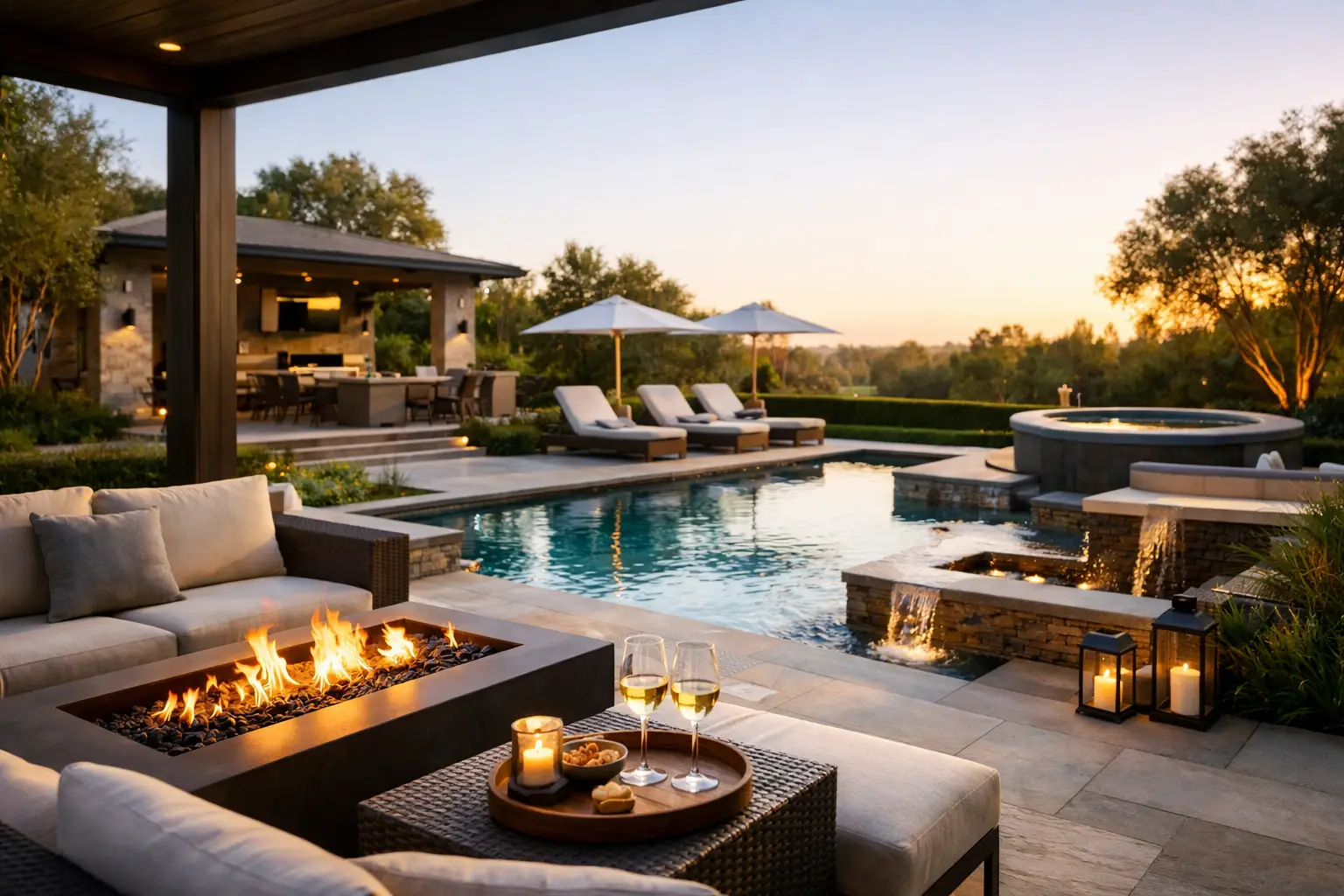
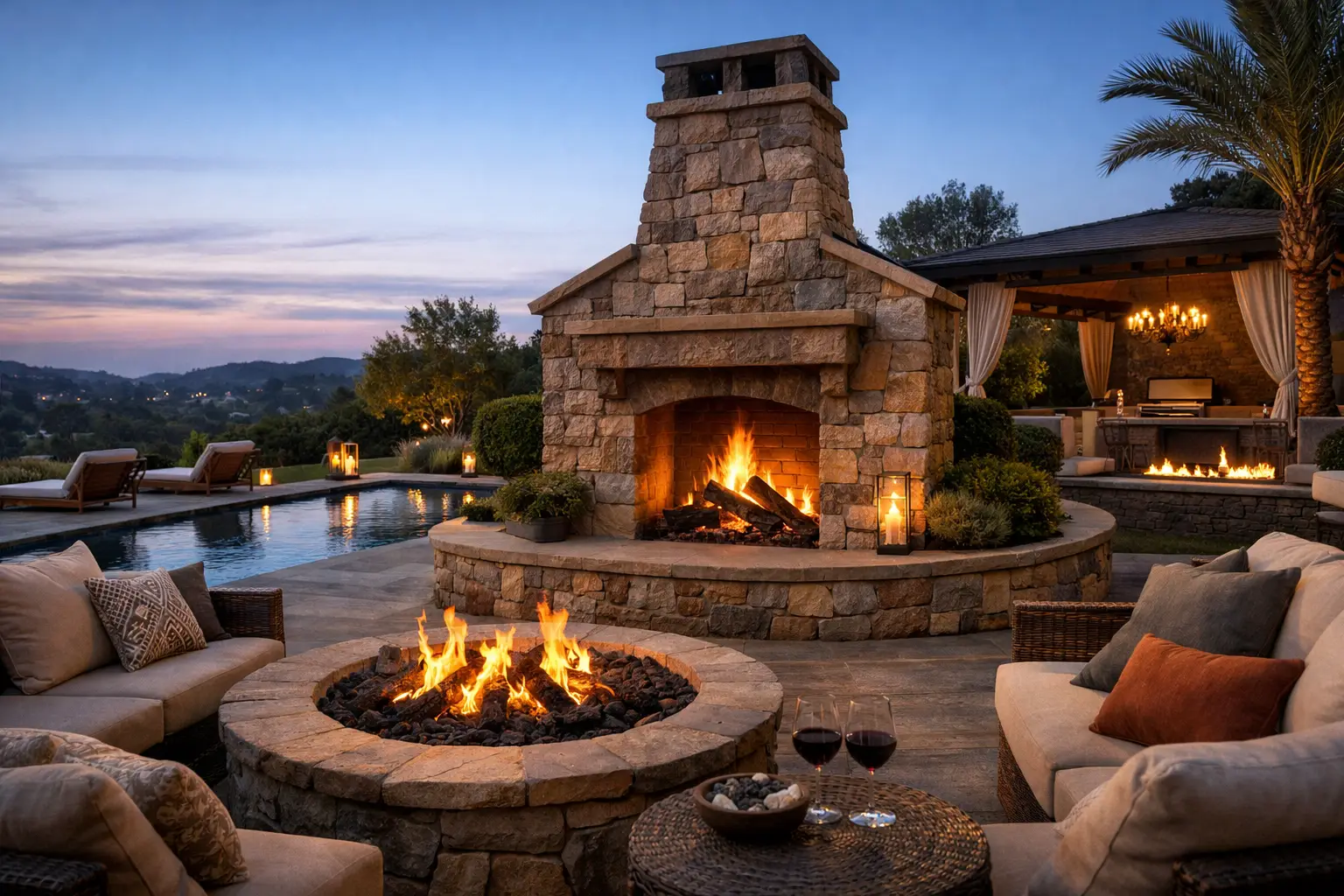
  • How to Plan a Luxury Backyard That Lives Well

    How to Plan a Luxury Backyard That Lives Well

    A luxury backyard is not just a prettier patio with better furniture. It is a space that changes how you live at home. If you are wondering how to plan luxury backyard spaces that feel polished, welcoming, and genuinely useful, the answer starts before you choose pavers, pools, or plants. It starts with the life you want to host there.

    The most successful high-end outdoor environments do not feel crowded with features. They feel composed. The pool belongs with the lounge area. The outdoor kitchen sits close enough to the dining terrace to make entertaining easy. Shade is where people naturally gather in the afternoon. Lighting extends the evening without making the yard feel overdesigned. That sense of ease is not accidental. It is planned.

    How to plan a luxury backyard around lifestyle

    The first design decision is not material or color. It is purpose. A luxury backyard should reflect the way your household actually relaxes, celebrates, and spends time together.

    For some homeowners, the priority is entertaining on a generous scale. That may mean a full outdoor kitchen, a bar, a pizza oven, and layered seating that allows large groups to mingle without feeling packed together. For others, the backyard is more private – a resort-style pool, a spa, a fireplace lounge, and quiet garden edges that create a sense of retreat. Families may want both, along with space for recreation, flexible dining, and easy sightlines to keep an eye on children in the water or on the court.

    This is where many projects go off track. People fall in love with individual features before deciding how those features should work together. A luxury result depends on cohesion. The backyard should feel like a complete environment, not a shopping list.

    A strong planning process starts with a few clear questions. How many people do you realistically host? Do you prefer formal dining or casual gathering? Is cooking outdoors central to the experience or just occasional? Do you want the yard to feel lively and social or calm and secluded? Those answers shape everything that follows.

    Start with layout, not finishes

    Homeowners are often drawn to the visual details first – stone textures, waterline tile, ceiling treatments under a pavilion. Those matter, but layout carries the project. A beautiful backyard can still feel frustrating if circulation is awkward or zones compete with each other.

    Think in terms of outdoor rooms. The dining area should connect naturally to the kitchen, whether indoor or outdoor. A lounge should have a reason to exist, anchored by a fire feature, water view, or covered structure. Pool traffic should not cut directly through your main entertaining space. Service areas, equipment, and storage should stay accessible without interrupting the guest experience.

    This is also the stage to think carefully about scale. A larger property does not automatically need more elements. Sometimes the most sophisticated plan leaves intentional open space so the backyard can breathe. On smaller lots, smart zoning becomes even more important. A compact luxury backyard can feel expansive when each area is sized correctly and transitions are handled well.

    Sightlines matter more than most people expect

    One of the signatures of a refined backyard is what you see from inside the home and from each major outdoor zone. A pool should not end at a visual dead spot. A fireplace lounge should frame something worth looking at. A pergola or pavilion should feel integrated with the house architecture rather than dropped into the yard as an afterthought.

    When sightlines are planned well, the backyard feels composed from every angle. That is a major difference between a premium design and a project built one feature at a time.

    Choose signature features with discipline

    Luxury does not mean adding everything. It means choosing the right mix and executing it at a high level.

    A custom pool often becomes the visual anchor, but not every family needs the same kind of pool. Some want a resort-style experience with tanning ledges, integrated spas, and dramatic water features. Others care more about clean geometry, understated elegance, and uninterrupted deck space for lounging. The right answer depends on how you use the yard and the architectural language of the home.

    The same principle applies to outdoor kitchens. A serious host may need refrigeration, storage, a sink, a grill station, a bar, and a pizza oven. Another homeowner may be better served by a simpler kitchen paired with a generous dining terrace and an excellent fire feature. More components can add function, but they also add cost, maintenance, and visual weight.

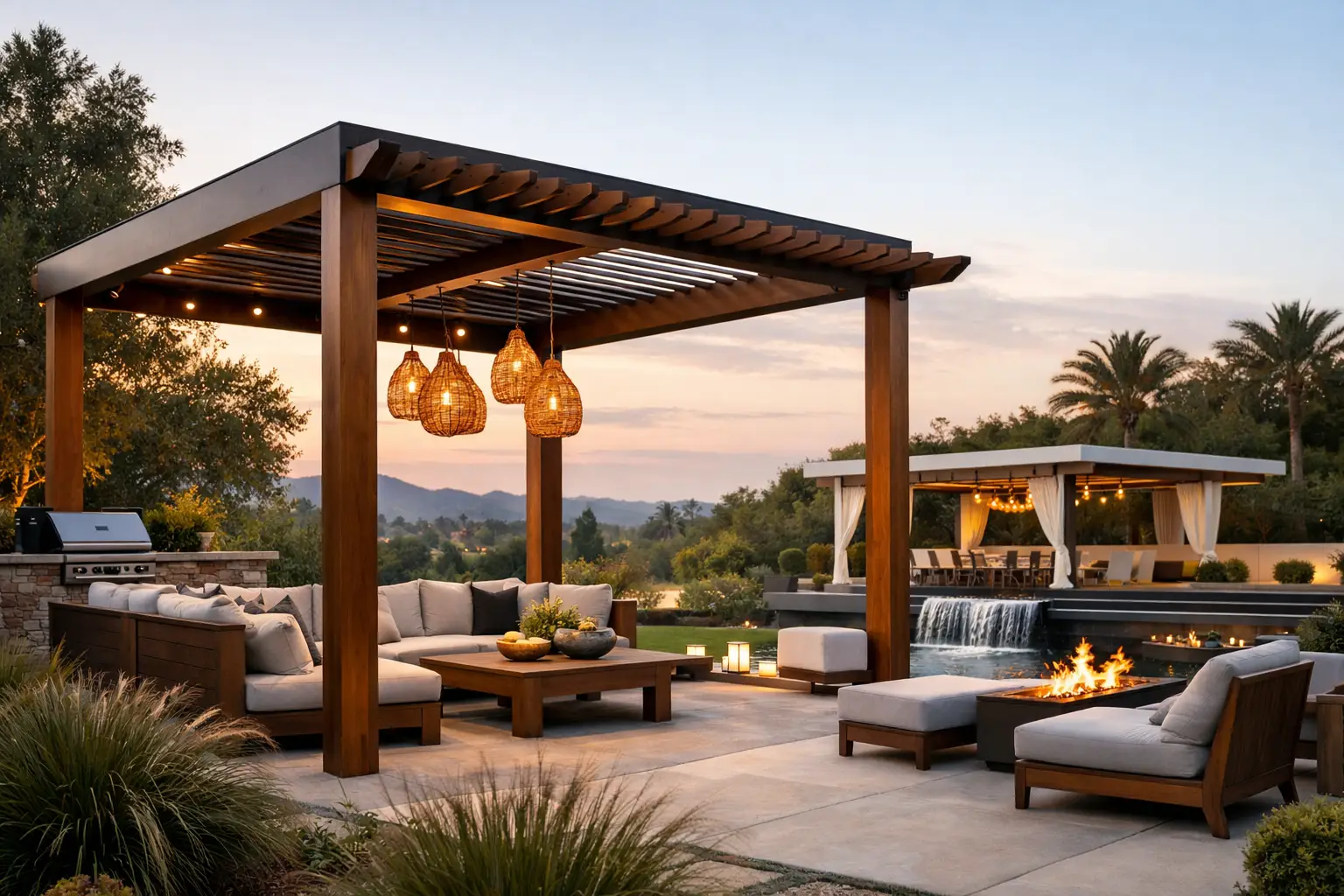
    Covered structures deserve the same discipline. A pavilion can transform the backyard, especially in hot Sunbelt climates where shade is not optional. But it should be scaled to the house, detailed with intention, and placed where it supports the way you gather. A pergola may be enough in one setting, while another project calls for a fully finished roofline, ceiling fans, lighting, and integrated media.

    Water, fire, and recreation should feel connected

    The highest-performing outdoor spaces often balance atmosphere with activity. Water adds movement and calm. Fire extends the season and gives people a place to settle. Recreation features like putting greens, courts, or open play areas can bring real daily use. The key is making sure those elements support the overall experience instead of pulling the yard in too many directions.

    If your goal is a private retreat, a dramatic sports zone may not fit the tone. If your home is where extended family gathers every weekend, dedicated recreation space may be one of the smartest investments you can make. It depends on the household, not the trend.

    Materials set the tone of the entire project

    Once the layout and feature mix are right, materials carry the emotional impact. They communicate whether the backyard feels timeless, rustic, contemporary, warm, or formal.

    In a luxury backyard, material choices should feel curated. Natural stone, premium pavers, architectural concrete finishes, stained wood, custom steel details, and rich planting palettes can all work beautifully when they are selected as part of one visual language. What tends to weaken a high-end result is mixing too many competing textures or chasing a look that does not belong with the home.

    Durability matters just as much as appearance. Sun exposure, heat retention, slip resistance, maintenance needs, and long-term weathering all affect satisfaction. A material that looks striking in a photo may not be the right fit around a pool in full summer sun. A gorgeous finish that requires constant upkeep may become a burden if you want easy ownership. Luxury should feel elevated, but it also needs to perform.

    Budget for the full experience

    If you want to know how to plan luxury backyard projects realistically, budget early and budget broadly. Homeowners often account for the headline features, then underestimate the supporting elements that make the space feel finished.

    Grading, drainage, lighting, planting, irrigation, audio, privacy screening, and custom detailing are not extras in a premium project. They are part of the experience. So are furnishings. A beautifully built terrace can still feel incomplete if furniture, shade, and accessories are treated as an afterthought.

    It also helps to decide where you want visual impact and where simplicity is acceptable. You may want a showpiece outdoor kitchen and a restrained garden palette. Or a spectacular pool and a more modest fire lounge. Not every zone needs the same level of intensity. Strategic allocation usually creates a stronger result than trying to maximize every area at once.

    Work with one vision from the beginning

    Luxury backyards rarely come together well through fragmented decision-making. When design, construction, hardscape, planting, water features, and structures are handled in isolation, the result can feel disjointed. Materials miss each other. Elevations get awkward. Opportunities for better flow are lost.

    A full-service design-build approach solves that problem because the plan is developed as one environment. That means the pool is considered alongside drainage, the pavilion is designed with the patio layout in mind, and the planting plan supports the architecture rather than filling leftover space. For homeowners making a significant investment, that continuity matters.

    This is where a firm like Beyond Backyard Living can bring real value. Not just by building beautifully, but by shaping the entire outdoor experience with a cohesive vision from the start.

    Give the project room to mature

    The best luxury backyards do not feel forced on day one. They feel intentional, then get even better as plantings fill in, routines take shape, and the space becomes part of everyday life. That is why patience and good planning matter. Rushing decisions tends to create expensive revisions later.

    If you are planning a major transformation, allow enough time for design development, material selection, permitting where required, and thoughtful construction sequencing. A refined result usually takes longer than a basic installation, and it should. Details are what people remember.

    A truly luxurious backyard is not defined by how many features you can fit into the plan. It is defined by how naturally the space invites people in, slows them down, and makes home feel like the best place to be.

  • 12 Outdoor Fireplace Ideas for Luxury Backyards

    12 Outdoor Fireplace Ideas for Luxury Backyards

    The best outdoor fireplace ideas do more than add a flame feature to the yard. They shape how the space feels after sunset, where guests naturally gather, and how your backyard functions through more of the year. In a well-designed outdoor living environment, a fireplace becomes architecture, atmosphere, and hospitality all at once.

    That is why the right fireplace should never feel like an afterthought. It needs to belong to the patio, relate to the home, and support the way you actually live outdoors – whether that means quiet evenings with family, poolside entertaining, or a full outdoor lounge with dining, cooking, and layered lighting.

    Outdoor fireplace ideas that change the whole layout

    Some backyard features decorate a finished space. A fireplace often does the opposite. It can organize the entire plan.

    A fireplace wall at the edge of a patio creates a natural destination and gives the space visual weight. Instead of furniture floating in the middle of an open hardscape, the seating area has a focal point. This matters even more in larger backyards, where luxury design depends on creating rooms with a clear sense of purpose.

    If your goal is a resort-style backyard, think beyond the firebox itself. Consider how the fireplace frames views, anchors a pavilion, or creates a transition between a pool terrace and a lounge area. The strongest concepts treat the fireplace as part of a complete composition, not a standalone add-on.

    1. A stone fireplace for timeless warmth

    Natural stone remains one of the most requested looks because it feels grounded, substantial, and refined. It pairs beautifully with paver patios, wood ceilings, exposed beams, and lush landscaping. In traditional homes, stone can echo the architecture and make the outdoor room feel like a true extension of the house.

    The trade-off is scale and cost. Real stone installations are visually rich, but they require thoughtful detailing to avoid feeling heavy. The right proportions, hearth depth, and surround materials make all the difference.

    2. A sleek modern fireplace wall

    For a cleaner aesthetic, a linear fireplace set into a smooth masonry or stucco wall can create a dramatic, contemporary backdrop. This direction works especially well in homes with simple rooflines, expansive glass, and a more architectural outdoor palette.

    Modern does not have to mean cold. Warm wood accents, textured porcelain, and layered lounge furniture keep the space inviting. If you entertain often, this style also works well with integrated seating and concealed lighting for a polished evening look.

    3. A double-sided fireplace between zones

    When a backyard includes multiple destinations, a double-sided fireplace can connect them without closing anything off. One side may face a dining terrace while the other warms a casual lounge. In some designs, it divides a covered pavilion from an open-air pool deck while keeping both spaces visually linked.

    This is one of the smartest outdoor fireplace ideas for homeowners who want elegance and efficiency from a single feature. It does, however, require early planning. Venting, circulation, sightlines, and furniture placement all need to be coordinated from the start.

    Designing for the way you entertain

    A luxury backyard should feel effortless when people arrive. That only happens when the design has been carefully considered long before the first gathering.

    An outdoor fireplace near a seating wall or sectional creates a more intimate social zone than a fire pit in many layouts. Fire pits are excellent for openness and casual circulation, but a fireplace offers enclosure and comfort. It also gives you more vertical presence, which helps the space feel finished during the day, not just at night.

    4. A fireplace built into a covered pavilion

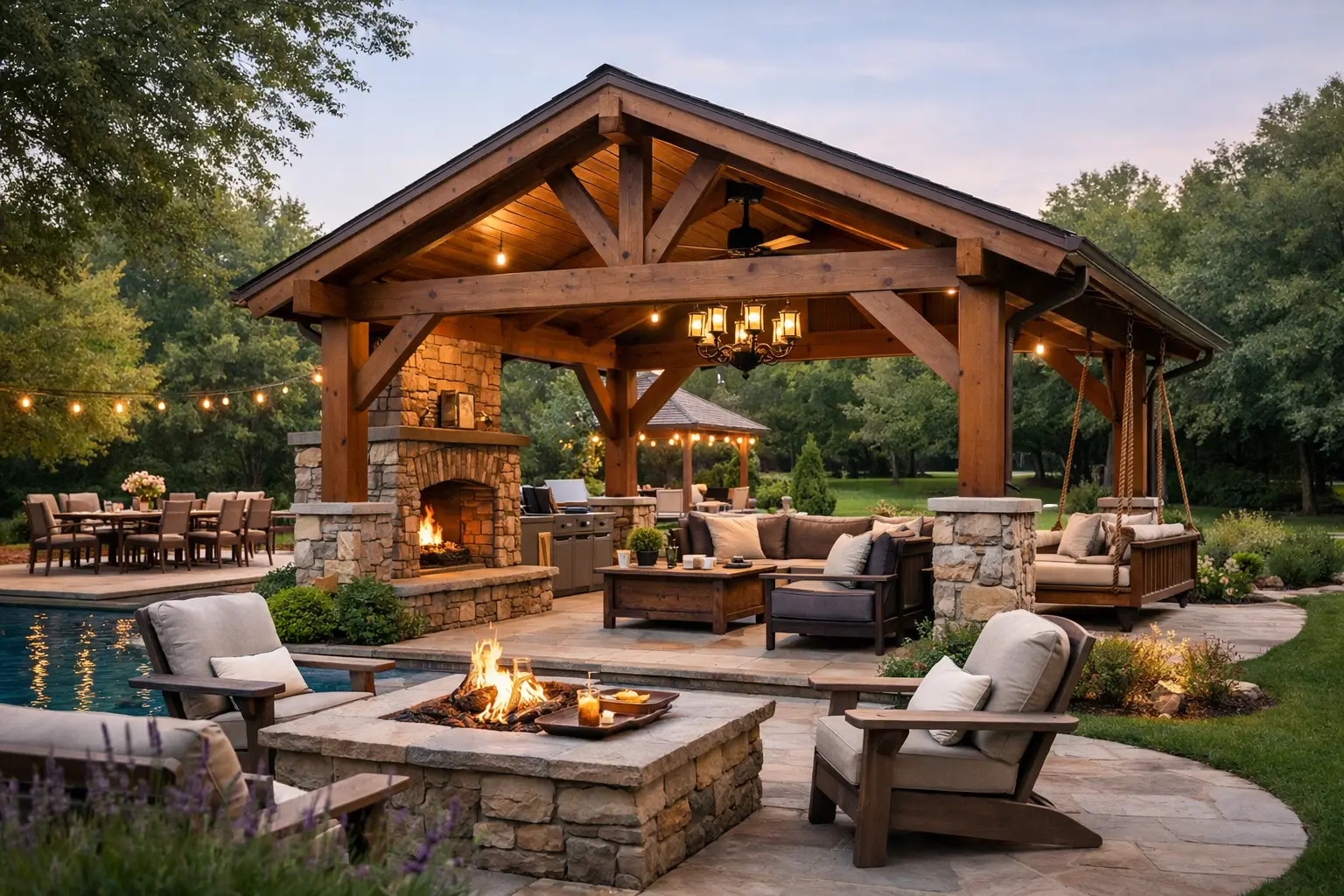
    A fireplace under a pavilion or large covered structure extends the use of the backyard in a meaningful way. It adds shelter, definition, and a sense of permanence. On cool evenings, the space becomes a true outdoor living room rather than a patio with furniture.

    This approach is especially appealing for homeowners who want television viewing, outdoor dining, and fireside lounging in one cohesive setting. The key is balance. The fireplace should complement the architecture of the pavilion, not overpower it.

    5. A poolside fireplace for a resort feel

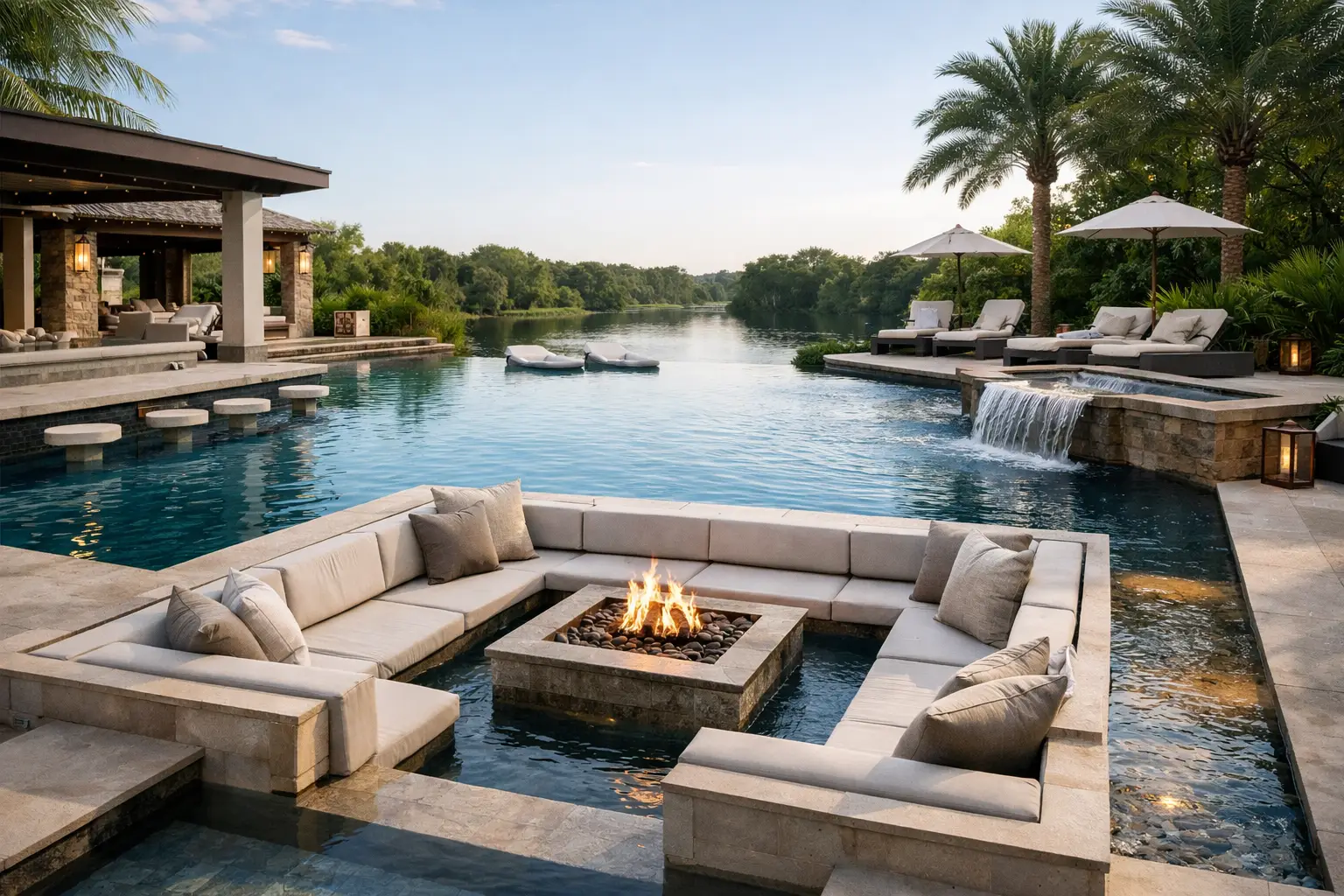
    There is something especially striking about fire near water when it is done well. A fireplace positioned to face the pool can make the backyard feel layered and cinematic, especially after dark when reflections amplify the effect.

    Poolside placement needs careful material selection and layout planning. Splash zones, deck traffic, and visibility from the home all matter. But when the proportions are right, this becomes one of the most memorable ways to elevate a backyard.

    6. A fireplace paired with an outdoor kitchen

    For families who love to host, placing a fireplace near an outdoor kitchen keeps the experience connected. Guests can move from cocktails to dinner to after-dinner conversation without the party breaking into separate pockets.

    That said, the fireplace should not compete with the cooking zone. Heat, smoke direction, and circulation need to be considered so the layout remains comfortable. The goal is a smooth entertaining experience, not too many focal points crowded into one area.

    Materials and details that shape the finished look

    The most successful outdoor fireplace ideas usually come down to detail. Material choice affects far more than appearance. It influences maintenance, durability, mood, and how well the fireplace integrates with surrounding features.

    Brick gives warmth and classic character. Natural stone adds texture and old-world depth. Stucco and cast concrete create a cleaner architectural profile. Porcelain and large-format tile can feel sophisticated and current, especially when used with restraint.

    7. A fireplace with built-in wood storage niches

    Even if you choose gas for convenience, wood storage niches can add beautiful texture in the right design. In wood-burning fireplaces, they are both practical and visually rich. In gas installations, they can be used decoratively to soften a larger wall and bring warmth to a modern composition.

    This detail works best when it feels intentional, not ornamental for its own sake. Symmetry, proportion, and material consistency keep it elevated.

    8. A fireplace wall with built-in seating

    Built-in seating around a fireplace can make the entire area feel custom. It also helps define the gathering zone without relying only on movable furniture. For larger patios, this creates a stronger sense of structure and can support both everyday family use and larger events.

    Comfort still matters. Built-in seating should be paired with cushions, seat depth that feels generous, and enough loose furniture to keep the space flexible.

    9. A fireplace with a TV feature above

    This is a popular request for obvious reasons. It creates a true outdoor lounge and makes game days, movie nights, and casual weekends feel more special. For the right household, it is a smart blend of comfort and entertainment.

    It also has limits. The proportions need to work, and not every fireplace should carry a screen above it. If the viewing angle is awkward or the structure becomes too tall and imposing, the result can feel forced. Sometimes a separate media wall is the better design move.

    Choosing gas or wood

    This decision shapes both the experience and the design. Gas fireplaces are easier to start, simpler to maintain, and ideal for homeowners who want convenience with a clean finished look. They fit especially well in upscale backyards built for frequent entertaining.

    Wood-burning fireplaces bring aroma, sound, and a more traditional fireside experience. For some homeowners, that sensory payoff is worth the added maintenance and storage needs. It depends on how you want to use the space, how often you entertain, and how much convenience matters in daily life.

    10. A grand fireplace as a backyard centerpiece

    If the property has the scale for it, a larger fireplace can serve as the defining architectural moment of the entire yard. This works particularly well in expansive backyards where the fireplace helps hold its own against a pool, pavilion, outdoor kitchen, and broad patio.

    Bigger is not always better, though. The structure should feel proportional to the home and surrounding hardscape. Oversized features can quickly feel theatrical if the rest of the design does not support them.

    11. A fireplace that mirrors the home’s architecture

    One of the most sophisticated choices is also the least flashy. When the fireplace draws cues from the home’s materials, rooflines, and overall character, the backyard feels cohesive and complete. Guests may not immediately identify why it feels so polished, but they will feel the difference.

    This is often where custom design earns its value. A fireplace that belongs to the property always feels more luxurious than one that simply follows a trend.

    12. A fireplace layered into a full outdoor living plan

    The most compelling outdoor fireplace ideas are rarely about the fireplace alone. They work because the surrounding elements have been designed to support them – lighting, paving, planting, seat walls, overhead structures, and circulation all working together.

    That is where a complete design-build approach changes the result. At Beyond Backyard Living, the best projects begin with lifestyle, not product selection. When the fireplace is planned as part of the full backyard vision, it becomes more than a feature. It becomes part of the experience your home offers every day.

    Before choosing a style, ask a better question than which fireplace looks best. Ask which one will make your evenings feel easier, warmer, and more inviting. The answer usually leads to a space you will use far more than you expected.

  • 11 Backyard Sport Court Ideas That Elevate Play

    11 Backyard Sport Court Ideas That Elevate Play

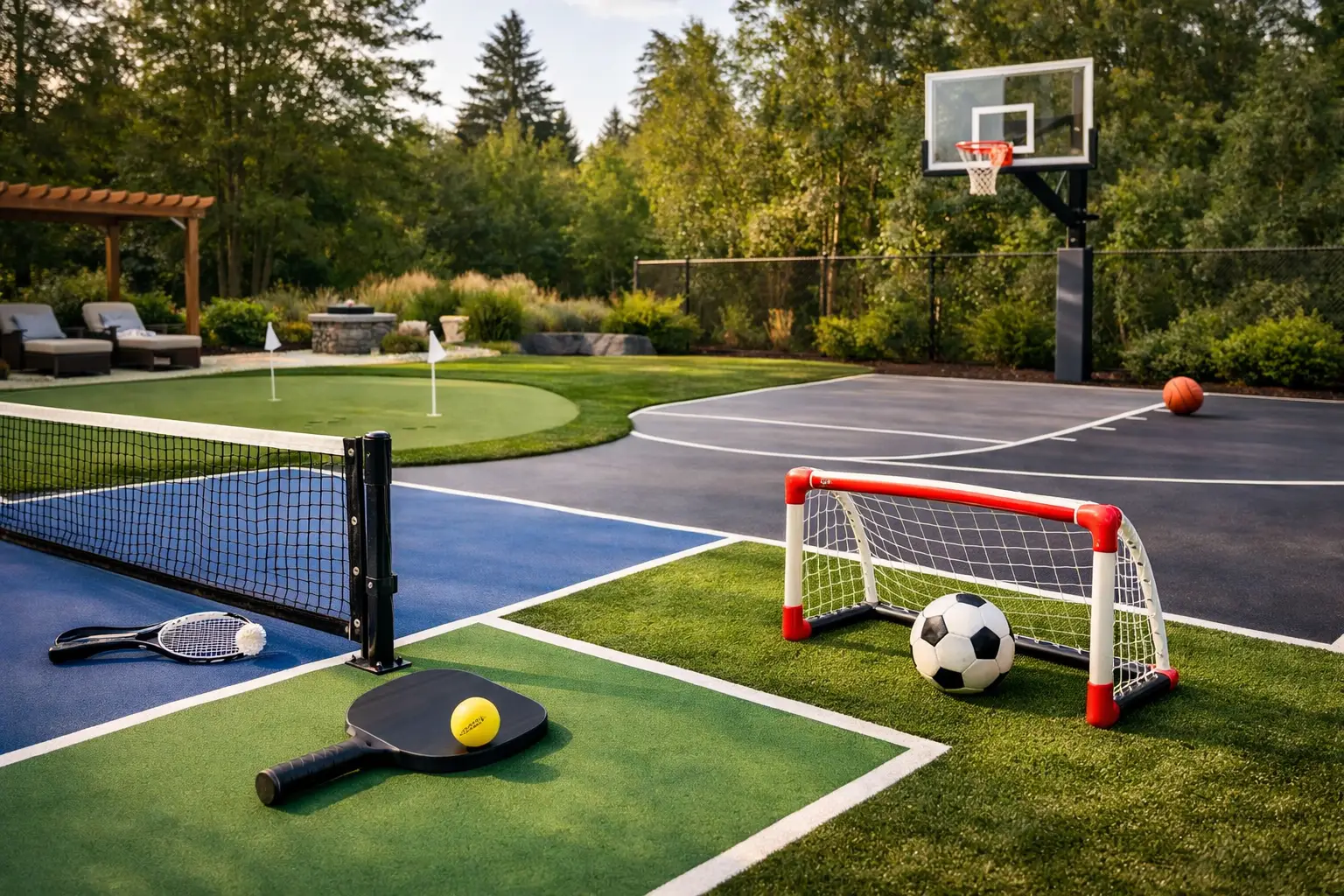
    A great backyard sport court does more than give kids a place to burn energy. It changes how your home feels on a Friday night, where guests gather during a party, and how often your family steps outside without being asked. The best backyard sport court ideas are not just about fitting in a hoop or net. They are about creating a space that looks intentional, plays beautifully, and belongs with the rest of your outdoor living design.

    That distinction matters. In a high-end backyard, a sport court should feel like part of the estate, not an afterthought poured behind the house. When the layout, materials, lighting, landscaping, and adjacent gathering areas are handled with care, a court becomes one more reason your backyard feels complete.

    What makes backyard sport court ideas worth considering?

    For many homeowners, the answer starts with versatility. A court gives your backyard a built-in activity zone that works for children, teens, adults, and guests. Unlike a single-purpose feature, it earns its footprint day after day. Morning basketball practice, afternoon pickleball, evening shooting games under the lights – it keeps the space active in a way few upgrades can.

    There is also a design advantage. A well-planned court can anchor one side of the property, balance larger elements like a pool or pavilion, and help organize circulation across the yard. On larger homesites, it adds structure. On tighter lots, it can be scaled and shaped to deliver recreation without overwhelming the landscape.

    Of course, the right idea depends on how you actually live. Some families want serious game play. Others want casual recreation wrapped in a polished resort-style setting. The smartest projects begin there, with lifestyle first and surface dimensions second.

    11 backyard sport court ideas for a more dynamic outdoor space

    1. A multi-sport court for the family that wants options

    If your household plays a little of everything, a multi-sport court is often the strongest choice. Basketball, pickleball, volleyball, and casual fitness drills can all happen in the same footprint when striping and equipment are planned correctly.

    This is often the best answer for families with children of different ages or homeowners who entertain often. The trade-off is that a multi-use layout may not feel regulation-perfect for every sport. But for many households, flexibility matters more than exact dimensions.

    2. A pickleball-focused court with room to lounge nearby

    Pickleball has become one of the most requested backyard recreation features for good reason. It is social, approachable, and genuinely fun for a wide range of ages. A private court also changes how often people play because there is no scheduling, no waiting, and no drive.

    What elevates this idea is what happens around the court. Add a shaded seating area, low landscape lighting, and a nearby beverage station or outdoor kitchen, and the experience becomes bigger than the game. It starts to feel like an outdoor club designed around your home.

    3. A half basketball court with premium lighting

    A half court is one of the most practical backyard sport court ideas for homeowners who want strong day-to-day use without dedicating the space a full court requires. It supports shooting practice, one-on-one games, and casual play while leaving room for other amenities.

    Lighting makes a major difference here. Evening play extends the value of the court, but fixtures need to be placed carefully so they support visibility without creating glare across the yard. In luxury outdoor environments, performance matters, but visual calm matters too.

    4. A compact court designed for smaller lots

    Not every property calls for a large athletic footprint. A compact court can still deliver plenty of function when dimensions are tailored to the site. This might mean a shorter basketball key, a reduced pickleball practice zone, or a flexible hardscape area designed for skill work and casual games.

    The key is resisting the urge to force oversized features into undersized space. A compact court that is beautifully integrated will always feel better than a cramped one that dominates the yard.

    5. A court framed by lush landscaping

    One of the simplest ways to elevate a sport court is to soften its edges. Layered planting beds, ornamental trees, privacy hedges, and stone borders help the court feel embedded in the landscape rather than dropped onto it.

    This approach is especially valuable for homeowners who want recreational space without sacrificing beauty. Planting also helps with screening, sound absorption, and transitions between active and quiet zones. In the right setting, the court still performs like a sport surface, but visually it becomes part of a refined garden environment.

    6. A sports court beside the pool and patio

    When a court sits near the pool, outdoor kitchen, or covered lounge, the entire backyard becomes more social. Some guests can swim, others can play, and everyone remains part of the same atmosphere. That kind of layout works especially well for families who host often and want the backyard to feel alive.

    This idea takes thoughtful planning. You need enough separation to keep the court safe and functional, but enough visual connection that it still feels tied to the rest of the design. Done well, it turns the backyard into a true entertainment destination.

    7. A custom-color court that complements the home

    Standard sport surfaces do the job, but custom colors bring a more finished look. Rich greens, slate blues, charcoal tones, and carefully selected accent striping can echo the home’s architecture, pool finishes, or hardscape palette.

    This may seem like a small detail, yet it has a major impact on the final result. In a premium backyard, color selection is part of the design language. It helps the court feel custom-built instead of off-the-shelf.

    8. A court with integrated fencing that looks intentional

    Fencing is often necessary, particularly for basketball and pickleball, but it should not feel industrial. Sleek black fencing, strategic heights, landscape screening, and thoughtful placement can maintain function without making the space look harsh.

    This is where craftsmanship shows. The best projects treat containment as a design element, not a problem to hide. That means cleaner lines, better materials, and transitions that respect the style of the home.

    9. A shaded spectator zone for guests and grandparents

    Not everyone wants to play, but many people want to be part of the action. Adding a pergola, pavilion, or covered seating area near the court creates a place to relax while still enjoying the energy of the game.

    This is one of the most overlooked ideas, and one of the most valuable. It turns the court from a simple activity surface into a gathering place. It also makes the feature feel more gracious and hospitality-driven, especially during parties and family weekends.

    10. A practice wall for solo play and training

    For households with serious athletes, a practice wall can add another layer of usefulness. It works for tennis drills, soccer touches, agility routines, and rebound training, depending on the design.

    It is not the right fit for every property, and it does require careful placement to avoid noise concerns. But when athletic development is a priority, it can turn the backyard into a much more effective training environment.

    11. A court that converts into event space

    Some homeowners want recreation, but they also want flexibility for larger gatherings. A cleanly designed court can double as overflow entertaining space during parties, fundraisers, or family celebrations. With quality surfacing and a strong layout, it can handle temporary seating, cocktail tables, or event activities when not in active use.

    This idea works best when the court is visually polished and connected to the rest of the backyard. It is another reminder that function and elegance do not have to compete.

    How to choose the right backyard sport court idea

    The right answer usually comes down to four things: available space, primary sport, visual priorities, and how social the backyard needs to be. If basketball is the clear favorite, build around that. If the court is for entertaining, think beyond the playing surface and focus on seating, lighting, and proximity to other features.

    Budget matters too, but not just in the obvious way. A smaller, beautifully integrated court often creates more long-term satisfaction than a larger court with minimal design attention. The same is true for materials, drainage planning, and base construction. The parts you do not notice right away often determine how well the court performs over time.

    It also helps to think about noise, privacy, and sun exposure before finalizing the location. Afternoon shade can make summer play more comfortable. Strategic screening can preserve a peaceful atmosphere. And proper placement can keep the active energy of the court from interrupting quieter spaces like a fire pit or spa retreat.

    Why design matters as much as playability

    A sport court is easy to add. It is much harder to integrate beautifully. That is why the strongest projects are designed as part of the entire outdoor environment, not treated as a separate installation.

    When the court aligns with the home, connects naturally to patios and walkways, and reflects the same level of craftsmanship as the rest of the property, it becomes more than a place to play. It becomes part of your lifestyle story. For homeowners investing in a full backyard transformation, that difference is everything.

    At Beyond Backyard Living, that is often where the most exciting possibilities begin – not with a single feature, but with a complete vision for how the backyard should look, feel, and bring people together.

    The best court is not the biggest one or the trendiest one. It is the one that fits your property so well that it feels like it was always meant to be there.

  • 11 Backyard Putting Green Ideas That Elevate

    11 Backyard Putting Green Ideas That Elevate

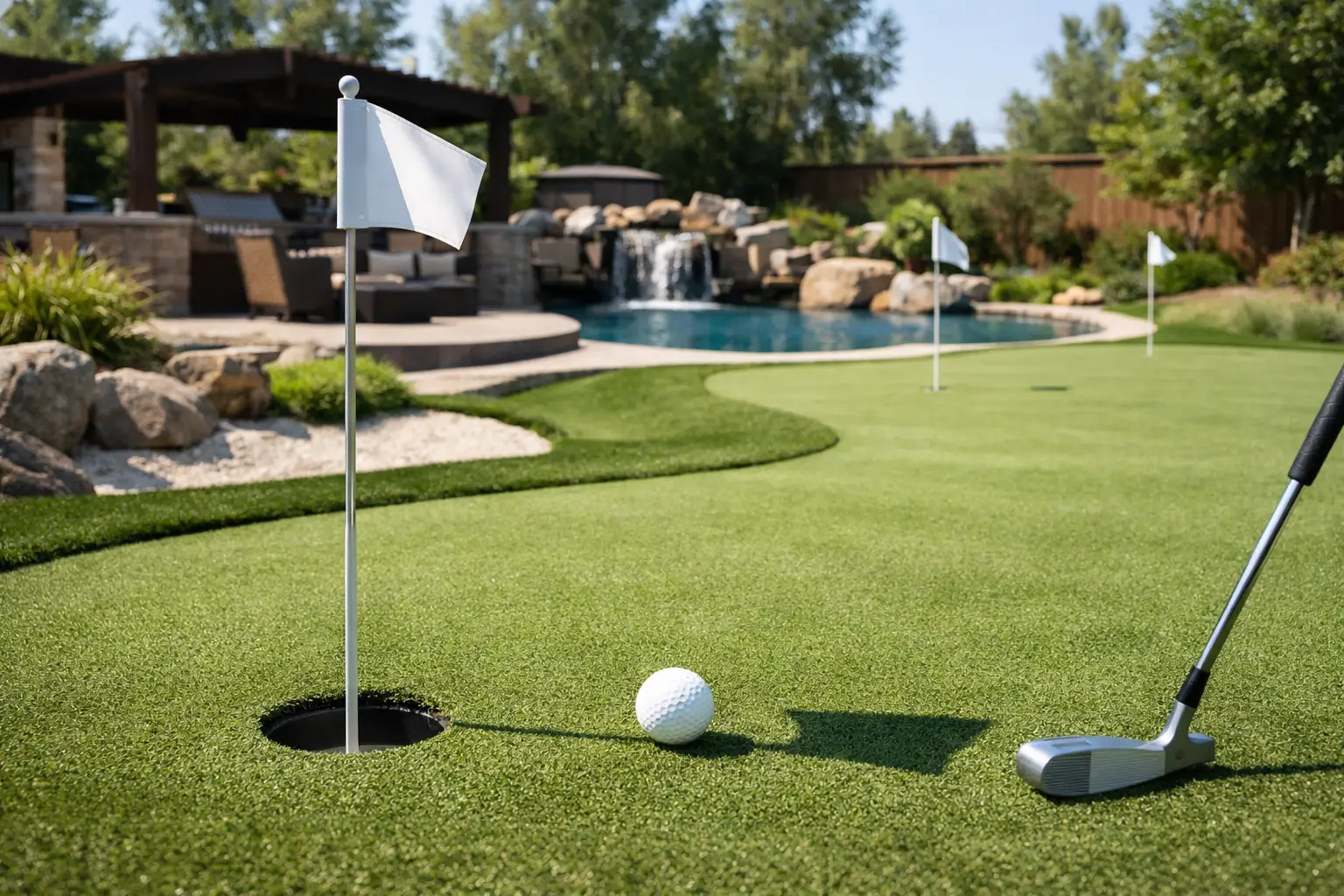
    A putting green can change the way a backyard feels. It is not just a place to practice a short game. The right design turns a corner of the property into an experience – one that feels polished, inviting, and tailored to the way you relax, entertain, and spend time at home. The best backyard putting green ideas do more than add turf. They create a feature that belongs with the rest of the landscape.

    For some homeowners, that means a clean, modern green beside a pool and patio. For others, it means a tucked-away practice area edged with boulders, ornamental grasses, and subtle lighting. Either way, the difference between a green that feels temporary and one that feels exceptional usually comes down to design.

    Backyard putting green ideas that feel custom

    The most successful putting greens start with the property itself. Grade, sun exposure, views from the home, and how people move through the yard all shape what makes sense. A putting green should not feel dropped into the landscape as an afterthought. It should feel composed, as if the patio, pool, plantings, and recreation spaces were always meant to connect.

    One strong approach is to place the green where it becomes part of the entertaining zone. Near an outdoor kitchen, fire pit, or covered pavilion, it gives guests something to enjoy without pulling activity too far from the social center of the yard. This works especially well for families and homeowners who host often, because the green becomes part of the atmosphere rather than a separate destination.

    Another option is to treat the green as a private retreat. In a quieter side yard or rear corner, surrounded by layered planting and architectural edging, it can feel more like a garden feature with a recreational purpose. That setting tends to appeal to homeowners who want a little calm built into the day, especially in a larger backyard where space allows for a more immersive design.

    11 backyard putting green ideas worth considering

    1. Frame the green with elegant hardscape

    Stone or paver borders immediately give a putting green more presence. They create crisp definition, make maintenance easier, and help the feature feel integrated with nearby patios and walkways. In a high-end landscape, edges matter. Clean transitions are part of what makes the entire backyard read as intentional.

    2. Add gentle breaks for real playability

    A flat green may look neat on day one, but it gets repetitive fast. Subtle contours create a more interesting putting experience and make the green feel closer to a true practice surface. The key is restraint. Too much slope can make a green frustrating instead of enjoyable, especially for casual players or guests.

    3. Create a chipping apron around the perimeter

    If space allows, extending synthetic turf beyond the putting surface adds versatility. A chipping fringe gives you more ways to use the space and can make the installation feel more substantial. It also softens the transition between the green and surrounding landscape features.

    4. Pair it with a pool deck or lounge area

    This is one of the most appealing backyard putting green ideas for resort-style homes. A green near the pool can make the whole backyard feel more layered and interactive. It works especially well when materials, colors, and sightlines are coordinated so the recreational elements feel cohesive rather than crowded.

    5. Use landscape lighting to extend the experience

    Low-voltage lighting around the green can completely change its character in the evening. Soft illumination on nearby plantings, path lights at the edge, or subtle accents tucked into stone borders help the feature stay visible and inviting after sunset. For homeowners who entertain at night, this detail matters.

    6. Introduce naturalistic planting for a softer look

    Not every putting green needs a crisp, formal style. Ornamental grasses, low shrubs, and carefully placed boulders can create a more relaxed composition that still feels refined. This approach is especially effective when the property already leans organic or when the goal is to blend recreation with the beauty of the garden.

    7. Build in multiple cups for variety

    Several hole locations make a backyard green feel more dynamic. You can change the challenge, vary the direction of play, and keep the surface from feeling static. It is a simple idea, but it adds lasting value for homeowners who want more than a novelty feature.

    8. Shape the green to fit the architecture

    Curves often work beautifully in a landscape, but they are not the only answer. On a home with strong contemporary lines, a more geometric putting green can look striking. On a traditional property, flowing contours may feel more natural. The shape should respond to the home and surrounding hardscape, not just the open space available.

    9. Tuck in seating nearby

    A bench, pair of lounge chairs, or a small patio adjacent to the green makes the area more usable for everyone. That matters because not every great backyard feature needs to serve only one purpose. A putting green becomes more social when there is a comfortable place to watch, talk, or enjoy a drink while others play.

    10. Use elevation changes to your advantage

    In some yards, slope is a challenge. In the right design, it becomes an asset. Retaining walls, terraced planting beds, and raised green areas can create drama and improve drainage at the same time. This is one of those moments where custom planning pays off. A difficult grade can lead to a more memorable finished space.

    11. Make it part of a larger outdoor vision

    The best putting greens rarely stand alone. They shine when they are part of a complete backyard plan that may include a pool, outdoor kitchen, fire feature, pergola, or custom patio. A well-designed green should support the lifestyle of the space, not compete with it.

    What to think through before you build

    A beautiful putting green starts well before installation. Size is one of the first decisions, but not always in the way homeowners expect. Bigger is not automatically better. A modest, thoughtfully placed green with quality contouring and strong surrounding design can feel far more luxurious than a large green squeezed awkwardly into leftover space.

    Drainage is another major factor, especially in regions that see heavy seasonal rain. Even with synthetic turf, water management under and around the installation matters. If a green is not built on a properly prepared base, performance and appearance can suffer over time.

    Sun and shade also affect the final result. Too much exposure can make adjacent lounge zones less comfortable in peak summer heat. Too much shade can change how the space feels visually and how surrounding plants perform. The right placement balances usability with the broader microclimate of the yard.

    Then there is maintenance. Synthetic putting greens are popular for good reason, particularly in luxury residential landscapes where a manicured appearance matters year-round. But low maintenance does not mean no maintenance. Debris still needs to be cleared, edges should stay crisp, and the surrounding planting design should be managed so the green continues to look refined.

    Why design matters more than the turf itself

    Homeowners often begin by thinking about the surface, the cup locations, or how much room they need to practice. Those details matter, but they are only part of the picture. The larger question is how the putting green contributes to the way the backyard feels when you walk outside.

    A premium outdoor environment should have rhythm. Spaces should unfold naturally. Views from the house should be considered. Recreation should feel elegant, not intrusive. This is where design separates a nice feature from a transformative one.

    For example, if the green is visible from a main living area, its shape and border become part of the home’s everyday visual experience. If it sits near a dining terrace, circulation and safety matter so players and guests can move comfortably through the space. If children, serious golfers, and casual entertainers will all use the yard differently, the design has to support multiple uses without losing its polish.

    That is why many of the best backyard putting green ideas are not really about novelty. They are about balance. Beauty and playability. Presence and restraint. Function and hospitality.

    At Beyond Backyard Living, that balance is what turns a recreational feature into part of a complete outdoor escape. A putting green should feel just as considered as the patio underfoot, the waterline tile at the pool, or the stonework around a fire feature.

    When a backyard putting green is planned with that level of care, it stops being a single upgrade and starts becoming part of the lifestyle homeowners wanted all along – a space that invites people out, keeps them together, and makes home feel a little more like a destination.

  • Naturi Pool Design for a Luxury Backyard

    Naturi Pool Design for a Luxury Backyard

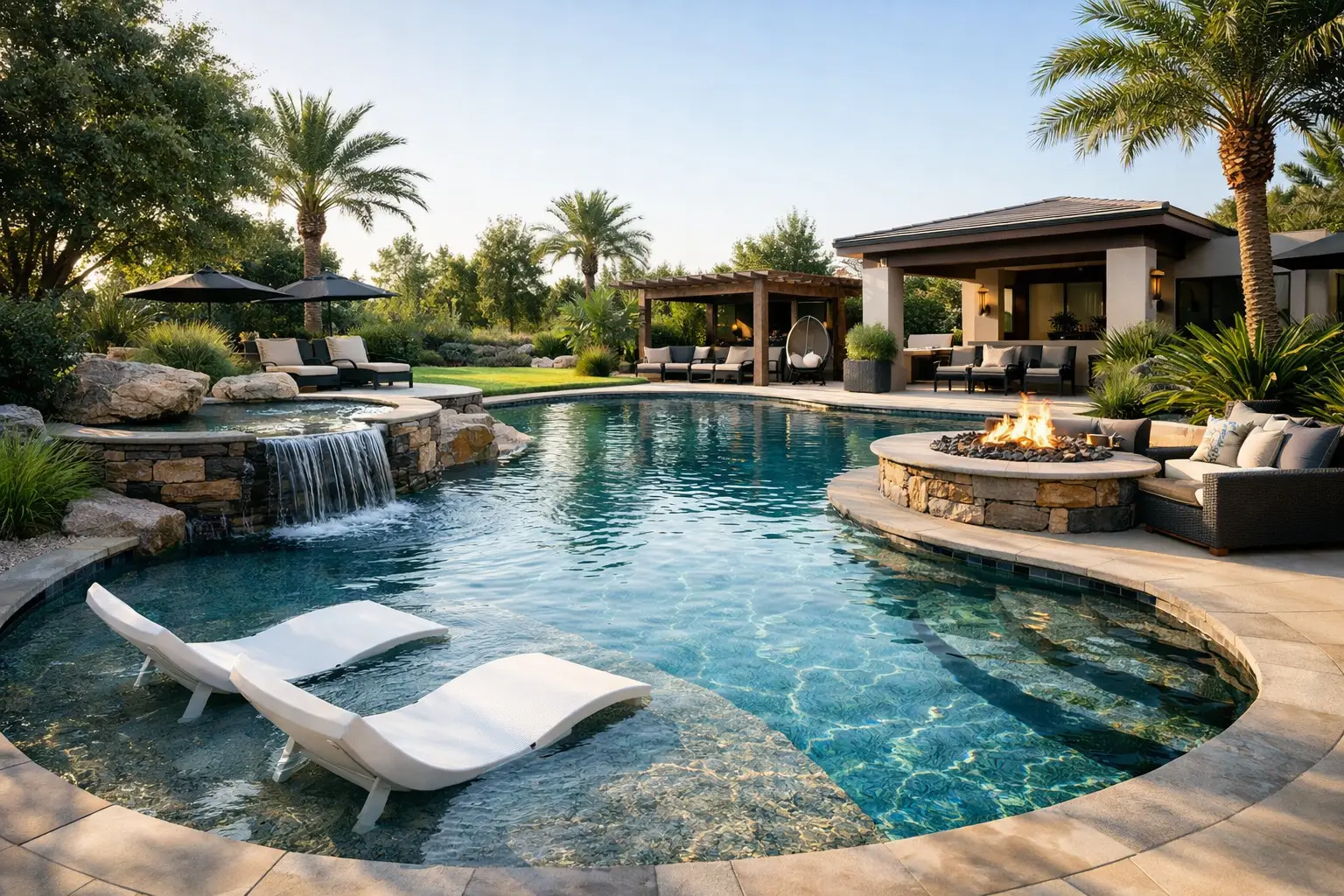
    A pool can either look dropped into a backyard or feel like it truly belongs there. That distinction is what makes naturi pool design so appealing to homeowners who want more than a place to swim. The goal is not just water. It is a setting – shaped by stone, texture, plantings, light, and architecture – that feels calm, elevated, and deeply connected to the home.

    For luxury outdoor living, that difference matters. A well-designed pool should not compete with the patio, the kitchen, the fire feature, or the view. It should anchor the entire experience. When done right, a natural-style pool becomes the visual center of the backyard while still feeling effortless, as if the space was always meant to exist that way.

    What naturi pool design really means

    Naturi pool design is best understood as a custom pool approach inspired by natural forms, organic materials, and the surrounding landscape. It borrows from the feeling of a private retreat rather than the look of a standard geometric pool deck package. That does not mean every project has to resemble a lagoon or a rustic pond. In high-end residential design, natural influence can be subtle, tailored, and very refined.

    For some homes, that may mean softly curved coping, layered stone, and planting beds that soften the pool perimeter. For others, it may mean a clean, modern pool finished with warm materials and a layout that preserves a natural relationship to grade changes, views, and outdoor gathering spaces. The design language can shift, but the principle stays the same: the pool should feel integrated, not imposed.

    This is where custom design earns its value. Natural-looking water features that ignore the home’s architecture can feel out of place just as quickly as a stock rectangular pool can. The best results come from balancing organic character with the style of the property.

    Why homeowners are choosing naturi pool design

    Many homeowners begin with a simple idea – they want a beautiful pool. What they often discover is that the pool changes how the entire backyard functions. Once that happens, design decisions carry more weight. The shape of the water affects patio flow. The choice of decking affects heat underfoot. Elevation changes create opportunities for retaining walls, vanishing edges, or waterfalls. Seating areas, shade structures, and outdoor kitchens all need to relate to the pool in a way that feels intentional.

    That is one reason naturi pool design continues to resonate. It supports a bigger lifestyle vision. Instead of treating the pool as a standalone purchase, it treats it as part of a complete outdoor environment made for entertaining, relaxing, and spending more time at home.

    There is also an emotional draw. Natural textures tend to feel warmer and more inviting than stark, one-note finishes. A pool framed by thoughtful masonry, layered greenery, and ambient lighting has a sense of escape that many families are after. It feels less like a construction feature and more like a destination.

    The design elements that shape the look

    The most successful natural-style pools are built through composition, not gimmicks. Materials do much of the heavy lifting. Travertine, limestone, natural boulders, textured porcelain, and hand-selected coping can all contribute to a more grounded, custom appearance. Waterline tile and interior finishes matter just as much. A bright blue plaster may feel right in one setting, while a softer gray, sand, or muted aqua finish may better support a more organic palette.

    Pool shape is another major factor. Freeform layouts are the obvious association, but they are not the only path. A rectilinear pool can still reflect naturi pool design if its materials, edges, and relationship to surrounding spaces create warmth and visual ease. Clean lines paired with native planting, subtle water movement, and understated stonework can feel every bit as natural as a curving silhouette.

    Water features deserve restraint. A sheer descent, a rock waterfall, a quiet bubbler shelf, or a spa spillway can all work beautifully. The right choice depends on the architecture and how you want the space to feel. More sound is not always better. For some clients, a quieter, more serene backyard has more luxury than a dramatic water show.

    Naturi pool design and the rest of the backyard

    A luxury pool rarely succeeds on its own. The surrounding environment determines whether the space feels polished or pieced together. That is why naturi pool design works best when the pool is planned alongside hardscape, planting, shade, and entertainment features from the start.

    A sun shelf may make sense near the house if young children use the pool or if you want a resort-like lounging area. A fire feature may be better placed across the pool to extend evening use and create a focal line from interior windows. An outdoor kitchen should connect to dining and conversation zones without interrupting circulation to the water. Grade changes might call for terraced retaining walls or a raised spa that helps resolve the transition elegantly.

    These choices are not small details. They determine whether the backyard feels smooth and spacious or awkward and crowded. When homeowners invest in a custom outdoor environment, they are usually looking for that sense of cohesion more than any single feature.

    How to make a natural pool feel upscale, not overdone

    Natural design can go wrong when it leans too heavily on imitation. Oversized faux rock, random curves, or too many competing materials can date a project quickly. High-end outdoor design is usually more controlled than that.

    The better approach is selective naturalism. Use real materials where people see and touch them. Let plantings soften edges instead of trying to hide everything. Keep the color palette consistent with the home. Give every feature room to breathe.

    Scale matters too. A sprawling, resort-style pool may fit a large property, but in a smaller yard, a more edited concept often feels more luxurious. A compact pool with impeccable detailing, integrated lighting, and a strong connection to a covered patio can outperform a bigger pool that strains the site.

    At Beyond Backyard Living, that is often where transformation happens – not by adding more, but by shaping each element to work together with purpose.

    Practical trade-offs to think through

    Every custom pool project involves trade-offs, and naturi pool design is no exception. Natural stone is beautiful, but some materials require more maintenance or stay cooler or warmer depending on climate and sun exposure. Dense planting creates a lush atmosphere, but it also means planning for debris, root behavior, and long-term upkeep. A darker pool finish can produce a rich, reflective look, though it may also influence water temperature and visibility.

    There is also the question of budget allocation. Some homeowners assume the pool shell should receive most of the investment, but the surrounding hardscape and landscape often have just as much impact on the final result. If the pool is stunning but the patio feels undersized or the transitions are unresolved, the entire project can feel incomplete.

    Timelines deserve honest attention as well. Custom outdoor environments take planning. Design revisions, material selection, permitting, and construction sequencing all affect the schedule. A more tailored result usually takes longer than an off-the-shelf installation, but for homeowners pursuing a one-of-a-kind backyard, that additional time is often what protects the final quality.

    Is naturi pool design right for your home?

    It depends less on whether you prefer curves or stone and more on how you want your backyard to live. If your goal is a resort-like environment that feels collected, warm, and architecturally grounded, naturi pool design is a strong fit. If you want a simple exercise pool with minimal surrounding features, a more straightforward design direction may make more sense.

    The home itself should lead the conversation. Mediterranean, transitional, modern farmhouse, desert contemporary, and classic estate properties can all support natural pool elements, but they should not all interpret them the same way. The right design reflects the setting, the family, and the way the space will actually be used on a Saturday afternoon or a warm evening with guests.

    That is the real opportunity. A custom pool is not just a visual upgrade. It can change how often you entertain, how long you stay outside, and how your home feels to everyone who steps into the backyard. When water, materials, and landscape are composed with care, the result is more than attractive. It feels settled, generous, and ready to host the life you want to live there.

    The best outdoor spaces do not ask for attention at every turn. They invite people in, slow them down, and make staying outside feel like the easiest decision of the day.

  • 12 Custom Pool Design Ideas That Feel Luxurious

    12 Custom Pool Design Ideas That Feel Luxurious

    A pool can be the visual anchor of your entire backyard, or it can feel like one more isolated feature dropped into the landscape. The difference usually comes down to design. The best custom pool design ideas do more than shape the water – they shape how you relax, entertain, and move through the space from morning coffee to late-night gatherings.

    For homeowners planning a premium outdoor renovation, that distinction matters. A custom pool should not just look beautiful on day one. It should feel natural to your home, fit your lot, support your lifestyle, and connect seamlessly with patios, shade structures, outdoor kitchens, and gathering spaces. That is where thoughtful design turns a nice backyard into a true retreat.

    What makes custom pool design ideas worth the investment

    A custom pool gives you control over proportion, materials, circulation, views, and use. That sounds technical, but the result is emotional. You notice it when a pool frames the back of the house perfectly, when the spa sits exactly where sunset views are best, or when guests naturally gather around the shallow ledge with a drink while dinner finishes in the outdoor kitchen.

    That level of cohesion rarely happens with a one-size-fits-all layout. Custom design allows the pool to respond to your property instead of forcing your property to respond to the pool. On a sloped lot, that might mean using retaining walls and elevation changes to create drama. On a wide backyard, it might mean stretching the waterline to emphasize openness and symmetry. On a family-focused property, it may mean combining play areas, lounge zones, and quiet corners without making the yard feel crowded.

    There is also a practical side. Better design can improve traffic flow, privacy, sun exposure, maintenance planning, and long-term enjoyment. Luxury is not just appearance. It is how well everything works together.

    12 custom pool design ideas for a more elevated backyard

    1. Build a pool around the way you entertain

    Some homeowners picture large weekend gatherings. Others want a private escape with room for two lounge chairs and a spa. Start there. If entertaining is central, a pool design should support conversation, sightlines, and easy movement between the water, seating areas, and food service zones.

    That might mean a broad tanning ledge near the patio, submerged stools by a swim-up edge, or a generous deck layout that gives guests places to gather without blocking circulation. A beautiful pool can still feel awkward if everyone ends up standing in one narrow strip of pavement.

    2. Use a tanning ledge that feels intentional, not added on

    A tanning ledge remains one of the most requested features for good reason. It gives you a place to cool off without fully swimming, creates a safe shallow area for young children under supervision, and adds a resort feel instantly.

    The key is scale. Too small, and it looks decorative but not useful. Too large, and it can eat into the swim area. In a custom layout, the ledge should look integrated into the architecture of the pool, with room for lounge chairs, umbrellas, or a clean open edge that keeps the waterline elegant.

    3. Add an attached spa with architectural presence

    An attached spa can do more than add comfort. It can become a focal point. Raised spas introduce height and sound, especially when paired with a spillway. Flush spas create a quieter, more modern effect with a cleaner visual line.

    This choice depends on the style of the home and the mood you want. If the backyard leans classic and layered, a raised spa with stone detailing may feel right. If the design is more contemporary, crisp geometry and subtle overflow details usually carry more impact.

    4. Let water features do more than make noise

    Deck jets, sheer descents, scuppers, bubblers, and waterfalls all change the personality of a pool. The mistake is using them just because they are available. The better approach is selecting water features that reinforce the overall design.

    A formal pool may benefit from symmetrical scuppers built into a wall. A naturalistic setting might call for a rock waterfall, but only if the surrounding landscape supports that look. In upscale backyard design, restraint often feels more luxurious than excess.

    5. Consider an infinity edge if the site earns it

    Infinity edges are striking, but they are not right for every property. They shine when there is a meaningful view to capture – a golf course, lake, canyon, or broad natural horizon. On the right lot, the edge can visually extend the space and create a dramatic, high-end effect.

    They also require careful engineering and usually a larger investment. If your property does not have the right topography or view, a perimeter overflow or negative edge detail in a smaller section may achieve elegance without forcing a feature that does not belong.

    6. Choose materials that connect the pool to the home

    Tile, coping, decking, and interior finish all influence whether the pool feels custom or disconnected. Rich materials can elevate the project immediately, but they should relate to the architecture of the home and the broader outdoor environment.

    For example, a modern home may call for large-format pavers, minimal coping profiles, and a darker interior finish that reflects the sky in a dramatic way. A more traditional home may be better served by warmer stone, softer color variation, and details that echo the character of the facade. Good material selection creates continuity, and continuity is what makes a backyard feel fully designed.

    Custom pool design ideas that shape the full experience

    7. Design the pool with nighttime in mind

    Many homeowners fall in love with a pool based on daytime renderings and forget that some of the best moments happen after sunset. Lighting changes everything. Underwater LEDs add depth and glow, but the surrounding lighting plan matters just as much.

    Step lights, landscape lighting, illuminated walls, fire bowls, and soft lighting under a pavilion or pergola can transform the entire atmosphere. The goal is not brightness. It is mood, safety, and layered visual interest.

    8. Bring fire into the composition

    Fire and water together create contrast that feels memorable and polished. That can be done in bold ways, like fire bowls at the edge of the pool, or more subtly through a nearby fireplace or fire pit lounge.

    What matters is placement. Fire features should feel connected to seating zones and sightlines, not scattered as separate statements. In the best outdoor spaces, each element supports the next.

    9. Blur the line between pool deck and outdoor living room

    A pool should not sit beside outdoor living. It should be part of it. That means thinking beyond the shell and waterline. Covered seating, outdoor dining, cooking areas, and shade structures should all be considered early in the design process.

    When these spaces are planned together, the backyard feels composed and effortless. You can move from the water to the bar, from dinner to the spa, from conversation by the fire to a late swim without the space feeling pieced together. This is often where a full-service design-build approach creates the greatest value.

    10. Use shape to guide the mood of the backyard

    Freeform pools feel relaxed and organic. Rectilinear pools feel structured and refined. Neither is automatically better. It depends on the home, the lot, and the style of living you want the space to encourage.

    Sharp lines often pair beautifully with modern architecture, formal gardens, and clean hardscape geometry. Curved forms can soften a yard and work well with lush planting schemes and more casual entertaining spaces. The strongest designs do not chase trends. They fit the property.

    11. Create destinations around the pool

    One of the smartest custom pool design ideas is to stop thinking of the pool as the only destination. A luxury backyard draws you through a sequence of experiences. You may step onto a sun shelf, move to a shaded lounge, gather at the outdoor kitchen, then finish the evening beside a fire feature or under a pavilion.

    This layered approach makes the space feel larger and more intentional. It also helps different family members and guests use the yard at the same time without competing for one spot.

    12. Design for privacy without closing the yard in

    Privacy is essential in many Sunbelt neighborhoods, but solid walls and overbuilt screening can make a yard feel boxed in. A more refined approach uses layered landscaping, grade changes, decorative walls, pergolas, and strategic planting to define the space while keeping it open and inviting.

    This is especially important around pools, where sunlight, views, and airflow matter. The right privacy plan protects comfort without sacrificing the spacious, resort-style feeling most homeowners want.

    How to choose the right custom pool design ideas for your property

    The most successful projects start with a clear vision of how the backyard should feel, not just which features to include. A long list of amenities can still produce a disjointed result if the layout lacks balance. Begin with priorities. Do you want a dramatic visual centerpiece, a family-friendly recreation zone, a sophisticated entertaining space, or a quiet private retreat? Most homeowners want some blend of all four, but the mix should be intentional.

    It also helps to be honest about trade-offs. A larger tanning ledge may reduce swim space. A dramatic raised wall may add privacy but affect open views. Premium finishes can create exceptional impact, but they should be used where they matter most. Good design is rarely about saying yes to everything. It is about making the right choices for the way you live.

    At Beyond Backyard Living, that is the real opportunity in custom design – creating an outdoor environment where the pool, hardscape, architecture, and hospitality all work as one. When that happens, the backyard does more than impress. It starts to feel like the best part of the home.

    If you are collecting inspiration, look past individual features and pay attention to the full composition. The pool may be the centerpiece, but the real luxury is how beautifully the entire space comes together.

  • 12 Backyard Waterfall Ideas That Feel Custom

    12 Backyard Waterfall Ideas That Feel Custom

    A well-placed waterfall changes the mood of a backyard faster than almost any other feature. The sound softens street noise, the movement adds life, and the entire space starts to feel less like a yard and more like a retreat. That is why backyard waterfall ideas are rarely just about water. They are about atmosphere, privacy, entertaining, and the kind of detail that makes an outdoor space feel fully designed.

    For homeowners investing in a premium outdoor environment, the best waterfall is not the biggest one. It is the one that feels like it belongs there. Scale, materials, grade changes, surrounding hardscape, and how you actually use the space all matter. A dramatic cascade can become the visual anchor of the yard, while a quieter spillway might be the perfect finishing touch beside a pool or lounge area.

    Backyard waterfall ideas that elevate the whole design

    The strongest waterfall concepts work as part of a complete outdoor plan, not as an add-on. When the water feature relates to the patio, pool, planting, lighting, and architecture of the home, the result feels polished and intentional.

    1. Natural rock waterfall for a resort feel

    A layered rock waterfall is one of the most timeless choices, especially in larger backyards. It brings texture, movement, and a sense of escape. Moss rock, boulders, gravel edges, and naturalistic planting can make the feature feel as though it has always been part of the property.

    This style works beautifully when you want a backyard that feels lush and immersive. It also pairs well with freeform pools, lagoon-inspired shapes, and generous planting beds. The trade-off is that a natural look still takes careful engineering. If the rock placement is not handled well, it can look artificial instead of effortless.

    2. Modern sheer descent spillway

    If your home leans contemporary, a sheer descent waterfall offers a cleaner expression. Water flows in a smooth sheet from a straight-edged spillway, often clad in tile, stone, or stucco that matches the rest of the outdoor architecture.

    This is one of the best backyard waterfall ideas for homes with geometric pools, linear patios, and minimalist planting. It looks refined rather than rustic. The main consideration is that modern water features tend to reveal mistakes more easily. Uneven surfaces, poor alignment, or low-quality finishes can stand out quickly.

    3. Raised wall waterfall beside the pool

    A raised wall with one or more descents gives you structure and sound without taking up too much square footage. It can define the edge of a pool deck, create a backdrop for chaise lounges, or visually separate one zone of the yard from another.

    This is a smart choice when the goal is to make the pool area feel more architectural. It also creates an opportunity to blend fire bowls, accent lighting, or premium stonework into one focal feature. For many homeowners, that layered look feels more elevated than a standalone fountain.

    4. Pondless waterfall for easier upkeep

    Not every homeowner wants open standing water. A pondless waterfall lets water disappear into a hidden underground reservoir before recirculating back to the top. You still get the sound and movement of cascading water, but with a simpler profile and less exposed water.

    This approach works well near patios, entry gardens, or side-yard retreats. It can also be a smart fit for families who want a lower-maintenance experience. It depends on your goals, though. If you want koi, aquatic plants, or a fuller ecosystem look, a pondless design will feel more restrained.

    5. Waterfall built into a retaining wall

    When a property has slope, a waterfall can do more than look beautiful. It can become part of the structural solution. Integrating a spillway or cascade into a retaining wall turns an engineering necessity into one of the most memorable elements in the yard.

    This is where custom design really matters. The wall has to perform structurally, but it should also feel elegant from the patio or lawn. Done well, the result is especially striking because it feels purposeful on every level.

    6. Stream and cascade through the landscape

    For a more immersive garden experience, a meandering stream with small drops and cascades can bring the landscape to life. This style invites movement through the yard. You do not just look at it from one seating area. You experience it as you walk.

    This concept is ideal for larger properties where there is room to create discovery and depth. It is less about one dramatic statement and more about building a layered environment. The challenge is space. In a tighter backyard, a stream can feel forced if there is not enough room for it to unfold naturally.

    Choosing backyard waterfall ideas for how you live

    The right feature should support the way the backyard is used day to day. That sounds obvious, but it is where many projects go off track.

    7. A conversation-friendly waterfall near the lounge area

    Sound is part of the appeal, but too much sound in the wrong place can work against the experience. If you entertain often, think about a waterfall that adds ambiance without overpowering conversation. A moderate spillway or gentle cascade near a seating zone can create a comfortable audio backdrop.

    This balance matters most in outdoor living spaces with dining tables, covered patios, and fireplaces. You want the water to enrich the setting, not compete with it.

    8. A dramatic focal waterfall for the view from indoors

    Some of the best water features are designed as much for the interior as the exterior. If your kitchen, living room, or primary suite overlooks the backyard, a waterfall can become a year-round visual anchor.

    In that case, sightlines matter just as much as the feature itself. The height, width, and placement should feel intentional from inside the home. A custom team will often study window views and patio approaches before settling on the final form.

    9. A hidden garden waterfall for a private retreat

    Not every luxury backyard needs one central showpiece. Sometimes the better move is a smaller waterfall tucked into a side garden, meditation space, or shaded planting pocket. That quieter approach can feel deeply personal.

    This idea is especially appealing for homeowners who want more than one outdoor experience on the property. One zone might be lively and social, while another is designed for solitude. Water helps define that contrast beautifully.

    Materials and details that shape the final look

    The difference between an average waterfall and a memorable one often comes down to the details around it. Stone selection, coping, tile, lighting, and planting all influence whether the feature feels custom.

    10. Match the waterfall to the home’s architecture

    A waterfall should not feel imported from another property. A Mediterranean home, a modern build, and a traditional Southern residence each call for different material palettes and lines. Natural boulders may look stunning in one setting and out of place in another.

    This is where many online backyard waterfall ideas fall short. The photo may be beautiful, but if the style does not relate to your home, it will never feel fully resolved.

    11. Use lighting to extend the experience at night

    Water features are not just daytime amenities. Integrated lighting can bring out the texture of stone, catch the movement of the water, and turn the feature into an evening focal point. In a backyard designed for entertaining, that matters.

    Subtle lighting usually wins here. The goal is glow, not glare. The most luxurious outdoor spaces feel composed after dark, and a thoughtfully lit waterfall plays a big role in that atmosphere.

    12. Frame the waterfall with planting, not clutter

    The surrounding landscape should support the feature, not crowd it. Ornamental grasses, layered shrubs, tropical textures, or soft groundcover can make the water feel embedded in the space. Too many competing elements, on the other hand, can make the whole area feel busy.

    This is another reason a full-property approach tends to produce stronger results. The waterfall does not sit in isolation. It belongs to a complete composition.

    What to think through before building

    Before moving forward, it helps to be honest about what matters most. Do you want a showpiece visible from the pool and the house? Are you trying to mask road noise? Do you prefer natural character or crisp architectural lines? Your answers will shape everything from scale to materials to circulation.

    Budget is part of the conversation too, especially with custom work. The size of the feature, access to the site, grading needs, finish selections, and whether the waterfall is tied into a pool or retaining wall will all affect investment. Premium results come from coordination between design and construction, not from trying to force a generic feature into a space that needs something more tailored.

    That is why the most successful projects start with the full picture. At Beyond Backyard Living, waterfall design is often part of a larger vision that includes patios, pools, fire features, outdoor kitchens, and layered landscaping. When each element supports the next, the backyard stops feeling pieced together and starts feeling complete.

    The best closing question is not which waterfall looks nicest in a photo. It is which one will make your backyard feel the way you want to live in it – calmer, more impressive, more welcoming, and unmistakably your own.

  • 11 Backyard Pavilion Ideas That Feel Custom

    11 Backyard Pavilion Ideas That Feel Custom

    Some backyards have plenty of square footage but still feel unfinished. The missing piece is often structure – a defined place to gather, dine, cook, or unwind. That is why smart backyard pavilion ideas can change the entire experience of an outdoor space, turning open yard into a destination.

    A well-designed pavilion does more than provide shade. It creates presence. It gives your patio a focal point, anchors furniture, frames views, and makes the backyard feel intentionally composed rather than pieced together over time. For homeowners investing in a premium outdoor environment, the pavilion is often where beauty and lifestyle meet.

    Backyard pavilion ideas that shape the whole space

    The best pavilion designs are not picked from a catalog and dropped into the yard. They are tailored to how you live, how you entertain, and what already exists around the home. Roofline, materials, traffic flow, sun exposure, and nearby features all matter.

    If your goal is a backyard that feels elevated and cohesive, these pavilion concepts are a strong place to start.

    1. The outdoor dining pavilion

    If your favorite gatherings revolve around meals, a dining pavilion can become the social center of the property. This layout usually includes a generous dining table, layered lighting, and enough circulation space for guests to move comfortably around chairs without feeling cramped.

    The difference between a basic covered patio and a refined dining pavilion is proportion. You want enough height for openness, enough width to avoid crowding, and finishes that connect with the architecture of the home. Stone columns, stained wood ceilings, decorative beams, and integrated lighting can make the space feel more like an outdoor room than a shelter.

    2. The outdoor kitchen pavilion

    For homeowners who love to host, covering the kitchen area is one of the most practical backyard pavilion ideas. It protects the cooking zone from harsh sun, gives the chef a more comfortable place to work, and creates a natural hub for conversation.

    This kind of pavilion works especially well when the structure is designed around the appliances instead of the other way around. Grill placement, venting needs, countertop runs, bar seating, refrigeration, and storage all affect the footprint. It also helps to think about what happens just outside the pavilion. If guests are gathering nearby, the transition to a lounge or dining terrace should feel easy.

    3. The poolside resort pavilion

    A pavilion near the pool instantly changes the atmosphere from recreational to resort-inspired. It can serve as a shaded lounge, a place to dry off, a retreat between swims, or a polished backdrop that gives the pool area architectural weight.

    This concept is especially effective in sunny climates, where afternoon shade can make the difference between a pool area that looks beautiful and one that gets used often. Comfortable sectionals, ceiling fans, soft lighting, and outdoor drapery can give the pavilion a hospitality feel. If space allows, adding a small bar or refreshment station makes the experience even better.

    4. The fireplace pavilion

    When the goal is year-round use, a pavilion with a fireplace is hard to beat. It brings warmth, visual drama, and a natural focal point that draws people in after dark. The result feels intimate without sacrificing openness.

    A fireplace pavilion tends to work best when seating is arranged for conversation rather than television-style viewing, although both can be combined. Material selection matters here. A substantial stone fireplace can feel timeless and grounded, while a cleaner surround with wood detailing may feel more tailored and contemporary. It depends on the architecture of the home and the overall mood you want the backyard to carry.

    5. The pavilion that extends the house

    Some of the strongest backyard pavilion ideas are the ones that make the outdoor space feel like a true extension of the home. That usually means aligning the pavilion with interior sightlines, matching roof pitches, and repeating key materials so the transition feels intentional.

    This approach is especially appealing when the pavilion sits just off the back of the house and connects to a main patio. Instead of reading as a standalone backyard feature, it becomes part of the home’s larger living experience. The payoff is not just visual. It also tends to improve flow during gatherings, making indoor and outdoor entertaining feel connected.

    6. The detached escape pavilion

    Not every pavilion should hug the house. A detached pavilion can create a sense of destination, especially on larger properties where the backyard has room to unfold in layers. Set farther into the landscape, it can overlook a pool, face a water feature, or frame a quiet garden view.

    This type of placement changes how people move through the yard. Instead of staying close to the patio door, guests are invited deeper into the property. A detached pavilion can feel more private, more immersive, and more like a retreat. It does require thoughtful planning for access, lighting, and utilities, but the end result can be exceptional.

    7. The multi-zone entertainment pavilion

    For homeowners who entertain often, one-dimensional spaces tend to show their limits quickly. A pavilion that supports multiple functions at once can make the backyard feel more generous and far more useful.

    This might mean a lounge area under one side of the roof, bar seating on another edge, and a dining zone nearby. The key is to avoid making everything feel crowded. A larger pavilion with clear zoning, ceiling detail, and deliberate furniture layout can keep the space refined rather than busy. This is where custom design matters most, because scale and balance are everything.

    What makes pavilion design feel high end

    Luxury is rarely about adding more. It is about making every choice feel resolved. A pavilion earns its presence when it belongs to the home, supports the way you live, and adds visual confidence to the overall backyard.

    Materials should match the level of the property

    If the home features stone, brick, warm wood tones, or crisp architectural lines, the pavilion should respond to those cues. Premium spaces feel curated because finishes repeat thoughtfully across the property. A random mix of materials can make even an expensive pavilion feel disconnected.

    Ceilings are often overlooked, but they carry a lot of visual weight. Tongue-and-groove wood, beam detailing, integrated lighting, and fans can make the structure feel finished from every angle. Columns matter too. Their thickness, shape, and finish influence whether the pavilion feels substantial or undersized.

    Comfort should be built in, not added later

    The best pavilion spaces are comfortable at noon, at sunset, and when a gathering lasts longer than expected. That means thinking beyond the roof. Fans, lighting, heating elements, speaker placement, and shade orientation all affect how often the space gets used.

    This is also where climate matters. In the Sunbelt, air movement and sun control are major design considerations. A pavilion that looks beautiful on paper but traps heat or blocks the wrong view will never live up to its potential.

    Scale can make or break the result

    One of the most common mistakes in pavilion planning is building too small. Homeowners often focus on the structure itself and underestimate how much room furniture, circulation, and surrounding features will require.

    A pavilion should not just fit the function. It should allow the function to feel relaxed. That might mean extra depth behind dining chairs, room for guests to pass through comfortably, or enough roof coverage that the edge of the space is still usable in light rain. Generous scale tends to feel more luxurious because it supports the experience rather than restricting it.

    How to choose the right pavilion idea for your yard

    Start with the role the pavilion needs to play. Is it there to support cooking, create shade by the pool, anchor a fire feature, or give the backyard a more finished architectural centerpiece? The answer shapes everything from placement to size to utility needs.

    Then consider how the pavilion fits into the broader master plan. This is where many projects either become cohesive or start to fragment. A pavilion should relate to patios, walkways, retaining walls, landscaping, and other destination features around it. When all of those pieces are planned together, the backyard feels polished and effortless.

    Budget matters, but so does sequencing. In some cases, it makes sense to build the pavilion alongside a new patio, outdoor kitchen, or pool so the entire environment is designed as one experience. That usually leads to better flow and fewer compromises than treating the pavilion as an isolated add-on.

    At Beyond Backyard Living, that full-property perspective is what turns a pavilion from a nice feature into part of a true outdoor lifestyle destination.

    The most memorable backyard pavilion ideas do not chase trends. They create a place people naturally want to gather, linger, and return to – a space that feels every bit as inviting as the home itself.

  • 9 Custom Pergola Design Ideas That Elevate

    9 Custom Pergola Design Ideas That Elevate

    A pergola can do far more than cast a little shade. The right structure gives your backyard architecture, defines how people gather, and turns an open patio into a space that feels intentional. If you are collecting custom pergola design ideas, the goal is not simply to choose a pretty overhead feature. It is to create a setting that fits your home, your climate, and the way you want to live outside.

    In high-end outdoor design, a pergola works best when it feels integrated rather than added on. It should relate to the lines of the home, the materials underfoot, the nearby kitchen or pool, and the experience you want guests to have when they step into the space. That is where custom design changes everything.

    Why custom pergola design ideas matter

    Stock pergolas can be appealing on paper because they seem quick and straightforward. But once you place a standard structure in a distinctive backyard, the limitations show up fast. The scale may feel off. The posts may interrupt furniture placement. The finish may compete with the house instead of complementing it.

    Custom design gives you control over proportion, material, shade level, and how the pergola connects to the larger environment. That matters if your backyard is more than a single patio. If you have a pool, outdoor kitchen, fire feature, multiple seating areas, or a layered landscape plan, the pergola should support that larger vision.

    A well-designed pergola also solves practical problems. In the Sunbelt, sun exposure is not a minor detail. A structure that looks beautiful at 10 a.m. but leaves the dining table overheated by dinner is not doing its job. Custom planning lets you account for sun angles, breezes, privacy, and seasonal use.

    Custom pergola design ideas for a more tailored backyard

    1. Frame an outdoor living room

    One of the strongest uses for a pergola is to create a true outdoor living room. Instead of floating furniture on a broad patio, the pergola gives the arrangement a ceiling plane and a sense of enclosure. That simple move makes the space feel finished.

    This works especially well with deep seating, a fireplace or fire pit nearby, and layered lighting overhead. In a luxury setting, the pergola should be sized around the furniture plan rather than the other way around. That means enough room for circulation, side tables, and comfortable spacing, not a structure squeezed into whatever area is left.

    2. Extend the architecture of the home

    The most successful custom pergola design ideas often borrow details from the house itself. Rooflines, column styles, trim profiles, stone accents, and paint tones can all influence the final look. A pergola attached to the home should feel like a natural extension, not a separate kit assembled after the fact.

    For a modern home, that may mean clean beams and a restrained color palette. For a more traditional property, it may call for substantial columns, stained wood, or masonry bases that tie into the existing exterior. The exact direction depends on the house, but the principle stays the same: continuity creates elegance.

    3. Create a destination over an outdoor kitchen

    An outdoor kitchen deserves more than open sky, especially in warm climates where direct sun can make cooking and dining less comfortable. A pergola above or adjacent to the kitchen zone helps define it as a destination and improves usability throughout the day.

    This is where customization matters most. You may want louvers for adjustable shade, a higher clearance for ventilation, integrated lighting for evening prep, or a layout that keeps the grill area open while shading the dining side. There is no one-size-fits-all answer because cooking, seating, and circulation patterns vary from project to project.

    4. Use mixed materials for a more refined look

    Wood has warmth. Metal has crispness. Stone has permanence. Some of the most compelling pergola designs combine these qualities instead of relying on a single material throughout.

    A stained timber pergola with steel accents can feel both inviting and architectural. A painted structure with stone-wrapped columns can anchor a large patio and connect beautifully to retaining walls, fireplaces, or pool coping. Mixed materials usually cost more than a simple build, but they also create depth and a custom character that standard options rarely achieve.

    5. Add privacy without closing the space in

    Privacy is often part of the conversation, especially in neighborhoods where homes sit close together or where pools and patios face neighboring windows. A pergola can help, but not always in the way homeowners expect. Overhead beams alone do not create much screening.

    That is why custom pergola design ideas often include drapery panels, decorative screens, horizontal slat walls, or strategic landscaping around the structure. The trade-off is balance. Too much enclosure and the space can feel heavy or block breezes. Too little and it may not deliver the retreat you want. Good design finds the middle ground.

    What separates a luxury pergola from a basic one

    Luxury is not about making a pergola larger for the sake of it. It comes from precision. The post placement feels intentional. The proportions fit the patio. The finish complements the home. The lighting is subtle but effective. The structure supports the experience instead of competing for attention.

    It also comes from integration. A pergola is rarely the star on its own. It becomes powerful when it is part of a complete outdoor environment with pavers, planting, cooking areas, water features, and seating zones all working together. That is when a backyard starts to feel less like a collection of additions and more like a private resort.

    6. Build around a poolside lounge

    A pergola beside a pool brings relief from direct sun while giving the water’s edge a more polished, hospitality-inspired feel. This can be as simple as a shaded chaise lounge area or as ambitious as a full poolside pavilion-style retreat with fans, lighting, and a beverage station nearby.

    The design choice depends on how you use the pool. If the space is primarily for family afternoons, comfort and durability may lead the conversation. If entertaining is a major priority, the pergola may need stronger visual presence and a direct relationship to the main patio, bar, or fire feature.

    7. Incorporate lighting from the start

    Lighting should never be an afterthought. A pergola is one of the best opportunities in the backyard to create atmosphere after sunset, but only if electrical planning happens early. Recessed fixtures, pendants, sconces on nearby columns, and subtle accent lighting can all shape the mood.

    The right approach depends on whether the pergola covers dining, lounging, or circulation space. Dining areas need warm, practical light. Lounge spaces benefit from softer layering. A dramatic fixture can look beautiful, but it should fit the scale of the structure and hold up to the outdoor environment.

    8. Think beyond partial shade

    Many homeowners picture a pergola as a slatted roof and stop there. But custom structures can offer a wider range of coverage. Retractable canopies, insulated roof sections, motorized louvers, and climbing greenery all change how the pergola performs.

    This is one of the clearest it-depends decisions in the design process. More coverage brings more comfort and weather protection, but it can also change the look and cost of the structure. In some cases, a lighter, more open pergola preserves the airy feel of the patio. In others, stronger shade control is worth every dollar.

    9. Design for the full backyard, not one corner

    A pergola should not be planned in isolation. It affects views from the house, movement across the yard, and how adjacent spaces are used. If it is too small, it can feel undersized against a large patio or pool. If it is too dominant, it can overwhelm the landscape.

    This is where a full-service design-build approach makes a meaningful difference. When the pergola is considered alongside hardscaping, planting, elevation changes, and entertainment features, the result feels cohesive from every angle. That is how a beautiful structure becomes part of a larger lifestyle transformation rather than a standalone upgrade.

    How to choose the right pergola concept for your home

    Start with use, not style. Do you want shaded dining, poolside lounging, an outdoor living room, or a visual anchor for the entire patio? Once the purpose is clear, the design decisions become more focused.

    Then consider scale, sun exposure, and the character of the home. A pergola that looks perfect in a photo may not make sense on your property. Ceiling height, beam spacing, post size, and material selection all need to respond to the house and site conditions. This is especially true in premium outdoor projects, where every element is expected to feel composed and lasting.

    If you are planning a broader backyard investment, treat the pergola as part of the master plan from day one. At Beyond Backyard Living, that kind of thinking is often what turns a nice backyard into one that truly hosts, restores, and impresses.

    The best pergola is not the one with the most features. It is the one that makes your outdoor space feel complete every time you walk outside.