If you are weighing pergola vs pavilion cost, the real question is usually bigger than price alone. You are deciding how you want your backyard to feel, how often you plan to use it, and whether this structure is a simple accent or the architectural anchor for an outdoor living space.
A pergola and a pavilion can both elevate a patio, define a seating area, and make your yard more inviting. But they do it in different ways, and the budget difference can be significant once you factor in size, materials, finishes, site conditions, and the amenities you want underneath.
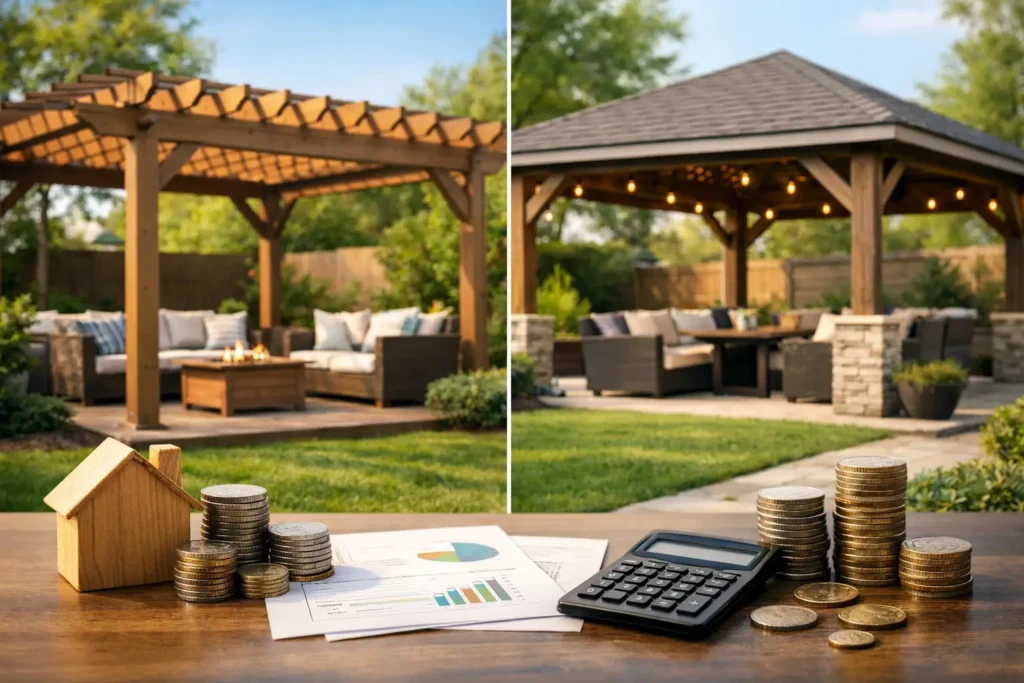
Pergola vs pavilion cost at a glance
In most residential projects, a pergola costs less than a pavilion because it is a simpler structure. A custom pergola may range from roughly $8,000 to $25,000 or more, depending on size, material, and design details. A pavilion often starts higher, with many custom projects falling between $20,000 and $60,000+, especially when the structure is fully finished and integrated into a larger outdoor setting.
That gap exists for a reason. A pergola usually has an open roof structure with rafters or slats, while a pavilion has a full solid roof. The pavilion requires more framing, more roofing materials, and often a more substantial foundation and permitting process. It also tends to invite more upgrades, like ceiling finishes, lighting, fans, and outdoor kitchens.
These are broad numbers, not universal pricing. In luxury outdoor environments, both structures can climb well beyond these ranges if the design is highly customized.
What drives pergola cost
A pergola is often the more accessible way to add architecture and shade to a backyard. It creates visual structure without fully enclosing the sky, which gives it a lighter, more open character.
Material choice changes everything
Pressure-treated wood is usually the most budget-friendly option, but many homeowners looking for a refined finish prefer cedar, redwood, fiberglass, aluminum, or premium composite materials. Cedar offers warmth and natural beauty, while fiberglass and aluminum deliver a cleaner, more tailored look with lower maintenance.
The material affects both the upfront investment and the long-term ownership experience. A lower-cost wood pergola may need more staining, sealing, and maintenance over time. Premium materials tend to cost more at installation but can better support a polished, lasting result.
Size and customization add up quickly
A simple freestanding pergola over a small sitting area costs far less than a large custom design covering a dining terrace or poolside lounge. Decorative end cuts, oversized posts, integrated lighting, privacy screens, motorized canopies, and custom stain or paint colors all raise the price.
That is where many homeowners see the difference between a basic structure and a finished outdoor feature. The pergola itself may be straightforward, but the custom details are what make it feel intentional and high-end.
Installation conditions matter
If the pergola is being installed on an existing patio with easy access, labor costs may stay relatively controlled. If crews need to work around a pool, tie into a retaining wall layout, or coordinate with new pavers and landscaping, installation becomes more complex.
In other words, the structure is only part of the budget. The setting around it often determines how seamless and beautiful the final result will be.
What drives pavilion cost
When homeowners compare pergola vs pavilion cost, the pavilion usually comes in higher because it performs more like an outdoor room. It offers stronger protection from sun and weather, and it naturally supports a more complete entertaining space.
A roof changes the project scope
The biggest cost difference is the roof. A pavilion includes full roof framing, roofing materials, trim work, and often a finished ceiling underneath. That means more labor, more engineering, and more coordination with code requirements.
The result is substantial. A pavilion can make an outdoor kitchen more comfortable, protect furniture more effectively, and extend how often you use your backyard through hotter afternoons and occasional rain.
Structural requirements are heavier
Because pavilions carry a full roof load, they often need larger posts, stronger footings, and more precise structural planning. In some areas, wind loads and local code requirements can increase engineering and construction costs even further.
This is especially true in Sunbelt markets where outdoor living is a year-round priority. Homeowners want structures that are not only attractive, but built to handle climate conditions with confidence.
Pavilions tend to attract more upgrades
A pergola may stop at lighting and a few accent features. A pavilion often becomes the backdrop for a full outdoor lifestyle package. Recessed lights, pendant fixtures, tongue-and-groove ceilings, fans, mounted heaters, fireplaces, televisions, and fully equipped outdoor kitchens all fit naturally under a pavilion roof.
That is one reason pavilion budgets can expand fast. The structure itself may be one line item, but the lifestyle built around it is usually much more ambitious.
Which gives you more value?
Cost matters, but value depends on how you plan to live outside.
A pergola can be an excellent choice if you want shade definition without a heavy visual footprint. It works beautifully over dining areas, garden lounges, and transitional patio spaces. It can also be the right fit when you want to invest in multiple backyard features rather than place a larger share of the budget into one covered structure.
A pavilion often delivers greater comfort and functionality if your goal is frequent entertaining, outdoor cooking, or a resort-style gathering area. It creates a stronger sense of destination. If you want your backyard to feel like a true extension of the home, the pavilion often justifies its higher price.
The best value comes from choosing the structure that supports the way you actually use your property. Paying less for a pergola is not a better deal if you really want all-weather coverage. Paying more for a pavilion may not make sense if your goal is simply to add visual interest and partial shade beside the pool.
Pergola vs pavilion cost in a full backyard design
One of the biggest mistakes homeowners make is pricing the structure in isolation. A pergola or pavilion rarely stands alone in a premium outdoor project.
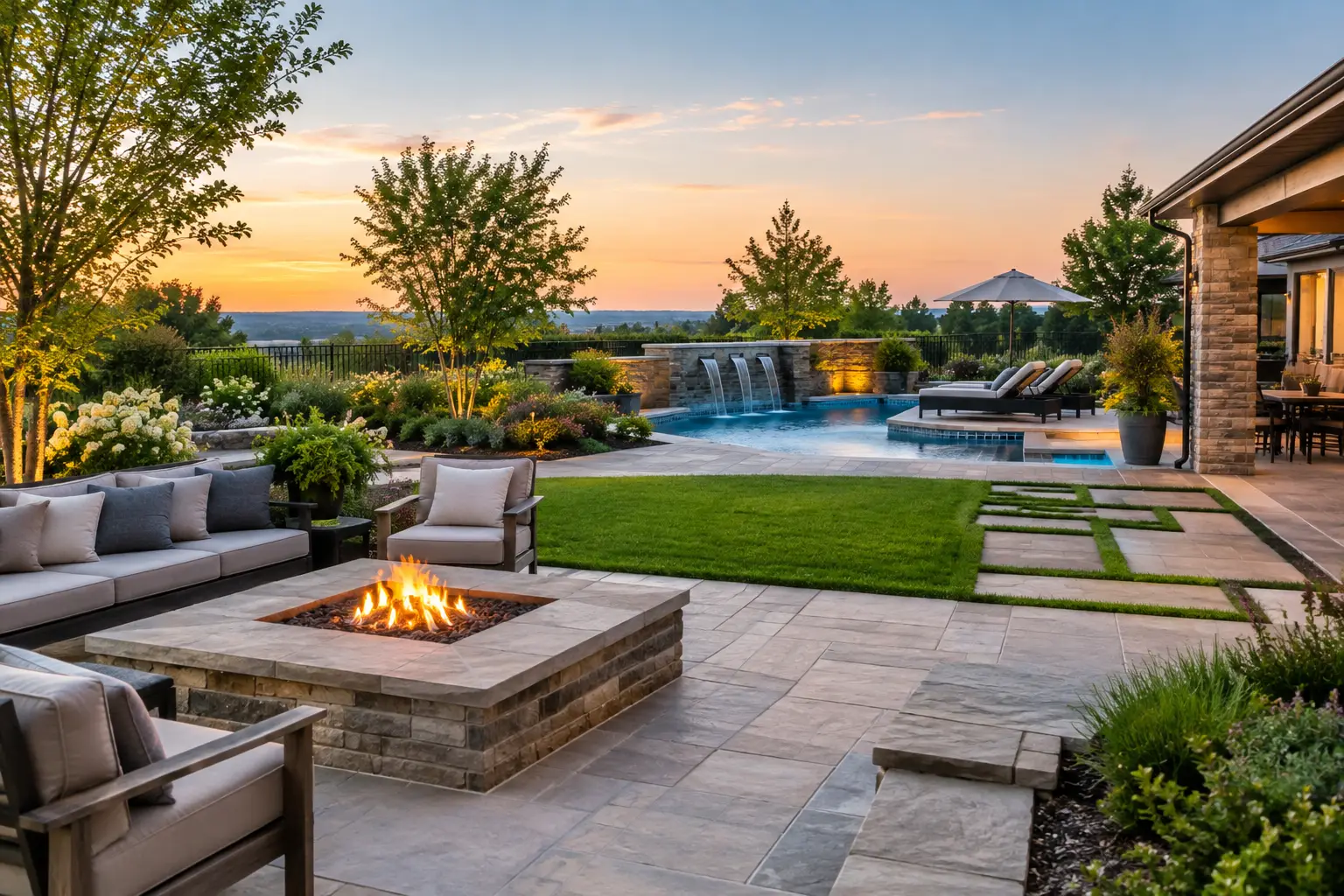
If you are adding a new patio, upgrading drainage, incorporating a fire feature, building an outdoor kitchen, or reshaping the landscape around the structure, those surrounding elements often influence the total investment more than expected. The structure may set the tone, but the hardscaping, grading, utilities, and finish details are what make the space feel complete.
This is where custom design matters. A pergola that is perfectly scaled to the patio can feel more luxurious than an oversized pavilion that overwhelms the yard. A pavilion placed to frame a pool, fireplace, and dining space can transform the entire property rather than functioning as a standalone shelter.
In high-end projects, the question is not just pergola vs pavilion cost. It is how each option fits into the full vision.
When a pergola makes more sense
A pergola is often the smarter investment when you want an elegant architectural feature, filtered light, and a more open-air experience. It can define space beautifully without blocking views or making the backyard feel too enclosed.
It also works well when your budget needs to stretch across several upgrades. If the plan includes new pavers, landscape lighting, planting beds, and a fire pit area, a pergola may leave more room to create a balanced, layered environment.
For many homeowners, that mix delivers the right kind of luxury – not just one expensive element, but a cohesive outdoor space with depth and personality.
When a pavilion is worth the premium
A pavilion earns its higher cost when comfort, coverage, and year-round usability are top priorities. If you want to host dinners outside, relax in the shade for long stretches, or protect a full outdoor kitchen and lounge setup, a pavilion offers a different level of performance.
It also tends to feel more like a finished extension of the home. With the right design, it can echo your architecture, elevate your patio, and create the kind of gathering space that naturally draws people in. That is why many homeowners who start by asking about price end up focusing on experience instead.
For families investing in a long-term backyard transformation, the pavilion often becomes the centerpiece.
How to budget wisely before you build
The most useful early step is to decide what you want the space to do. Are you creating a shaded sitting area, an outdoor dining room, a poolside retreat, or a fully equipped entertainment zone? Once that is clear, the right structure usually becomes easier to identify.
It also helps to think in phases if needed. Some homeowners begin with a patio and pergola, then add enhancements later. Others know they want one complete, highly finished environment from the start and prefer to invest in a pavilion with integrated features. Neither path is wrong. The right answer depends on your property, your priorities, and the level of transformation you want.
A thoughtful design-build approach can bring clarity early, before allowances and surprises start driving the budget. That is especially valuable when custom craftsmanship, site integration, and a polished final result matter as much as the price tag.
The best outdoor spaces are not chosen from a spreadsheet alone. They are shaped around the way you want to gather, unwind, and welcome people home.