Category: Blog

Your blog category

  • What to Expect From a Backyard Design Consultation

    What to Expect From a Backyard Design Consultation

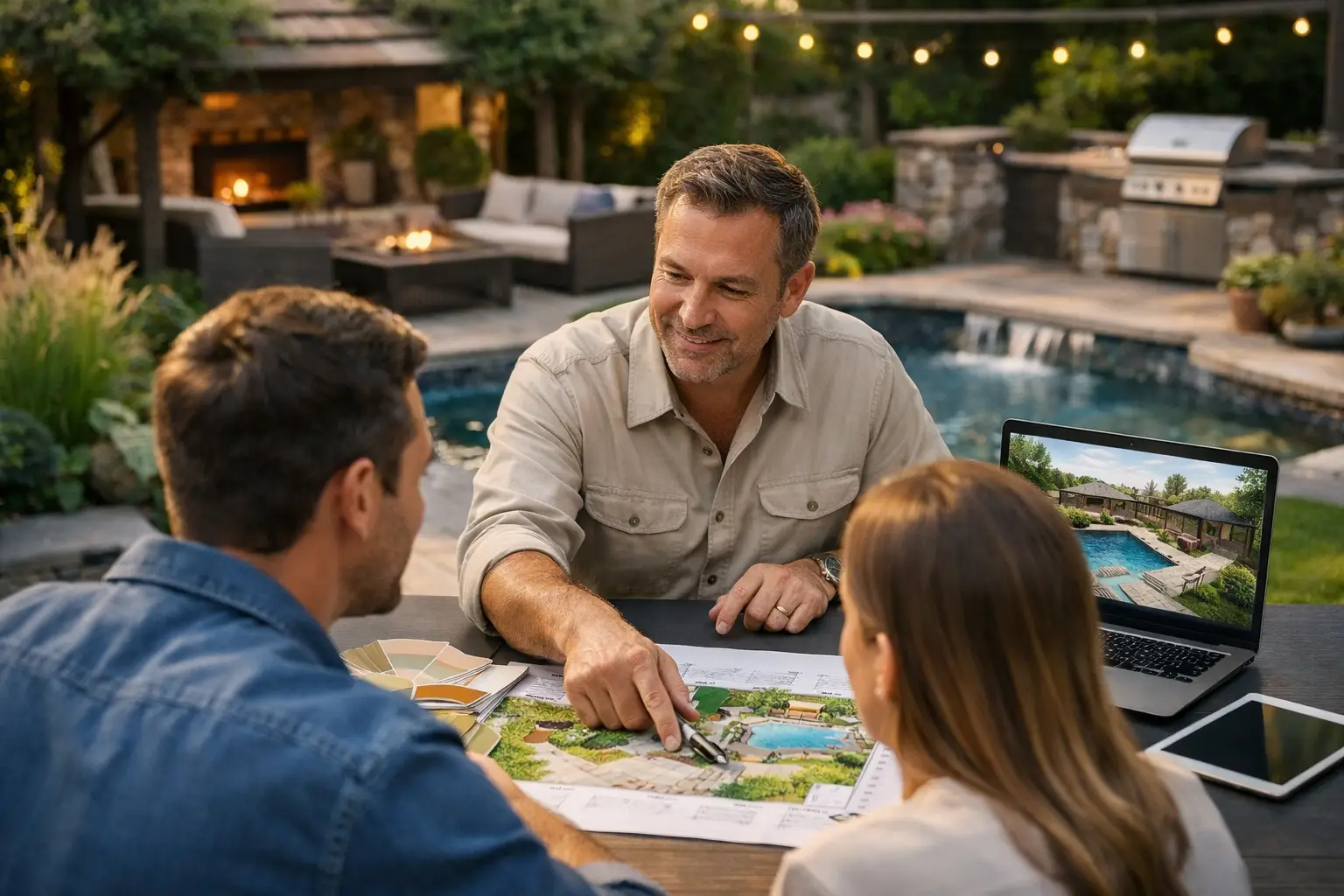
    A great backyard rarely starts with a patio or a pool. It starts with a conversation that reveals how you want to live outside. A backyard design consultation is where that vision begins to take shape – not as a collection of features, but as a cohesive outdoor environment built around your property, your routines, and the way you want to entertain, relax, and spend time at home.

    For homeowners investing in a premium outdoor transformation, that early design conversation matters more than most people expect. It sets the tone for everything that follows. The right consultation does more than measure square footage or ask whether you want a fire pit. It uncovers priorities, solves constraints before they become costly, and translates broad ideas into a plan that feels tailored, polished, and realistic.

    Why a backyard design consultation matters

    When homeowners skip the design process or treat it as a quick estimate, the result is often fragmented. A patio gets added in one season, a kitchen later, maybe a pergola after that. Each piece may look fine on its own, but the yard never feels fully resolved. Circulation is awkward, sightlines compete, and the finished space lacks the ease and elegance people were hoping for.

    A backyard design consultation helps prevent that. It creates a big-picture strategy before materials are selected and construction begins. That is especially valuable when your project includes multiple elements such as a pool, outdoor kitchen, covered structure, retaining walls, planting, lighting, and recreation features. Every one of those choices affects the others.

    Done well, the consultation also brings clarity to trade-offs. You may love the idea of a large pool and a full outdoor kitchen, but your lot shape, grading, setback restrictions, or budget may call for a different balance. That does not mean compromising on luxury. It means designing with intention so the final space feels complete rather than overpacked.

    What happens during a backyard design consultation

    A strong consultation blends inspiration with practical evaluation. Part creative session, part site analysis, it gives shape to what is possible and what will create the best result on your property.

    Your lifestyle comes first

    The most useful consultations begin with how you want the backyard to function. Some homeowners want a resort-style escape with water, shade, and quiet lounging areas. Others picture a social setting with a statement fireplace, oversized dining area, and outdoor cooking space that can anchor weekends with friends and family. Some need both.

    This is where real priorities surface. Do you host large groups or prefer intimate evenings? Do kids need open lawn space or recreation areas? Is low maintenance important? Are you designing for year-round use, privacy, or a stronger connection to the architecture of the home? These questions shape the design in ways that generic wish lists cannot.

    The property is evaluated as a whole

    A consultation is also about reading the site carefully. Grade changes, drainage patterns, sun exposure, access points, views from inside the home, and existing structures all influence the design direction. A backyard may seem spacious until circulation paths, utility easements, and elevation changes are factored in. On the other hand, a yard with limitations can often become far more dynamic through thoughtful planning.

    This step is where experience shows. A seasoned design-build team can spot opportunities homeowners may not see, such as where a retaining wall can create a stronger entertaining terrace, or how a pavilion can add architectural presence while solving a shade problem. The best ideas usually come from aligning your goals with the realities of the site rather than forcing a concept that does not belong.

    Budget and scope are discussed honestly

    Luxury projects deserve ambition, but they also need alignment. A backyard design consultation should include a candid conversation about investment range, priorities, and project scope. That is not about limiting creativity. It is about making sure the design direction reflects what you truly want to build.

    Sometimes the answer is a fully integrated transformation completed at once. In other cases, a phased plan makes more sense, especially if you want a complete vision now with construction staged over time. Either approach can work beautifully, but it should be intentional from the start.

    What to bring to your consultation

    You do not need to arrive with a finished vision. In fact, many homeowners begin with a feeling more than a plan. They know they want something elevated, inviting, and better suited to the way they live, but they are not sure how to translate that into layout, materials, or features.

    It helps to bring inspiration images, rough ideas about how you want to use the space, and a sense of what matters most. Maybe it is an outdoor kitchen that feels worthy of frequent entertaining. Maybe it is a pool area that feels private and refined. Maybe it is a backyard that finally looks like it belongs with the quality of the home.

    If you have surveys, plats, HOA requirements, or previous site plans, those can also be useful. So can examples of architectural details from your home that should influence the outdoor design. The more context the design team has, the more precisely they can shape a concept that feels custom rather than off-the-shelf.

    Backyard design consultation questions worth asking

    The consultation should leave you inspired, but also informed. This is the moment to ask how the design process works, what constraints may affect the project, and how the team approaches features that need to work together visually and structurally.

    Ask how the space will be organized. Ask how materials are selected to complement the home. Ask what the likely project sequence looks like if your vision includes multiple components. If drainage, grading, privacy, or permitting could influence the design, this is the time to bring those concerns into the open.

    You should also ask how the team handles cohesion. That is often the difference between a nice project and a remarkable one. A premium backyard should not feel like separate upgrades added in stages. It should feel composed, with every terrace, pathway, planting bed, wall, and structure contributing to a unified outdoor experience.

    The difference between an estimate and a true design conversation

    Not every consultation is the same. Some are essentially sales appointments focused on pricing isolated features. If you are investing in a high-end outdoor environment, that approach usually falls short.

    A true backyard design consultation is more thoughtful. It looks beyond individual items and considers proportion, flow, materials, architecture, and lifestyle together. It asks how the yard should feel when guests arrive, where evening light will land, how cooking and dining areas connect, and what creates comfort through different seasons.

    That level of planning matters because luxury is not just about adding more. It is about creating balance. A large fireplace can feel dramatic or overpowering depending on placement. A pool can become the centerpiece or disrupt the layout if it is not integrated carefully. Bigger is not always better. Better is better.

    Why full-service design-build changes the experience

    For homeowners who want a polished result without managing multiple vendors, the design-build model offers a clear advantage. The same team that helps shape the concept understands how it will be built, which keeps the vision grounded in craftsmanship, constructability, and detail.

    That continuity often leads to better outcomes. Design decisions are made with installation in mind. Material transitions are more refined. Structural and aesthetic elements work together from the beginning. Communication is clearer, and the process tends to feel more coordinated.

    For a project with premium finishes and layered outdoor living features, that matters. When designers, builders, and artisans are aligned from the start, the final space feels intentional in all the ways homeowners notice – and in many they never have to think about at all.

    At Beyond Backyard Living, that consultation-first approach is what allows an ordinary yard to become something far more memorable: an outdoor setting designed for hospitality, comfort, and everyday escape.

    When the timing is right

    Many homeowners wait until they are completely certain about every feature before booking a consultation. That usually delays the process unnecessarily. The better time to start is when you know the current backyard is no longer matching the life you want to live there.

    Maybe the space feels underused. Maybe entertaining spills awkwardly from indoors to outdoors. Maybe the backyard has good bones but no clear identity. A consultation helps answer what is possible before you commit to the wrong improvement or postpone the right one.

    The best outdoor spaces feel effortless once they are built. People gather naturally. Views are framed. Cooking, dining, lounging, and recreation all have their place. That kind of ease is designed long before construction starts.

    If you are ready for a backyard that feels more like a destination than leftover square footage, the first step is not choosing a feature. It is choosing to have the right conversation.
  • Luxury Backyard Renovation Guide

    Luxury Backyard Renovation Guide

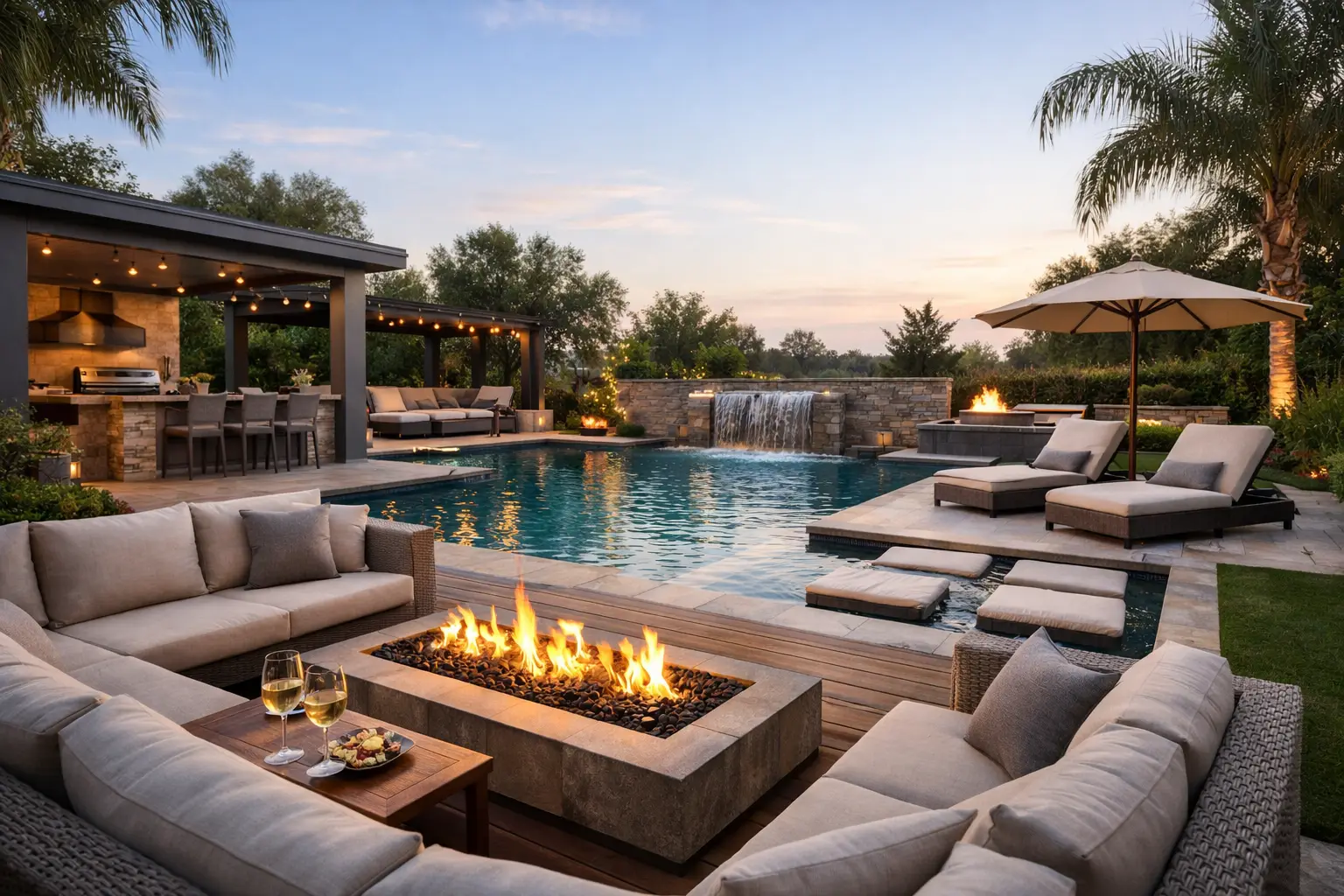
    A truly memorable backyard does not happen when a pool installer, patio crew, landscaper, and carpenter each solve their own piece of the puzzle. It happens when the entire property is designed as one experience. That is the heart of this luxury backyard renovation guide – helping homeowners plan an outdoor space that feels polished, personal, and ready for real life.

    For many families, the goal is not simply to add features. It is to create a place where mornings start quietly by the water, weekends stretch into long dinners outside, and guests instantly feel welcomed. The difference between a nice upgrade and a luxury transformation usually comes down to vision, proportion, and how well every element works together.

    What a luxury backyard renovation should really accomplish

    Luxury is not just about spending more. It is about creating an environment with intention. A well-designed backyard should fit the architecture of the home, support the way your family actually lives, and make entertaining feel effortless.

    That may mean a resort-style pool with generous lounge space, or it may mean an outdoor kitchen and covered pavilion that become the center of every gathering. For some homeowners, privacy and serenity matter most, with layered planting, a spa, and the sound of a waterfall softening the edges of the day. For others, recreation drives the design, with a sport court, putting green, or open lawn for active weekends.

    The best projects do not chase trends feature by feature. They build a complete setting. Materials, circulation, lighting, and sightlines all need to support the same mood. When that happens, the backyard feels finished rather than assembled.

    Start with lifestyle, not square footage

    A strong luxury backyard renovation guide begins with a simple question: how do you want to live outside? Homeowners often begin by naming features, but the better starting point is behavior. Do you host large parties or intimate dinners? Do children need room to play now, or do you want a space that will grow into adult entertaining later? Are you outside mostly during the day, or is the backyard meant to come alive at night?

    Those answers shape everything that follows. A family that entertains often may need a broad patio layout with multiple seating zones, an outdoor kitchen, refrigeration, bar seating, and a fire feature that keeps the evening going. A couple focused on retreat may prioritize a smaller but more layered design with a spa, pergola, privacy plantings, and refined lighting.

    This is where many expensive projects go sideways. Homeowners commit early to a pool shape, a patio material, or a kitchen appliance package before deciding how the space should function as a whole. Once that happens, the layout starts driving the lifestyle instead of the other way around.

    The features should support one another

    Every major element should earn its place. A pool should relate to seating and sun exposure. An outdoor kitchen should sit close enough to the house for convenience, but not so tight that guests crowd the cooking zone. A pavilion should provide shelter without blocking views from the interior. Fireplaces, water features, and landscape beds should create atmosphere, not visual competition.

    Luxury comes from this kind of discipline. It is not about adding everything. It is about choosing the right combination and giving each piece enough room to shine.

    Design the layout before choosing finishes

    Finishes matter, especially in a high-end backyard, but layout matters more. The most beautiful stone in the world cannot rescue a space with awkward traffic flow or cramped seating. Before materials are selected, the design should establish how people will move, gather, cook, lounge, and transition between zones.

    Think in terms of outdoor rooms. There may be a dining room under a pavilion, a lounge area around a fire pit, a sun shelf beside the pool, and a quiet edge of the property reserved for a spa or garden retreat. These spaces should feel connected, but not crowded together.

    Elevation changes also deserve careful attention. Retaining walls, steps, raised terraces, and grade transitions can add drama and definition when they are integrated early. They can also become expensive corrections when they are treated as an afterthought. In many Sunbelt properties, sun exposure, drainage, and the orientation of the home all need to be resolved before aesthetic selections begin.

    Why cohesive design saves money later

    A full master plan often feels like a luxury in itself, but it usually protects the investment. It helps avoid common missteps such as undersized patios, poor drainage near structures, mismatched materials, and utility conflicts between landscape, lighting, irrigation, and hardscape work.

    Even if the project will be completed in phases, the design should be complete from the start. That way the first phase does not limit what is possible in the second.

    The materials set the tone

    Once the layout is right, materials begin to shape the emotional feel of the space. Natural stone, large-format pavers, architectural concrete, wood accents, premium tile, and tailored plantings all communicate something different. The right combination depends on the home, the climate, and the level of maintenance you are willing to accept.

    A modern home may call for crisp lines, restrained color, and smooth textures. A more traditional property may feel strongest with tumbled stone, warmer tones, and layered masonry details. Neither is automatically more luxurious. What matters is consistency.

    Trade-offs matter here. Some surfaces stay cooler underfoot, which is especially valuable around pools in hotter climates. Some look incredible on installation day but require more upkeep to keep that refined appearance. Some planting palettes deliver softness and privacy quickly, while others mature slowly but create a more established look over time.

    A luxury backyard should not only photograph beautifully. It should perform beautifully through heat, weather, traffic, and time.

    The most successful spaces balance hospitality and privacy

    High-end outdoor living works best when it feels welcoming to guests and comfortable for everyday use. That balance is often what separates a showpiece from a space people truly enjoy.

    Hospitality might show up as a generously sized dining area, built-in seating near a fire feature, a pizza oven that turns dinner into an event, or a pool layout that allows conversation between swimmers and those lounging nearby. Privacy might come from layered screening, strategic wall placement, covered structures, or the sound of moving water masking nearby noise.

    This balance is especially important in neighborhoods where homes sit closer together. A luxury result does not always require a massive lot. It requires thoughtful framing, strong focal points, and enough enclosure to make the space feel like an escape.

    Budget for the full experience, not just the headline feature

    Many homeowners begin with a marquee element, usually the pool or outdoor kitchen. Those are important anchors, but they are rarely the whole story. The surrounding hardscape, drainage, lighting, planting, structures, furnishings, and utility work often have just as much impact on the final experience.

    That is why budgeting needs to be honest from the beginning. If the vision includes a pool, spa, outdoor kitchen, pavilion, premium hardscape, and integrated landscape lighting, the budget should reflect the complete scope rather than one centerpiece. A luxury backyard feels expensive when the supporting details are missing. It feels elevated when every layer has been considered.

    This is one reason homeowners often prefer a design-build partner. With one team shaping the plan and executing the work, it becomes easier to align budget, aesthetics, engineering, and construction realities early. For clients seeking a refined, one-of-a-kind result, that integrated process tends to produce fewer compromises and a stronger finish.

    Timeline matters more than most homeowners expect

    Backyard renovations involve design decisions, permitting in many jurisdictions, material lead times, site preparation, and sequencing across multiple trades. The earlier the planning starts, the more options stay open.

    If your goal is to enjoy the space next season, design should begin well before that season arrives. Rushed decision-making usually leads to either delayed timelines or choices that do not fully serve the project. Luxury projects benefit from patience. Good design takes time, and craftsmanship does too.

    That does not mean the process has to feel overwhelming. It means the process should be guided. A consultation-driven approach, the kind companies like Beyond Backyard Living are built around, gives homeowners a clearer path from inspiration to finished space.

    A luxury backyard renovation guide should end with one question

    When the project is complete, what do you want people to feel when they step outside?

    If the answer is relaxed, impressed, welcomed, and eager to stay a little longer, the design is on the right track. The best backyards do more than add features to a property. They change how home feels – and that is where real luxury begins.

  • Custom Outdoor Kitchens & Paver Patios in St. Petersburg, FL

    Custom Outdoor Kitchens & Paver Patios in St. Petersburg, FL

    Custom Outdoor Kitchens & Paver Patios in St. Petersburg, FL: Expert Design and Installation Solutions

    By Terrance Schabilion, Beyond Backyard Living

    Creating a beautiful outdoor living space can significantly enhance your home’s value and your quality of life. Custom outdoor kitchens and paver patios are two popular features that allow homeowners in St. Petersburg, FL, to enjoy their outdoor areas to the fullest. This article will explore the various design options available for outdoor kitchens and paver patios, the installation solutions offered, and key considerations to keep in mind when planning your project. By the end, you will have a comprehensive understanding of how to transform your backyard into a stunning outdoor oasis.

    Expert Design Options

    When it comes to designing outdoor kitchens and paver patios, there are numerous options to consider that can cater to your specific needs and preferences. Custom designs allow homeowners to create spaces that are not only functional but also aesthetically pleasing.

    Outdoor Kitchens

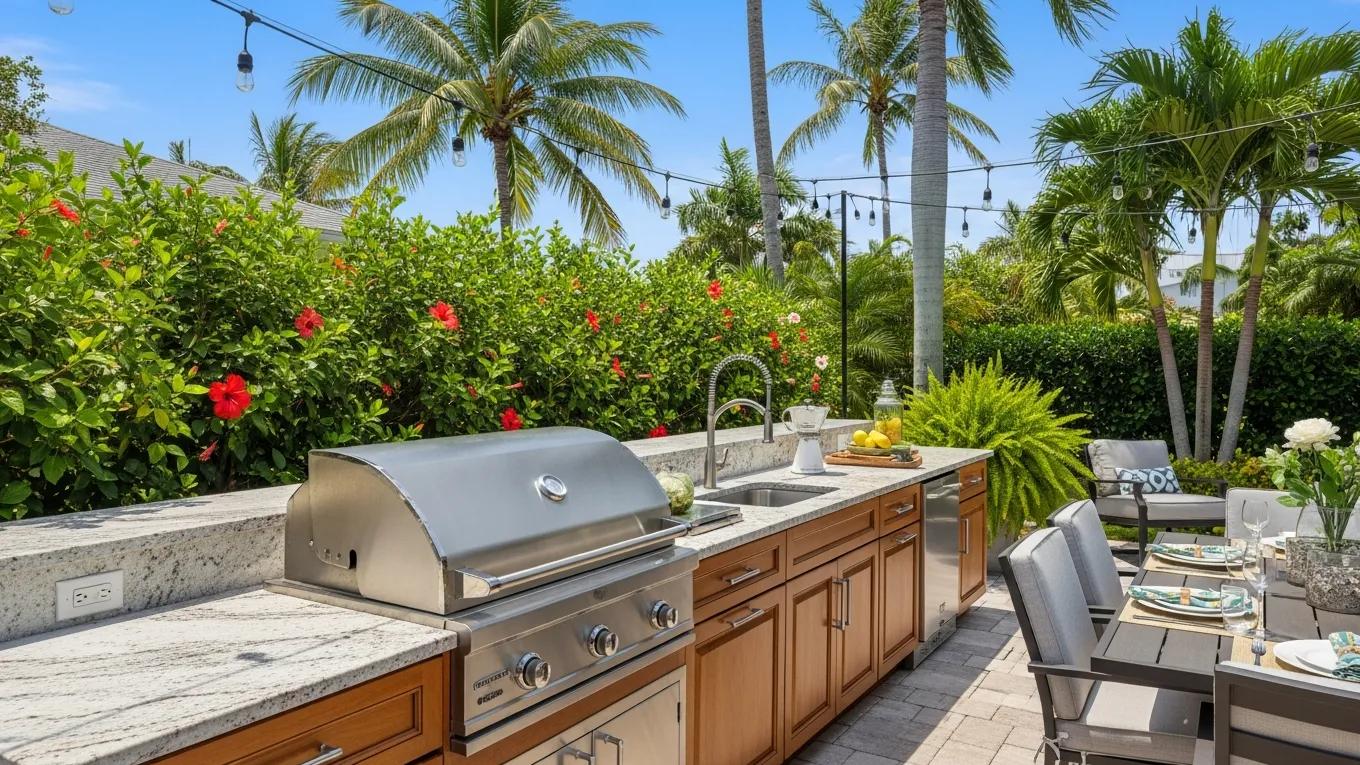
    Outdoor kitchens can be tailored to fit any lifestyle, featuring elements such as built-in grills, outdoor appliances, and ample countertop space. These kitchens are designed to facilitate cooking and entertaining outdoors, making them perfect for gatherings with family and friends. The choice of materials, such as stone or tile, can enhance the overall look and durability of the kitchen. Additionally, integrating features like patio lighting and fire pits can create a warm and inviting atmosphere for evening gatherings.

    Paver Patios

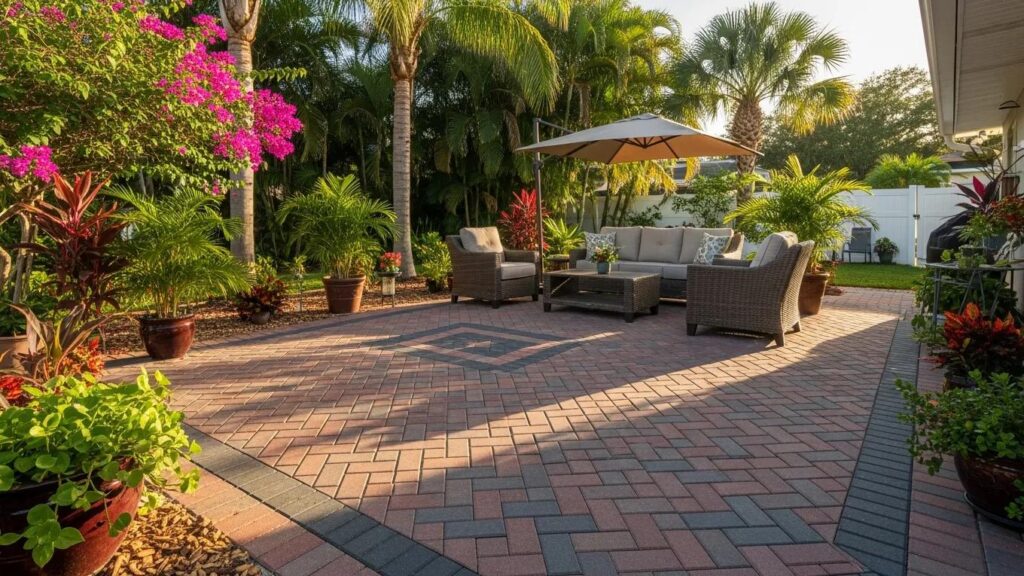
    Elegant paver patio design in St. Petersburg, showcasing intricate patterns and vibrant colors

    Paver patios offer incredible design flexibility, allowing homeowners to choose from various patterns, colors, and materials. Whether you prefer a classic look with traditional brick pavers or a modern aesthetic with sleek concrete options, the possibilities are endless. Paver patios can serve as a focal point in your outdoor space, providing a beautiful area for dining, lounging, or entertaining. The durability of pavers ensures that your patio will withstand the elements while maintaining its beauty over time.

    Installation Solutions

    Professional installation is crucial for ensuring that your outdoor kitchen and paver patio are built to last. Expert installers understand the nuances of local building codes and can provide cohesive planning to ensure that all elements work together seamlessly.

    The benefits of professional installation include:

    • Expertise: Skilled professionals have the experience necessary to handle complex installations, ensuring that everything is done correctly.
    • Durability: Proper installation techniques enhance the longevity of your outdoor features, preventing issues such as settling or cracking.
    • Aesthetic Appeal: Professionals can help you achieve a polished look that enhances the overall beauty of your outdoor space.

    Emphasizing the importance of proper technique, professional installation ensures that the full benefits of concrete block pavers are realized.

    Professional Paver Installation & Economic Use

    The task of this paper is to give tips for an economical use of mechanical installation. The contractor has to make sure to carry out the laying professionally, paying a lot of attention to the preparation of the subgrade and the correct execution of the laying process. Only then can the full advantages of concrete block pavers be utilized.

    MECHANICAL INSTALLATION OF CONCRETE BLOCK PAVERS IZ, 1998

    Beyond Backyard Living specializes in designing and constructing custom outdoor kitchens and paver patios specifically in St. Petersburg, FL. Their expertise ensures that your project is completed to the highest standards, providing you with a stunning outdoor area that you can enjoy for years to come.

    Key Considerations

    When planning your outdoor kitchen and paver patio, there are several important factors to consider to ensure that your project meets your needs and expectations.

    • Functionality: Think about how you plan to use your outdoor space. Will it be primarily for cooking, entertaining, or relaxing? This will influence your design choices.
    • Aesthetics: Choose materials and colors that complement your home’s architecture and landscaping. A cohesive design will enhance the overall appeal of your property.
    • Durability: Select materials that can withstand the Florida climate, including heat, humidity, and heavy rainfall. High-quality materials will ensure that your outdoor features last for many years.
    • Local Climate Adaptation: Consider Florida’s coastal environment, which includes salt air and intense sun exposure. Materials and finishes should be chosen to resist corrosion and fading.
    • Maintenance Requirements: Evaluate how much upkeep your chosen materials and features will require to keep them looking their best over time.

    By considering these factors, you can create an outdoor space that is both beautiful and functional.

    What Are the Top Outdoor Kitchen Design Ideas for St. Petersburg Homes?

    When designing an outdoor kitchen, consider incorporating features that enhance both functionality and style. Some popular design ideas include:

    • Built-in Grills: A high-quality built-in grill is essential for any outdoor kitchen, providing a central cooking area for barbecues and gatherings.
    • Counter Space: Ample countertop space is necessary for food preparation and serving, making it easier to entertain guests.
    • Seating Areas: Incorporating seating options, such as bar stools or dining tables, encourages social interaction and makes your outdoor kitchen more inviting.
    • Weather Protection: Adding pergolas, retractable awnings, or shade sails can protect your kitchen and guests from Florida’s sun and rain, extending usability.
    • Smart Technology: Integrate outdoor-rated smart appliances, lighting, and sound systems to enhance convenience and entertainment.

    These design elements can help create a seamless transition between indoor and outdoor living, making your outdoor kitchen a favorite gathering spot.

    How Do Custom Designs Enhance Your Outdoor Living Experience?

    Custom designs allow homeowners to tailor their outdoor spaces to their specific needs and preferences. By incorporating unique features and layouts, you can create an environment that reflects your personal style and enhances your outdoor living experience. Custom outdoor kitchens and paver patios can transform your backyard into a functional and beautiful space for relaxation and entertainment.

    In St. Petersburg, custom designs often incorporate local architectural styles and landscaping native to the region, creating a harmonious blend between your home and the natural surroundings. Additionally, custom solutions can address specific challenges such as drainage and sun orientation, ensuring comfort and longevity.

    Which Materials Best Suit Florida’s Climate for Outdoor Kitchens?

    When selecting materials for your outdoor kitchen, consider options that can withstand Florida’s unique climate. Some of the best materials include:

    • Natural Stone: Durable and weather-resistant, natural stone adds a timeless elegance to outdoor kitchens.
    • Concrete Pavers: These are ideal for patios, as they are strong and can handle heavy foot traffic while resisting moisture.
    • Stainless Steel Appliances: Resistant to rust and corrosion, stainless steel is perfect for outdoor kitchens, ensuring longevity and easy maintenance.
    • Composite Materials: For cabinetry and seating, composite materials offer resistance to moisture and UV damage, reducing maintenance.
    • Sealed Granite or Quartz Countertops: These surfaces provide durability and stain resistance suitable for outdoor use.

    Choosing the right materials will ensure that your outdoor kitchen remains functional and beautiful for years to come.

    How Much Does Paver Patio Installation Cost in St. Petersburg?

    The cost of paver patio installation can vary based on several factors, including the size of the patio, the type of pavers chosen, and the complexity of the design. On average, homeowners can expect to pay between $10 to $20 per square foot for installation. This investment can significantly enhance your outdoor space, providing a durable and attractive area for relaxation and entertainment.

    For example, a 300-square-foot patio with mid-range pavers and moderate design complexity might cost between $3,000 and $6,000. Custom patterns or premium materials will increase the price accordingly.

    What Factors Influence the Price of Custom Paver Patios?

    Several factors can influence the overall cost of custom paver patios, including:

    • Material Selection: The type of pavers chosen can greatly affect the price, with natural stone typically being more expensive than concrete options.
    • Design Complexity: Intricate designs or patterns may require more labor and time, increasing installation costs.
    • Site Preparation: If the installation site requires significant preparation, such as grading or excavation, this can also add to the overall cost.
    • Additional Features: Incorporating elements like built-in seating, fire pits, or integrated lighting can increase costs but add value and functionality.

    Understanding these factors can help you budget effectively for your paver patio project.

    How Does Material Choice Affect Installation and Longevity?

    The choice of materials plays a crucial role in both the installation process and the longevity of your outdoor features. High-quality materials are typically easier to install and provide better durability against the elements. For example, concrete pavers are known for their strength and resistance to cracking, making them an excellent choice for patios. In contrast, lower-quality materials may require more frequent repairs or replacements, ultimately costing more in the long run.

    Additionally, selecting materials that are specifically rated for outdoor use in coastal environments, such as salt-resistant metals and UV-stable finishes, will extend the lifespan of your outdoor kitchen and patio. Proper sealing and maintenance also contribute significantly to durability.

    Why Choose Beyond Backyard Living as Your Custom Patio Builder in St. Petersburg?

    Beyond Backyard Living stands out as a premier choice for custom patio building in St. Petersburg due to their commitment to quality and customer satisfaction. Their team of experienced professionals works closely with clients to design and construct outdoor kitchens and paver patios that meet individual needs and preferences. With a focus on durable materials and expert installation, Beyond Backyard Living ensures that your outdoor space will be both beautiful and functional.

    They also provide tailored solutions that address local environmental factors, ensuring your investment withstands Florida’s unique climate challenges. Their transparent pricing, detailed 3D design process, and comprehensive project management make them a trusted partner for homeowners seeking a seamless outdoor transformation.

    Our 3D Design Process: Visualize Your St. Petersburg Backyard Before We Break Ground

    See Your Outdoor Kitchen or Paver Patio Before Construction Begins

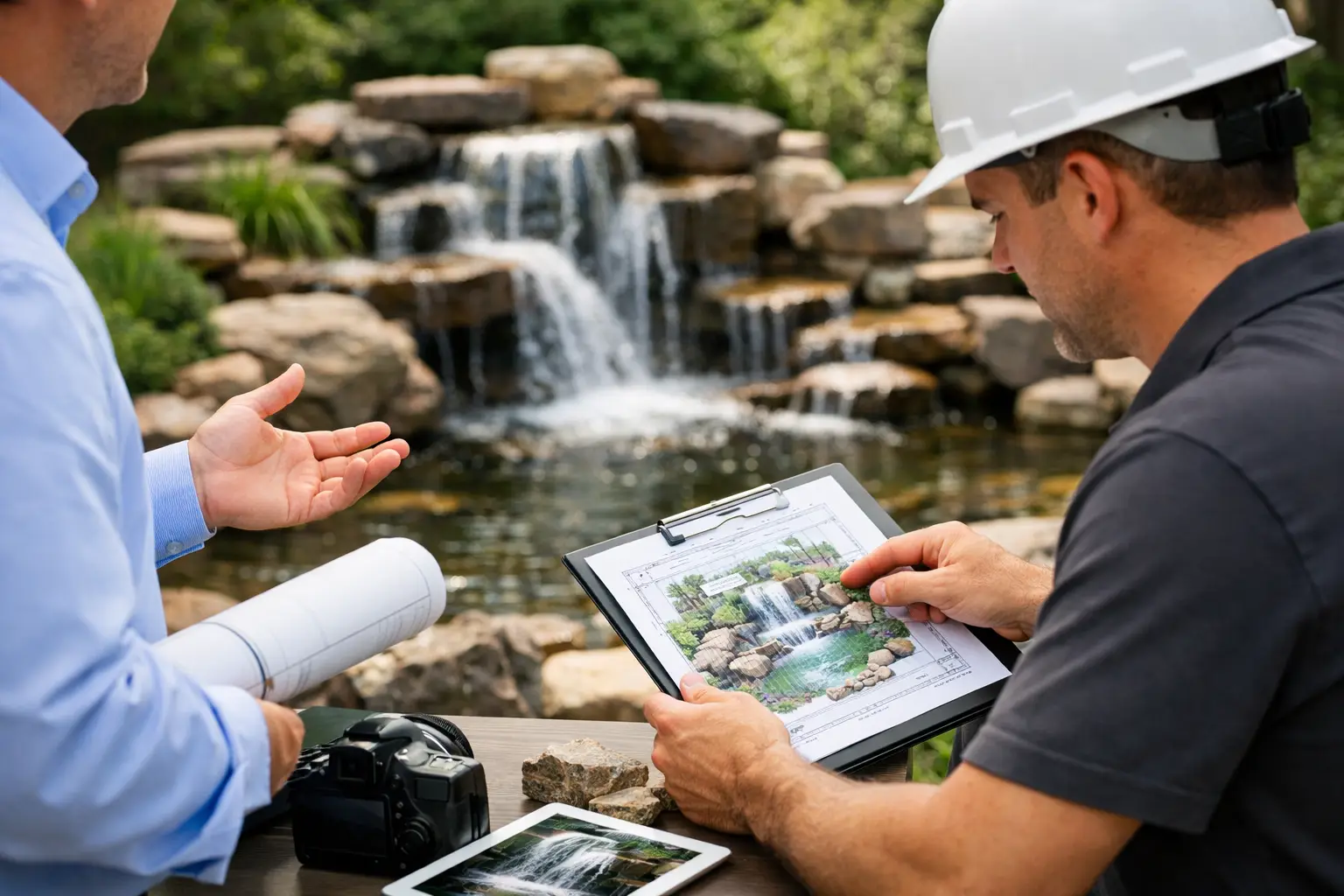
    Beyond Backyard Living utilizes advanced 3D rendering technology to craft photorealistic visualizations of your proposed outdoor space, including custom outdoor kitchens, paver patios, pergolas, and fire features. Before a single stone is laid, St. Petersburg homeowners can digitally walk through their future backyard transformation, reviewing every detail from material finishes to layout and lighting. This immersive experience eliminates guesswork and provides clients with full confidence before committing to construction.

    Precision Design That Captures Every Detail

    During the meticulous design phase, the Beyond Backyard Living design team collaborates closely with each homeowner to capture their vision, preferences, and lifestyle needs. Every element—from the grade of the paver stones to the placement of outdoor kitchen appliances and the angle of the pergola—is mapped with precision in the 3D model. The design-build expertise of the team ensures that Florida-specific considerations such as sun orientation, humidity-resistant materials, and year-round outdoor living in St. Petersburg’s coastal climate are thoughtfully integrated into the plan.

    A Final Build That Matches Your Vision — Guaranteed

    The 3D design approval process serves as a detailed blueprint for the construction team, guaranteeing that the finished outdoor space is a faithful, high-fidelity realization of the client’s approved vision. This process is a key part of Beyond Backyard Living’s turnkey installation commitment—from the first design consultation to the final walkthrough. Licensed [FL License #XXXXX], with over [X+ Years in Business], Beyond Backyard Living has a proven track record of delivering premium craftsmanship that matches the design exactly. St. Petersburg homeowners are invited to schedule their 3D design consultation today to begin transforming their outdoor living dreams into reality.

    What Craftsmanship Standards Ensure Quality and Durability?

    Quality craftsmanship is essential for ensuring the longevity and functionality of outdoor kitchens and paver patios. Beyond Backyard Living adheres to strict craftsmanship standards, including:

    • Attention to Detail: Every aspect of the installation is carefully considered to ensure a flawless finish.
    • Quality Materials: Only the best materials are used, ensuring that your outdoor features can withstand the elements.
    • Expert Installation Techniques: Skilled professionals employ best practices to guarantee that your outdoor kitchen and patio are built to last.
    • Local Code Compliance: All projects meet or exceed St. Petersburg and Florida building codes, ensuring safety and reliability.

    These standards help ensure that your investment in outdoor living is protected for years to come.

    How Does Consultation Scheduling Personalize Your Project?

    Consultation scheduling is a vital step in the design process, allowing homeowners to discuss their vision and preferences with professionals. During the consultation, clients can:

    • Share Ideas: Discuss design preferences and specific features they want to include in their outdoor space.
    • Receive Expert Advice: Get recommendations on materials, layouts, and design elements that will work best for their needs.
    • Establish a Budget: Work with professionals to create a budget that aligns with their vision and financial considerations.
    • Review Local Regulations: Understand any permitting or zoning requirements specific to St. Petersburg that may impact the project.

    This personalized approach ensures that the final design reflects the homeowner’s unique style and requirements.

    How Can Backyard Landscaping and Patios Transform Your Outdoor Space?

    Integrating landscaping with patios can significantly enhance the overall appeal of your outdoor space. Thoughtful landscaping can create a cohesive look that ties together various elements of your yard. Features such as flower beds, shrubs, and trees can provide shade and privacy, making your outdoor area more inviting. Additionally, well-placed lighting can highlight key features and extend the usability of your outdoor space into the evening hours.

    What Are the Benefits of Integrating Landscaping with Paver Patios?

    Integrating landscaping with paver patios offers several benefits, including:

    • Enhanced Aesthetics: A well-designed landscape can complement the beauty of your patio, creating a harmonious outdoor environment.
    • Increased Property Value: Thoughtful landscaping can boost your home’s curb appeal and overall value.
    • Functional Outdoor Spaces: Landscaping can create defined areas for different activities, such as dining, lounging, or gardening.
    • Environmental Benefits: Native plants and proper landscaping can improve drainage and reduce erosion around your patio.

    By considering landscaping in your outdoor design, you can create a more functional and visually appealing space.

    How Do Outdoor Features Like Lighting and Fire Pits Enhance Usability?

    Incorporating outdoor features such as lighting and fire pits can significantly enhance the usability of your outdoor space. Proper lighting allows you to enjoy your patio and kitchen even after sunset, creating a warm and inviting atmosphere. Fire pits provide a focal point for gatherings, offering warmth and a cozy ambiance. These features not only improve the functionality of your outdoor area but also add to its overall charm and appeal.

    Consider energy-efficient LED lighting and smart controls to customize your outdoor ambiance while minimizing energy use. Fire pits can be designed with gas or wood-burning options, tailored to your preferences and local regulations.

  • Custom Landscape Design Services That Fit Life

    Custom Landscape Design Services That Fit Life

    A beautiful backyard can still fall short if it does not work for the way you actually live. That is where custom landscape design services make the difference. The goal is not to add a patio here, a fire pit there, and hope it all comes together. The goal is to shape an outdoor environment that feels intentional from the front curb to the far edge of the yard, with every detail supporting comfort, beauty, and the kind of hospitality that makes people want to stay a little longer.

    For homeowners investing in a premium outdoor transformation, that distinction matters. A yard with scattered upgrades may look improved, but a fully designed outdoor living space feels complete. It welcomes guests, supports family routines, and creates the sense that your home extends naturally beyond its walls.

    What custom landscape design services really include

    At the luxury level, landscape design is much more than planting beds and selecting stone. It is a master-planning process that considers architecture, circulation, drainage, grading, views, shade, privacy, and how different outdoor features will relate to one another over time.

    A well-developed plan may include patios and walkways, retaining walls, custom pools, outdoor kitchens, fireplaces, water features, pergolas, paver driveways, and recreation spaces such as putting greens or courts. The design also accounts for softer elements like planting palettes, turf areas, lighting, and transitions between public-facing spaces and private retreats.

    The real value is cohesion. When the entire property is considered as one composition, the result feels polished instead of pieced together. Materials complement the home. Gathering areas flow naturally. Sightlines are deliberate. Even practical concerns like access, maintenance, and drainage are addressed before construction begins.

    Why custom landscape design services outperform piecemeal upgrades

    Many homeowners start with a single project. They add a patio, then later consider a pool, then realize the traffic flow no longer makes sense. A fire feature gets squeezed into an awkward corner. The outdoor kitchen ends up too far from the house or too close to seating. The budget gets spent in stages, but the property never fully delivers.

    Custom design helps avoid that pattern. It gives you a big-picture plan before the first shovel hits the ground. That does not always mean every feature must be built at once. In many cases, phased construction is a smart approach. What matters is that each phase is planned to support the final vision.

    This is especially important in Sunbelt markets, where outdoor living is not a short seasonal luxury. It is part of everyday life for much of the year. A backyard in this climate often needs to serve multiple roles at once – quiet retreat, weekend entertaining space, family gathering zone, and visual showpiece. That level of performance rarely happens by accident.

    Designing for lifestyle, not just appearance

    The most successful outdoor environments begin with a better question than What do you want to add? They begin with How do you want to live outside?

    For some homeowners, the answer centers on entertaining. They want an outdoor kitchen with generous prep space, a shaded dining area, and a fireplace or fire pit where guests naturally gather after dinner. For others, the priority is daily escape – a pool framed by elegant hardscapes, layered planting, and enough privacy to make the entire space feel like a private resort.

    Families may want open lawn for play, a putting green, durable surfaces, and multiple seating areas that let adults relax while children move freely. Empty nesters may prioritize low-maintenance beauty, evening lighting, and spaces designed for intimate conversation rather than large events. Neither approach is more correct. The right design depends on how your household uses the property, what you value, and how much upkeep you want to take on.

    That is where custom work earns its name. It responds to the home, the lot, and the lifestyle at the same time.

    The elements that shape a luxury outdoor environment

    A high-end landscape plan is not defined by how many features it includes. It is defined by how well those features are composed.

    Hardscapes often provide the structure. Patios establish gathering zones. Walkways guide movement. Retaining walls solve grade changes while creating architectural presence. Driveways and front entry elements contribute to curb appeal and set the tone before anyone reaches the backyard.

    Water and fire add emotional impact. A custom pool introduces movement, reflection, and relief from the heat. Waterfalls and fountains bring sound and a sense of retreat. Fireplaces and fire pits extend use into the evening and make larger spaces feel inviting after sunset.

    Architectural features add dimension and comfort. Pergolas, pavilions, and covered structures create shade, define rooms, and make outdoor living more usable in bright sun or light rain. Outdoor kitchens and pizza ovens elevate the experience from occasional entertaining to true open-air living.

    The softer layers matter just as much. Plantings create seasonal color, texture, privacy, and scale. Lighting turns the property into a nighttime destination rather than a dark silhouette. Even the placement of trees can influence how a space feels at noon, at dinner, and in every season between.

    The design-build advantage

    There is a reason so many premium homeowners prefer a design-build partner over hiring separate designers and contractors. Outdoor projects are complex. The more moving pieces you introduce, the more valuable alignment becomes.

    When one team handles the design vision and the construction execution, it is easier to preserve intent. Materials can be coordinated early. Structural requirements can be considered during concept development. Budget conversations happen in real time instead of after a design is completed in isolation.

    That does not mean every project becomes simpler. Luxury outdoor environments often involve trade-offs. You may need to balance pool size against patio space, or prioritize shade structures over an additional garden zone. Grade changes may affect where key features can realistically go. Municipal rules, drainage conditions, and existing site constraints can all shape the final plan.

    A strong design-build process does not hide those realities. It works through them creatively so the finished space still feels elegant, generous, and complete.

    What to expect from the custom landscape design process

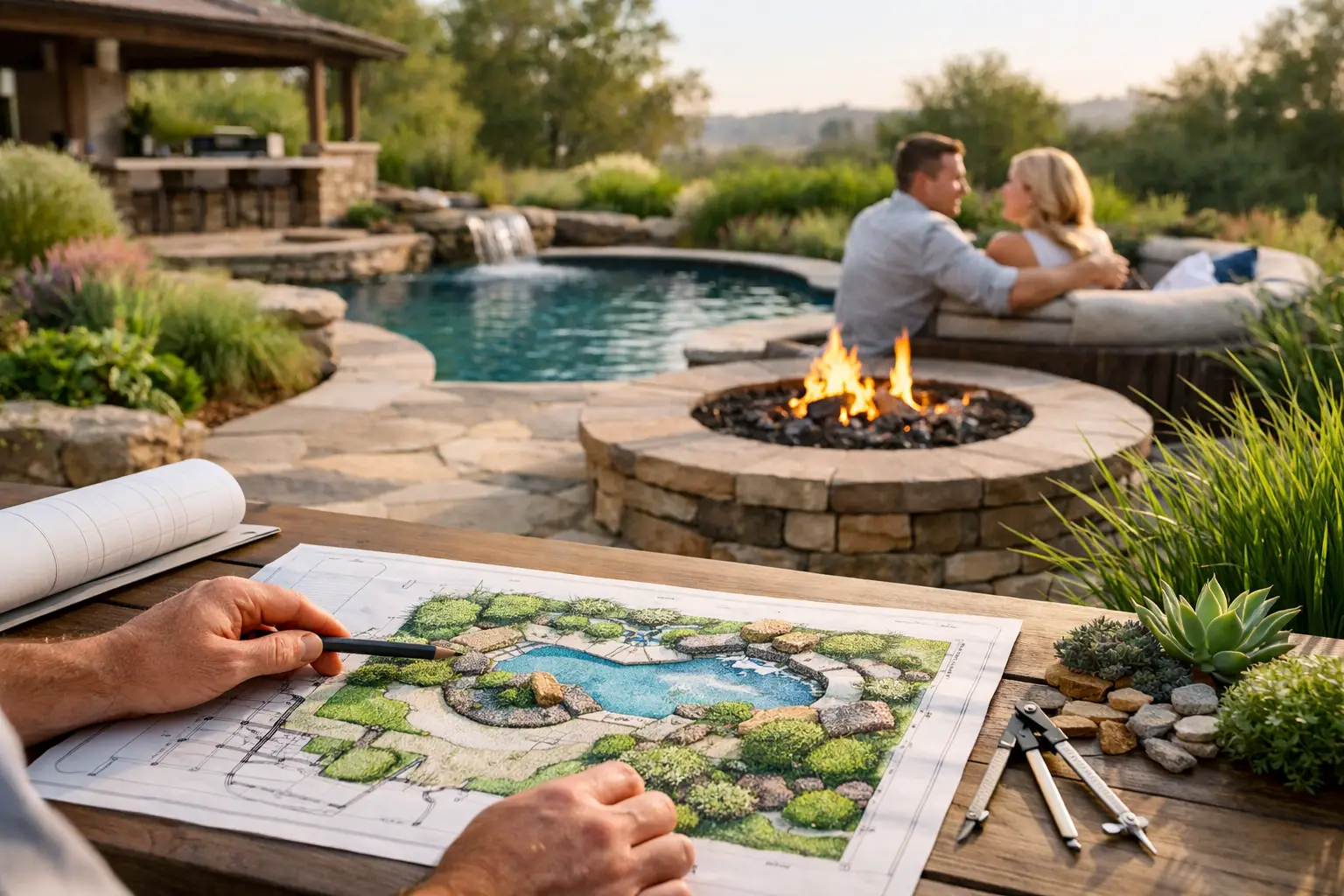
    The process usually begins with conversation, not sketching. A good design team wants to understand how you entertain, what your home is missing, which views matter, and what frustrations exist in the current yard. They also need clarity on investment level, timeline expectations, and whether the project will be completed in one phase or several.

    From there, the site itself starts speaking. Topography, drainage patterns, existing structures, sun exposure, and property lines all influence what is possible. A flat lot offers one kind of opportunity. A sloped property opens the door to retaining walls, multi-level terraces, and dramatic transitions. Neither is inherently better. Each creates different design possibilities.

    Concept development comes next. This is where the vision starts taking shape through layout, material direction, and feature selection. The strongest concepts do not simply look impressive on paper. They solve real-life concerns, such as where guests will gather, how food moves from indoors to outdoors, and whether seating areas feel intimate or exposed.

    Detailed planning follows. This stage brings greater precision to elevations, finishes, planting, lighting, and construction requirements. By the time installation begins, the project should feel grounded in both imagination and practicality.

    How to know if a design is truly custom

    A custom plan should feel like it belongs to your home and nowhere else. If the layout could be dropped into any neighborhood without much change, it is probably not fully tailored.

    True customization shows up in subtle ways. It may be the way a pool aligns with the rear architecture of the home, how a pergola frames a sunset view, or how a walkway eases a grade change without feeling forced. It may be the decision to create separate zones for dining, lounging, and recreation so the backyard works just as well for a quiet Tuesday as it does for a celebration.

    It also shows up in restraint. Sometimes the most refined design choice is not adding another feature. A larger open patio may serve the property better than cramming in too many destinations. A simpler planting strategy may create a cleaner, more upscale look than excessive variety. Luxury is not about filling every inch. It is about making every inch count.

    Investment, value, and the long view

    Premium outdoor design is a meaningful investment, and homeowners should approach it with clear eyes. Custom work costs more than standard packages because it requires more planning, more coordination, and more craftsmanship. Materials, site conditions, and feature complexity all affect the final number.

    Still, the value is not just in resale. It is in how the home lives. A thoughtful outdoor environment can change how often you entertain, how much time your family spends outside, and how connected you feel to your own property. It can turn unused square footage into the part of the home everyone gravitates toward.

    That is why the right project is not measured only by what gets installed. It is measured by what becomes possible afterward – dinners outdoors that stretch late into the evening, weekends that feel like a getaway, and a home that welcomes people with ease and confidence.

    When custom landscape design services are done well, the result is more than a backyard upgrade. It is a setting for the life you want to live outside, beautifully built and ready to be enjoyed.

  • Luxury Backyard Waterfall Builder Near Spring Hill

    Luxury Backyard Waterfall Builder Near Spring Hill

    A backyard changes the moment water enters the design. The air feels cooler. The space sounds calmer. A patio that once looked finished can suddenly feel alive. If you are searching for a luxury backyard waterfall builder near Spring Hill, you are probably not looking for a simple rock pile and a pump. You want a feature that feels intentional, refined, and worthy of the home around it.

    That difference matters more than most homeowners realize. A luxury waterfall is not just a standalone add-on. It is part architecture, part landscape, and part lifestyle design. When it is done well, it anchors the entire outdoor experience, tying together pool lines, planting, lighting, hardscape materials, and the way people move through the space.

    What sets a luxury backyard waterfall builder near Spring Hill apart

    In the Spring Hill area, outdoor living is not a seasonal afterthought. It is part of daily life. That means a waterfall has to do more than look attractive in a photo. It has to perform in real weather, complement the home’s style, and feel natural within a larger backyard plan.

    A true luxury builder approaches the project with a design-build mindset. That starts with the setting itself. Grade changes, drainage patterns, views from the house, pool placement, sun exposure, and existing architecture all shape the right waterfall design. The goal is not to force a feature into the yard. The goal is to create something that belongs there.

    Craftsmanship is the next separator. Better waterfall projects are defined by proportion, material choice, and water behavior. The stone has to look substantial, not staged. The spill points need to create the right sound level. The basin, edge details, and transitions into surrounding landscape should feel composed rather than improvised. Those are the details that elevate a backyard from nice to unforgettable.

    A waterfall should fit the way you live outdoors

    The most successful projects begin with a lifestyle conversation, not a catalog image. Some homeowners want a dramatic focal point visible from the great room and outdoor kitchen. Others want a quieter retreat tucked near a lounge area, spa, or garden path. Both can be beautiful. The right answer depends on how the space will be used.

    For families who entertain often, a waterfall can bring energy and movement to a poolscape while softening surrounding hardscape. For homeowners who want a more private, resort-inspired escape, a layered water feature with dense planting and subtle lighting can create a stronger sense of separation from neighboring homes. In either case, the design should support the experience you want every day, not just impress on installation day.

    This is where a cohesive outdoor plan matters. A waterfall rarely reaches its full potential when treated as a one-off project. It becomes more compelling when it is integrated with patios, pavilions, fire features, pool coping, retaining walls, and planting design. The result feels curated instead of crowded.

    Choosing the right style for a luxury waterfall

    There is no single formula for a high-end water feature. The best style depends on the home, the property, and the atmosphere you want to create.

    A naturalistic waterfall uses carefully composed boulders, layered planting, and irregular water movement to echo the look of a mountain or woodland stream. This style works especially well when the backyard has space for depth and a softer, more organic feel. It can be dramatic, but it should never feel random.

    A more architectural waterfall leans into cleaner lines, sharper geometry, and a stronger relationship to the home’s structure. Think smooth stone, linear spillways, or modern water walls paired with contemporary patios and pools. These designs can feel especially striking in upscale outdoor environments where material consistency is part of the luxury appeal.

    Then there is the hybrid approach, which is often the smartest option. Many homes near Spring Hill benefit from combining structured hardscape with natural stone and layered planting. That creates a waterfall that feels elevated without becoming too formal or too rustic. Good design lives in that balance.

    Why design-build matters for waterfall projects

    A waterfall may look artistic, but it is also a technical construction project. That is why homeowners tend to get better results when one experienced team handles both design and execution.

    A disconnected process often leads to compromises. The designer may envision one thing, while the installer adjusts materials, elevation, or water flow later to fit conditions on site. That can affect appearance, performance, and even maintenance. With a design-build approach, those decisions are coordinated from the beginning.

    This is especially important for luxury work. High-end outdoor environments demand precision. The stone selection has to work with the pavers. The waterfall’s scale has to feel right next to the pool or patio. Plumbing and electrical planning need to happen early, not after the feature is already framed into the landscape. When all of that is aligned, the finished space feels effortless, even though the process behind it is anything but simple.

    Budget, value, and the trade-offs to consider

    Homeowners shopping at the luxury level usually understand that pricing varies, but it helps to know why. Waterfall costs are influenced by size, grading, access to the yard, pump and filtration requirements, stone choice, lighting, surrounding hardscape, and whether the project is part of a broader backyard transformation.

    The biggest mistake is comparing projects by waterfall alone. A lower quote may exclude essential site work, drainage planning, premium materials, or the surrounding landscape treatment that makes the feature look complete. A high-end result usually comes from the total composition, not just the water itself.

    There are also design trade-offs. A larger waterfall creates presence and stronger sound, but if it overwhelms the patio or competes with the home’s architecture, it can feel forced. Dense planting around the feature adds richness, but it also affects upkeep. More dramatic rockwork can be stunning, but some homeowners prefer a cleaner look that requires less visual maintenance over time. Luxury is not always about more. It is about better judgment.

    What to expect from the process

    A premium waterfall project should feel organized, personal, and well guided from the start. The first step is usually a consultation focused on the property, your goals, and the broader outdoor vision. This is where experienced builders begin to identify what belongs in the space and what does not.

    From there, concept development should address layout, style, scale, materials, and how the waterfall connects with the rest of the backyard. In a truly custom process, this stage is not about dropping in a standard feature. It is about shaping an environment around the way you want to relax, entertain, and enjoy the home.

    Construction should then move with clarity. Site preparation, grading, plumbing, electrical, structural support, and finish work all need to be sequenced correctly. Water features are unforgiving when corners are cut. If the hidden systems are not right, the visible beauty will not last.

    For homeowners who want a complete outdoor transformation, this is often the ideal moment to think bigger. A waterfall pairs naturally with custom pools, outdoor kitchens, fire features, pergolas, expanded patios, and landscape lighting. When those elements are designed together, the yard feels complete from day one rather than pieced together over several years.

    The emotional payoff of a well-designed water feature

    A luxury waterfall changes more than appearance. It changes behavior. People stay outside longer. Morning coffee moves to the patio. Evenings become quieter, softer, and more inviting. Guests gather where the sound of water gives the space a sense of ease.

    That is why homeowners who invest in thoughtful outdoor design rarely talk only about resale value, even though quality improvements can certainly strengthen it. They talk about how the backyard feels now. They talk about the first dinner outside after completion, the way the lighting catches the stone at dusk, and how the space finally feels like an extension of the home instead of an area behind it.

    For that reason, choosing a luxury backyard waterfall builder near Spring Hill is less about buying a feature and more about choosing a standard. You are choosing whether the finished space will feel temporary or timeless, decorative or immersive, attractive or truly transportive.

    Beyond Backyard Living approaches projects with that larger vision in mind, creating custom exterior spaces where beauty, function, and hospitality work together. And that is the real opportunity with a waterfall done right. It does not just add motion to the yard. It gives the whole property a stronger sense of place.

  • Choosing a Waterfall Construction Company

    Choosing a Waterfall Construction Company

    A waterfall can change the entire mood of a backyard before anyone ever takes a seat. The sound softens the edges of a busy day, the movement catches light from the patio, and the feature itself becomes a focal point that makes the whole space feel more refined. That is why choosing the right waterfall construction company matters so much. You are not just hiring someone to stack stone and circulate water. You are trusting a team to shape the experience of your outdoor living space.

    For homeowners investing in a premium backyard, a waterfall should never feel like an add-on. The best results come when it is designed as part of a complete environment, with the patio, pool, planting, lighting, and gathering areas all working together. A waterfall can be dramatic and architectural, soft and naturalistic, or quietly elegant. What it should never be is disconnected from the rest of the property.

    What a waterfall construction company really does

    A true waterfall construction company does more than install a water feature kit. It evaluates grade, drainage, circulation, electrical requirements, material selection, and how the waterfall will be viewed from key areas of the home and yard. That includes practical questions, like how the system will be serviced, and lifestyle questions, like whether you want the sound to feel energetic near a pool or calmer beside a lounge area.

    This is where the difference between a basic installer and a design-build partner becomes obvious. One may be able to build a feature that functions. The other can create a feature that belongs. In a luxury outdoor setting, that distinction matters.

    A well-designed waterfall should feel inevitable, as if the space was always meant to include it. The stone scale should match the home. The basin or catch area should be integrated, not awkwardly imposed. The water flow should be tuned to the mood of the space. Even the surrounding plant material plays a role, softening transitions and making the feature feel established rather than newly dropped into place.

    Why design matters as much as construction

    Many homeowners begin by thinking about the waterfall itself, then realize the bigger opportunity is the backyard around it. A waterfall can anchor a resort-style pool, create a backdrop for an outdoor kitchen, or add character to a quiet garden retreat. Its success depends on how well it interacts with the rest of the project.

    That is why design should lead construction, not the other way around. If a company talks only about pumps, stone, and pricing without discussing sightlines, entertaining goals, and how you want to use the space, something is missing. Great outdoor environments are built around lifestyle first.

    Some families want a bold statement feature that enhances poolside entertaining. Others want a more intimate setting, where the water masks neighborhood noise and creates a peaceful backdrop near a fire feature or covered pavilion. Neither approach is better. It depends on the property, the architecture, and the atmosphere you want to create.

    Naturalistic versus architectural waterfalls

    This is one of the first major design choices. A naturalistic waterfall uses layered stone, planting, and irregular contours to feel organic and relaxed. It works beautifully in backyards with lush landscaping, freeform pools, and a softer aesthetic.

    An architectural waterfall feels more sculpted. Think clean lines, defined spillways, contemporary materials, and a more intentional visual rhythm. This style often pairs well with modern homes, geometric pools, and outdoor spaces built around sharp hardscape lines.

    Neither is inherently more luxurious than the other. The better choice is the one that fits your home and the way you want the space to feel.

    Signs you are hiring the right waterfall construction company

    The strongest companies ask better questions. They want to know how you entertain, where you spend time outdoors, what views matter most, and how much maintenance you are comfortable with. They are thinking beyond installation day and planning for long-term enjoyment.

    They also speak confidently about the technical side. Waterfalls need proper hydraulic design, reliable waterproofing, careful stone placement, and smart drainage planning. If those details are handled poorly, even a beautiful feature can become a frustration.

    Look for a company that can explain how the waterfall will integrate with the full project. If it sits beside a pool, how does it relate to the coping and deck? If it is part of a landscape bed, how will runoff be managed during heavy rain? If lighting is involved, how will the nighttime effect feel from the patio or inside the home? Premium work comes from teams that think through all of it.

    Craftsmanship shows in the details

    The details are where quality reveals itself. Stone should look intentional, not piled. Water should fall in a way that appears natural or cleanly engineered, depending on the chosen style. Edges should be finished thoughtfully. Equipment should be accessible without becoming visually intrusive.

    Good craftsmanship also means restraint. A waterfall does not need to be oversized to be impressive. In fact, many elegant projects succeed because the scale is just right. The feature supports the space instead of overwhelming it.

    Budget, value, and what affects cost

    Homeowners often ask what a waterfall costs, but the more useful question is what drives the investment. Size matters, of course, but so do materials, site conditions, integration with other features, circulation complexity, lighting, and access to the backyard during construction.

    A simple standalone waterfall in a favorable site condition will cost far less than a custom feature woven into a poolscape with retaining walls, planting, and specialty masonry. That is why fixed price expectations can be misleading early on. Two waterfalls may sound similar on paper and be very different in execution.

    The better way to think about value is this: does the feature elevate the entire outdoor environment? A well-designed waterfall can increase visual impact, improve the sensory experience of the yard, and make the whole space feel more complete. In a premium backyard, those benefits extend far beyond the water feature itself.

    The timeline homeowners should expect

    A custom waterfall is rarely a rush job, especially when it is part of a larger outdoor transformation. The process usually begins with consultation and design, then moves into material selection, planning, and installation. If permits, grading, pool coordination, or structural work are involved, the schedule can expand.

    That is not a drawback. It is often a sign that the project is being handled carefully. Thoughtful sequencing protects the final result. Stone placement, plumbing, drainage, and finish work all need attention. The best outdoor spaces feel effortless when complete, but they are never created casually.

    Homeowners in warm climates often benefit from planning early, especially if they want the feature ready for a specific entertaining season. Starting the conversation before you feel urgent gives you more room to refine the design and make stronger decisions.

    Why full-service execution makes a difference

    One of the most common frustrations in outdoor construction is fragmentation. A landscape designer has one idea, a mason interprets it another way, and a pool contractor is working on a separate schedule. The result can feel disjointed, even when each individual part is well made.

    A full-service waterfall construction company reduces that friction. When design, planning, and construction are aligned, the waterfall is more likely to feel integrated with the rest of the project. Materials are coordinated. Elevations make sense. The feature supports how the backyard is actually used.

    For clients seeking a polished, resort-style result, that alignment matters. Beyond Backyard Living approaches outdoor spaces this way because the goal is never just to build a feature. It is to create a complete setting that feels beautiful, livable, and deeply personal.

    Questions worth asking before you commit

    Before choosing a company, ask to see examples of waterfalls that fit your preferred style. Ask how they approach sound level, maintenance, lighting, and seasonal performance. Ask who will handle design decisions if site conditions change once construction begins.

    It is also wise to ask how the waterfall will age. Natural stone develops character over time, but only when installed correctly. Water quality, filtration, and circulation all affect long-term appearance. A strong company will speak honestly about upkeep and help you make choices that fit your expectations.

    The right partner will make the process feel clear, not confusing. You should come away with a stronger vision, not just a quote.

    A beautiful waterfall does more than add motion and sound. It gives your backyard a sense of presence. When it is designed with intention and built with care, it becomes one of those rare features that feels equally impressive on a quiet morning and during a full evening of entertaining. That is the standard worth building toward.

  • Waterfall + Fire Features for Luxury Backyards

    Waterfall + Fire Features for Luxury Backyards

    Some backyard upgrades look beautiful in a photo and fade into the background in real life. Waterfall + fire features do the opposite. They command attention, shape the mood of the space, and give a backyard that rare quality homeowners are usually chasing – a setting that feels alive from the moment you step outside.

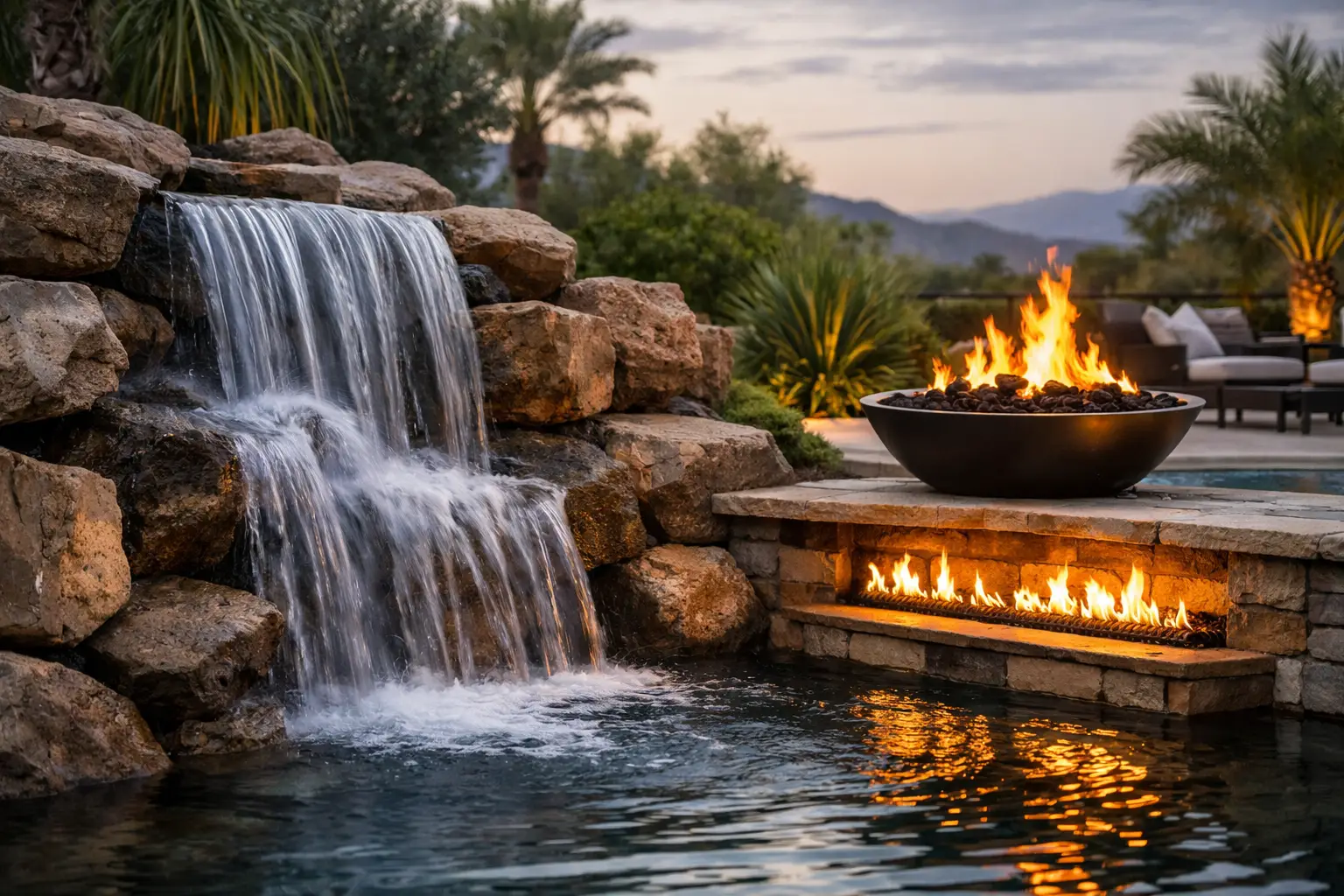
    That contrast is exactly what makes them so compelling. Water softens hardscape, cools the atmosphere, and adds motion and sound. Fire does the reverse. It adds warmth, glow, and a natural focal point after sunset. When those two elements are designed together, the result feels layered, dramatic, and deeply inviting.

    Why waterfall + fire features feel so elevated

    Luxury outdoor spaces are rarely about one standout element. They work because every part of the environment supports the experience of being there. A well-designed pool, a generous patio, comfortable seating, architectural lighting, and strong material choices all matter. Waterfall + fire features often become the piece that ties those layers together.

    During the day, a waterfall introduces movement and sound that make the yard feel calmer and more private. It can mask traffic noise, soften the feel of large masonry surfaces, and bring a more natural rhythm to a polished design. At night, fire shifts the atmosphere. What felt serene during the day becomes intimate and cinematic in the evening.

    This combination also gives the backyard a stronger sense of occasion. That matters for homeowners who want more than a place to sit outside. They want a place to host, celebrate, unwind, and create memorable evenings with family and friends. A backyard with water and fire feels purposeful. It invites people to stay longer.

    Where waterfall + fire features work best

    The most successful installations are not added as decoration at the end of a project. They are planned as part of the full outdoor composition. Placement changes everything.

    Poolscapes with raised walls

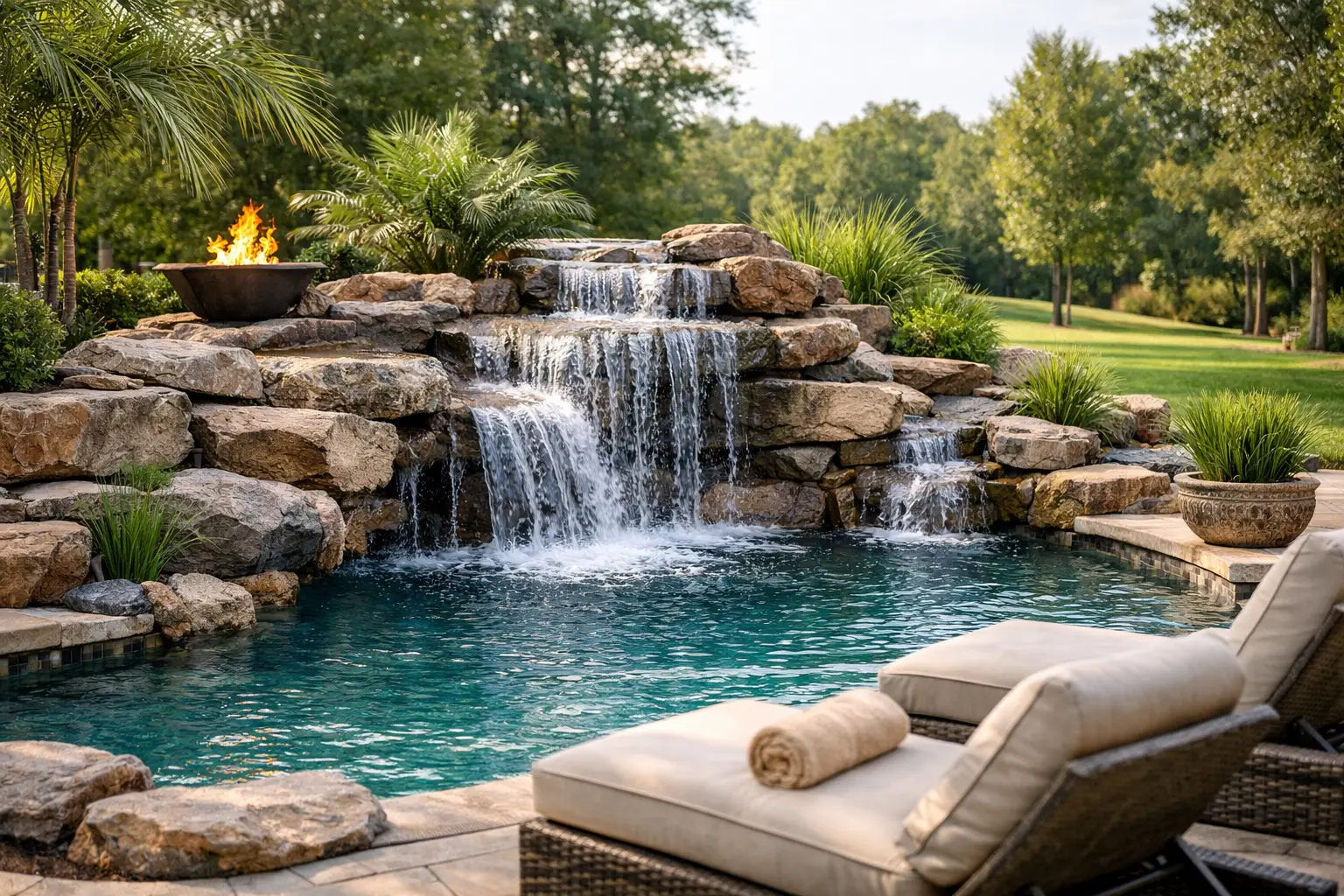
    One of the most popular applications is a raised wall at the edge of a pool with sheer descents or spillways paired with fire bowls above. This arrangement gives you vertical presence, strong symmetry, and a polished resort-style look. It works especially well in modern and transitional backyard designs where clean lines and structure matter.

    There is also a practical advantage. Raised walls can help define different zones of the yard and create a visual anchor for the pool area. Instead of the water feature feeling separate from the architecture, it becomes part of the overall framework.

    Naturalistic waterfalls with nearby fire accents

    For homeowners who prefer a more organic setting, a rock waterfall with a nearby fire pit or custom fireplace can feel extraordinary. The mood here is different. Instead of crisp geometry, the design leans into texture, plantings, and a more immersive retreat-like atmosphere.

    This style works particularly well on sloped properties or larger backyards where the goal is to create the feeling of a private destination. The trade-off is that naturalistic designs require discipline. Without careful planning, they can drift into looking overly busy or disconnected from the home.

    Spas, plunge pools, and compact entertaining areas

    You do not need a sprawling estate to make this concept work. In a smaller footprint, a compact spa with a spillover water detail and a linear fire feature can create the same contrast on a more intimate scale. The key is proportion. The fire should not overpower the water, and the water should not become so subtle that it disappears once the rest of the backyard comes to life.

    Design choices that separate custom from generic

    A lot of outdoor features are technically impressive but emotionally flat. That usually happens when the components are selected individually instead of composed together. If you want waterfall + fire features to feel custom, the design details matter.

    Material selection is a major one. Stone, porcelain, tile, stucco, and metal finishes should relate to the home and to the rest of the outdoor environment. A sleek modern fire bowl on a heavily rustic waterfall wall may work in the right setting, but often it feels forced. Cohesion creates luxury.

    Scale matters just as much. Oversized fire bowls can look dramatic in a large poolscape, but on a modest patio they can dominate everything around them. The same goes for waterfalls. A feature that is too small can feel token, while one that is too large can overpower the architecture. Great design is rarely about adding more. It is about choosing the right amount.

    Sound is another factor homeowners often overlook. Some people want the strong, steady sound of moving water because it masks nearby noise and creates a resort-like ambiance. Others want something gentler so conversation stays easy around the dining area or outdoor kitchen. Water volume, drop height, and surface material all affect that experience.

    Fire presentation deserves the same level of thought. A crisp linear flame feels contemporary and refined. Fire bowls deliver sculptural presence. A fireplace creates enclosure and turns a seating area into an outdoor room. Each option changes how the backyard is used.

    The lifestyle payoff goes beyond looks

    The visual appeal is obvious, but the real value of these features is how they influence the way people use the space. A backyard that glows at night and offers the calming sound of water tends to become part of everyday life, not just a setting used a few weekends a year.

    Families linger outside longer. Dinner naturally stretches into conversation by the fire. Guests spread out more comfortably because the yard has multiple focal points rather than one central gathering spot. Even a quiet evening alone feels different when the environment has depth, warmth, and movement.

    This is where premium design earns its place. The goal is not simply to install a waterfall or add fire bowls because they look impressive. The goal is to create a space that supports hospitality. The best outdoor environments make entertaining feel effortless and relaxing feel irresistible.

    What to consider before you build

    As beautiful as these installations are, they are not one-size-fits-all. The right solution depends on architecture, lot size, budget, and how you actually want to live outdoors.

    Budget is an obvious consideration, but it is not just about the feature itself. Structural support, gas and electrical lines, water circulation, drainage, finish materials, and lighting all shape the final investment. A feature that looks simple in a rendering may involve considerable engineering once it is integrated into a pool or retaining wall.

    Maintenance is another honest part of the conversation. Water features require attention to water quality, pumps, and cleaning. Fire features require proper fuel connections, safe clearances, and durable materials that can handle heat and weather. None of that should scare you away, but it should be addressed early so expectations match the design.

    Climate also matters, especially in the Sunbelt where outdoor living seasons are long and intense sun is part of daily life. Materials need to perform well in heat, and placement should consider how the space feels at different times of day. A fire feature that sounds appealing on paper may be less useful in a full-sun location during warmer months unless the broader design includes shade and balanced seating zones.

    Why integrated planning makes the difference

    The most impressive backyards are not assembled feature by feature. They are designed as complete environments. That is especially true with waterfall + fire features, because both depend on sightlines, circulation, materials, and surrounding uses.

    If the fire is too far from seating, it becomes scenery instead of an experience. If the waterfall is placed where it competes with conversation or blocks a major view from inside the home, the feature can feel like a missed opportunity. When the design is integrated from the beginning, those issues are solved before construction starts.

    This is where a full-service, design-forward approach changes the outcome. A company like Beyond Backyard Living can shape the pool, patio, plantings, structures, and feature placement as one cohesive vision rather than a series of disconnected upgrades. That kind of planning is what gives a backyard its finished, effortless feel.

    The best result is a backyard that keeps calling you outside

    Some outdoor features are easy to admire and easy to forget. The right combination of water and fire stays with you because it changes how the space feels at every hour. It creates calm in the afternoon, atmosphere at dusk, and a natural place to gather long after the sun goes down.

    If you are investing in a high-end outdoor environment, that is the standard worth aiming for – not a collection of features, but a backyard with presence, warmth, and a reason to step outside more often.

  • Pondless Waterfalls for Luxury Backyards

    Pondless Waterfalls for Luxury Backyards

    A still patio can look beautiful on paper, yet feel flat once the project is built. Pondless waterfalls change that instantly. The sound of moving water softens road noise, adds motion to the landscape, and gives a backyard the kind of atmosphere people remember long after the evening ends.

    For homeowners investing in a premium outdoor space, that matters. A water feature is not just another add-on tucked into a planting bed. When it is designed well, it becomes part of the experience of the entire backyard – what you hear from the outdoor kitchen, what guests notice from the pool deck, and what you enjoy from inside the house when the view matters just as much as the patio itself.

    What makes pondless waterfalls different

    Unlike a traditional waterfall that spills into an open pond, pondless waterfalls recirculate water into a hidden underground basin covered with stone or gravel. You still get the visual movement and sound of cascading water, but without the standing pond at the bottom.

    That distinction is a major reason these features appeal to upscale homeowners who want beauty without introducing a large exposed body of water. The finish feels clean and intentional. It also creates more flexibility in how the feature fits into a broader landscape plan.

    A pond can be stunning in the right setting, but it also becomes a destination of its own. A pondless design often feels more architectural and adaptable. It can anchor a front entry landscape, soften the edge of a terrace, or create a resort-like backdrop near a fire feature or covered patio without dominating the entire yard.

    Why pondless waterfalls work so well in high-end outdoor design

    Luxury backyards are rarely about one feature in isolation. The best ones feel layered. Materials connect from one space to the next. Lighting, planting, hardscape, and structures all support a single vision. Pondless waterfalls fit beautifully into that approach because they bring sensory richness without demanding a separate zone devoted to pond ecology.

    The lifestyle payoff is immediate. Water adds a calming rhythm to an outdoor room and can make a space feel more private, even in neighborhoods where homes are fairly close together. That is especially valuable in Sunbelt markets, where outdoor living seasons are long and backyards tend to serve as real extensions of the home.

    There is also a practical side to the appeal. Families often want a feature that feels elevated and natural, but they do not necessarily want the maintenance profile or safety concerns that can come with an open pond. A pondless system answers that need without sacrificing ambiance.

    The design possibilities with pondless waterfalls

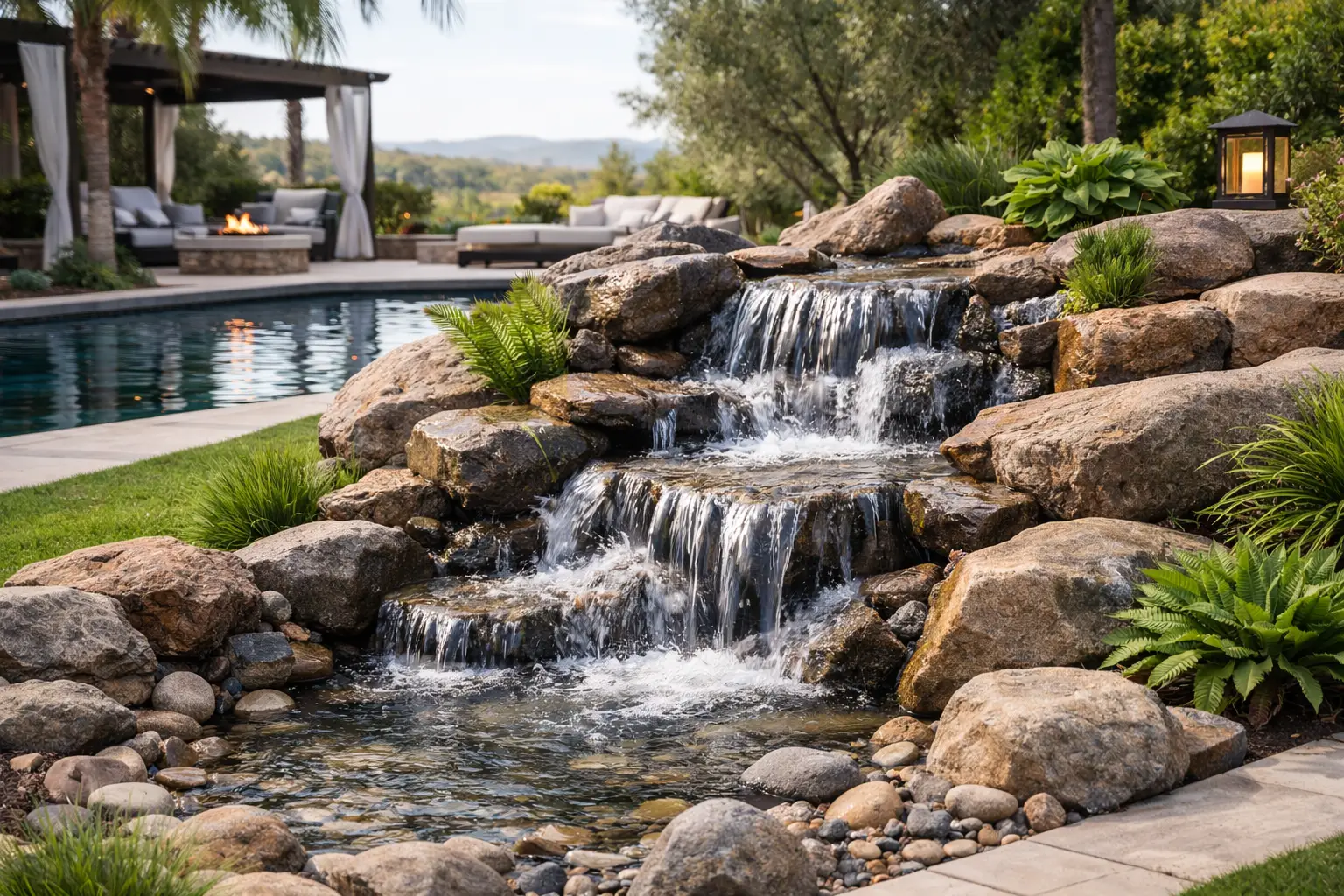
    One of the strongest advantages of pondless waterfalls is how customizable they are. They can look rugged and natural, with larger boulders and lush planting that suggest a hillside stream. They can also be refined and sculptural, integrated into sleek stonework with a more modern expression.

    That range matters in custom design. A water feature should feel like it belongs to the home and the property, not like it was selected from a catalog and dropped in at the end. The right concept responds to the architecture, the grade of the site, and the way the outdoor spaces are actually used.

    Naturalistic settings

    For homeowners drawn to a retreat-like landscape, a pondless waterfall can be built to feel established and organic. Moss rock, weathered stone, textured boulders, and layered planting create the impression that the water has always been part of the land. This style pairs especially well with freeform pools, woodland edges, and backyards where privacy planting is doing a lot of visual work.

    Clean-lined and contemporary expressions

    Not every luxury yard calls for a rustic streambed. In a more tailored setting, pondless waterfalls can be designed with sharper edges, more disciplined stone selection, and a restrained planting palette. The effect is quieter and more architectural, yet still warm and inviting.

    Integrated focal points

    Some of the most compelling projects use water as part of a larger composition. A waterfall might sit beside broad stone steps, terminate a long garden view, or provide a backdrop near a dining terrace. In a full-service outdoor plan, those relationships are what elevate the finished result.

    Maintenance, safety, and everyday use

    This is where pondless waterfalls tend to win people over. They offer much of the charm homeowners want from a water feature while reducing many of the concerns that make them hesitate.

    Because there is no exposed pond, there is less standing water to manage. That can simplify upkeep and reduce debris collection compared with an open pond environment. It also makes the feature appealing to families who want a more secure design around children or pets.

    That said, low maintenance is not the same as no maintenance. Pumps, filters, and basins still need attention. Seasonal cleaning, occasional adjustments, and periodic professional service keep the water looking and sounding the way it should. The advantage is that the upkeep is typically more straightforward than managing a full pond ecosystem.

    The sound profile matters too. A gentle cascade creates a different mood than a stronger, more dramatic drop. Neither is automatically better. It depends on the setting, the size of the yard, and whether the goal is subtle background sound or a more immersive statement. This is one of those areas where custom design pays off, because the wrong scale can feel underwhelming or overpowering.

    Where pondless waterfalls fit best

    Not every property needs one, but there are several scenarios where they make exceptional sense.

    A backyard with elevation changes is a natural fit. Grade transitions create opportunities for water to move in a way that feels believable and visually dynamic. A feature can help solve a design challenge while turning it into a highlight.

    They also work well in compact spaces where a pond would take up too much visual or physical room. Even a smaller yard can support a sophisticated water feature if it is placed thoughtfully.

    Front yards are another overlooked opportunity. A well-designed pondless waterfall near an entry sequence can transform curb appeal and give the home a stronger sense of arrival. For homeowners who want their property to feel polished before anyone even reaches the front door, this can be a powerful move.

    What to consider before adding pondless waterfalls

    The first question is not which stone you like best. It is how the feature should support the way you live outdoors. If you entertain often, placement near gathering areas may be the priority. If your goal is creating a private escape, the better location may be farther from the main activity zones.

    Budget matters, of course, but so does scope. A basic water feature and a fully integrated custom installation are very different investments. The surrounding grading, drainage, lighting, planting, and hardscape all influence the final cost and final impact. Homeowners sometimes underestimate how important those surrounding details are. The waterfall is only as convincing as the environment around it.

    It is also worth thinking about sightlines from inside the home. In many luxury projects, the backyard is experienced year-round, even when you are indoors. A pondless waterfall that frames a view from the kitchen, great room, or primary suite can deliver value every day, not just when guests are over.

    Why professional design makes the difference

    Pondless waterfalls look effortless when they are done right. They rarely are. The grading has to work. The water flow has to feel natural. The stone placement has to avoid looking staged. The basin, pump system, and surrounding materials need to perform reliably while still disappearing into the finished design.

    That is why these projects benefit from a design-build approach rather than piecemeal decisions. When the water feature is considered alongside patios, plantings, lighting, and architectural elements from the start, the result feels cohesive instead of appended.

    For a homeowner pursuing a full backyard transformation, that coordination protects the investment. It also opens the door to a more distinctive outcome – one shaped around the property, the home, and the way the space is meant to be enjoyed.

    Beyond Backyard Living approaches outdoor spaces this way, with water features treated as part of a complete lifestyle environment rather than an isolated product. That mindset is often what separates a nice backyard upgrade from a space that truly changes how a home feels.

    A well-designed waterfall does not ask for attention every second. It simply changes the atmosphere in all the right ways. If your backyard needs more depth, more calm, or a stronger sense of escape, pondless waterfalls are often one of the smartest ways to bring the whole landscape to life.

  • Grottos & Slides for a Luxury Backyard Pool

    Grottos & Slides for a Luxury Backyard Pool

    A pool changes the mood of a backyard. Grottos & slides change the experience. Done well, they create the kind of space people remember – the hidden swim-through, the cool shade behind a waterfall, the slide your kids sprint toward and your guests cannot stop talking about.

    That kind of feature is never just an add-on. In a high-end backyard, a grotto or slide has to feel like it belongs. It should work with the architecture of the home, the scale of the pool, the way the patio opens for entertaining, and the overall atmosphere you want to create. The best result feels less like a theme and more like a private resort designed around your life.

    Why grottos & slides still have real design power

    Some homeowners worry that these features can feel dated or overly playful. That concern is fair – if they are treated as standalone novelties, they often do. But when grottos & slides are designed as part of a complete outdoor environment, they become something much more sophisticated.

    A grotto introduces drama, movement, and a sense of escape. Water falling over natural stone changes the sound of the space and softens the edges of a poolscape. It adds privacy, visual depth, and a place to cool off that feels tucked away from the rest of the yard. In bright Sunbelt climates, that shaded pocket can become one of the most inviting spots in the entire backyard.

    A slide adds energy. It gives children and grandchildren a reason to stay outside longer, and it keeps the pool feeling active and social. But the design matters. A generic, exposed slide can look disconnected from an otherwise refined project. A custom slide integrated into stonework or grade changes can preserve the beauty of the setting while delivering the fun people actually use.

    What separates a luxury feature from a backyard add-on

    The difference usually comes down to integration. In a thoughtfully designed project, the grotto, slide, pool, hardscape, and surrounding amenities are all answering the same question: how do you want this space to feel when people gather here?

    If the answer is relaxed and resort-like, a rock waterfall with a shaded interior may become the visual anchor near a tanning ledge and lounge area. If the goal is family-centered entertaining, a slide may be positioned so it energizes one side of the pool while the opposite side stays calmer for conversation and dining. If the yard has a slope, that topography can be used to tuck a slide naturally into the landscape instead of forcing it into the plan.

    This is where custom design earns its value. The best outdoor environments are not built around a catalog feature. They are shaped around the property, the architecture, and the way the homeowners want to live outside.

    Designing grottos & slides that look intentional

    There is no single formula, because these features need to respond to the site. Still, a few design principles matter almost every time.

    Scale has to match the pool and the home

    A massive stone grotto can overpower a modest pool. A small slide can disappear next to a large freeform pool with expansive decking and a pavilion. Proportion is everything. In luxury design, the feature should command attention without hijacking the whole composition.

    The home matters too. A more organic, naturalistic poolscape may pair beautifully with layered boulders and a rugged waterfall. A cleaner, more architectural home may call for a more restrained interpretation, where stone textures are carefully controlled and the feature feels sculptural rather than theatrical.

    Circulation matters more than most homeowners expect

    A slide should be easy to access without cutting awkwardly through dining space, lounge zones, or the outdoor kitchen area. A grotto should feel inviting, not hidden behind congested pool traffic. When people move naturally through the backyard, the space feels polished. When movement paths are cramped or poorly planned, even beautiful features can feel inconvenient.

    That is especially important for households that entertain often. During a party, the pool is only one part of the experience. Guests are also moving between seating, food, fire features, shade structures, and open lawn. Grottos and slides should contribute to that rhythm, not interrupt it.

    Materials should connect to the full backyard palette

    Stone selection, coping, pavers, retaining walls, and nearby vertical elements should feel related. They do not need to match exactly, but they need to speak the same design language. A slide wrapped in faux rock next to a refined travertine terrace and a crisp modern pavilion usually feels unresolved.

    The strongest projects carry a clear material story from the pool edge to the outermost entertaining area. That consistency is what gives a backyard its finished, high-end character.

    The trade-offs homeowners should think through

    These features bring real lifestyle value, but they also require honest planning. A grotto adds structure, material, hydraulic complexity, and often more maintenance than a simpler water feature. A slide affects deck space, circulation, and safety planning. Neither is a casual decision in a custom pool project.

    That does not mean they are difficult choices. It means they should be made with the full project in mind.

    For some families, a slide is worth every inch because the pool is meant to be active, multigenerational, and full of movement. For others, preserving uninterrupted water views and a more serene atmosphere matters more. Some homeowners love the look and sound of a waterfall grotto but prefer to keep the pool visually open. Others want exactly that enclosed, dramatic moment because it gives the yard a stronger destination feel.

    It depends on who will use the space, how often you entertain, the age of your children, the size of your yard, and whether your vision leans more toward social energy or quiet retreat. The right answer is not the biggest feature. It is the one that supports the way you want to live outdoors.

    How grottos & slides work in a full outdoor living plan

    The most successful projects treat the pool as one chapter in a larger story. That is where these features really shine.

    A grotto can create a visual backdrop for a swim-up space, help anchor a negative edge view, or soften the transition between a pool and an elevated retaining wall. It can also complement nearby fire elements by balancing movement and mood – fire drawing people in at night, water cooling and calming the space during the day.

    A slide often works best when it is part of a family recreation zone that still respects the rest of the backyard. You may have one side designed for activity, with the slide, shallow play areas, and open deck, while another side supports hospitality with covered seating, an outdoor kitchen, and a fireplace. That separation keeps the backyard versatile instead of one-note.

    This is the advantage of a design-build approach. When one team is considering structure, grading, drainage, pool form, hardscape, planting, and lifestyle goals together, features like these stop feeling isolated. They become part of a complete experience.

    Questions worth asking before you build

    Before moving forward with grottos & slides, homeowners should ask a few smart questions early in design. How much visual prominence should the feature have? Is the goal excitement, shade, privacy, or all three? How will the feature look from inside the home, from the main patio, and from other outdoor gathering areas? What will it require in terms of maintenance, water movement, and long-term upkeep?

    It is also worth thinking about how your household may use the space five or ten years from now. A family-focused slide can still make perfect sense in a luxury project, but the surrounding backyard should be designed to evolve with you. Strong outdoor design plans for both today and what comes next.

    For homeowners investing in a custom exterior environment, the standard should be higher than simply fitting a feature into the yard. It should enrich the property, elevate daily life, and feel tailored from every angle.

    When grottos & slides are designed with that level of intention, they do more than add fun. They create atmosphere. They bring movement, sound, shade, and personality to the water. Most of all, they help turn a beautiful pool into a place people never want to leave.

  • Pool Waterfalls That Transform Your Backyard

    Pool Waterfalls That Transform Your Backyard

    A still pool can be beautiful. But when water begins to move – slipping from a raised wall, spilling from natural stone, or falling in a clean sheet beside the spa – the entire backyard changes character. Pool waterfalls bring sound, motion, and atmosphere into the design, turning a standard swimming pool into a space that feels composed, immersive, and distinctly resort-inspired.

    For homeowners investing in a custom outdoor environment, that difference matters. A waterfall is not simply an add-on. It can become the visual anchor of the poolscape, the backdrop for evening entertaining, and the feature that makes the whole setting feel finished.

    Why pool waterfalls have such a strong impact

    Water has a way of softening a space while making it feel more alive. In a backyard setting, pool waterfalls introduce a sensory layer that hardscape alone cannot create. The sound helps mask street noise and neighboring activity. The movement catches light throughout the day. At night, the feature can take on an entirely different personality when paired with thoughtful illumination.

    There is also an emotional effect. Backyards designed for gathering and relaxation should feel like a retreat, not just a collection of amenities. A waterfall contributes to that feeling immediately. It adds rhythm to the environment and gives the pool a point of focus beyond the waterline itself.

    That said, the best results come from intentional design. A waterfall that suits the architecture, grade changes, materials, and scale of the yard feels effortless. One added without a clear relationship to the rest of the space can feel decorative rather than integrated.

    Choosing the right style of pool waterfalls

    Not every waterfall belongs in every backyard. The right choice depends on the look you want, how the pool is positioned, and how the surrounding spaces are meant to function.

    Natural rock waterfalls

    For homeowners drawn to a more organic, destination-style setting, natural rock waterfalls create texture and visual drama. These designs often pair well with freeform pools, lush planting, and layered landscaping. The water can tumble in a way that feels relaxed and irregular, which adds to the sense of escape.

    This style can be especially appealing in larger backyards where the goal is to create a private oasis. The trade-off is that naturalistic waterfalls require careful composition. If the stone selection or scale feels forced, the result can look artificial. The craftsmanship matters just as much as the concept.

    Sheer descents and clean architectural falls

    For a more refined and contemporary setting, linear waterfalls offer a different kind of luxury. A sheer descent or slot-style spillway creates a crisp, controlled effect that works beautifully with geometric pools, modern homes, and streamlined hardscapes.

    These features tend to feel quieter visually, even when the water itself is active. They complement minimalist design and often integrate well into raised walls, tanning ledges, and spa structures. If your outdoor space leans more architectural than tropical, this direction usually feels more natural.

    Spa spillovers and integrated transitions

    Some of the most elegant pool waterfalls are the ones that do more than one job. A raised spa with a spillway into the pool creates movement while reinforcing the layout of the space. It helps connect the features rather than making them feel separate.

    This approach is often ideal for homeowners who want visual interest without introducing a large standalone waterfall element. It is subtle, polished, and highly effective, especially in backyards where every line and proportion is being considered.

    Design details that make a waterfall feel custom

    A luxury backyard is rarely defined by one feature alone. It is defined by how each element supports the whole. That is particularly true with pool waterfalls.

    Placement is one of the first decisions that shapes the experience. A waterfall viewed from the main patio or outdoor kitchen becomes part of everyday living, not just something seen from inside the pool. If the primary goal is relaxation, positioning it near a lounge area can make sense. If the backyard is designed around entertaining, a waterfall that creates a dramatic focal point from the main gathering zone may be the stronger move.

    Material selection matters just as much. Stone, tile, stucco, and concrete finishes should feel connected to the home and hardscape palette. In well-designed spaces, the waterfall does not appear imported from another project. It feels born from the same vision as the patio, coping, retaining walls, and architectural details.

    Scale is another area where experience shows. A feature that is too small can disappear. One that is too large can overpower the pool and limit usable deck space. The right proportion depends on yard size, elevation changes, viewing angles, and the overall ambition of the design.

    The practical side homeowners should think about

    A waterfall may look effortless once it is complete, but the planning behind it should be anything but casual. There are real performance considerations that affect both enjoyment and long-term maintenance.

    Sound is one of the biggest. Some homeowners want a gentle background effect. Others want stronger white noise that helps screen surrounding distractions. The size of the drop, the volume of water, and the receiving surface all influence how the waterfall sounds. This is one of those areas where personal preference matters more than trend.

    Water movement also affects evaporation and splash. In hotter Sunbelt climates, that can become more noticeable, especially with larger or more active waterfalls. Wind exposure can amplify the issue. A beautiful design should still make sense for the setting.

    Energy use is another factor. Waterfalls typically require circulation support, and larger features may need dedicated pumps or automation controls. That does not mean they are impractical. It simply means the design should account for how the feature will actually be used. Many homeowners prefer systems that allow them to adjust flow and run times based on the occasion.

    Maintenance depends on materials, water chemistry, and construction quality. Natural stone can create a stunning effect, but some materials are more prone to mineral buildup or weathering than others. Clean-lined spillways may appear lower maintenance, yet they still require precision to keep water flowing evenly. The goal is not to avoid complexity at all costs. It is to make informed decisions upfront.

    Pool waterfalls work best as part of a complete backyard vision

    The most memorable outdoor spaces do not treat the pool as one project and the rest of the yard as an afterthought. They are composed as a complete environment. That is where pool waterfalls become especially powerful.

    A waterfall can reinforce grade transitions between upper and lower patios. It can tie a raised spa into the pool composition. It can soften the edge of a retaining wall or create a visual connection between the pool and surrounding planting beds. When approached this way, the feature does more than decorate the water. It helps organize the space.

    This is also where lighting, fire elements, seating walls, and outdoor living areas come into play. A waterfall viewed next to a fire feature creates contrast and drama. A spillway framed by elegant stonework and layered landscaping feels intentional from every angle. The richer the composition, the more natural the luxury feels.

    For homeowners planning a major backyard transformation, that level of integration is often the difference between a nice pool and a destination at home. Beyond Backyard Living approaches outdoor environments with that full-picture mindset because high-end results come from coordination, not isolated upgrades.

    When a waterfall is worth it – and when another feature may matter more

    A waterfall is often worth the investment when the backyard needs a focal point, when the setting would benefit from sound, or when the design includes vertical opportunities such as a raised spa, wall, or slope. It can also be the right move when the goal is to create a stronger sense of arrival and atmosphere.

    But there are cases where another feature may deserve priority. In a compact yard, usable deck space, shade, or seating may do more for day-to-day enjoyment. In a very modern design, a subtle water detail may fit better than a dramatic cascade. If the budget has to be allocated carefully, the smartest decision is the one that supports how you actually want to live outside.

    That is the value of custom design. The right answer is not whether waterfalls are beautiful. They are. The real question is what type of water feature belongs in your space, at your scale, and within the experience you want your backyard to deliver.

    When that answer is handled well, a waterfall does more than complete the pool. It gives the entire outdoor setting a sense of life, elegance, and welcome that people feel the moment they step outside.