A great backyard rarely starts with a patio or a pool. It starts with a clear point of view about how you want to live outside. That is what makes an outdoor living planning guide so valuable. It helps you move past scattered ideas and start shaping a space that feels intentional, beautiful, and built around the way you entertain, relax, cook, and gather.
For homeowners investing in a premium outdoor environment, the biggest mistake is not choosing the wrong material or feature. It is planning each element in isolation. A fire pit gets added one year, a patio expands the next, and eventually the yard feels pieced together instead of composed. The strongest outdoor spaces work as a complete experience, with every choice supporting the next.
Why an outdoor living planning guide matters
Luxury outdoor projects are rarely about adding one feature. They are about creating a destination at home. That means circulation, views, shade, privacy, lighting, and scale matter just as much as the statement pieces.
A well-planned backyard can make a property feel larger, calmer, and more welcoming. It can also improve how often you use the space. A stunning outdoor kitchen that sits too far from the house may look impressive but feel inconvenient on a weeknight. A fireplace without enough surrounding seating may become more decorative than social. Good planning protects your investment by making sure beauty and function rise together.
This is also where budget decisions become smarter. When you know the full vision early, you can decide what deserves immediate investment and what can be phased without compromising the overall design. That is very different from making upgrades one at a time and hoping they eventually connect.
Start with lifestyle, not features
The best outdoor spaces are personal. Before discussing pavers, pool finishes, pergola styles, or appliances, define the life you want your backyard to support.
Think about your most common use cases. You may host large family gatherings, quiet dinners for two, pool parties for the kids, or football weekends with neighbors. Some homeowners want a resort-style retreat that feels private and restorative. Others want a high-function entertaining space with multiple zones operating at once. Most want both, but the balance matters.
This is where priorities start to separate. If cooking outdoors is central to your lifestyle, the kitchen should not be treated like an accessory. If evening entertaining matters most, lighting, fire features, and seating comfort deserve more attention than daytime focal points. If your family spends more time outdoors in the shoulder seasons, a covered structure or fireplace may increase enjoyment more than an additional hardscape expansion.
There is no single right formula. The right plan reflects how your household actually lives.
Read the property before you design the experience
Every backyard has opportunities and constraints. Grade changes, drainage patterns, sun exposure, privacy from neighbors, existing trees, access paths, and sightlines from the home all influence what should go where.
A pool may seem like the obvious centerpiece, but on some properties, a pavilion with a full outdoor kitchen and fireplace creates the stronger anchor. In other yards, retaining walls are not just structural necessities. They become part of the architecture of the space, helping terraces feel elegant rather than forced.
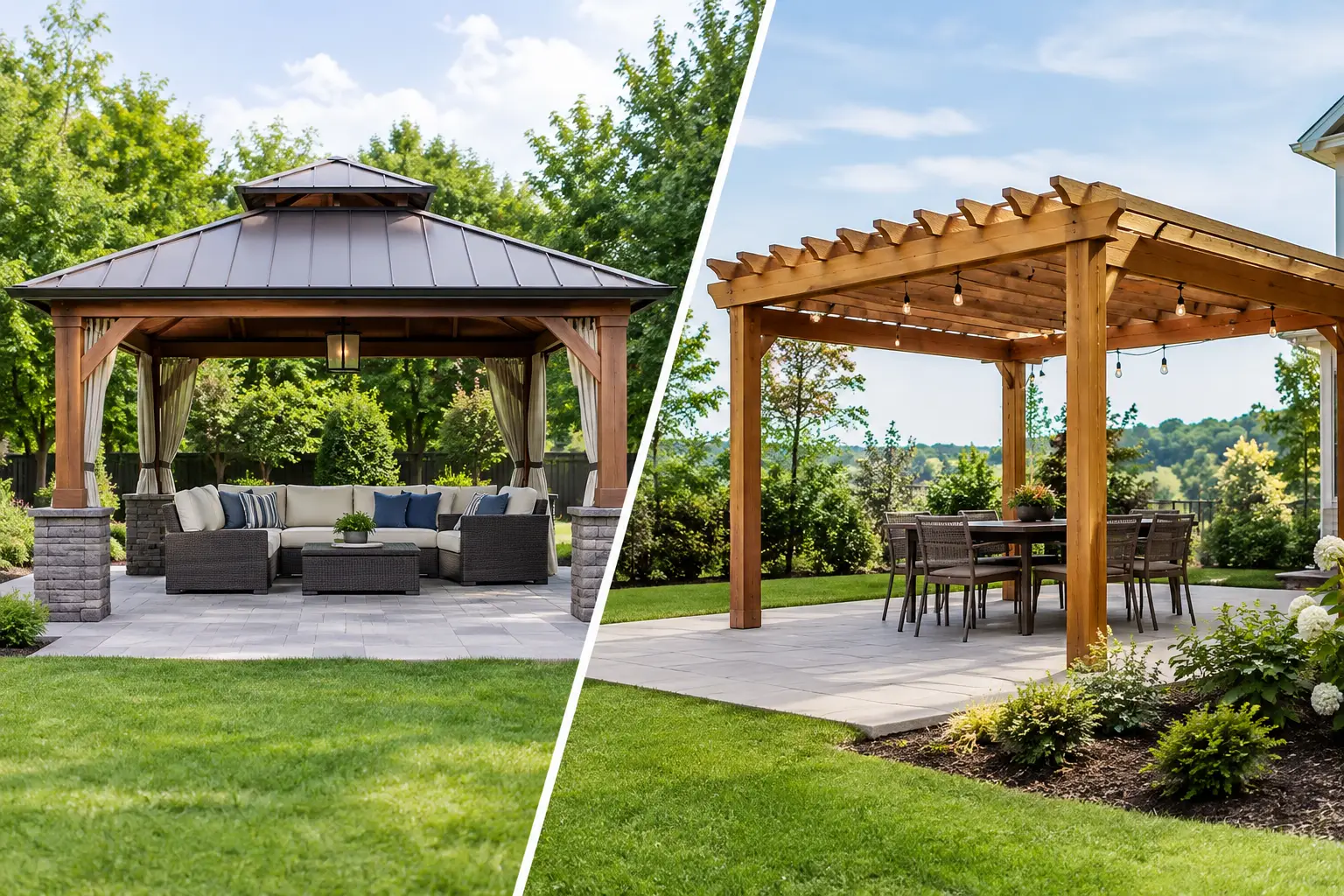
Sun is another major factor, especially in the Sunbelt. An open patio can look beautiful on paper and feel underused by midsummer if there is no relief from heat. Shade structures, covered lounges, ceiling fans, and strategic landscape placement can make the difference between a space that photographs well and one that gets used every week.
The house itself should also lead the design. Materials, scale, and architectural style should feel connected to the home, not imported from another property. The most polished results feel like the backyard was always meant to be there.
Build in zones that flow together
One of the clearest signs of thoughtful planning is zoning. Not in a technical sense, but in the way the backyard supports different activities without feeling chopped up.
A strong layout often includes areas for cooking, dining, lounging, and gathering, with room for transition between them. If you are adding recreation features such as a pool, court, or putting green, those should feel integrated into the composition rather than pushed to the edge as afterthoughts.
The flow between zones matters as much as the zones themselves. Guests should be able to move from the house to the main gathering area naturally. Food service should make sense. Seating should orient toward focal points, whether that is a fireplace, water feature, or long view across the property. Even the distance between spaces changes the mood. Tight adjacencies feel energetic and social. More separation can feel private and restorative.
This is where custom design earns its value. A tailored plan can create layered experiences, where the backyard feels expansive without losing cohesion.
Choose focal features with discipline
Premium outdoor projects often include standout elements: a custom pool, a dramatic waterfall, a masonry fireplace, a pizza oven, a pavilion, or a fully equipped kitchen. These features create excitement, but they need hierarchy.
Not every element should compete for attention. A backyard with too many competing statements can feel busy, even at a high budget. The better approach is to identify one or two primary focal points and let supporting elements reinforce them.
For example, if the pool is the visual centerpiece, surrounding hardscape, planting, and lighting should elevate that experience. If the pavilion is the heart of entertaining, the kitchen, dining layout, and adjacent lounge should strengthen that zone. The goal is not to include everything possible. It is to create a space where each feature feels purposeful.
Trade-offs are part of good planning. A larger patio may reduce room for lush planting. A bigger outdoor kitchen may limit the scale of the pool deck. More covered space may affect openness and sky views. Smart design weighs those choices against your lifestyle, not just the wish list.
Materials should look beautiful now and age well later
In a luxury backyard, material selection does more than set the style. It shapes maintenance, comfort, longevity, and how cohesive the finished space feels.
Natural stone, pavers, wood accents, architectural metals, and specialty finishes each bring a different character. Some read formal and timeless. Others feel relaxed and resort-inspired. But aesthetic preference should be balanced with climate performance and maintenance expectations.
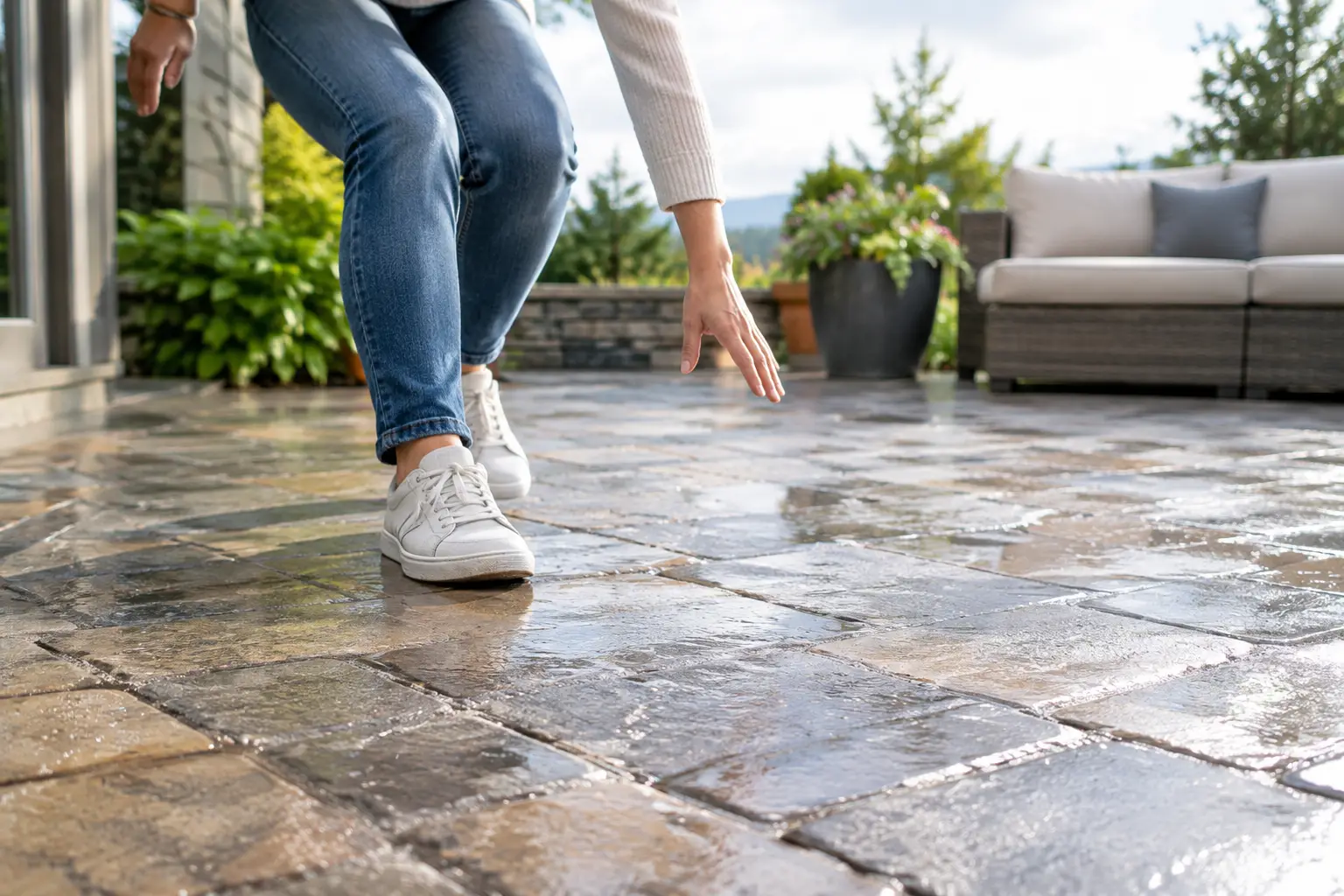
Heat retention matters in warm regions. Texture matters around pools. Slip resistance matters on frequently used walking surfaces. Color also plays a larger role outdoors than many homeowners expect. Light surfaces can feel cooler and brighter. Darker finishes often create richness and contrast but may absorb more heat.
The best palettes feel curated, not overmatched. Repeating tones and textures across walls, patios, structures, and landscape edges helps the entire backyard feel finished.
Plan for comfort after sunset
Some of the most memorable outdoor moments happen at night, yet evening comfort is often underplanned. Once the sun goes down, lighting, warmth, visibility, and atmosphere determine whether the space still feels inviting.
Layered lighting is usually more successful than relying on one source. Path lighting improves safety, but it should not feel harsh. Accent lighting can bring out stonework, trees, or water movement. Task lighting matters around cooking areas. Soft ambient light in lounge and dining spaces creates the hospitality that makes people want to linger.
Fire features can extend the season and create a natural social center, but they also require enough surrounding space to function well. A fireplace may feel architectural and grounding. A fire pit often feels more casual and communal. The right choice depends on how you gather.
Audio, insect control, privacy screening, and storage also affect comfort in ways homeowners sometimes overlook. They may not be the glamorous part of planning, but they strongly influence everyday enjoyment.
Budget for the whole vision, even if you phase it
A sophisticated backyard does not have to be built all at once, but it should be planned as if it will be. That distinction matters.
Phasing can be a smart approach when done intentionally. You might begin with the core patio, primary hardscape, drainage, and utilities, then add a pavilion, kitchen, or water feature later. But if the long-term plan is not established up front, future additions can become more expensive and less refined.
This is especially true for underground work, electrical routing, gas lines, grading, and structural preparation. Installing those with the full master plan in mind can save disruption later. It also protects the design integrity of the finished property.
For many homeowners, the right question is not, can we fit every feature into phase one. It is, what should be done now so the backyard evolves gracefully and never feels patched together.
Work with a team that can see the full picture
Outdoor transformations become more successful when design and construction are aligned from the beginning. A cohesive process reduces miscommunication, sharpens budget clarity, and keeps the final result true to the original vision.
This is particularly important on projects that combine architecture, hardscape, landscape, lighting, water, and specialty features. A piecemeal approach can work for simple upgrades. It is much harder to achieve a polished, resort-style environment that way.
A full-service design-build partner should help you think beyond individual installations and toward how the entire property will live, feel, and perform. That is where a company like Beyond Backyard Living brings real value – not just by building features, but by shaping complete outdoor experiences around the people who will use them.
The best backyard projects do more than improve the view. They change how home feels on a Saturday morning, during a birthday dinner, or at the end of a long day when stepping outside finally feels like arriving somewhere special.