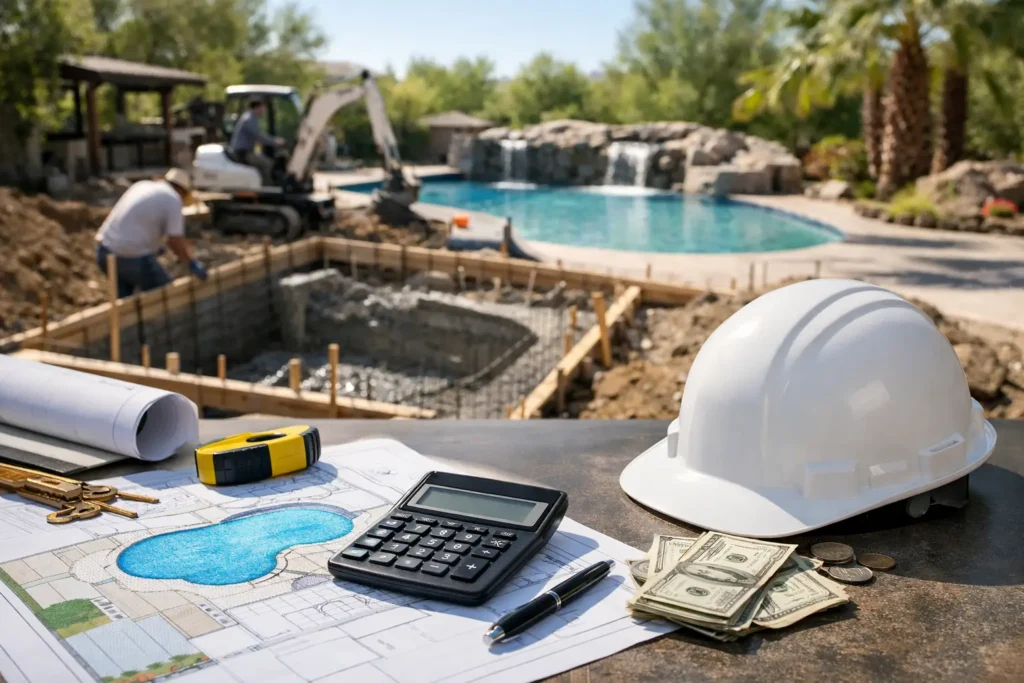
A pool is rarely just a pool. It becomes the view from the kitchen, the place where children spend long summer afternoons, and the centerpiece of evenings that stretch well past sunset. So, what does pool construction cost? For a custom residential pool in the Sunbelt, homeowners should generally expect an investment that starts around $75,000 to $100,000 for a thoughtfully built in-ground pool and can rise well beyond $250,000 when the project includes premium finishes, major site work, and a complete outdoor living environment.
The honest answer is that cost follows the vision. A simple geometric pool on a level lot has a very different budget than a resort-inspired backyard with a spa, sun shelf, waterfall, paver terrace, outdoor kitchen, and pavilion. The goal is not to select a number from a generic online calculator. It is to understand what creates lasting value, then build a space that feels intentional from every angle.
What Does Pool Construction Cost in a Custom Backyard?
Most custom pool projects are priced as a combination of the pool itself, the conditions of the property, and the features that turn water into an experience. Pool construction commonly represents the largest share of the investment, but it is only one part of a finished backyard.
For planning purposes, a professionally designed gunite or concrete pool may begin in the $75,000 to $100,000 range, depending on size, shape, access, equipment, and local requirements. A more tailored pool with upgraded tile, a tanning ledge, integrated spa, automation, and carefully designed decking often falls between $125,000 and $200,000. Large-scale outdoor transformations with architectural structures, kitchens, fire features, landscape lighting, and substantial hardscaping may exceed $250,000.
These ranges are directional, not promises. Material markets, permit requirements, soil conditions, and the level of customization all affect the final proposal. A detailed design process is the only reliable way to price a specific property and lifestyle wish list.
The Biggest Factors Behind Pool Construction Cost
Pool size, shape, and construction method
Square footage matters, but complexity matters just as much. A clean rectangle is generally more efficient to form and finish than a freeform pool with multiple radiuses, elevation changes, and custom coping details. That does not mean simple is better. It means the shape should earn its place in the design.
Gunite pools are especially well suited to custom work because they allow exceptional flexibility in form, depth, benches, spas, and water features. They are often the natural choice for homeowners creating a one-of-a-kind environment, though the craftsmanship and finish work required can put them at a higher investment level than more standardized options.
Depth also affects cost. A shallow lounge pool designed for relaxation and entertaining may use less excavation than a deeper pool intended for diving, but every design needs to balance the desired use with safety, code requirements, and the available space.
The site beneath the design
A beautiful concept has to work with the land. Sloped yards, rocky soil, poor access, high water tables, drainage concerns, and proximity to the home can all change the scope of construction. If heavy equipment cannot reach the backyard easily, crews may need alternative methods for excavation and material handling. That added labor should be anticipated early rather than treated as a surprise later.
In many Sunbelt communities, drainage and grade management deserve particular attention. A pool should complement the property’s existing water flow, not create new problems around the foundation or patio. Retaining walls, drainage systems, and engineered solutions can add to the budget, but they also protect the long-term performance of the entire outdoor environment.
Finishes that define the water and the mood
Interior finishes, tile, coping, and decking shape how a pool looks in every kind of light. Standard plaster may be appropriate for some projects, while premium aggregate finishes create greater depth, texture, and color variation. Glass tile at the waterline, natural stone coping, and porcelain pavers can bring an elevated, tailored character to the space.
This is one area where homeowners can make thoughtful trade-offs. A striking material palette does not require every surface to be the most expensive option available. Often, selecting one hero material – perhaps sculptural coping or richly toned waterline tile – and pairing it with complementary finishes creates a more refined result than competing upgrades throughout the yard.
Features that make the pool more personal
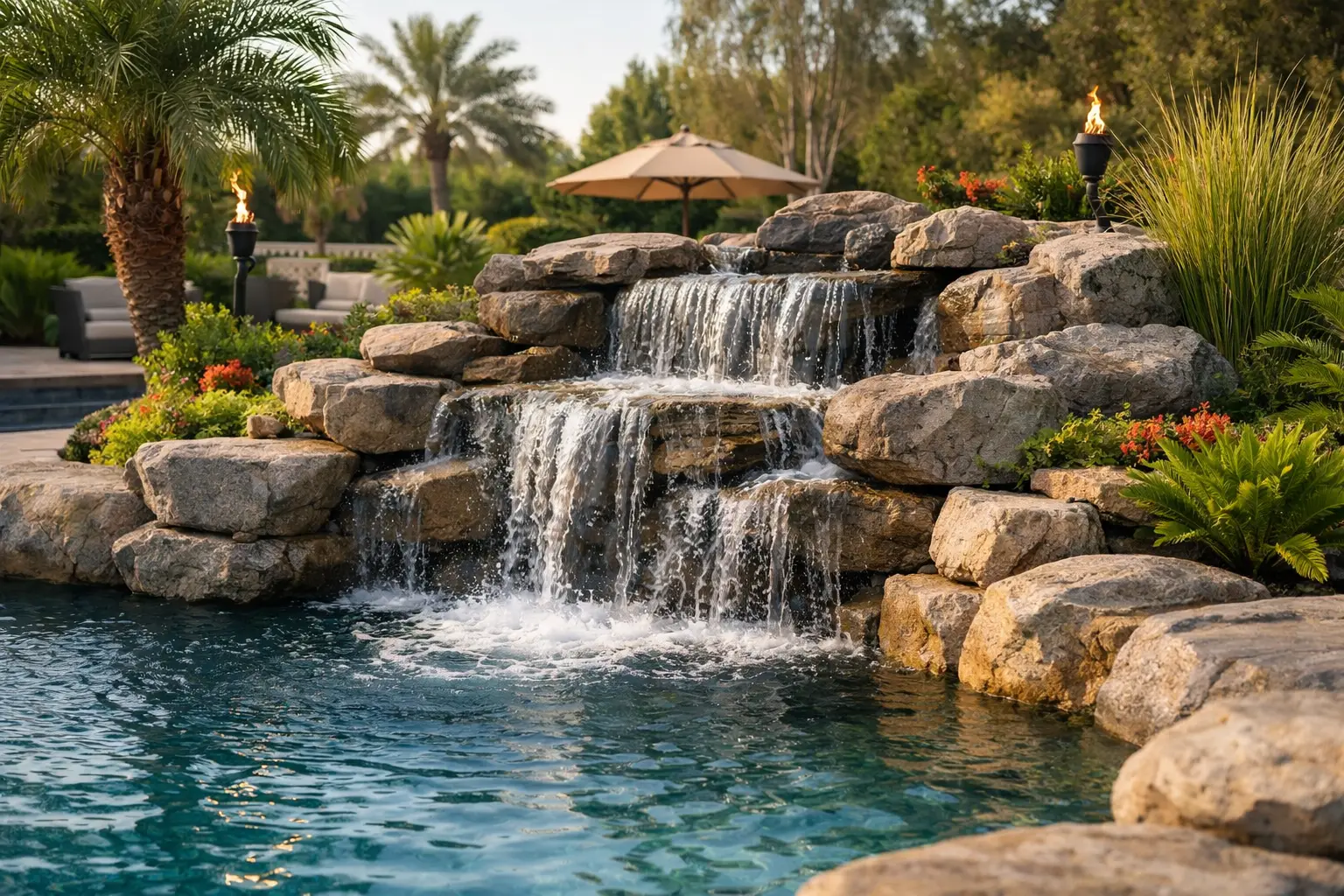
A spa, tanning shelf, bubblers, deck jets, waterfalls, fire bowls, and LED lighting each add a different layer of enjoyment. They also add equipment, plumbing, electrical work, and installation time. An integrated spa, for example, is more than a beautiful perimeter detail. It requires dedicated circulation, heating considerations, and controls.
The best features are not simply the ones that photograph well. They are the ones that support how a family lives. A tanning ledge can be ideal for young children and relaxed afternoons. A raised spa may create a focal point visible from inside the home. A sheer descent can soften the sound of nearby traffic. Every addition should have a purpose in the larger experience.
Equipment, energy use, and automation
The equipment pad is the quiet engine behind a beautiful pool. Variable-speed pumps, efficient heaters, salt systems, filtration, automation, and app-based controls influence both initial cost and day-to-day ownership. Higher-quality equipment may require a greater upfront investment, yet it can provide better efficiency, easier maintenance, and more control over the pool’s operation.
For homeowners who travel frequently or entertain often, automation is particularly valuable. The ability to adjust lighting, heat the spa, manage water features, or monitor the system from a phone adds real convenience. It is worth discussing how the pool will be used year-round before deciding which systems belong in the project.
The Pool Is Only Part of the Backyard Investment
A new pool can look unfinished when it is surrounded by narrow concrete decking and disconnected landscaping. The most memorable projects are designed as complete environments, where circulation, shade, cooking, seating, and planting all work together.
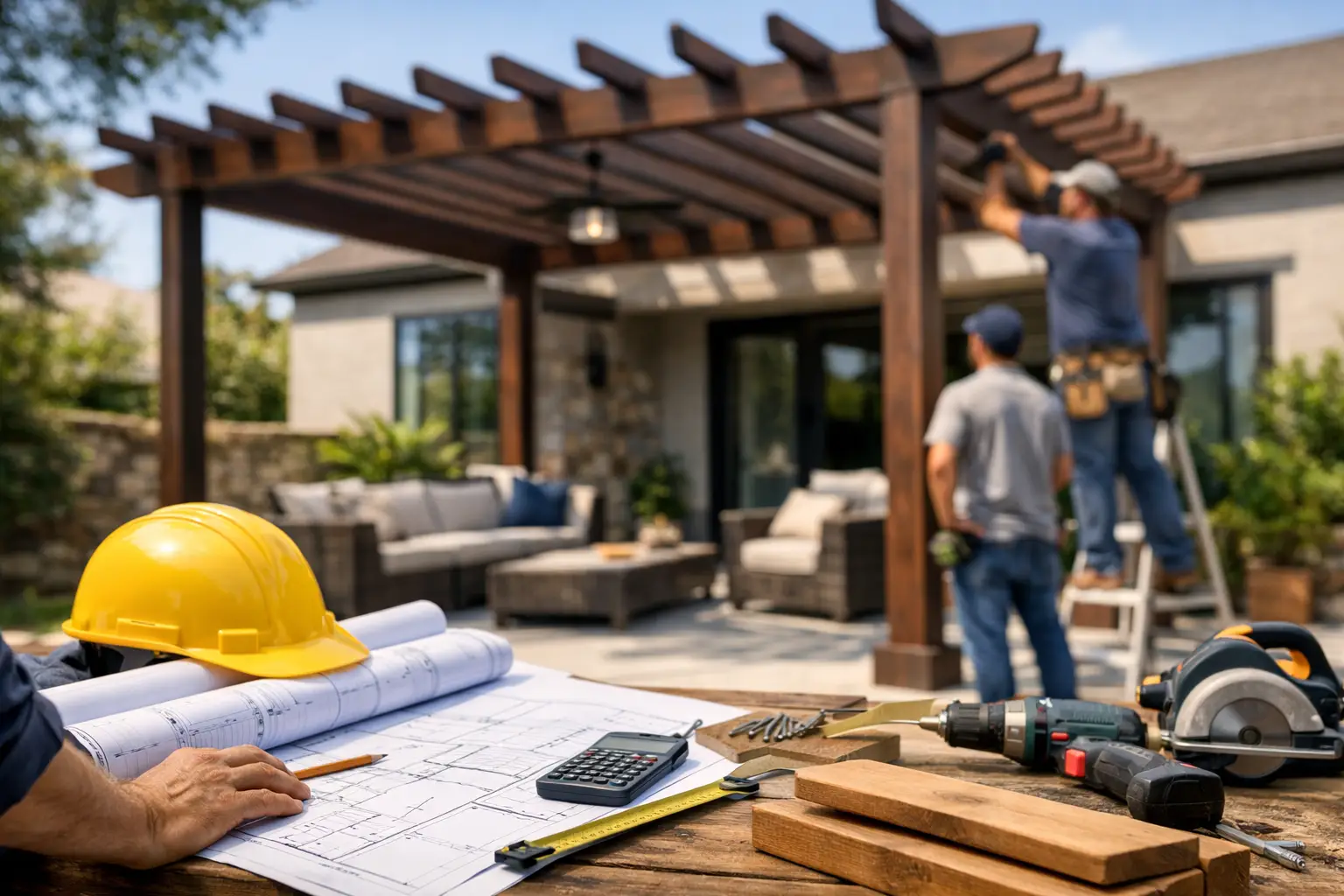
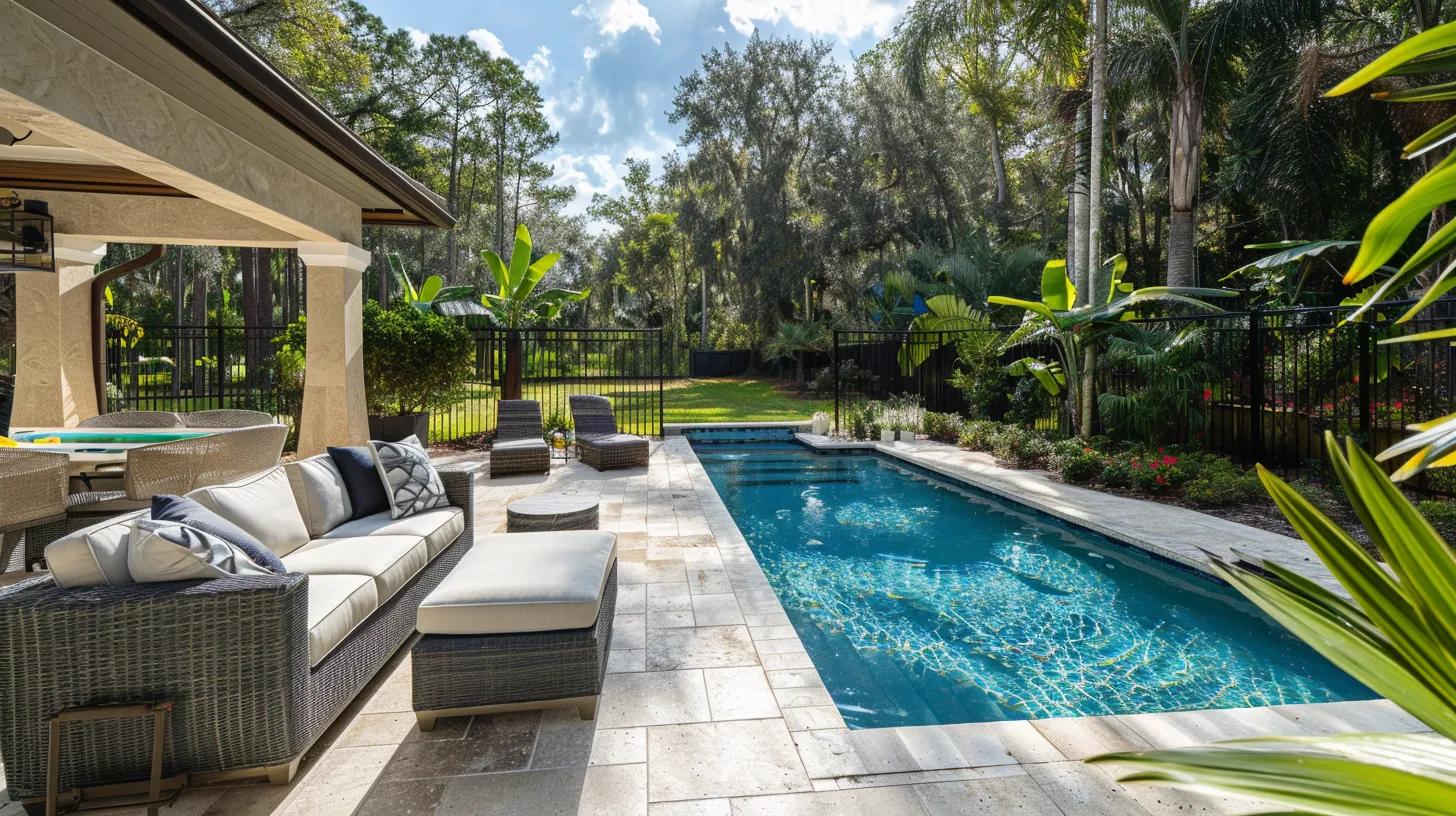
A generous patio or paver terrace creates room for chaise lounges, a dining table, and guests moving comfortably between the house and the water. A pergola or pavilion establishes shade and architectural presence. An outdoor kitchen keeps the host connected to the gathering instead of indoors preparing meals. Landscape planting, lighting, and privacy screening soften the hardscape and make the space feel established.
These elements can significantly expand the overall budget, but they also prevent the common cycle of adding disconnected upgrades year after year. Designing the full vision from the beginning allows the pool, utilities, elevations, and materials to be coordinated. Even when construction is phased, the plan remains cohesive.
How to Set a Pool Budget With Confidence
Start with the moments you want the backyard to create. Do you picture quiet mornings by the water, lively weekends with friends, family dinners outdoors, or a private retreat at the end of the day? Those answers help determine whether the budget should prioritize swimming space, a spa, shade, cooking amenities, or a dramatic view from inside the home.
It is also wise to reserve room for the essentials that are easy to overlook: permits, engineering, fencing or safety requirements, electrical upgrades, drainage, and landscaping. A low initial quote can become less attractive if it excludes the work needed to make the space complete and usable.
Rather than asking a builder to make a dream fit an arbitrary number, share a realistic comfort range and the features that matter most. A skilled design-build team can identify where to invest, where to simplify, and how to phase elements without sacrificing the integrity of the finished composition.
A Better Question Than “What Is the Cheapest Pool?”
The lowest-cost pool is not always the lowest-cost ownership experience, and it is rarely the one that best serves a high-end home. Materials, equipment, craftsmanship, and site preparation affect how a pool performs and how it ages. So does the design itself. A pool that is poorly positioned can limit furniture layouts, obstruct views, create drainage problems, or leave no room for the outdoor living features you wanted all along.
At Beyond Backyard Living, the most successful projects begin with a larger conversation about the property and the life that will happen there. A custom pool should feel like it has always belonged to the home – beautifully proportioned, built with care, and ready to bring people together for years to come.
When you begin planning, bring inspiration, priorities, and an honest sense of investment to the design conversation. The right plan will not merely answer what the pool costs. It will show you what your backyard can become.