How to Choose the Right Fencing Materials for Florida’s Climate: A Guide to Durable and Weather-Resistant Options
By Terrance Schabilion, Beyond Backyard Living
Selecting the right fencing materials for Florida’s unique climate is crucial for ensuring durability and longevity. Florida’s weather presents specific challenges, including high humidity, salt air, and intense sun exposure, which can significantly impact the performance of various fencing materials. This guide will help homeowners understand these challenges and explore the best options available. By the end of this article, you will be equipped with the knowledge to make an informed decision about fencing materials that can withstand Florida’s climate. We will cover the unique climate challenges, the most durable materials, maintenance practices, installation considerations, and the financial aspects of fencing choices.
What Are the Unique Climate Challenges Affecting Fencing Durability in Florida?
Florida’s climate poses several unique challenges that can affect the durability of fencing materials. The combination of high humidity, salt air from coastal regions, and intense sun exposure can lead to accelerated wear and tear on fences. Understanding these factors is essential for selecting materials that will last.
How Do Humidity and Salt Air Impact Fence Materials?
Humidity and salt air are two significant factors that influence the performance of fencing materials in Florida. High humidity can lead to moisture retention, which may cause wood to warp or rot. Conversely, salt air can accelerate corrosion in metals. For instance, “vinyl fencing” is resistant to moisture and does not rust, making it a suitable option for humid environments. Aluminum fencing, while lightweight and resistant to rust, should be powder-coated to enhance its durability against salt air. Composite fencing also performs well, as it resists moisture and does not warp or rot, making it a viable choice for coastal areas.
Research further supports the effectiveness of materials like PVC, composite, and specially treated wood in resisting Florida’s challenging climate conditions.
Durable PVC, Composite, and Wood Fencing for Florida’s Climate
Common plastic and composite materials used for decks are polyvinyl chloride (PVC) and vinyl. Plastic and composite materials (like decay-resistant wood) can separate soil and moisture from the structure. These materials were found on a playground in Florida where the timber play structures were made of decay-resistant wood.
CH 14 Decks, 2005
Which Fencing Materials Offer Superior Durability and Resistance in Humid and Coastal Environments?
When considering fencing materials for Florida’s climate, several options stand out for their durability and resistance to environmental factors. Each material has its unique benefits and considerations.
What Are the Benefits and Longevity of Vinyl Fencing in Florida?
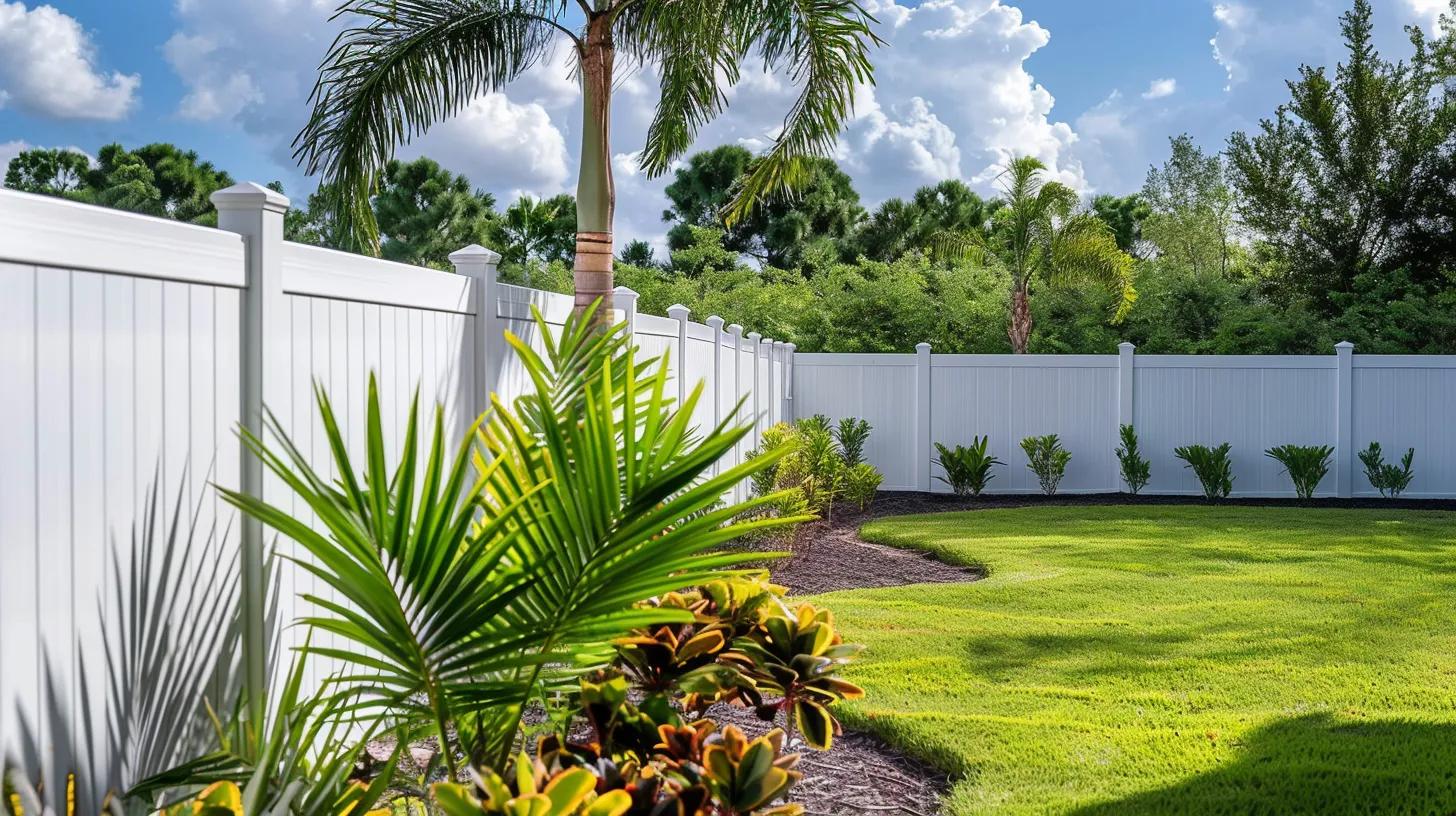
Vinyl fencing is an excellent choice for Florida homeowners due to its low maintenance needs and longevity. It is resistant to moisture, which helps prevent warping and rotting, making it ideal for humid conditions. Additionally, vinyl does not require painting or staining, which can save homeowners time and money in the long run. With proper installation, vinyl fences can last for several decades, providing a reliable and aesthetically pleasing option for outdoor spaces.
How Does Aluminum Fencing Withstand Corrosion and Weathering?
Aluminum fencing is another durable option for Florida’s coastal environments. Its lightweight nature makes it easy to install, and it is inherently resistant to rust and corrosion. However, to maximize its lifespan, aluminum fencing should be powder-coated, which adds an extra layer of protection against the elements. Regular maintenance, such as cleaning and inspecting for scratches, can help maintain its appearance and functionality over time.
Further studies emphasize the critical role of powder coatings in providing robust protection against corrosion, particularly for metal components exposed to harsh, salt-laden environments.
Powder Coatings for Salt Air Corrosion Control in Fencing
protection of highway structural components that are exposed to a salt-laden environment. Components that can benefit from this coating include guardrail, reticular fences, and signposts. The performance of a zinc-rich epoxy powder-coated panel (system 14) was evaluated.
Corrosion Control of Highway Structural Components by the Application of Powder Coatings, 1995
How Should Wood and Composite Fencing Be Treated and Maintained for Optimal Performance in Florida?
Wood and composite fencing can also be suitable for Florida’s climate, but they require specific treatment and maintenance to ensure optimal performance.
What Are the Best Practices for Wood Fence Treatment and Maintenance in Humid Climates?
For wood fencing, proper treatment is essential to prevent moisture-related issues. Homeowners should consider using pressure-treated wood or applying a water-repellent sealant to protect against humidity. Regular maintenance, including staining or sealing every few years, can help extend the life of wood fences. Additionally, inspecting for signs of wear, such as cracks or rot, is crucial for timely repairs.
The importance of selecting durable wood and implementing proper treatment is further underscored by research highlighting its benefits in humid climates for both longevity and aesthetic appeal.
Durable Wood Fencing for Humid Climates
fences consider the local climate to enhance thermal comfort. This is especially important when humidity, temperature and air movement conditions are extreme. A durable wood fence adds a warm feeling to your home.
Half Fence: evaluating its usefulness and potency in providing thermal comfort and security to occupants, APS USANGA, 2024
What Are the Advantages and Limitations of Composite Fencing in Coastal Areas?
Composite fencing offers several advantages, including resistance to moisture and UV rays, making it a strong contender for Florida’s climate. It does not warp or rot like wood, and it requires minimal maintenance. However, composite materials can be more expensive upfront compared to wood or vinyl. Homeowners should weigh the initial investment against the long-term benefits of durability and low maintenance.
What Installation Considerations Ensure Longevity of Fencing Materials in Florida’s Weather Conditions?
Proper installation is critical for ensuring the longevity of fencing materials in Florida’s challenging weather conditions.
How Does Professional Installation Enhance Fence Durability?
Hiring professionals for fence installation can significantly enhance durability. Experts understand the specific requirements for different materials and can ensure that fences are installed correctly to withstand Florida’s climate. Properly set posts, appropriate spacing, and secure fittings all contribute to a fence’s ability to endure harsh weather conditions.
What Are the Best Practices for Site Preparation and Material Selection?
Site preparation is another vital aspect of installation. Homeowners should assess the soil type and drainage to prevent water accumulation around fence posts. Additionally, selecting materials that are compatible with the local environment can enhance performance. For instance, using corrosion-resistant fasteners with aluminum fencing can prevent premature failure.
How Do Cost and Return on Investment Influence the Selection of Fencing Materials for Florida Homes?
Cost is a significant factor when selecting fencing materials, and homeowners should consider both initial expenses and long-term maintenance costs.
What Are the Comparative Costs of Vinyl, Aluminum, Wood, and Composite Fences?
When comparing fencing materials, vinyl typically has a higher upfront cost but offers lower maintenance expenses over time. Aluminum fencing is also relatively affordable, especially considering its durability. Wood fencing may have lower initial costs but can incur higher maintenance expenses due to the need for regular treatments. Composite fencing often falls in the mid-range but provides excellent longevity and minimal upkeep.
How Does Long-Term Maintenance Affect Overall Investment Value?
Long-term maintenance plays a crucial role in the overall investment value of fencing materials. Homeowners should consider the frequency and cost of maintenance when evaluating options. For example, while wood may be cheaper initially, the ongoing costs of staining and repairs can add up. In contrast, materials like vinyl and composite may require less frequent maintenance, ultimately providing better value over time.
Where Can Homeowners Find Exemplary Custom Outdoor Living Projects Featuring Climate-Optimized Fencing?
Homeowners looking for inspiration and guidance on fencing options can explore custom outdoor living projects that showcase climate-optimized solutions.
What Does a Portfolio of High-Quality Florida Fencing Projects Reveal?
A portfolio of completed fencing projects can reveal the diversity of options available and the effectiveness of different materials in Florida’s climate. Homeowners can see firsthand how various materials perform in real-world settings, helping them make informed decisions.
How Can Consultation Services Assist in Selecting the Ideal Fence Material?
Consultation services can provide personalized recommendations based on individual needs and preferences. Experts can guide homeowners through the selection process, considering factors such as budget, aesthetics, and maintenance requirements. This tailored approach ensures that homeowners choose the best fencing material for their specific situation.
This comparison highlights the strengths and weaknesses of each fencing material, helping homeowners make informed choices based on their specific needs and budget.