By Terrance Schabilion, Beyond Backyard Living – Custom Pool Builder Spring Hill FL
Choosing the right pool system is essential for homeowners in Florida’s warm climate, where outdoor living is a lifestyle. In this guide, we explore the critical differences between saltwater pools and traditional chlorine pools, focusing on costs, maintenance, and essential equipment that elevate the luxury experience in your backyard. Saltwater pools, known for their gentler water quality and lower long-term maintenance needs, offer compelling advantages over chlorine systems. However, understanding the financial commitment and operational differences is crucial for making an informed decision. In this article, we address key cost differences, essential maintenance practices, premium equipment options, and the health benefits of each pool system, providing a comprehensive foundation for your decision-making.
Saltwater vs Chlorine Cost Comparison
The primary cost difference between saltwater and chlorine pools lies in installation and maintenance expenses. Saltwater pools typically have a higher upfront installation cost due to the necessary equipment, such as a salt chlorine generator. However, homeowners often find that these pools offer savings in chemical costs and maintenance expenses in the long run, presenting a more economical choice over time. While chlorine pools may initially appear less expensive, the recurring costs for chlorination can add up significantly over the years, impacting total ownership costs.
How do saltwater pool conversion costs compare across Florida regions?
Conversion costs for saltwater pools can vary significantly throughout Florida, influenced by factors such as local labor rates, equipment availability, and the specific requirements of each installation. In regions like Spring Hill and the Nature Coast, homeowners can expect conversion costs typically ranging from $2,000 to $4,000. These variations reflect the regional labor market and geographical considerations, making it essential for homeowners to obtain quotes from local experts. Being aware of these factors can help in planning a more accurate budget for transitioning to a saltwater system.
What equipment expenses contribute to overall pool investment?
A number of essential equipment expenses must be factored into the overall investment for both saltwater and chlorine pools. Key equipment for saltwater pools includes the salt chlorine generator, which generally costs between $500 and $1,500, depending on the pool size and system complexities. In addition, homeowners will also need to consider the filtration system, pump, and periodic replacements like salt cells or filters. This upfront investment plays a crucial role in maintaining optimal water chemistry and ensuring a comfortable swimming experience. Additionally, to protect stone surfaces such as travertine pool decks from saltwater damage and erosion, it is necessary to apply proper sealing. For detailed guidance, see sealing travertine pool decks against saltwater damage.
Which maintenance practices are essential for saltwater pools in Florida’s climate?
Maintaining a saltwater pool in Florida’s humid and warm climate involves specific routines to ensure peak performance and water quality. Regular checks on water balance, including pH and salinity levels, are essential to safeguard swimmer comfort and equipment longevity. Additionally, cleaning the salt cell regularly permits efficient functioning while minimizing the potential for buildup. Homeowners should understand that while saltwater pools have lower chemical management demands, consistent upkeep still plays a critical role in sustaining an enjoyable swimming environment.
Understanding how these chemical cycles work helps clarify why saltwater systems require less frequent manual intervention.
Saltwater Pool Maintenance & Chemistry Guide
Because the chlorine produced combines with sodium and once again becomes salt, chemicals do not need to be continually added to the pool. For this reason, a salt water pool is Guide to Swimming Pool Maintenance, 2012
What are the routine saltwater pool care tips tailored for Spring Hill and Nature Coast?
In Spring Hill and the Nature Coast, routine care tips for saltwater pools include:
- Weekly Water Testing: Test water chemistry weekly to maintain proper pH levels and salinity.
- Regular Brushing: Brush pool walls bi-weekly to prevent algae and dirt buildup, which is especially necessary in warmer months.
- Filter Maintenance: Clean or replace pool filters as part of a monthly maintenance schedule to maintain optimal filtration performance.
These practices help to ensure your saltwater pool remains an inviting, clean, and safe space for relaxation and enjoyment.
How do saltwater pool maintenance requirements differ from chlorine systems?
The maintenance requirements for saltwater systems differ markedly from chlorine pools, especially regarding chemical balance. Saltwater pools utilize salt chlorinators to convert salt into chlorine, reducing the frequency and volume of added chemicals. However, they still demand regular monitoring of water chemistry to avoid imbalances, which can lead to corrosion of components or algae growth. In contrast, chlorine pools require constant chemical management and consistent addition of chlorine to maintain water quality. Familiarity with these differences can simplify maintenance efforts and enhance your enjoyment.
What premium equipment and custom features enhance saltwater pools in Florida?
Investing in premium equipment and custom features can significantly elevate the luxurious experience associated with saltwater pools. Advanced pool decks and filtration systems enhance convenience and efficiency, ensuring optimal water quality with minimal effort. Many homeowners also opt for high-end finishes and designs that blend seamlessly into their landscapes.
Which high-end technologies support efficient saltwater pool operations?
High-end technologies like variable-speed pumps and advanced water management systems can transform pool operations. Variable-speed pumps are not only energy-efficient, operating at lower speeds during off-peak hours, but they also extend equipment life while reducing costs. Automation solutions allow users to manage water chemistry, lighting, and heating remotely, enhancing convenience and personalization of the swimming experience.
Adopting advanced pumping systems is a proven strategy for lowering operational overhead in sunny southern climates.
Energy-Efficient Variable Speed Pool Pumps in Florida
This report presents the potential savings and simple economics of implementing an efficient variable speed pool pump program for Orlando Utilities Commission. Evaluation of Variable Speed Pool Pumps as a Utility Energy Efficiency Measure in Florida, 2019
What resort-style features like grottos, waterfalls, and pergolas complement saltwater pools?
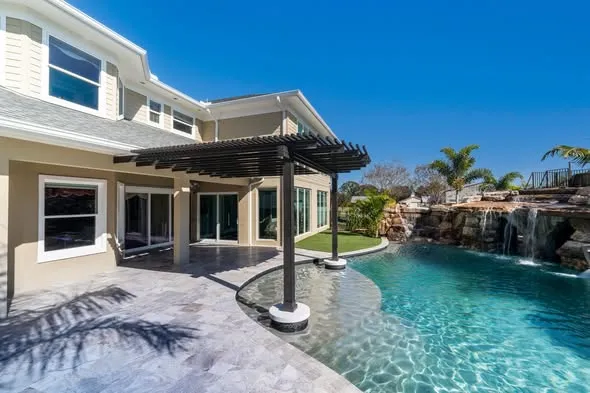
Various luxurious enhancements, such as grottos, waterfalls, and spacious pergolas, can add visual appeal and functionality to saltwater pools. Grottos provide a tranquil oasis, while waterfalls create soothing sounds that amplify the outdoor experience. Pergolas offer shade and a stylish retreat, making your space more inviting. These features not only improve aesthetic appeal but can also increase the property’s overall value by creating a unique outdoor living environment.
What are the health and environmental benefits of choosing saltwater pools in Florida?
Saltwater pools present numerous health and environmental benefits compared to traditional chlorine pools. With lower levels of chlorine, these pools produce gentler water that can alleviate skin irritations and other allergic reactions often associated with chlorine use. Furthermore, the use of salt in chlorination emphasizes the pool’s eco-friendly aspects, reducing harmful chemicals released into surrounding environments.
How does saltwater chemistry impact swimmer comfort and safety?
The chemistry of saltwater pools typically leads to greater swimmer comfort as the lower chlorine levels reduce the harshness found in traditional systems. This softer water feels gentler on the skin and eyes, making swimming more enjoyable. Additionally, saltwater systems produce fewer disinfection byproducts, contributing to a healthier swimming environment and minimizing potential health risks associated with chlorine exposure.
Minimizing harsh chemical reactions is key to maintaining a safe, irritation-free swimming environment for family and guests.
Comparing Pool Disinfection Systems: Salt vs Chlorine Safety
Disinfection of swimming pools and hot tubs (pools/spas) are necessary to prevent outbreaks and exposure to waterborne pathogens from water recreation. However, harmful disinfection byproducts (DBPs) from heavy chlorine usage continue to be a growing concern. Chlorine-based disinfectants also react with human inputs like sweat, urine, cosmetics, sunscreen, etc., that are introduced in a pool/spa, further increasing the severity of the DBP problem. Water disinfection systems for pools and spas: Advantages, disadvantages, and consumer views in the US, 2025
Why is saltwater preferred for sustainable outdoor living spaces in Spring Hill?
In Spring Hill, the preference for saltwater pools stems not only from their health benefits but also from their environmental sustainability. Saltwater systems use fewer chemicals, promoting cleaner runoff and less disruption to local ecosystems. The gentle maintenance approach benefits both homeowners and the environment, making saltwater pools an ideal choice for those who embrace eco-friendly living while enjoying luxury outdoor spaces.