Day: September 14, 2026

  • Custom Pool Decking Materials & Drainage in Florida: Luxury Pavers, Travertine & Channel Drains by Beyond Backyard Living

    Travertine & Linear Drains FL

    By Terrance Schabilion, Beyond Backyard Living – Custom Pool Builder Spring Hill FL

    Creating the perfect backdrop for your pool can elevate your outdoor experience, transforming your space into a luxurious retreat. In Florida, the choice of materials for pool decking is critical, not just for aesthetics but also for functionality, especially considering the unique climate. This article delves into the various high-end options available, including luxury pavers and travertine, and highlights advanced drainage solutions that protect these investments while enhancing their appearance and usability. Homeowners often struggle with finding durable and stylish options to withstand moisture and temperature fluctuations, but knowing what materials work best can ease their decisions. We will explore the benefits of these materials, discuss the importance of effective drainage, and provide insights into complementary outdoor features.

    What are the benefits of luxury pool decking materials in Florida?

    Luxury pool decking materials offer several advantages that make them an excellent choice for Florida’s sunny climate. These materials not only enhance the aesthetic value of your outdoor space but also provide practical benefits such as durability, temperature regulation, and low maintenance requirements. High-end options, like luxury pavers and travertine, are designed to withstand the elements, ensuring that they remain visually appealing over time.

    One of the main benefits of luxury pool decking materials is their durability. They are engineered to resist fading, cracking, and chipping, making them ideal for high-traffic areas around pools. Additionally, these materials help in regulating temperature, making them comfortable to walk on even in the heat of summer. The low maintenance requirements are another advantage, as these materials often only need periodic cleaning to maintain their beauty and functionality.

    A natural consideration in selecting materials is the surface heat retention and slip resistance they provide. Compared to outdoor porcelain pavers, natural travertine and outdoor porcelain pavers differ notably in how they absorb and retain heat under the Florida sun, with travertine generally remaining cooler and offering superior slip resistance, which enhances safety and comfort around wet pool areas. Equally important are the varied characteristics influencing material choice, such as the balance between aesthetic appeal, maintenance needs, and performance under heat and moisture, details thoughtfully addressed when selecting porcelain and travertine pool deck pavers for your project. For a deeper understanding of how these materials perform specifically in Florida conditions, you can also refer to our detailed guide on travertine vs porcelain vs concrete pavers for Florida pool decks.

    As an expert in luxury outdoor living solutions, Beyond Backyard Living specializes in high-end hardscape designs, offering a range of elegant options suitable for Florida’s dynamic climate. By investing in premium materials, homeowners can create stunning pool environments that not only look good but last longer.

    What makes travertine a premium choice for pool decks?

    Travertine stands out as a premium choice for pool decks primarily due to its unique natural composition and finish. This stone has inherent features that promote safety and comfort, such as its natural texture, which provides slip resistance. This is especially important around pool areas where wet surfaces can be hazardous.

    Another significant advantage of travertine is its exceptional aesthetic appeal. The stone comes in various earthy tones that enhance the overall landscape and integrate seamlessly with water features and garden elements. Furthermore, travertine has natural thermal properties that keep it cooler underfoot compared to other materials, making it perfect for tropical climates like Florida’s.

    Additionally, travertine requires minimal upkeep, making it a practical choice for homeowners who desire luxury without the added work. With proper sealing, this material can withstand the effects of pool chemicals and UV rays, maintaining its beauty year after year as part of a comprehensive outdoor living space. For enhanced durability and safety, many choose travertine pool deck sealing and non-slip protection, which provides an extra layer of defense against water damage and ensures superior traction around wet areas.

    How do advanced channel drainage systems protect Florida pool decks?

    Advanced channel drainage systems are crucial for maintaining the integrity of pool decks in Florida. These systems are designed to efficiently manage water runoff, preventing it from pooling on surfaces which can lead to structural damage over time. They play a preventive role, ensuring that water does not accumulate around the pool area, which can create slip hazards or lead to the growth of mildew and algae.

    By opting for custom drainage solutions, homeowners can enhance their luxurious pool designs while also maintaining functionality. Proper drainage not only protects the structural integrity of the deck but also enhances the overall aesthetics by integrating seamlessly into the design. For example, channel drains can be placed alongside the edge of the pool, allowing water to flow away rapidly without disrupting the visual appeal of the surrounding area. In addition, well-planned deck slopes and channel drains integrate seamlessly with custom outdoor showers and poolside privacy enclosures to properly handle runoff, ensuring all water is directed away efficiently while preserving the overall design harmony. Flush deck transitions are especially effective when combined with perimeter overflow and infinity edge pools in Florida, as they provide a smooth, continuous surface that enhances water flow and visual appeal without interrupting the deck’s functionality.

    When comparing surface runoff management, it is important to note that pool deck drainage systems function similarly to permeable turf block systems and gravel grids, which also facilitate efficient water infiltration and minimize surface pooling across property hardscapes by incorporating permeable sub-bases and channel drains designed to channel water away effectively.

    Beyond Backyard Living offers tailored drainage solutions that fit the specific requirements of your pool design, guaranteeing that beauty doesnt come at the cost of practicality. With such systems in place, homeowners can enjoy their outdoor spaces without worry, maximizing their investment.

    Furthermore, pool deck perimeters seamlessly integrate with luxury artificial grass and putting green installations, enhancing the aesthetic transition between hardscape and softscape areas while providing effective surface runoff management. This integration offers a cohesive and elegant appearance, combining durability with lush greenery to complement the pool environment.

    In smaller outdoor living spaces or compact perimeter drainage setups, the decking ratios and layout become especially important. Both travertine and paver patterns adapt effectively to tight spaces, offering versatile design options that maintain a sense of openness and luxury. Specifically, layouts can be customized to enhance flow and usability around compact pools, as seen in compact plunge pool design projects that maximize both form and function. Additionally, homeowners often combine these choices with custom paver patio installation and design that harmonizes outdoor living spaces and entertaining zones for a seamless and elegant transition.

    An important aspect that translates well across pool deck construction and interlocking paver driveway projects is the focus on proper sub-base compaction and ensuring effective slope drainage. These techniques are crucial not only for the durability and performance of pool deck hardscapes but also for interlocking paver driveway construction, where managing water runoff and providing stable base layers ensure long-lasting and safe outdoor surfaces. Additionally, engineered solutions such as retaining walls and terracing for sloped Florida properties offer essential structural support and aesthetic appeal, enabling effective site grading, slope management, and elevation changes around sloped pool areas.

    What exclusive outdoor features complement custom pool decking?
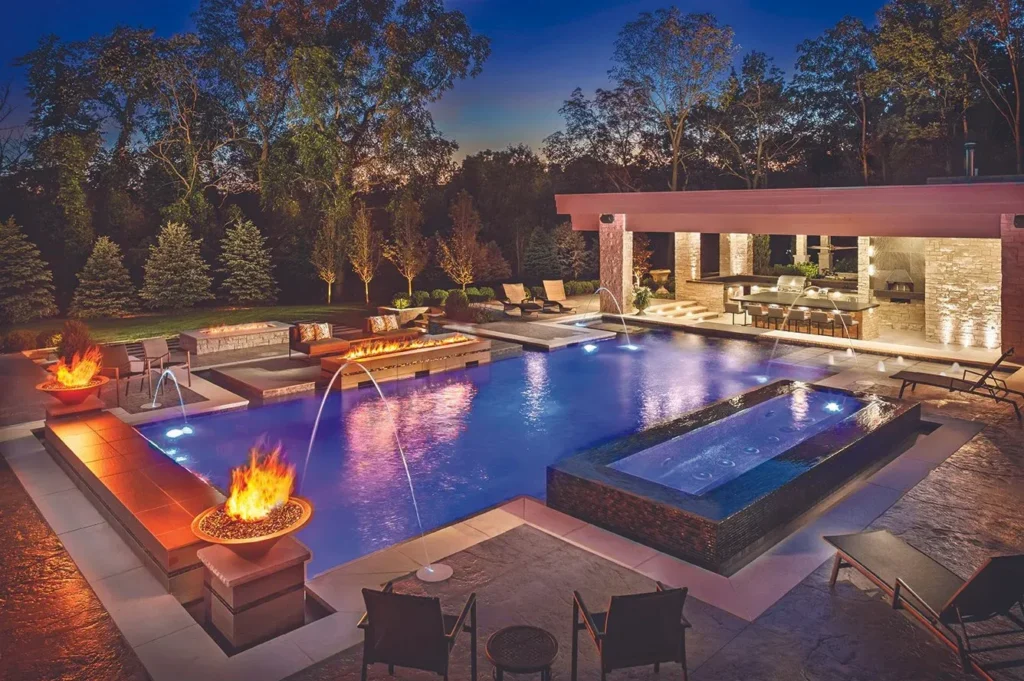
    Luxurious backyard pool area with outdoor kitchen, spa, and fire features at dusk.

    When it comes to enhancing luxury pool designs, several exclusive outdoor features complement custom pool decking. These elements not only add functionality but also elevate the overall aesthetic of the space. Homeowners can benefit greatly from incorporating innovative design elements that harmonize with their pool areas.

    1. Outdoor Kitchens: These spaces expand the usability of outdoor areas, allowing for cooking and entertaining without needing to return indoors.
    2. Fire Pits: A stylish fire pit can serve as a focal point for gatherings, creating a warm and inviting atmosphere as the sun sets.
    3. Custom Grottos: Integrating custom grottos around the pool not only provides shade but adds a resort-style luxury feel that enhances the overall landscape.

    What role do outdoor kitchens play in high-end pool designs?

    Outdoor kitchens play a transformative role in high-end pool designs by creating multifunctional spaces conducive to entertaining. They extend the living area outdoors and allow for seamless transitions from cooking to swimming or relaxing near the pool. High-quality materials used in constructing outdoor kitchens complement the custom decking, ensuring cohesion in design.

    These kitchens typically include features like premium grills, refrigeration, and counters that enhance usability while aligning with the pool’s luxurious aesthetic. Homeowners appreciate the social aspect of outdoor kitchens, providing a space for family gatherings and outdoor entertaining while keeping guests engaged without feeling isolated from the pool activities.

    The versatility of outdoor kitchens encourages homeowners to spend more time outdoors, enhancing their poolside experience and overall lifestyle.

    How do warranty and protection plans ensure long-term quality?

    Warranty and protection plans play an essential role in securing the investment homeowners make in luxury pool materials and constructions. Knowing that high-quality products are backed by solid warranties offers homeowners peace of mind as they enjoy their outdoor spaces. These plans often cover defects in materials and workmanship, ensuring that any issues are addressed swiftly.

    Additionally, protection plans can include periodic maintenance checks, which help prolong the life of pool materials. Regular inspections can identify potential issues before they become costly repairs. This ongoing support not only sustains the quality of the materials but builds confidence in the investment homeowners have made.

    Beyond Backyard Living provides tailored protection plans that align with the premium quality of the materials and craftsmanship involved in its projects. These plans are designed to enhance the longevity and appearance of luxury outdoor spaces, ensuring that they remain a source of enjoyment for years to come.

    How do lifetime warranties and annual plans build confidence?

    Lifetime warranties and annual maintenance plans significantly contribute to homeowner confidence when investing in high-end pool decks and outdoor installations. A lifetime warranty ensures homeowners that their investment is protected against defects and potential environmental wear, allowing them to enjoy their spaces without undue concern.

    On the other hand, annual maintenance plans reinforce the commitment to quality by providing routine service checks, ensuring that the materials maintain their integrity and aesthetics over time. This proactive approach reduces the risk of surprises down the line, thereby enhancing the value of the property. Furthermore, such guarantees promote trust, making it more likely for homeowners to choose premium products when they understand their long-term commitments.

    By providing these services, Beyond Backyard Living ensures that clients feel valued and secure in their decisions, reinforcing its position as a premium luxury pool and custom hardscape design-and-build firm in Spring Hill and Florida’s Nature Coast.
  • Custom Luxury Outdoor Kitchens in Florida: Expert Framing, Marine-Grade Appliances, Dekton Countertops & Cost Guide

    Custom Luxury Outdoor Kitchens in Florida: Expert Framing, Marine-Grade Appliances, Dekton Countertops & Cost Guide

    By Terrance Schabilion, Beyond Backyard Living – Custom Pool Builder Spring Hill FL

    Custom luxury outdoor kitchens have emerged as a cornerstone of modern outdoor living spaces, providing both functionality and aesthetic appeal. These outdoor kitchens in Florida not only enhance the overall value of a property but create inviting environments for entertainment and culinary experiences. This guide delves into essential aspects of building these custom kitchens, highlighting expert framing techniques, the benefits of using marine-grade appliances, insights about Dekton countertops, and a thorough understanding of cost considerations. By exploring these topics, homeowners can make informed decisions that align with their wants and budgets while maximizing their outdoor living experience.

    The historical growth and architectural significance of these outdoor culinary spaces are further illuminated in design literature:

    The Evolution of Custom Luxury Outdoor Kitchens

    Chief among their architectural and interior design modifications is the so-called ‘outdoor kitchen,’ installed in over a million American households and projected to become a stock feature of all upscale housing by 2015. In definition, it is an amorphous, wall-less room with individually determined dimensions, appliances and functionalities sited in what one owner-designer identifies as the previously underutilised space of the backyard. Making the Great Outdoors Better:: the outdoor kitchen and the changing design of American luxury, 2009

    Expert Framing Techniques

    The framing of custom outdoor kitchens is crucial for ensuring longevity, weather resistance, and aesthetic coherence. High-quality materials are essential; for instance, using durable wood or steel can provide the necessary strength and stability while resisting the elements. Sustainable framing practices, such as utilizing recycled or locally sourced materials, not only benefit the environment but also contribute to distinctive designs that reflect personal style.

    Effective labor-saving techniques can drastically reduce construction time. Prefabrication allows for quicker assembly on-site, while custom masonry helps create unique structural designs tailored to specific preferences. Investing in expert framing techniques translates to a solid foundation for the appliances and countertops that will follow, setting the stage for a stunning outdoor cooking area.

    Benefits of Marine-Grade Appliances

    Marine-grade appliances provide several benefits for outdoor kitchens, particularly in Florida’s challenging climate. These appliances are constructed from high-quality materials designed to withstand corrosion and extreme weather conditions, ensuring durability and long-lasting performance.

    1. Exceptional Corrosion Resistance: Marine-grade materials resist rusting and degradation due to moisture exposure, vital in humid environments.
    2. Weather Durability: With advances in technology, these appliances are now engineered to perform excellently across varying temperatures and conditions.
    3. Extended Lifespan: Compared to standard appliances, marine-grade options can last significantly longer thanks to their superior construction.

    Choosing marine-grade appliances ultimately leads to a safer and more reliable cooking experience, making them a primary consideration for every outdoor kitchen build.

    Details About Dekton Countertops

    Dekton countertops are a favored choice for outdoor kitchens due to their remarkable resilience and design versatility. Made from a blend of raw materials, including glass, porcelain, and quartz, Dekton presents the perfect option for any outdoor setting.

    1. Scratch and Stain Resistance: Dekton surfaces boast exceptional durability, resisting scratches and stains even from sharp or acidic foods, making maintenance simple.
    2. Design Flexibility: Available in various colors and textures, they can complement different styles, from contemporary to rustic, giving homeowners extensive design freedom.
    3. Low Maintenance: Unlike traditional stone countertops, Dekton requires negligible upkeep, allowing more time for enjoyment rather than maintenance.

    These features ensure that Dekton counters not only enhance the kitchen’s visual appeal but also serve practical purposes, making them an exceptional material choice for any outdoor living space.

    Cost Considerations

    Investing in a custom outdoor kitchen is a significant decision that involves several factors affecting overall cost. Below are important considerations homeowners must keep in mind:

    1. Price Range: Basic outdoor kitchens in Florida generally start at around $10,000, providing essential features like a grill, countertops, and storage. However, high-end custom designs can easily begin at $50,000, depending on the selected materials and appliances.
    2. Influencing Factors: Factors affecting overall costs include the quality of materials, complexity of the design, and the labor involved. Custom designs that require unique construction methods inherently increase expenses.
    3. Investment Returns: Beyond the initial costs, custom outdoor kitchens are known to enhance property value, often providing substantial returns on investment.

    What Are the Best Structural Framing Materials for Luxury Outdoor Kitchens?

    When considering framing materials, homeowners have several excellent options tailored for coastal conditions:

    • Natural Stone: Offering durability and aesthetic appeal, natural stone is an excellent choice for structural integrity while being weather-resistant.
    • Stainless Steel: Known for its modern aesthetics and strong durability, stainless steel enhances the contemporary feel of outdoor kitchens and stands strong against rust.
    • High-Density Polymer: This material is ideal for cabinetry due to its resistance to moisture, making it perfect for the varying climates found in the region.

    Understanding material properties and benefits straightens the pathway for selecting the right framing solutions for lasting outdoor living spaces.

    What Is the Typical Cost Range for Luxury Outdoor Kitchens in Florida?

    Luxury outdoor kitchens in Florida exhibit a broad spectrum of costs determined by design intricacies and material choices.

    • Basic Structures: Starting around $10,000, these offer essential outdoor features ideal for casual dining.
    • Mid-Range Options: Typically range from $20,000-$50,000, incorporating better materials and more complex designs with additional features.
    • High-End Custom Designs: These can exceed $50,000, featuring top-tier appliances and extensively personalized designs that cater to individual customer preferences.

    These price brackets represent typical installations but can vary based on specific homeowner needs.

    Which Factors Influence the Price of Custom Outdoor Kitchen Construction?

    Numerous factors come into play when determining the cost of a custom outdoor kitchen:

    • Material Quality: The caliber of materials selected for countertops, cabinets, and appliances determines the overall budget significantly.
    • Design Complexity: More intricate designs that unique installations or elaborate custom work lead to increased labor costs, thereby raising prices.
    • Labor Expenses: Depending on local labor rates and the extent of work, labor can account for a substantial portion of the total costs for outdoor kitchen installation.

    Understanding these components of pricing helps homeowners plan efficiently for their desired outdoor kitchen.

  • Custom Gas Fire Pits vs Propane Fire Tables in Florida: Comparing BTU Output, Fuel Lines & Safety Clearances for Installation

    Custom Gas Fire Pits vs Propane Fire Tables in Florida: Comparing BTU Output, Fuel Lines & Safety Clearances for Installation

    By Terrance Schabilion, Beyond Backyard Living – Custom Pool Builder Spring Hill FL

    As outdoor living spaces become increasingly popular, choosing the right fire feature plays a crucial role in enhancing ambiance while ensuring safety and functionality. In Florida, homeowners often face the decision between custom gas fire pits and propane fire tables, both of which offer unique benefits. This article aims to compare these two outdoor fire options by focusing on essential factors such as BTU output, fuel lines, safety clearances, and installation requirements specific to Florida’s climate. Given the increasing interest in luxury outdoor designs, it’s vital to understand how these fire features contribute to overall aesthetics and user experience.

    In addition to discussing the technical aspects, this guide will highlight best practices to ensure compliance with local safety regulations, making it easier for homeowners to make informed decisions. As we delve into the comparison of custom gas fire pits and propane fire tables, we will explore the implications of BTU output on performance, the technical requirements for installation, and the safety considerations that must be followed to enjoy outdoor spaces responsibly.

    Comparison of Custom Gas Fire Pits vs. Propane Fire Tables in Florida

    When selecting between custom gas fire pits and portable propane fire tables, understanding their BTU outputs, installation needs, and safety considerations is crucial.

    BTU output, which stands for British Thermal Unit, directly correlates with the heat generated by the fire feature. Custom gas fire pits generally range from 50,000 to 200,000 BTUs, providing a broad spectrum of heating capabilities suitable for various outdoor settings. In contrast, propane fire tables typically range from 30,000 to 50,000 BTUs. This difference indicates that custom gas fire pits are more suited for larger gatherings, while propane tables may be ideal for intimate settings.

    Another significant consideration is the installation process. Custom gas fire pits require permanent gas line installation, adhering to local building codes, while propane fire tables offer the flexibility of mobility and simpler setup, as they rely on portable fuel tanks. Understanding these fundamentals can assist homeowners in making a decision that aligns with their outdoor living needs and safety standards.

    BTU Output

    The BTU output of an outdoor fire feature determines its effectiveness and suitability for various environments. Both custom gas fire pits and propane fire tables cater to different warmth and ambiance needs, influencing buyers’ decisions.

    FeatureTypeTypical BTU Output
    Custom Gas Fire PitsFixed installations50,000 – 200,000 BTUs
    Propane Fire TablesPortable options30,000 – 50,000 BTUs

    Selecting the appropriate BTU output is vital for achieving optimal performance in Florida’s varying climates. Higher BTUs ensure sufficient warmth during cooler evenings, enhancing the outdoor experience. It is crucial to balance the heat output with the available space to ensure safety and comfort.

    Fuel Lines

    Fuel line installation requirements differ notably between custom gas fire pits and propane fire tables, impacting both safety and functionality. Custom gas fire pits necessitate a dedicated gas line installation, which must meet local code requirements to ensure proper safety and functionality. This usually involves more extensive installation work and a thorough understanding of plumbing and gas regulations.

    On the other hand, propane fire tables utilize portable fuel tanks, making installation far simpler and accessible. They do not require a permanent connection to gas lines, allowing for mobility and flexibility in placement. However, users must ensure the propane tanks are properly stored and serviced to avoid potential hazards.

    Safety Clearances

    When it comes to safety, clearances between fire features and nearby structures are paramount. Adhering to safety regulations minimizes the risk of fire hazards and ensures compliance with local building codes. Custom gas fire pits generally require more space, typically needing a minimum of 10 feet from structures like fences, decks, and overhanging trees. Propane fire tables may have slightly relaxed rules, yet owners should observe basic safety clearances of around 5-10 feet.

    However,’s important to assess local regulations as they may differ across regions and municipalities.

    What Are the Key Differences Between Gas Fire Pits and Propane Fire Tables in Florida?

    Understanding the key differences between gas fire pits and propane fire tables is essential for homeowners.

    1. Installation Complexity: Custom gas fire pits demand more complicated installation due to necessary gas line connections, whereas propane fire tables are generally easier to set up and relocate.
    2. Durability and Design: Gas fire pits often offer a more permanent and robust aesthetic that can be customized to match luxury outdoor designs. In contrast, propane tables are typically lightweight and portable but may lack the same aesthetic appeal.
    3. Heat Efficiency: Custom gas fire pits tend to provide higher BTU outputs and greater heat efficiency, essential for larger spaces, while propane fire tables are limited in output.

    Both options can significantly enhance outdoor living spaces, but understanding their differences is vital for making an informed choice.

    How Do Gas Fire Pits and Propane Fire Tables Differ in Design and Fuel Type?

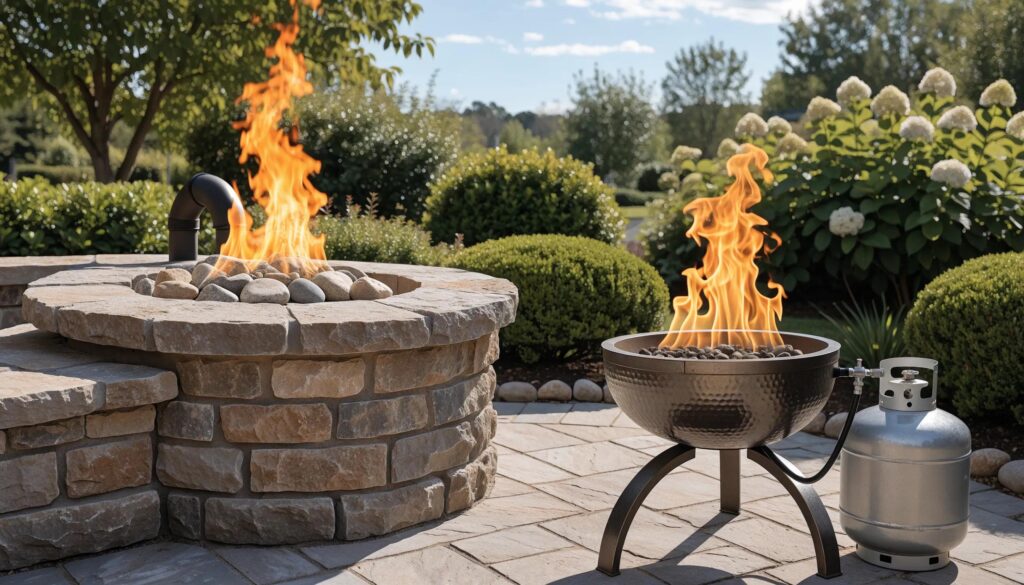
    Comparison image of a custom gas fire pit with natural gas line and a propane fire table with LP tank in a backyard

    The design elements and fuel types of custom gas fire pits and propane fire tables offer unique benefits and applications in outdoor spaces. Custom gas fire pits are often designed to incorporate various aesthetic elements such as stone, brick, or custom metalwork, allowing them to seamlessly fit within luxury outdoor living areas. These installations create a robust focal point and add significant value to properties.

    Propane fire tables, while providing flexibility and ease of movement, usually have a more utilitarian design, often made from lightweight materials. However, many modern propane tables also feature decorative options catering to upscale outdoor aesthetics.

    Regarding fuel types, gas fire pits operate on natural gas or propane that is supplied through fixed lines, providing a continuous supply without the need for frequent refueling. In contrast, propane fire tables rely on portable propane tanks, which need regular refilling or exchanging. This distinction can affect user convenience and overall operational costs.

    What Are the Advantages of Each Fire Feature for Luxury Outdoor Spaces?

    Both custom gas fire pits and propane fire tables offer unique advantages that enhance luxury outdoor spaces.

    1. Custom Gas Fire Pits: Aesthetic Appeal: Provides a permanent and often luxurious custom design feature.Higher Heat Output: Capable of producing significant warmth, suitable for larger gatherings and cooler evenings.
    2. Propane Fire Tables: Portability: Great for flexible outdoor configurations or smaller spaces.Ease of Use: No permanent installation is necessary, making them user-friendly and accessible.

    Understanding these advantages is crucial for homeowners looking to create a comfortable and inviting outdoor atmosphere.

    How Does BTU Output Impact Performance of Gas Fire Pits and Propane Fire Tables?

    The BTU output significantly influences the performance and overall user experience of both custom gas fire pits and propane fire tables. Higher BTUs mean better heat output, making fire pits suitable for larger spaces where significant warmth is necessary, especially in the cooler months.

    Propane fire tables, while lower in BTU output, still deliver adequate warmth for small to medium-sized areas. However, their restricted heat output may not effectively heat larger spaces like a custom gas fire pit can.

    Selecting the appropriate BTU output based on intended use and expected environmental conditions is essential for ensuring optimal performance.

    What Is the Typical BTU Output Range for Custom Gas Fire Pits vs Propane Fire Tables?

    Understanding the typical BTU output range helps homeowners select a fire feature that meets their heating needs effectively.

    Fire Feature TypeBTU Output Range
    Custom Gas Fire Pit50,000 – 200,000 BTUs
    Propane Fire Table30,000 – 50,000 BTUs

    This data indicates that custom gas fire pits cater more effectively to larger outdoor spaces while propane fire tables provide sufficient heat for smaller, intimate settings.

    How to Choose the Appropriate BTU Output for Florida’s Outdoor Living Environments?

    Choosing the appropriate BTU output for outdoor fire features involves considering factors such as the size of the intended area, expected frequency of use, and climate variations.

    1. Area Size: For expansive outdoor settings, higher BTUs are necessary to achieve the desired warmth.
    2. Usage Frequency: Those using the feature frequently may prefer a custom gas fire pit for its consistent and powerful output.
    3. Climate Considerations: In Florida, where evenings can be mild, a mid-range output may suffice if space permits luxury aesthetics.

    By aligning BTU output with the use case, homeowners can enhance their outdoor space more effectively.

    What Are the Gas Line Requirements and Installation Considerations in Florida?

    When planning to install a custom gas fire pit, understanding the local gas line requirements is essential for ensuring compliance and safety.

    1. Permanent Connection: Custom gas fire pits must connect to permanent gas lines that are installed according to local codes and safety guidelines.
    2. Permit Requirement: Homeowners may require permits for installation, especially if additional plumbing adjustments are necessary.
    3. Inspection and Testing: New installations often must pass safety inspections and tests before use.

    These steps ensure safety and reliability while enjoying custom installations that enhance outdoor aesthetics.

    How Do Florida Building Codes Affect Gas Line Installation for Outdoor Fire Features?

    Florida building codes specify stringent guidelines for gas line installations to ensure safety and compliance. Understanding these regulations is critical to avoid legal issues and hazards.

    1. Code Adherence: Installation must conform to local codes regarding materials, distances from structures, and safety measures.
    2. Licensed Professionals: Homeowners may need to hire licensed contractors for installations to ensure adherence to all necessary guidelines.
    3. Safety Standards: Regular inspections might be mandated, ensuring ongoing compliance with safety standards.

    By following these codes, homeowners can ensure their outdoor fire features are both beautiful and safe.

    What Safety Clearances and Regulations Govern Outdoor Fire Features in Florida?

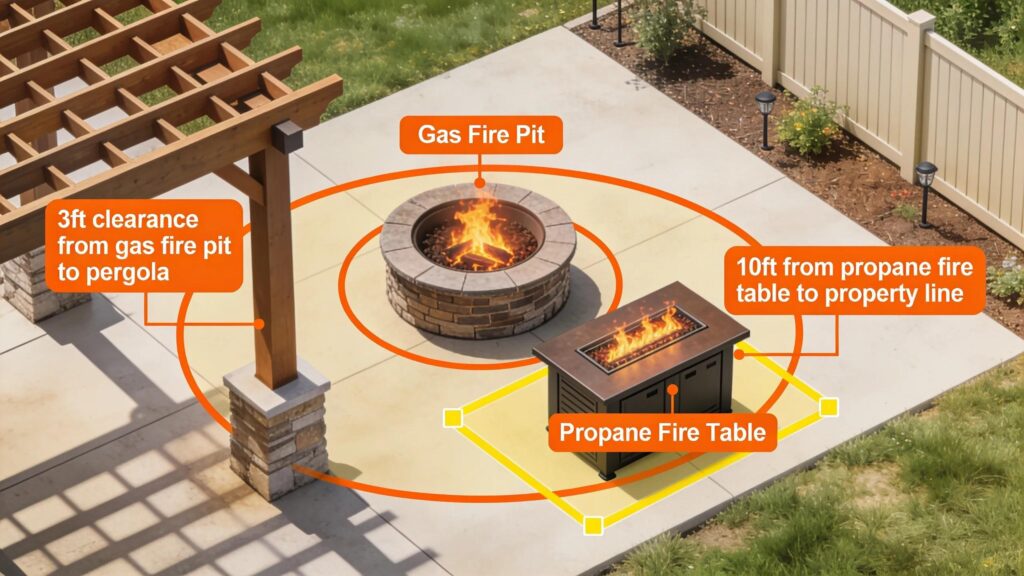
    Outdoor fire features demonstrating safety clearance markers from structures like pergolas and property lines

    Understanding the safety clearances and regulations that govern outdoor fire features is crucial for maintaining compliance and safety.

    1. Minimum Clearances: Custom gas fire pits generally require a minimum ten-foot clearance from flammable structures, while propane fire tables may necessitate about five to ten feet.
    2. Local Regulations: Each municipality in Florida may have specific regulations creating variations in required distances, necessitating research based on location.
    3. Ongoing Safety Checks: Regular checks and maintenance ensure fire features operate safely and remain compliant with local standards over time.

    What Are the Minimum Safety Clearances Required for Gas Fire Pits and Fire Tables?

    For effective installation of gas fire pits and propane fire tables, it is imperative to adhere to minimum safety clearance requirements:

    FeatureMinimum Clearance Requirement
    Custom Gas Fire Pits10 feet from any structure
    Propane Fire Tables5-10 feet from flammable materials

    Adhering to these clearance requirements minimizes risks and contributes to a safer user experience.

    How to Ensure Compliance with 2025-2026 Florida Fire Safety Standards?

    Ensuring compliance with current fire safety standards is essential for maximizing safety around outdoor fire features.

    1. Research Current Standards: Homeowners should stay updated on the latest regulations concerning outdoor fire installations and safety.
    2. Hire Licensed Contractors: Utilizing licensed professionals for installation ensures adherence to all local codes and safety standards.
    3. Regular Maintenance and Inspections: Conduct periodic checks to ensure that fire features operate according to safety specifications, maintaining compliance over time.

    By taking these steps, homeowners can enjoy their outdoor spaces confidently, knowing they meet essential safety standards. To guarantee long-term structural integrity and peace of mind around your fire feature and surrounding hardscapes, consider utilizing the lifetime settlement warranty for your foundational patio layers. Additionally, incorporating an annual protection plan helps preserve the overall beauty and durability of your custom backyard environment.

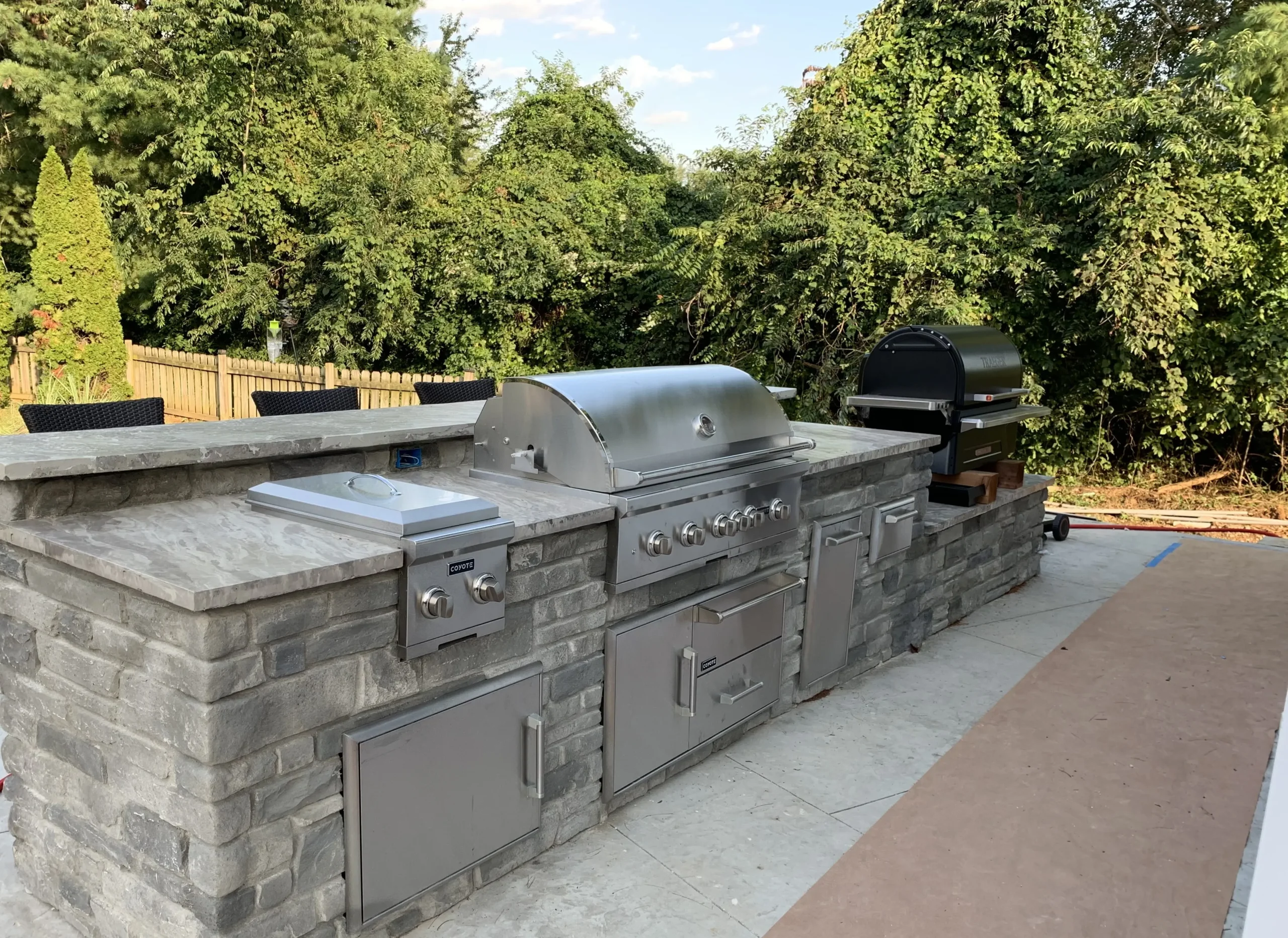
  • Custom outdoor kitchen with stainless steel grill and cabinetry in a backyard setting.

    Outdoor Kitchen Weatherproofing in Florida: Marine-Grade HDPE Vs Stainless Steel Cabinetry for Durable Custom Kitchens

    By Terrance Schabilion, Beyond Backyard Living – Custom Pool Builder Spring Hill FL

    Weatherproofing outdoor kitchens in Florida poses unique challenges due to the state’s humid, coastal climate. Choosing the right materials for cabinetry is essential to ensure durability and longevity in such an environment. This article delves into the comparison between marine-grade high-density polyethylene (HDPE) and stainless steel cabinetry, focusing on their respective strengths and weaknesses. Readers can expect to learn about key differences in durability, maintenance, design options, and overall suitability for custom kitchen installations. By understanding the specific weatherproofing challenges Florida presents, we can provide valuable insights into selecting the best materials for a resilient outdoor kitchen.

    Comparison of Marine-Grade HDPE and Stainless Steel Cabinetry for Outdoor Kitchens in Florida

    When considering outdoor kitchen cabinetry for Florida’s climate, marine-grade HDPE and stainless steel offer distinct advantages and disadvantages. Marine-grade HDPE is renowned for its moisture resistance and corrosion-free properties, making it ideal for areas exposed to high humidity and direct exposure to saltwater. On the other hand, stainless steel cabinetry is celebrated for its sleek appearance and structural integrity, providing a modern aesthetic that complements various outdoor designs. The choice between these materials ultimately depends on the specific needs and desired look of the outdoor space.

    Durability:

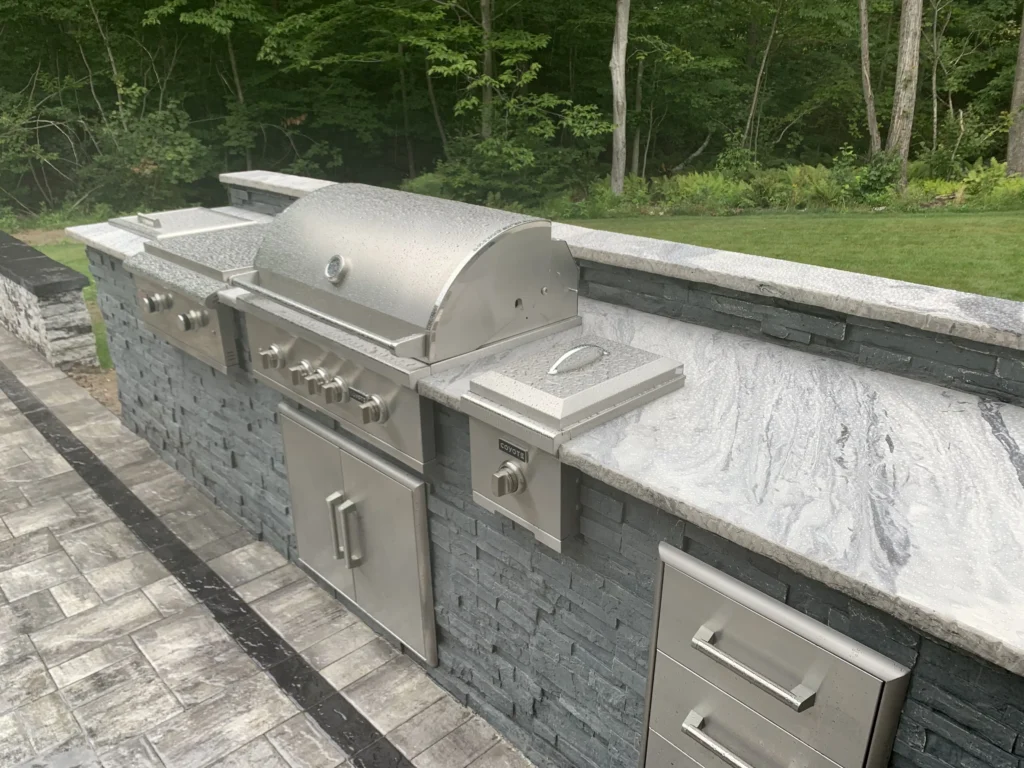
    Custom outdoor kitchen with stainless steel grill and drawers, luxury backyard design in Spring Hill, FL.

    Durability is paramount when selecting cabinetry for outdoor kitchens in Florida. Marine-grade HDPE boasts exceptional moisture resistance, enabling it to withstand the challenges posed by the state’s humid climate while resisting rot and decay. This material does not rust or corrode, making it suitable for coastal environments. Conversely, stainless steel cabinets are also durable, yet they are susceptible to corrosion if not properly maintained. Regular upkeep, including cleaning and application of protective coatings, is essential to prevent rust development on stainless steel surfaces.

    Maintenance Requirements:

    Maintenance requirements differ significantly between the two materials. Marine-grade HDPE is relatively low-maintenance, requiring only occasional cleaning with soap and water to maintain its appearance. In contrast, stainless steel cabinetry demands more attention; it requires regular cleaning to avoid staining and scratching. It is advisable to utilize non-abrasive cleaners and avoid steel wool to preserve the surface finish. Emphasizing proper care for either material ensures longevity and continued aesthetic appeal.

    Design Options:

    Both marine-grade HDPE and stainless steel offer diverse design options for outdoor kitchens. Stainless steel cabinetry is often favored for its modern, industrial aesthetic, providing a sleek look that complements contemporary design trends. In contrast, marine-grade HDPE is available in various colors and finishes, allowing for customization in outdoor kitchen designs. The versatility of both materials enables homeowners to choose styles that best fit their unique vision and outdoor environment.

    Overall Suitability for Custom Kitchen Installations:

    The suitability of marine-grade HDPE versus stainless steel for custom kitchen installations hinges on intended use and location. Marine-grade HDPE is an excellent option for high-moisture environments and coastal areas where corrosion is a concern. Customer case studies reveal that homeowners opting for HDPE report lower long-term maintenance costs and enhanced durability. Meanwhile, stainless steel shines in aesthetic appeal and high-end finishes, making it a popular choice for luxury outdoor kitchens. Each material presents unique benefits depending on specific requirements and design preferences.

    What Are the Weatherproofing Challenges for Outdoor Kitchens in Florida?

    Outdoor kitchens in Florida face several weatherproofing challenges due to the state’s climate. High humidity levels can lead to mold growth and deterioration of materials not suited for extreme moisture. Additionally, heat and UV rays from the sun can cause fading and warping in inferior materials. Choosing resilient cabinetry is crucial to combat these issues and ensure lasting functionality and visual appeal.

    What Common Weather Damage Impacts Marine-Grade and Stainless Steel Cabinets?

    The most common weather damage that affects outdoor kitchen cabinets includes corrosion, fading, and structural degradation. Marine-grade HDPE remains largely unaffected by water and salt, thus it does not suffer from rust or rot. Stainless steel, while generally robust, can experience rust if scratches or chips expose the underlayer to moisture. Preventative measures, such as using food-safe sealants, can mitigate these risks and extend the lifespan of both cabinet types.

    What Are the Benefits of Marine-Grade HDPE Cabinets for Florida Outdoor Kitchens?

    Marine-grade HDPE offers several benefits for Florida outdoor kitchens. Its corrosion resistance is vital in salty coastal areas, and it remains unaffected by moisture, making it ideal for humid conditions. Furthermore, HDPE is easy to clean and maintain, resisting stains and odors commonly associated with traditional materials. Beyond durability, this material contributes to eco-friendly designs, as it is recyclable and made from sustainable resources.

    How Does Marine-Grade HDPE Provide Corrosion and Humidity Resistance?

    Marine-grade HDPE provides excellent corrosion and humidity resistance due to its non-porous structure, preventing moisture absorption. Unlike wood or traditional plastics, HDPE is engineered to handle extreme weather without swelling or deteriorating. Its chemical properties make it resistant to many environmental factors, ensuring long-lasting performance for outdoor cabinetry used in Florida’s humid climate.

    Why Is HDPE Considered a Sustainable Choice for Outdoor Kitchen Cabinets?

    HDPE is considered a sustainable choice for outdoor kitchen cabinetry because it is produced from recycled materials and is itself recyclable. This ensures a reduced environmental impact compared to traditional cabinetry made from non-recyclable materials. Selecting HDPE promotes eco-conscious building practices, appealing to homeowners who value sustainability and want to reduce their carbon footprint without sacrificing quality or durability.

    How Do Stainless Steel Outdoor Kitchen Cabinets Compare in Durability and Style?

    Stainless steel outdoor kitchen cabinets excel in durability and style, offering a modern aesthetic that appeals to many homeowners. Known for their strength, stainless steel can endure significant wear and tear, making them suitable for high-traffic outdoor environments. While typically more durable than wood, these cabinets do require maintenance to protect against rust and scratches. The visual appeal of stainless steel is undeniable, providing an upscale look that complements high-end outdoor living spaces.

    What Stainless Steel Grades Are Best for Florida’s Weather Conditions?

    Choosing the right grade of stainless steel is critical for outdoor kitchens in Florida. Grades such as 304 and 316 are commonly used in outdoor settings. Grade 316 contains molybdenum, enhancing its resistance to corrosion, making it ideal for coastal environments with high salt exposure. Grade 304, while still durable, is less resistant to chloride environments and may require additional maintenance to prevent rusting.

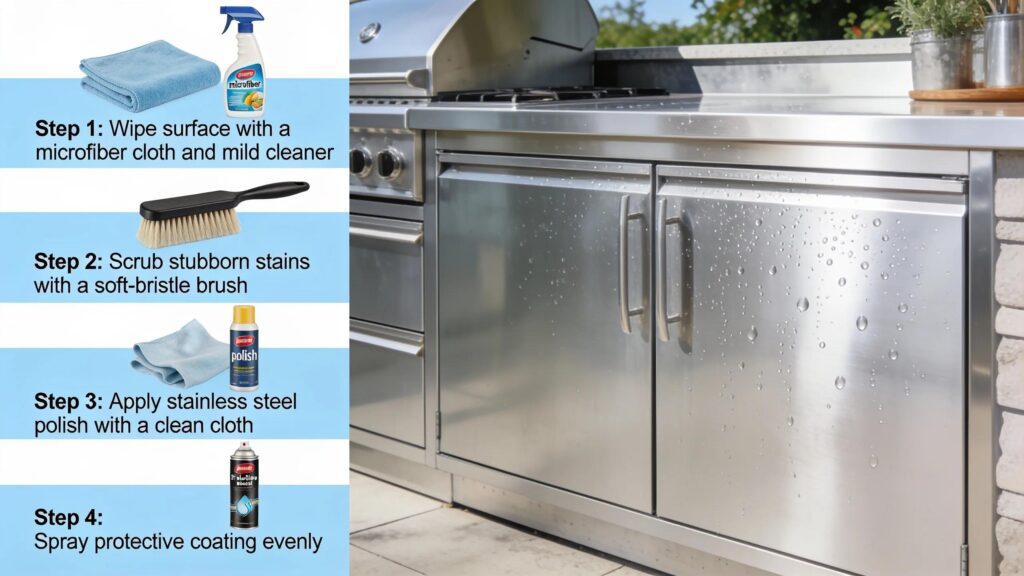
    What Are the Maintenance Requirements for Stainless Steel Cabinets?

    Visual guide on cleaning and maintaining stainless steel outdoor kitchen cabinets for optimal durability

    The maintenance requirements for stainless steel cabinets involve regular cleaning to prevent the buildup of grease and grime. It is essential to use non-abrasive cleaners to maintain the surface’s shine while avoiding scratching. Homeowners should also inspect the surfaces periodically for any signs of rust, especially in coastal areas, and apply protective coatings as needed. By following these maintenance steps, stainless steel cabinets can maintain their aesthetic appeal and structural integrity over time.

    What Is the Custom Outdoor Kitchen Design to Construction Process in Florida?

    The custom outdoor kitchen design to construction process involves several key steps. Initially, homeowners often engage in consultations with design professionals to outline their vision and specific requirements. Following this, 3D modeling can bring the design to life and allows for adjustments before the construction phase begins. Finally, the installation process includes careful attention to ensuring weatherproofing and durability of the cabinetry and materials used.

    How Does 3D Modeling Enhance Weatherproof Cabinetry Integration?

    3D modeling significantly enhances cabinetry integration by providing a visual representation of the final design, allowing homeowners to make informed decisions about colors, layouts, and materials. This tool helps identify potential issues, ensuring that the selected materials, such as HDPE or stainless steel, work harmoniously within the overall outdoor kitchen design. Effectively incorporating weatherproof cabinetry through 3D modeling ensures functional and aesthetically pleasing outdoor spaces that can endure Florida’s challenging climate.

    What Are Key Steps in Engineering and Building Weather-Resistant Kitchens?

    Engineered weather-resistant kitchens require strategic planning and execution, focusing on durable materials and weatherproof designs. Key steps include:

    1. Site Evaluation: Assessing the environment and potential weather-related challenges can influence material selection.
    2. Material Selection: Choosing materials like marine-grade HDPE and stainless steel that are suitable for humid and coastal climates.
    3. Construction: Implementing design plans with the awareness of drainage, ventilation, and exposure to elements.

    This structured approach guarantees that the final outdoor kitchen serves its purpose effectively and remains resilient throughout various weather conditions.

  • Outdoor Lighting & Pool Illumination in Florida: Low-Voltage LED and Automation Guide by Beyond Backyard Living

    Outdoor Lighting & Pool Illumination in Florida: Low-Voltage LED and Automation Guide by Beyond Backyard Living

    By Terrance Schabilion, Beyond Backyard Living – Custom Pool Builder Spring Hill FL

    Outdoor lighting and pool illumination play pivotal roles in enhancing the aesthetic and functional aspects of Florida homes. This guide explores the benefits of low-voltage LED lighting and the smart automation systems that complement outdoor lighting solutions. By delving into energy efficiencies, safety enhancements, and luxury designs, we aim to showcase how homeowners can transform their outdoor spaces. Many residents in Florida desire ambiance and safety around their pools and landscapes, leading to a greater need for effective lighting solutions. In this article, we will cover the advantages of low-voltage LED lighting, the integration of automation for convenience, luxury design ideas, and optimal practices for energy efficiency and maintenance.

    What are the benefits of low-voltage LED outdoor lighting in Florida?

    Low-voltage LED outdoor lighting presents numerous advantages for homeowners in Florida, positioning it as a smart choice for energy efficiency and safety. These lighting systems consume significantly less energy compared to traditional lighting solutions, reducing electricity costs while enhancing the safety and security of outdoor spaces. With the hot Florida climate, LED lights tend to run cooler, minimizing heat buildup and prolonging the lifespan of the lighting system. The ability to program lighting systems for automatic operation further optimizes energy usage, helping Florida residents manage their electricity bills effectively.

    FeatureBenefitValue
    Energy EfficiencyLow energy consumptionCost savings
    Safety EnhancementsImproved visibilityReduces accidents
    DurabilityLonger lifespanLess frequent replacements

    Emphasizing these benefits encourages homeowners to consider low-voltage LED options not just as functional components but as strategic investments into their properties. Moreover, integrating the services of Beyond Backyard Living Creations can provide a seamless transition into energy-efficient outdoor lighting that enhances the home’s beauty.

    How does low-voltage LED enhance energy efficiency and safety?

    Low-voltage LED lighting systems effectively enhance energy efficiency through their low power requirements and advanced technologies. They utilize less wattage while providing higher lumens, resulting in better visibility at lower energy costs. Smart lighting controls offer further enhancements by allowing automatic adjustments based on environmental conditions or user preferences. This not only maintains aesthetic appeal but also enhances safety by illuminating walkways and pool areas during evening hours.

    Florida’s humid climate requires reliable lighting solutions that ensure not just ambiance but also security. Low-voltage systems help prevent accidents, such as falls or trips, by adequately illuminating critical areas around homes. These system capabilities make them an ideal choice for safety-conscious homeowners, particularly those with families or pets.

    Why choose low-voltage LED lighting for pool decks and landscapes?

    Selecting low-voltage LED lighting for pool decks and landscapes ensures robust safety and customizable ambiance. The durability of LED technology makes it suitable for outdoor environments, where exposure to elements can diminish traditional lighting’s effectiveness. This resistance to weather-related wear and tear means fewer replacements and maintenance efforts, translating to lower long-term costs for homeowners.

    Moreover, homeowners appreciate the aesthetic versatility of low-voltage LED lighting options. These systems can be tailored to create a variety of lighting effects—from subtle path lighting to vibrant accent lights around landscaping features—allowing homeowners to craft a personalized outdoor atmosphere that complements their lifestyle.

    How does underwater pool illumination integrate with voltage considerations and fixture placement?

    When illuminating pools underwater, careful consideration is given to voltage levels and fixture placement to ensure both safety and visual appeal. Utilizing low-voltage underwater pool lights is an engineering choice that balances power efficiency and safe operation under aquatic conditions, integrating technical design features that accommodate water exposure while providing optimal illumination. Strategic placement of these fixtures enhances depth perception and accentuates pool features while conforming to electrical safety standards, making underwater lighting as functional as it is attractive.

    Which automated outdoor lighting systems integrate best with Florida pools?

    Automated outdoor lighting offers convenience and efficiency for pool owners in Florida. The integration of smart technology allows for customizable lighting settings, enhancing the overall experience of outdoor spaces. Homeowners can use smartphone applications or home automation systems to control their lights, adjust brightness, and set schedules—even remotely.

    The evolution of these systems often includes integrated smart timers and control systems that coordinate seamlessly with outdoor living features, such as pools. With the right setup, automated lighting can create dynamic experiences that change from bright and lively during gatherings to soft and serene in quieter moments.

    What smart controls and timers improve pool illumination automation?

    Smart controls and timers are essential components of modern automated outdoor lighting systems. They enable homeowners to program lighting schedules, ensuring that lights turn on at dusk and off at dawn, or adjust based on specific night events. Features such as motion sensors further enhance functionality by triggering illumination when activity is detected, improving security around pools.

    These control systems provide user-friendly interfaces to facilitate easy operation. Homeowners can personalize their settings to match their preferences, resulting in enhanced usability and enjoyment of outdoor areas. As technology continues to advance, integrating lighting control systems is becoming a more straightforward and attractive option for homeowners looking to enhance their outdoor spaces.

    How do automated lighting systems coordinate with custom hardscape and water features?

    Automated lighting systems can be intricately designed to coordinate with custom hardscape and water features in outdoor spaces. By strategically placing lights near these elements, homeowners can create stunning visual effects that highlight the beauty of their landscaping.

    The cohesive design of lighting with water features, such as fountains or pools, adds to the overall tranquility and luxury of the property. Controlled lighting can help enhance the ambience, creating atmospheric reflections on the water while improving safety for night-time use. As such, well-planned automated systems contribute significantly to the overall aesthetic and practical enjoyment of outdoor spaces.

    What luxury pool lighting design ideas suit Florida’s outdoor living styles?

    Florida outdoor living spaces often embrace luxurious aesthetics that harmonize functionality and style. Incorporating innovative pool lighting designs enhances the landscape and creates resort-like atmospheres at home. Luxury lighting options can include submerged lighting in pool features, accent lights along pathways, and elegant sconces around patios.

    Utilizing these design ideas, homeowners can create visually appealing outdoor environments that are also safe and enjoyable for families and guests. Luxury outdoor spaces benefit from light that uniquely illuminates features like outdoor kitchens, lounging areas, and gardens, elevating everyday experiences into memorable moments.

    Which materials and styles create resort-style pool illumination?

    The choice of materials and styles plays a significant role in achieving resort-style pool illumination. Selecting high-quality, weather-resistant materials ensures longevity and performance in Florida’s climate. Options include stainless steel fixtures, glass or crystal accents, and underwater LED lights, all designed to withstand exposure to water and humidity.

    These illumination styles can be paired with various design elements—such as natural stone finishes or wooden accents—to create inviting spaces for relaxation and entertainment. The combination of durable materials and creative designs provides homeowners with a compelling reason to invest in exceptional outdoor environments that mirror luxury resort aesthetics.

    How do pergolas, outdoor kitchens, and waterfalls complement pool lighting?

    Integrating structural elements such as pergolas, outdoor kitchens, and waterfalls with pool lighting creates a seamless transition between function and style. By using strategically placed lighting, these features can enhance their aesthetic appeal while boosting safety. This design harmony ensures that outdoor areas are utilized both during the day and at night, expanding the usability of homes.

    For example, lighting around outdoor kitchens not only supports cooking activities but also fosters social settings for gatherings. Waterfalls illuminated at night can create stunning visual displays while enhancing the relaxing sounds of flowing water. Such complementary designs contribute to an immersive outdoor experience, making the patio and pool area inviting for family and friends alike.

    How can energy efficiency and maintenance optimize outdoor LED lighting systems?

    Maintaining energy efficiency and performing regular upkeep are vital for optimizing outdoor LED lighting systems. Regular checks of fixtures and control systems ensure all components function correctly, prolonging the lifespan of investments. This ongoing maintenance can prevent unexpected failures that may lead to increased energy costs or diminished lighting effectiveness.

    By implementing best practices in maintenance, homeowners can ensure their systems operate at peak efficiency. Strategies include cleaning fixtures to prevent dust buildup and inspecting wiring and connections regularly. Additionally, utilizing energy-efficient settings on automated systems helps minimize energy consumption while maintaining lighting performance.

    What are best maintenance practices for low-voltage LED pool lighting in Florida?

    Best maintenance practices for low-voltage LED pool lighting in Florida include scheduled inspections and cleaning to keep systems functioning optimally. Homeowners should regularly check connections and replace any damaged components promptly. Additionally, cleaning fixtures is essential to maintain brightness and appearance while ensuring safety around pool areas.

    For outdoor environments, it’s advisable to secure lighting fixtures properly to withstand the Florida weather changes, especially during storms. Regular maintenance not only enhances performance but can also extend the lifespan of lighting installations, ensuring the beauty and safety of outdoor areas for years to come.

    How do LED technologies reduce energy consumption vs traditional lighting?

    LED technologies significantly reduce energy consumption in comparison to traditional lighting systems. They consume up to 75% less energy, translating directly to cost savings on electricity bills for homeowners. Furthermore, LEDs have a considerably longer lifespan—often lasting up to 25 times longer than incandescent bulbs—resulting in fewer replacements and reduced material waste.

    As awareness of energy efficiency grows, many homeowners are transitioning to LEDs, recognizing their long-term value and environmental benefits. By investing in low-voltage LED systems, property owners not only enhance their outdoor aesthetic but also contribute to sustainable living practices through optimized drainage and minimized energy use.

  • Biodesign Pool Water Circulation & Hydraulics in Florida: Aeration, Submerged Jets & Energy Savings Explained

    Biodesign Pool Water Circulation & Hydraulics in Florida: Aeration, Submerged Jets & Energy Savings Explained

    By Terrance Schabilion, Custom Pool Builder Spring Hill FL

    In the realm of luxury pool design, the principles of biodesign profoundly influence water circulation and overall hydraulic performance. By integrating natural elements into pool technology, these systems not only elevate the aesthetic appeal of outdoor spaces but also improve the efficiency of water management. This article provides a comprehensive exploration of biodesign principles, examining how they apply to pool hydraulics, particularly in the unique environmental context of Florida. Readers will learn about innovative components such as energy-efficient pumps, submerged jets, and aeration systems, alongside insights into energy savings, sustainability, and enhanced water quality. The integration of these cutting-edge features serves to address common pain points faced by pool owners, ensuring their investments yield long-term benefits. Topics covered include the fundamentals of biodesign in pool hydraulics, the role of energy-efficient systems, the advantages of submerged jets, and the importance of aeration technology for maintaining optimal water conditions.

    What Are Biodesign Principles in Pool Hydraulics?

    Biodesign principles in pool hydraulics emphasize using natural systems and materials to create efficient and sustainable pool environments. These principles involve an understanding of natural water flows and ecosystems, allowing for a seamless integration of design and function. The objectives include improving water circulation, reducing chemical use, and promoting natural ecological balance within pool systems. This approach benefits both aesthetic enhancement and operational efficiency, proving crucial for luxury pool designs in Florida’s unique climates. By adopting biodesign, builders can ensure a pool that maintains clarity and quality while minimizing environmental impact.

    How Do Biodesign Systems Improve Natural Pool Water Circulation in Florida?

    Biodesign systems improve water circulation by mimicking natural water flow patterns, which can enhance the overall health of the pool ecosystem. In Florida, local biomes play a critical role in designing these systems, incorporating features that facilitate optimal water movement and filtration. For example, systems designed with strategic positioning of inlets and outlets can optimize the physics of water flow, thereby reducing stagnation and promoting aeration. With localized examples showcasing the effectiveness of biodesign, homeowners can appreciate how these systems contribute to clearer and healthier pool water without excessive chemical treatments.

    Which Hydraulic Components Define Custom Pool Hydraulics Design?

    Custom pool hydraulics design integrates several critical components that optimize water circulation and filtration. These components typically include pumps, filters, submerged jets, and efficient piping systems tailored to the specific layout and landscape of the property. Each element plays a vital role in enhancing water dynamics and ensuring that the pool operates efficiently. For instance, high-efficiency pumps reduce energy consumption while effectively maintaining water clarity, highlighting the importance of selecting quality components critical for achieving the best results in luxury pool installation.

    How Do Energy Efficient Pool Pumps Reduce Operating Costs in Tampa Bay?

    Utilizing energy-efficient pool pumps significantly lowers operating costs by optimizing the power used for water circulation and filtration. These advanced pumps are designed to operate with reduced energy consumption compared to traditional models, translating to substantial savings on electric bills. By investing in new technology, pool owners can benefit from lower monthly expenses while enjoying a consistent water quality and circulation.

    What Are the Key Features of Energy Saving Sand Pool Pumps?

    Energy-saving sand pool pumps come equipped with multiple features designed to enhance efficiency. Key attributes include variable speed settings, which allow homeowners to adjust the pump’s power consumption according to their pool’s needs, and enhanced filtration capabilities that reduce the frequency of maintenance and chemical use. For instance, models with advanced filtration systems from leading manufacturers ensure that the water remains crystal clear while minimizing energy usage. Investing in such pumps not only leads to immediate cost savings but also aids in prolonged equipment lifespan.

    How to Measure Energy Savings with Modern Pool Pump Technologies?

    Measuring energy savings can be conducted through a few standard approaches, such as by comparing power consumption before and after pump upgrades or utilizing energy monitoring tools specifically designed for pool systems. Many modern pumps feature built-in energy efficiency metrics, allowing users to track their savings directly. Additionally, case studies demonstrate average savings of 30 percent or more in energy costs when upgrading from traditional pumps to energy-efficient alternatives. Tracking these metrics is crucial for homeowners looking to optimize their pool systems.

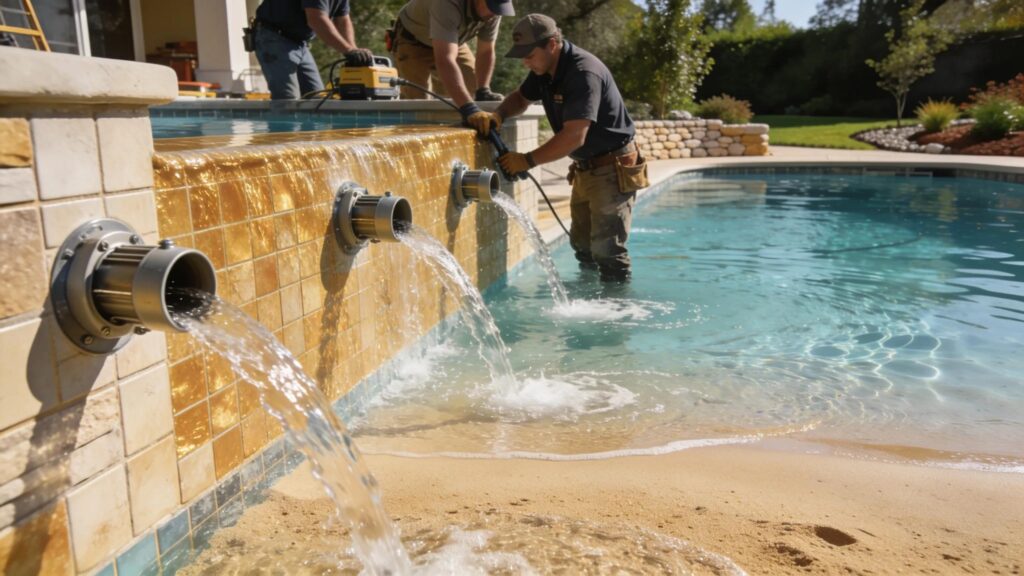
    What Are the Benefits and Installation Process of Submerged Pool Jets in Spring Hill?

    Submerged jets installation scene in luxury pool design enhancing water circulation and aesthetics

    Submerged pool jets offer an array of benefits that enhance both user experience and pool performance. They facilitate improved water circulation and filtration, ensuring better water quality and clarity. Furthermore, these jets create aesthetically pleasing water features that can elevate the ambiance of any luxury pool design. The installation process involves careful positioning, ensuring optimal water flow and integration with existing pool systems. Professional guidance is recommended to achieve the best results and avoid common installation pitfalls.

    How Do Submerged Jets Enhance Pool Hydraulics and Water Quality?

    Submerged jets contribute significantly to pool hydraulics by enhancing water movement throughout the pool body, resulting in increased circulation. This improvement facilitates better filtration, thereby minimizing the need for chemical treatments and maintaining water clarity. The buoyancy provided by jets also aids in the natural balance of water components, making it a vital feature for homeowners who prioritize water quality in their pool environments.

    What Are Best Practices for Submerged Jet Installation in Florida Pools?

    For successful submerged jet installation, several best practices should be observed. Key considerations include:

    1. Placement: Position jets to optimize water flow without creating turbulence that could limit filtration efficiency.
    2. Alignment: Ensure proper alignment with existing plumbing systems to facilitate effective integration and minimize adjustments.
    3. Consultation: Engage with professionals for insight into local water conditions and landscaping to tailor the installation effectively.

    These practices can enhance jet performance, providing long-term benefits for pool usability and maintenance.

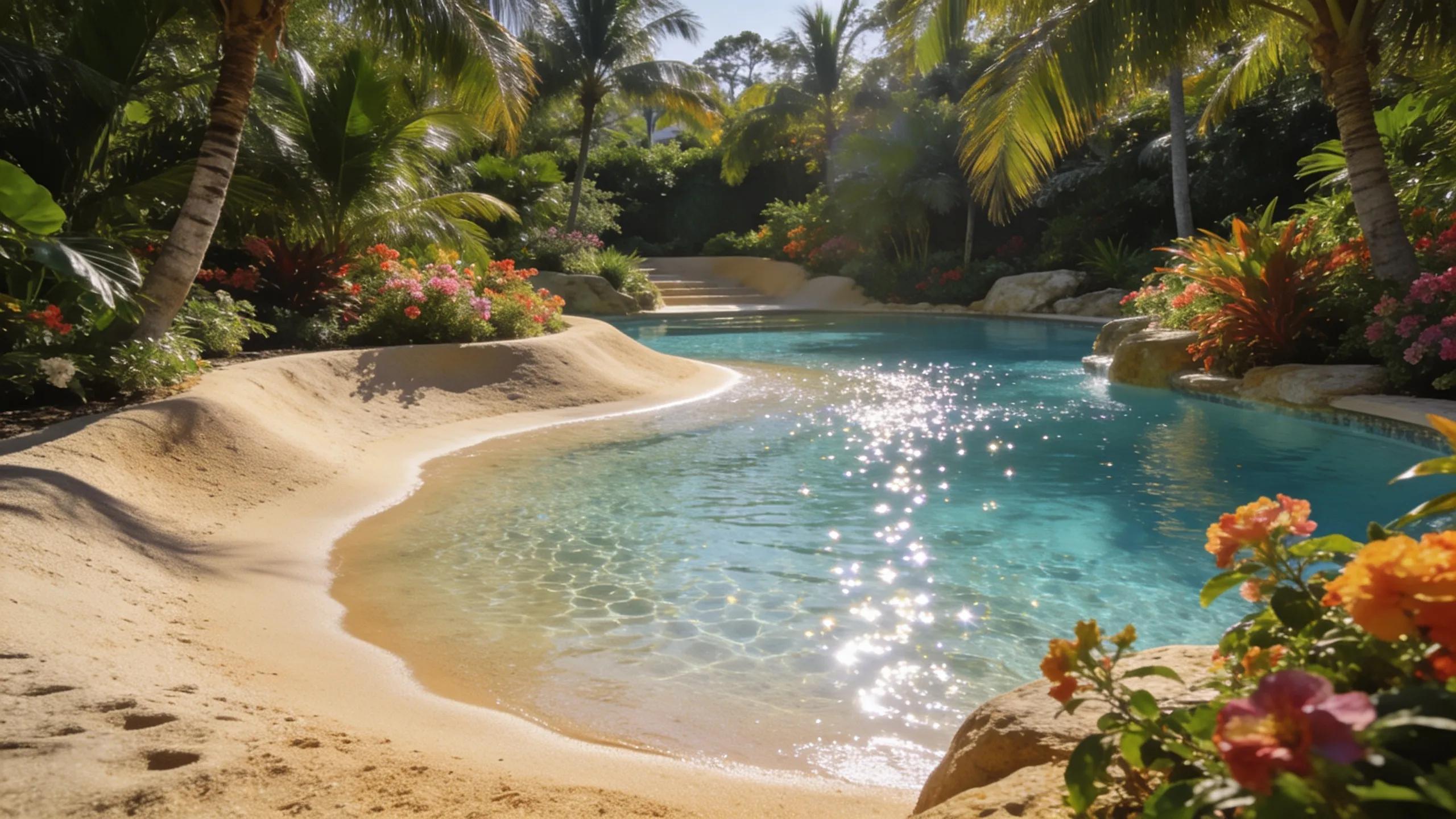
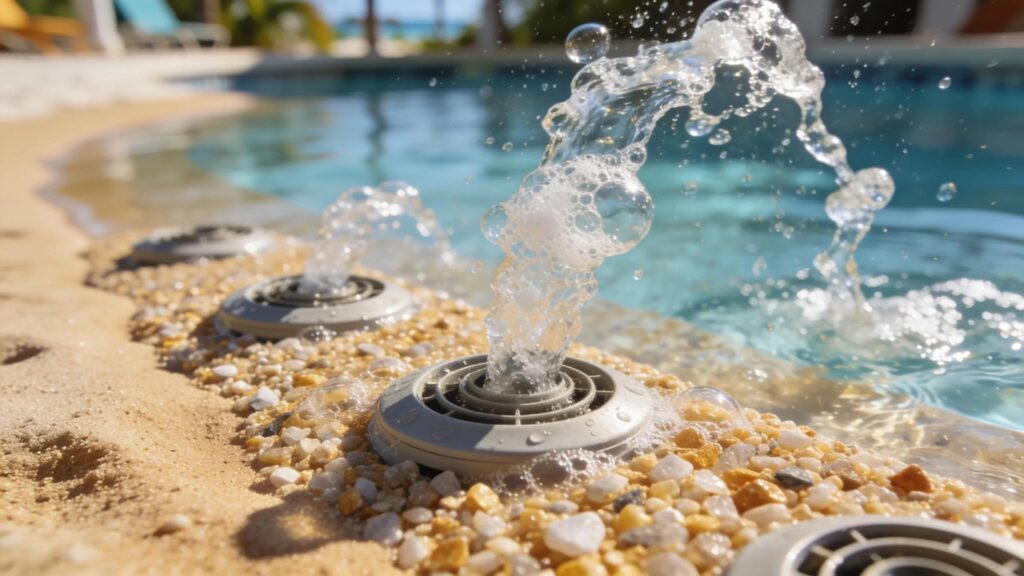
    How Do Aeration Systems Support Natural Sand Pools and Sustainable Pool Water Quality?

    Close-up of an aeration system in beach-entry sand pool enhancing water quality and sustainability

    Aeration systems play a pivotal role in maintaining high water quality in sand filters, supporting natural ecological processes within pool environments. By introducing air into the water, these systems increase dissolved oxygen levels, which are essential for beneficial microbial activity that breaks down organic material. This natural approach to pool maintenance not only enhances water clarity but also reduces dependency on chemical treatments.

    What Aeration Technologies Optimize Hydraulic Performance in Sand Pools?

    Several advanced aeration technologies have emerged that optimize hydraulic performance in sand pools. Key technologies include:

    • Diffused Aeration: This method uses diffusers to introduce air uniformly throughout the water, promoting even dispersion, which enhances circulation.
    • Skimmer Aeration: Integrated into the pool’s skimmer, this technology injects air into the pool as water is drawn in, improving mixing and filtration.
    • Hydrodynamic Aerators: These units use mechanical action to create surface turbulence, facilitating gas exchange between the water and the environment.

    These technologies highlight how innovations in aeration can significantly improve the performance of natural sand pools while promoting sustainability.

    How Does Aeration Improve Energy Efficiency and Water Clarity?

    Aeration directly contributes to energy efficiency by enhancing the overall performance of filtration systems. As aeration promotes better circulation, the filtration process becomes more effective, reducing the energy required for pool pumps to maintain clarity. This not only helps in maintaining optimal water conditions but also assists in lowering operational costs associated with maintaining luxury pools. Thus, the integration of aeration systems paves the way for more sustainable pool ownership.

    Understanding the scientific principles behind water treatment underscores how effective aeration and sedimentation techniques can drastically improve overall pool water purification.

    Pool Filtration and Aeration Techniques for Water Purification

    The processes of sedimentation or sedimentation assisted by coagulation allow to reduce the TSS concentration below the limit value and leaving the washings to stand for up to several hours or subjecting them to a few minutes of aeration dec The reuse of washings from pool filtration plants after the use of simple purification processes, J WYCZARSKA-KOKOT, 2018

    ComponentFeatureBenefit
    Energy-Efficient PumpsVariable speed optionsReduced energy consumption
    Submerged JetsEnhanced flow controlImproved water cleanliness
    Aeration SystemsIncreased oxygen levelsPromotes healthy microbial activity

    This table summarizes how various components contribute not only to enhancing pool performance but also to energy efficiency and maintenance simplicity.

    In conclusion, the integration of biodesign principles into pool water circulation and hydraulics emphasizes the importance of sustainable and energy-efficient designs in Florida’s unique environment. By leveraging advanced technologies such as energy-efficient pumps, submerged jets, and aeration systems, homeowners can achieve optimal water quality, enhanced aesthetic appeal, and significant cost savings, leading to a luxurious, sustainable outdoor living experience. To ensure the surrounding hardscape remains pristine and secure against shifting ground, many property owners also invest in an elite system for enhanced stability. Additionally, protecting your overall investment with a settlement warranty provides long-term peace of mind.

  • Saltwater Pools vs Chlorine in Florida: Comprehensive Costs, Maintenance Tips & Equipment Guide for Luxury Outdoor Living

    Saltwater Pools vs Chlorine in Florida: Comprehensive Costs, Maintenance Tips & Equipment Guide for Luxury Outdoor Living

    By Terrance Schabilion, Beyond Backyard Living – Custom Pool Builder Spring Hill FL

    Choosing the right pool system is essential for homeowners in Florida’s warm climate, where outdoor living is a lifestyle. In this guide, we explore the critical differences between saltwater pools and traditional chlorine pools, focusing on costs, maintenance, and essential equipment that elevate the luxury experience in your backyard. Saltwater pools, known for their gentler water quality and lower long-term maintenance needs, offer compelling advantages over chlorine systems. However, understanding the financial commitment and operational differences is crucial for making an informed decision. In this article, we address key cost differences, essential maintenance practices, premium equipment options, and the health benefits of each pool system, providing a comprehensive foundation for your decision-making.

    What are the key cost differences between saltwater and chlorine pools in Florida?

    The primary cost difference between saltwater and chlorine pools lies in installation and maintenance expenses. Saltwater pools typically have a higher upfront installation cost due to the necessary equipment, such as a salt chlorine generator. However, homeowners often find that these pools offer savings in chemical costs and maintenance expenses in the long run, presenting a more economical choice over time. While chlorine pools may initially appear less expensive, the recurring costs for chlorination can add up significantly over the years, impacting total ownership costs.

    How do saltwater pool conversion costs compare across Florida regions?

    Conversion costs for saltwater pools can vary significantly throughout Florida, influenced by factors such as local labor rates, equipment availability, and the specific requirements of each installation. In regions like Spring Hill and the Nature Coast, homeowners can expect conversion costs typically ranging from $2,000 to $4,000. These variations reflect the regional labor market and geographical considerations, making it essential for homeowners to obtain quotes from local experts. Being aware of these factors can help in planning a more accurate budget for transitioning to a saltwater system.

    What equipment expenses contribute to overall pool investment?

    A number of essential equipment expenses must be factored into the overall investment for both saltwater and chlorine pools. Key equipment for saltwater pools includes the salt chlorine generator, which generally costs between $500 and $1,500, depending on the pool size and system complexities. In addition, homeowners will also need to consider the filtration system, pump, and periodic replacements like salt cells or filters. This upfront investment plays a crucial role in maintaining optimal water chemistry and ensuring a comfortable swimming experience. Additionally, to protect stone surfaces such as travertine pool decks from saltwater damage and erosion, it is necessary to apply proper sealing. For detailed guidance, see sealing travertine pool decks against saltwater damage.

    Which maintenance practices are essential for saltwater pools in Florida’s climate?

    Maintaining a saltwater pool in Florida’s humid and warm climate involves specific routines to ensure peak performance and water quality. Regular checks on water balance, including pH and salinity levels, are essential to safeguard swimmer comfort and equipment longevity. Additionally, cleaning the salt cell regularly permits efficient functioning while minimizing the potential for buildup. Homeowners should understand that while saltwater pools have lower chemical management demands, consistent upkeep still plays a critical role in sustaining an enjoyable swimming environment.

    Understanding how these chemical cycles work helps clarify why saltwater systems require less frequent manual intervention.

    Saltwater Pool Maintenance & Chemistry Guide

    Because the chlorine produced combines with sodium and once again becomes salt, chemicals do not need to be continually added to the pool. For this reason, a salt water pool is Guide to Swimming Pool Maintenance, 2012

    What are the routine saltwater pool care tips tailored for Spring Hill and Nature Coast?

    In Spring Hill and the Nature Coast, routine care tips for saltwater pools include:

    1. Weekly Water Testing: Test water chemistry weekly to maintain proper pH levels and salinity.
    2. Regular Brushing: Brush pool walls bi-weekly to prevent algae and dirt buildup, which is especially necessary in warmer months.
    3. Filter Maintenance: Clean or replace pool filters as part of a monthly maintenance schedule to maintain optimal filtration performance.

    These practices help to ensure your saltwater pool remains an inviting, clean, and safe space for relaxation and enjoyment.

    How do saltwater pool maintenance requirements differ from chlorine systems?

    The maintenance requirements for saltwater systems differ markedly from chlorine pools, especially regarding chemical balance. Saltwater pools utilize salt chlorinators to convert salt into chlorine, reducing the frequency and volume of added chemicals. However, they still demand regular monitoring of water chemistry to avoid imbalances, which can lead to corrosion of components or algae growth. In contrast, chlorine pools require constant chemical management and consistent addition of chlorine to maintain water quality. Familiarity with these differences can simplify maintenance efforts and enhance your enjoyment.

    What premium equipment and custom features enhance saltwater pools in Florida?

    Investing in premium equipment and custom features can significantly elevate the luxurious experience associated with saltwater pools. Advanced pool decks and filtration systems enhance convenience and efficiency, ensuring optimal water quality with minimal effort. Many homeowners also opt for high-end finishes and designs that blend seamlessly into their landscapes.

    Which high-end technologies support efficient saltwater pool operations?

    High-end technologies like variable-speed pumps and advanced water management systems can transform pool operations. Variable-speed pumps are not only energy-efficient, operating at lower speeds during off-peak hours, but they also extend equipment life while reducing costs. Automation solutions allow users to manage water chemistry, lighting, and heating remotely, enhancing convenience and personalization of the swimming experience.

    Adopting advanced pumping systems is a proven strategy for lowering operational overhead in sunny southern climates.

    Energy-Efficient Variable Speed Pool Pumps in Florida

    This report presents the potential savings and simple economics of implementing an efficient variable speed pool pump program for Orlando Utilities Commission. Evaluation of Variable Speed Pool Pumps as a Utility Energy Efficiency Measure in Florida, 2019

    What resort-style features like grottos, waterfalls, and pergolas complement saltwater pools?

    Various luxurious enhancements, such as grottos, waterfalls, and spacious pergolas, can add visual appeal and functionality to saltwater pools. Grottos provide a tranquil oasis, while waterfalls create soothing sounds that amplify the outdoor experience. Pergolas offer shade and a stylish retreat, making your space more inviting. These features not only improve aesthetic appeal but can also increase the property’s overall value by creating a unique outdoor living environment.

    What are the health and environmental benefits of choosing saltwater pools in Florida?

    Saltwater pools present numerous health and environmental benefits compared to traditional chlorine pools. With lower levels of chlorine, these pools produce gentler water that can alleviate skin irritations and other allergic reactions often associated with chlorine use. Furthermore, the use of salt in chlorination emphasizes the pool’s eco-friendly aspects, reducing harmful chemicals released into surrounding environments.

    How does saltwater chemistry impact swimmer comfort and safety?

    The chemistry of saltwater pools typically leads to greater swimmer comfort as the lower chlorine levels reduce the harshness found in traditional systems. This softer water feels gentler on the skin and eyes, making swimming more enjoyable. Additionally, saltwater systems produce fewer disinfection byproducts, contributing to a healthier swimming environment and minimizing potential health risks associated with chlorine exposure.

    Minimizing harsh chemical reactions is key to maintaining a safe, irritation-free swimming environment for family and guests.

    Comparing Pool Disinfection Systems: Salt vs Chlorine Safety

    Disinfection of swimming pools and hot tubs (pools/spas) are necessary to prevent outbreaks and exposure to waterborne pathogens from water recreation. However, harmful disinfection byproducts (DBPs) from heavy chlorine usage continue to be a growing concern. Chlorine-based disinfectants also react with human inputs like sweat, urine, cosmetics, sunscreen, etc., that are introduced in a pool/spa, further increasing the severity of the DBP problem. Water disinfection systems for pools and spas: Advantages, disadvantages, and consumer views in the US, 2025

    Why is saltwater preferred for sustainable outdoor living spaces in Spring Hill?

    In Spring Hill, the preference for saltwater pools stems not only from their health benefits but also from their environmental sustainability. Saltwater systems use fewer chemicals, promoting cleaner runoff and less disruption to local ecosystems. The gentle maintenance approach benefits both homeowners and the environment, making saltwater pools an ideal choice for those who embrace eco-friendly living while enjoying luxury outdoor spaces.

  • Luxury Pool Design in Florida: Expert Guide to Perimeter Overflow & Infinity Edge Pools with Catch Basins, Hydraulics & Structural Engineering

    Luxury Pool Design in Florida: Expert Guide to Perimeter Overflow & Infinity Edge Pools with Catch Basins, Hydraulics & Structural Engineering

    By Terrance Schabilion, Beyond Backyard Living – Custom Pool Builder Spring Hill FL

    Infinity edge and perimeter overflow pools represent a pinnacle of luxury in residential design, especially in Florida’s picturesque landscape. These pools create a stunning visual effect where water appears to flow seamlessly into the horizon, creating a tranquil oasis that enhances outdoor living spaces. In this article, we will explore the intricate design features, hydraulic engineering principles, and structural integrity required to build such exquisite water features. We’ll also highlight the emerging trends in pool design that prioritize both aesthetic appeal and functionality.

    Readers will uncover key concepts such as catch basins and hydraulic systems that are essential for maintaining the performance and longevity of infinity edge and perimeter overflow pools. This guide draws upon insights into structural engineering that ensure safety and durability, particularly suited for Florida’s unique climate. Throughout, we will address critical considerations for any high-end pool project, revealing how luxury elements can be integrated to create a spectacular outdoor setting.

    What are the key design features of infinity edge and perimeter overflow pools in Florida?

    Infinity edge and perimeter overflow pools contain a range of design features that contribute to their aesthetic and functional appeal. These include precise engineering that allows for seamless water flow and a perfect blend with the surrounding landscape. Such pools typically feature a weir edge that facilitates smooth water transition, creating the illusion of infinite water surfaces.

    How do infinity edge and perimeter overflow pools create seamless water effects?

    The seamless water effects characteristic of infinity edge and perimeter overflow pools stem from sophisticated hydraulic systems designed to manage water flow precisely. Catch basins are engineered to collect excess water overflow, which is returned to the pool, maintaining a consistently high water level. This not only enhances the visual appeal but also ensures the structural integrity of the pool. The precision required in weir edge construction is vital, as it dictates the appearance of the water’s edge and its interaction with natural elements.

    Which luxury design elements enhance natural-style pools in Florida?

    Incorporating luxury design elements is essential for creating pools that harmonize with Florida’s natural beauty. Features such as layered landscaping, native plant integration, and natural stone accents can elevate the pool’s appearance. Additionally, the use of sustainable materials and innovative lighting designs can enhance the overall experience, allowing for an inviting atmosphere that complements the outdoor environment. The pooling facility’s integration with other structural elements, like outdoor kitchens or patios, adds to its allure, serving functional as well as aesthetic purposes.

    What are the essential structural engineering considerations for overflow pool construction?

    Illuminated swimming pool with rock waterfall, hot tub, and patio furniture at twilight.

    When constructing overflow pools, careful attention to structural engineering is paramount. The design must ensure adequate support and safety, particularly with the added complexities of water management systems in place. Compliance with local regulations also plays a crucial role in defining design standards and material choices.

    How does structural integrity support vanishing edge and perimeter overflow pools?

    Structural integrity is crucial to ensure longevity and safety in vanishing edge and perimeter overflow pools. Quality materials and methods must be employed to withstand Florida’s climatic challenges, such as humidity and severe weather possibilities. Important factors include the design specifications for catch basins and the materials used for building the pool walls, which must resist both pressure and corrosion over time.

    What materials and methods ensure long-term durability in Florida’s coastal environments?

    Choosing durable materials is vital for pools located in coastal environments like Florida’s. Concrete is often favored for its strength and durability, while composite materials also offer resistance against moisture and saline conditions. Effective construction methods should address potential erosion or damage from environmental factors, making use of advanced waterproofing techniques and rigorous engineering standards to guarantee lasting beauty and functionality.

    How does the turnkey 3D design and construction process enhance luxury pool projects?

    Overview of luxury pool project showcasing 3D design plans and integrated outdoor living features

    The turnkey 3D design process significantly enhances luxury pool projects by providing a comprehensive visual representation before construction begins. This phase allows clients to visualize their final outdoor space and make informed decisions about features and materials. Beyond Backyard Living Creations specializes in managing the entire construction process from design to completion, ensuring a seamless experience for clients.

    What benefits does 3D pool design provide for custom outdoor living spaces?

    3D pool design offers several benefits, including accurate spatial representations that highlight how the pool integrates with other elements of the landscape. This technology allows homeowners to explore various design options interactively, facilitating a collaborative design experience. The outcome is that clients can effectively communicate their desires for bespoke features, leading to a more satisfying final installation aligned with their vision.

    How are integrated features like waterfalls, pergolas, and outdoor kitchens incorporated?

    Incorporating features like waterfalls, pergolas, and outdoor kitchens transforms a basic pool installation into a luxurious outdoor living space. Designers work with clients to integrate these elements seamlessly, ensuring that they complement the overall aesthetic design without overpowering the pool itself. The strategic placement of amenities enhances usability and enjoyment, creating a multi-functional retreat that caters to leisure and entertainment.

    To ensure long-lasting stability around your custom water features and patios, professional installation methods such as the elite system provide unmatched structural support and foundation integrity.

  • Pergola Footings & Anchoring in Florida: Post Embedment, Bracket Systems & Wind Load Compliance Explained

    Pergola Footings & Anchoring in Florida: Post Embedment, Bracket Systems & Wind Load Compliance Explained

    By Terrance Schabilion, Beyond Backyard Living – Custom Pool Builder Spring Hill FL

    Building a pergola in Florida requires careful consideration of the local building codes, particularly regarding footings and anchoring due to the state’s susceptibility to hurricanes and strong winds. Understanding the Florida Building Code is crucial for ensuring that your outdoor structure is compliant and structurally sound. This article explores essential aspects of pergola footings, anchoring methods, and the recommended practices for maintaining stability in various soil conditions. Additionally, we will delve into the appropriate bracket systems designed to withstand Florida’s challenging weather conditions and the overall custom pergola construction process in the region.

    What are the Florida Building Code Requirements for Pergola Footings and Anchoring?

    The Florida Building Code sets specific requirements for pergola footings and anchoring to ensure safety and durability. These regulations require builders to consider various factors such as wind load ratings, material specifications, and local compliance issues. Proper attention to these guidelines is essential for the structural integrity of the pergola, especially in areas prone to severe weather conditions.

    Which wind load zones influence pergola design in Florida?

    Wind load zones are determined by the geographic location within Florida, with specific design requirements varying according to the expected wind speeds in each area. For example, coastal regions typically encounter higher wind loads due to hurricane activity. Understanding these zones helps in selecting appropriate materials and designs tailored to withstand local wind conditions, thus enhancing the longevity and safety of the structure.

    How deep should pergola posts be embedded to meet Florida regulations?

    The depth of pergola posts must meet specific regulatory standards outlined in the Florida Building Code to ensure stability and resistance to wind forces. Generally, posts should be anchored at a depth of at least 24 to 36 inches, depending on soil types and local conditions. This depth helps prevent movement during high winds and provides a solid foundation for the structure, particularly in sandy or loose soils commonly found in many parts of Florida.

    What Post Embedment Techniques and Soil Considerations Are Key for Florida Pergolas?

    Interior of a screened lanai in Florida demonstrating heat reduction and airflow optimization

    Various embedding techniques are crucial for ensuring that pergolas are stable and secure. Florida’s unique soil types present specific challenges and considerations for post installation, making it essential to choose the appropriate method for embedding posts and ensuring long-term stability.

    How do Florida soil types affect pergola footing depth and stability?

    Florida’s soil types, including sandy and clay soils, significantly influence the depth and method of footings for pergolas. Sandy soil tends to require deeper footings compared to clay soil due to its lower load-bearing capacity. This variability necessitates careful analysis of the soil to determine the correct depth and reinforcing techniques to use, which can significantly enhance the stability of the pergola structure over time, especially when utilizing an advanced foundation system.

    What are engineered post anchor solutions suitable for coastal conditions?

    Engineered post anchors are crucial for providing stability in coastal areas subject to high winds and flooding. These anchors are designed to penetrate deep into the ground and resist lateral movement, ensuring that the posts remain firmly in place during storms. Additionally, selecting high-quality materials resistant to corrosion is essential for the durability of post anchors in Florida’s humid coastal environment.

    Which Hurricane Resistant Pergola Bracket Systems Are Recommended for Florida Homes?

    Luxurious backyard pool area with outdoor kitchen, spa, and fire features at dusk.

    Hurricane-resistant bracket systems are vital for ensuring that pergolas are securely anchored against the forces of high winds. Choosing the right hardware can significantly affect the performance and safety of the structure in adverse weather conditions.

    What features define hurricane-rated pergola hardware for Tampa Bay wind zones?

    Hurricane-rated pergola hardware often includes features such as reinforced materials, corrosion-resistant coatings, and specific design elements that enhance strength and durability. These components are tested and rated according to wind load specifications to provide the necessary assurance that the hardware can withstand the unique challenges presented by Tampa Bay wind zones.

    How to properly install anchored brackets on concrete paver patios?

    Proper installation of anchored brackets involves first marking precise locations to ensure correct alignment and strength. The process typically includes drilling holes into the concrete pavers, utilizing the appropriate anchors, and securing the brackets firmly to the structure. Attention to detail in this process is crucial to achieve the stability and safety required in a hurricane-prone area like Florida.

    What Does the Turnkey Custom Pergola Design and Build Process Include in Florida?

    A turnkey custom pergola design should cover every detail, from the initial planning stage through to the final installation. This comprehensive approach ensures that all elements meet local building codes and deliver a high-quality finished product tailored to the homeowner’s vision.

    How does 3D design and engineering ensure code compliance and wind resistance?

    Using 3D design technology enables builders to visualize the pergola’s structural integrity and compliance with building codes before construction begins. This engineering process facilitates necessary adaptations to meet wind resistance requirements, ensuring that every post, bracket, and structural component works in unison to withstand Florida’s weather challenges.

    What long-term protection plans support pergola durability under Florida conditions?

    To ensure the longevity of a pergola in Florida’s climate, implementing effective protection plans is essential. These plans may include using high-quality, weather-resistant materials, regular maintenance inspections, and protective treatments for wood and metal components. By routinely caring for the structure and utilizing an ongoing maintenance program, homeowners can greatly extend its lifespan and maintain its aesthetic appeal in the face of Florida’s environmental factors.

  • Pool Plaster vs Pebble Finish in Florida: Comprehensive Guide to PebbleTec, Quartz & Glass Bead Luxury Surfaces

    Pool Plaster vs Pebble Finish in Florida: Comprehensive Guide to PebbleTec, Quartz & Glass Bead Luxury Surfaces

    By Terrance Schabilion, Beyond Backyard Living – Custom Pool Builder Spring Hill FL

    The choice between pool finishes can greatly influence the overall aesthetics and durability of luxury pools in Florida. Among the options, pool plaster, PebbleTec, quartz, and glass bead finishes stand out for their unique characteristics. This guide dives into the nuances of these four finishes, emphasizing their distinctions in material composition, visual appeal, and maintenance. Homeowners often grapple with decisions that impact not only aesthetics but longevity and maintenance requirements. By exploring key differences, benefits, and the services offered by Beyond Backyard Living Creations, you’ll find valuable insights to make informed choices.

    What Are the Key Differences Between Pool Plaster, PebbleTec, Quartz, and Glass Bead Finishes?

    Each pool finish option comes with its unique attributes affecting durability, texture, and visual appeal. Understanding these differences can aid in selecting the best option for your luxury pool project. This section provides a thorough comparison.

    Finish TypeCompositionDurabilityAesthetic
    Pool PlasterCement-based mixture5-10 yearsSmooth, customizable
    PebbleTecNatural river pebbles + cement mix15-20 years or longerTextured, natural look
    QuartzQuartz aggregates + cement mixture10-15 yearsColorful, smooth finish
    Glass BeadGlass beads in cement10+ yearsSparkly, luxurious look

    How Do Material Compositions Affect Durability and Texture?

    Material composition plays a pivotal role in determining the durability and texture of pool finishes. For instance, pool plaster consists of cement mixtures that offer a smooth finish but may require resurfacing every 5-10 years due to wear and tear from pool chemicals and water. In contrast, PebbleTec combines natural river pebbles with cement, enhancing its longevity to about 15-20 years. This finish is not only durable but also provides a textured surface that enhances slip resistance, making it a safe choice for families.

    What Are the Visual and Aesthetic Differences Among These Finishes?

    When considering aesthetic appeal, pool plaster offers a customizable choice, available in an array of colors to match any design vision. However, PebbleTec’s natural textures give pools a luxurious, resort-inspired appearance. Quartz finishes provide a smooth surface with vibrant color options that can enhance the overall design. Meanwhile, glass bead finishes are known for their sparkling effect in sunlight, offering a unique approach to pool aesthetics. Selecting between these options involves balancing personal taste with practical considerations like maintenance and durability.

    Why Choose PebbleTec Pool Finish for Luxury Florida Pools?

    Choosing PebbleTec for your pool finish comes with numerous benefits that cater to the unique needs of Florida homeowners. This durable option stands out not only for its long lifespan but also for its aesthetic and functional advantages.

    What Benefits Does PebbleTec Offer in Terms of Longevity and Chemical Resistance?

    PebbleTec’s composition of natural river pebbles combined with high-quality polymer resins makes it significantly more durable than traditional plaster. It can last 15 to 20 years or more, even in the face of harsh Florida chemicals. Moreover, its resistance to fading and chemical imbalance ensures that the pool retains its beauty over time, making it a reliable investment for luxury pool decks owners.

    How Does PebbleTec Enhance Custom Resort-Style Pool Features Like Grottos and Waterfalls?

    PebbleTec’s textured surface complements the natural aesthetics of custom features like grottos and waterfalls, creating a seamless integration with landscaping. Its durable finish supports the structural integrity of these elements, while the wide variety of color blends available allows for personalization to match the overall theme of your outdoor living space. This versatility makes PebbleTec an appealing choice for enhancing luxury pool designs.

    What Are the Advantages and Use Cases for Quartz Aggregate and Glass Bead Pool Finishes in Florida?

    While PebbleTec is a standout option, quartz aggregate and glass bead finishes also offer valuable characteristics that appeal to different homeowner preferences.

    How Does Quartz Pool Plaster Offer Smooth, Customizable Aesthetics?

    Quartz finishes provide a unique blend of aesthetics and functionality with their smooth texture and vibrant color options. This type of pool plaster is customizable and can create a beautiful backdrop for any pool design, appealing to those who prioritize visual style alongside comfort and safety. Homeowners can choose from various color palettes and textures to create a tailor-made look that enhances their outdoor spaces.

    What Unique Sparkle and Luxury Appeal Do Glass Bead Finishes Provide?

    Glass bead finishes are distinguished by their luxurious sparkle, adding a unique aesthetic appeal to pools. This type of finish reflects light beautifully, giving the pool water a vibrant and shimmering appearance. Additionally, glass bead finishes are resistant to staining and can withstand the rigorous demands of pool chemicals, making them a smart choice for those looking to enhance both the beauty and functionality of their pools.

    How Does Beyond Backyard Living’s Turnkey Process and Warranty Support Luxury Pool Surfaces?

    Beyond Backyard Living Creations excels in providing a complete turnkey process for luxury pool design and construction. Their expertise ensures that every aspect of the project is carefully managed, resulting in high-quality surfaces and a satisfying client experience. Explore more about their master craftsmanship directly on pavers offerings.

    What Are the Steps From 3D Design to Custom Pool Construction?

    The journey begins with innovative 3D design technologies that allow clients to visualize their dream pool from the start. Transitioning from design to construction, the company employs meticulous engineering and skilled craftsmanship. This carefully orchestrated process includes excavation, plumbing, and the application of finishes like PebbleTec or quartz to deliver a stunning final product tailored to individual tastes. Proper installation of paver drainage is also essential for maintaining the surrounding landscape integrity.

    How Do Lifetime Settlement Warranty and Annual Protection Plans Protect Your Investment?

    Investing in a pool is significant, and Beyond Backyard Living Creations understands the need for ongoing support. Their lifetime settlement warranty guarantees that the structural integrity of the pool is upheld, while annual protection plans offer proactive maintenance solutions to protect your investment from unforeseen issues. These assurances provide peace of mind, allowing homeowners to enjoy their luxurious pools without concern.