A luxury pergola is not simply a structure placed at the edge of a patio. It is the architectural element that gives an outdoor room its sense of arrival. It frames the pool view, anchors the outdoor kitchen, softens intense Sunbelt sun, and makes guests feel as though every detail was considered before they stepped outside.
Knowing how to choose a luxury pergola starts with looking beyond a catalog image. The right pergola should feel native to your home, support the way you entertain, and work in concert with the hardscape, landscaping, lighting, and amenities around it. When it is designed as part of a complete backyard vision, it can turn an open patio into a polished destination for slow mornings, family dinners, and unforgettable evenings with friends.
Start With the Experience You Want to Create
Before selecting materials, finishes, or roof styles, consider what you want the space beneath the pergola to do. A pergola over a dining table has different requirements than one designed for a lounge area beside the pool. A structure that shelters a full outdoor kitchen needs room for circulation, task lighting, ventilation, and heat management. One built around a fire feature should create intimacy without trapping smoke or overwhelming the seating area.
Think about your most frequent moments outdoors. Do you host large holiday gatherings? Would you rather have a quiet, shaded place for coffee and reading? Is the pergola meant to extend your home’s entertaining space, create a destination at the far end of the yard, or provide a visual transition between the house and a pool deck?
This decision shapes the appropriate scale. A pergola that is too small can feel like an afterthought, while an oversized structure can crowd a patio or block valuable views. Luxury is often less about excess and more about proportion – the structure feels generous, useful, and perfectly placed.
Choose a Luxury Pergola That Belongs With the Home
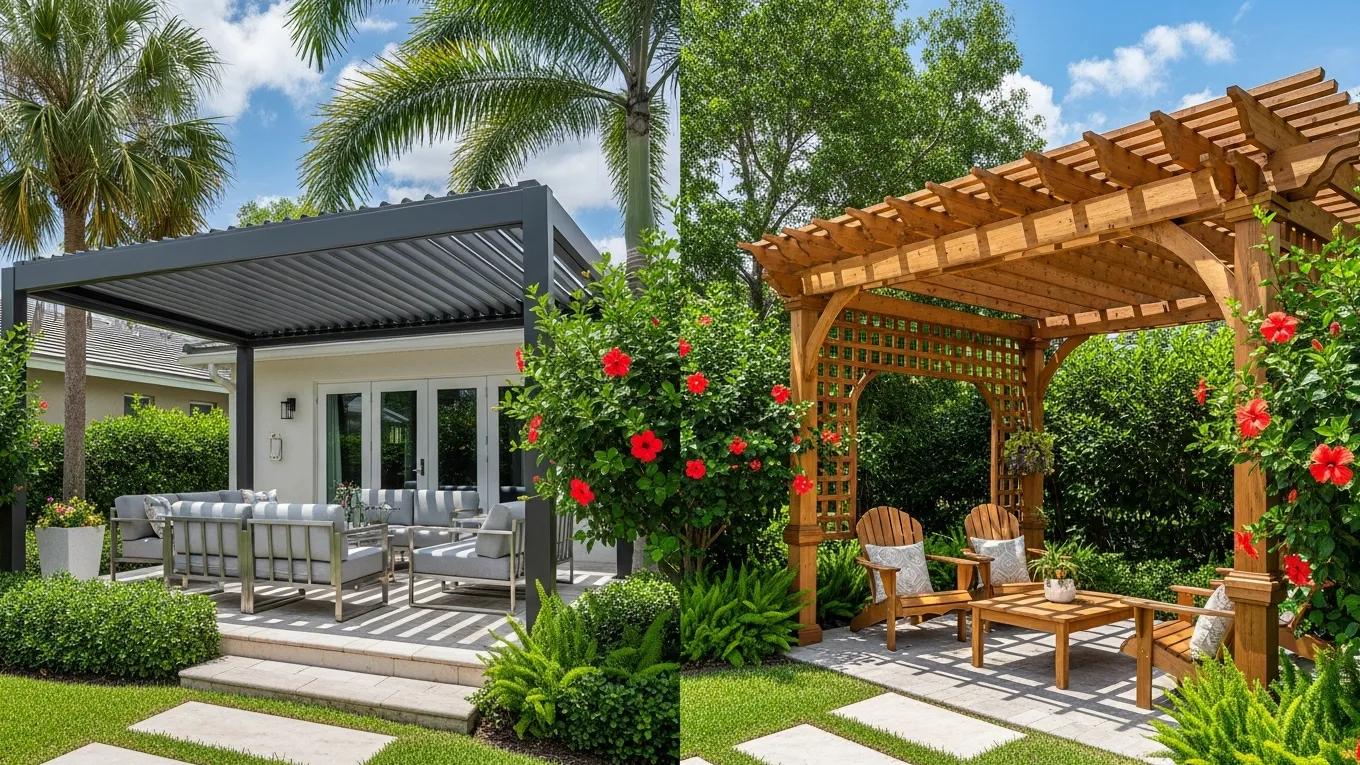
The most successful pergolas echo the architectural language of the house. A clean-lined contemporary home may call for refined steel details, broad horizontal members, and a restrained color palette. A Mediterranean or traditional residence may be better served by substantial timber beams, classic columns, detailed trim, or a warmer finish that relates to the home’s existing materials.
Look closely at the cues already present in your exterior: roof pitch, window trim, stonework, stucco color, brick, metal accents, and the geometry of patios or retaining walls. A custom pergola can repeat these details subtly rather than mimic them literally. For example, the same stone used on a fireplace or kitchen island can clad the pergola columns, creating a connection across the entire outdoor environment.
This is where a custom design approach makes a visible difference. Pre-sized structures can be practical in limited situations, but they rarely resolve the unique conditions of a premium backyard. A tailored pergola can align with doors, frame a view, fit around an existing elevation change, and create an intentional relationship with the rest of the landscape.
Select Materials for Beauty, Climate, and Care
Material selection influences the character of your pergola, its maintenance needs, and its long-term performance. There is no single best choice. The right choice depends on the desired aesthetic, local climate, exposure, and how much upkeep you want to take on.
Natural wood offers warmth and depth that are difficult to replicate. Cedar, cypress, and other durable species can bring a relaxed, resort-inspired character to a backyard, especially when paired with stone, masonry, or lush planting. Wood does require periodic attention, including sealing or refinishing, particularly in areas with strong sun, humidity, or seasonal rain.
Metal pergolas can deliver a more tailored, contemporary expression. Steel and aluminum are excellent options for sleek profiles, larger spans, and crisp architectural lines. Properly finished metal can be exceptionally durable, although the quality of fabrication and coating matters greatly in hot, humid, or coastal conditions.
Vinyl and composite materials may offer lower maintenance, but not every product has the visual presence expected in a luxury setting. They can be a good fit for a clean, classic look, yet details such as post size, beam proportions, hardware concealment, and finish quality should be examined carefully. A low-maintenance material does not automatically produce a high-end result.
For many custom projects, the strongest solution is a thoughtful combination. Timber overhead beams may be paired with masonry columns, or a metal frame may support wood accents that bring warmth to the design. The goal is a structure that looks beautiful from across the yard and feels equally considered when you are sitting beneath it.
Decide How Much Shade and Weather Protection You Need
A traditional open-slat pergola creates filtered shade and a beautiful pattern of light, but it does not provide full protection from rain or midday heat. In the Sunbelt, that distinction is central to how often the space will actually be used.
If your priority is atmosphere and architectural definition, an open roof may be exactly right. It allows breezes to move through the space and keeps the area connected to the sky. Adding climbing vines, fabric panels, or strategically placed trees can deepen the shade over time, though these options require planning and maintenance.
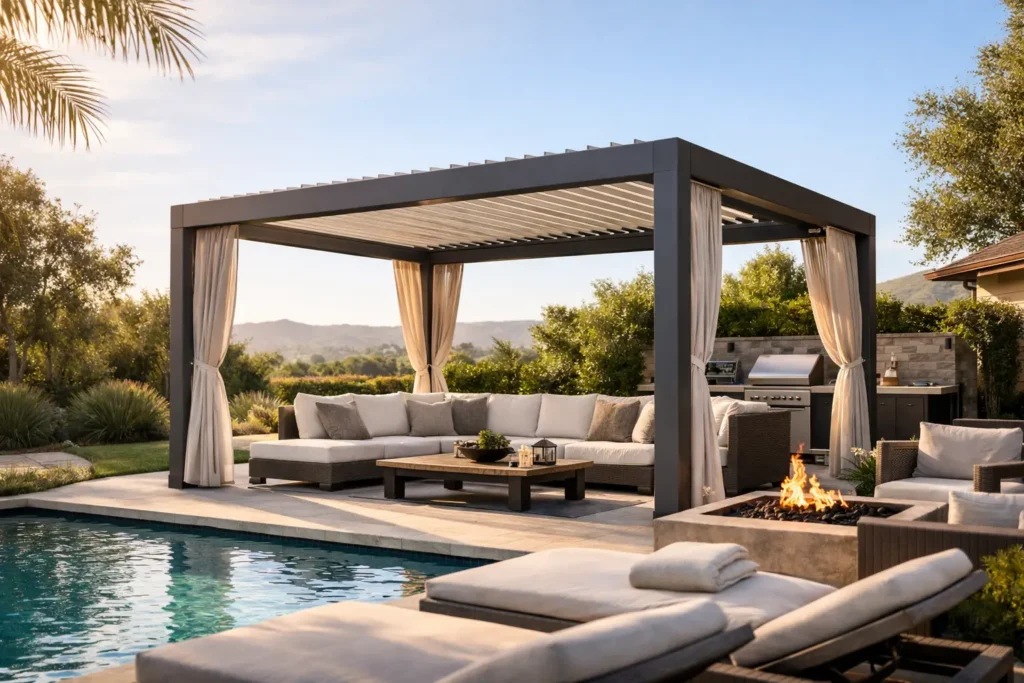
If you want greater control, consider a louvered roof system. Adjustable louvers allow you to open the roof for sunlight, tilt it for shade, or close it when rain arrives. This flexibility can make a pergola far more useful through changing seasons, especially above an outdoor kitchen or dining area where a sudden shower should not end the gathering.
A solid roof extension, pavilion-style cover, or pergola with integrated canopy may be a better investment when complete shade is the goal. The trade-off is that more coverage can reduce natural light inside adjacent rooms or make a smaller patio feel enclosed. A skilled designer will study sun angles, home orientation, and sightlines before deciding how much coverage the space truly needs.
Plan the Details That Make It Feel Complete
The difference between a pergola and a finished outdoor room often comes down to the details. Lighting should be considered before construction, not added as an afterthought. Recessed fixtures, pendant lights over a dining table, discreet uplighting on columns, and soft landscape lighting around the perimeter can create layers of warmth after sunset.
Ceiling fans are another practical consideration in warm climates. They can improve comfort under a covered structure and help move air through a seating or dining area. If you envision heaters, speakers, motorized screens, privacy drapery, or a television, make room for the electrical, structural support, and concealment required to integrate them elegantly.
Furniture deserves attention as well. A luxury pergola needs enough clearance for chairs to slide back, guests to move comfortably, and serving areas to function without feeling cramped. A dining layout, for instance, should account for more than the table footprint. It needs circulation around the table and a natural path to the house, kitchen, pool, or fire feature.
Columns can also do more than hold up a roof. They may define the edge of the room, support planters, conceal utilities, or incorporate low walls and built-in seating. These choices help the structure feel grounded in the landscape rather than placed on top of it.
Consider the Entire Backyard, Not One Structure
A pergola has the greatest impact when it is planned alongside the elements that surround it. The patio material, pool coping, outdoor kitchen finishes, fireplace, planting palette, and circulation paths should all reinforce the same design story.
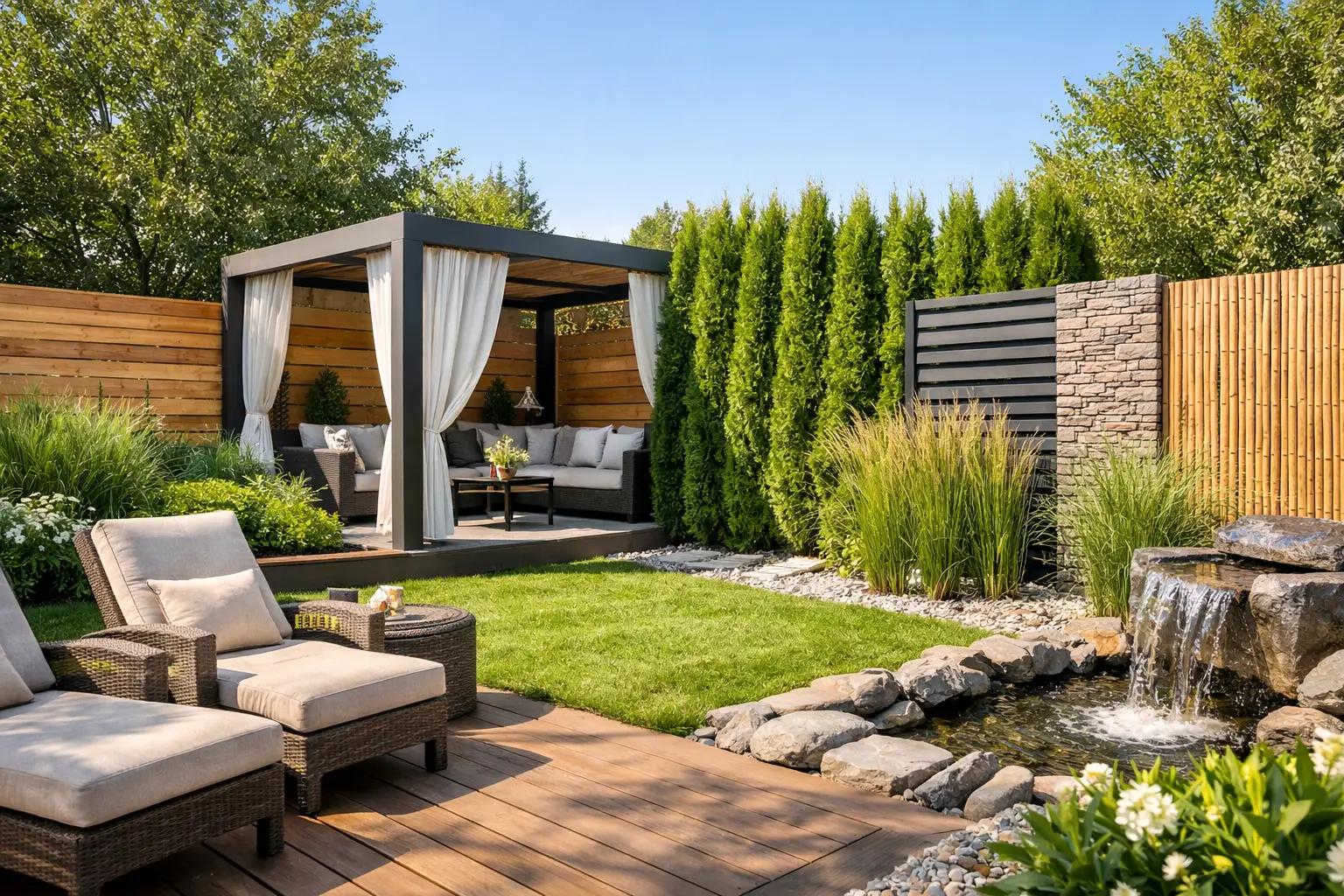
For example, placing a pergola at the transition between a kitchen and pool area can create an elegant gathering hub. Positioning it at the edge of a property can establish a private garden retreat with framed views back toward the home. On a larger property, a pergola may become one of several outdoor destinations, each designed for a distinct kind of gathering.
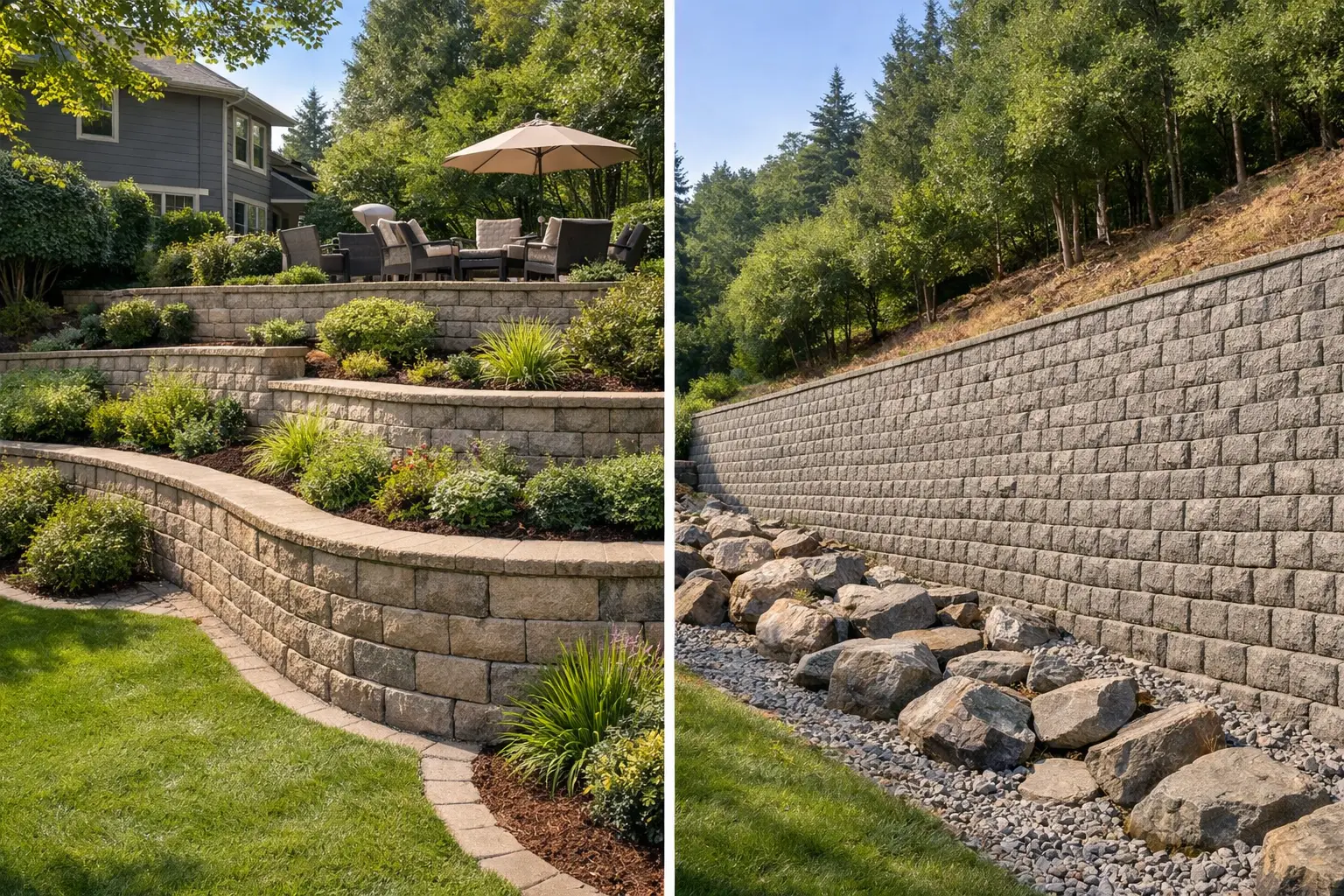
This broader perspective also prevents costly revisions. If a pool, kitchen, retaining wall, or future patio expansion is planned later, the pergola foundation, drainage, electrical layout, and placement should anticipate those plans now. Beyond Backyard Living approaches these decisions as part of a complete exterior environment, so the finished space feels composed rather than assembled in phases.
Invest in Craftsmanship Where It Shows and Where It Does Not
Luxury is visible in clean joinery, substantial proportions, aligned columns, durable finishes, and thoughtful transitions between materials. It is also visible in the details homeowners do not always see immediately: engineered footings, proper drainage, carefully planned electrical runs, weather-resistant fasteners, and construction that accounts for wind, heat, and local permitting requirements.
When comparing proposals, look beyond the headline price. Ask what is included in the foundation, finishes, lighting allowance, staining or coating, site preparation, and integration with existing hardscape. Clarify whether the dimensions are custom, how the roof system handles water, and who is responsible for coordinating the entire installation.
A less expensive structure may appear attractive at first, but shortcuts in material quality or installation can become obvious quickly under intense sun and seasonal weather. A well-built pergola should age gracefully and continue to support the way your family uses the backyard.
Your best choice is the pergola that makes the rest of the property feel more intentional. Let it frame the gathering, welcome the view, and give your home a place where people naturally want to linger.