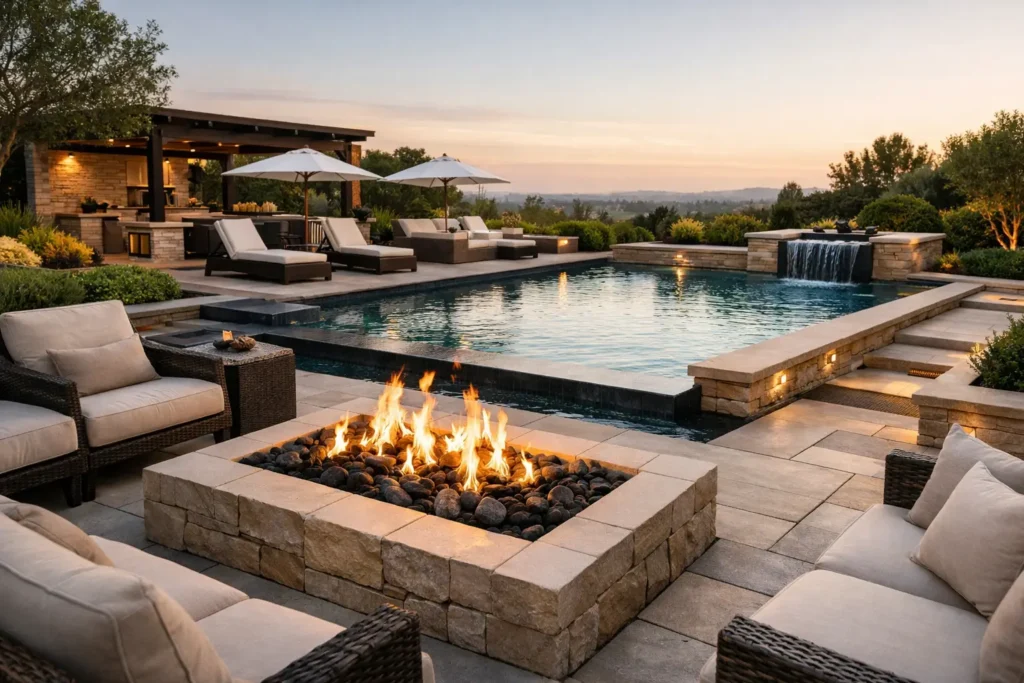
A beautiful backyard can still feel unfinished if the layout does not support the way you actually live. The right guide to luxury hardscaping starts there – not with pavers or stone samples, but with experience. How do you want the space to feel when guests arrive? Where does conversation happen? What should the view be from the pool, the kitchen window, or the covered patio after sunset?
Luxury hardscaping is what gives an outdoor environment structure, rhythm, and purpose. It shapes where people gather, how they move, and what catches the eye first. In a high-end backyard, hardscape is not background material. It is the framework that turns separate features into one cohesive retreat.
What luxury hardscaping really means
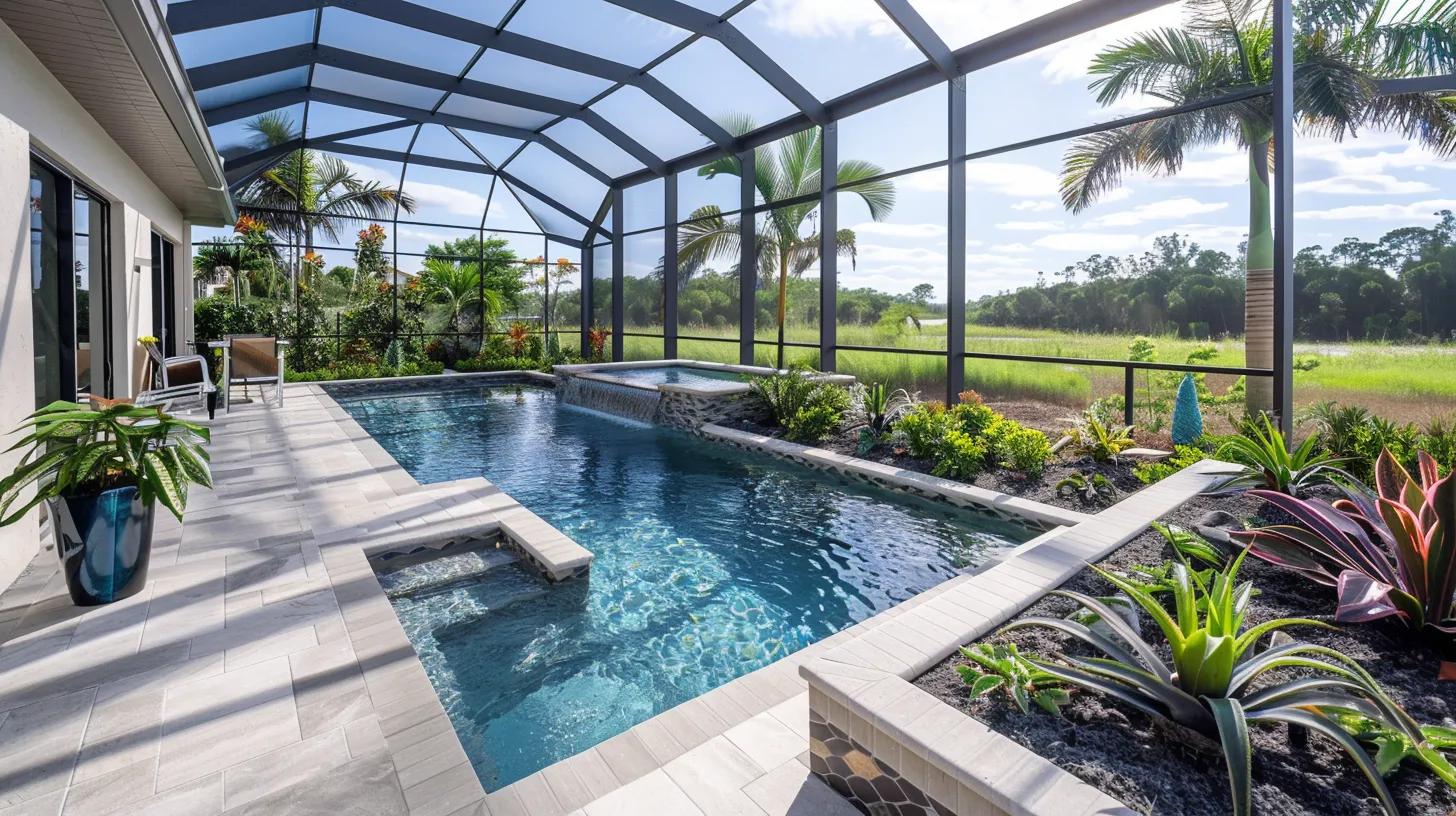
Hardscaping includes the built elements of an outdoor space – patios, walkways, retaining walls, pool surrounds, driveways, outdoor kitchens, fire features, terraces, steps, and architectural accents. What makes it luxurious is not simply the price tag or the use of premium materials. It is the level of design intention behind every surface, edge, elevation, and transition.
A luxury hardscape feels composed. The materials relate to the home. The scale fits the property. Drainage, lighting, comfort, and long-term performance are considered from the beginning, not patched in later. The result is a space that looks refined in daylight, inviting in the evening, and effortless during a gathering.
That last point matters. The best outdoor environments never feel crowded with features, even when they include a pool, spa, cooking area, fireplace, dining terrace, and garden walls. They feel balanced because every element was planned as part of a larger vision.
A guide to luxury hardscaping starts with lifestyle
Before choosing materials, it helps to answer a more valuable question: what kind of outdoor life are you building for?
Some homeowners want a backyard centered on entertaining, with wide patios, an outdoor kitchen, bar seating, and a fire feature that keeps the evening going. Others want a quieter retreat with shaded lounge areas, a spa, soft lighting, and architectural stonework that creates privacy without closing off the landscape. Families may need durable surfaces, open circulation, and room for recreation. Empty nesters may prioritize comfort, elegance, and low maintenance.
There is no single formula for luxury. A grand travertine terrace can feel excessive if no one uses it. A smaller, beautifully proportioned patio with integrated seating and thoughtful lighting may deliver far more daily enjoyment. This is where custom design separates a luxury project from a standard install. It responds to the property, the architecture, and the habits of the people living there.
The core elements that shape a high-end outdoor space
Patios and terraces usually anchor the entire composition. They create the primary living zone and often determine how the rest of the yard will function. In luxury projects, the patio is rarely treated as a flat slab with furniture placed on top. It is designed as an outdoor room, often with subtle zoning for dining, lounging, and conversation.
Walkways do more than connect point A to point B. They guide movement, frame views, and create a sense of arrival. A front walk can elevate curb appeal, while a garden path can slow the pace and make the landscape feel more immersive. Width, material choice, edge detail, and lighting all influence whether the path feels ordinary or elevated.
Retaining walls and grade changes are another opportunity to bring sophistication into the design. On sloped properties, they solve practical challenges while adding structure and visual depth. On flatter sites, low walls can define outdoor rooms, frame planting beds, or provide extra seating. The difference between purely functional and truly beautiful often comes down to proportion, material selection, and how well the wall integrates with the rest of the space.
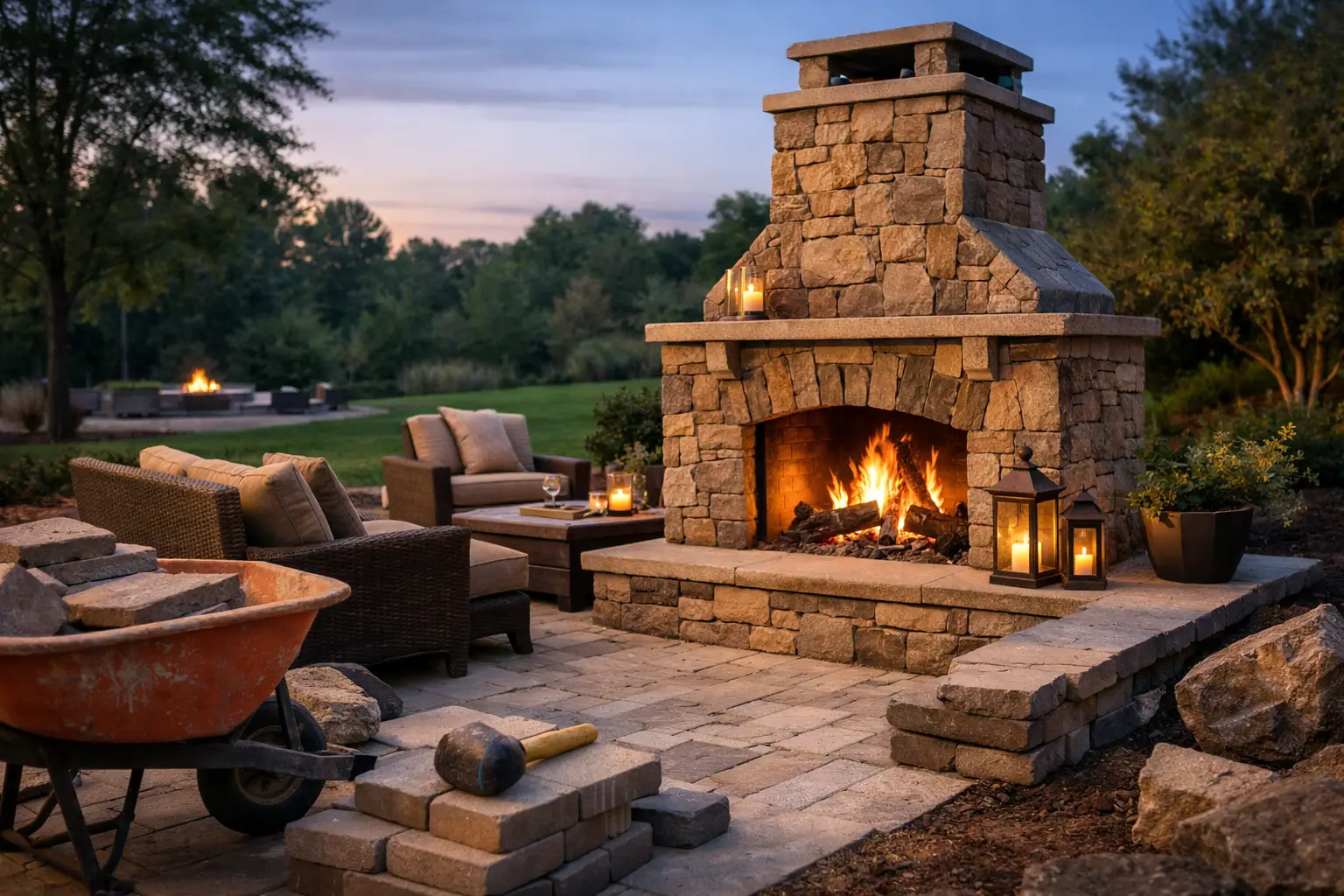
Fireplaces, fire pits, and outdoor kitchens tend to become social magnets. These are not add-ons in a luxury setting. They are focal points that deserve proper placement, comfortable circulation, and finishes that match the surrounding hardscape. A pizza oven or full-service cooking station can transform a patio into the heart of the home, but only if the design allows the host to cook, serve, and connect with guests comfortably.
Materials matter, but composition matters more
Natural stone, porcelain pavers, brick, poured concrete, and high-end segmental systems can all work beautifully. What matters most is how the materials are used together.
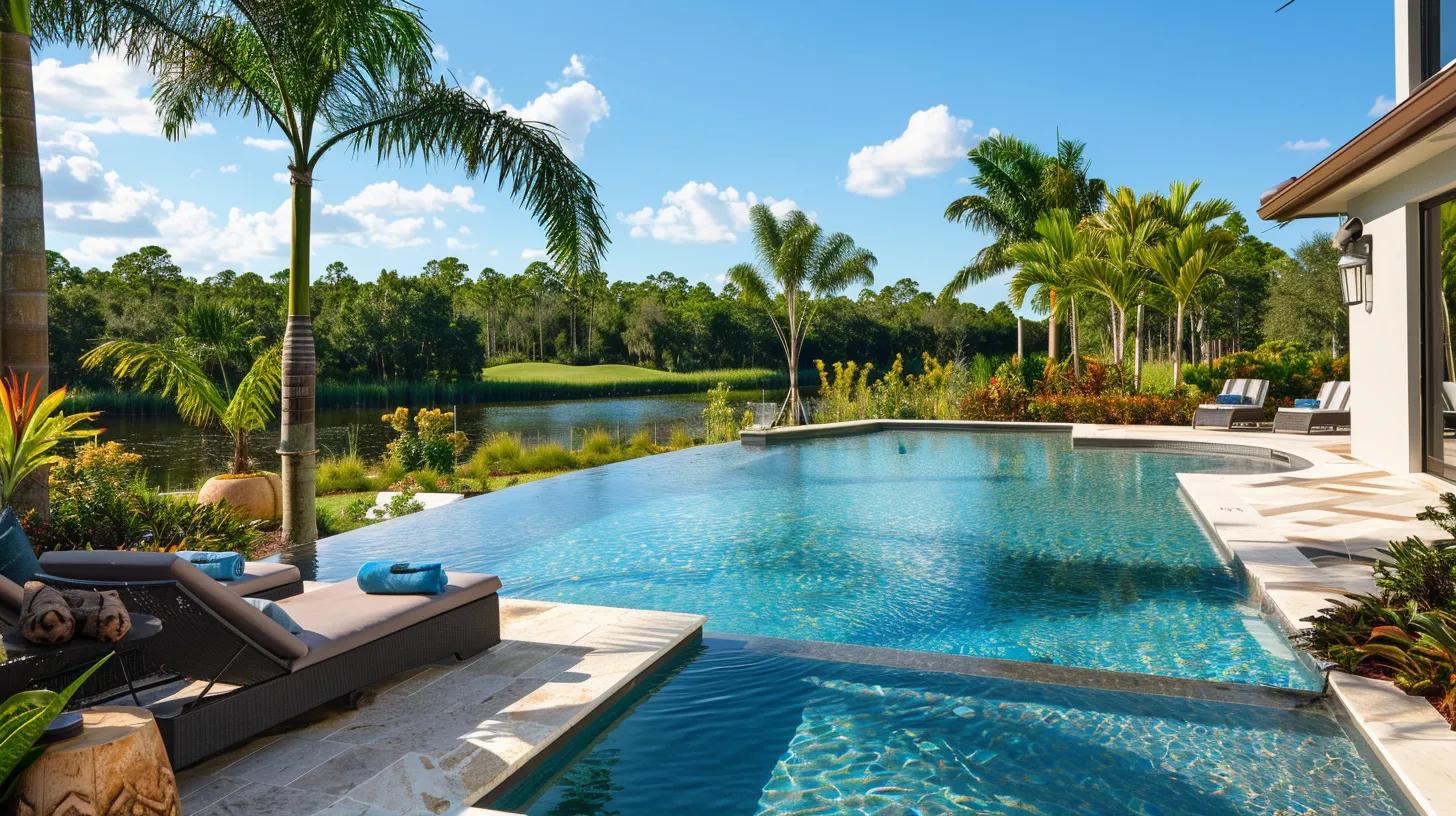
Natural stone offers depth, variation, and a timeless quality that many luxury homeowners want. Travertine remains popular around pools and patios because it stays relatively cool underfoot and delivers a clean, upscale look. Bluestone can feel rich and architectural. Limestone can read as soft and sophisticated. Each option brings a different mood, and each comes with maintenance and climate considerations.
Porcelain has gained ground for good reason. It offers a sleek aesthetic, strong durability, and excellent consistency. For some homes, that cleaner, more contemporary finish is exactly right. For others, it can feel too precise without warmer elements to balance it.
This is where design judgment becomes critical. A luxury hardscape does not rely on expensive materials alone. It uses contrast, repetition, scale, and restraint. Sometimes one statement material carries the design more elegantly than a mix of too many textures competing for attention.
Why layout is the real luxury
Large backyards can be surprisingly difficult to design well. Without a clear plan, they become a collection of disconnected destinations. One patio sits near the house, a fire pit lands somewhere in the lawn, and the pool occupies its own zone with little relationship to anything else.
The real luxury is flow.
A strong layout creates transitions that feel natural. You move from indoor kitchen to outdoor dining without a bottleneck. You step from the pool to a shaded lounge area on a surface that feels intentional and comfortable. You can see the fire feature from the main seating area. You do not cross service zones to reach relaxation zones. Even drainage and grading work quietly in the background to protect the investment and preserve the visual finish.
This is one reason full-property planning matters so much. When hardscaping is designed as part of a larger exterior vision, the space feels calm, polished, and complete.
The hidden details behind a refined finish
The most impressive hardscapes often get their edge from details people do not immediately name, but always notice.
Joint spacing, border treatments, stair dimensions, coping selection, and the way one material meets another can either elevate the design or flatten it. Integrated lighting changes how stone reads at night and extends the usefulness of the space. Drainage planning protects surfaces and prevents the kind of staining, pooling, or shifting that cheapens the result over time.
Comfort matters, too. In warm Sunbelt climates, surface temperature is not a minor issue. Certain materials perform better in direct sun. Shade structures, pergolas, pavilions, and thoughtful orientation can make a hardscape far more livable in the middle of summer. Luxury is not only visual. It is how the space performs on a hot afternoon, during a heavy rain, or when twenty people are moving through it during a party.
Budget, value, and where to invest first
Luxury hardscaping is a significant investment, and that is exactly why planning matters. A well-designed project adds enjoyment, curb appeal, and long-term value, but not every dollar carries equal impact.
Foundational surfaces and layout typically deserve priority over decorative extras. If the patio is undersized, the circulation is awkward, or the grading is unresolved, no amount of accessories will make the space feel high-end. On the other hand, when the core hardscape is strong, you can phase in additional features over time without compromising the overall vision.
It also helps to think beyond installation cost. Some materials require more maintenance. Some features need gas, electrical, or plumbing coordination that affects the budget early. A design-build approach often saves frustration because those considerations are addressed before construction begins, rather than after selections have already been made.
For homeowners seeking a truly cohesive outdoor transformation, the value is not just in the stonework itself. It is in having every detail planned to work together.
Choosing the right team for a luxury hardscaping project
A high-end outdoor space asks for more than technical installation. It requires vision, craftsmanship, and the ability to see the entire property as one living environment.
That means looking for a team that can design and build, not just quote square footage. Ask how they approach flow, materials, drainage, lighting, and feature integration. Ask to see work that reflects a complete outdoor lifestyle, not isolated patios. Luxury projects succeed when the people behind them understand both construction and composition.
At Beyond Backyard Living, that full-property mindset is what turns a backyard project into a destination for gathering, relaxing, and celebrating at home.
If you are planning your own guide to luxury hardscaping, start with the life you want to live outside, then build the framework worthy of it.