Day: September 14, 2026

  • Motorized Louvered Pergolas in Florida: Hurricane-Rated Engineering, Smart Sensor Integration & Cost Insights

    Motorized Louvered Pergolas in Florida: Hurricane-Rated Engineering, Smart Sensor Integration & Cost Insights

    By Terrance Schabilion, Beyond Backyard Living – Custom Pool Builder Spring Hill FL

    Motorized louvered pergolas are becoming increasingly popular in Florida, especially due to their design flexibility and enhanced functionality. These structures combine luxury with practicality, allowing homeowners to enjoy their outdoor spaces regardless of weather conditions. In this article, we will explore the hurricane-rated engineering behind these pergolas, delve into smart sensor technology, and provide an insightful cost guide for prospective buyers. This comprehensive analysis will help you understand how you can enjoy outdoor living while ensuring the structural integrity and investment value of your installation. We’ll discuss essential topics such as building codes, benefits of aluminum construction, and the automation features offered by modern sensor systems. This guide is tailored for anyone looking to elevate their outdoor living experience while maintaining peace of mind during hurricane season.

    Hurricane-Rated Engineering
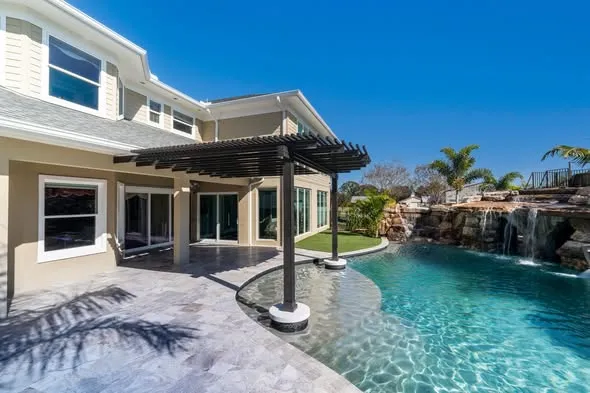
    Modern outdoor living space featuring large-format porcelain pavers with elegant dining setup in Florida

    The engineering standards for hurricane-rated motorized louvered pergolas are critical for ensuring their durability and safety. These structures need to withstand high wind speeds and resist the harsh weather conditions common in Florida. By adhering to specific Florida building codes and ASTM standards, manufacturers can guarantee that their products meet stringent safety requirements. The use of robust materials and design features, like reinforced joints and aerodynamic shapes, enhances the wind resistance of these structures, ensuring they remain intact even during severe storms.

    Which Florida building codes and ASTM standards apply to pergola hurricane resistance?

    Florida has unique building codes that require outdoor structures to meet specific hurricane resistance standards. The Florida Building Code (FBC) lays out these requirements, which are designed to protect residents from the impacts of severe weather. Additionally, compliance with ASTM standards, such as ASTM E330 for structural performance under wind load, is crucial for ensuring safety. Pergola manufacturers must design their products to endure local weather extremes, which involves rigorous testing and documentation to prove compliance.

    How does aluminum construction enhance durability against storms?

    Aluminum construction is favored in hurricane-rated pergolas due to its exceptional strength-to-weight ratio and corrosion resistance. Unlike wood, which can deteriorate over time or warp under moisture, aluminum remains structurally sound even in adverse weather. Its lightweight nature makes it easier to handle during installation, and its durability ensures longevity with minimal maintenance. Homeowners can have peace of mind knowing that their aluminum pergola can withstand operational stresses during storms while also providing an elegant outdoor solution.

    Smart Sensor Integration
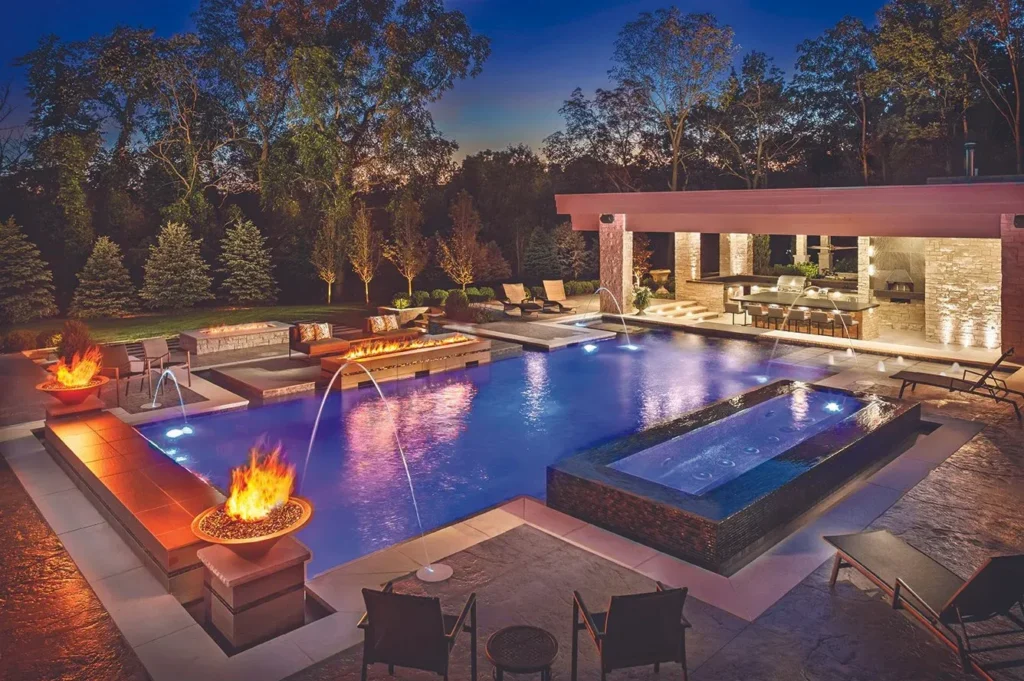
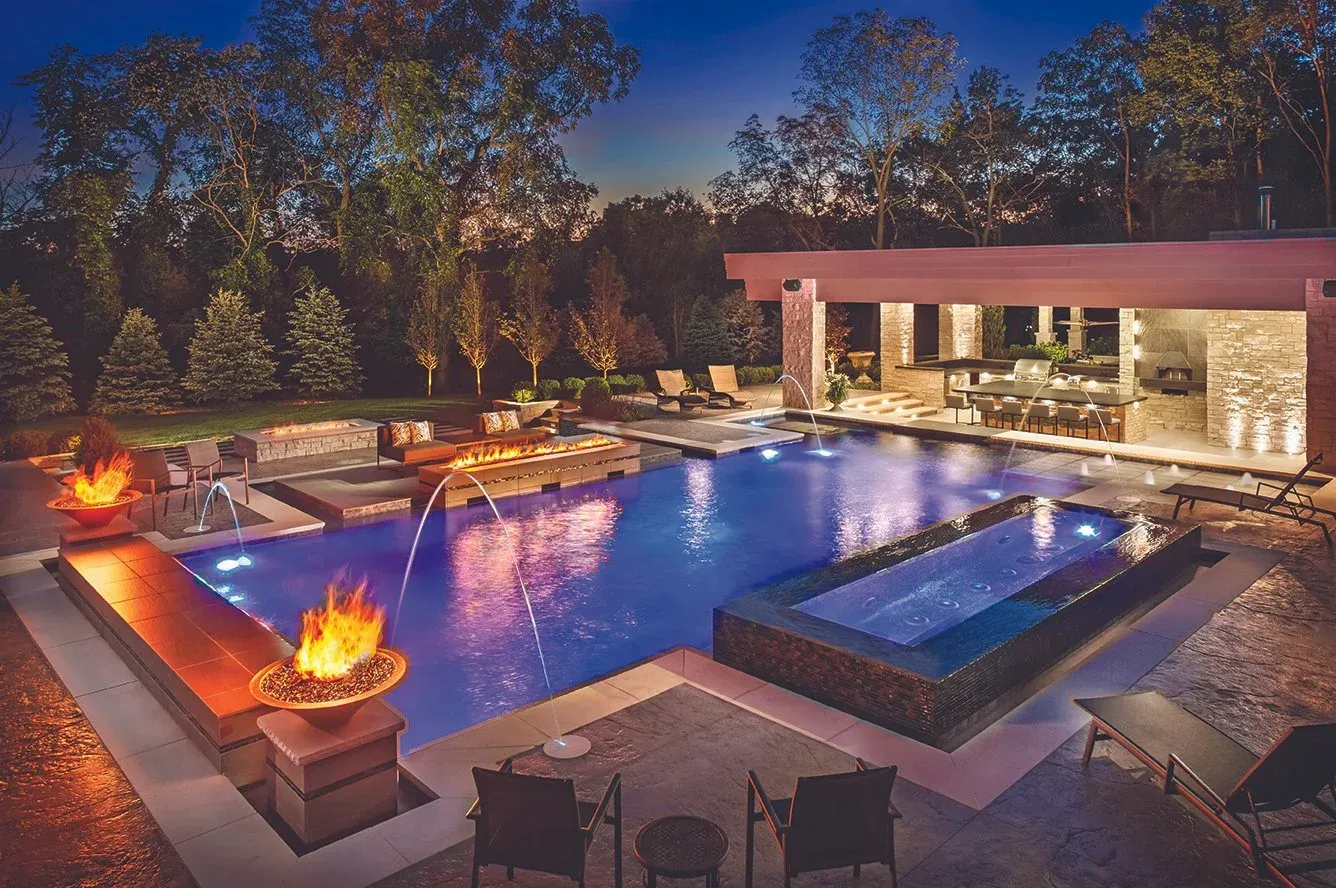
    Luxurious backyard pool area with outdoor kitchen, spa, and fire features at dusk.

    Smart sensor integration in motorized louvered pergolas significantly enhances user experience by automating adjustments to environmental changes. These sensors intelligently manage louver positions based on real-time weather conditions, ensuring optimal shading and ventilation. By integrating smart home technology, users can control their pergolas remotely, improving convenience and comfort during all seasons.

    How do smart sensor pergola systems automate outdoor living comfort?

    Smart sensor systems automatically adjust the angle of the louvers based on sunlight intensity and rain detection, providing optimal comfort. For example, when sensors detect increasing sunlight, the louvers can be adjusted to provide shade, keeping your outdoor space cool. In the event of rain, the system can either close the louvers completely or adjust them to minimize water entry, ensuring that you can relax outside under various conditions. This technology means less manual effort when it comes to managing your outdoor environment.

    What types of sensors control motorized louvers for weather response?

    Different sensors work together to optimize the performance of motorized louvered pergolas. Weather sensors can detect rain and direct sunlight, automatically triggering adjustments in the louver’s settings. Temperature sensors also play a role, ensuring that your outdoor space remains comfortable by regulating heat exposure. These intelligent systems provide an advanced level of convenience, ensuring that outdoor spaces are usable year-round.

    Cost Insights

    When considering the addition of a motorized louvered pergola, understanding the associated costs is crucial. The investment ranges can vary based on numerous factors, including material choice, design complexity, and additional features such as smart sensors. While these structures are seen as a premium upgrade for outdoor spaces, they also offer long-term benefits, including energy efficiency and increased property value.

    What is the typical cost range for luxury motorized louvered patio covers in Florida?

    The cost for luxury motorized louvered patio covers in Florida typically ranges from $20,000 to $75,000, depending on various factors. Customization options greatly influence the final price, including materials used, size, and features such as integrated lighting and smart systems. Homeowners should consider this investment as it not only enhances their outdoor living space but also adds significant value to their property.

    What is the turnkey design to build process for custom motorized pergolas?

    The turnkey process involves several key phases to ensure a seamless installation experience for homeowners. It starts with design consultations, where clients can visualize their project using 3D immersive software. This technology allows for adjustments in real-time, ensuring the final product meets all aesthetic and functional requirements.

    How does 3D immersive design consultation enhance project visualization?

    3D immersive design consultations allow homeowners to engage actively in the design process. They can see how different materials, colors, and styles will look in their space before construction begins. This interaction not only increases satisfaction with the final product but also helps identify any necessary modifications ahead of time, reducing the likelihood of costly changes during installation.

    What are the steps for permitting, engineering, and installation?

    The installation process typically requires multiple steps, starting with obtaining the necessary permits from local authorities. Following permit approval, engineering assessments determine the right specifications for the specific site conditions. Finally, the construction phase involves skilled labor for proper installation, ensuring that the pergola meets all safety standards and client expectations. Each step is crucial for creating a product that is both beautiful and durable against the elements.

    ComponentAttributeValue
    House IntegrationArchitectural StyleCompatible with various styles
    MaterialsAluminum SpecsCorrosion-resistant alloy
    Sensor SystemsTypeWeather-sensitive automation

    This table illustrates how different components contribute to the overall functionality and appeal of motorized louvered pergolas. By incorporating advanced materials and technology, homeowners can enjoy their outdoor spaces, knowing they are equipped to handle Florida’s unique weather challenges.
  • Luxury Custom Outdoor Kitchen Bar Seating & Islands in Florida: Cantilever, Overhang, and Ergonomic Design for Ultimate Comfort

    Luxury Custom Outdoor Kitchen Bar Seating & Islands in Florida: Cantilever, Overhang, and Ergonomic Design for Ultimate Comfort

    By Terrance Schabilion, Beyond Backyard Living – Custom Pool Builder Spring Hill FL

    Creating a luxury custom outdoor kitchen is an excellent way to enhance your outdoor living experience, especially in Florida’s beautiful climate. With an emphasis on ergonomics and stylish design, the integration of cantilevers and overhangs provides both functionality and aesthetic appeal. This article will guide you through the essential considerations for designing outdoor kitchen and islands, focusing on optimal dimensions, materials, and the benefits of ergonomic design. As we delve into these topics, you’ll discover how thoughtful design can create inviting spaces for social gatherings and personal enjoyment. We’ll explore critical ergonomic standards, the effectiveness of cantilever designs, material choices that elevate aesthetics and durability, and the turnkey process involved in bringing your outdoor kitchen vision to life.

    What Are the Key Ergonomic Standards for Poolside Outdoor Kitchen Bar Seating in Florida?

    Ergonomic standards in outdoor kitchen bar seating are vital for ensuring comfort and usability. Understanding how these standards influence design allows for more enjoyable social interactions and longer periods spent enjoying the outdoor space. Ergonomics focuses on promoting physical ease while also fostering social connectivity, essential for outdoor kitchens that aim to host gatherings and parties.

    Which Dimensions Ensure User Comfort in Custom Outdoor Kitchen Seating?

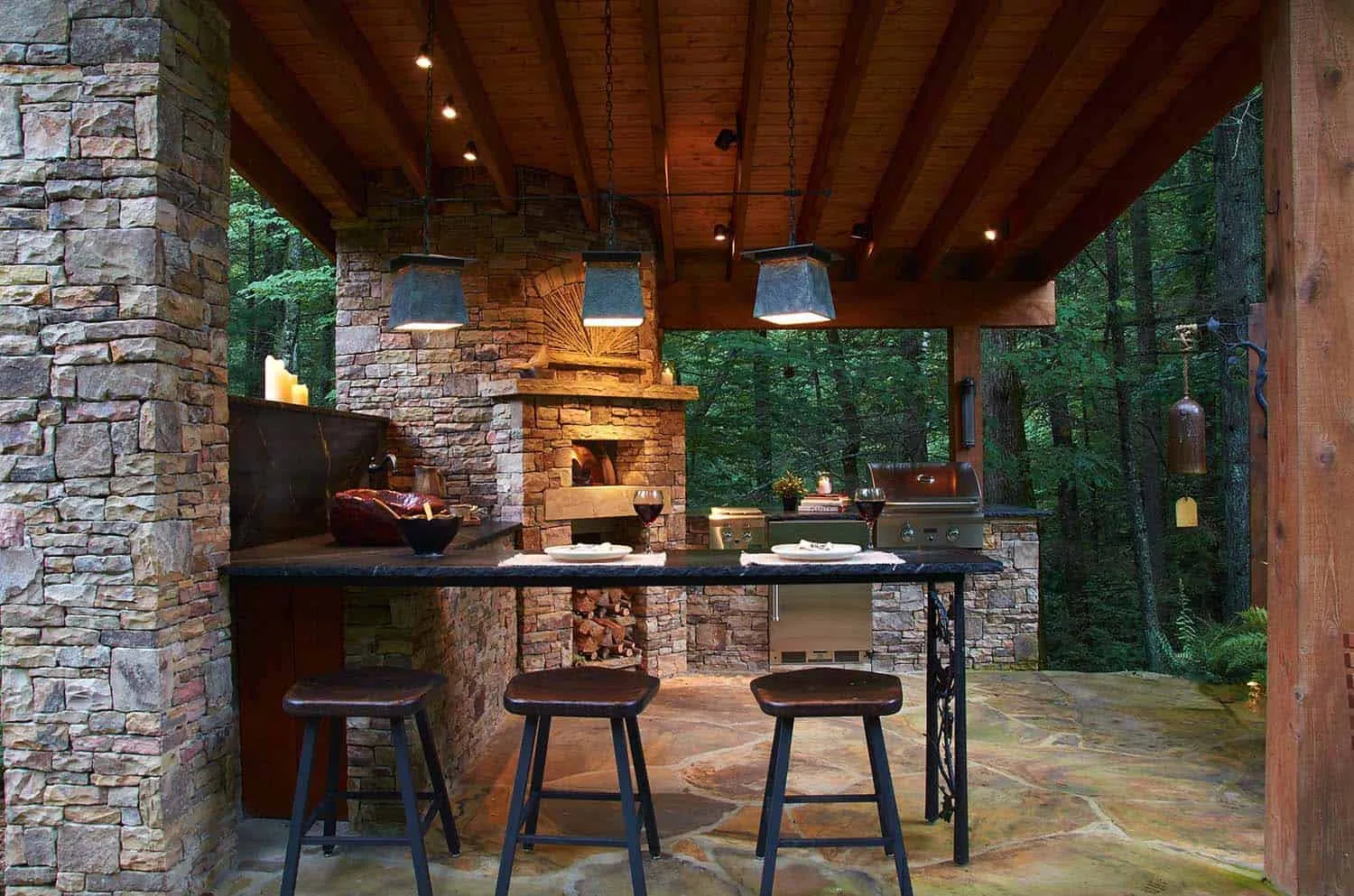
    Luxury outdoor kitchen showcasing a custom pizza oven integrated with elegant design and landscaping

    To promote comfort in outdoor kitchen bar seating, specific dimensions are recommended. Typically, the seating height should be around 30 inches with a bar height of 42 inches. The distance between the seat and the bar should also be considered; a minimum of 10 inches of leg clearance is ideal for comfort. Additionally, this arrangement allows for ease of movement, encouraging longer and more enjoyable dining experiences.

    How Do Ergonomics Improve Social Gatherings Around Outdoor Kitchen Islands?

    Ergonomics significantly enhance social interactions around “outdoor kitchen islands” by creating spaces designed for conversation and ease of access. By positioning seating to face one another and providing ample space for food and drink placements, guests feel more connected. Comfortable seating arrangements and appropriate heights facilitate natural socializing, turning ordinary meals into enjoyable gatherings. These design principles invite guests to linger, enhancing the overall outdoor dining experience.

    How Does Cantilever and Overhang Design Enhance Luxury Outdoor Kitchen Islands?

    Cantilevers and overhangs serve as integral design elements for luxury outdoor kitchen islands. These features not only add architectural interest but also enhance the usability and accessibility of the space. A well-designed overhang can provide shade, protection from the elements, and a place for guests to gather without feeling cramped.

    What Are Safe and Stylish Overhang Dimensions for Florida Outdoor Kitchens?

    When designing overhangs for outdoor kitchens, safety and style are paramount. Overhangs should ideally extend 12 to 18 inches beyond the edge of the counter to provide adequate coverage. This dimension ensures functionality without compromising aesthetic appeal, allowing for a seamless blend of safety and beauty. Additionally, it offers ample headroom and prevents the risk of accidental bumps for users.

    Why Is Engineered Structural Support Critical in Cantilever Design?

    Engineered structural support is crucial in cantilever designs to ensure safety and longevity. These structures must be properly designed to withstand various loads, including the weight of countertops and users. Utilizing materials like steel reinforcements within granite countertops ensures stability while maintaining an open, airy feel. Poor support can lead to structural failures, making it essential to consult with professionals in the design phase.

    Which Premium Materials Elevate Custom Outdoor Kitchen Bar Seating and Islands in Florida?

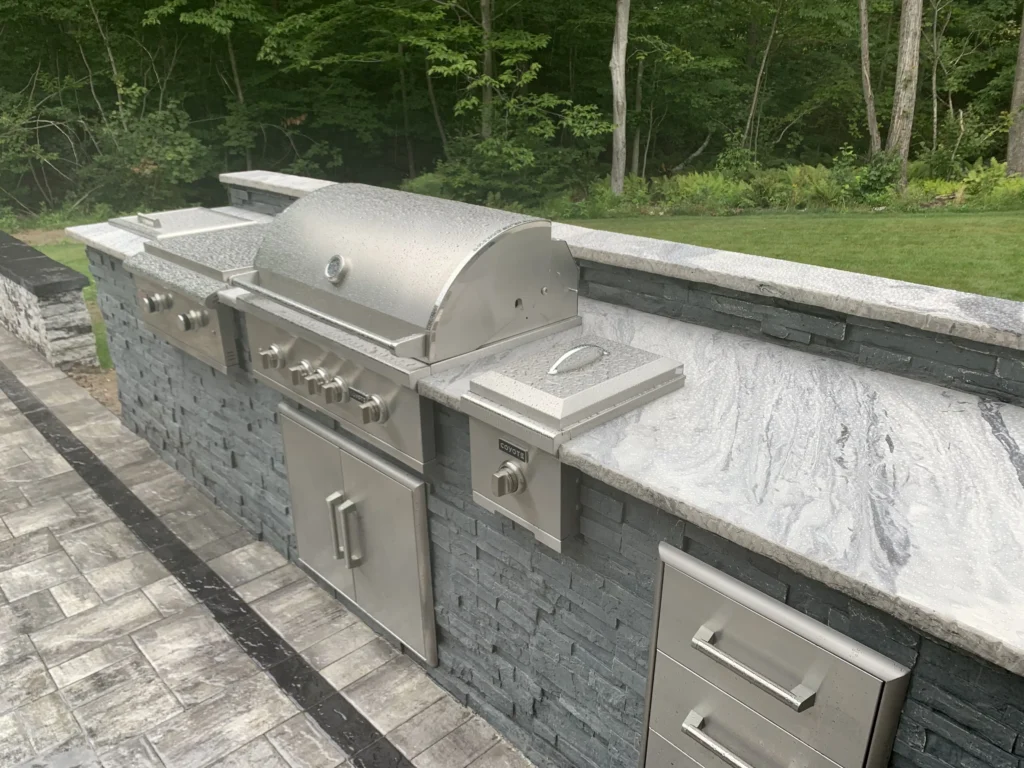
    Display of marine-grade stainless steel and other materials for premium outdoor kitchen vent hoods

    The choice of materials for outdoor kitchens greatly affects the design’s durability and aesthetics. High-quality materials not only enhance the appearance of the space but also contribute to longevity and ease of maintenance.

    Why Choose Granite, Natural Stone, and Stainless Steel for Outdoor Kitchens?

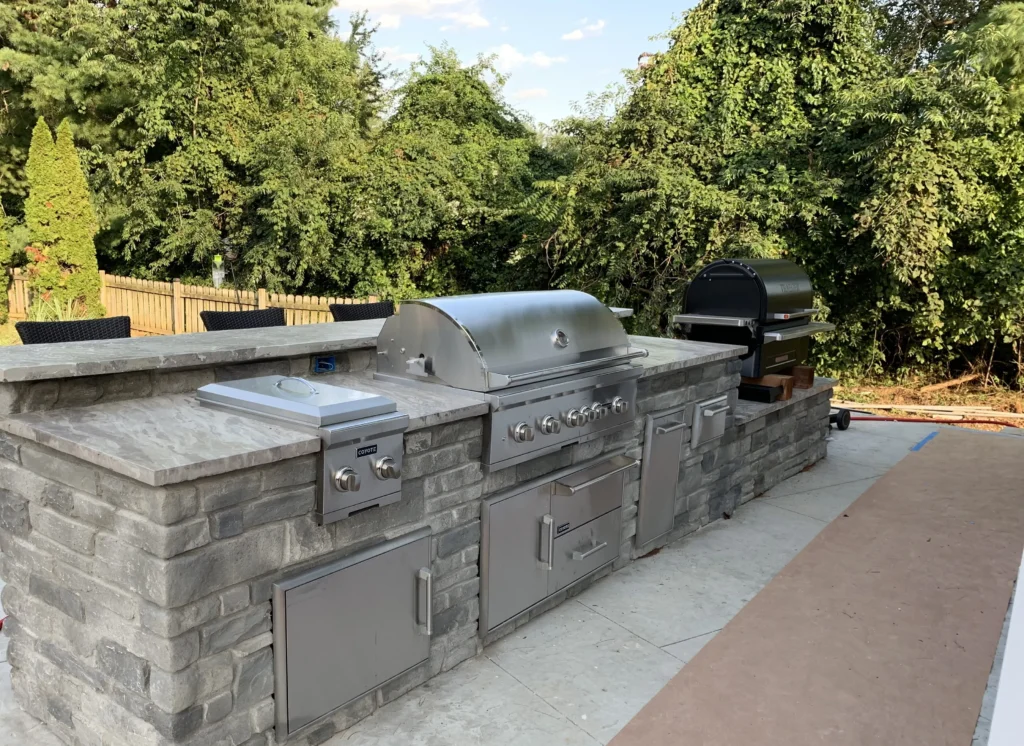
    Granite, natural stone, and stainless steel are excellent choices for outdoor kitchen structures due to their durability and resistance to weather conditions. Granite countertops are scratch-resistant and come in various colors, allowing for personalized design choices. Natural stone adds a rustic charm, while stainless steel fixtures provide a modern touch and are easy to clean. These materials endure the elements, ensuring that your outdoor kitchen remains beautiful over the years.

    How Do Material Choices Influence Maintenance and Longevity of Kitchen Islands?

    Selecting appropriate materials substantially impacts the maintenance needs and lifespan of outdoor kitchen islands. Granite surfaces require sealing to prevent stains but are generally low-maintenance. On the other hand, natural stone may need regular cleaning to retain its appearance, while stainless steel can be easily wiped down to remove fingerprints. By understanding these factors, homeowners can make informed decisions that balance luxury and practicality in their outdoor kitchens.

    What Is the Turnkey Process for Designing and Building Luxury Outdoor Kitchen Islands?

    The process of designing and building luxury outdoor kitchen islands is intricate and requires thorough planning. A turnkey approach simplifies this process, offering homeowners a streamlined experience from concept to completion.

    How Does 3D Design Optimize Custom Kitchen Bar Seating and Ergonomics?

    Utilizing 3D design technology allows for a detailed visualization of the space before construction begins. This method optimizes the layout for kitchen bar seating and ergonomics, ensuring that every seat is positioned for comfort and usability. By simulating various designs, homeowners can easily modify features like overhangs and seating arrangements, resulting in a more efficient design process that meets all functional needs.

    What Steps Ensure Seamless Engineering and Installation of Outdoor Kitchen Features?

    The installation of outdoor kitchen features requires meticulous planning and execution. Key steps include conducting site assessments, establishing engineering specifications, and ensuring compliance with local codes. A well-rounded project management plan should also focus on quality control throughout the installation process. Final inspections ensure that all implemented features, such as seating and overhangs, are not only functional but also meet the design expectations set forth in the planning stages.

    Material TypeDurabilityAesthetic Appeal
    GraniteHighly resistantLuxurious and classic
    Natural StoneWeather-resistantRustic and elegant
    Stainless SteelCorrosion-resistantModern and sleek

    Choosing high-quality materials not only enhances the aesthetic value of outdoor kitchens but also ensures they withstand the test of time, allowing homeowners to enjoy their investments for years to come.

    Each of these considerations emphasizes the importance of thoughtful design and quality materials, ensuring the outdoor kitchen becomes a cherished part of your living space. Beyond Backyard Living Creations specializes in creating bespoke outdoor kitchen solutions, ensuring your outdoor space is both functional and luxurious, aligning perfectly with the needs of modern homeowners. From custom “outdoor kitchen islands” to ergonomic bar seating tailored to your taste, investing in a well-designed outdoor kitchen promises rewards that go beyond mere aesthetics.

  • Luxury Plunge and Cocktail Pools in Florida: Compact Designs with Heating and Setback Compliance Guide

    Luxury Plunge and Cocktail Pools in Florida: Compact Designs with Heating and Setback Compliance Guide

    By Terrance Schabilion, Beyond Backyard Living – Custom Pool Builder Spring Hill FL

    As the allure of outdoor living spaces continues to grow, compact luxury plunge pools and cocktail pools have emerged as popular choices for homeowners in Florida. These pools not only maximize available space but also elevate the aesthetic appeal of smaller backyards. In this guide, we will explore the unique advantages of these types of pools, the heating solutions that ensure year-round enjoyment, and the local regulations that may influence pool installation. Additionally, we’ll highlight the turnkey process that sets custom pool projects apart, specifically through the expertise offered by Beyond Backyard Living Creations, a premier custom pool design-build contractor in the region.

    What Are the Advantages of Compact Luxury Plunge and Cocktail Pools in Florida?

    Compact luxury plunge and cocktail pools offer numerous advantages for homeowners, particularly in Florida’s warm climate. These pools optimize space while still allowing for immersion and relaxation. Not only do they enhance the visual appeal of small outdoor areas, but they also present low-maintenance requirements. Homeowners can enjoy a luxury experience without the extensive upkeep often associated with larger pools.

    Beyond Backyard Living Creations specializes in creating high-end plunge and cocktail pools designed specifically for Florida’s climate and backyard layouts. Custom features unique to each project can significantly increase property value and enjoyment, making these pools a worthwhile investment for homeowners seeking to enhance their outdoor living experience.

    How Do Plunge and Cocktail Pools Enhance Small Backyard Spaces?

    Plunge and cocktail pools are ideal for enhancing small backyard spaces by providing a visually appealing focal point without overwhelming the area. Their compact size means they can fit seamlessly alongside outdoor kitchens, fire pits, or lounging areas, creating a cohesive outdoor environment. Additionally, creative design elements such as natural stone finishes and integrated lighting can transform a modest space into a luxurious retreat.

    Homeowners can also leverage these pools for entertaining, merging relaxation with social gatherings. The availability of unique features like waterfall edges further enriches the aesthetics and ambiance. Increasingly, small backyard pools not only serve utility but also enhance overall property value, making them a sound choice for homeowners in Florida looking to invest wisely in their properties.

    Compact footprints can also incorporate vertical drama beautifully by integrating pool fire and water bowls, adding both warmth and dynamic visual interest to the evening ambiance without sacrificing valuable floor space. A natural contextual addition is the use of luxury water and fire features in Florida, which seamlessly blend aquatic elegance with cozy fire accents to create an inviting resort-style atmosphere in even the most compact pool settings.

    In terms of construction, it’s valuable to consider the differences between Naturi sand pools and traditional gunite shells when installing in compact backyards. The choice affects installation time, durability, and design flexibility; learn more about these distinctions in the Naturi sand pools vs traditional gunite comparison.

    Effective management of slope changes in compact yard excavation can be achieved using retaining walls and sloped hardscape terracing, which help create functional flat areas while adding architectural interest and maintaining proper drainage.

    When comparing edge profiles, plunge pools typically feature distinct basin edges that highlight water level changes, whereas perimeter overflow and zero-edge luxury pools boast seamless water-level aesthetics that create a continuous water surface, enhancing the illusion of boundlessness and modern elegance.

    Selecting the right pool surround is essential not only for safety but also for style and comfort. Many homeowners choose slip-resistant travertine and porcelain pool decking for their barefoot-friendly luxury deck surfaces, as these materials combine durability with elegant natural textures that are ideal for Florida’s outdoor environments. Additionally, proper travertine pool deck sealing in Florida protects the stone from water absorption and staining, ensuring long-lasting beauty and performance in the humid climate. A natural contextual comparison of travertine, porcelain, and concrete pool deck materials highlights their differing benefits in terms of heat reflection, durability, and aesthetic appeal, helping homeowners make informed choices for their compact patio decking around cocktail pools.

    Compact plunge pools also benefit greatly from smart pool automation and mobile app controls, allowing homeowners to remotely manage temperature pre-heating, pump control, and other equipment settings for optimal convenience and energy efficiency.

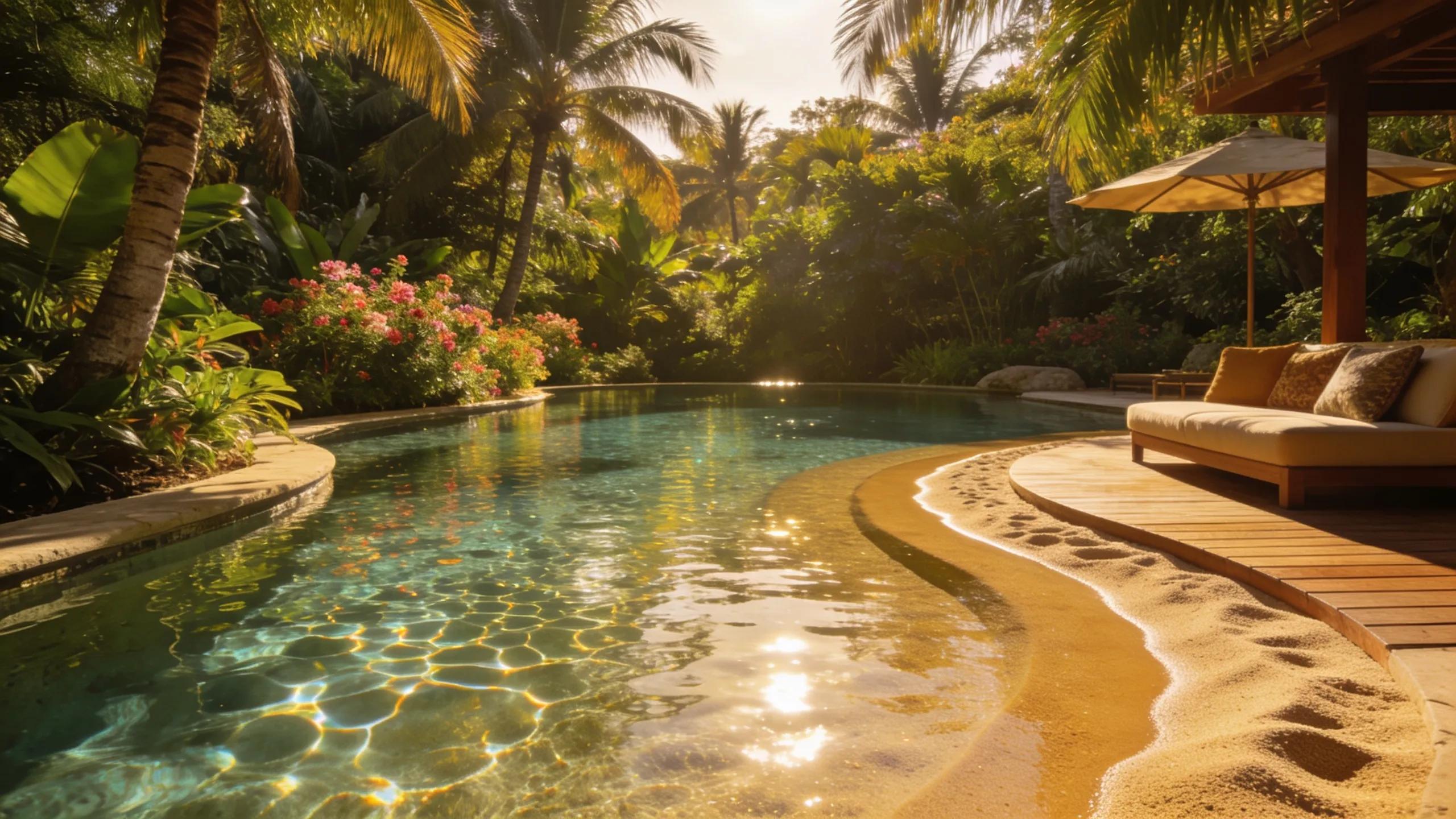
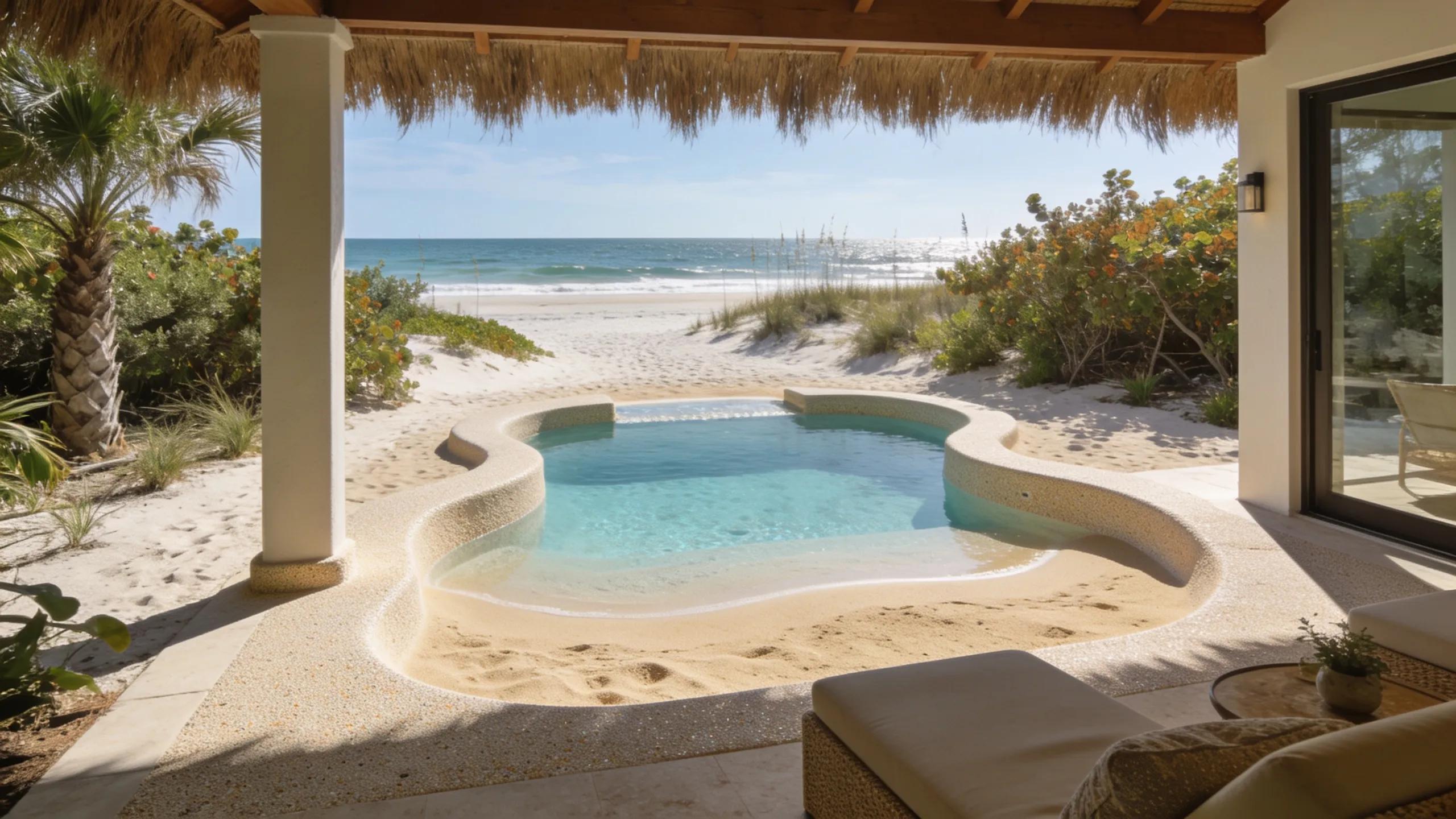
    Additionally, many compact custom pools can feature sculpted organic basin options that seamlessly incorporate Naturi sand pools and zero-depth beach entries, providing a natural, gentle slope into the water that enhances the tactile and visual luxury of the pool environment. Homeowners interested in these luxury finishes and beach-like textures should also consider the Naturi sand pool costs and long-term ROI, a resource that offers valuable insight into the pricing factors and investment returns of choosing Naturi sand pools in Florida.

    Which Luxury Features Define Floridas Resort-Style Pool Designs?

    Florida’s resort-style pool designs are characterized by extravagant features that elevate the standard pool experience. Common luxury features include tanning ledges, attached spas, and vibrant water features such as fountains and waterfalls. These not only add visual appeal but also offer varied modes of relaxation and entertainment.

    Integrating an infinity edge can provide a mesmerizing visual effect, while underwater lighting enhances the ambiance as night falls. Homeowners can also consider options for customizable finishes that bring in natural elements, promoting a serene environment that reflects the lush surroundings of Florida. Each of these features contributes to the overall experience of having a plunge or cocktail pool, ensuring it feels like a personal oasis.

    What Are the Best Heating Solutions for Year-Round Use of Plunge Pools in Florida?

    Having a heated plunge or cocktail pool allows homeowners to enjoy their investment throughout the year, regardless of fluctuating temperatures. Various heating solutions cater to different usage patterns and preferences, ensuring optimal comfort and usability.

    Beyond Backyard Living Creations can help homeowners navigate heating solutions, including solar, gas, and electric systems, emphasizing the best match for their specific requirements.

    Homeowners balancing compact dimensions with dedicated hydrotherapy needs often opt for custom inground pool and spa combos to achieve both efficient space use and enhanced wellness features in their outdoor environments.

    For small water volumes typical of plunge and cocktail pools, proper sizing of heating equipment is crucial to maximize thermal efficiency and cost-effectiveness; homeowners can explore various sizing and equipment options in our comprehensive energy-efficient swimming pool heating in Florida guide.

    Heating SystemTypeEfficiency
    Solar HeatingRenewableHigh (depends on sunlight availability)
    Gas HeatingConventionalModerate to High (fast heating but higher operating costs)
    Electric HeatingConventionalModerate (ideal for smaller pools, consistent temperature)

    This comparison highlights how different heating systems can affect the usability and efficiency of plunge pools. Choosing the right system is essential for maintaining comfort while balancing cost and operational efficiency.

    How Do Solar, Gas, and Electric Heating Systems Compare for Small Pools?

    When evaluating heating options, each system presents unique advantages and trade-offs. Solar heating systems harness the sun’s energy, making them environmentally friendly and cost-effective over time. However, their efficiency is contingent on geographical location and seasonal sunlight availability.

    Gas heating systems offer rapid heating capabilities, making them suitable for immediate use, although they can incur higher operational costs, especially during colder months. Conversely, electric heaters provide consistent temperatures and are ideal for smaller pools, but they may not offer the same efficiency as solar options in terms of long-term savings.

    What Are the Energy Efficiency Benefits of Heated Plunge Pools in Florida?

    Heating plunge pools can lead to significant energy savings when properly managed. With a heated pool, homeowners enjoy year-round usability, which can extend outdoor gatherings during cooler seasons. This added flexibility ensures the pool remains a central feature of outdoor life, regardless of fluctuating temperatures.

    Additionally, energy-efficient pool heating solutions can enhance property value, showcasing a lifestyle centered on comfort and convenience. Homeowners can save on utility bills in the long run with the right heating system by optimizing usage patterns and leveraging the benefits of efficient technology.

    How Do Florida Setback Regulations Impact Custom Pool Installation Projects?

    Setback regulations are critical considerations when planning the installation of a custom pool in Florida. These regulations dictate how far structures must be positioned from property lines or neighboring buildings, ensuring compliance with local laws and maintaining neighborhood aesthetics.

    Before embarking on a pool project, homeowners should familiarize themselves with the local construction rules specific to their area. This knowledge can help mitigate potential setbacks during the permit process and streamline the project’s timeline.

    What Are the Key Local Construction Rules for Pool Placement in Spring Hill and Nature Coast?

    In Spring Hill and the Nature Coast, construction rules concerning pool placement typically require a minimum distance from property lines and other structures. Understanding these specific requirements is fundamental before the construction process begins.

    Engagement with local authorities and professional contractors can provide valuable guidance to navigate these regulations effectively. Homeowners should ensure that their pools are appropriately designed to meet these specifications while achieving their desired aesthetic and functional objectives.

    How Do Setback Requirements Influence Compact Pool Design and Engineering?

    Setback requirements can influence pool design and engineering significantly, particularly for compact pools. Designers often utilize advanced techniques to maximize spatial efficiency while adhering to local regulations.

    For instance, the clever integration of landscaping elements and multi-functional spaces can create a harmonious backyard environment without violating setback rules. Collaboration with experienced professionals like Beyond Backyard Living Creations can ensure that the final design both complies with local regulations and meets the homeowners expectations.

    What Does the Turnkey Process from 3D Design to Construction Include for Custom Pools?

    The turnkey process involves a comprehensive approach to pool design and construction, from the initial concept to the completed project. This method ensures that every aspect of the pool is meticulously planned and executed to meet the homeowner’s needs.

    Beyond Backyard Living Creations provides clients with a detailed roadmap of the entire process, ensuring transparency and clear communication throughout the project.

    How Is 3D Pool Design Used to Customize Plunge and Cocktail Pools?

    3D pool design plays a crucial role in modern custom pool construction, allowing homeowners to visualize their projects before breaking ground. Through sophisticated modeling software, clients can explore various layouts, materials, and features tailored to their specific preferences.

    This level of engagement not only helps in refining design choices but also ensures that the final product aligns closely with the homeowner’s vision. It reduces surprises during construction and enhances overall satisfaction with the project outcome.

    Which Premium Materials and Integrated Features Are Offered in Turnkey Projects?

    Turnkey projects provided by Beyond Backyard Living Creations include a selection of premium materials and integrated features that enhance both the aesthetic and functional aspects of the pool. Homeowners can choose from durable and sustainable materials that withstand Florida’s climate, ensuring long-term satisfaction.

    Premium integrated features might include automated lighting, advanced filtration systems, and stylish coping options, creating a cohesive and luxurious swimming environment. The combination of high-quality materials and modern design elements ensures that the pool becomes a stunning centerpiece in any backyard.

    To protect your investment over the years, homeowners can also benefit from structured maintenance guidelines such as the annual protection plan designed to maintain the pristine condition of your outdoor surfaces.

  • Biodesign Pool Water Temperature & Thermal Retention in Florida: Optimize Winter Comfort with Sand Heat Absorption

    Biodesign Pool Water Temperature & Thermal Retention in Florida: Optimize Winter Comfort with Sand Heat Absorption

    By Terrance Schabilion, Custom Pool Builder Spring Hill FL

    In the pursuit of creating luxurious and comfortable backyard spaces, understanding Biodesign pool water temperature and thermal retention is crucial, especially in the unique climate of Florida. This article delves into the science of sand heat absorption, exploring how sand layers can maintain warmer water temperatures. Many pool owners face challenges with fluctuating temperatures, particularly during the colder months. Utilizing advanced heat retention techniques can significantly enhance comfort and extend the usability of pools throughout the winter. We will cover the scientific principles of sand heat absorption, luxurious design features that promote warmth, and the engineering methods that ensure effective thermal retention in custom pools. Furthermore, we will discuss the warranty and protection plans available to guarantee long-term performance.

    What is the science behind sand heat absorption in biodesign pools?

    Sand heat absorption refers to the physical properties of sand that allow it to store heat from sunlight during the day and release it slowly at night. This mechanism is vital for maintaining elevated water temperatures in pools. By leveraging the thermal mass of sand, pool owners can reap the benefits of reduced heating costs and a consistently warm swimming experience on cooler nights. The benefits extend beyond mere temperature regulation; they significantly enhance user comfort and enjoyment.

    How does sand enhance pool water temperature retention?

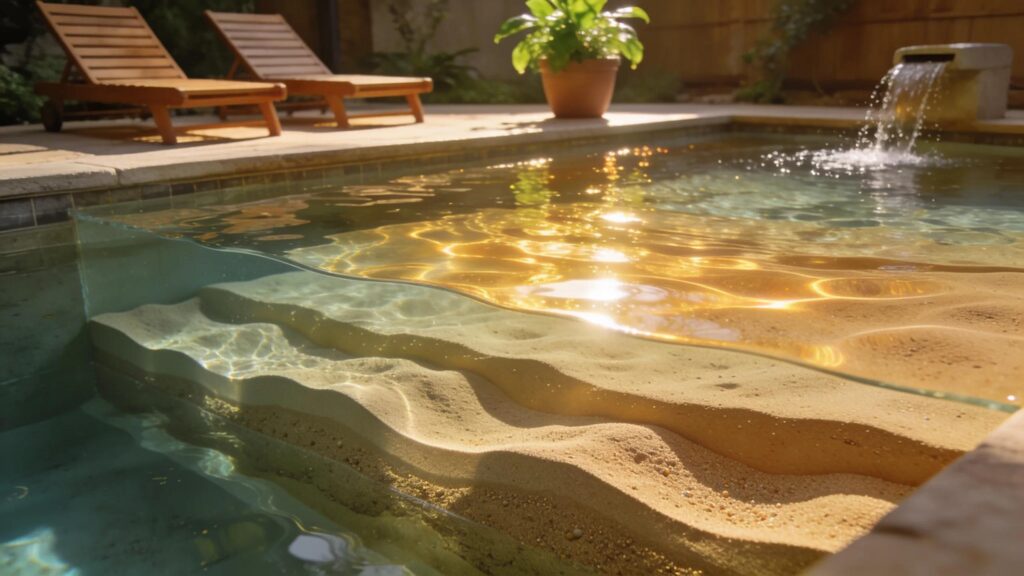
    Illustration of sand layers in a biodesign pool demonstrating thermal mass and heat retention

    Sand layers within biodesign pools retain heat effectively, acting as a natural insulator. As the sun warms the pool water during the day, the sand absorbs and stores this heat, which is then gradually released back into the water at night. This process minimizes the need for conventional heating methods, effectively lowering energy costs and enhancing the evening swimming experience.

    What thermal mass concepts explain Florida’s pool heating benefits?

    In Florida, where temperatures can vary significantly, understanding thermal mass is essential. During warm days, the sun heats the pool water, while at night, the sand retains this warmth, stabilizing temperatures and reducing fluctuations. This consistency leads to greater comfort for users, minimizing the impact of sudden temperature drops and ensuring a pleasant swimming environment year-round.

    Research into sustainable thermal systems highlights the importance of minimizing energy consumption while extending pool usability through innovative heat retention strategies.

    Sustainable Outdoor Heated Swimming Pool Efficiency and Thermal Systems

    The main objective is to minimize energy and water consumptions, while assuring a comfortable temperature for the user, extending the utilization of the pool in the Algarve region, from the summer months, to at least 8 months of the year. In order to do it, different systems will be tested, including solar thermal and photovoltaic panels, inverted underfloor heating, heat accumulator exchanger with phase change materials and energy dissipating pipes. ECOPOOL+++:

    Developing a sustainable outdoor heated swimming pool, F Farinha, 2022

    Which luxury biodesign pool features improve thermal comfort in Florida winters?

    Florida winters can be mild, but optimizing the thermal comfort of a pool can still provide a significant advantage. Moreover, luxurious biodesign features can enhance not only warmth but also the aesthetic appeal of your outdoor space. Key elements such as natural-style pools, integrated grottos, and features like resort-style waterfalls contribute to both thermal efficiency and visual delight.

    How do natural-style elements like grottos and waterfalls support heat retention?

    Natural elements such as grottos and waterfalls not only beautify the pool area but also aid in creating localized warmer microclimates. By generating areas with higher humidity and warmth, these features help maintain optimal temperatures, allowing for a comfortable swimming experience even during cooler days. The soothing sounds and sights of flowing water further enhance the overall ambiance.

    What role do outdoor kitchens and pergolas play in resort-grade outdoor living?

    Outdoor kitchens and pergolas offer functional enhancements alongside aesthetic benefits. They provide spaces for year-round entertainment, supporting activities such as cooking and dining in proximity to the pool. By integrating these areas seamlessly with the pool design, homeowners can maximize their outdoor living experience, drawing family and friends together regardless of the season.

    How does the engineering process ensure effective thermal retention in custom pools?

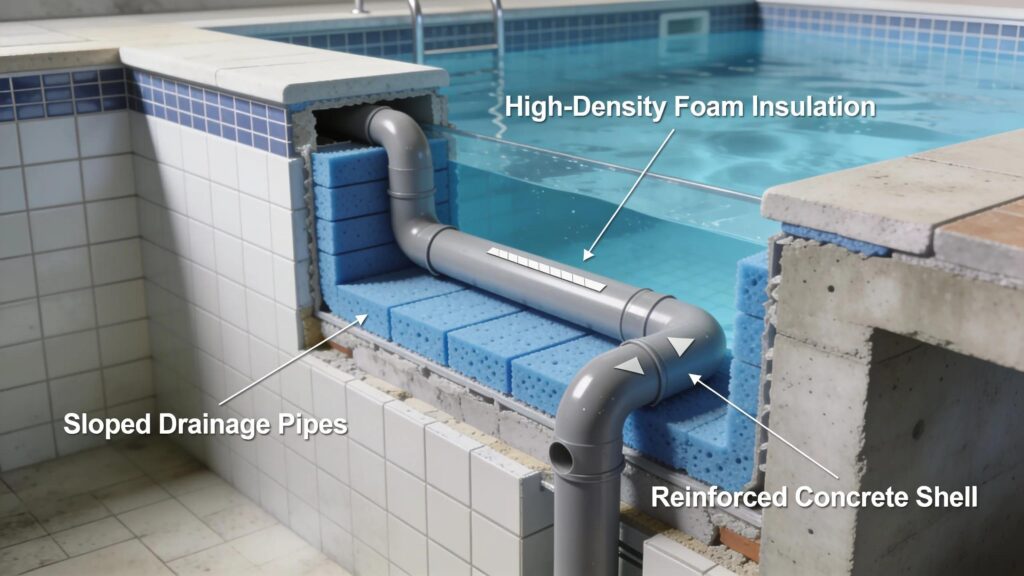
    Cutaway view of engineered custom pool design showcasing thermal retention materials and systems

    The engineering behind custom pool design is crucial for ensuring thermal retention. Professional design and construction methods focus on materials and structure that optimize heat absorption and minimize heat loss. Advanced drainage systems and insulation methods contribute to the longevity and efficiency of these installations.

    What advantages does 3D pool design offer for thermal management?

    3D pool design technology is an innovative approach that enhances thermal management by allowing for precise planning and modeling. This technology facilitates the design of pool elements that maximize sun exposure, ensuring that all areas of the pool benefit from heat during the day. Furthermore, this precision can lead to tailored solutions for thermal efficiency, enhancing the overall user experience.

    Which materials and drainage systems enhance pool longevity and heat conservation?

    Selecting the right materials is essential in creating a durable and heat-efficient pool. High-quality insulation materials and advanced drainage systems play significant roles in preventing heat loss and extending the lifespan of the pool. This investment not only provides comfort but also increases property value, making it a wise choice for homeowners.

    What warranty and protection plans guarantee long-term thermal retention performance?

    For peace of mind, it’s essential to consider warranty options and protection plans that can secure long-term performance from your pool investments. A reliable warranty can safeguard against potential issues related to thermal retention and structural integrity while bolstering homeowner confidence in their pool system.

    How does the Beyond Base Elite System support pool deck thermal retention?

    The Beyond Base Elite System is specifically designed to enhance thermal retention by utilizing advanced insulation technology. This system minimizes heat loss from the pool deck, ensuring that the warmth extracted during the day is preserved throughout the night. Homeowners can enjoy reliable performance and comfort, even in the cooler months.

    What benefits do the Lifetime Settlement Warranty and Annual Protection Plan offer?

    The Lifetime Settlement Warranty provides comprehensive coverage for pool systems, ensuring that any thermal retention issues are promptly addressed. In conjunction with the Annual Protection Plan, homeowners can enjoy regular maintenance checks, enhancing peace of mind regarding their investment. This combination of extended protection underscores the commitment to high-quality pool ownership and management.

  • Comparing Travertine, Marble, and Shellstone Pavers for Florida Pool Decks and Patios: Slip Resistance, Heat Absorption, and Sealing Guide

    Comparing Travertine, Marble, and Shellstone Pavers for Florida Pool Decks and Patios: Slip Resistance, Heat Absorption, and Sealing Guide

    By Terrance Schabilion, Beyond Backyard Living – Custom Pool Builder Spring Hill FL

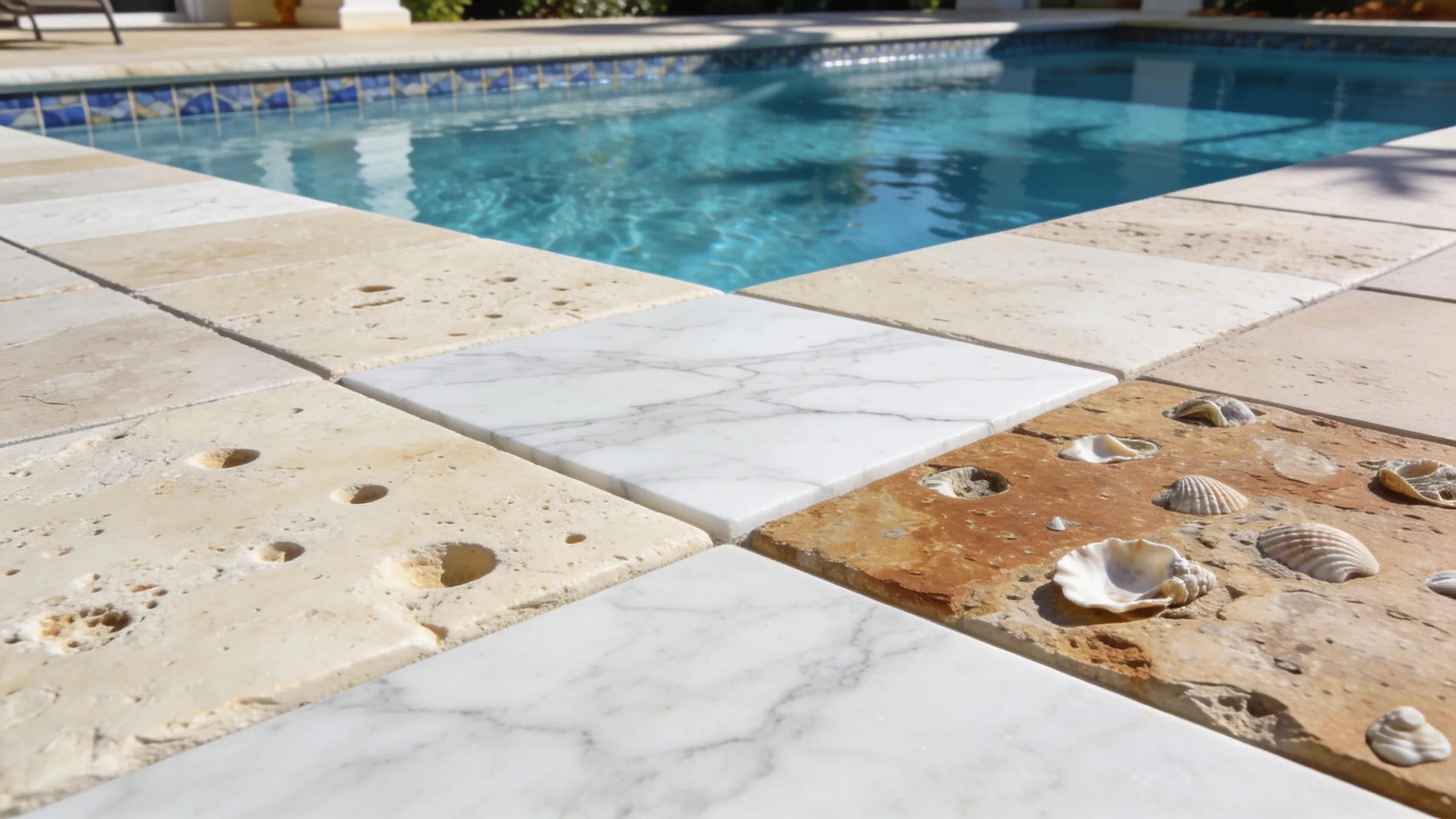
    When considering materials for pool decks and patios in Florida, homeowners face an important choice between three popular options: travertine, marble, and shellstone. Each of these materials has unique characteristics that influence not only their aesthetic appeal but also their performance in specific weather conditions and use cases. The article will explore the key factors of slip resistance, heat absorption, and sealing requirements, enabling readers to make informed decisions for their outdoor spaces. Understanding these aspects helps homeowners optimize safety, comfort, and durability while enhancing the luxurious design of their pool areas.

    Comparison of Travertine, Marble, and Shellstone Pavers for Florida Pool Decks and Patios

    When evaluating pool deck options, travertine, marble, and shellstone each present distinct advantages and drawbacks. First, let’s delve into what these materials offer regarding slip resistance, heat absorption, and maintenance.

    While travertine is renowned for its slip-resistant properties, marble requires a bit more caution due to its tendency to become slippery when wet. Shellstone provides a middle ground, combining reasonable slip resistance with a unique aesthetic appeal. Each material’s performance can vary widely based on its finish, texture, and maintenance.

    In addition to evaluating these materials, it is crucial to consider their long-term value. Installation costs, maintenance requirements, and durability will all influence the ultimate decision on which material to choose for a stunning luxury patio design. Beyond Backyard Living Creations operates as a premier custom hardscape design-and-build contractor specializing in luxury pool decks and patios in the Florida Spring Hill and Nature Coast region.

    Slip Resistance:

    Slip resistance is critical for any pool deck material, particularly in humid Florida where water accumulation is common. Each material has varying levels of grip, affecting safety and comfort for users.

    MaterialSlip Resistance QualityRecommended Use
    TravertineHighPool deck and patio spaces with high foot traffic
    MarbleMediumAreas requiring aesthetic appeal but needing caution in wet conditions
    ShellstoneModerateVersatile use; suitable for both aesthetic and functional applications

    Implementing the right choice regarding slip-resistant materials is essential. Travertine is favored for its excellent grip, while marble can be slippery when wet. Homeowners must assess their specific needs and preferences, especially when designing custom hardscape features.

    Heat Absorption:

    The ability of pool deck materials to absorb heat significantly impacts comfort during hot Florida summers. Different stones exhibit varied heat absorption capacities, thus, impacting the overall temperature of the surface.

    1. Travertine retains less heat than both marble and shellstone, making it a more comfortable choice for walking barefoot.
    2. Marble, while luxurious, tends to absorb and retain significant heat, causing discomfort during peak sun exposure.
    3. Shellstone provides a cooler option but requires careful consideration depending on its finish and exposure to sunlight.

    Choosing the correct material can significantly enhance the usability of outdoor spaces, ensuring comfort during summer months. Integrating design considerations effectively reduces heat impact on luxury pool decks.

    Sealing Requirements:

    Proper sealing is crucial for maintaining the longevity and appearance of natural stone surfaces. Each material has unique sealing requirements that homeowners should consider.

    1. Travertine may need sealing approximately every 3-5 years, but quality sealers can prolong the look and durability of the stone.
    2. Marble should be sealed more frequently due to its porosity and susceptibility to staining from pool chemicals.
    3. Shellstone requires attention to detail regarding sealing; an annual check could prevent unwanted wear and tear.

    To ensure the best outcomes, integrating professional sealing methods during installation can provide long-lasting results. Beyond Backyard Living Creations highlights the importance of a solid sealing strategy to protect stone investment.

    How does Florida’s climate impact natural stone slip resistance?

    Florida’s humid climate significantly impacts the performance characteristics of natural stone used in outdoor settings. The high levels of moisture and rainfall can lead to the accumulation of water on surfaces. Consequently, understanding how different stones perform in wet conditions is paramount for homeowners.

    Which stone offers the safest surface for pool patios in Florida?

    Considering the environment, travertine emerges as the safest option for pool patios in Florida. Its textured surface provides sufficient traction, even when wet. In contrast, marble can be deceptive; while it offers sophistication, its slick nature necessitates caution to prevent slips and falls. Ultimately, educated decision-making informs safer outdoor spaces for families and guests.

    How do travertine, marble, and shellstone compare in heat absorption for outdoor patios in Florida?

    Examining these three materials reveals varying heat absorption capabilities:

    • Travertine remains consistently cooler, providing comfort for users even in peak summer.
    • Marble has a tendency to heat up quickly, creating an uncomfortable walking surface.
    • Shellstone balances both aesthetics and heat absorption, yet its performance may hinge on specific product selections.

    Why does travertine retain less heat than marble and shellstone?

    Travertine’s porous structure allows it to retain less heat compared to the denser marble and shellstone. This property is particularly beneficial in Florida’s sunny climate, where comfort is paramount. Choosing travertine can alleviate concerns regarding scorching heat during hot summer months, ensuring a pleasant environment for outdoor relaxation.

    What design considerations reduce heat impact on luxury pool decks?

    Design solutions such as strategic placement of pavers and incorporating shaded structures significantly mitigate heat retention. Lighter shades and textured finishes can also enhance comfort. Choosing stone types that minimize heat absorption aligns with creating a more enjoyable experience for spending time outdoors.

    What sealing methods and maintenance plans optimize durability for natural stone pool decks?

    Proper sealing and maintenance strategies extend the life and aesthetic appeal of natural stone pavers.

    • Regular inspections and sealing every 3-5 years for travertine enhance durability.
    • Frequent resealing for marble helps preserve its surface from stains and damage.
    • Shellstone should undergo an annual assessment for optimal protection against the elements.

    Sealing prevents water penetration, which can lead to cracking and deterioration over time. Protecting stone pavers not only enhances safety but also maintains their visual appeal.

    How does sealing improve slip resistance and stain protection on stone pavers?

    Adequately sealed stone pavers provide a barrier against moisture, reducing the risk of algae growth, which contributes to slippery conditions. In addition, sealants help prevent staining from chemicals typically found in pool water, thus preserving both functionality and visual integrity.

    Proper maintenance also relies heavily on structural integrity, as research demonstrates that effective surface treatments can reinforce the pavement against moisture-related damage.

    Importance of Joint Sealing in Stone Pavement Maintenance

    Joint sealing is needed to avoid water intrusion and to prevent pumping phenomena. According to a literature review, the sealing process improves the structural behavior, interlocking, and roughness.

    Sealing of paving stone joints, F Maltinti, 2018

    What are the benefits of annual protection plans for Florida pool patios?

    Implementing annual protection plans offers several key advantages:

    1. Enhanced Longevity: Regular maintenance extends the lifespan of natural stone.
    2. Maintained Aesthetics: Longevity ensures the original beauty is preserved.
    3. Cost-Effectiveness: Preventative care is often less expensive than major repairs down the line.

    This proactive approach avoids much deeper issues that can arise from neglecting maintenance, ensuring a beautiful patio for years to come.

    What makes Beyond Backyard Living Creations’ turnkey process ideal for custom natural stone pool decks?

    Beyond Backyard Living Creations delivers a unique turnkey process that streamlines the design and installation of luxury pool decks. This seamless approach ensures homeowners receive a tailored experience that encapsulates their aesthetic preferences and functional needs.

    How does 3D design and engineering improve luxury pool deck outcomes?

    Utilizing advanced 3D design and engineering techniques, the company can visualize the final product before installation. This leads to accurate planning that considers materials, layout, and aesthetics, resulting in a beautifully crafted outdoor space.

    What warranty and installation systems ensure stone paver durability?

    By providing transparent warranty options for their installations, Beyond Backyard Living Creations assures clients of the quality and durability of their work. Effective installation practices combined with reliable warranties safeguard homeowners’ investments, delivering peace of mind.

  • Travertine Pool Deck Sealing in Florida: Saltwater Protection and Slip Resistance for Durable Outdoor Surfaces

    Travertine Pool Deck Sealing in Florida: Saltwater Protection and Slip Resistance for Durable Outdoor Surfaces

    By Terrance Schabilion, Beyond Backyard Living – Custom Pool Builder Spring Hill FL

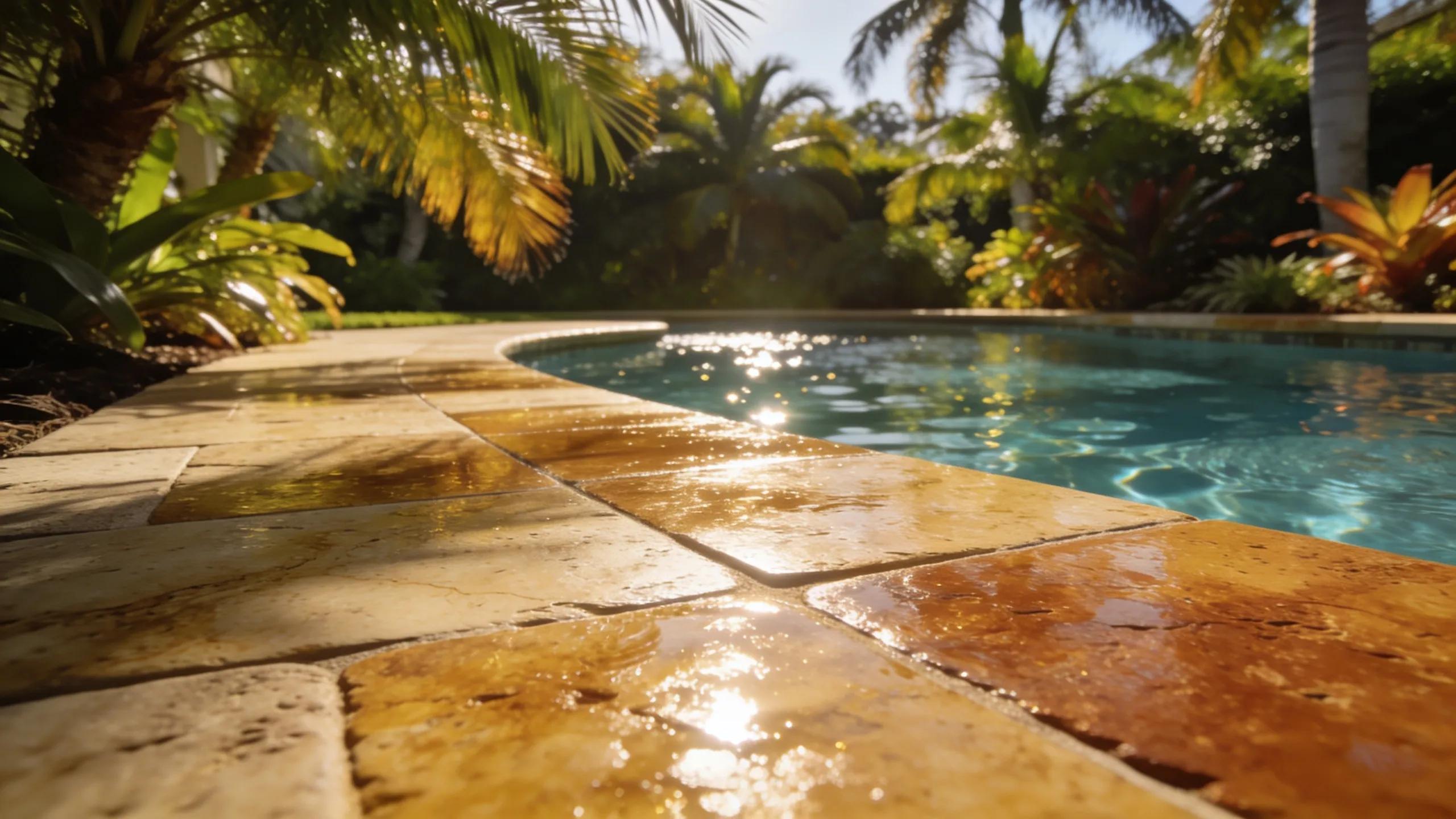
    Maintaining a travertine pool deck in Florida’s challenging environment can be daunting, especially with the corrosive effects of saltwater and the need for safety features. This article explores essential considerations for sealing travertine surfaces to enhance their longevity and safety. You’ll learn about the importance of saltwater protection, slip resistance enhancements, and how these factors contribute to durable outdoor spaces. The value of proper sealing solutions cannot be overstated; they act as a barrier, preserving the natural beauty of travertine while ensuring a safe environment for poolside activities. This guide will delve into methods for protecting against saltwater damage, enhancing slip resistance, and maintaining the elegance of your outdoor living areas.

    Saltwater Protection

    The impact of saltwater on travertine pool decks can be quite detrimental, leading to deterioration and discoloration if not properly managed. Saltwater can penetrate the porous surface of travertine, causing structural damage over time. Therefore, implementing effective sealing techniques is crucial to prevent moisture intrusion and enhance the deck’s durability. Commercial sealers designed specifically for saltwater exposure form a protective layer, repelling water and salts while allowing the natural stone to breathe.

    Research into marine and coastal environments highlights how relentless exposure to saline moisture accelerates stone degradation.

    Saltwater Impact and Absorption in Stone Sea Walls

    The breeze shoves salty seawater into the stone.

    This salted water is intensively absorbed Deterioration of sandstone in the historical and contemporary sea walls upon the impact of the natural and man-made hazards, R Wasserman, 2021

    Beyond Backyard Living Creations recommends using high-quality saltwater-resistant sealers that offer extended protection. These sealers not only prevent the absorption of harmful salts but also maintain the stone’s vibrant appearance, reducing the frequency of maintenance required.

    Slip Resistance

    A travertine pool deck offers natural slip resistance, but additional treatments can enhance safety, especially in wet conditions. Protective sealers with slip-resistant properties are essential for reducing the risk of accidents in pool areas. This enhancement not only meets safety standards but also provides peace of mind for homeowners and guests alike.

    Beyond Backyard Living Creations utilizes specialized slip-resistant coatings in its sealing process to maximize safety on travertine surfaces. These enhancements are critical in ensuring that your pool deck remains safe without sacrificing aesthetics.

    Durability in Florida’s Climate

    The climate in Florida presents unique challenges for outdoor surfaces, including humidity and heat. These factors can accelerate wear and tear on pool decks, leading to issues like mold growth and surface degradation. To combat these effects, it is vital to choose sealing products that offer protection against both moisture and UV rays. Regular maintenance, including resealing and cleaning, will prolong the life of the deck while keeping it looking new.

    What Are the Key Benefits of Saltwater Resistant Travertine Pool Deck Sealers?

    Saltwater-resistant sealers provide numerous benefits that enhance the overall quality and longevity of travertine pool decks. Here are three significant advantages:

    1. Longevity: These sealers extend the lifespan of the pool deck by preventing saltwater damage and degradation.
    2. Maintenance Reduction: Regular sealing minimizes the need for repairs and maintenance, saving time and resources.
    3. Aesthetic Enhancement: High-quality sealers enhance the natural colors and patterns of the travertine, keeping it visually appealing.

    How Do Saltwater Resistant Sealers Extend Travertine Pool Deck Lifespan?

    Saltwater resistant sealers work by creating a protective barrier that significantly reduces moisture penetration. This, in turn, prevents salt crystals from forming within the stone, which can cause cracking and spalling. The sealants bolster the integrity of the tiles by protecting against mold and mildew growth, common issues in humid environments.

    Which Proprietary Sealing Technologies Ensure Long-Lasting Saltwater Protection?

    Several proprietary sealing technologies are engineered to provide lasting protection against saltwater. These products often include advanced formulations that penetrate deeply into the stone, forming a robust barrier against moisture and salts. Performance statistics suggest that these sealers can last for several years, reducing the frequency of application and maintenance required for travertine pool decks.

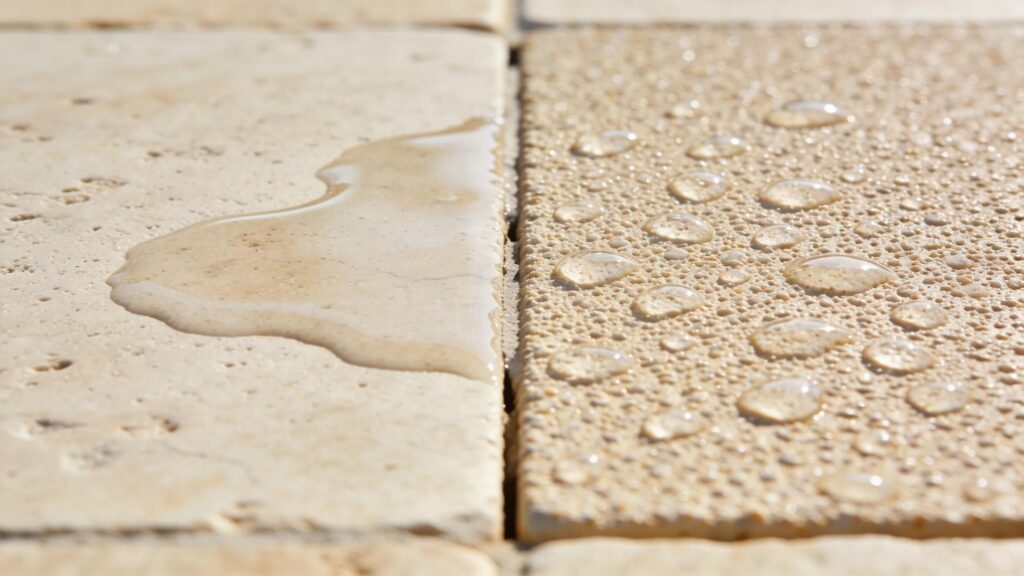
    Which Slip Resistant Enhancers Improve Safety on Travertine Pool Decks in Florida?

    Close-up of slip-resistant treated travertine deck highlighting texture and grip for safety

    Several slip-resistant treatments are available to enhance the safety of travertine pool decks. These treatments not only improve traction but also maintain the aesthetic quality of the stone. Common slip-resistant enhancements include specialized coatings and textured finishes that increase grip without compromising the surface’s elegance. It is crucial to use products that are specifically rated for outdoor use and designed to withstand Florida’s climate.

    What Slip Resistance Ratings Are Recommended for Pool Deck Sealers?

    Most industry standards recommend a minimum slip resistance rating of 0.60 for pool deck surfaces. This rating indicates the surface’s safety in wet conditions, making it less likely for individuals to slip and fall while using the pool area. Products that meet or exceed this rating are ideal for enhancing the safety of travertine surfaces.

    How Do Slip Resistant Coatings Reduce Pool Deck Accidents Effectively?

    Slip-resistant coatings have been shown to effectively reduce pool deck accidents by increasing the friction between the surface and footwear. Statistics indicate that applying these coatings can decrease slip-and-fall incidents by as much as 50%. Such coatings can be particularly beneficial in humid environments where the likelihood of slipping is heightened due to wet conditions.

    What Custom Design Features Complement Travertine Pool Deck Sealing Services?

    Combining sealing services with custom design features can elevate the functionality and appeal of travertine pool decks. Custom elements like integrated lighting, waterfall features, and unique layout patterns enrich the overall aesthetic and usability of outdoor living spaces.

    How Do Natural Stone Enhancers Elevate Luxury Pool Deck Appearances?

    Natural stone enhancers can greatly enhance the visual appeal of travertine surfaces. These products bring out the stone’s natural colors and textures, creating a luxurious look that can transform pool areas into elegant retreats. Enhanced travertine is not only beautiful but also adds value to your property, making it an investment worth considering.

    What Are the Benefits of Engineered Paver Base Systems Under Travertine Decks?

    Engineered paver base systems provide a stable foundation that enhances the longevity and durability of travertine decks. These systems help distribute weight evenly, reduce settling, and prevent shifting that can lead to cracks in the stone surface. Utilizing an engineered base beneath travertine ensures that your pool deck remains level and secure over time.

    How Should Homeowners Maintain Sealed Travertine Pool Decks in Florida’s Saltwater Environments?

    Regular maintenance is crucial for preserving the integrity of sealed travertine pool decks. Homeowners should routinely clean the surface with pH-balanced cleaners specifically designed for natural stone. It is also recommended to inspect the sealant annually and reapply it as necessary to maintain its protective qualities against saltwater exposure.

    What Is the Recommended Frequency for Resealing Travertine Pool Decks?

    Typically, it is recommended to reseal travertine pool decks every 1-3 years, depending on exposure to the elements and the type of sealant used. Observing the condition of the sealant and the surface can provide guidance on when resealing is needed, ensuring ongoing protection and beauty.

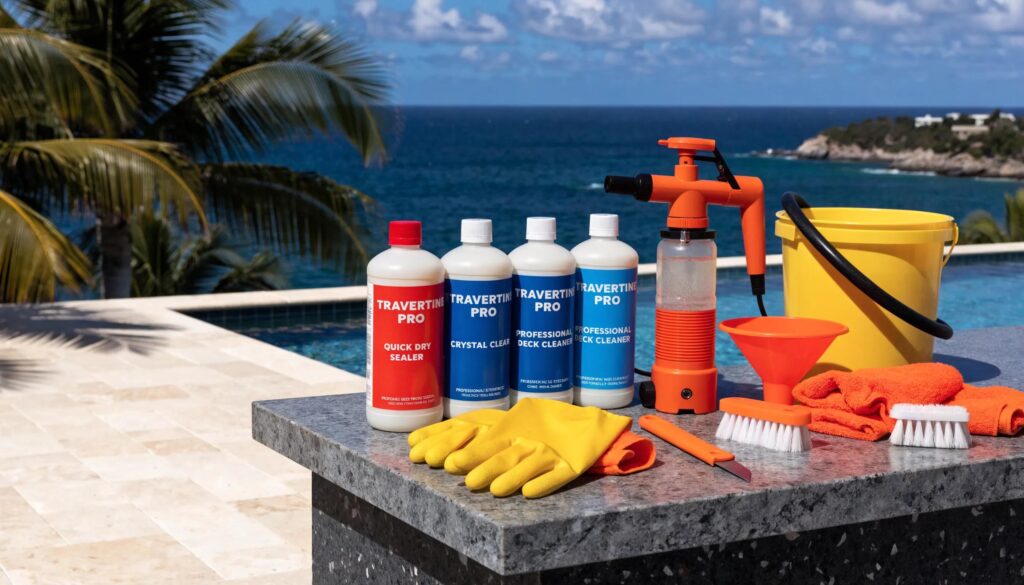
    Which Maintenance Plans and Warranties Support Long-Term Travertine Deck Protection?

    Workstation with maintenance tools for travertine pool decks ensuring long-term protection and care

    Investing in comprehensive maintenance plans can offer homeowners peace of mind regarding the durability and upkeep of their travertine pool decks. Many service providers, including Beyond Backyard Living Creations, offer warranties that cover both materials and workmanship, ensuring that the investment remains protected over time. These plans often include routine inspections, cleaning, and resealing services tailored to the specific needs of Florida’s climate.

  • Masonry Outdoor Fireplace Construction in Florida: Footings, Firebrick & Flue Sizing Explained

    Masonry Outdoor Fireplace Construction in Florida: Footings, Firebrick & Flue Sizing Explained

    By Terrance Schabilion, Beyond Backyard Living – Custom Pool Builder Spring Hill FL

    Constructing a masonry outdoor fireplace in Florida presents a unique set of challenges and opportunities. Understanding essential components, such as footings, firebrick selection, and flue sizing, is crucial for ensuring both compliance with local regulations and creating a functional outdoor heating source. With the right knowledge, homeowners can not only enjoy the aesthetic appeal of a custom outdoor fireplace but also ensure it operates efficiently and safely. This article will guide you through the important considerations when building a masonry outdoor fireplace in Florida, covering the necessary requirements for footings, the most suitable firebrick options, and how to determine proper flue sizing. Additionally, we’ll outline the complete process of design and construction to help you make informed decisions.

    What Are the Masonry Fireplace Footings Requirements in Florida?

    Footings are critical to the structural integrity of any masonry fireplace, particularly in Florida’s unique climate. They must meet specific regulatory and engineering requirements to ensure stability and prevent settling, which can lead to damage. In Florida, footings need to be deep enough to reach stable soil or bedrock, typically ranging from 12 to 24 inches depending on local soil conditions. Additionally, proper drainage around “footings” is vital to prevent water accumulation that could undermine the foundation.

    What Is the Required Footing Depth for Outdoor Fireplaces?

    The required footing depth for outdoor fireplaces in Florida generally starts at 12 inches but may vary significantly based on soil classification and moisture conditions. A key consideration is that clay soils may necessitate deeper footings compared to sandy soils, ensuring that structural loads are adequately supported and stable during wet conditions. This depth is critical for compliance with Florida building codes, which aim to safeguard the longevity of the installation.

    How Do Footings Support Fireplace Stability and Drainage?

    Footings play a pivotal role in supporting the weight of the fireplace and ensuring its stability. They help distribute the load evenly across the ground, minimizing settling and potential structural failure. Properly constructed footings also incorporate drainage features, allowing water to flow away and preventing damage caused by water pooling around the foundation. This engineering principle not only enhances the overall durability of the fireplace but also reduces maintenance issues related to water damage.

    Which Firebrick Types Are Ideal for Outdoor Masonry Fireplaces?

    Display of marine-grade stainless steel and other materials for premium outdoor kitchen vent hoods

    When designing your fireplace, calculating the correct dimensions is just as important as selecting materials like firebrick to ensure proper drafting and safety standards are met. Proper proportioning ensures smoke exhausts efficiently without spilling back into your outdoor living area.

    Properly calculating the dimensions of your firebox is essential, as building codes emphasize that the overall opening size dictates the necessary exhaust dimensions.

    Determining Flue Sizing for Open Masonry Fireplaces

    It is the finished fireplace opening area which determines the size of flue required for an open fire in such a recess. The Building Regulations 2000: approved document, J: Combustion appliances and fuel storage systems, 2000
  • Custom Inground Pool and Spa Combos in Florida: Spillover, Raised & Flush Design Guide by Beyond Backyard Living

    Custom Inground Pool and Spa Combos in Florida: Spillover, Raised & Flush Design Guide by Beyond Backyard Living

    By Terrance Schabilion, Beyond Backyard Living – Custom Pool Builder Spring Hill FL

    The creation of custom inground pool and spa combos in Florida offers homeowners a chance to personalize their outdoor space, maximizing both style and functionality. This comprehensive guide explores various design options, including spillover, raised, and flush spa designs, enabling you to make informed decisions about enhancing your backyard retreat. With Florida’s unique climate, choosing the right combinations not only elevates aesthetics but also ensures enduring enjoyment throughout the year. Throughout this article, we will review popular design styles, compare their benefits, and provide expert insights into planning your perfect outdoor oasis.

    Design Options

    Custom inground pools and spas are available in a variety of designs tailored to fit different lifestyles and preferences. Each style offers unique aesthetic and functional benefits that can significantly enhance your outdoor living experience. Among these, spillover, raised, and flush spa designs are most popular in sunny Florida, each presenting distinct advantages for homeowners.

    Spillover Design

    Spillover designs create a visually stunning waterfall effect, where water cascades from the spa into the pool below. This design not only enhances the beauty of the pool area but also provides soothing sounds of water, contributing to a tranquil atmosphere ideal for relaxation. Additionally, the constant movement of water plays a crucial role in keeping the pool clean and fresh. The coordination of spillover automated valves and temperature management between the pool and spa is commonly achieved with dual-equipment valve actuators and heater switching, which are efficiently controlled via automated pool controls and smartphone scheduling, offering homeowners seamless and convenient control over their outdoor oasis. In Florida, smart pool automation systems in Florida take this a step further by automating valve actuators and temperature control transitions, ensuring effortless switching between pool and spa modes tailored to your preferences and climate conditions.

    Raised Spa Design

    Raised spas serve as a striking focal point in backyard designs. They elevate the spa above the pool, which allows for captivating views and easy accessibility through steps or ledges. This design also offers various landscaping options, allowing homeowners to integrate floral arrangements or stones, further enhancing the backyard’s appeal. Integrating the spa with the pool deck requires thoughtful coping and deck materials; natural travertine and outdoor porcelain pavers are excellent choices for wet decks and coping due to their durability, natural slip resistance, and aesthetic harmony with outdoor surroundings. For a detailed comparison of suitability and durability among decking options, homeowners should consider our guide on travertine vs porcelain vs concrete pavers for Florida pool decks, which helps select the best material for Florida’s unique climate and pool environments.

    In advanced raised spa configurations, vanishing edge engineering coordinates seamlessly with infinity edge pools featuring engineered catch basins, enabling a stunning overflow effect that harmonizes water flow and structural balance. These infinity edge pools with engineered catch basins ensure hydraulic balance and maintain visual continuity between pool and spa components.

    Raised spa bond beams naturally complement pool fire bowls and copper water bowls in Florida, combining elevated architectural features with warm fire elements and flowing water bowls to create a balanced and inviting ambiance that highlights Florida’s outdoor lifestyle.

    Flush Design

    Flush spas eliminate the barrier between the pool and spa, creating a seamless look that resonates with modern minimalist aesthetics. This integration enhances the functionality of the space, providing easy access for swimmers. Flush designs are particularly versatile; they can fit well within various types of landscaping and outdoor configurations, making them highly adaptable for any yard. Similar to raised spas, using materials like natural travertine and outdoor porcelain pavers for coping and wet zone surfaces ensures safety through natural slip resistance and contributes to the luxurious feel of the integrated space.

    Homeowners with strict lot constraints, such as compact footprints and lot setback limits, often evaluate cocktail pool and spa combinations as practical and stylish small backyard spa alternatives that maximize space and functionality.

    Organic pool layouts and integrated spa contours often emphasize natural aesthetics and flow. Many clients opt for Naturi Biodesign sand pools with sculpted beach entries, which combine custom beach entries and hand-sculpted stone finishes to seamlessly blend the pool with its natural surroundings and luxury entry features. For those considering this option, we also provide a comprehensive guide on Naturi sand pool installation costs and pricing to help evaluate investment and long-term value.

    Insights and Recommendations

    When planning your custom pool and spa combo, consultation with design experts is essential. Engaging professionals can help you understand the intricate balance of aesthetics and functionality in outdoor spaces. Here are a few considerations to keep in mind during the planning process:

    • Material Selection: Choose materials that can withstand Florida’s humid climate while enhancing the overall look of your backyard.
    • Climate Impact: Consider how different designs perform in Florida’s weather to ensure maximum comfort and enjoyment.
    • Consultation Importance: Seek expert guidance to tailor your project to your preferences and landscape.

    In terms of structural engineering and shell construction, it is valuable to compare the benefits of different pool construction methods, especially when integrating spillover spas and beach entries. For example, Naturi sand pools vs traditional gunite offer distinct advantages that can influence the design and longevity of your outdoor features.

    Furthermore, in systems featuring independent heating controls, rapid spa heating, or complex dual-temperature hydraulics, it is useful to compare the efficiency and capabilities of different heating technologies. Homeowners often weigh the benefits of high-efficiency electric heat pumps and gas pool heaters to optimize comfort and energy consumption tailored to their pool and spa setups.

    What Are the Distinctive Features of Spillover, Raised, and Flush Spa Designs?

    Each spa design holds distinctive features that cater to varied tastes and requirements. Understanding these characteristics can guide your selection process.

    How Does a Spillover Spa Enhance Pool Aesthetics and Functionality?

    A spillover spa not only adds beauty to the pool but enhances functionality through its flowing water features. The soothing sounds created by the water can transform your space into a relaxing oasis, promoting an inviting atmosphere for gatherings or quiet evenings. The integration of a spillover design can also contribute to the landscape aesthetic, aligning it with natural elements like rocks and greenery.

    What Benefits Do Raised and Flush Spas Offer for Florida Backyards?

    In the specific context of Floridas warm climate, raised and flush spas provide numerous advantages. Raised spas can offer captivating views and increase accessibility, making them an attractive option for gatherings. Meanwhile, flush designs maximize space and maintain a stunning visual appeal, which translates well in the vibrant outdoor lifestyle typical of the region.

    Which Luxury Inground Pool Features Elevate Outdoor Living in Spring Hill and Nature Coast?

    Luxury pool features can significantly elevate the outdoor living experience in regions like Spring Hill and the Nature Coast. Consider these elements when upgrading your pool:

    • Outdoor Kitchens: Seamlessly blending cooking and dining spaces enhances social interactions. The durability of 11,000 PSI concrete outdoor kitchen foundations ensures these heavy structure foundations withstand Florida’s challenging climate and use, providing stability and longevity for your outdoor kitchen installations.
    • Landscaping Features: Well-planned greenery can improve usability and beauty.
    • Water Features: Additional installations like waterfalls can enrich the sensory experience of your outdoor space.
    • Convenience Add-ons: Pairing your pool and spa setup with custom outdoor showers and poolside privacy enclosures allows for convenient pre-soak and post-swim rinsing, enhancing the overall luxury and usability of your backyard retreat.

    Additionally, incorporating waterfall and fire features for luxury backyards creates a captivating ambiance that enriches the sensory experience and elevates the poolside atmosphere to new heights of elegance and warmth.

    How Do Natural-Style Pools, Grottos, and Resort-Style Waterfalls Create a Backyard Resort Experience?

    Natural-style pools integrated with grottos and resort-style waterfalls offer a unique backyard oasis that fosters relaxation and recreation. These elements harmonize with nature, creating a cohesive landscape that invites enjoyment and leisure.

    What Are Effective Outdoor Kitchen and Pergola Ideas Complementing Custom Pools?

    Incorporating outdoor kitchens and pergolas alongside custom pools can create balanced and inviting outdoor living areas. Here are some ideas to enhance your outdoor culinary experience:

    • Cooking Stations: Grilling options can satisfy family cooks and guests alike.
    • Dining Areas: Flexible seating arrangements allow for dining under the stars.
    • Shade Structures: Pergolas provide essential shelter while enhancing aesthetic appeal.

    How Does Beyond Backyard Living Deliver a Turnkey Custom Pool and Spa Build Process?

    Beyond Backyard Living Creations specializes in offering comprehensive design and build services for custom pools and spas. Their turnkey process guarantees satisfaction every step of the way, from concept to creation. This commitment ensures that your project is tailored to meet your specific desires while upholding high-quality standards.

    What Are the Steps from 3D Pool Design to Final Engineering and Construction?

    The process of transitioning from a 3D pool design to engineering and construction involves several key steps. These typically include:

    1. Initial Consultation: Understanding homeowner needs and preferences.
    2. Design Visualization: Providing 3D renderings for clearer perspectives.
    3. Engineering Processes: Finalizing designs before the commencement of construction.

    These stages help ensure a smooth transition from dreams to reality for your outdoor space.

    How Do Warranty and Lifetime Protection Plans Support Long-Term Investment?

    Warranty and lifetime protection plans are vital for maintaining the value of your investment. These plans offer peace of mind and assurance against unforeseen repairs or maintenance issues. Homeowners can enjoy their pool or spa with the confidence that their investment is protected for the years to come.

    Why Choose Premium Paving and Hardscape Systems in Florida’s Luxury Pool Projects?

    Opting for “premium paving” not only ensures durability but enhances the aesthetic appeal of your custom pool. High-quality materials can withstand Florida’s harsh weather, maintaining their beauty and functionality over time. Increasingly, homeowners are realizing the significance of these systems in preserving landscape integrity.

    What Makes the Beyond Base Elite System Superior for Pool Deck Stability?

    The “Beyond Base Elite System” is noted for its exceptional ability to provide stability for luxury pools. Utilizing innovative technology, this system supports the weight and movement involved with large water features while maintaining its structural integrity. Homeowners reap the benefits of a secure and reliable deck that complements their luxury pool installations.

    How Do Warranty Plans Ensure Longevity of Hardscape Features?

    Understanding and embracing “warranty plans” allows homeowners to safeguard hardscape features against wear and tear. These warranties often cover materials and craftsmanship, ensuring that investments remain intact and enjoyable over time, increasing long-term value and safety for family enjoyment.

  • Eco-Friendly Sand Pool Construction in Florida: Biodesign Materials, Permitting & Soil Engineering Explained

    Eco-Friendly Sand Pool Construction in Florida: Biodesign Materials, Permitting & Soil Engineering Explained

    By Terrance Schabilion, Custom Pool Builder Spring Hill FL

    Constructing an eco-friendly sand pool is a modern solution that blends luxury and sustainability, especially in the scenic landscapes of Florida. This type of pool utilizes biodesign materials and effective soil engineering, promoting environmental health while transforming outdoor spaces into opulent retreats. As the demand for sustainable construction increases, many homeowners seek information on key aspects such as materials, permitting processes, and engineering techniques needed for pool decks and installation.

    This comprehensive guide lays out what you need to know about eco-friendly sand pools, including the benefits of biodesign materials, the intricacies of the permitting process in Spring Hill, FL, and how soil engineering impacts pool longevity. With informed choices, you can create a stunning natural pool that complements your high-end outdoor lifestyle while nurturing the environment.

    What Are Biodesign Materials and Their Environmental Benefits for Sand Pools?

    Biodesign materials refer to environmentally friendly components specifically chosen for their minimal ecological impact in construction projects. These materials promote sustainability by being renewable, recyclable, or non-toxic. Incorporating biodesign materials into sand pools not only enhances the aesthetic appeal but also facilitates natural filtration systems, conserves water, and supports local ecosystems.

    The application of such materials in pool construction aligns with the growing trend of environmentally conscious building practices. By opting for sustainable components, pool owners contribute to energy efficiency and overall ecological health.

    Which sustainable materials are used in natural swimming pools in Florida?

    In Florida, various sustainable materials are typically used in constructing natural swimming pools, including:

    1. Local Stones: These help blend the pool with the natural landscape, ensuring that the visual impact is harmonious.
    2. Recycled Glass: Often used in the pool’s filtration systems, it offers aesthetic appeal while reducing waste.
    3. Natural Filtration Systems: Components designed to maintain water quality without harsh chemicals, benefiting both pool users and local wildlife.

    Utilizing these materials helps maintain environmental integrity and ensures a beautiful pool setting that resonates with nature.

    How do biodesign pools promote environmental sustainability?

    Biodesign pools promote environmental sustainability through several mechanisms, namely:

    1. Reduced Chemical Use: By employing natural filtration methods, chemical inputs like chlorine are minimized, protecting local water sources.
    2. Integration with Local Ecosystems: These pools are designed to coexist with native fauna and flora, supporting biodiversity.
    3. Water Conservation: Features like evaporation reduction systems ensure that water loss is minimized, making these pools more efficient.

    With these characteristics, biodesign materials play a crucial role in creating pools that are not only luxurious but also environmentally responsible.

    What Is the Permitting and Regulatory Process for Biodesign Pools in Spring Hill, FL?

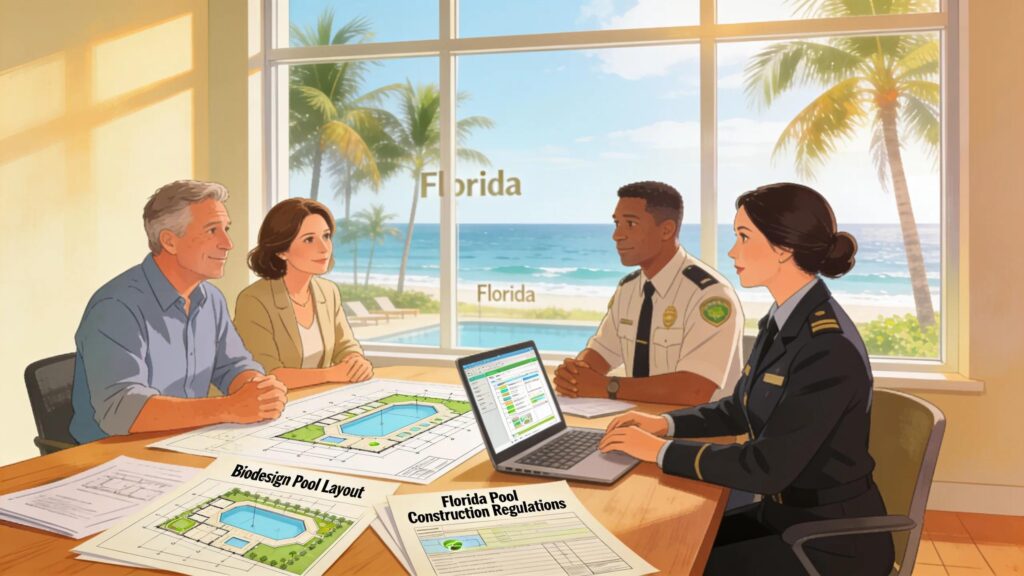
    Consultation meeting for eco-friendly biodesign pool permitting process, showcasing regulatory documents and plans against a coastal backdrop.

    Understanding the permitting process for biodesign pools is vital for compliance and successful project execution in Spring Hill, Florida. Those looking to create an eco-friendly pool must navigate a series of local regulations and obtain the necessary permits.

    The procedure involves working closely with local authorities and following specific guidelines to ensure that the construction meets environmental and safety standards.

    Which steps are involved in securing permits for natural pools in Florida?

    The following steps outline the permitting process for acquiring natural pools in Florida:

    1. Initial Applications: Submit necessary documentation to local building departments.
    2. Site Assessments: Inspection of the proposed pool site to evaluate environmental impact.
    3. Final Inspections: Once construction is complete, a final evaluation ensures compliance with safety and environmental standards.

    Following these steps helps streamline the approval process, allowing for a timely commencement of the project.

    How do local regulations affect eco-friendly sand pool construction projects?

    Local regulations play a significant role in shaping eco-friendly sand pool construction projects. Some key points include:

    1. Regulatory Compliance: Ensuring the project adheres to local building codes and environmental protection laws is essential.
    2. Impact on Project Timelines: Delays in securing permits can prolong construction schedules.
    3. Local Ordinances Consideration: Familiarizing oneself with regulations that pertain to pool design and placement will mitigate potential compliance issues.

    Awareness of these factors aids in anticipating challenges and ensuring a smoother construction process.

    How Does Soil Engineering Affect Sand Pool Stability and Longevity in Florida?

    Soil engineering is paramount in determining the stability and longevity of sand pools. Proper soil assessment ensures that the ground can support the structure, preventing settlement and erosion over time. Understanding the types of soil best suited for such installations is crucial for effective pool performance.

    The interaction between soil properties and construction methods directly impacts the durability of the pool during varying environmental conditions in Florida.

    What soil types best support eco-friendly sand pool construction?

    Geotechnical engineer testing soil types at a sandy coastal site in Florida for eco-friendly sand pool construction.

    Selecting the right soil type is fundamental for supporting eco-friendly sand pools. Some ideal soil types include:

    1. Sandy Soil: Allows for good drainage and prevents waterlogging around the pool.
    2. Loamy Soil: Offers a mixture of sand, silt, and clay—ideal for stability and water retention.
    3. Clay Soil: While it can retain water well, it’s important to manage its drainage properties to prevent pooling.

    Choosing appropriate soil types contributes significantly to pool stability and function, supported by a solid base system.

    Which soil engineering techniques ensure stability for natural pools?

    Utilizing effective soil engineering techniques can further enhance the stability of natural pools, including:

    1. Compaction Tests: Assessing the density of soil ensures that it can handle the weight of the pool and surrounding structures.
    2. Soil Replacement: In cases where existing soil is inadequate, replacing it with suitable materials can bolster stability.
    3. Drainage Solutions: Implementing proper drainage systems reduces the risk of water accumulation and erosion.

    These techniques mitigate risks associated with soil instability and enhance the lifespan of the pool structure.

    What Are the Key Steps in the Turnkey Sand Pool Installation Process in Florida?

    The installation of an eco-friendly sand pool involves a series of meticulously planned phases to ensure a seamless and efficient construction process. Understanding these phases prepares homeowners for what to expect during the journey of transforming their outdoor space.

    Emphasizing precision in each stage leads to an exquisite final product that not only enhances property value but also contributes to a luxurious outdoor lifestyle backed by a strong settlement warranty.

    How does 3D design visualization support luxury eco-friendly pool projects?

    3D design visualization plays an essential role in the planning of luxury eco-friendly pool projects. It offers the following advantages:

    1. Improved Design Accuracy: Clients can visualize the final product, ensuring it aligns with their expectations.
    2. Enhanced Customer Experience: Interactive visualizations allow for adjustments before any physical work begins.
    3. Identifying Potential Issues Early: Early detection of design flaws can lead to significant cost and time savings.

    This advanced planning phase is crucial in achieving both aesthetic and functional goals for the pool project.

    What construction stages deliver a complete natural sand pool transformation?

    The construction process for a natural sand pool encapsulates several stages:

    1. Initial Groundwork: Preparing the site by clearing and leveling it.
    2. Installation of Filtration Systems: Incorporating natural filtration mechanisms tailored to the specific design.
    3. Final Aesthetic Touches: Landscaping around the pool area to create a cohesive outdoor environment.

    These stages culminate in a beautifully crafted natural pool, providing a serene retreat for homeowners while exemplifying sustainable design practices.

  • Luxury Custom Swimming Pool & Raised Spillover Spa Combinations in Florida: Hydrotherapy Engineering, Hydraulics & Cost Guide

    Luxury Custom Swimming Pool & Raised Spillover Spa Combinations in Florida: Hydrotherapy Engineering, Hydraulics & Cost Guide

    By Terrance Schabilion, Beyond Backyard Living – Custom Pool Builder Spring Hill FL

    In Florida, the pursuit of luxury swimming pools and raised spillover spas draws homeowners looking for not just aesthetic appeal but also the therapeutic benefits they offer. This guide delves into the essential features of these premium pools, the engineering principles behind hydrotherapy, and critical cost considerations. Readers will discover how hydrotherapy enhances wellness, popular design trends, and the investment required for creating an oasis in their backyard. With Florida’s distinctive climate and lifestyle, understanding the integration of custom pool features can transform outdoor spaces into inviting retreats. Explore the intricacies of luxury pool design, hydrotherapy engineering, and the various outdoor elements that significantly enhance these installations.

    What Are the Key Features of Luxury Pool Design and Raised Spillover Spas in Florida?

    Luxury pool design encompasses various features that elevate usability and aesthetic value. Key characteristics include the incorporation of naturalistic aesthetics that harmonize with Florida’s scenic landscapes. These pools often integrate premium materials such as natural stone finishes and water features that provide a tranquil ambiance. Furthermore, a focus on usable outdoor living spaces ensures that luxury pools serve not just as swimming venues but as functional extensions of the home.

    How Do Hydrotherapy Benefits Enhance Raised Spillover Spas?

    Close-up view of hydrotherapy jets in a luxury raised spillover spa highlighting therapeutic features

    Hydrotherapy is a critical component of raised spillover spas, offering a range of health benefits that enhance relaxation and wellness. The warm water provides soothing relief to tired muscles, aiding in recovery after physical activity. Additionally, hydrotherapy enhances circulation, reduces stress, and promotes mental clarity through the calming effects of water. These benefits underscore the therapeutic appeal of spillover spas, making them valuable assets for homeowners seeking wellness solutions.

    Which Naturalistic and Resort Style Designs Are Popular for Custom Pools?

    When it comes to custom swimming pools, popular design choices often reflect resort-style aesthetics. Freeform and lagoon designs are on the rise, featuring organic shapes that mimic natural bodies of water. Moreover, the integration of natural water filtration systems enables a sustainable approach to pool maintenance, while beautifully landscaped surroundings enhance the overall experience. These design trends not only appeal to visual senses but also promote relaxation in a serene environment.

    How Is Hydrotherapy Engineering and Hydraulic Design Implemented in Custom Florida Pools?

    The efficacy of custom Florida pools often hinges on advanced hydrotherapy engineering and hydraulic design. These principles ensure that water circulation and temperature control are optimized for user comfort and hygiene.

    What Hydraulic Systems Ensure Optimal Spillover Spa Water Circulation?

    Efficient hydraulic systems are pivotal for maintaining optimal spillover spa water circulation. These systems typically include high-efficiency pumps and well-designed plumbing configurations that minimize energy consumption while maximizing water flow. Regular maintenance of such systems ensures long-lasting performance and a consistently enjoyable experience in the spa.

    How Does Advanced Hydraulic Engineering Improve Pool Performance and Wellness?

    Modern outdoor living space featuring large-format porcelain pavers with elegant dining setup in Florida

    Advanced hydraulic engineering contributes significantly to pool performance by enhancing water quality and user experience. The integration of modern technologies ensures that water remains clean, clear, and well-balanced, promoting a healthier swimming environment. This technology not only simplifies maintenance but also supports wellness by providing a safe and inviting space for relaxation.

    What Is the Investment Range and Cost Guide for Custom Luxury Pools and Spillover Spas in Florida?

    Investing in custom luxury pools and spillover spas comes with various considerations, particularly in Florida’s unique market. The average cost of installing luxury custom pools typically ranges from $50,000 to $150,000, depending on design complexity and material choices. Homeowners should also account for additional expenses related to landscaping, lighting, and outdoor furnishings.

    Which Factors Influence Pricing for Custom Resort-Style Pools?

    Several factors influence the pricing of custom resort-style pools, including the complexity of the design, materials utilized, and local regulations. Choosing high-end materials or intricate landscaping can escalate costs, while opting for simpler designs can help homeowners manage their budgets effectively. Moreover, skilled labor and the quality of equipment used for installation play crucial roles in overall pricing.

    How Do Integrated Outdoor Features Like Pergolas and Kitchens Affect Overall Cost?

    The integration of outdoor features such as pergolas and kitchens can significantly enhance a pool area’s functionality and ambiance. However, these additions often come with additional costs that homeowners should factor into their budgets. For example, a built-in kitchen with premium appliances can increase the investment substantially but provides an unparalleled outdoor living experience that complements the luxury pool.

    Which Outdoor Living Features Best Complement Custom Resort Style Pools with Raised Spillover Spas?

    To maximize the enjoyment and aesthetic appeal of custom resort-style pools, various outdoor living features should be considered. Integrating landscaping elements, ambient lighting, and water features can create a cohesive outdoor environment that enhances the overall experience.

    How Do Waterfalls, Natural Stone Pavers, and Grottos Enhance Pool Aesthetics?

    Waterfalls, natural stone pavers, and grottos serve as striking visual enhancements for luxury pools and raise the overall aesthetic. Waterfalls can “enhance pool aesthetics” acting as focal points in the landscape, drawing the eye and providing calming sounds that further improve relaxation. The natural materials used for construction not only add beauty but also ensure durability and longevity, making them a sound investment for any outdoor setting. Furthermore, using systems like the “beyond base elite system” ensures structural integrity, while incorporating proper “paver drainage” safeguards your investment against heavy Florida rains.

    What Are the Benefits of Turnkey Design-Build Services for Seamless Outdoor Integration?

    Turnkey design-build services offer numerous advantages when it comes to creating seamless outdoor spaces. These services include comprehensive visualization and project management, making the process efficient and user-friendly for homeowners.

    Turnkey services streamline the integration of all elements, from pools to landscaping, ensuring that each feature complements the others. Such comprehensive solutions not only reduce the hassle often associated with coordinating multiple contractors but also enhance the property’s overall value by providing a cohesive design aesthetic.