By Terrance Schabilion, Custom Pool Builder Spring Hill FL
When considering materials for pool decks in Florida, the choice between porcelain pavers and travertine is crucial. Each material presents unique characteristics that influence not only aesthetic appeal but also functionality, especially in terms of heat absorption, durability, and slip resistance. This article explores the comparative performance of porcelain pavers and travertine to help homeowners make informed decisions for their poolside areas. Understanding these differences is vital, as Florida’s climate and lifestyle demand materials that can withstand heat, humidity, and frequent use. We will discuss key aspects of both materials, including how they absorb heat, their long-term durability, and safety features regarding slip resistance. By the end, you will have a thorough understanding of which option may be more suitable for your specific needs.
Comparison of Porcelain Pavers and Travertine for Florida Pool Decks
Choosing between porcelain pavers and travertine for pool decks involves examining various performance characteristics. Each material has distinct advantages and disadvantages that can affect comfort and safety. Porcelain pavers are manufactured from high-density clay and fired at high temperatures, resulting in low porosity and less heat absorption compared to travertine. In contrast, travertine is a naturally occurring stone known for its unique texture and aesthetic, often favored for its rustic appearance but may retain more heat under direct sunlight. Additionally, the maintenance requirements differ significantly; porcelain tends to require less effort due to its surface finish, whereas travertine can be more susceptible to staining and requires sealing. Ultimately, the choice impacts both aesthetics and practicality for Florida’s outdoor living.
Heat Absorption Properties:
Heat absorption is a critical factor when selecting materials for pool decks. Porcelain pavers generally have lower heat retention compared to travertine, making them a more comfortable choice for bare feet. With porcelain’s denser composition, it tends to stay cooler even under the blazing Florida sun. On the other hand, travertine, while having a natural coolness, can still absorb heat more than porcelain and may get warm during peak daylight hours. This factor becomes vital for families and individuals who spend extended time around their pools. Opting for porcelain can enhance comfort and satisfaction throughout the hot summer months.
Durability:
Durability is paramount when considering outdoor materials. Porcelain pavers are known for their longevity and resilience against scratches, fading, and stains caused by everyday poolside activities. This durability is particularly beneficial in Florida’s humid and salty coastal environment, where materials are prone to wear. Travertine, while durable, is more porous and can be affected by harsh weather and chemicals used in pool maintenance. This characteristic necessitates more frequent upkeep, which can impact long-term costs. By choosing porcelain, homeowners can enjoy a hardscape that withstands the test of time and reduces maintenance burdens, making it a worthy investment for luxury custom pool decks.
What are the heat absorption differences between porcelain and travertine pool deck materials?
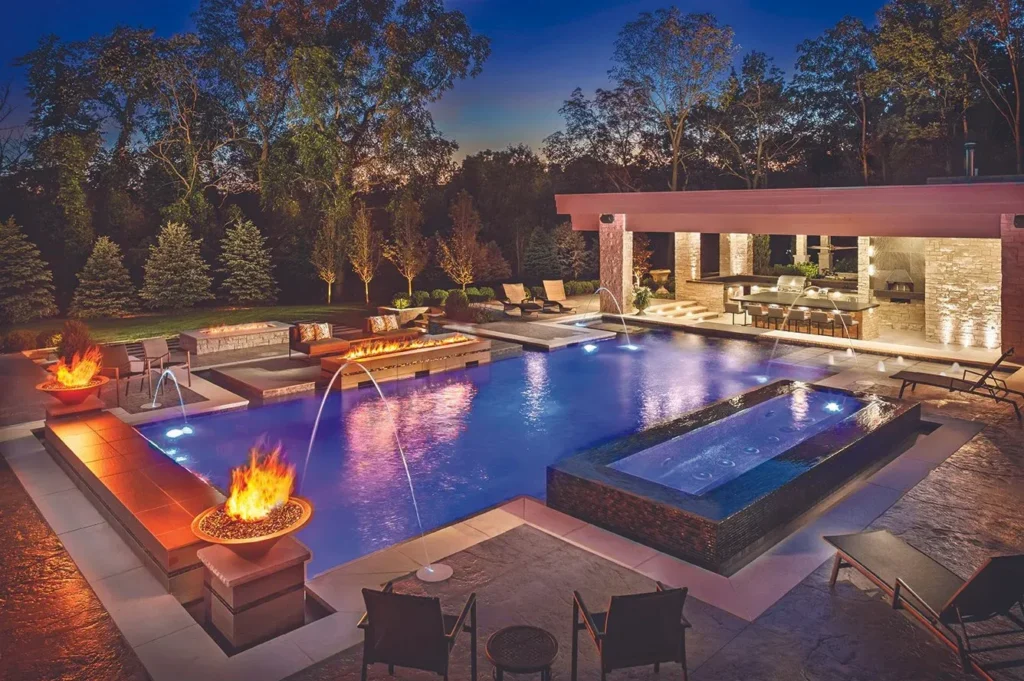
When examining how materials perform in terms of heat absorption, it’s crucial to look at scientific data that evaluates their properties. Research indicates that porcelain pavers consistently exhibit lower heat retention rates than travertine. This crucial distinction enhances user comfort significantly, particularly in a sunny state like Florida where outdoor spaces see heavy usage throughout the year. Understanding these variations can guide buyers toward making the best choice based on anticipated usage and climate conditions.
How does heat resistance affect poolside comfort and safety?
Heat resistance plays an integral role in overall poolside comfort and safety. Materials that absorb excessive heat can create challenging walking conditions for bare feet, heightening the risk of burns and discomfort. Porcelain’s resistance to heat absorption leads to a safer poolside experience, particularly for families with kids. Conversely, travertine, while aesthetically pleasing and naturally occurring, can transform into an uncomfortable surface under high heat, underscoring the need for thoughtful selection of paving materials for outdoor areas.
Heat Absorption: Porcelain vs Travertine
Scientific studies on materials indicate that porcelain’s lower absorption rates are primarily due to its manufacturing process, which locks moisture out. Research findings reveal that porcelain paving can maintain surface temperatures approximately 20% cooler compared to travertine under the same environmental conditions. This significant difference can dramatically influence the enjoyment and usability of outdoor spaces, making porcelain a preferred choice for those seeking an elegantly designed, comfortably cool poolside area.
How does durability compare between porcelain pavers and travertine in Florida’s outdoor conditions?
In Florida’s outdoor conditions, durability is a key consideration when comparing porcelain pavers and travertine. Porcelain outperforms travertine in longevity, largely due to its resistance to water absorption and stains. This quality enables porcelain to maintain its appearance and structural integrity over time, reducing replacement frequency. Travertine requires regular sealing to protect its surface, making it more susceptible to damage. Homeowners must weigh these durability differences carefully to align their choice with their maintenance preferences and long-term investment goals.
What maintenance requirements do travertine and porcelain demand in humid, salty environments?
In humid and salty climates, maintenance is crucial to uphold the aesthetics and functionality of pool decking materials. Porcelain requires minimal maintenance—occasional cleaning with mild detergents suffices to keep its surface looking new. In contrast, travertine necessitates more extensive upkeep; it typically requires sealing every one to three years, depending on exposure and wear. This additional effort can detract from the benefits of using natural stone, making porcelain a more convenient option for homeowners seeking ease of care without sacrificing beauty.
Why is porcelain preferred for luxury custom pool decks regarding long-term durability?
Porcelain is increasingly recognized for its suitability in luxury custom pool decks due to its exceptional durability. Homeowners appreciate that, with less maintenance and longer lifespans, porcelain enhances the value of luxury constructions. Its ability to withstand the effects of weather without losing its color or surface integrity makes it a favorite among designers and property owners. This trend aligns with the growing demand for materials that offer both functionality and style in high-end outdoor spaces.
What are the slip resistance characteristics of porcelain versus travertine pool decking?
Slip resistance is a pivotal factor in ensuring safety around pool areas. Porcelain pavers often feature textured surfaces that enhance grip, particularly when wet. Comparatively, travertine’s natural texture can provide adequate slip resistance; however, it can become slippery when algae or water collects on its surface. Evaluating these characteristics is essential for homeowners who prioritize safety and comfort, creating environments where families can enjoy their outdoor spaces worry-free.
How do ASTM slip resistance ratings guide material choices for wet pool areas?
ASTM (American Society for Testing and Materials) ratings are vital in guiding material choices for slip resistance in wet areas. These standardized tests measure the coefficient of friction—lower ratings indicate a higher risk of slipping. Porcelain pavers typically exhibit higher ASTM ratings than travertine, suggesting they are safer options for pool decks. Homeowners should refer to these ratings when selecting materials to ensure they choose surfaces that meet safety standards for outdoor use.
Which surface treatments improve slip resistance for porcelain and travertine decks?
Several surface treatments can enhance the slip resistance of both porcelain and travertine decks. For porcelain, treatments such as textured finishes or slip-resistant coatings can significantly improve safety without compromising aesthetics. Travertine may benefit from anti-slip sealing solutions that maintain its natural beauty while providing more secure surfaces. Assessing these treatments allows homeowners to customize their pool experiences, prioritizing safety alongside visual appeal.
What installation features and warranty protections distinguish porcelain and travertine pool decks in Florida?
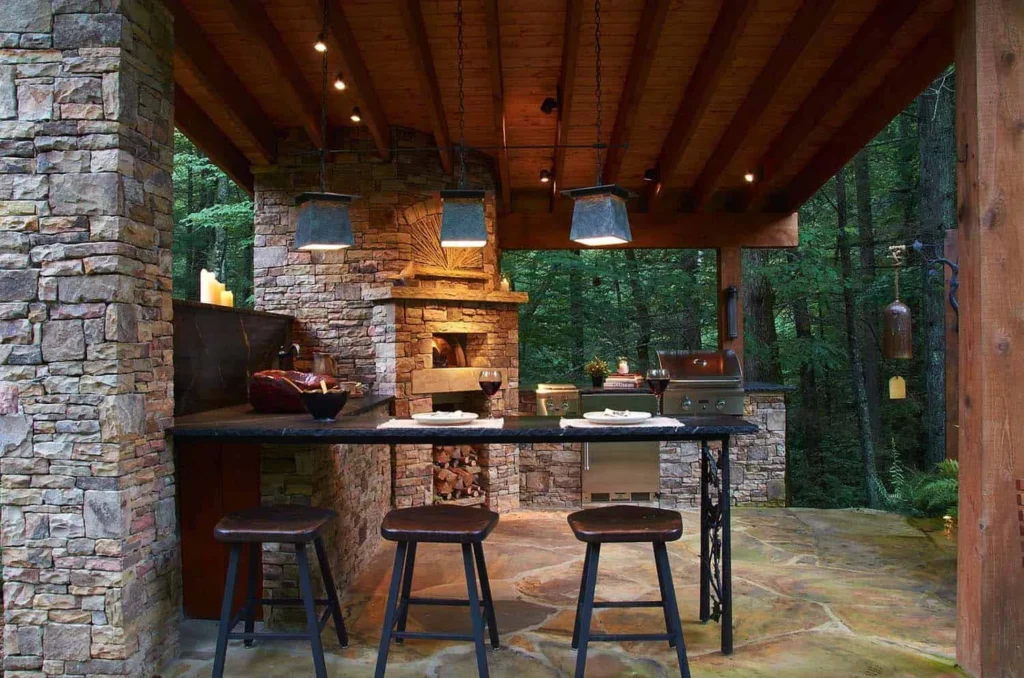
Installation features and warranty protections can greatly influence the overall quality of pool decks. Porcelain often comes with manufacturer warranties ensuring durability against fading and chipping—protection that travertine may not match due to its natural variance. Engaging with a knowledgeable installer can highlight technical aspects like drainage properties and proper substrate preparation, which are essential, particularly for Florida’s climate. These factors offer homeowners peace of mind that their investment is well protected.
How does the Beyond Base Elite System optimize pool deck stability and drainage?
The Beyond Base Elite System provides an innovative solution for optimizing pool deck stability and drainage. This unique system ensures proper water flow and minimizes the risk of pooling and erosion over time. By incorporating smart design features that align with environmental conditions in Florida, the system enhances the functionality and longevity of both porcelain and travertine installations, adding considerable value to luxury outdoor spaces.
What warranty and maintenance plans support lasting porcelain and travertine pool decks?
Warranties and maintenance plans play an important role in supporting the longevity of both porcelain and travertine pool decks. Quality manufacturers typically provide warranties that cover defects and wear. Additionally, well-structured maintenance plans can provide peace of mind, detailing scheduled treatments to maintain surface integrity and appearance. Selecting reputable products with robust maintenance guidelines ensures homeowners can enjoy their outdoor investments with minimal concerns over long-term care.