By Terrance Schabilion, Beyond Backyard Living – Custom Pool Builder Spring Hill FL
Choosing the right joint material for paver installations in Florida is crucial for preventing issues such as mold growth, washout, and ant infestations. Understanding the differences between polymeric sand and sand-free joints can guide homeowners and contractors in making informed decisions for long-lasting outdoor aesthetics. This article explores the advantages of both options, highlighting their effectiveness in Florida’s humid climate and their impact on the longevity of paver installations. Readers will discover how each material functions, the benefits they provide, and which might be more suitable for specific conditions.
Polymeric Sand:
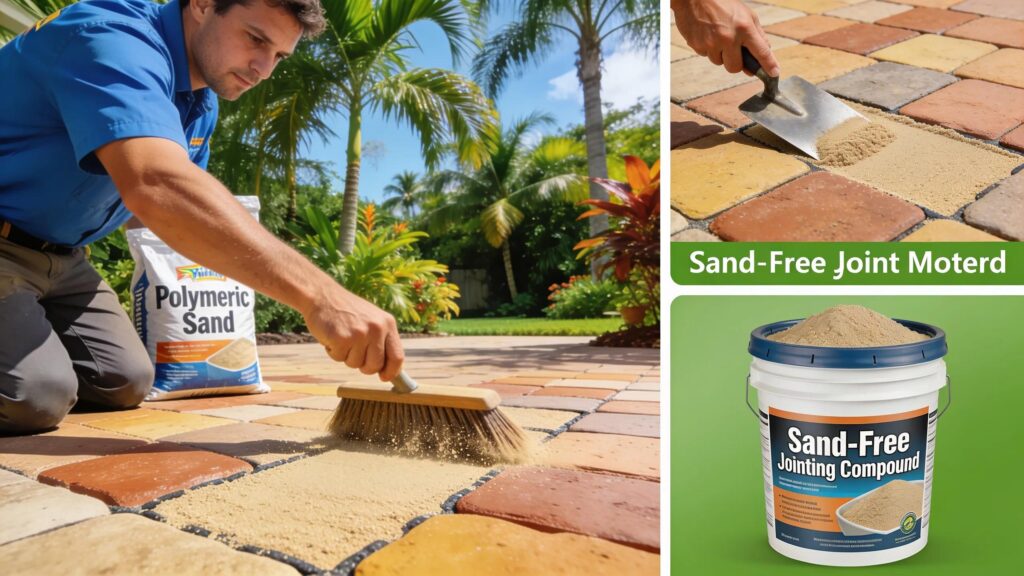
Polymeric sand is a blend of sand and special additives designed to harden when wet, forming a solid joint that helps prevent washout and inhibits weed growth. Upon activation with moisture, the polymers in the sand bind the grains together, creating a stabilized joint that can withstand the elements—even in humid conditions typical of Florida. Proper installation is essential; this involves sweeping the sand into the paver joints and then moistening it to activate the polymers, which ultimately increases the durability of the paved surface.
Advantages of Polymeric Sand
Polymeric sand offers several advantages in paver installations, particularly in Florida’s challenging weather:
- Enhanced Stability: The hardened joints significantly improve the overall stability of the pavers, helping to resist movement and erosion due to heavy rainfall.
- Mold and Mildew Resistance: Its ability to create a solid joint means less moisture retention within the joints, which reduces the likelihood of mold and mildew development.
- Weed Control: The solidified joints inhibit weed growth, reducing the need for ongoing maintenance and chemical treatments.
Beyond Backyard Living Creations, a leader in luxury design and build, recognizes the importance of high-quality polymeric sand as part of their tailored outdoor solutions, ensuring premium finishes and long-lasting beauty.
Polymeric Sand Benefits for Florida Pavers
Sand-free joints represent a modern approach to paver installations that utilizes a permeable base or clean stone for better drainage. This innovative method reduces mold risks by allowing water to flow through joints rather than saturating them. The components chosen for sand-free joints can also enhance structural stability while minimizing maintenance requirements.
Advantages of Sand-Free Joints
The use of sand-free joints offers distinct benefits that may appeal to Florida residents:
- Superior Drainage: By allowing water to pass freely through the joints, sand-free systems minimize puddling and moisture retention, which are crucial in Florida’s humid climate.
- Reduced Maintenance Needs: These systems often require less frequent upkeep than traditional sand methods, making them more appealing to homeowners.
- Aesthetics: With the ability to incorporate various materials, sand-free joints can provide a sleek and modern look that enhances the overall design of outdoor spaces.
Incorporating sand-free joint systems can elevate any hardscape project. Beyond Backyard Living Creations provides consultations to help homeowners choose the most effective joint systems, fitting luxury aesthetics.
What Are the Key Differences Between Polymeric Sand and Sand-Free Joint Systems?
When deciding between polymeric sand and sand-free joint systems, several differences can influence your choice:
- Installation Requirements: Polymeric sand requires precise installation techniques to ensure effectiveness, while sand-free joints may offer more straightforward installation due to their reliance on aggregates.
- Performance in Humidity: While both systems aim to combat mold and erosion, polymeric sand excels in creating solid joints, whereas sand-free joints focus on drainage solutions.
- Cost Considerations: Investment in high-quality polymeric sand may be more straightforward than the installation of a complete sand-free system, considering the latter’s potential requirements for additional materials and construction techniques.
How Does Polymeric Sand Enhance Paver Joint Stability in Florida's Climate?
Polymeric sand enhances paver joint stability by hardening upon moisture activation, thus forming a robust barrier that resists shifting and erosion. The polymers create a cohesive bond among the sand grains, which is particularly vital in Florida’s rainy seasons when heavy downpours can jeopardize typical sand joints. This action effectively mitigates washout and keeps pavers firmly in place, contributing to the longevity and aesthetics of the installation, especially when supported by an advanced elite base system.
What Technologies Make Sand-Free Joints Suitable for Florida Pavers?
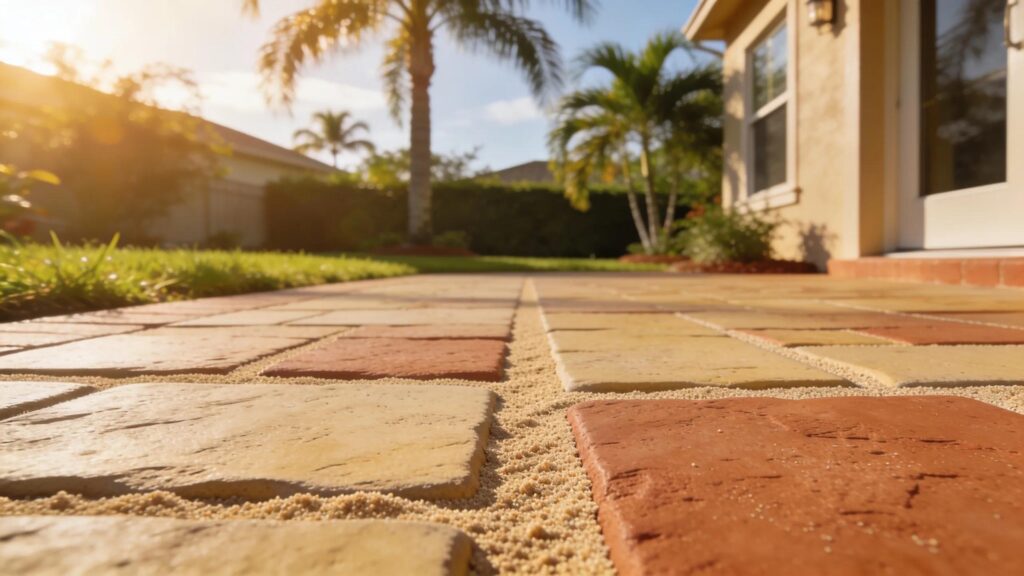
Sand-free joints incorporate advanced technologies, such as porous aggregate systems, that ensure superior drainage. This setup not only enhances water flow but also minimizes the risk of mold and associated issues in humid climates. Additionally, employing superior construction techniques to create well-drained foundations allows for optimal performance, making sand-free joints an effective modern choice for paver installations.
How Do Polymeric Sand and Sand-Free Joints Prevent Mold and Mildew in Florida Paver Installations?
Polymeric sand prevents mold growth by forming a solid joint that reduces moisture entrapment, while sand-free joints utilize their drainage capabilities to minimize standing water in the joints. Both systems address mold issues but do so through differing mechanisms tailored to Florida’s environmental challenges. Hence, understanding these functionalities can greatly influence long-term satisfaction with your outdoor spaces.
Which Mold Prevention Strategies Are Effective Against Humidity-Induced Biological Growth?
Implementing mold prevention in paver installations often starts with selecting the right joint material. Strategies include:
- Choosing the Right Joint Material: Opt for polymeric sand or a sand-free joint system to enhance water drainage and reduce moisture retention.
- Installing Efficient Drainage Systems: Utilizing French drains or grading can ensure excess water does not linger near paver drainage installations.
- Regular Maintenance: Routine inspections and maintenance practices, such as cleaning drainage areas, can help mitigate organic growth over time.
Understanding and applying these strategies helps maintain a beautiful and safe outdoor environment.
How Does Joint Material Selection Impact Paver Aesthetics and Longevity?
Joint material selection significantly influences both the aesthetic appeal and durability of paver installations. Polymeric sand often delivers a neater finish due to its solidified appearance, whereas sand-free joints can offer a different aesthetic adapted to modern design principles. Both materials, when chosen with care, can enhance the longevity of paver installations by preventing degradation and contributing to a well-maintained landscape supported by a comprehensive lifetime settlement warranty.
What Solutions Combat Washout and Joint Erosion in Florida’s Rain-Prone Regions?
To combat washout and erosion in regions prone to heavy rainfall, consider:
- Using Polymeric Sand: It offers excellent resistance to washout, holding firmly in place against water flow.
- Implementing Proper Drainage Solutions: Ensuring effective water flow management around landscape installations can drastically reduce erosion potential.
- Adopting Advanced Joint Technologies: Systems like sand-free joints utilize permeable materials to decrease the likelihood of washout significantly.
These solutions collectively work to fortify paver installations against the elements common in Florida.
How Do Polymeric Sand and Sand-Free Systems Differ in Washout Resistance?
Polymeric sand and sand-free joint systems exhibit key differences in washout resistance. Polymeric sand provides a firm barrier against washout due to its hardened state when wet, effectively mitigating erosion from heavy rains. Conversely, sand-free joints may allow for more water movement but are designed to reduce the accumulation of water that can lead to joint deterioration, making both solutions impactful in preventing washout for different reasons.
What Drainage and Engineering Techniques Support Joint Protection from Washout?
Implementing effective drainage techniques is crucial for extending the life of joints in outdoor areas. Strategies include:
- Strategic Grading: Ensuring that water flows away from paver surfaces can help alleviate pressure that leads to joint washout.
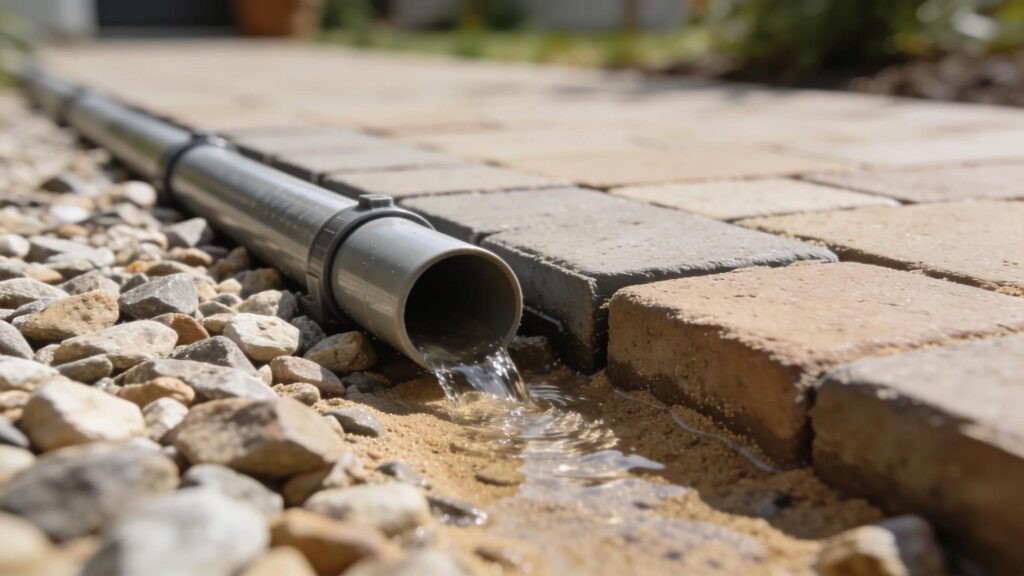
- Installing Drainage Pipes: Keeping water redirected below ground can maintain the integrity of both sand and sand-free joint options.
- Using Geotextiles: To prevent erosion of underlying materials while allowing water to pass through, geotextiles can support the durability of joint systems.
These techniques work in tandem with correct material choices to provide a comprehensive approach to preventing washout and prolonging the life of a paver installation.
How Effective Are Joint Materials in Controlling Ant Infestation on Florida Paver Surfaces?
Joint materials significantly impact pest control, particularly ants known for exploiting gaps in joint systems. Polymeric sand constructs a sealed joint, greatly reducing points of entry for these pests. In contrast, sand-free systems, while preventive, need careful selection of materials and regular maintenance to ensure that they don’t create an inviting habitat for ant colonies. Understanding these dynamics aids homeowners in making strategic choices that deter ant infestations.
What Makes Polymeric Sand Ant-Repellent Compared to Sand-Free Alternatives?
Polymeric sand is inherently more ant-repellent due to its hardening properties that limit the accessible space where ants can nest or travel. The dense joint structure prevents moisture retention, which attracts ants. Sand-free alternatives, while effective, may not explicitly offer the same level of block against ant movement unless paired with durable and strategically placed materials.
Which Maintenance and Warranty Plans Support Long-Term Pest and Mold Resistance?
Maintenance and warranty plans can significantly enhance the life of joint materials by addressing critical aspects:
- Routine Inspections: Regularly checking for signs of mold or pest infestations is crucial.
- Moisture Management: Implementing drainage systems and ensuring sides of installations are well-maintained can prevent mold growth.
- Reliable Suppliers and Contractors: Working with professionals like Beyond Backyard Living Creations, known for providing high-quality installations and material recommendations, can support effective long-term strategies.
The right approach to joint materials and maintenance guarantees a healthier, more aesthetically pleasing outdoor environment, reducing the likelihood of issues like mold or pest infestations.