Day: September 12, 2026

  • Polymeric Sand vs Sand-Free Joints for Florida Pavers: Preventing Mold, Washout, and Ant Infestation

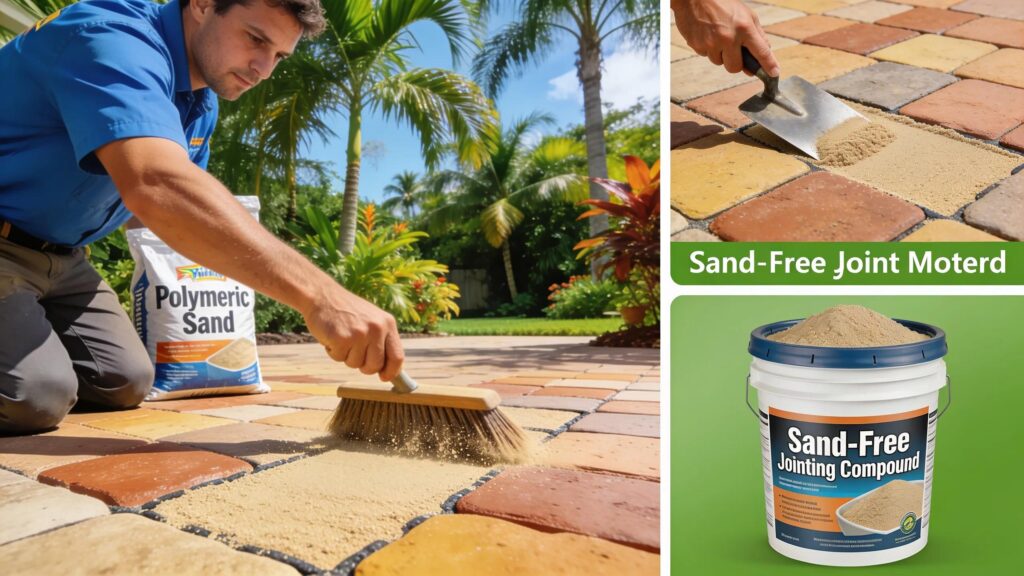
    Polymeric sand and sand-free joints for paver installations in a Florida backyard

    By Terrance Schabilion, Beyond Backyard Living – Custom Pool Builder Spring Hill FL

    Choosing the right joint material for paver installations in Florida is crucial for preventing issues such as mold growth, washout, and ant infestations. Understanding the differences between polymeric sand and sand-free joints can guide homeowners and contractors in making informed decisions for long-lasting outdoor aesthetics. This article explores the advantages of both options, highlighting their effectiveness in Florida’s humid climate and their impact on the longevity of paver installations. Readers will discover how each material functions, the benefits they provide, and which might be more suitable for specific conditions.

    Polymeric Sand:

    Polymeric sand is a blend of sand and special additives designed to harden when wet, forming a solid joint that helps prevent washout and inhibits weed growth. Upon activation with moisture, the polymers in the sand bind the grains together, creating a stabilized joint that can withstand the elements—even in humid conditions typical of Florida. Proper installation is essential; this involves sweeping the sand into the paver joints and then moistening it to activate the polymers, which ultimately increases the durability of the paved surface.

    Advantages of Polymeric Sand

    Polymeric sand offers several advantages in paver installations, particularly in Florida’s challenging weather:

    1. Enhanced Stability: The hardened joints significantly improve the overall stability of the pavers, helping to resist movement and erosion due to heavy rainfall.
    2. Mold and Mildew Resistance: Its ability to create a solid joint means less moisture retention within the joints, which reduces the likelihood of mold and mildew development.
    3. Weed Control: The solidified joints inhibit weed growth, reducing the need for ongoing maintenance and chemical treatments.

    Beyond Backyard Living Creations, a leader in luxury design and build, recognizes the importance of high-quality polymeric sand as part of their tailored outdoor solutions, ensuring premium finishes and long-lasting beauty.

    Sand-Free Joints:

    Sand-free joints represent a modern approach to paver installations that utilizes a permeable base or clean stone for better drainage. This innovative method reduces mold risks by allowing water to flow through joints rather than saturating them. The components chosen for sand-free joints can also enhance structural stability while minimizing maintenance requirements.

    Advantages of Sand-Free Joints

    The use of sand-free joints offers distinct benefits that may appeal to Florida residents:

    1. Superior Drainage: By allowing water to pass freely through the joints, sand-free systems minimize puddling and moisture retention, which are crucial in Florida’s humid climate.
    2. Reduced Maintenance Needs: These systems often require less frequent upkeep than traditional sand methods, making them more appealing to homeowners.
    3. Aesthetics: With the ability to incorporate various materials, sand-free joints can provide a sleek and modern look that enhances the overall design of outdoor spaces.

    Incorporating sand-free joint systems can elevate any hardscape project. Beyond Backyard Living Creations provides consultations to help homeowners choose the most effective joint systems, fitting luxury aesthetics.

    What Are the Key Differences Between Polymeric Sand and Sand-Free Joint Systems?

    When deciding between polymeric sand and sand-free joint systems, several differences can influence your choice:

    • Installation Requirements: Polymeric sand requires precise installation techniques to ensure effectiveness, while sand-free joints may offer more straightforward installation due to their reliance on aggregates.
    • Performance in Humidity: While both systems aim to combat mold and erosion, polymeric sand excels in creating solid joints, whereas sand-free joints focus on drainage solutions.
    • Cost Considerations: Investment in high-quality polymeric sand may be more straightforward than the installation of a complete sand-free system, considering the latter’s potential requirements for additional materials and construction techniques.

    How Does Polymeric Sand Enhance Paver Joint Stability in Florida’s Climate?
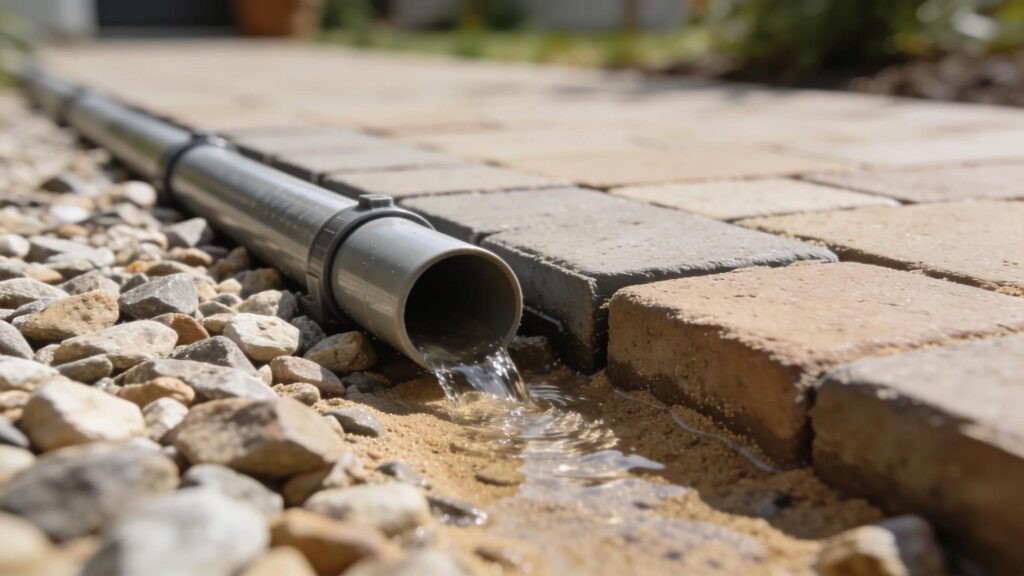
    Polymeric sand used in patios showcasing stability and aesthetics in Florida

    Polymeric sand enhances paver joint stability by hardening upon moisture activation, thus forming a robust barrier that resists shifting and erosion. The polymers create a cohesive bond among the sand grains, which is particularly vital in Florida’s rainy seasons when heavy downpours can jeopardize typical sand joints. This action effectively mitigates washout and keeps pavers firmly in place, contributing to the longevity and aesthetics of the installation, especially when supported by an advanced elite base system.

    What Technologies Make Sand-Free Joints Suitable for Florida Pavers?
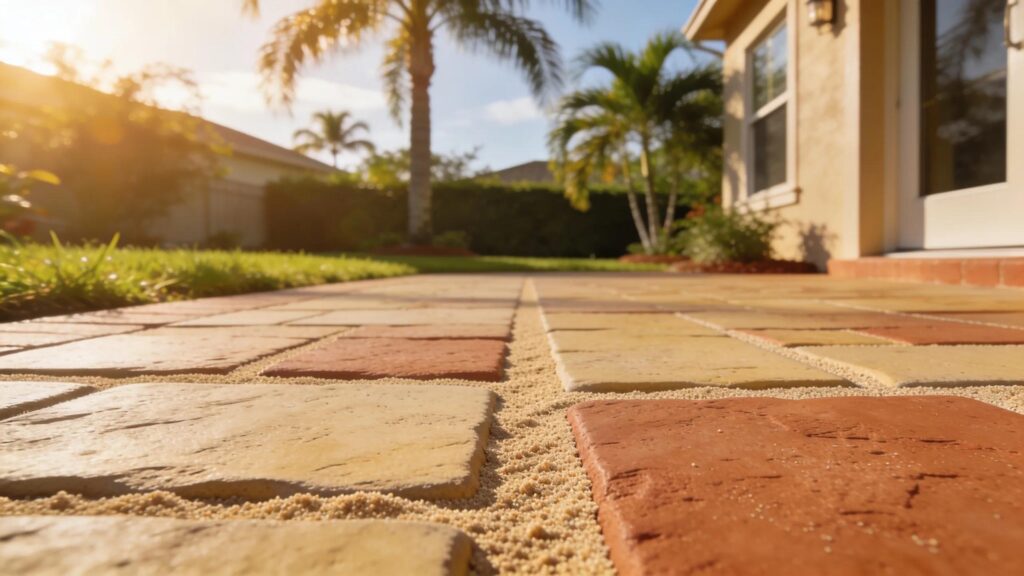
    Drainage techniques for enhancing sand-free joint systems in Florida

    Sand-free joints incorporate advanced technologies, such as porous aggregate systems, that ensure superior drainage. This setup not only enhances water flow but also minimizes the risk of mold and associated issues in humid climates. Additionally, employing superior construction techniques to create well-drained foundations allows for optimal performance, making sand-free joints an effective modern choice for paver installations.

    How Do Polymeric Sand and Sand-Free Joints Prevent Mold and Mildew in Florida Paver Installations?

    Polymeric sand prevents mold growth by forming a solid joint that reduces moisture entrapment, while sand-free joints utilize their drainage capabilities to minimize standing water in the joints. Both systems address mold issues but do so through differing mechanisms tailored to Florida’s environmental challenges. Hence, understanding these functionalities can greatly influence long-term satisfaction with your outdoor spaces.

    Which Mold Prevention Strategies Are Effective Against Humidity-Induced Biological Growth?

    Implementing mold prevention in paver installations often starts with selecting the right joint material. Strategies include:

    1. Choosing the Right Joint Material: Opt for polymeric sand or a sand-free joint system to enhance water drainage and reduce moisture retention.
    2. Installing Efficient Drainage Systems: Utilizing French drains or grading can ensure excess water does not linger near paver drainage installations.
    3. Regular Maintenance: Routine inspections and maintenance practices, such as cleaning drainage areas, can help mitigate organic growth over time.

    Understanding and applying these strategies helps maintain a beautiful and safe outdoor environment.

    How Does Joint Material Selection Impact Paver Aesthetics and Longevity?

    Joint material selection significantly influences both the aesthetic appeal and durability of paver installations. Polymeric sand often delivers a neater finish due to its solidified appearance, whereas sand-free joints can offer a different aesthetic adapted to modern design principles. Both materials, when chosen with care, can enhance the longevity of paver installations by preventing degradation and contributing to a well-maintained landscape supported by a comprehensive lifetime settlement warranty.

    What Solutions Combat Washout and Joint Erosion in Florida’s Rain-Prone Regions?

    To combat washout and erosion in regions prone to heavy rainfall, consider:

    1. Using Polymeric Sand: It offers excellent resistance to washout, holding firmly in place against water flow.
    2. Implementing Proper Drainage Solutions: Ensuring effective water flow management around landscape installations can drastically reduce erosion potential.
    3. Adopting Advanced Joint Technologies: Systems like sand-free joints utilize permeable materials to decrease the likelihood of washout significantly.

    These solutions collectively work to fortify paver installations against the elements common in Florida.

    How Do Polymeric Sand and Sand-Free Systems Differ in Washout Resistance?

    Polymeric sand and sand-free joint systems exhibit key differences in washout resistance. Polymeric sand provides a firm barrier against washout due to its hardened state when wet, effectively mitigating erosion from heavy rains. Conversely, sand-free joints may allow for more water movement but are designed to reduce the accumulation of water that can lead to joint deterioration, making both solutions impactful in preventing washout for different reasons.

    What Drainage and Engineering Techniques Support Joint Protection from Washout?

    Implementing effective drainage techniques is crucial for extending the life of joints in outdoor areas. Strategies include:

    1. Strategic Grading: Ensuring that water flows away from paver surfaces can help alleviate pressure that leads to joint washout.
    2. Installing Drainage Pipes: Keeping water redirected below ground can maintain the integrity of both sand and sand-free joint options.
    3. Using Geotextiles: To prevent erosion of underlying materials while allowing water to pass through, geotextiles can support the durability of joint systems.

    These techniques work in tandem with correct material choices to provide a comprehensive approach to preventing washout and prolonging the life of a paver installation.

    How Effective Are Joint Materials in Controlling Ant Infestation on Florida Paver Surfaces?

    Joint materials significantly impact pest control, particularly ants known for exploiting gaps in joint systems. Polymeric sand constructs a sealed joint, greatly reducing points of entry for these pests. In contrast, sand-free systems, while preventive, need careful selection of materials and regular maintenance to ensure that they don’t create an inviting habitat for ant colonies. Understanding these dynamics aids homeowners in making strategic choices that deter ant infestations.

    What Makes Polymeric Sand Ant-Repellent Compared to Sand-Free Alternatives?

    Polymeric sand is inherently more ant-repellent due to its hardening properties that limit the accessible space where ants can nest or travel. The dense joint structure prevents moisture retention, which attracts ants. Sand-free alternatives, while effective, may not explicitly offer the same level of block against ant movement unless paired with durable and strategically placed materials.

    Which Maintenance and Warranty Plans Support Long-Term Pest and Mold Resistance?

    Maintenance and warranty plans can significantly enhance the life of joint materials by addressing critical aspects:

    • Routine Inspections: Regularly checking for signs of mold or pest infestations is crucial.
    • Moisture Management: Implementing drainage systems and ensuring sides of installations are well-maintained can prevent mold growth.
    • Reliable Suppliers and Contractors: Working with professionals like Beyond Backyard Living Creations, known for providing high-quality installations and material recommendations, can support effective long-term strategies.

    The right approach to joint materials and maintenance guarantees a healthier, more aesthetically pleasing outdoor environment, reducing the likelihood of issues like mold or pest infestations.
  • Baja Shelves & Tanning Ledges in Florida Pools: Sizing, Water Depth & Bubbler Guide for Luxury Custom Designs

    Baja Shelves & Tanning Ledges in Florida Pools: Sizing, Water Depth & Bubbler Guide for Luxury Custom Designs

    By Terrance Schabilion, Beyond Backyard Living – Custom Pool Builder Spring Hill FL

    Baja shelves and tanning ledges are becoming increasingly popular features in luxury Florida pools, enhancing both their functionality and aesthetic appeal. These elements transform a standard swimming pool into a resort-style oasis, offering relaxation and leisure right in your backyard. A Baja shelf, often referred to as a sun shelf, serves as a shallow area where individuals can lounge in the water, while tanning ledges provide a transitional space between shallow and deeper pool water, suitable for sunbathing or lounging. This guide explores the essential sizing, optimal water depths, and the role of bubblers to enhance these features, ensuring your pool is both comfortable and luxurious. As we delve into the specifics, we’ll also highlight how Beyond Backyard Living Creations expertly combines these features into custom pool decks.

    What Are Baja Shelves and Tanning Ledges in Luxury Florida Pools?

    Baja shelves and tanning ledges are specialized areas within a swimming pool designed for relaxation and leisure. A Baja shelf, typically measuring 6 to 12 inches in depth, allows swimmers to enjoy the water while maintaining a comfortable climate at the surface, making it perfect for lounging with a book or soaking up the sun. In contrast, tanning ledges feature slightly deeper water, generally ranging from 12 to 18 inches, allowing users to partially submerge themselves while still enjoying sun exposure. These features enhance the versatility of pools, accommodating various activities from social gatherings to private relaxation moments.

    Defining Baja Shelves and Sun Shelves for Pool Leisure

    Baja shelves, also known as sun shelves, are shallow platforms that provide a tranquil space at the water’s edge. They often include built-in seating areas to enjoy both sun and water. Tanning ledges, however, are broader areas that allow for partial submersion, perfect for sunbathing. Together, these spaces cater to both enjoyment and aesthetics, making your outdoor living area much more inviting.

    Lifestyle Benefits and Resort-Style Ambiance Creation

    Incorporating Baja shelves and tanning ledges into pool designs creates a resort-style ambiance that appeals to families and individuals looking for leisure. These features not only enhance the visual appeal of the pool, but they also invite social interaction, making them ideal for gatherings. Families can supervise younger children in the shallow water, while adults enjoy an area for lounging and relaxation. This arrangement fosters a lifestyle centered around outdoor enjoyment, contributing greatly to the overall value of luxury homes.

    What Are the Optimal Sizes and Water Depths for Pool Tanning Ledges?

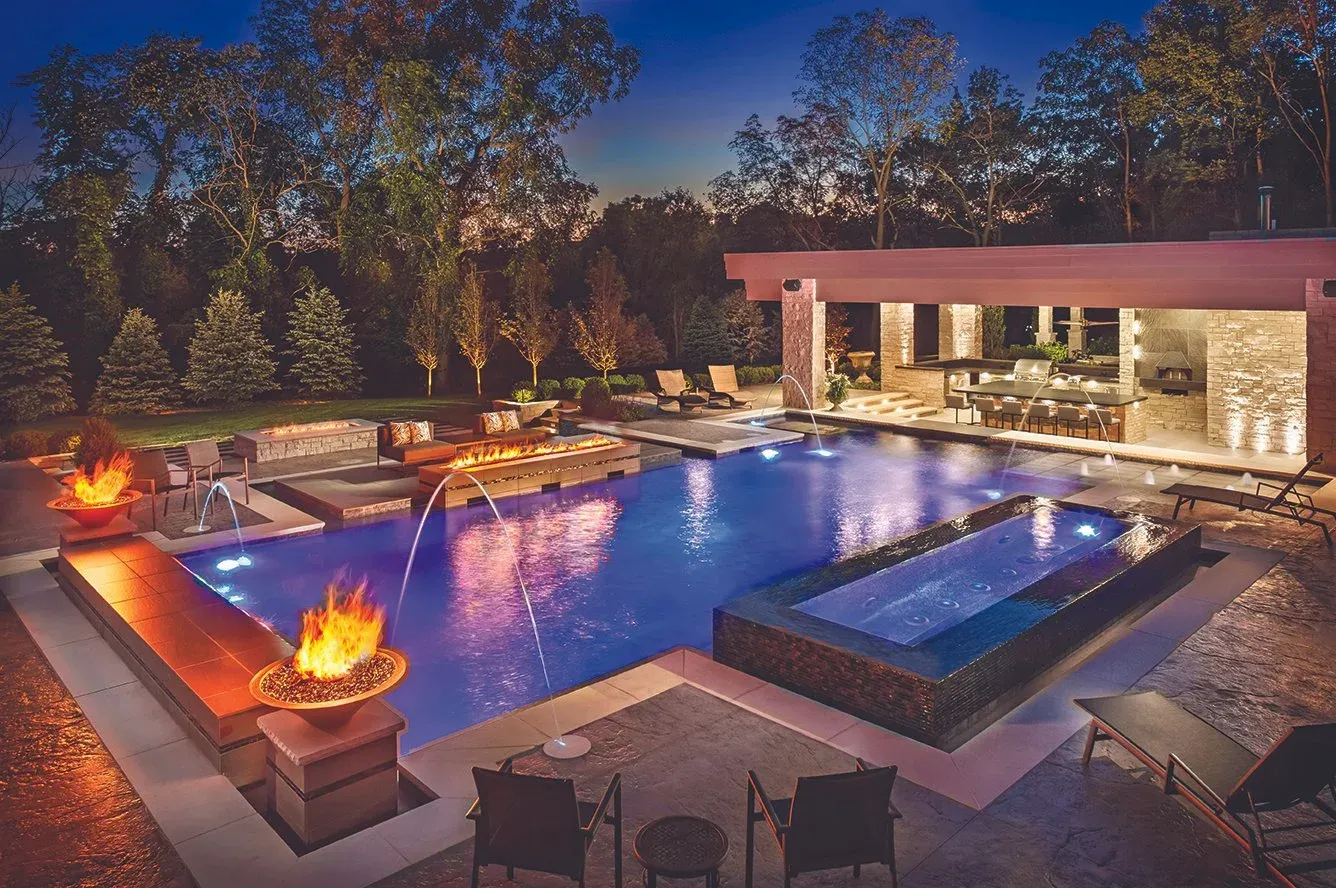
    Elegant outdoor features complementing custom pool decking including kitchen, fire pit, and grottos

    Determining the right sizes and water depths for tanning ledges is crucial for safety and comfort. Optimal measurements can vary based on user preference and intended use but should generally prioritize safety to accommodate all swimmers.

    Recommended Depth Measurements for Safety and Comfort

    The ideal depth for pool tanning ledges usually ranges from 12 to 18 inches. This depth ensures users can comfortably lounge while being partially submerged, enhancing both safety and relaxation. Such measurements allow enough room for adults to lay down without fear of slipping off or feeling constrained. Keeping within this optimal range provides both comfort for lounging and a safe environment for all ages.

    Dimension Guidelines for Custom Pool Tanning Ledges

    When designing custom tanning ledges, dimensions should consider overall pool size and layout. A well-planned tanning ledge should be at least 5-6 feet wide, allowing multiple users to enjoy the space simultaneously. Furthermore, transitioning these features seamlessly into the pool design maintains the visual flow and enhances the overall experience. This approach fosters an inviting atmosphere, encouraging use by family and friends alike.

    How Do Bubblers Enhance Baja Shelf and Tanning Ledge Pool Features?

    Bubblers are an excellent addition to Baja shelves and tanning ledges, enhancing their visual appeal and creating soothing sounds. They introduce a gentle flow of water that not only beautifies the pool but also offers sensory benefits for the overall experience.

    Design Options and Custom Water Feature Benefits

    Bubblers come in several styles to match various pool designs. Available options include tiered bubblers that create cascading effects or customizable designs that integrate seamlessly with the pool’s aesthetic. These water features not only add beauty but also promote relaxation through the gentle sound of flowing water, thereby enhancing the pool’s overall ambiance. Additionally, shallow-water LED bubblers can be integrated with larger swimming pool water features and rain curtains, creating a synchronized water choreography that elevates the pool’s aesthetic and sensory appeal.

    Integration of Adjustable Bubblers with Luxury Pool Systems

    Incorporating adjustable bubblers into your luxury pool system allows for personalization according to user preferences and environmental conditions. Users can control the intensity and flow of the bubbler, making it easier to create the desired atmosphere. This feature further develops the luxurious feel of the space, encouraging frequent enjoyment of the outdoor area.

    How Does Beyond Backyard Living Deliver Turnkey Pool Construction with Baja Shelves?

    Beyond Backyard Living Creations specializes in luxury pool and hardscape design, expertly delivering customized solutions that incorporate Baja shelves and tanning ledges. The process ensures a seamless integration of these features into the overall pool design, guaranteeing both function and beauty.

    From the initial design consultation to the final installation, Beyond Backyard Living’s team collaborates closely with clients to ensure their vision is realized. They leverage high-quality materials and state-of-the-art techniques, providing clients a finished product that exceeds expectations. To ensure your complete outdoor space remains pristine over time, consider exploring our annual protection plan and our reliable lifetime settlement warranty for long-term peace of mind.

  • Custom Swimming Pool Waterfalls, Boulder Grottos & Sheer Descents in Florida: Hydraulic Engineering & Cost Guide

    Custom Swimming Pool Waterfalls, Boulder Grottos & Sheer Descents in Florida: Hydraulic Engineering & Cost Guide

    By Terrance Schabilion, Beyond Backyard Living – Custom Pool Builder Spring Hill FL

    Creating captivating outdoor environments often includes stunning features such as custom swimming pool waterfalls, boulder grottos, and sheer descents. This guide delves into the hydraulic engineering principles that underpin these luxurious additions, combined with a transparent cost breakdown for Florida homeowners. Readers will learn how innovative design trends elevate aesthetics and function, while also addressing the value of investing in high-quality services for bespoke installations.

    Explore essential principles of hydraulic engineering, discover emerging design trends, and understand the cost implications of crafting these stunning water features. The insights gained will support prospective homeowners and designers in making informed decisions that enhance the beauty and functionality of their outdoor spaces.

    What are the key hydraulic engineering principles for luxury pool waterfalls?

    Hydraulic engineering is fundamental to designing and constructing custom swimming pool waterfalls, as it ensures not only aesthetic appeal but also proper functionality and safety. Key principles include the management of water flow, structural integrity, and circulation systems that keep water in motion. These elements are crucial for creating waterfalls that not only attract attention but also function seamlessly within the broader landscape design.

    How does hydraulic engineering enhance custom pool waterfall design?

    Investing in hydraulic engineering allows for tailored designs that consider local water conditions, pool size, and desired visual effects. For instance, effective design ensures that water cascades evenly, creating a soothing sound and appearance. Waterproofing and drainage must be well-planned to prevent water leakage and ensure durability. Moreover, incorporating lighting into the design enhances the waterfall’s allure during nighttime, allowing it to be a focal point of evening gatherings.

    Which design trends define natural-style boulder grottos and sheer descent features in Florida?

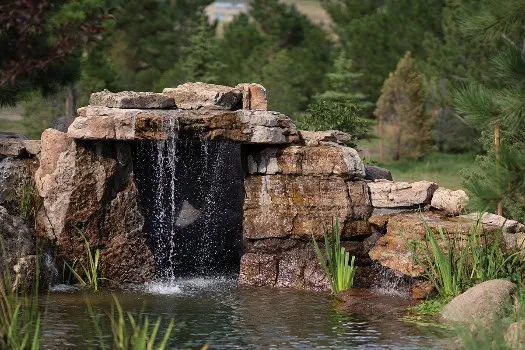
    In Florida, natural-style boulder grottos and sheer descent features are becoming increasingly popular due to their ability to blend seamlessly with the native landscape. Current design trends emphasize the use of natural stone materials that mimic the aesthetic qualities of waterfalls found in nature. These features not only enhance the beauty of pools but also bring a sense of tranquility to outdoor spaces.

    How do natural stone materials contribute to authentic grotto construction?

    Natural stone materials, such as granite and limestone, are favored for their durability and aesthetic appeal. Their unique textures and colors contribute to the authentic feel of a grotto, allowing designs to harmonize with the surroundings. When selecting stones, designers often consider properties like weather resistance and how well the stone complements other landscape elements. The result is a cohesive outdoor environment that feels private and serene.

    What innovations set apart Florida’s sheer descent water features?

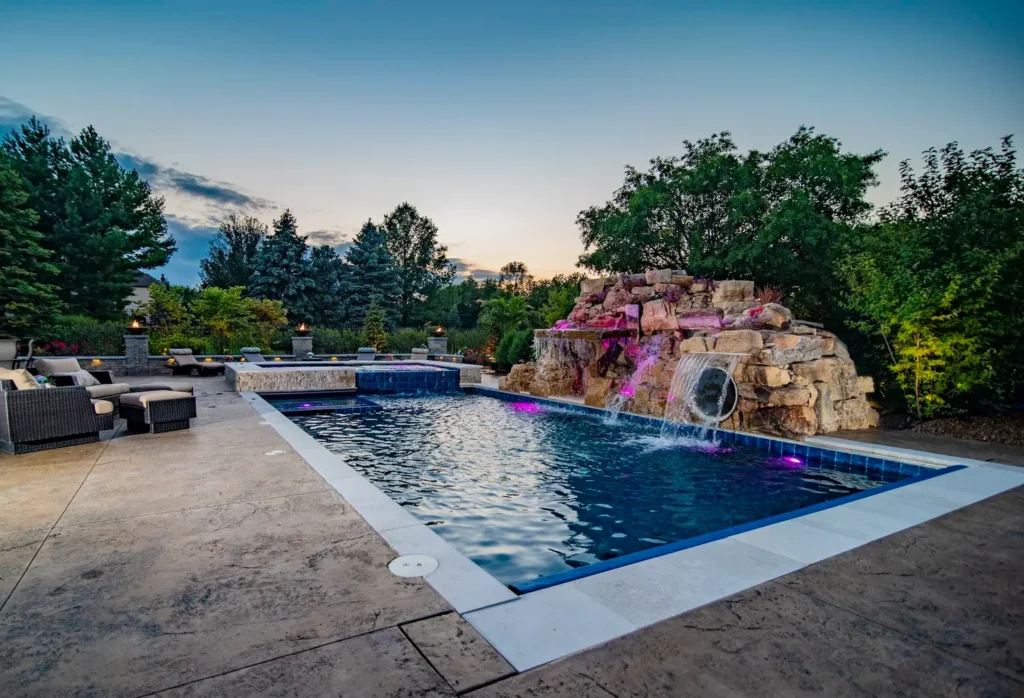
    Illuminated swimming pool with rock waterfall, hot tub, and patio furniture at twilight.

    Florida’s sheer descent water features are distinguished by several cutting-edge innovations. Advanced water delivery systems provide precise control over flow rates, allowing for customizable waterfall heights and visual effects. Additionally, the use of energy-efficient pump systems lends sustainability to these features, appealing to environmentally conscious homeowners. The combination of these innovations fosters captivating visual displays while maintaining low operational costs.

    What is the transparent cost breakdown for custom swimming pool waterfalls and grottos in Florida?

    Understanding the cost components involved is crucial for homeowners considering the installation of custom swimming pool features. Factors influencing pricing include the complexity of the design, choice of materials, and the engineering required to execute the project. Transparency in costs empowers clients to make educated decisions when committing to aesthetic updates in their outdoor spaces.

    How do materials and engineering complexity affect the overall investment?

    The variety of materials used plays a significant role in the investment required for installation. For instance, natural stones typically come at a premium compared to manufactured alternatives, reflecting their authenticity and longevity. Engineering complexity, such as the requirements for maintaining water pressure or ensuring waterproofing, also impacts labor costs and overall pricing. Homeowners should assess their priorities in terms of aesthetic preferences versus budget constraints to ultimately shape their project.

    What are typical price ranges for bespoke waterfall and grotto installations?

    Custom installations come with a wide range of price points depending on the features included. Typically, comprehensive projects may start around $20,000, with high-end installations exceeding $50,000 when using premium materials and advanced features. This investment reflects the careful planning and execution required to create luxurious yet functional outdoor environments.

    Feature TypeEstimated Cost RangeNotes
    Basic Waterfall$3,000 – $8,000Simple designs with minimal stone.
    Custom Boulder Grotto$15,000 – $30,000High-quality natural stone used.
    Sheer Descent Feature$10,000 – $25,000Advanced technologies for flow control.

    The unique value of features crafted by expert designers, such as Beyond Backyard Living Creations, lies not only in aesthetic appeal but also in the quality of construction. By prioritizing craftsmanship and premium materials, homeowners can ensure their investments yield luxurious outdoor settings.

    How does the turnkey process from 3D pool design to construction work for custom water features?

    Embarking on a project for custom water features begins with a 3D pool design that allows clients to visualize their final outcome. This initial phase includes extensive consultations to address preferences and local conditions, ensuring that the project aligns with the homeowner’s vision and lifestyle. Such thorough groundwork facilitates a streamlined construction phase, where the execution reflects the prior agreed-upon designs.

    What are the stages of transforming 3D waterfall concepts into built environments?

    Creating outdoor water features involves several stages, starting from conceptualization to final construction. Essential phases include:

    1. Design Assessment: Collaborating with clients to refine the initial design.
    2. Material Selection: Choosing the ideal stones and components for durability and aesthetics.
    3. Construction Planning: Coordinating labor and logistics for effective execution.

    Each stage is crucial for ensuring that the final installation aligns with both client expectations and professional quality standards.

    How are custom hardscape and paver systems integrated with water elements?

    Integrating custom hardscape with water elements enhances outdoor aesthetics and functionality. Well-designed paver systems surrounding swimming pools and waterfalls improve accessibility while providing a finished look. Additionally, incorporating various textures and colors in hardscape design complements the natural features of grottos and waterfalls, creating a unified outdoor experience that balances hard and soft elements effectively.

  • Luxury Custom Swimming Pool Fire Bowls & Water-Fire Combos in Florida: Automation, Ignition Systems & Gas Plumbing Solutions

    Luxury Custom Swimming Pool Fire Bowls & Water-Fire Combos in Florida: Automation, Ignition Systems & Gas Plumbing Solutions

    By Terrance Schabilion, Beyond Backyard Living – Custom Pool Builder Spring Hill FL

    The integration of fire and water elements into outdoor spaces offers a unique blend of luxury and tranquility for homeowners in Florida. Custom swimming pool fire bowls and water-fire combos are increasingly popular, not only for their aesthetic appeal but also for their ability to enhance outdoor gatherings. This guide delves into the key features, technologies, and design processes involved in creating these stunning outdoor features. Readers will discover how automation and ignition systems contribute to both safety and convenience in pool fire installations. We will also explore the gas plumbing considerations vital for the construction of these features in upmarket settings, particularly in Florida’s climate.

    What Are the Key Features of Custom Pool Fire Bowls and Fire-Water Combinations in Florida?

    Custom pool fire bowls and fire-water combinations are designed to elevate outdoor living experiences, particularly in regions like Florida. These installations blend functionality with artistry, offering dramatic visual effects alongside the comfort of warmth and light.

    1. Architectural Beauty: The elegant design of custom fire bowls complements the overall aesthetics of any outdoor space, creating a luxurious ambiance.
    2. Enhanced Experience: Automation technology allows users to control fire features seamlessly, enhancing the enjoyment of outdoor spaces.
    3. Premium Materials: Quality materials, such as natural stone and stainless steel, ensure durability while enhancing the visual appeal of the installations.

    Luxury features such as these are often sought after by homeowners keen on creating unique outdoor environments, which is where Beyond Backyard Living Creations can play a pivotal role. Their expertise in custom luxury pool designs ensures these installations meet both aesthetic and practical recommendations.

    How Do Natural-Style Pools Enhance Fire and Water Feature Design?

    Natural-style pools offer a harmonious blend with fire and water features by mimicking the organic forms found in nature. The integration of sustainable materials and natural designs promotes environmental aesthetics and connectivity. This design approach not only complements the fire bowls but also enhances landscaping, creating tranquil escapes that invite relaxation. Effective use of boulders, rocks, and aquatic plants can enhance the visual momentum of the installation, leading to a seamless transition between the water elements and fire features.

    What Materials Are Common in Luxury Fire Bowls and Water Features?

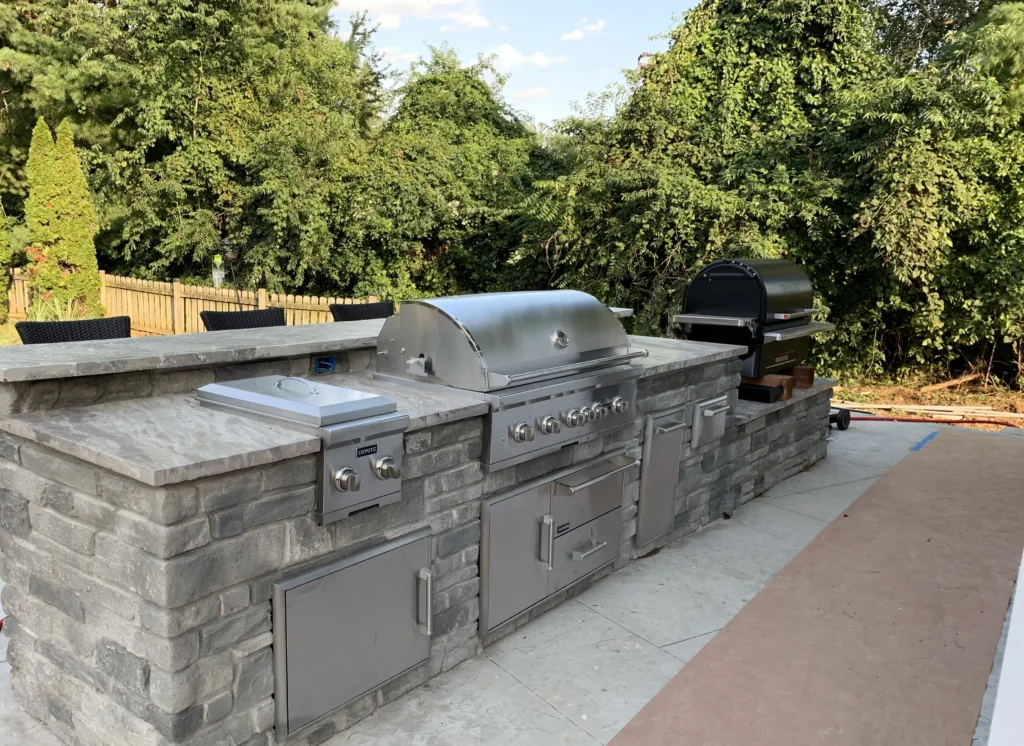
    Comparison of wood-fired, gas, and electric pizza ovens in an outdoor kitchen setting

    In Florida, the choice of materials for fire bowls and water features is critical due to environmental factors such as humidity and temperature variations.

    • Stainless Steel: This material is popular for its corrosion resistance and longevity, especially in burner designs that withstand high temperatures.
    • Natural Stone: Known for its aesthetic appeal and durability, natural stone creates a striking visual contrast with the fire element.
    • Concrete: This material is not only heat-resistant but also adaptable, allowing for a variety of designs and finishes.

    By choosing the right materials, homeowners can ensure that their installations will not only be visually stunning but also resilient against the elements.

    Which Automation and Ignition Systems Are Used for Outdoor Fire Bowls in Florida?

    Outdoor kitchen emphasizing energy-efficient appliances and luxury sustainability with solar power integration

    Automation and ignition systems play a crucial role in the functionality and safety of outdoor fire bowls. These advanced systems ensure that fire features are easily controllable, which enhances user experience during gatherings and events.

    1. Remote-Controlled Systems: Many fire bowls now come equipped with remote systems for easy ignition and control, allowing users to adjust the flame with a simple push of a button.
    2. Safety Features: Modern ignition systems often include automatic shut-off features, ensuring safety in fire bowl usage.

    What Types of Automatic Ignition Systems Integrate with Pool Fire Bowls?

    Automatic ignition systems vary widely, with several options available to meet different needs:

    • Spark Ignition Systems: Using an electronic spark to ignite gas, these systems are reliable and safe.
    • Pilot Light Systems: These involve a continually burning small flame that ignites the main burner, which is a traditional option but requires regular maintenance.

    Integrating the appropriate ignition system can greatly reduce the risks associated with using fire features outdoors, helping to foster a safe atmosphere for families and guests.

    How Does Automation Improve Safety and Convenience for Fire Features?

    Automation improves safety by reducing the need for users to manually ignite flames, which can lead to accidents or injuries. Moreover, automated systems can include sensors that monitor gas levels and shut off automatically in case of leaks. The convenience of programmable features allows homeowners to schedule when their fire features operate, ensuring that they can enjoy their outdoor spaces without constant supervision.

    Modern technological advancements in automated controls provide critical safety enhancements for residential outdoor heating and fire elements.

    Automated Gas and Fire Control Systems for Outdoor Safety

    This project utilizes an advanced methodology that integrates gas sensors, flame sensors, smoke sensors, and automated co Development of automated fire control system: An integrated solution for gas, fire, and smoke detection, SS Ali, 2025

    How Is Gas Plumbing Installed for Custom Fire Bowls and Outdoor Fire Features in Tampa Bay and Spring Hill?

    Gas plumbing is a critical component in the functionality of custom fire bowls and warrants meticulous planning and installation to ensure safety and compliance with local codes.

    1. Installation Techniques: Professional installation ensures that gas lines are properly fitted and compliant with local regulations.
    2. Safety Assessments: Regular inspections and maintenance are vital to prevent leaks or malfunctions, which are paramount for safety.

    What Are the Differences Between Natural Gas and Propane for Pool Fire Bowls?

    Understanding the gas type used is fundamental for both safety and operational efficiency.

    Fuel TypeAdvantagesDisadvantages
    Natural GasCost-effective in the long runRequires a continuous gas source
    PropanePortable and versatileHigher per-unit cost, refilling needed

    Choosing the right fuel type impacts not only the installation’s convenience but also the economic aspects of its operation.

    What Is the Turnkey Process for Designing and Building Luxury Pool Fire and Water Features?

    The turnkey approach allows for a streamlined process from concept to completion, ensuring that all aspects of the project are seamlessly integrated.

    1. Consultation: The process begins with in-depth consultations to understand the client’s vision and preferences.
    2. 3D Conceptual Design: Utilizing advanced design tools, clients can visualize their features before construction begins, ensuring satisfaction with final results.
    3. Construction Phases: Each phase, from groundwork to final touches, is carefully planned, allowing for optimal execution and quality assurance.

    How Does 3D Conceptual Design Streamline Custom Fire-Water Feature Planning?

    3D design technology enables clients to see a realistic representation of their project, facilitating adjustments before construction begins. This not only saves time but also ensures that the final product aligns with the client’s expectations. Such advancements in design help minimize errors and eliminate surprises during the construction phase, leading to a smoother overall process.

    What Are the Key Phases from Consultation to Construction of Fire Bowl Installations?

    Key phases of the installation process encompass several important steps, including:

    • Initial Consultation: Gathering requirements and preferences.
    • Design Approval: Securing client feedback on preliminary designs.
    • Regulatory Compliance Checks: Ensuring all local regulations are met.
    • Final Installation: This phase encapsulates all groundwork, plumbing, and finishing touches to deliver the final product.

    This structured approach guarantees high-quality outcomes that align with clients’ desires, which can be further protected through an annual protection plan for longevity.

  • Best Pool Deck Surfaces for a Luxury Backyard

    Best Pool Deck Surfaces for a Luxury Backyard

    A beautiful pool can lose its impact the moment bare feet hit a scorching, slippery, or visually disconnected deck. The best pool deck surfaces do far more than frame the water. They set the temperature underfoot, create safe circulation, shape the mood of the entire backyard, and connect the pool to patios, outdoor kitchens, fire features, and gathering spaces.

    For a high-end outdoor environment, choosing a deck material is not simply a matter of selecting a color sample. It is a design decision that affects how the space feels at noon in July, how it performs after a pool party, and how gracefully it ages over the years. The right answer depends on your home’s architecture, your Sunbelt climate, your maintenance preferences, and the way you want to live outdoors.

    What the Best Pool Deck Surfaces Need to Do

    A pool deck has a demanding job. It must hold up to water, sun, sunscreen, furniture movement, and frequent foot traffic while still looking polished from the kitchen window or outdoor lounge. In warm regions, heat retention deserves as much attention as color and texture. A dark, dense surface may look dramatic in a showroom but become uncomfortable on a cloudless afternoon.

    Slip resistance matters, but a rough surface is not automatically a better one. The goal is a finish with reliable traction when wet that remains comfortable enough for daily barefoot use. Drainage is equally important. Water should move away from the pool and structures without creating awkward slopes, puddles, or a patchwork appearance.

    Finally, the deck should belong to the larger design. A formal pool beside a Mediterranean-inspired home calls for different materials than a clean-lined contemporary pool with a covered pavilion and outdoor kitchen. The most memorable projects feel composed from every angle, with the deck serving as the visual foundation rather than an afterthought.

    Travertine Creates a Timeless Resort Feel

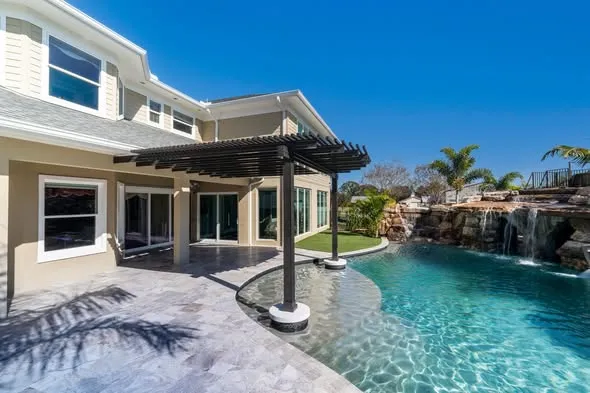
    Travertine is often one of the strongest choices for homeowners who want an established, resort-style look. Its natural variation gives a deck depth and character that manufactured materials rarely duplicate, and its light, earthy palette works beautifully with water, landscape planting, stucco, and warm architectural finishes.

    One of travertine’s greatest advantages in hot climates is its comfort underfoot. Lighter selections tend to stay cooler than many dense concrete or dark stone surfaces. Tumbled travertine also provides a naturally textured finish that feels welcoming around a pool without looking overly rustic.

    The trade-off is that travertine is a natural stone with pores and variation. It should be selected carefully, installed by experienced craftspeople, and maintained with the appropriate sealer when needed. Some homeowners love the softened patina that develops over time; others prefer the more uniform appearance of porcelain. For a backyard designed around hospitality, warm materials, and lasting character, travertine remains difficult to surpass.

    Where travertine shines

    Travertine is especially compelling around freeform pools, elegant geometric pools, and spaces that pair water with fire. It can extend naturally into a dining terrace or beneath a pergola, making the backyard feel like one continuous destination rather than a collection of separate features.

    Porcelain Delivers Clean Lines and Low Maintenance

    Porcelain pavers have become a favorite for modern outdoor spaces, and for good reason. They offer consistent color, refined edges, impressive stain resistance, and a broad range of finishes that can resemble limestone, concrete, wood, or natural stone. For homeowners who favor crisp architecture and a tailored aesthetic, porcelain can make a pool area feel exceptionally intentional.

    Quality exterior porcelain is nonporous, which makes it resistant to moisture absorption, many stains, and fading from sun exposure. It is also easy to clean after entertaining. A properly specified textured finish can provide strong wet traction without making the deck feel abrasive.

    The consideration is installation. Porcelain requires precise preparation, the right setting system, and careful detailing at coping, expansion joints, and drainage points. It can also feel less organic than real stone, particularly if the rest of the property features heavily variegated natural materials. Used thoughtfully, though, porcelain offers a sophisticated, low-maintenance answer for contemporary poolscapes.

    Natural Stone Brings Distinction and Depth

    Limestone, sandstone, and select quartzite can create a pool deck with unmistakable presence. These materials are valued for their authentic color movement, subtle texture, and ability to make a backyard feel established from day one. No two pieces are exactly alike, which gives the finished deck a custom quality that suits a one-of-a-kind home.

    Not every natural stone belongs beside every pool. Some varieties are too dense, too dark, too slick when wet, or prone to performance issues in a particular climate. The specific stone, finish, source, and installation details matter far more than the broad category on a sample board.

    Limestone, in particular, can be a beautiful option when a project calls for restrained elegance and soft neutral tones. A honed or lightly textured finish may complement formal architecture, while a more weathered finish suits a relaxed courtyard atmosphere. An experienced design-build team can help identify a stone that delivers the intended visual effect without sacrificing comfort or practical performance.

    Concrete Pavers Offer Flexibility Without a Flat Look

    Concrete pavers are a versatile choice for homeowners who want a tailored layout, reliable traction, and a broad range of colors and patterns. They can create movement through large-format modules, running bond patterns, or more traditional arrangements, and they can be used to visually define lounge zones, dining spaces, and pathways around the pool.

    Pavers also offer a practical advantage: individual units can be repaired or replaced more easily than a large monolithic slab if future access or localized damage becomes an issue. With the right joint treatment and edge restraint, they create a durable surface with a substantial feel.

    Their limitations are mostly aesthetic and technical. Lower-grade pavers can fade, show uneven wear, or feel busy when too many colors and patterns compete. Joint maintenance also deserves consideration, particularly near heavily planted areas or in spaces with frequent water runoff. Premium pavers, installed with a clear design vision, can look elevated and perform beautifully for years.

    Poured Concrete Works When Detail Drives the Design

    Poured concrete is far from a default choice when it is designed well. Large-format concrete decks can create a calm, architectural plane around a pool, particularly in contemporary homes where minimal joints and clean geometry are part of the appeal. Exposed aggregate, broom finishes, sandblasted finishes, and custom color blends can all improve traction and visual interest.

    Concrete is often efficient for expansive deck areas, but it requires careful planning for control joints, drainage, and heat. Darker colors and certain finishes can become uncomfortable in direct sun. Cracking is also a reality of concrete, though well-placed joints and skilled installation help manage where movement occurs.

    For the best result, think of concrete as a crafted surface rather than a blank slab. Pair it with stone coping, a distinct inlay, or a material transition beneath a covered living area to give the space dimension and purpose.

    Design the Deck as Part of the Whole Backyard

    The strongest pool decks are designed alongside the pool itself, not after construction has begun. Coping, waterline tile, deck color, retaining walls, lighting, planting, and nearby structures should all be considered together. A pale travertine deck may call for a soft, tonal coping selection, while a porcelain deck may look best with a sharply detailed coping edge and modern tile.

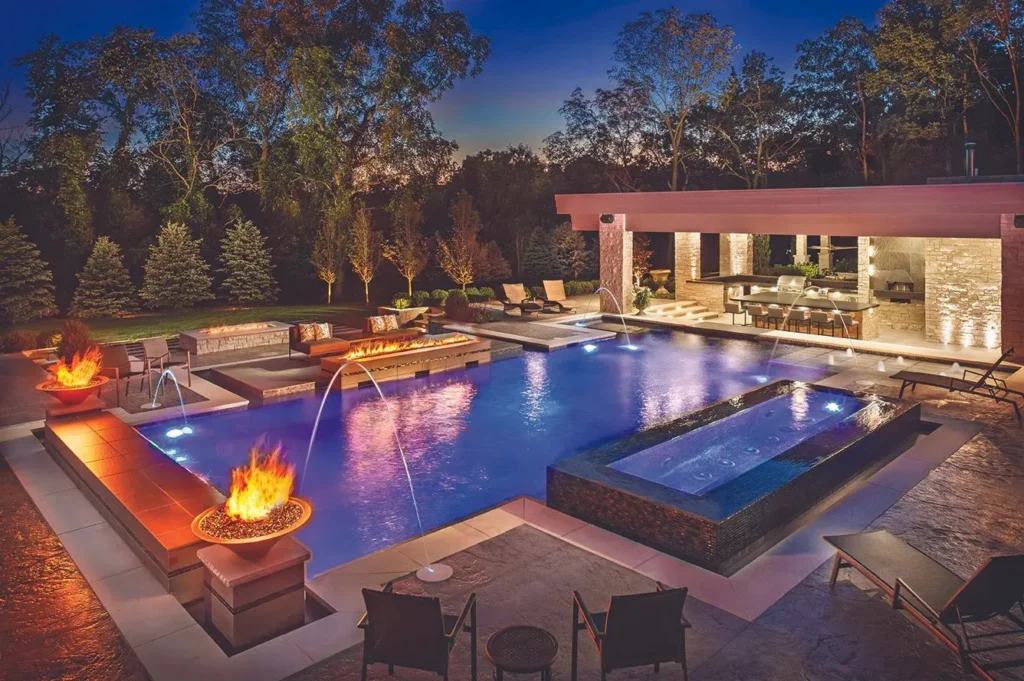
    Think about how people will move through the space. Guests need an easy path from the house to the pool, a dry route to the outdoor kitchen or powder room, and enough room for loungers without blocking circulation. If children will use the pool regularly, a generous transition zone and dependable wet traction become central to the design. If the pool is built for evening entertaining, lighting, fire features, and comfortable lounge surfaces may shape the material decision just as much as daytime heat.

    Drainage should be integrated early, especially on larger properties with patios, pavilions, or changes in elevation. The most elegant deck is one where water management feels invisible because it was resolved before the first stone or paver was installed.

    Choosing the Right Surface for Your Lifestyle

    There is no universal winner among pool deck materials. Travertine may be ideal for a homeowner who wants cool, timeless luxury. Porcelain may be the better fit for someone drawn to a cleaner aesthetic and minimal upkeep. Natural stone can bring unmatched individuality, while pavers and concrete create opportunities for scale, pattern, and architectural structure.

    Bring samples outdoors before making a final decision. Look at them in full sun, shade, and evening light. Stand on them barefoot. Place them near the pool tile, cabinetry finishes, and exterior walls. The material that looks exceptional under showroom lights may tell a different story beside shimmering water at three o’clock in the afternoon.

    A thoughtfully selected deck turns pool time into something more generous: mornings with coffee by the water, children moving safely between swim and snack, and evenings when guests linger because the entire backyard feels designed to welcome them. That is the standard worth building toward.