By Terrance Schabilion, Beyond Backyard Living – Custom Pool Builder Spring Hill FL
Weatherproofing outdoor kitchens in Florida poses unique challenges due to the state’s humid, coastal climate. Choosing the right materials for cabinetry is essential to ensure durability and longevity in such an environment. This article delves into the comparison between marine-grade high-density polyethylene (HDPE) and stainless steel cabinetry, focusing on their respective strengths and weaknesses. Readers can expect to learn about key differences in durability, maintenance, design options, and overall suitability for custom kitchen installations. By understanding the specific weatherproofing challenges Florida presents, we can provide valuable insights into selecting the best materials for a resilient outdoor kitchen.
Comparison of Marine-Grade HDPE and Stainless Steel Cabinetry for Outdoor Kitchens in Florida
When considering outdoor kitchen cabinetry for Florida’s climate, marine-grade HDPE and stainless steel offer distinct advantages and disadvantages. Marine-grade HDPE is renowned for its moisture resistance and corrosion-free properties, making it ideal for areas exposed to high humidity and direct exposure to saltwater. On the other hand, stainless steel cabinetry is celebrated for its sleek appearance and structural integrity, providing a modern aesthetic that complements various outdoor designs. The choice between these materials ultimately depends on the specific needs and desired look of the outdoor space.
Durability:
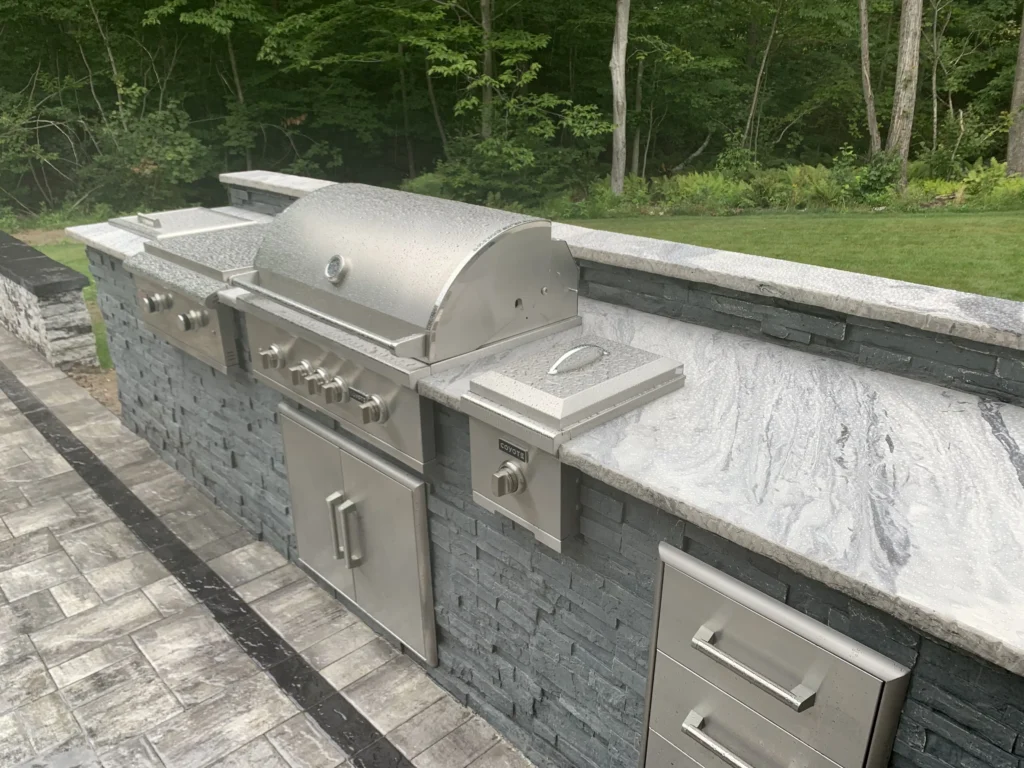
Durability is paramount when selecting cabinetry for outdoor kitchens in Florida. Marine-grade HDPE boasts exceptional moisture resistance, enabling it to withstand the challenges posed by the state’s humid climate while resisting rot and decay. This material does not rust or corrode, making it suitable for coastal environments. Conversely, stainless steel cabinets are also durable, yet they are susceptible to corrosion if not properly maintained. Regular upkeep, including cleaning and application of protective coatings, is essential to prevent rust development on stainless steel surfaces.
Maintenance Requirements:
Maintenance requirements differ significantly between the two materials. Marine-grade HDPE is relatively low-maintenance, requiring only occasional cleaning with soap and water to maintain its appearance. In contrast, stainless steel cabinetry demands more attention; it requires regular cleaning to avoid staining and scratching. It is advisable to utilize non-abrasive cleaners and avoid steel wool to preserve the surface finish. Emphasizing proper care for either material ensures longevity and continued aesthetic appeal.
Design Options:
Both marine-grade HDPE and stainless steel offer diverse design options for outdoor kitchens. Stainless steel cabinetry is often favored for its modern, industrial aesthetic, providing a sleek look that complements contemporary design trends. In contrast, marine-grade HDPE is available in various colors and finishes, allowing for customization in outdoor kitchen designs. The versatility of both materials enables homeowners to choose styles that best fit their unique vision and outdoor environment.
Overall Suitability for Custom Kitchen Installations:
The suitability of marine-grade HDPE versus stainless steel for custom kitchen installations hinges on intended use and location. Marine-grade HDPE is an excellent option for high-moisture environments and coastal areas where corrosion is a concern. Customer case studies reveal that homeowners opting for HDPE report lower long-term maintenance costs and enhanced durability. Meanwhile, stainless steel shines in aesthetic appeal and high-end finishes, making it a popular choice for luxury outdoor kitchens. Each material presents unique benefits depending on specific requirements and design preferences.
What Are the Weatherproofing Challenges for Outdoor Kitchens in Florida?
Outdoor kitchens in Florida face several weatherproofing challenges due to the state’s climate. High humidity levels can lead to mold growth and deterioration of materials not suited for extreme moisture. Additionally, heat and UV rays from the sun can cause fading and warping in inferior materials. Choosing resilient cabinetry is crucial to combat these issues and ensure lasting functionality and visual appeal.
What Common Weather Damage Impacts Marine-Grade and Stainless Steel Cabinets?
The most common weather damage that affects outdoor kitchen cabinets includes corrosion, fading, and structural degradation. Marine-grade HDPE remains largely unaffected by water and salt, thus it does not suffer from rust or rot. Stainless steel, while generally robust, can experience rust if scratches or chips expose the underlayer to moisture. Preventative measures, such as using food-safe sealants, can mitigate these risks and extend the lifespan of both cabinet types.
What Are the Benefits of Marine-Grade HDPE Cabinets for Florida Outdoor Kitchens?
Marine-grade HDPE offers several benefits for Florida outdoor kitchens. Its corrosion resistance is vital in salty coastal areas, and it remains unaffected by moisture, making it ideal for humid conditions. Furthermore, HDPE is easy to clean and maintain, resisting stains and odors commonly associated with traditional materials. Beyond durability, this material contributes to eco-friendly designs, as it is recyclable and made from sustainable resources.
How Does Marine-Grade HDPE Provide Corrosion and Humidity Resistance?
Marine-grade HDPE provides excellent corrosion and humidity resistance due to its non-porous structure, preventing moisture absorption. Unlike wood or traditional plastics, HDPE is engineered to handle extreme weather without swelling or deteriorating. Its chemical properties make it resistant to many environmental factors, ensuring long-lasting performance for outdoor cabinetry used in Florida’s humid climate.
Why Is HDPE Considered a Sustainable Choice for Outdoor Kitchen Cabinets?
HDPE is considered a sustainable choice for outdoor kitchen cabinetry because it is produced from recycled materials and is itself recyclable. This ensures a reduced environmental impact compared to traditional cabinetry made from non-recyclable materials. Selecting HDPE promotes eco-conscious building practices, appealing to homeowners who value sustainability and want to reduce their carbon footprint without sacrificing quality or durability.
How Do Stainless Steel Outdoor Kitchen Cabinets Compare in Durability and Style?
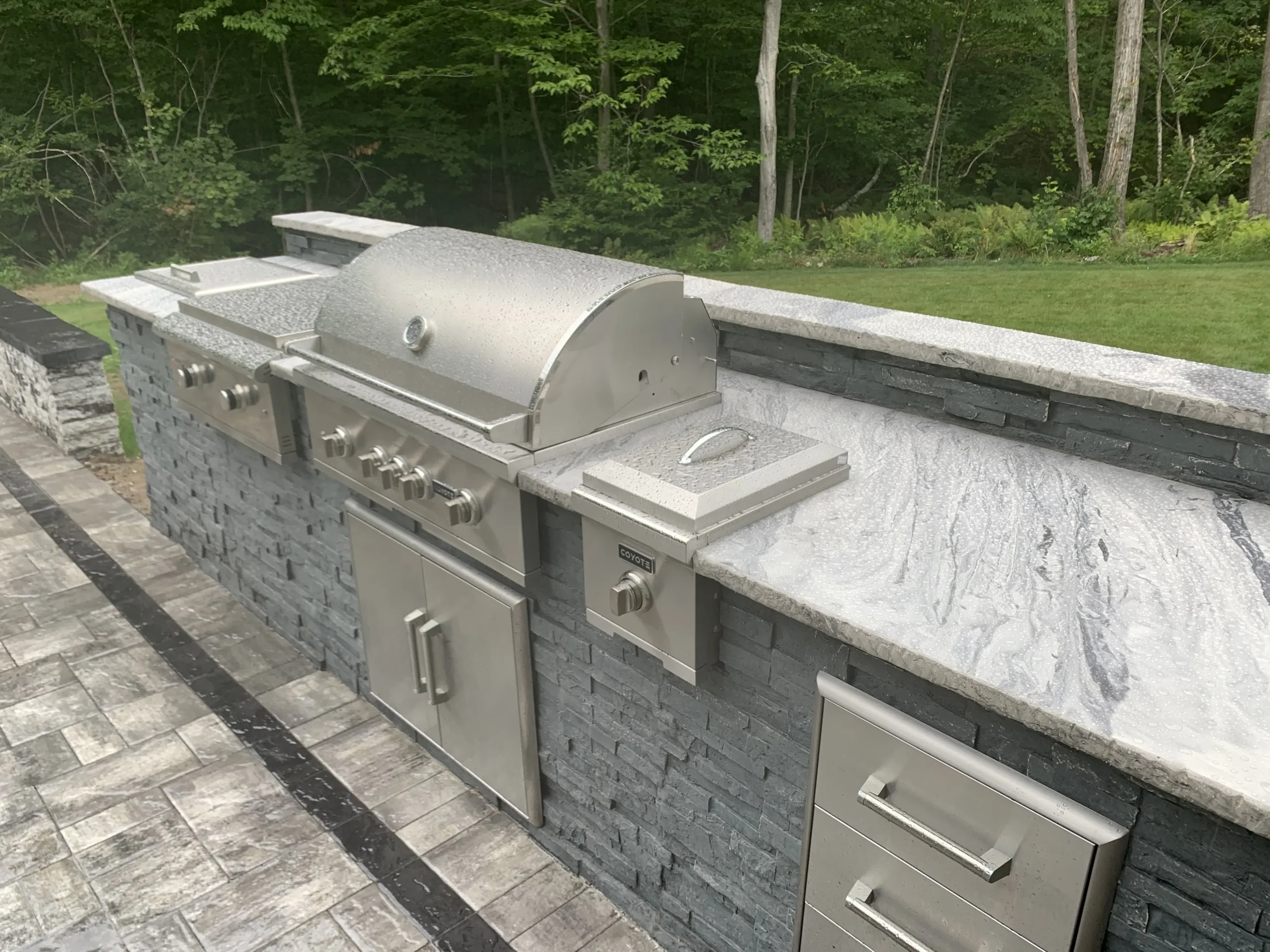
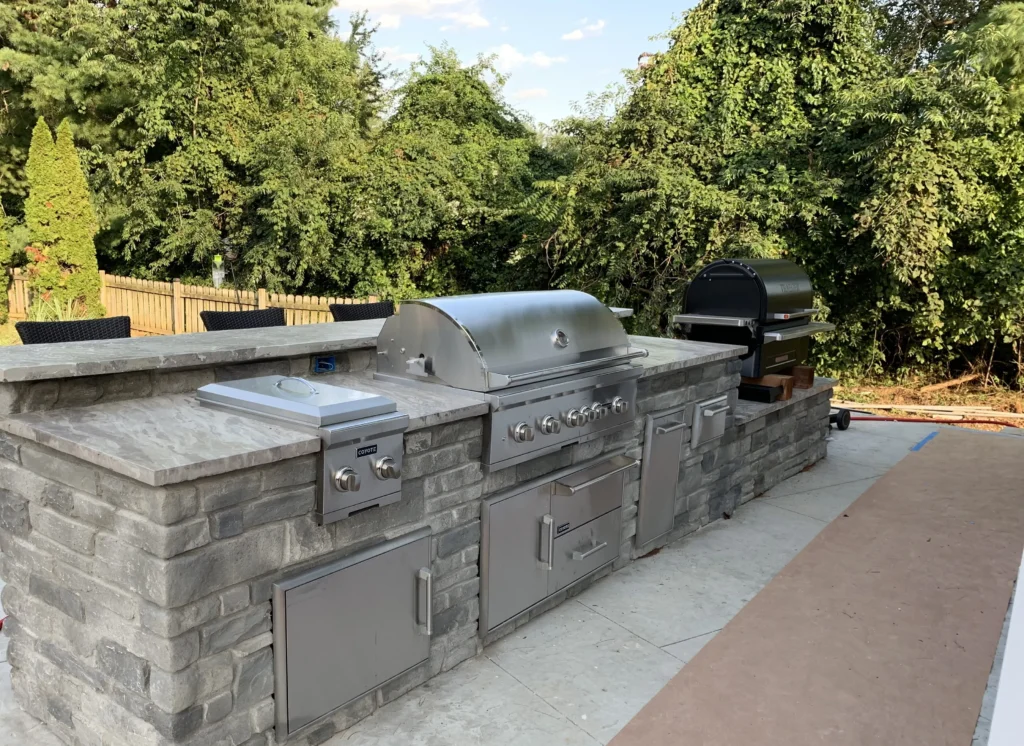
Stainless steel outdoor kitchen cabinets excel in durability and style, offering a modern aesthetic that appeals to many homeowners. Known for their strength, stainless steel can endure significant wear and tear, making them suitable for high-traffic outdoor environments. While typically more durable than wood, these cabinets do require maintenance to protect against rust and scratches. The visual appeal of stainless steel is undeniable, providing an upscale look that complements high-end outdoor living spaces.
What Stainless Steel Grades Are Best for Florida’s Weather Conditions?
Choosing the right grade of stainless steel is critical for outdoor kitchens in Florida. Grades such as 304 and 316 are commonly used in outdoor settings. Grade 316 contains molybdenum, enhancing its resistance to corrosion, making it ideal for coastal environments with high salt exposure. Grade 304, while still durable, is less resistant to chloride environments and may require additional maintenance to prevent rusting.
What Are the Maintenance Requirements for Stainless Steel Cabinets?
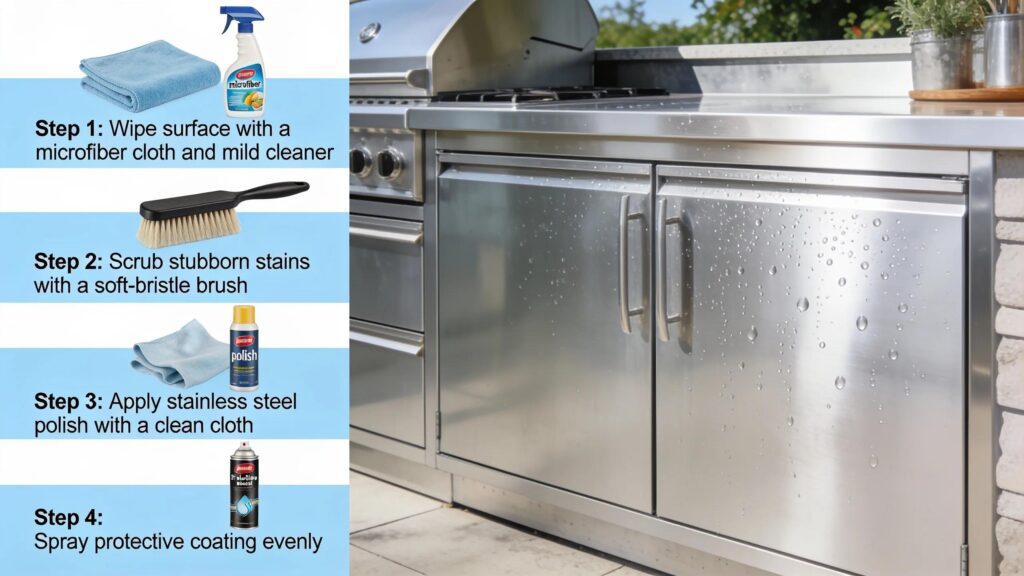
The maintenance requirements for stainless steel cabinets involve regular cleaning to prevent the buildup of grease and grime. It is essential to use non-abrasive cleaners to maintain the surface’s shine while avoiding scratching. Homeowners should also inspect the surfaces periodically for any signs of rust, especially in coastal areas, and apply protective coatings as needed. By following these maintenance steps, stainless steel cabinets can maintain their aesthetic appeal and structural integrity over time.
What Is the Custom Outdoor Kitchen Design to Construction Process in Florida?
The custom outdoor kitchen design to construction process involves several key steps. Initially, homeowners often engage in consultations with design professionals to outline their vision and specific requirements. Following this, 3D modeling can bring the design to life and allows for adjustments before the construction phase begins. Finally, the installation process includes careful attention to ensuring weatherproofing and durability of the cabinetry and materials used.
How Does 3D Modeling Enhance Weatherproof Cabinetry Integration?
3D modeling significantly enhances cabinetry integration by providing a visual representation of the final design, allowing homeowners to make informed decisions about colors, layouts, and materials. This tool helps identify potential issues, ensuring that the selected materials, such as HDPE or stainless steel, work harmoniously within the overall outdoor kitchen design. Effectively incorporating weatherproof cabinetry through 3D modeling ensures functional and aesthetically pleasing outdoor spaces that can endure Florida’s challenging climate.
What Are Key Steps in Engineering and Building Weather-Resistant Kitchens?
Engineered weather-resistant kitchens require strategic planning and execution, focusing on durable materials and weatherproof designs. Key steps include:
- Site Evaluation: Assessing the environment and potential weather-related challenges can influence material selection.
- Material Selection: Choosing materials like marine-grade HDPE and stainless steel that are suitable for humid and coastal climates.
- Construction: Implementing design plans with the awareness of drainage, ventilation, and exposure to elements.
This structured approach guarantees that the final outdoor kitchen serves its purpose effectively and remains resilient throughout various weather conditions.