By Terrance Schabilion, Beyond Backyard Living – Custom Pool Builder Spring Hill FL
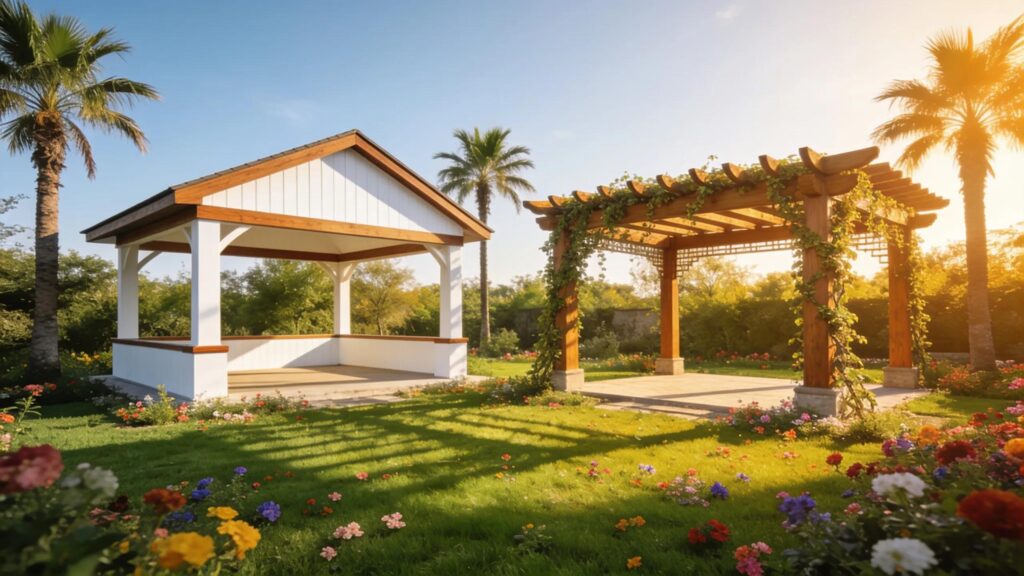
When it comes to enhancing outdoor living spaces in Florida, choosing the right structure is crucial. Both insulated solid-roof pavilions and pergolas offer unique benefits, but understanding their differences can help homeowners make informed decisions. This article delves into thermal comfort, cost comparisons, and rain protection features specific to Florida’s climate. Homeowners often seek to improve outdoor usability without compromising on aesthetics, and this guide provides insights into optimizing the comfort and functionality of outdoor spaces. We will explore the thermal benefits of pavilions, how their costs stack up against pergolas, and ultimately, what makes these structures suitable for Florida’s weather challenges.
Thermal Comfort Benefits:
Insulated solid-roof pavilions provide several thermal comfort advantages, particularly essential in Florida’s hot and humid climate. They effectively regulate heat, ensuring cooler temperatures within the space. The insulation not only mitigates heat gain during the summer but also helps retain warmth during cooler months, making these structures usable year-round. This thermal regulation creates a comfortable environment that enhances outdoor living experiences.
Maintaining humidity control is another critical benefit of insulated pavilions. The materials used in their construction serve to limit moisture buildup, minimizing discomfort during Florida’s seasonal rains. By providing complete shelter from sun and rain, these pavilions facilitate a more enjoyable outdoor experience regardless of the season. Thus, homeowners can enjoy their pool decks, backyard activities uninterrupted by uncomfortable weather conditions.
Additionally, selecting the right flooring beneath these covered outdoor spaces contributes significantly to moisture resistance and overall durability. For instance, comparing travertine vs porcelain pavers for pool decks and patios reveals key differences in thermal performance, slip resistance, and maintenance needs, which are important considerations for optimal flooring under pavilions and related patio transitions.
For evening lounging zones adjacent to covered pavilions, creating ambient warmth enhances usability and coziness. Positioning gas and bioethanol outdoor fire tables strategically around the perimeter or near seating areas provides efficient heat and aesthetic appeal, allowing for comfortable gatherings even during cooler nights.
Comparing Pavilion & Pergola Costs in Florida
When comparing insulated solid-roof pavilions and pergolas, it’s important to assess both initial and long-term costs. Insulated pavilions generally require a higher initial investment, ranging from $10,000 to $20,000, due to their robust construction and quality materials. On the other hand, pergolas, which typically cost between $3,000 and $10,000, may appear more economical at first glance but often lack the same level of durability and comfort.
Structure Type | Initial Cost | Long-term Value
| Structure Type | Initial Cost | Long-term Value |
|---|---|---|
| Insulated Pavilion | $10,000 – $20,000 | High |
| Pergola | $3,000 – $10,000 | Moderate |
Considering long-term value, insulated pavilions are generally a more sound investment due to their durability, energy efficiency, and lifetime settlement warranty benefits. Investing in a high-quality pavilion ensures minimal maintenance and extended lifespan, which translates to lower costs over time compared to pergolas, which may require more frequent repairs or replacements.
Rain Protection Features:
Rain protection is a significant consideration for outdoor structures in Florida, where frequent storms can occur. Insulated solid-roof pavilions provide comprehensive shelter, allowing homeowners to enjoy their outdoor areas without worrying about rain or harsh weather conditions. In contrast, pergolas, designed primarily for aesthetics, offer limited protection and may leave outdoor spaces exposed during inclement weather.
The roofing materials used for insulated pavilions are specifically selected to withstand Florida’s climate challenges, including driving rain and strong winds. Their design includes essential paver drainage systems that contribute to longevity and structural integrity, ensuring they maintain their form and function even in adverse weather conditions. Homeowners should weigh the benefits of full weather protection against the more visually appealing, yet less practical, options presented by pergolas.
When considering patio enclosure options or expanding outdoor roof footprints, detached patio structures offer a flexible alternative to permanent additions. A useful comparison of screen enclosures vs lanai extensions in Florida highlights how these different approaches affect weather protection boundaries and outdoor usability, providing homeowners with tailored solutions for their specific comfort and aesthetic goals. For a comprehensive overview of these outdoor shade options, homeowners can consult our detailed pergolas vs pavilions vs gazebos in Florida breakdown which explores key distinctions and suitability within the Florida climate.
Coordination of shade pavilion construction with adjacent outdoor paved surfaces requires careful planning of structural elements to ensure stability and long-term durability. The preparation of post footings and foundations must align with the hardscape base to provide seamless integration. This process is somewhat analogous to pedestrian hardscape preparation but involves additional considerations for load-bearing and anchoring. For a detailed understanding of the preparation involved in larger scale surfaces, refer to interlocking paver driveway construction, which shares foundational principles and techniques applicable to coordinating pavilion bases with surrounding pavement.
What are the key thermal comfort benefits of insulated solid-roof pavilions in Florida?
The primary thermal comfort benefits of insulated solid-roof pavilions in Florida include superior heat regulation, humidity control, and increased usability. This eliminates the discomfort associated with direct sunlight, providing a sheltered area for various activities throughout the year.
How do insulated pavilion materials enhance thermal performance outdoors?
Insulated pavilions are constructed with quality materials that enhance thermal performance and weather resistance. These materials not only provide robust insulation but also resist moisture, contributing to an overall comfortable environment in outdoor living spaces.
Why is thermal comfort crucial for Floridas outdoor living spaces?
Thermal comfort is critical in Florida as it directly impacts the quality of outdoor living. When outdoor spaces are designed to mitigate extreme temperatures and humidity, they contribute significantly to overall property enjoyment, enhancing value and longevity.
How do costs compare between insulated solid-roof pavilions and pergolas in Florida?
Comparing the costs of insulated solid-roof pavilions with pergolas highlights significant differences in both initial investment and overall value. While pavilions may seem costly upfront, they offer considerable benefits that can reduce expenses in the long run, making them a worthy investment for homeowners looking for durability and comfort.
What are the initial investment and maintenance expenses for each structure?
Initial investments in pavilions are typically higher than those for pergolas, but ongoing maintenance for the latter can often cancel out initial savings. Insulated pavilions require less frequent repairs and exhibit longevity, while pergolas may necessitate regular attention.
How do warranty and long-term durability affect overall cost efficiency?
When assessing cost efficiency, warranty and durability play crucial roles. Insulated solid-roof pavilions often feature warranties that reflect their quality and longevity, whereas pergolas may have shorter warranty periods, implying a higher likelihood of needing repairs or replacements.
What level of rain protection and weather durability do solid-roof pavilions provide versus pergolas?
Solid-roof pavilions offer extensive rain protection due to their durable construction and integrated drainage systems, while pergolas provide minimal shelter. This distinction is vital for homeowners considering their comfort during Florida’s rainy season.
Which roofing materials best resist Floridas climate challenges?
For optimal performance, roofing materials for insulated pavilions must possess high durability and weather resistance. Options such as metal roofing and specialized asphalt shingles offer excellent longevity and protection against environmental elements.
How do drainage and structural engineering impact outdoor structure longevity?
Proper drainage systems are vital for extending the life of outdoor structures. Insulated pavilions utilize advanced engineering to manage water runoff effectively, preventing issues that could compromise structural integrity over time.
How does Beyond Backyard Living integrate custom design and hardscape features with these outdoor structures?
Beyond Backyard Living Creations specializes in integrating custom designs and hardscape features into outdoor living spaces. This includes enhancing pavilions and pergolas with bespoke elements that elevate aesthetics and functionality. Homeowners can expect a tailored approach that incorporates their visions into elegant, practical solutions suited for Florida’s environment.
What is the turnkey 3D design-to-build process for luxury pool pavilions and pergolas?
The turnkey process offered by Beyond Backyard Living combines innovative 3D design with expert construction. This method ensures that every detail is accounted for, resulting in stunning, high-end outdoor spaces that are uniquely tailored to customers’ desires.
How are outdoor kitchens, pools, and waterfalls incorporated into custom backyard transformations?
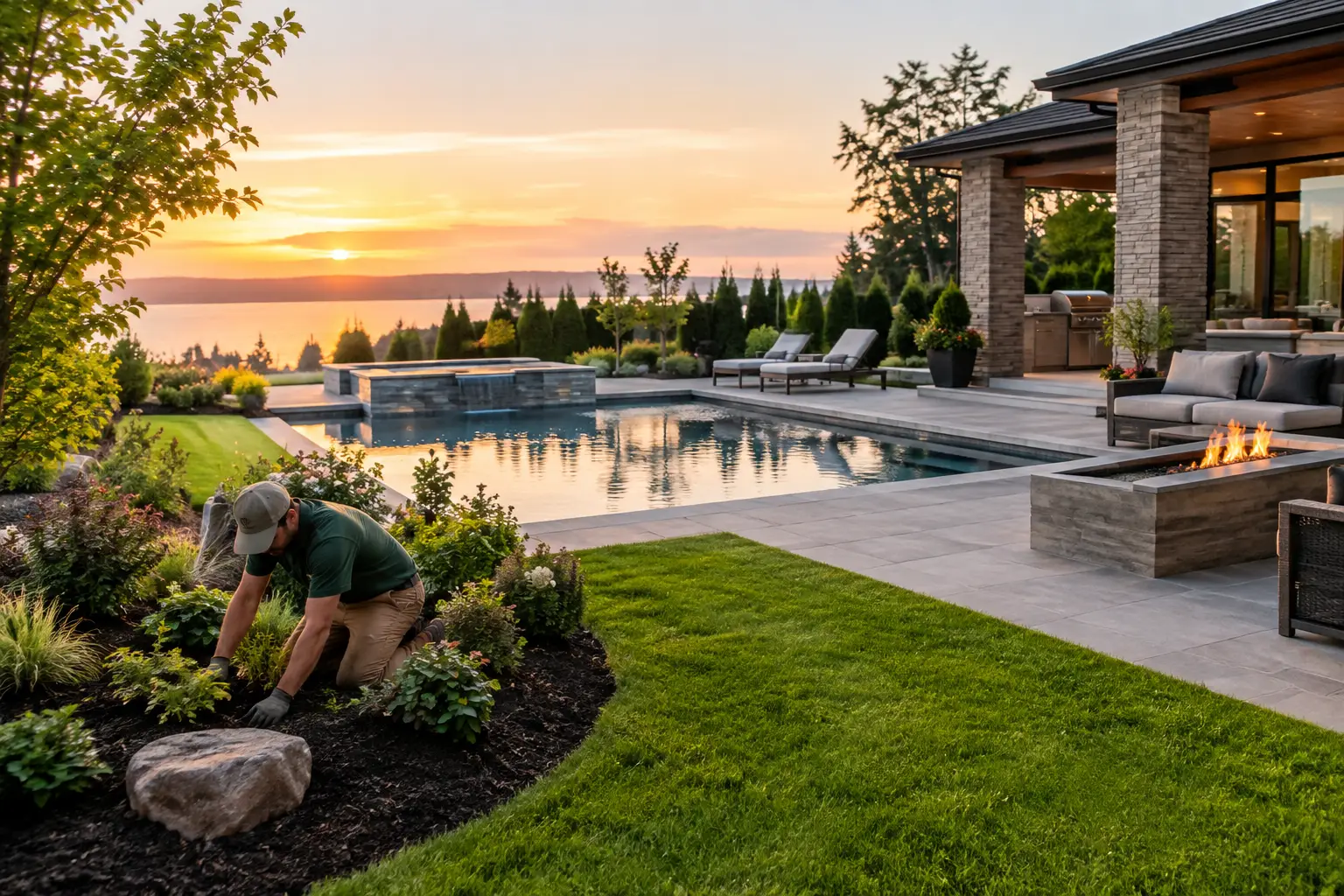
A hallmark of Beyond Backyard Living’s design philosophy is the seamless integration of outdoor kitchens, pools, and waterfalls with structures like pavilions. This holistic approach enhances the user experience, creating multifunctional spaces that cater to all outdoor living needs. When integrating high-temperature cooking gear such as built-in pizza ovens, it is important to consider roof clearance and chimney placement to ensure proper venting and safety. Homeowners interested in built-in pizza ovens for outdoor kitchens should ensure these aspects are properly planned to maintain structural integrity and optimal function. Additionally, following outdoor kitchen ventilation guidelines is essential for safe and effective smoke mitigation under covered pavilion roofs. Selecting appropriate countertop materials for outdoor kitchens is equally important, as these materials must withstand Florida’s humidity and weather conditions to ensure durability and ease of maintenance.