A backyard can have every luxury detail – a custom patio, a beautiful pool, a fireplace that draws everyone outside – and still feel exposed if the sightlines are wrong. If you’re wondering how to build privacy landscaping, the real goal is not simply to hide the neighbor’s fence. It is to shape an outdoor environment that feels intimate, intentional, and worthy of the way you want to live.
That distinction matters. Privacy landscaping works best when it feels like part of the architecture of the yard, not an afterthought planted along the property line. The most successful spaces use layers, scale, and materials to create comfort without making the yard feel boxed in.
How to build privacy landscaping with a design plan
The first move is not choosing plants. It is identifying exactly where privacy matters and what kind of privacy you need. A pool lounge area may need screening from a second-story window. An outdoor kitchen may need a softer edge from a side-yard neighbor. A front courtyard may call for a more decorative sense of separation that still feels welcoming.
This is where many homeowners waste time and money. They plant a row of fast-growing evergreens around the perimeter and hope for the best. Sometimes that works, but often it creates a flat green wall, uneven growth, root competition, and maintenance headaches. A better approach is to start with views from both directions – what you want to block, and what you want to keep.
Walk the property from every main entertaining space. Sit where you would actually sit. Stand at the grill, the spa, the dining table, the fire pit. Look outward and note the visual interruptions. Then turn around and ask a second question: if you add screening here, will it also block light, breezes, or a feature view you enjoy? Privacy always has trade-offs, and the right answer depends on how the space is used.
Start with outdoor rooms, not property lines
Luxury landscapes feel private because they are composed like rooms. Instead of treating privacy as a border condition, think about containing the places where life happens. That shift leads to more elegant results.
For example, a dining terrace often benefits from partial enclosure on two sides rather than a dense perimeter around the entire yard. A pool can feel far more secluded with layered planting around the lounging edge and a pavilion or pergola placed strategically nearby. A tucked-away fire feature may only need one strong backdrop and one filtered side screen to feel wonderfully removed.
This approach also preserves openness where you want it. Your backyard should not feel smaller just because you want more privacy. By defining zones, you can create moments of retreat while keeping longer views and a more expansive overall composition.
The best privacy landscaping uses layers
If you want privacy landscaping to look refined, layering is the difference between basic screening and a finished design. A single line of one plant species rarely gives the depth or softness that premium outdoor spaces deserve.
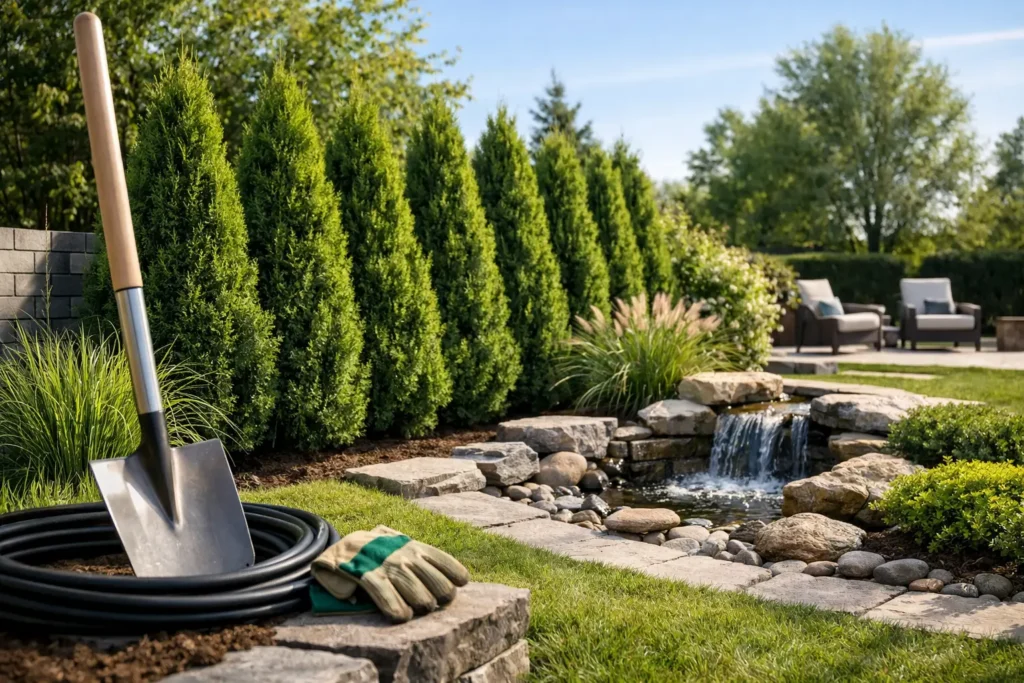
A layered privacy plan usually combines height, mid-level mass, and lower ornamental planting. Taller evergreen trees or large shrubs may provide the primary screen. In front of them, flowering shrubs, ornamental grasses, or broadleaf evergreens add body and seasonal interest. At the ground plane, perennials, low shrubs, or decorative edging make the planting bed feel complete.
This layering does more than improve appearance. It helps fill visual gaps, especially as plants mature at different rates. It can also reduce the stark, crowded look that comes from planting large screening material too tightly in one row. In warm Southern and Sunbelt climates, where outdoor living stretches across much of the year, that softer, more dimensional look matters.
Choose the right privacy plants for your climate and pace
Plant selection should match the region, the maintenance expectations, and the timeline. Many homeowners want fast results, which is understandable, but fast-growing plants are not always the most durable or attractive long term.
Evergreens are often the backbone of privacy landscaping because they offer year-round screening. But even within that category, there is a wide range of habits and personalities. Some are narrow and upright, ideal for side yards. Others are broad and dense, better for large backdrops. Some handle heat and humidity beautifully. Others struggle if the site is too wet, too dry, too windy, or too shaded.
This is one of those it depends moments. If you need immediate privacy around a pool, larger installed material may be worth the investment. If you are planning a full property transformation over time, it may make more sense to combine a few specimen screens with younger layered planting that grows into the design. Budget, patience, irrigation, and maintenance all shape the right answer.
In upscale outdoor environments, texture matters as much as coverage. Mixing broadleaf shrubs, upright evergreens, ornamental grasses, and selective flowering plants can create privacy that feels lush instead of heavy. The goal is not only to screen views. It is to create a backdrop that elevates the entire outdoor experience.
Use structures when plants alone are not enough
Sometimes the most effective answer to how to build privacy landscaping is not purely landscaping. Architectural elements can solve privacy problems faster and more beautifully than plants alone, especially in new construction neighborhoods where homes sit close together.
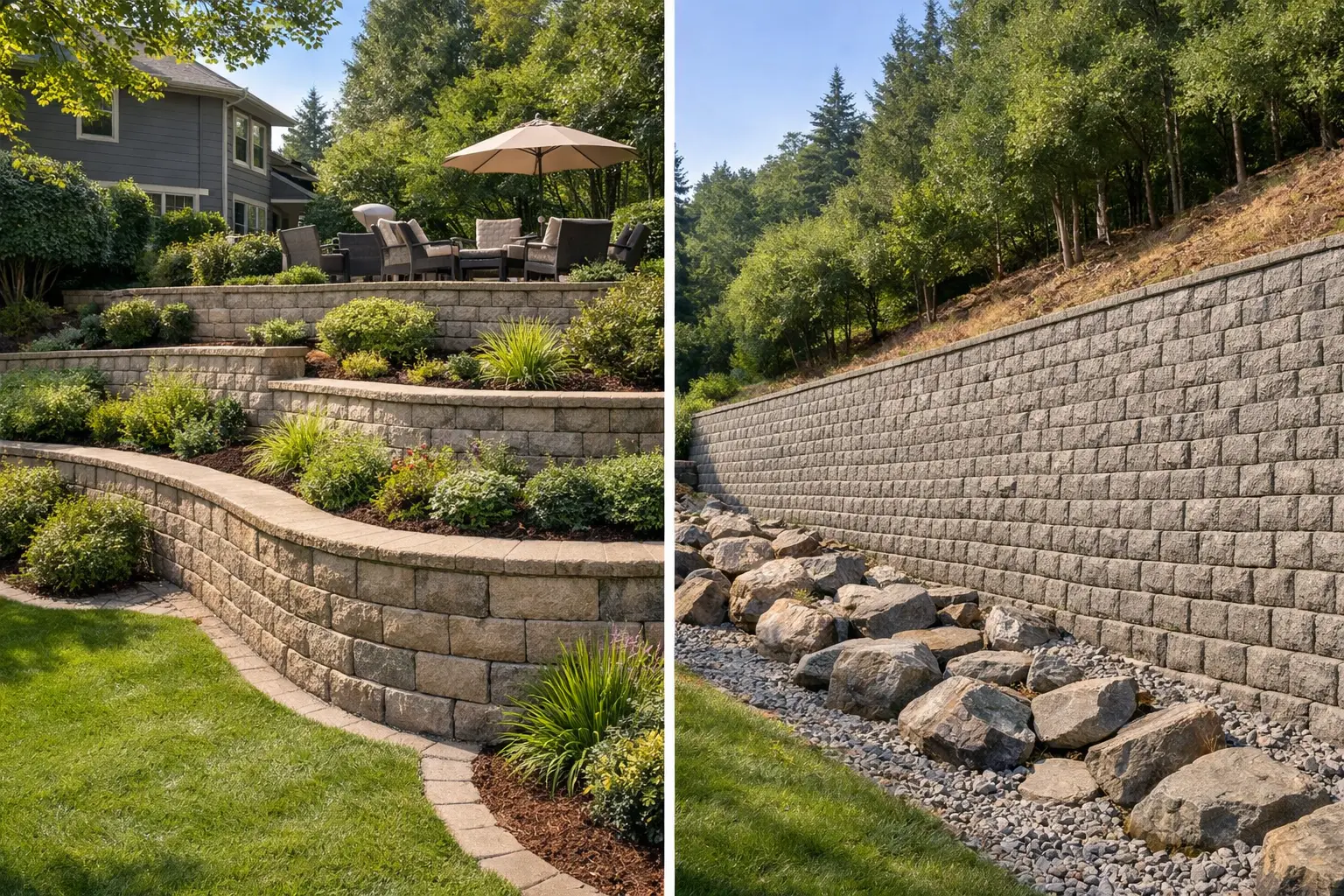
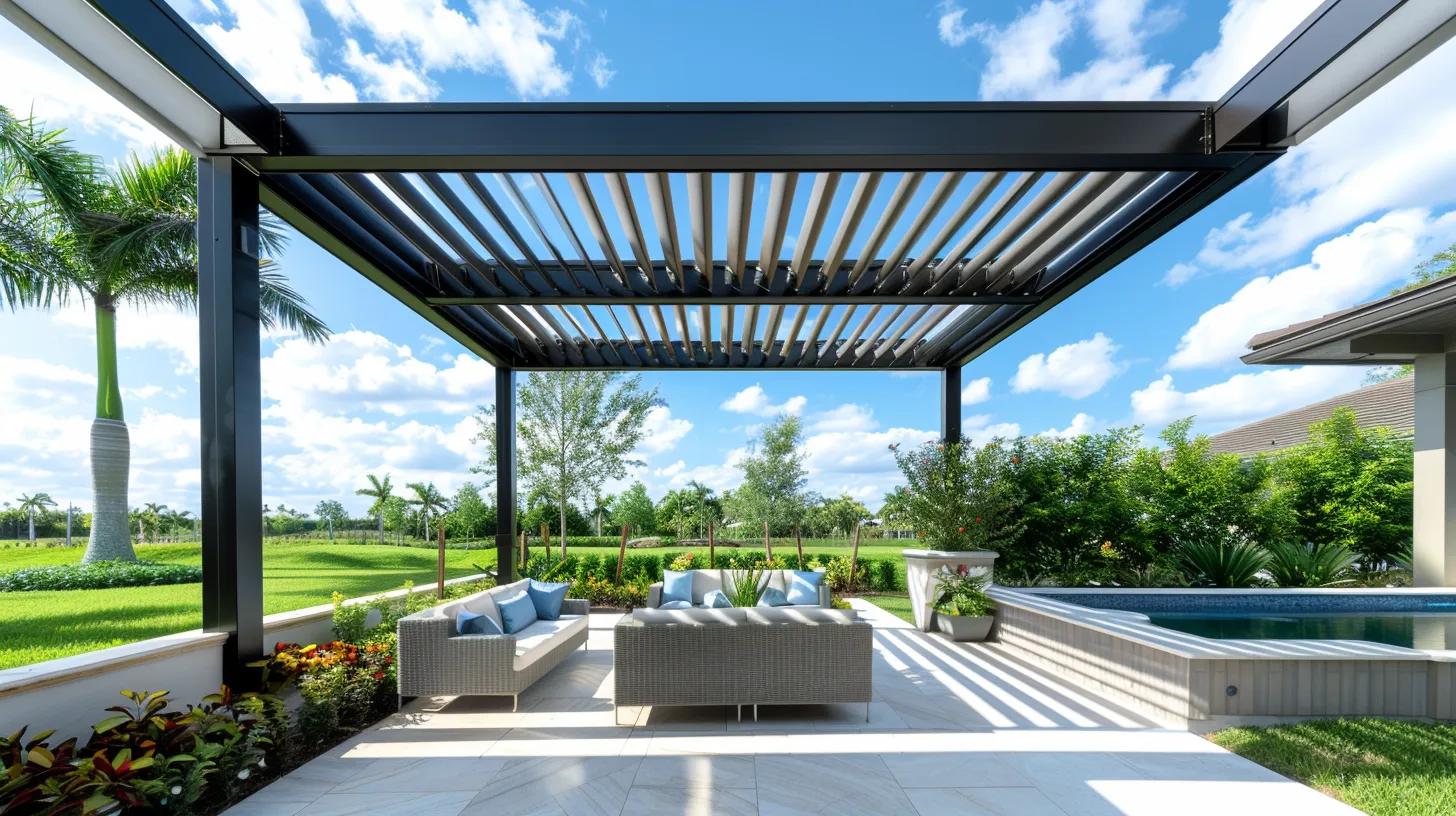
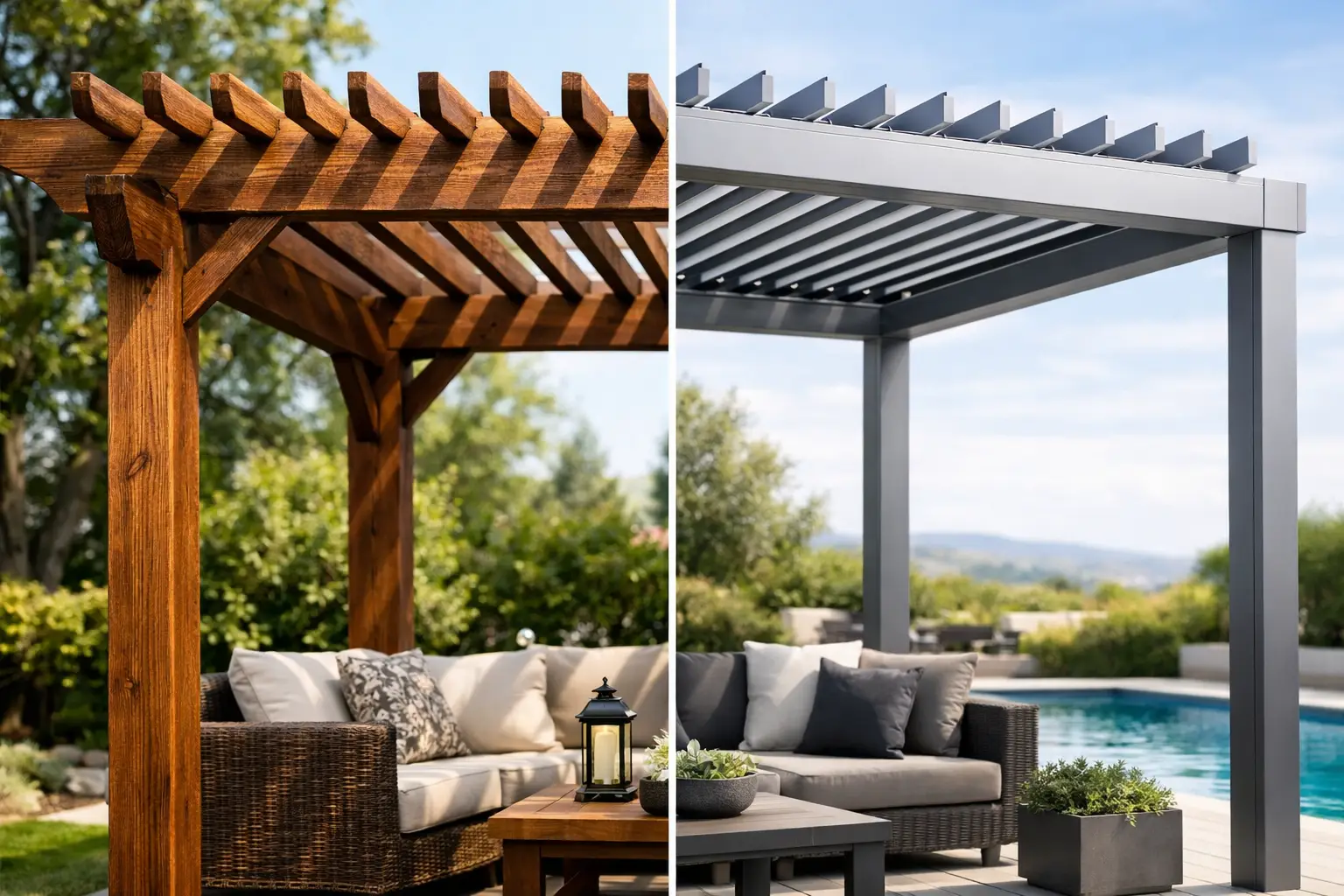
A masonry wall can create a strong sense of arrival in a courtyard or pool area. A pergola with drapery, screens, or climbing plant material can define a lounge space without making it feel closed off. Decorative panel screens, raised planters, retaining walls, and pavilions all contribute to privacy while adding structure and luxury.
These features are especially useful when upper-story views are the problem. Trees and shrubs help, but vertical garden structures or covered elements often do more to shape overhead sightlines. They also bring immediate impact while the planting matures.
The most polished projects combine hardscape and planting so neither one has to do all the work. That balance creates privacy that feels designed rather than defensive.
Pay attention to spacing, scale, and maintenance
This is where beautiful plans can go wrong. Plants that are spaced too tightly may look full in the first season, but they often become crowded, stressed, and misshapen over time. Plants that are too small for the area may never deliver the level of privacy you expected. Scale has to relate to both the house and the size of the yard.
Maintenance should be part of the design conversation from the start. If you want a polished, resort-style look, consider how often hedges will need trimming, how leaf drop affects the pool, and whether roots may interfere with paving or drainage. Privacy landscaping should make the yard easier to enjoy, not create a weekly chore list you resent.
Irrigation, drainage, and sun exposure also deserve close attention. A dense screen planted in the wrong conditions can decline quickly, and replacing mature privacy material is expensive. Thoughtful planning on the front end protects the investment.
Privacy should still feel beautiful from inside the house
One detail homeowners sometimes miss is how privacy landscaping looks from interior rooms. The view from your kitchen, family room, or primary suite matters just as much as the feeling outdoors. A poorly placed hedge can block natural light or leave you staring at a blank wall of foliage.
The right design creates attractive framed views from inside while still screening what needs to disappear. That may mean using looser planting in one area, preserving the trunk structure of certain trees, or layering materials so the composition has depth instead of reading as one solid mass. Privacy should enhance your daily experience of home in every direction.
A cohesive plan creates the most natural result
The best privacy landscaping does not announce itself. It simply makes the entire property feel calmer, more elegant, and more complete. That usually happens when the privacy strategy is developed alongside the patios, pool areas, outdoor kitchen, lighting, walls, and architectural features rather than added after construction.
For homeowners investing in a premium outdoor environment, that bigger-picture thinking is where real transformation happens. A custom plan can turn an exposed yard into a destination for slow mornings, lively dinners, and quiet evenings by the fire. Beyond Backyard Living approaches spaces this way because privacy is not just about screening. It is about shaping comfort, beauty, and a stronger sense of retreat.
If you are planning your own project, start by imagining how you want the space to feel once guests arrive and the doors open to the backyard. The right privacy landscaping will not just block a view. It will set the stage for the way you want to live outside.