Essential Maintenance Tips for Luxury Pergolas and Shade Structures in Florida’s Climate: A Curated Guide for Discerning Homeowners
By Terrance Schabilion, Beyond Backyard Living
Maintaining luxury pergolas and shade structures in Florida’s unique climate is essential for preserving their beauty and functionality. Homeowners often face challenges due to the intense sun, high humidity, and seasonal storms that can affect the durability of these outdoor living spaces. This guide provides essential maintenance tips tailored specifically for Florida’s climate, ensuring that your investment remains protected and aesthetically pleasing. You will learn about the climatic challenges that impact these structures, best practices for material-specific maintenance, seasonal care schedules, and the benefits of regular upkeep. By following these guidelines, you can enhance the longevity and enjoyment of your outdoor spaces.
How Does Florida’s Unique Climate Influence Pergola and Shade Structure Durability?
Florida’s climate significantly impacts the durability of outdoor structures, including luxury pergolas and shade structures. The intense heat and sun exposure can lead to material degradation, while high humidity levels can promote mold and mildew growth. Additionally, the state is prone to severe storms and hurricanes, which can cause structural damage if not properly maintained. Understanding these factors is crucial for homeowners looking to protect their investments and ensure the longevity of their outdoor living spaces.
Further research highlights how solar ultraviolet radiation, particularly the UV-B component, combined with increased ambient temperature and humidity, can significantly accelerate the photodegradation and limit the service life of materials.
Climate Change & UV-B Effects on Material Durability
The outdoor service life of common plastic materials is limited by their susceptibility to solar ultraviolet radiation. Of the solar wavelengths the UV-B component is particularly efficient in bringing about photodamage in synthetic and naturally occurring materials. Concomitant climate change is likely to increase the ambient temperature and humidity in some of the same regions likely to receive increased UV-B radiation. These factors, particularly higher temperatures, are also well known to accelerate the rate of photodegradation of materials, and may therefore further limit the service life of materials in these regions.
Effects of climate change and UV-B on materials, 2003
What Are the Primary Climatic Challenges: Sun, Humidity, and Storms?
Florida’s climate presents several primary challenges for outdoor structures:
- Sun Exposure: Prolonged exposure to UV rays can fade colors and weaken materials over time.
- Humidity: High humidity levels can lead to mold and mildew, particularly on wooden structures.
- Storm Risks: Seasonal storms and hurricanes pose risks of physical damage, requiring robust construction and maintenance strategies.
These challenges necessitate a proactive approach to maintenance, ensuring that your pergolas and shade structures withstand the test of time.
Indeed, studies confirm that solar UV radiation, alongside other climatic factors like temperature and moisture, significantly impacts the degradation of organic building materials, underscoring the importance of protective measures.
UV Radiation & Climate Impact on Outdoor Building Materials
Solar UV radiation adversely affects the properties of organic materials used in construction, such as plastics and wood. The outdoor service lifetimes of these materials are influenced by their rates of degradation under solar UV radiation as well as by other climate factors such as temperature, moisture, and atmospheric pollutants. Such increases, when taken together with an increased ambient temperature due to climate change, can significantly shorten the service lifetimes of organic building materials. Several proven technologies, including the use of UV stabilisers, surface treatments or coatings have been developed over the years to mitigate this.
Interactive effects of solar UV radiation and climate change on material damage, KK Pandey, 2019
How Do These Factors Affect Material Longevity and Aesthetic Integrity?
The climatic factors in Florida can significantly affect both the longevity and aesthetic integrity of materials used in pergolas and shade structures. For instance, wood can warp or rot due to moisture exposure, while metal components may rust if not adequately protected. Additionally, the fading of colors from sun exposure can detract from the overall appearance of these structures. Homeowners must be aware of these potential issues and implement appropriate maintenance strategies to preserve both functionality and beauty.
What Are the Best Practices for Material-Specific Maintenance of Luxury Pergolas?
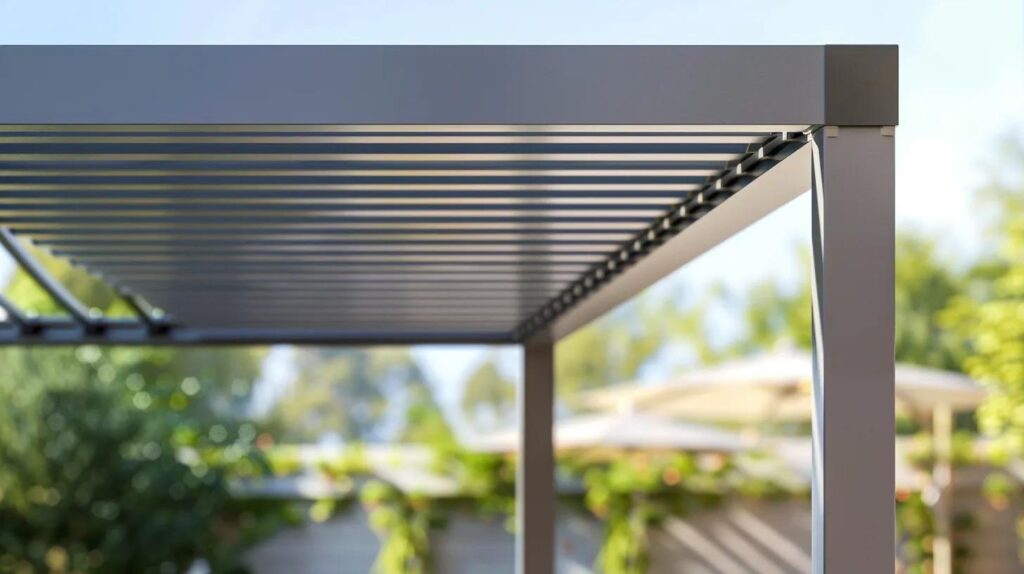
Maintaining luxury pergolas requires tailored approaches based on the materials used. Here are some best practices for different materials:
| Material Type | Maintenance Practice | Frequency |
|---|---|---|
| Wood | Apply sealants and stains to protect against moisture and UV damage | Every 1-2 years |
| Aluminum | Clean with mild soap and water to prevent oxidation | Biannually |
| Vinyl | Use a soft cloth and mild detergent to clean surfaces | Annually |
Beyond Backyard Living specializes in designing and constructing custom outdoor living spaces, with a focus on luxury pergolas and shade structures tailored for Florida’s unique climate. Their expertise ensures that your structures are not only beautiful but also built to withstand the local environmental challenges.
How Should Wood Pergolas Be Treated to Preserve Heritage and Craftsmanship?
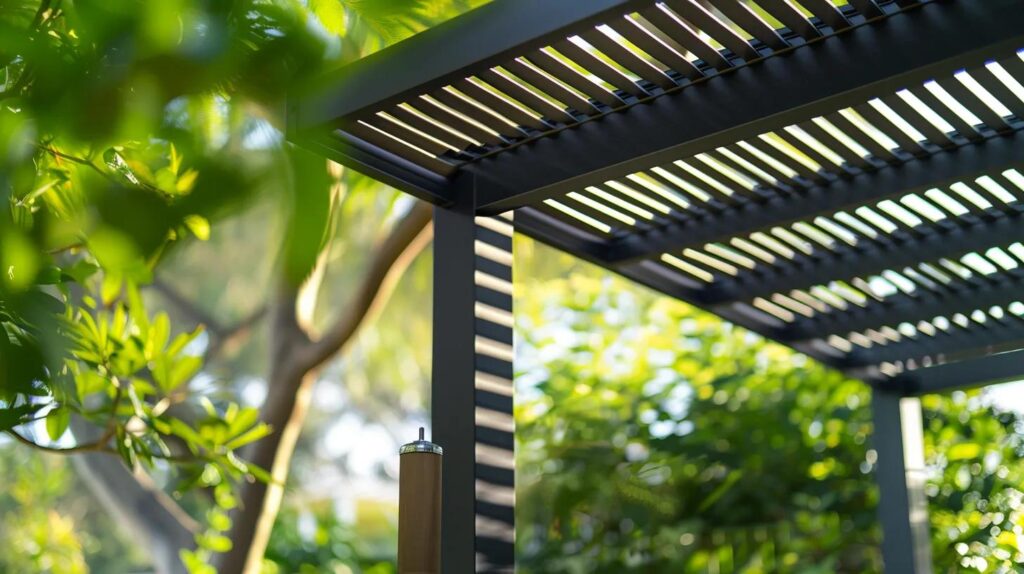
Wood pergolas require specific treatments to maintain their heritage and craftsmanship. Recommended practices include:
- Sealants: Use high-quality sealants to protect against moisture and UV rays.
- Stains: Apply stains that enhance the wood’s natural beauty while providing a protective barrier.
- Inspection: Regularly inspect for signs of wear, such as cracks or discoloration, and address issues promptly.
These treatments help preserve the integrity and aesthetic appeal of wood pergolas, ensuring they remain a stunning feature of your outdoor space.
What Are the Optimal Care Techniques for Aluminum and Vinyl Shade Structures?
Aluminum and vinyl shade structures also require specific care techniques to maintain their appearance and functionality:
- Cleaning Products: Use mild soap and water for cleaning, avoiding harsh chemicals that can damage the finish.
- Preventative Measures: Regularly check for loose screws or connections to ensure stability and safety.
- Protective Coatings: Consider applying protective coatings to enhance durability against the elements.
By following these care techniques, homeowners can ensure that their aluminum and vinyl structures remain in excellent condition.
Which Seasonal Maintenance Schedules Ensure Enduring Elegance and Functionality?
Implementing a seasonal maintenance schedule is crucial for the longevity of luxury pergolas and shade structures. Here are essential maintenance tasks for each season:
- Spring: Inspect for winter damage, clean surfaces, and apply protective treatments.
- Summer: Regularly clean to remove debris and check for signs of wear due to heat exposure.
- Fall: Prepare for winter by securing loose components and cleaning gutters.
- Winter: Inspect for any damage and ensure structures are secure against potential storms.
What Are the Essential Spring and Summer Cleaning and Inspection Protocols?
During spring and summer, homeowners should focus on the following cleaning and inspection protocols:
- Cleaning Frequency: Clean surfaces at least once a month to prevent buildup of dirt and debris.
- Inspection Tips: Look for signs of wear, such as loose screws or fading colors, and address them immediately.
These protocols help maintain the beauty and functionality of your outdoor structures throughout the warmer months.
How Should Fall and Winter Maintenance Be Conducted to Safeguard Against Weather Extremes?
Fall and winter maintenance is essential for safeguarding against weather extremes. Key practices include:
- Securing Structures: Ensure all components are tightly secured to withstand strong winds.
- Winterizing Techniques: Consider covering structures or removing loose items to prevent damage from snow or ice.
By taking these precautions, homeowners can protect their investments during the colder months.
How Can Repair and Weatherproofing Techniques Enhance Pergola Longevity?
Repair and weatherproofing techniques play a vital role in enhancing the longevity of pergolas. Regular maintenance can prevent minor issues from escalating into significant problems.
What Are the Recommended Methods for Addressing Common Wear and Damage?
Common wear and damage can be addressed through:
- Regular Inspections: Conduct routine checks for signs of wear, such as cracks or rust.
- Prompt Repairs: Address any issues immediately to prevent further damage.
- Professional Help: Consider hiring experts for significant repairs to ensure quality work.
These methods help maintain the structural integrity and appearance of your pergolas.
Which Protective Coatings and Treatments Best Combat Florida’s Sun and Humidity?
To combat Florida’s sun and humidity, consider the following protective coatings and treatments:
- UV-Resistant Sealants: These help protect wood and metal from sun damage.
- Mildew-Resistant Treatments: Apply treatments that prevent mold and mildew growth on surfaces.
- Regular Maintenance: Consistent application of these products ensures ongoing protection.
Implementing these protective measures can significantly extend the life of your outdoor structures.
When Is It Advisable to Schedule Professional Consultations for Custom Pergola Maintenance?
Scheduling professional consultations for custom pergola maintenance can be beneficial in several scenarios.
What Are the Indicators That Require Expert Assessment and Intervention?
Indicators that may require expert assessment include:
- Visible Damage Signs: Cracks, warping, or rust that are beyond simple repairs.
- Structural Concerns: Any signs of instability or shifting that could compromise safety.
- Complex Maintenance Needs: Custom features that require specialized knowledge for proper care.
Recognizing these signs early can prevent costly repairs and ensure the safety of your outdoor spaces.
How Do Personalized Design Considerations Influence Maintenance Needs?
Personalized design considerations can significantly influence maintenance needs. Custom features may require specific care techniques, and understanding these needs is crucial for effective upkeep.
- Custom Features: Unique designs may necessitate specialized materials or treatments.
- Maintenance Implications: Homeowners should consult with professionals to understand the best practices for their specific designs.
By considering these factors, homeowners can ensure their custom pergolas remain beautiful and functional.
What Are the Benefits of Regular Maintenance for Luxury Pergolas and Shade Structures?
Regular maintenance offers numerous benefits for luxury pergolas and shade structures, enhancing both their longevity and aesthetic appeal.
How Does Consistent Care Preserve Investment Value and Aesthetic Excellence?
Consistent care helps preserve the investment value of outdoor structures by:
- Preventing Major Repairs: Regular maintenance can identify and address issues before they escalate.
- Enhancing Aesthetic Appeal: Well-maintained structures retain their beauty and functionality, increasing property value.
By prioritizing maintenance, homeowners can protect their investments and enjoy their outdoor spaces for years to come.
In What Ways Does Maintenance Enhance Outdoor Living Experience and Comfort?
Maintenance also enhances the outdoor living experience by:
- Improving Safety: Regular checks ensure that structures are safe and secure for use.
- Increasing Comfort: Well-maintained shade structures provide a comfortable environment for relaxation and entertainment.
These benefits highlight the importance of regular upkeep in maximizing the enjoyment of outdoor living spaces.