

By Terrance Schabilion, Beyond Backyard Living
Maintaining outdoor lighting systems is crucial for ensuring safety, enhancing aesthetics, and prolonging the lifespan of your fixtures. This article provides essential maintenance tips that will help you keep your outdoor lighting in top condition. By understanding the importance of regular upkeep, homeowners can prevent common issues and enjoy the full benefits of their outdoor lighting systems. We will explore seasonal maintenance tasks, best practices for LED and solar lights, troubleshooting common problems, optimizing energy efficiency, and safety protocols for wiring inspections. With these insights, you can ensure your outdoor lighting remains functional and visually appealing throughout the year.
How Does Seasonal Maintenance Enhance the Longevity of Outdoor Lighting?
Seasonal maintenance is vital for extending the life of outdoor lighting systems. By performing regular checks and upkeep, homeowners can prevent minor issues from escalating into costly repairs. Seasonal tasks not only improve the longevity of the fixtures but also enhance their performance and safety. For instance, regular inspections can identify wear and tear caused by environmental factors, ensuring that your lighting remains effective and reliable.
What Are the Essential Seasonal Tasks for Landscape Lighting Maintenance?
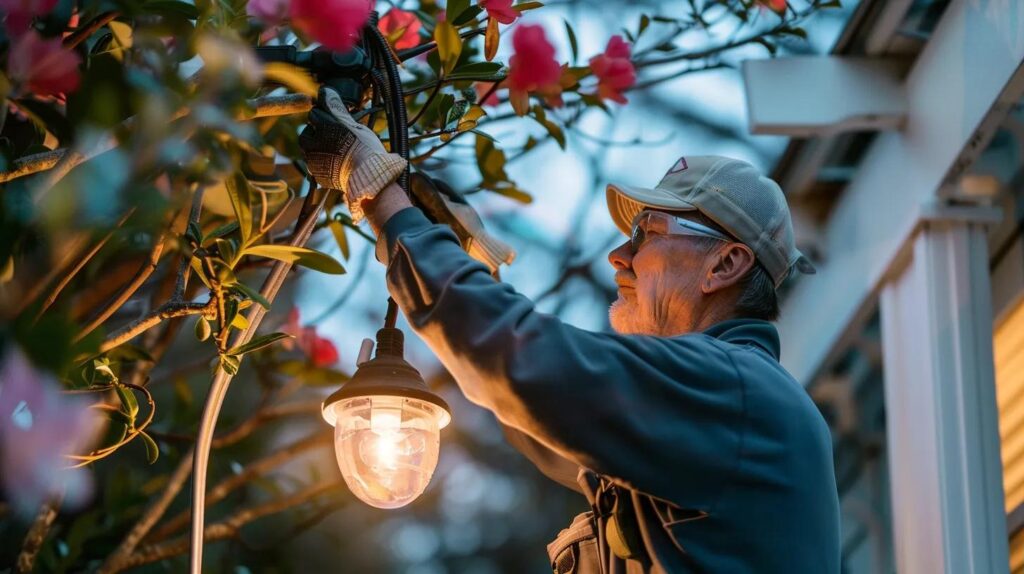
To maintain landscape lighting effectively, homeowners should focus on several key seasonal tasks:
- Cleaning Fixtures Regularly: Dust and debris can accumulate on lighting fixtures, reducing their brightness. Regular cleaning ensures optimal light output.
- Checking for Damage: Inspect fixtures and wiring for any signs of damage or corrosion, which can lead to malfunction.
- Adjusting Timers: Seasonal changes in daylight hours may require adjustments to timers to ensure lights operate efficiently.
These tasks are essential for maintaining the functionality and appearance of your outdoor lighting systems.
How Does Florida's Climate Influence Seasonal Care Requirements?
Florida’s unique climate presents specific challenges for outdoor lighting maintenance. The high humidity levels can accelerate corrosion in metal fixtures, while intense sunlight can cause fading and wear on plastic components. Homeowners should consider the following factors:
- Humidity Effects on Materials: Regular inspections and maintenance can help mitigate the effects of moisture on fixtures.
- Corrosion Risks: Using corrosion-resistant materials can enhance the durability of outdoor lighting systems.
- Seasonal Weather Considerations: Preparing for seasonal storms by securing fixtures and checking for water damage is crucial in Florida’s climate.
Understanding these climate-specific challenges allows homeowners to tailor their maintenance practices effectively.
What Are the Best Practices for LED and Solar Outdoor Lighting Care?
Maintaining LED and solar outdoor lighting requires specific best practices to ensure optimal performance and longevity. These technologies offer energy efficiency and sustainability, but they also need proper care.
How Should LED Outdoor Lighting Be Cleaned and Maintained?
Cleaning LED outdoor lighting involves careful techniques to avoid damage:
- Use Soft Cloths: Gently wipe fixtures with a soft cloth to remove dust and dirt without scratching the surface.
- Avoid Harsh Chemicals: Use mild soap and water instead of abrasive cleaners that can damage the finish.
- Check Connections Regularly: Ensure that all electrical connections are secure and free from corrosion to maintain functionality.
These practices help preserve the efficiency and appearance of LED lighting systems.
What Are the Key Considerations for Solar Outdoor Light Maintenance?
Solar outdoor lights require unique maintenance considerations:
- Battery Care: Regularly check and replace batteries as needed to ensure consistent performance.
- Panel Cleaning: Keep solar panels free from dirt and debris to maximize sunlight absorption.
- Seasonal Adjustments: Adjust the angle of solar panels if necessary to optimize exposure to sunlight throughout the year.
By following these guidelines, homeowners can enhance the performance of their solar lighting systems.
Further research highlights how optimizing battery energy storage is crucial for the efficiency and longevity of smart solar LED lighting systems.
Smart Solar LED Lighting: Energy & Maintenance Optimization They focused on the factors that affect the project, like energy and maintenance cost. Based on the energy storage level in batteries, the outdoor light system algorithm was constructed and implemented based on battery load. Smart solar-powered LED outdoor lighting system based on the energy storage level in batteries, S Kiwan, 2018
How Can Homeowners Effectively Troubleshoot Common Outdoor Lighting Issues?
Troubleshooting common outdoor lighting issues is essential for maintaining functionality. Homeowners can often resolve minor problems without professional help.
What Are the Typical Causes and Solutions for Flickering or Non-Functioning Lights?
Flickering or non-functioning lights can be caused by several factors:
- Check Bulbs: Ensure that bulbs are securely installed and functioning properly.
- Inspect Wiring: Look for loose or damaged wiring that may disrupt the electrical flow.
- Consider Environmental Factors: Weather conditions or nearby vegetation can impact lighting performance.
Identifying these issues early can prevent further complications.
When Is Professional Repair Recommended Over DIY Maintenance?
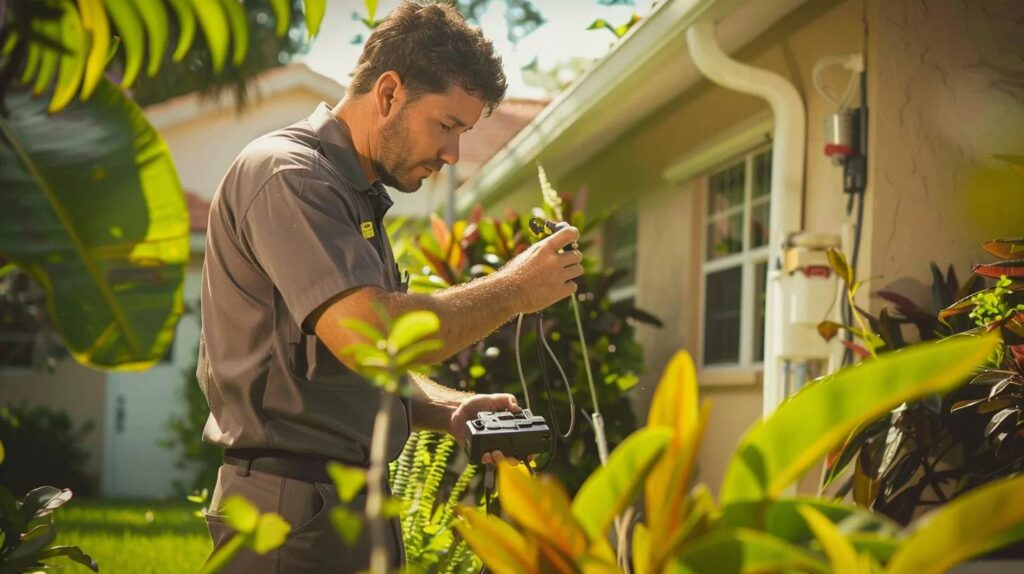
While many issues can be resolved independently, some situations warrant professional assistance:
- Complex Wiring Issues: If wiring problems are extensive or complicated, it’s best to consult a professional.
- Safety Concerns: Any signs of electrical hazards should be addressed by a qualified technician.
- Time Constraints: If maintenance tasks become overwhelming, hiring a professional can save time and ensure proper care.
Knowing when to seek help can prevent accidents and ensure the safety of your outdoor lighting systems.
Which Energy Efficiency and Timer Settings Optimize Outdoor Lighting Performance?
Optimizing energy efficiency and timer settings is crucial for reducing costs and enhancing the performance of outdoor lighting systems. Proper management can lead to significant savings and improved functionality.
How Do Timer Settings Contribute to Energy Conservation and System Longevity?
Timer settings play a vital role in energy conservation:
- Automated Control: Timers allow for automatic operation, ensuring lights are only on when needed.
- Reduced Energy Waste: Properly set timers can prevent lights from running unnecessarily, lowering energy bills.
- Extended Fixture Life: By minimizing usage, timers can prolong the lifespan of lighting fixtures.
Implementing effective timer settings is a simple yet impactful way to enhance outdoor lighting efficiency.
What Are the Advantages of Integrating Smart Lighting Systems for Automated Maintenance?
Smart lighting systems offer numerous advantages for outdoor lighting maintenance:
- Remote Control: Homeowners can manage lighting from anywhere, adjusting settings as needed.
- Maintenance Alerts: Smart systems can notify users of potential issues, allowing for timely interventions.
- Energy Monitoring: These systems provide insights into energy usage, helping homeowners make informed decisions about their lighting.
Integrating smart technology can significantly improve the management and efficiency of outdoor lighting systems.
What Safety and Wiring Inspection Protocols Ensure Reliable Outdoor Lighting?
Safety and wiring inspections are critical for ensuring the reliability of outdoor lighting systems. Regular checks can prevent accidents and ensure optimal performance.
How Should Wiring Be Inspected to Prevent Corrosion and Electrical Hazards?
Inspecting wiring involves several key steps:
- Look for Wear and Tear: Regularly check for frayed wires or exposed connections that could pose safety risks.
- Check Connections: Ensure all connections are tight and free from corrosion to maintain electrical integrity.
- Assess Environmental Impact: Consider how weather and vegetation may affect wiring and make adjustments as necessary.
These inspection protocols help maintain safety and functionality in outdoor lighting systems.
Emphasizing the importance of robust safety measures, studies also detail the critical role of proper grounding systems and protective devices like Ground Fault Circuit Interrupters in outdoor lighting installations.
Outdoor Lighting Grounding Systems for Safety The protection to persons in TT distribution systems is the residual current protective device (ie Ground Fault Circuit Interrupter). It is important, then, to divide the lighting installation supply circuit in several sub-circuits. On outdoor lighting installations grounding systems, M Mitolo, 2006
What Tools and Precautions Are Essential for Safe Maintenance Tasks?
Using the right tools and precautions is essential for safe maintenance:
- Use Insulated Tools: Insulated tools help prevent electrical shocks during maintenance tasks.
- Wear Protective Gear: Gloves and safety glasses can protect against potential hazards.
- Follow Safety Guidelines: Always adhere to safety protocols when working with electrical systems to minimize risks.
By prioritizing safety, homeowners can effectively maintain their outdoor lighting systems without compromising their well-being.