Day: October 26, 2026

  • Essential Maintenance Tips for Preserving the Excellence of Your Outdoor Lighting Systems

    Essential Maintenance Tips for Preserving the Excellence of Your Outdoor Lighting Systems

    By Terrance Schabilion, Beyond Backyard Living

    Maintaining outdoor lighting systems is crucial for ensuring safety, enhancing aesthetics, and prolonging the lifespan of your fixtures. This article provides essential maintenance tips that will help you keep your outdoor lighting in top condition. By understanding the importance of regular upkeep, homeowners can prevent common issues and enjoy the full benefits of their outdoor lighting systems. We will explore seasonal maintenance tasks, best practices for LED and solar lights, troubleshooting common problems, optimizing energy efficiency, and safety protocols for wiring inspections. With these insights, you can ensure your outdoor lighting remains functional and visually appealing throughout the year.

    How Does Seasonal Maintenance Enhance the Longevity of Outdoor Lighting?

    Seasonal maintenance is vital for extending the life of outdoor lighting systems. By performing regular checks and upkeep, homeowners can prevent minor issues from escalating into costly repairs. Seasonal tasks not only improve the longevity of the fixtures but also enhance their performance and safety. For instance, regular inspections can identify wear and tear caused by environmental factors, ensuring that your lighting remains effective and reliable.

    What Are the Essential Seasonal Tasks for Landscape Lighting Maintenance?
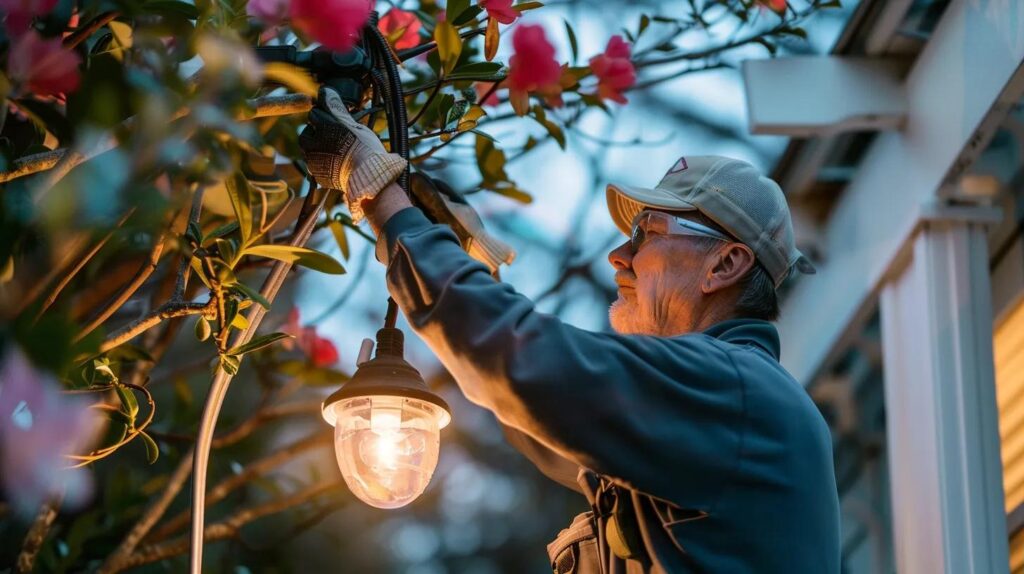
    Homeowner performing seasonal maintenance on outdoor lighting fixtures in a Florida garden

    To maintain landscape lighting effectively, homeowners should focus on several key seasonal tasks:

    1. Cleaning Fixtures Regularly: Dust and debris can accumulate on lighting fixtures, reducing their brightness. Regular cleaning ensures optimal light output.
    2. Checking for Damage: Inspect fixtures and wiring for any signs of damage or corrosion, which can lead to malfunction.
    3. Adjusting Timers: Seasonal changes in daylight hours may require adjustments to timers to ensure lights operate efficiently.

    These tasks are essential for maintaining the functionality and appearance of your outdoor lighting systems.

    How Does Florida’s Climate Influence Seasonal Care Requirements?

    Florida’s unique climate presents specific challenges for outdoor lighting maintenance. The high humidity levels can accelerate corrosion in metal fixtures, while intense sunlight can cause fading and wear on plastic components. Homeowners should consider the following factors:

    • Humidity Effects on Materials: Regular inspections and maintenance can help mitigate the effects of moisture on fixtures.
    • Corrosion Risks: Using corrosion-resistant materials can enhance the durability of outdoor lighting systems.
    • Seasonal Weather Considerations: Preparing for seasonal storms by securing fixtures and checking for water damage is crucial in Florida’s climate.

    Understanding these climate-specific challenges allows homeowners to tailor their maintenance practices effectively.

    What Are the Best Practices for LED and Solar Outdoor Lighting Care?

    Maintaining LED and solar outdoor lighting requires specific best practices to ensure optimal performance and longevity. These technologies offer energy efficiency and sustainability, but they also need proper care.

    How Should LED Outdoor Lighting Be Cleaned and Maintained?

    Cleaning LED outdoor lighting involves careful techniques to avoid damage:

    1. Use Soft Cloths: Gently wipe fixtures with a soft cloth to remove dust and dirt without scratching the surface.
    2. Avoid Harsh Chemicals: Use mild soap and water instead of abrasive cleaners that can damage the finish.
    3. Check Connections Regularly: Ensure that all electrical connections are secure and free from corrosion to maintain functionality.

    These practices help preserve the efficiency and appearance of LED lighting systems.

    What Are the Key Considerations for Solar Outdoor Light Maintenance?

    Solar outdoor lights require unique maintenance considerations:

    1. Battery Care: Regularly check and replace batteries as needed to ensure consistent performance.
    2. Panel Cleaning: Keep solar panels free from dirt and debris to maximize sunlight absorption.
    3. Seasonal Adjustments: Adjust the angle of solar panels if necessary to optimize exposure to sunlight throughout the year.

    By following these guidelines, homeowners can enhance the performance of their solar lighting systems.

    Further research highlights how optimizing battery energy storage is crucial for the efficiency and longevity of smart solar LED lighting systems.

    Smart Solar LED Lighting: Energy & Maintenance Optimization They focused on the factors that affect the project, like energy and maintenance cost. Based on the energy storage level in batteries, the outdoor light system algorithm was constructed and implemented based on battery load. Smart solar-powered LED outdoor lighting system based on the energy storage level in batteries, S Kiwan, 2018

    How Can Homeowners Effectively Troubleshoot Common Outdoor Lighting Issues?

    Troubleshooting common outdoor lighting issues is essential for maintaining functionality. Homeowners can often resolve minor problems without professional help.

    What Are the Typical Causes and Solutions for Flickering or Non-Functioning Lights?

    Flickering or non-functioning lights can be caused by several factors:

    1. Check Bulbs: Ensure that bulbs are securely installed and functioning properly.
    2. Inspect Wiring: Look for loose or damaged wiring that may disrupt the electrical flow.
    3. Consider Environmental Factors: Weather conditions or nearby vegetation can impact lighting performance.

    Identifying these issues early can prevent further complications.

    When Is Professional Repair Recommended Over DIY Maintenance?
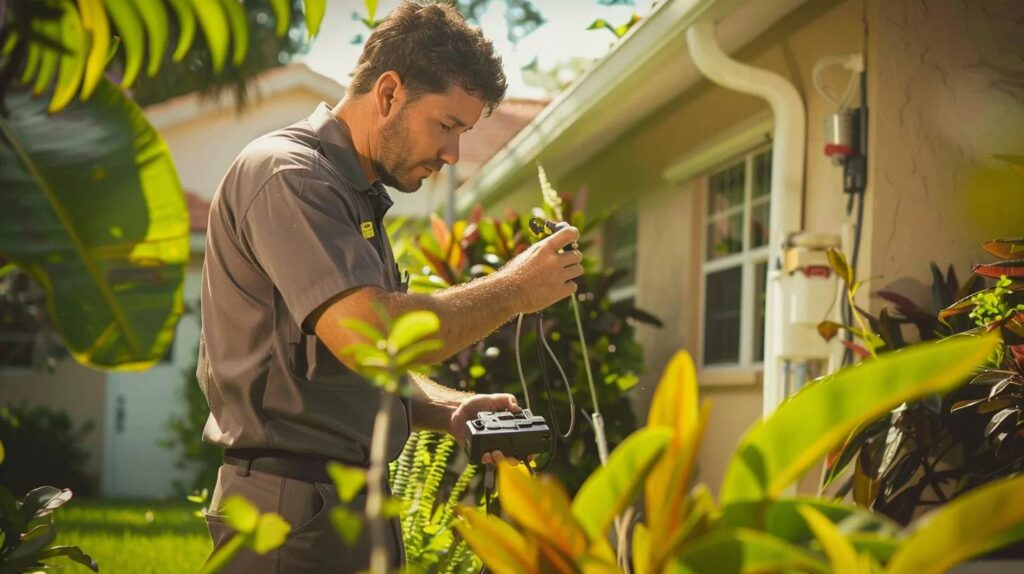
    Professional technician inspecting outdoor lighting systems in a Florida backyard

    While many issues can be resolved independently, some situations warrant professional assistance:

    1. Complex Wiring Issues: If wiring problems are extensive or complicated, it’s best to consult a professional.
    2. Safety Concerns: Any signs of electrical hazards should be addressed by a qualified technician.
    3. Time Constraints: If maintenance tasks become overwhelming, hiring a professional can save time and ensure proper care.

    Knowing when to seek help can prevent accidents and ensure the safety of your outdoor lighting systems.

    Which Energy Efficiency and Timer Settings Optimize Outdoor Lighting Performance?

    Optimizing energy efficiency and timer settings is crucial for reducing costs and enhancing the performance of outdoor lighting systems. Proper management can lead to significant savings and improved functionality.

    How Do Timer Settings Contribute to Energy Conservation and System Longevity?

    Timer settings play a vital role in energy conservation:

    1. Automated Control: Timers allow for automatic operation, ensuring lights are only on when needed.
    2. Reduced Energy Waste: Properly set timers can prevent lights from running unnecessarily, lowering energy bills.
    3. Extended Fixture Life: By minimizing usage, timers can prolong the lifespan of lighting fixtures.

    Implementing effective timer settings is a simple yet impactful way to enhance outdoor lighting efficiency.

    What Are the Advantages of Integrating Smart Lighting Systems for Automated Maintenance?

    Smart lighting systems offer numerous advantages for outdoor lighting maintenance:

    1. Remote Control: Homeowners can manage lighting from anywhere, adjusting settings as needed.
    2. Maintenance Alerts: Smart systems can notify users of potential issues, allowing for timely interventions.
    3. Energy Monitoring: These systems provide insights into energy usage, helping homeowners make informed decisions about their lighting.

    Integrating smart technology can significantly improve the management and efficiency of outdoor lighting systems.

    What Safety and Wiring Inspection Protocols Ensure Reliable Outdoor Lighting?

    Safety and wiring inspections are critical for ensuring the reliability of outdoor lighting systems. Regular checks can prevent accidents and ensure optimal performance.

    How Should Wiring Be Inspected to Prevent Corrosion and Electrical Hazards?

    Inspecting wiring involves several key steps:

    1. Look for Wear and Tear: Regularly check for frayed wires or exposed connections that could pose safety risks.
    2. Check Connections: Ensure all connections are tight and free from corrosion to maintain electrical integrity.
    3. Assess Environmental Impact: Consider how weather and vegetation may affect wiring and make adjustments as necessary.

    These inspection protocols help maintain safety and functionality in outdoor lighting systems.

    Emphasizing the importance of robust safety measures, studies also detail the critical role of proper grounding systems and protective devices like Ground Fault Circuit Interrupters in outdoor lighting installations.

    Outdoor Lighting Grounding Systems for Safety The protection to persons in TT distribution systems is the residual current protective device (ie Ground Fault Circuit Interrupter). It is important, then, to divide the lighting installation supply circuit in several sub-circuits. On outdoor lighting installations grounding systems, M Mitolo, 2006

    What Tools and Precautions Are Essential for Safe Maintenance Tasks?

    Using the right tools and precautions is essential for safe maintenance:

    1. Use Insulated Tools: Insulated tools help prevent electrical shocks during maintenance tasks.
    2. Wear Protective Gear: Gloves and safety glasses can protect against potential hazards.
    3. Follow Safety Guidelines: Always adhere to safety protocols when working with electrical systems to minimize risks.

    By prioritizing safety, homeowners can effectively maintain their outdoor lighting systems without compromising their well-being.
  • Exquisite Custom Outdoor Water Features: Unveiling the Top Trends for 2026 to Elevate Luxury Living

    Exquisite Custom Outdoor Water Features: Unveiling the Top Trends for 2026 to Elevate Luxury Living

    By Terrance Schabilion, Beyond Backyard Living

    As we close 2026, outdoor water features are set to redefine luxury living, blending aesthetics with functionality in innovative ways. This article explores the top trends in outdoor water features, focusing on how they enhance outdoor living spaces while reflecting personal style and environmental consciousness. Homeowners are increasingly seeking unique designs that not only beautify their surroundings but also provide a serene atmosphere. The integration of eco-friendly materials and smart technology is becoming essential, addressing both aesthetic desires and sustainability concerns.

    In this comprehensive guide, we will delve into the foremost trends shaping outdoor water features for 2026, including design styles, eco-friendly innovations, and the impact of custom features on properties, particularly in regions like Florida. We will also discuss the importance of artisanal craftsmanship and the advancements in luxury pool designs.

    What Defines the Foremost Outdoor Water Feature Trends for 2026?

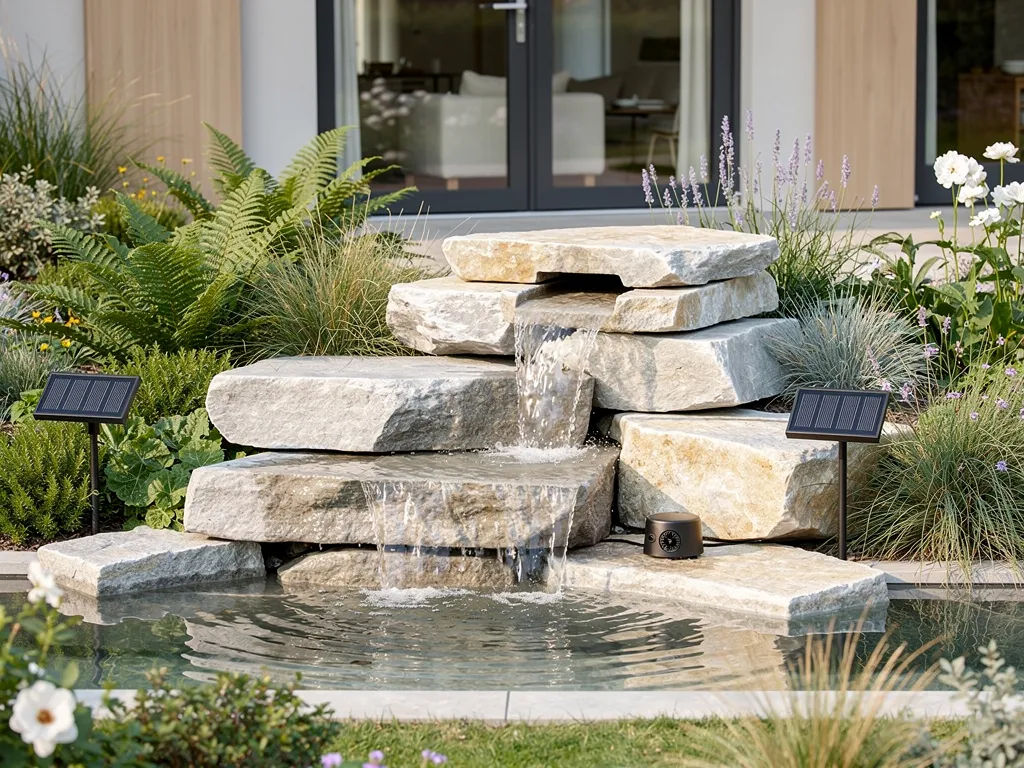
    The outdoor water feature trends for 2026 are characterized by a blend of innovative design, sustainability, and integration with outdoor living spaces. Homeowners are increasingly looking for features that not only serve as focal points but also enhance the overall ambiance of their backyards. Key trends include the use of natural materials, such as stone and wood, which create a seamless connection with nature. Additionally, the incorporation of smart technology allows for customizable lighting and water flow, enhancing the user experience.

    Custom outdoor water features are particularly popular, as they allow homeowners to express their unique tastes and preferences. Beyond Backyard Living specializes in custom outdoor living space design and construction, focusing on integrating high-quality outdoor water features that elevate the luxury of any property.

    Which Design Styles Embody Modernity and Naturalistic Elegance?

    Modern and naturalistic design styles are at the forefront of outdoor water feature trends. Modern designs often feature clean lines and geometric shapes, creating a sleek and contemporary look. In contrast, naturalistic designs emphasize organic forms and materials, blending seamlessly with the surrounding landscape.

    These styles can be seen in various applications, from minimalist ponds to elaborate waterfalls that mimic natural streams. The choice of design style often reflects the homeowner’s personality and the overall theme of the outdoor space, making it essential to consider both aesthetics and functionality when planning a water feature.

    How Do Eco-Friendly Innovations Shape Contemporary Water Features?

    Eco-friendly innovations are transforming the landscape of outdoor water features, making them more sustainable and efficient. Homeowners are increasingly opting for features that utilize natural filtration systems, which reduce the need for chemical treatments and promote a healthier ecosystem.

    Energy-efficient pumps and solar-powered options are also gaining popularity, allowing for reduced energy consumption and lower utility bills. Sustainable materials, such as recycled stone and eco-friendly sealants, are being used to create beautiful yet environmentally responsible water features. These innovations not only enhance the aesthetic appeal but also align with the growing demand for sustainable living practices.

    How Are Custom Outdoor Water Features Revolutionizing Sunbelt Residences?

    Custom outdoor water features are revolutionizing residences in the Sunbelt region by enhancing both aesthetic appeal and property value. These features are designed to complement the existing landscape, providing a harmonious blend of beauty and functionality.

    Homeowners are increasingly recognizing the value of bespoke designs that cater to their specific needs and preferences. Custom features can include everything from elegant fountains to serene koi ponds, each tailored to fit the unique characteristics of the property. This personalization not only elevates the outdoor living experience but also contributes to increased property value, making it a worthwhile investment.

    What Bespoke Elements Distinguish Water Features Tailored for Florida’s Climate?

    Florida’s climate presents unique challenges and opportunities for outdoor water features. Bespoke elements that cater to this environment include the selection of durable materials that can withstand high humidity and intense sunlight.

    Design integration with local flora is also crucial, as it enhances the natural beauty of the feature while ensuring that it complements the surrounding landscape. Maintenance considerations are paramount, with features designed for easy upkeep to accommodate the busy lifestyles of Florida homeowners.

    In What Ways Does Artisanal Craftsmanship Enhance Regional Outdoor Living Spaces?

    Artisanal craftsmanship plays a significant role in enhancing outdoor living spaces, particularly in the realm of custom water features. Skilled artisans bring a level of detail and quality that mass-produced options cannot match.

    The use of high-quality materials and traditional techniques results in water features that are not only visually stunning but also built to last. This craftsmanship ensures that each piece is unique, reflecting the homeowner’s personal style and the character of the surrounding environment.

    What Are the Advancements in Luxury Pool Water Designs for Discerning Homeowners?

    What Are the Advancements in Luxury Pool Water Designs for Discerning Homeowners

    Luxury pool water designs are evolving to incorporate advanced materials and technology, catering to discerning homeowners who seek both beauty and functionality. Innovations such as infinity edges and integrated spas create a seamless transition between the pool and the surrounding landscape, enhancing the overall aesthetic.

    Technology integration, including automated water features and smart controls, allows homeowners to customize their pool experience with ease. These advancements not only elevate the visual appeal but also improve the functionality of luxury pools, making them a central feature of outdoor living spaces.

    How Do Integrated Lighting and Smart Controls Elevate Ambiance and Functionality?

    Integrated lighting and smart controls are essential components of modern outdoor water features, significantly enhancing both ambiance and functionality. Proper lighting can transform a water feature into a stunning focal point at night, creating a magical atmosphere for outdoor gatherings.

    Smart controls allow homeowners to adjust lighting and water flow with ease, providing a customizable experience that can adapt to different occasions. This technology not only improves usability but also enhances safety, ensuring that outdoor spaces are well-lit and inviting.

    Which Materials and Techniques Ensure Enduring Excellence and Aesthetic Refinement?

    The choice of materials and techniques is critical in ensuring the longevity and aesthetic refinement of outdoor water features. Natural stone, for example, offers durability and a timeless appeal, while modern materials like fiberglass provide lightweight options that are easy to install and maintain.

    Techniques such as proper sealing and waterproofing are essential to prevent damage from the elements, ensuring that the feature remains beautiful and functional for years to come. Homeowners should consider both the aesthetic and practical aspects of materials when designing their outdoor water features.

    How Do Eco-Friendly and Solar-Powered Water Features Define Sustainable Sophistication?

    Eco-friendly and solar-powered water features are defining sustainable sophistication in outdoor design. These features not only reduce environmental impact but also offer homeowners a way to enjoy luxury without compromising their values.

    Solar-powered pumps and energy-efficient systems minimize energy consumption, while the use of sustainable materials ensures that the water feature aligns with eco-conscious living. This approach to design reflects a growing trend among homeowners who prioritize sustainability alongside aesthetics.

    What Are the Benefits and Applications of Solar-Powered Pumps in Outdoor Installations?

    Solar-powered pumps offer numerous benefits for outdoor installations, making them an attractive option for environmentally conscious homeowners. These pumps reduce reliance on traditional energy sources, leading to lower utility costs and a smaller carbon footprint.

    Applications for solar-powered pumps include fountains, ponds, and irrigation systems, providing versatility in design and functionality. By harnessing renewable energy, homeowners can enjoy the beauty of outdoor water features while contributing to a more sustainable future.

    How Does Sustainability Intersect with Luxury in Water Feature Design?

    How Does Sustainability Intersect with Luxury in Water Feature Design

    Sustainability and luxury are increasingly intersecting in water feature design, as homeowners seek to create beautiful outdoor spaces that are also environmentally responsible. The use of eco-friendly materials and energy-efficient systems allows for the creation of stunning features that do not compromise on quality or aesthetics. This intersection reflects a broader trend in the luxury market, where consumers are prioritizing sustainability alongside traditional notions of opulence. By investing in sustainable water features, homeowners can enjoy the best of both worlds—luxury and environmental stewardship.

    What Are the Essential Considerations for Water Feature Installation and Maintenance in Florida?

    When installing and maintaining water features in Florida, several essential considerations must be taken into account. The local climate necessitates the use of durable materials that can withstand humidity and heat, while also considering the impact of local wildlife on the feature.

    Maintenance practices should be tailored to the specific type of water feature, ensuring that it remains clean and functional throughout the year. Homeowners should also be aware of local regulations regarding water usage and landscaping to ensure compliance and sustainability.

    Why Should Discerning Homeowners Invest in Bespoke Outdoor Water Features in 2026?

    Investing in bespoke outdoor water features in 2026 offers discerning homeowners numerous benefits, including enhanced aesthetic appeal and increased property value. Custom features allow for personalization, ensuring that the design reflects the homeowner’s unique taste and lifestyle.

    Moreover, these investments contribute to an elevated outdoor living experience, providing a serene and beautiful environment for relaxation and entertainment. As trends continue to evolve, bespoke water features remain a timeless addition to any luxury home.

    How Does Custom Design Reflect Individual Taste and Cultural Heritage?

    Custom design in outdoor water features allows homeowners to express their individual taste and cultural heritage. By incorporating elements that resonate personally, such as specific materials or design motifs, homeowners can create a feature that tells their unique story.

    This personalization not only enhances the beauty of the outdoor space but also fosters a deeper connection to the environment. As homeowners seek to create meaningful spaces, custom water features become a powerful tool for self-expression and cultural representation.

    What Value Does Meticulous Craftsmanship Impart Beyond Mere Aesthetics?

    Meticulous craftsmanship imparts significant value to outdoor water features, extending beyond mere aesthetics. High-quality construction ensures durability and longevity, making these features a worthwhile investment for homeowners.

    Additionally, the attention to detail in craftsmanship enhances the overall experience of the outdoor space, creating a sense of luxury and refinement. Homeowners who prioritize craftsmanship can enjoy the peace of mind that comes with knowing their water features are built to last.

  • Pool Renovation Planning Guide for a Better Backyard

    Pool Renovation Planning Guide for a Better Backyard

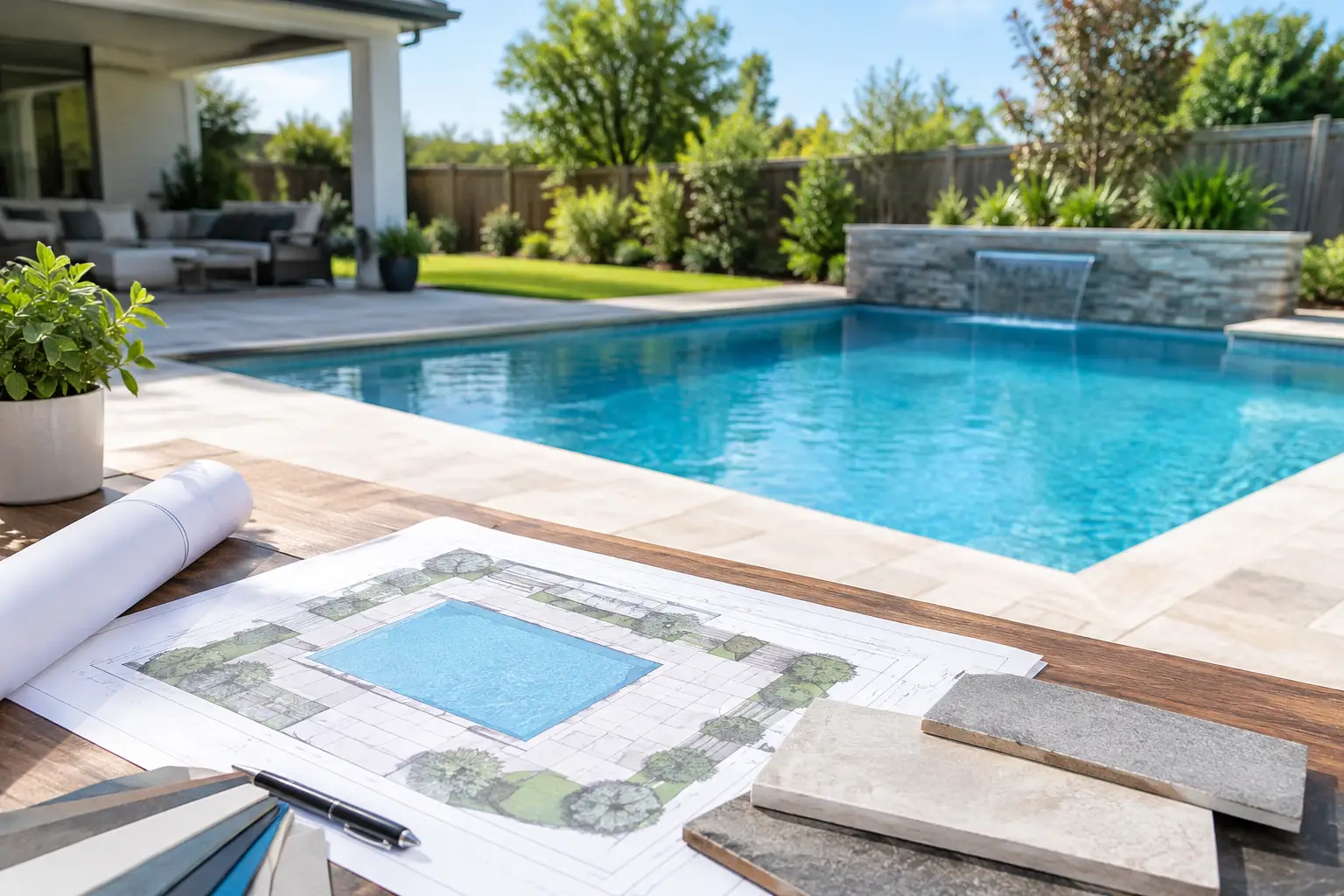
    A tired waterline tile, a cracked deck, and equipment that works harder every season are not just maintenance concerns. They are signs that your backyard may be ready for a more complete vision. This pool renovation planning guide helps you move beyond isolated repairs and shape a setting that feels intentional, beautiful, and ready for the way you host, relax, and live at home.

    A pool renovation can be as focused as resurfacing and replacing coping, or as transformative as rebuilding the entire pool environment with a spa, outdoor kitchen, pavilion, fire feature, and layered landscape. The difference comes down to clear priorities established before construction begins.

    Begin With the Experience You Want to Create

    The best renovation decisions start with a question more meaningful than, “What needs to be replaced?” Ask how you want the backyard to feel on an ordinary Tuesday evening and on the weekend when friends and family are over.

    Perhaps you want a quieter retreat with a raised spa, gentle water feature, and generous shade. Maybe the goal is a polished entertainment space where guests can move easily from pool to kitchen to fire pit. For families, shallow lounging areas, durable surfaces, open sightlines, and room for games may matter most. A successful design makes these moments feel natural rather than forcing every activity into the same crowded corner of the yard.

    Look beyond the pool shell. Its shape, placement, and finishes set the tone, but the surrounding hardscape, architecture, lighting, planting, and amenities determine whether the space functions as one cohesive destination. This is where a renovation becomes an outdoor transformation.

    Assess What Can Stay and What Should Change

    Before choosing finishes, have the existing pool and surrounding site evaluated carefully. Surface wear may be cosmetic, while persistent leaks, settling deck areas, outdated plumbing, or inefficient equipment can signal deeper work ahead. A thoughtful assessment helps prevent the frustration of installing beautiful new tile only to uncover a larger issue later.

    Consider the pool structure, interior finish, coping, waterline tile, decking, drainage, equipment pad, lighting, and safety features together. If the deck has become slippery, too hot in direct sun, or disconnected from the home, replacing it may deliver more day-to-day value than a pool-only update. If the circulation system is aging, upgraded pumps, filtration, automation, and heating can improve comfort while simplifying ownership.

    Some existing features may deserve to remain. Mature trees, a well-positioned patio, or a pool shape that already suits the property can provide a strong foundation. Renovation is not automatically demolition. The right approach preserves what serves the new vision and changes what limits it.

    Think Through the Sunbelt Climate

    In warm climates, a pool is often used for far more months of the year, which makes shade, surface temperature, drainage, and equipment performance especially consequential. Large expanses of dark decking may look dramatic but become uncomfortable under intense summer sun. Light-reflective materials can feel cooler, although they may show dirt more readily. Natural stone creates a refined look, but each material has its own maintenance and heat considerations.

    Plan for shade where people gather, not only where it looks balanced on a drawing. A pergola, pavilion, covered patio, or strategically placed umbrellas can make a major difference in how long guests comfortably stay outside. Drainage also deserves early attention. Water should move away from the home and gathering areas without disrupting the clean lines of the design.

    Set a Budget Around Priorities, Not Just Products

    A renovation budget is more useful when it reflects the experience you are trying to create. Start by separating must-have improvements from features that would be wonderful if the budget allows. Structural repairs, safety upgrades, and equipment needs should be addressed first. Then assign investment to the elements that most shape your lifestyle, whether that is a spa, a larger patio, an outdoor kitchen, or a dramatic fire-and-water feature.

    It also helps to reserve room for conditions that are not visible until work begins. Older pools can reveal plumbing issues, unstable base material, or code-related updates once decking and finishes are removed. A realistic contingency protects the integrity of the project and gives you better choices if an unexpected condition appears.

    Avoid evaluating options only by their initial price. A lower-cost finish or fixture may be the right decision in some cases, but a premium material can make sense when it supports longevity, comfort, and the character of the home. The goal is not to add every available feature. It is to invest in the details that make the entire environment feel considered.

    Create One Cohesive Design Plan

    A pool should not feel like a separate installation dropped into the backyard. During planning, consider how the pool relates to the home, property lines, existing views, grade changes, and the routes people take through the space. These relationships influence everything from deck dimensions to where a grill belongs.

    A good design plan creates distinct zones without making the backyard feel chopped up. The swimming area needs clear circulation and enough deck space for loungers. Dining benefits from proximity to food preparation and shade. A fire feature often works best where it can be enjoyed after a swim without blocking traffic. Landscape beds can soften hardscape edges, create privacy, and frame focal points without overwhelming the architecture.

    Choose Features That Earn Their Place

    Luxury is not a matter of adding more. It is the feeling of having exactly what the space and the people using it need. A tanning ledge is an excellent choice for homeowners who enjoy lounging in the water or have small children playing nearby. It may be less valuable if every square foot of swim area is already needed for active use.

    Likewise, a raised spa can extend the season and create a striking visual focal point, while a waterfall may bring welcome movement and sound to a quiet garden setting. An outdoor kitchen is most useful when it includes enough prep space, storage, and seating to keep the cook connected to guests. Select features because they support the life you want outdoors, not because they appeared in a trend photo.

    Plan the Construction Sequence Early

    A beautiful concept still needs a practical construction plan. Renovation timelines vary based on the scope of demolition, permitting, material availability, inspections, weather, and the complexity of custom features. If your goal is to host a milestone event or enjoy the finished space by a particular season, begin design conversations well ahead of that date.

    The sequence matters. Pool repairs and equipment changes may need to occur before new decking is installed. Drainage, utilities, gas lines, and electrical work should be coordinated before finished surfaces go in. If a kitchen, fireplace, pergola, or landscape lighting is part of the plan, those systems should be designed with the pool work rather than treated as add-ons afterward.

    A full-service design-build approach reduces the handoffs that can fragment a project. Instead of managing separate pool, hardscape, landscape, and outdoor living contractors, homeowners can make decisions within one unified plan. That alignment helps protect the design intent from the first concept through the finishing details.

    Do Not Overlook Safety, Privacy, and Everyday Care

    Safety requirements vary by location, but they should be treated as an essential design element rather than an afterthought. Fencing, gates, alarms, handrails, steps, slip resistance, and lighting all deserve consideration early in the process. Thoughtful planning can meet practical needs without compromising the elevated appearance of the backyard.

    Privacy is equally personal. Some homeowners want dense screening from nearby windows, while others want to preserve an open view. Layered plantings, decorative walls, architectural screens, and strategically placed structures can create enclosure without making the yard feel boxed in.

    Finally, plan for how the space will be maintained. Choose finishes that match your willingness to clean and care for them. Build enough access around equipment. Make storage available for towels, pool toys, cushions, and outdoor cookware. The most polished backyard is one that remains easy to enjoy after the first season of excitement has passed.

    Bring the Vision Into Focus

    The strongest pool renovations do more than refresh aging materials. They reshape how a home is experienced, creating a place where early-morning quiet, family afternoons, and memorable evenings can all happen with ease. Bring inspiration, honest priorities, and a clear sense of how you want to gather to the planning process. From there, every material, feature, and finishing touch has a purpose: designing a backyard that feels like your favorite place to be.