By Terrance Schabilion, Beyond Backyard Living – Custom Pool Builder Spring Hill FL
As outdoor living spaces become increasingly popular, choosing the right fire feature plays a crucial role in enhancing ambiance while ensuring safety and functionality. In Florida, homeowners often face the decision between custom gas fire pits and propane fire tables, both of which offer unique benefits. This article aims to compare these two outdoor fire options by focusing on essential factors such as BTU output, fuel lines, safety clearances, and installation requirements specific to Florida’s climate. Given the increasing interest in luxury outdoor designs, it’s vital to understand how these fire features contribute to overall aesthetics and user experience.
In addition to discussing the technical aspects, this guide will highlight best practices to ensure compliance with local safety regulations, making it easier for homeowners to make informed decisions. As we delve into the comparison of custom gas fire pits and propane fire tables, we will explore the implications of BTU output on performance, the technical requirements for installation, and the safety considerations that must be followed to enjoy outdoor spaces responsibly.
Comparison of Custom Gas Fire Pits vs. Propane Fire Tables in Florida
When selecting between custom gas fire pits and portable propane fire tables, understanding their BTU outputs, installation needs, and safety considerations is crucial.
BTU output, which stands for British Thermal Unit, directly correlates with the heat generated by the fire feature. Custom gas fire pits generally range from 50,000 to 200,000 BTUs, providing a broad spectrum of heating capabilities suitable for various outdoor settings. In contrast, propane fire tables typically range from 30,000 to 50,000 BTUs. This difference indicates that custom gas fire pits are more suited for larger gatherings, while propane tables may be ideal for intimate settings.
Another significant consideration is the installation process. Custom gas fire pits require permanent gas line installation, adhering to local building codes, while propane fire tables offer the flexibility of mobility and simpler setup, as they rely on portable fuel tanks. Understanding these fundamentals can assist homeowners in making a decision that aligns with their outdoor living needs and safety standards.
BTU Output
The BTU output of an outdoor fire feature determines its effectiveness and suitability for various environments. Both custom gas fire pits and propane fire tables cater to different warmth and ambiance needs, influencing buyers’ decisions.
| Feature | Type | Typical BTU Output |
|---|---|---|
| Custom Gas Fire Pits | Fixed installations | 50,000 – 200,000 BTUs |
| Propane Fire Tables | Portable options | 30,000 – 50,000 BTUs |
Selecting the appropriate BTU output is vital for achieving optimal performance in Florida’s varying climates. Higher BTUs ensure sufficient warmth during cooler evenings, enhancing the outdoor experience. It is crucial to balance the heat output with the available space to ensure safety and comfort.
Fuel Lines
Fuel line installation requirements differ notably between custom gas fire pits and propane fire tables, impacting both safety and functionality. Custom gas fire pits necessitate a dedicated gas line installation, which must meet local code requirements to ensure proper safety and functionality. This usually involves more extensive installation work and a thorough understanding of plumbing and gas regulations.
On the other hand, propane fire tables utilize portable fuel tanks, making installation far simpler and accessible. They do not require a permanent connection to gas lines, allowing for mobility and flexibility in placement. However, users must ensure the propane tanks are properly stored and serviced to avoid potential hazards.
Safety Clearances
When it comes to safety, clearances between fire features and nearby structures are paramount. Adhering to safety regulations minimizes the risk of fire hazards and ensures compliance with local building codes. Custom gas fire pits generally require more space, typically needing a minimum of 10 feet from structures like fences, decks, and overhanging trees. Propane fire tables may have slightly relaxed rules, yet owners should observe basic safety clearances of around 5-10 feet.
However,’s important to assess local regulations as they may differ across regions and municipalities.
What Are the Key Differences Between Gas Fire Pits and Propane Fire Tables in Florida?
Understanding the key differences between gas fire pits and propane fire tables is essential for homeowners.
- Installation Complexity: Custom gas fire pits demand more complicated installation due to necessary gas line connections, whereas propane fire tables are generally easier to set up and relocate.
- Durability and Design: Gas fire pits often offer a more permanent and robust aesthetic that can be customized to match luxury outdoor designs. In contrast, propane tables are typically lightweight and portable but may lack the same aesthetic appeal.
- Heat Efficiency: Custom gas fire pits tend to provide higher BTU outputs and greater heat efficiency, essential for larger spaces, while propane fire tables are limited in output.
Both options can significantly enhance outdoor living spaces, but understanding their differences is vital for making an informed choice.
How Do Gas Fire Pits and Propane Fire Tables Differ in Design and Fuel Type?
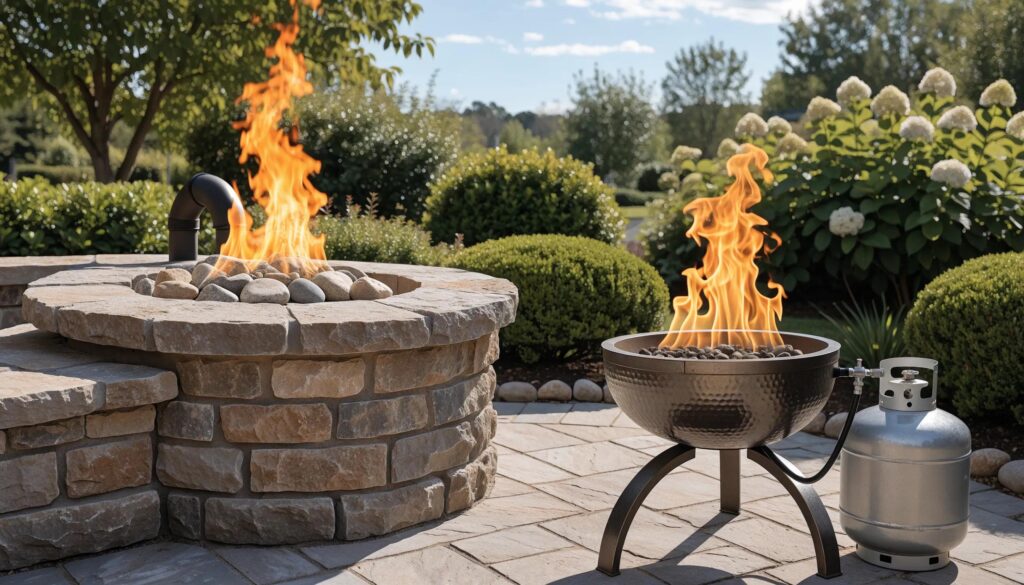
The design elements and fuel types of custom gas fire pits and propane fire tables offer unique benefits and applications in outdoor spaces. Custom gas fire pits are often designed to incorporate various aesthetic elements such as stone, brick, or custom metalwork, allowing them to seamlessly fit within luxury outdoor living areas. These installations create a robust focal point and add significant value to properties.
Propane fire tables, while providing flexibility and ease of movement, usually have a more utilitarian design, often made from lightweight materials. However, many modern propane tables also feature decorative options catering to upscale outdoor aesthetics.
Regarding fuel types, gas fire pits operate on natural gas or propane that is supplied through fixed lines, providing a continuous supply without the need for frequent refueling. In contrast, propane fire tables rely on portable propane tanks, which need regular refilling or exchanging. This distinction can affect user convenience and overall operational costs.
What Are the Advantages of Each Fire Feature for Luxury Outdoor Spaces?
Both custom gas fire pits and propane fire tables offer unique advantages that enhance luxury outdoor spaces.
- Custom Gas Fire Pits: Aesthetic Appeal: Provides a permanent and often luxurious custom design feature.Higher Heat Output: Capable of producing significant warmth, suitable for larger gatherings and cooler evenings.
- Propane Fire Tables: Portability: Great for flexible outdoor configurations or smaller spaces.Ease of Use: No permanent installation is necessary, making them user-friendly and accessible.
Understanding these advantages is crucial for homeowners looking to create a comfortable and inviting outdoor atmosphere.
How Does BTU Output Impact Performance of Gas Fire Pits and Propane Fire Tables?
The BTU output significantly influences the performance and overall user experience of both custom gas fire pits and propane fire tables. Higher BTUs mean better heat output, making fire pits suitable for larger spaces where significant warmth is necessary, especially in the cooler months.
Propane fire tables, while lower in BTU output, still deliver adequate warmth for small to medium-sized areas. However, their restricted heat output may not effectively heat larger spaces like a custom gas fire pit can.
Selecting the appropriate BTU output based on intended use and expected environmental conditions is essential for ensuring optimal performance.
What Is the Typical BTU Output Range for Custom Gas Fire Pits vs Propane Fire Tables?
Understanding the typical BTU output range helps homeowners select a fire feature that meets their heating needs effectively.
| Fire Feature Type | BTU Output Range |
|---|---|
| Custom Gas Fire Pit | 50,000 – 200,000 BTUs |
| Propane Fire Table | 30,000 – 50,000 BTUs |
This data indicates that custom gas fire pits cater more effectively to larger outdoor spaces while propane fire tables provide sufficient heat for smaller, intimate settings.
How to Choose the Appropriate BTU Output for Florida’s Outdoor Living Environments?
Choosing the appropriate BTU output for outdoor fire features involves considering factors such as the size of the intended area, expected frequency of use, and climate variations.
- Area Size: For expansive outdoor settings, higher BTUs are necessary to achieve the desired warmth.
- Usage Frequency: Those using the feature frequently may prefer a custom gas fire pit for its consistent and powerful output.
- Climate Considerations: In Florida, where evenings can be mild, a mid-range output may suffice if space permits luxury aesthetics.
By aligning BTU output with the use case, homeowners can enhance their outdoor space more effectively.
What Are the Gas Line Requirements and Installation Considerations in Florida?
When planning to install a custom gas fire pit, understanding the local gas line requirements is essential for ensuring compliance and safety.
- Permanent Connection: Custom gas fire pits must connect to permanent gas lines that are installed according to local codes and safety guidelines.
- Permit Requirement: Homeowners may require permits for installation, especially if additional plumbing adjustments are necessary.
- Inspection and Testing: New installations often must pass safety inspections and tests before use.
These steps ensure safety and reliability while enjoying custom installations that enhance outdoor aesthetics.
How Do Florida Building Codes Affect Gas Line Installation for Outdoor Fire Features?
Florida building codes specify stringent guidelines for gas line installations to ensure safety and compliance. Understanding these regulations is critical to avoid legal issues and hazards.
- Code Adherence: Installation must conform to local codes regarding materials, distances from structures, and safety measures.
- Licensed Professionals: Homeowners may need to hire licensed contractors for installations to ensure adherence to all necessary guidelines.
- Safety Standards: Regular inspections might be mandated, ensuring ongoing compliance with safety standards.
By following these codes, homeowners can ensure their outdoor fire features are both beautiful and safe.
What Safety Clearances and Regulations Govern Outdoor Fire Features in Florida?
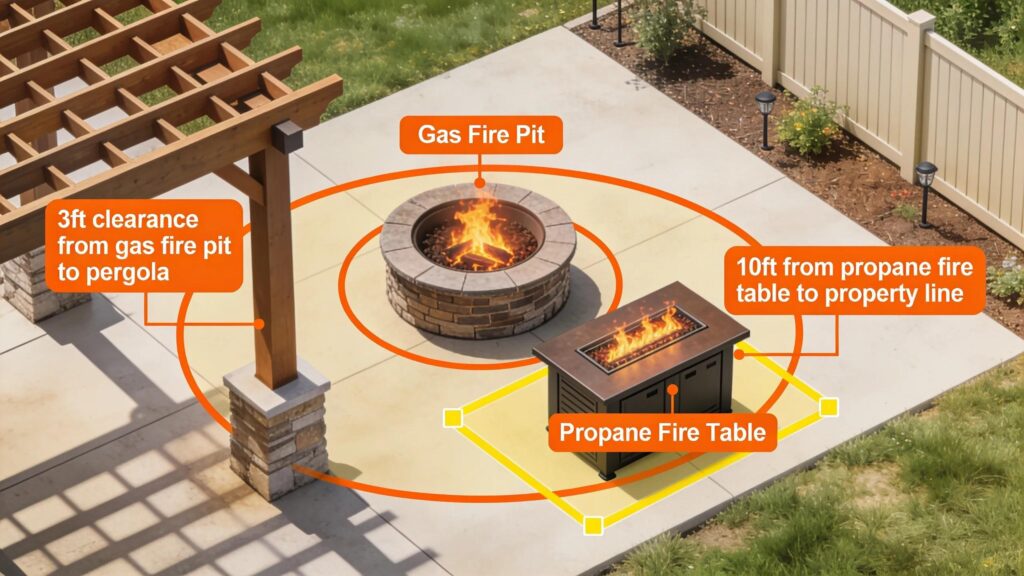
Understanding the safety clearances and regulations that govern outdoor fire features is crucial for maintaining compliance and safety.
- Minimum Clearances: Custom gas fire pits generally require a minimum ten-foot clearance from flammable structures, while propane fire tables may necessitate about five to ten feet.
- Local Regulations: Each municipality in Florida may have specific regulations creating variations in required distances, necessitating research based on location.
- Ongoing Safety Checks: Regular checks and maintenance ensure fire features operate safely and remain compliant with local standards over time.
What Are the Minimum Safety Clearances Required for Gas Fire Pits and Fire Tables?
For effective installation of gas fire pits and propane fire tables, it is imperative to adhere to minimum safety clearance requirements:
| Feature | Minimum Clearance Requirement |
|---|---|
| Custom Gas Fire Pits | 10 feet from any structure |
| Propane Fire Tables | 5-10 feet from flammable materials |
Adhering to these clearance requirements minimizes risks and contributes to a safer user experience.
How to Ensure Compliance with 2025-2026 Florida Fire Safety Standards?
Ensuring compliance with current fire safety standards is essential for maximizing safety around outdoor fire features.
- Research Current Standards: Homeowners should stay updated on the latest regulations concerning outdoor fire installations and safety.
- Hire Licensed Contractors: Utilizing licensed professionals for installation ensures adherence to all local codes and safety standards.
- Regular Maintenance and Inspections: Conduct periodic checks to ensure that fire features operate according to safety specifications, maintaining compliance over time.
By taking these steps, homeowners can enjoy their outdoor spaces confidently, knowing they meet essential safety standards. To guarantee long-term structural integrity and peace of mind around your fire feature and surrounding hardscapes, consider utilizing the lifetime settlement warranty for your foundational patio layers. Additionally, incorporating an annual protection plan helps preserve the overall beauty and durability of your custom backyard environment.