Author: Beyond Backyard

  • Custom Swimming Pool Waterline Tile in Florida: Glass Mosaic, Porcelain, Quartz & Scale Resistance for Luxury Pool Designs

    Custom Swimming Pool Waterline Tile in Florida: Glass Mosaic, Porcelain, Quartz & Scale Resistance for Luxury Pool Designs

    By Terrance Schabilion, Beyond Backyard Living – Custom Pool Builder Spring Hill FL

    Selecting the right waterline tile is crucial for enhancing the aesthetic and functional elements of a swimming pool. In Florida, where climate and lifestyle significantly influence pool design, choosing tiles that not only look stunning but also resist scale buildup is essential. This article serves as a comprehensive guide to various tile options including glass mosaic, porcelain, and quartz, and focuses on their scale resistance, durability, and beauty. As homeowners seek to create relaxing outdoor sanctuaries, understanding the properties and benefits of these materials can serve as a valuable resource. From exploring the latest design trends for the upcoming years to detailing the installation process, this guide will highlight critical aspects of waterline tile selection for premier luxury pools.

    What Are the Top Scale Resistant Pool Tile Options for Florida Homes?

    Selecting the best tiles for swimming pools in Florida involves understanding how different materials perform under high humidity and warm temperatures. Scale-resistant tiles prevent mineral buildup, offering easier maintenance and preserving the tile’s vibrant aesthetic over time. Two of the top choices for homeowners are quartz and porcelain tiles due to their exceptional durability and low maintenance requirements. In addition, glass mosaic tiles bring a unique luxury and design flexibility to pool aesthetics, making them a popular option for upscale projects.

    How Do Quartz and Porcelain Tiles Provide Scale Resistance in Florida Pools?

    Quartz and porcelain tiles are highly regarded for their scale-resistant properties. Quartz tiles are engineered to resist staining and are known for their exceptional hardness, making them a robust choice for lasting performance. This durability means that they can handle wear over time without compromising their appearance. Porcelain tiles also excel in humid conditions, as they are dense and nearly impervious to moisture, meaning they won’t absorb water or harbor bacteria. Both tile types require minimal upkeep, which is beneficial for Florida homeowners looking to minimize maintenance efforts while enjoying their luxury pool.

    Understanding material vulnerabilities over time helps underscore why selecting resilient surfaces is vital for long-term pool ownership.

    Durability and Pathologies of Swimming Pool Ceramic Tiles

    Regarding the durability of swimming pools, it was possible to detect prematurely pathologies on the materials in direct contact with the water, namely the ceramic tiles and their joints. Common typology, durability and pathologies of the swimming pools in the algarve region-implications in the sustainability, R Lança, 2019

    Why Choose Glass Mosaic Tiles for Durable Waterline Designs?

    Glass mosaic tiles offer numerous advantages for luxury pool designs, chief among them being their aesthetic appeal and longevity. Resistant to fading from UV exposure, glass tiles maintain their vibrant colors and luster even under the harsh Florida sun. Additionally, glass mosaic tiles come in a variety of styles, allowing for customization in pool designs. Their unique reflective quality can enhance the overall texture and visual interest of a pool. Lastly, glass tiles are easy to clean, which helps in maintaining a hygienic pool environment, further justifying their selection for high-end applications.

    Which Luxury Pool Waterline Tile Designs Are Trending in Florida for the Coming Years?

    The upcoming years are bringing fresh design innovations in the realm of luxury pool tiles. Homeowners are increasingly gravitating towards tiles that harmonize with natural outdoor elements and reflect a modern aesthetic. Key trends include shimmering glass mosaics that can create mesmerizing underwater visuals and earthy porcelain tones that blend seamlessly with natural landscapes. Various designs now integrate textures that mimic natural stones or ocean waves, providing a soothing ambiance that is perfect for relaxation.

    What Are the Latest Glass Mosaic Pool Tile Styles and Patterns?

    Current trends in glass mosaic pool tiles showcase a range of artistic designs and patterns, allowing for personal expression in pool aesthetics. Color palettes are shifting towards soft blues and emerald greens that evoke feelings of tranquility. Geometric patterns and intricate designs are particularly fashionable, offering a contemporary twist on classic looks. This variety allows homeowners to customize their pools uniquely, ensuring a standout feature in their outdoor space.

    How Are Natural-Style and Resort-Inspired Features Integrated with Pool Tiles?

    Incorporating natural materials into pool designs has become increasingly popular as homeowners look to create resort-like environments. The integration of porcelain tiles resembling natural stones provides an organic feel and enhances the outdoor aesthetic. Additionally, landscaping elements such as lush plants or wooden decks can complement the tile choices, blurring the lines between pool and environment. This design approach not only elevates the visual appeal but also enriches the overall experience of the pool area, making it a true retreat.

    Proper technical standards must be met to ensure that specialized tiles perform reliably in demanding aquatic environments.

    Technical Specifications of Ceramic Tiles for Swimming Pools

    The study of the impact of the technical specifications of ceramic tiles requires a comprehensive understanding of the nature of the tiles in order to obtain tiles with special specifications different from ordinary tiles (floors, walls) The Effect of Technical Specifications on Ceramic Tiles used for Cladding of Swimming Pools, 2024

    How Does the Custom Pool Tile Installation Process Work in Florida?
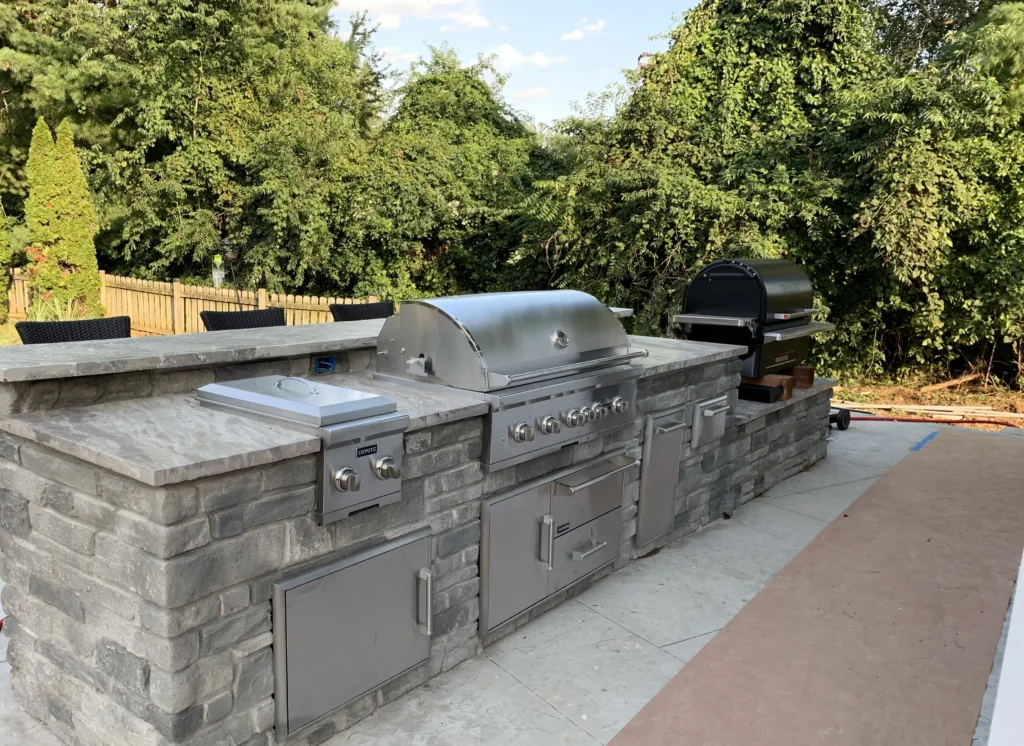
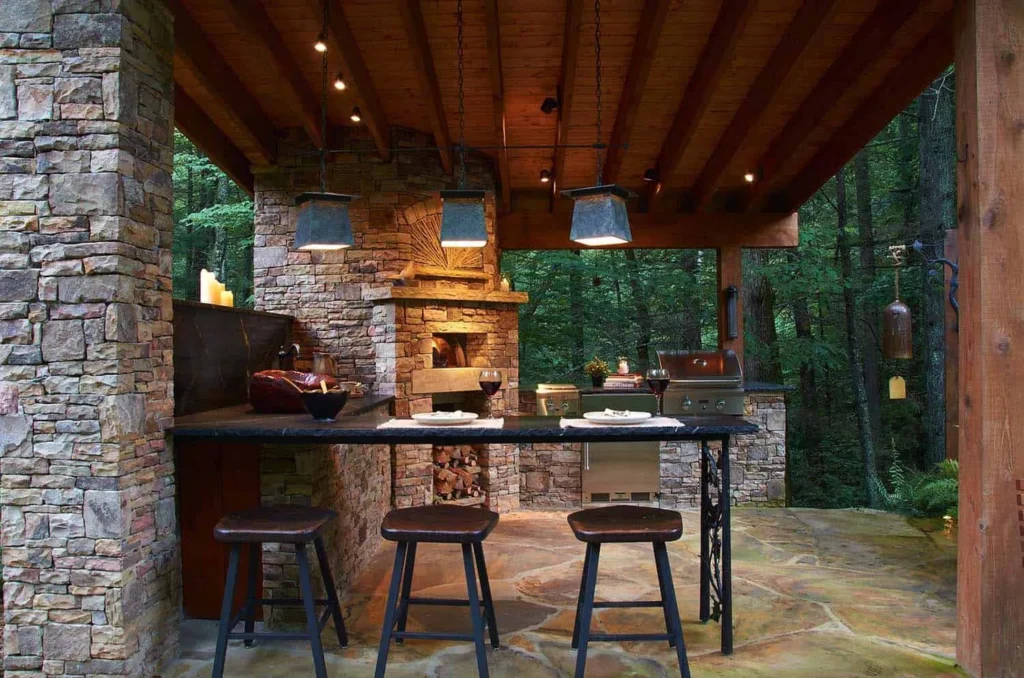
    Luxury outdoor kitchen showcasing a custom pizza oven integrated with elegant design and landscaping

    The installation of custom pool tiles is a meticulous process that combines artistic design with technical construction. This process begins from initial consultations to understand the client’s vision, followed by detailed 3D designs to ensure that the project aligns with expectations. Installation requires skilled craftsmanship to ensure perfect alignment and durability of the tiles, which is especially critical in Florida’s varying weather conditions.

    What Are the Steps from 3D Design to Final Installation?

    1. Initial Consultation: Discuss project goals and pool design preferences with clients.
    2. 3D Design Phase: Create a virtual model of the pool to visualize the final outcome.
    3. Material Selection: Help clients select scale-resistant tiles from options such as glass mosaic, porcelain, and quartz.
    4. Tile Installation: Expert installers meticulously place tiles, ensuring optimal alignment and adherence.
    5. Final Inspection: Conduct a thorough check to ensure durability and aesthetic perfection.

    How Do Professionals Ensure Long-Lasting Tile Durability in Florida’s Climate?

    Successfully ensuring the longevity of pool tiles in Florida’s unique climate requires a combination of high-quality materials and precise installation techniques. Professionals often use flexible mortar to accommodate movement and temperature shifts, which prevents cracking. Moreover, using scale-resistant tiles like quartz and porcelain enhances the durability and reduces maintenance needs, allowing the pool to remain stunning over many years. To ensure your entire outdoor surface withstands time, pairing these with a lifetime settlement warranty offers ultimate peace of mind.

    What Maintenance Practices Extend the Life of Luxury Pool Waterline Tiles?
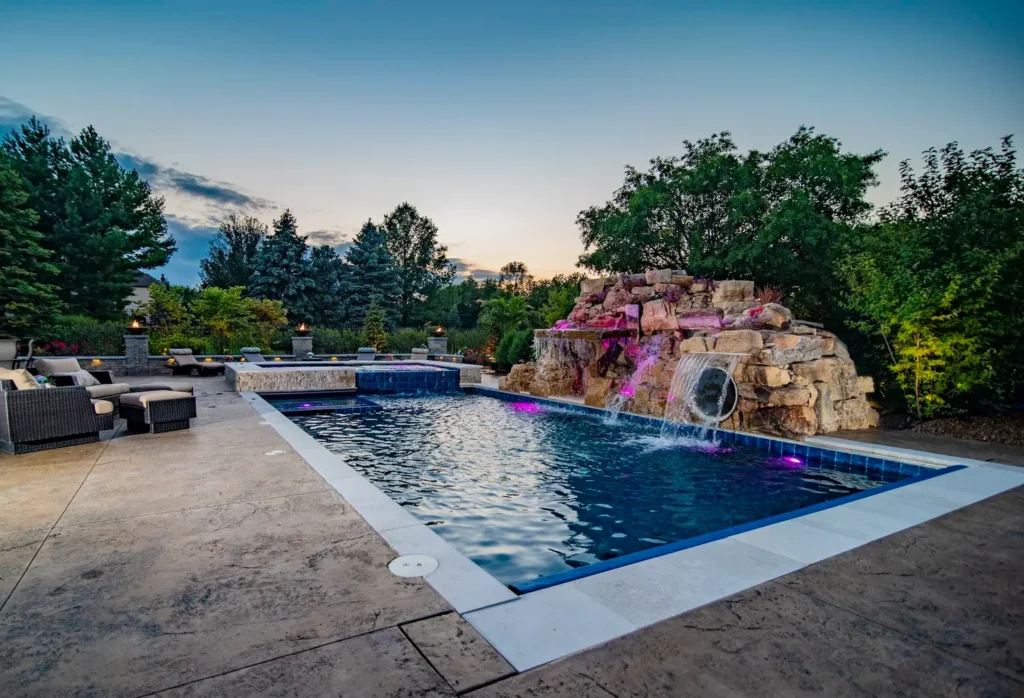
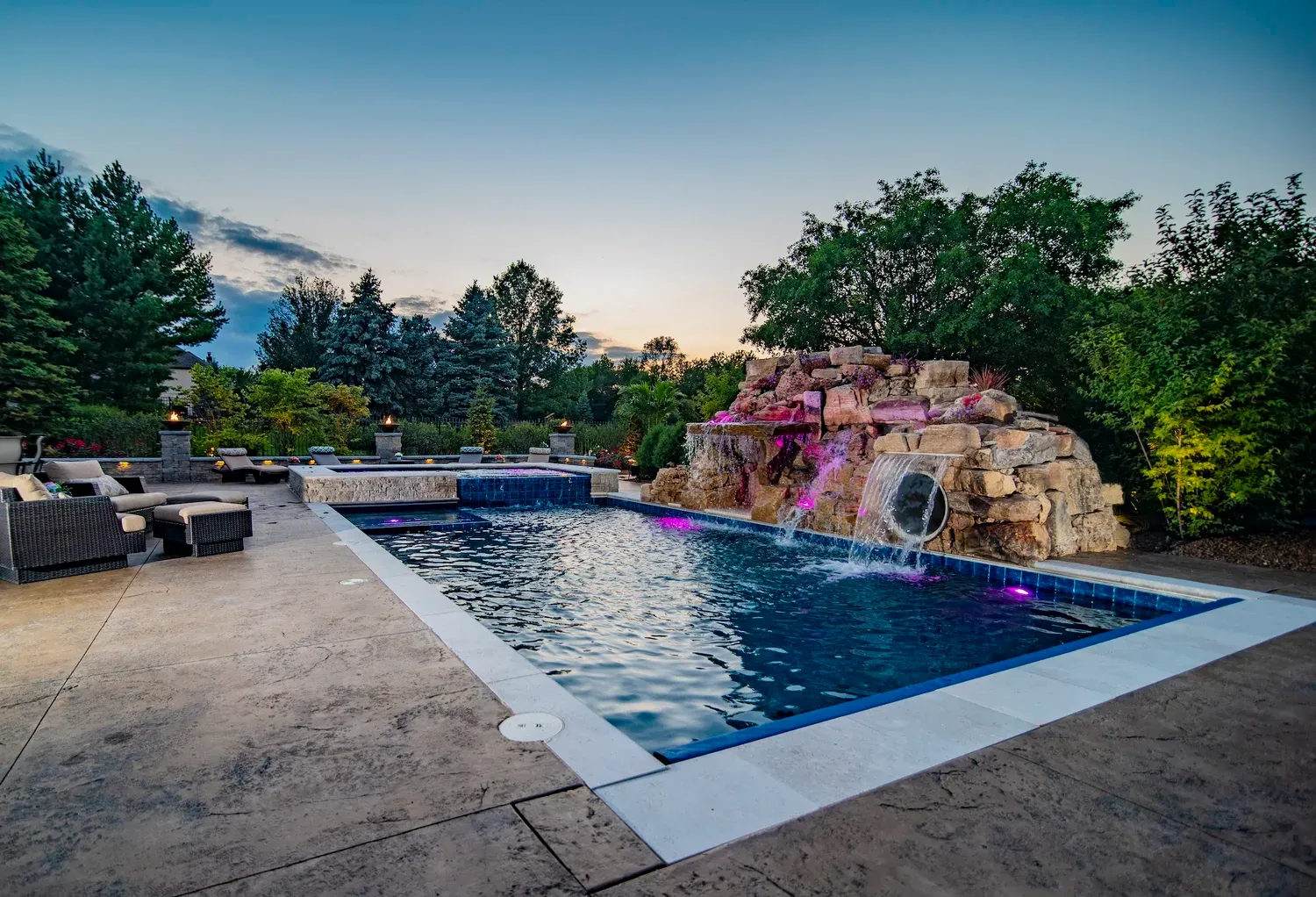
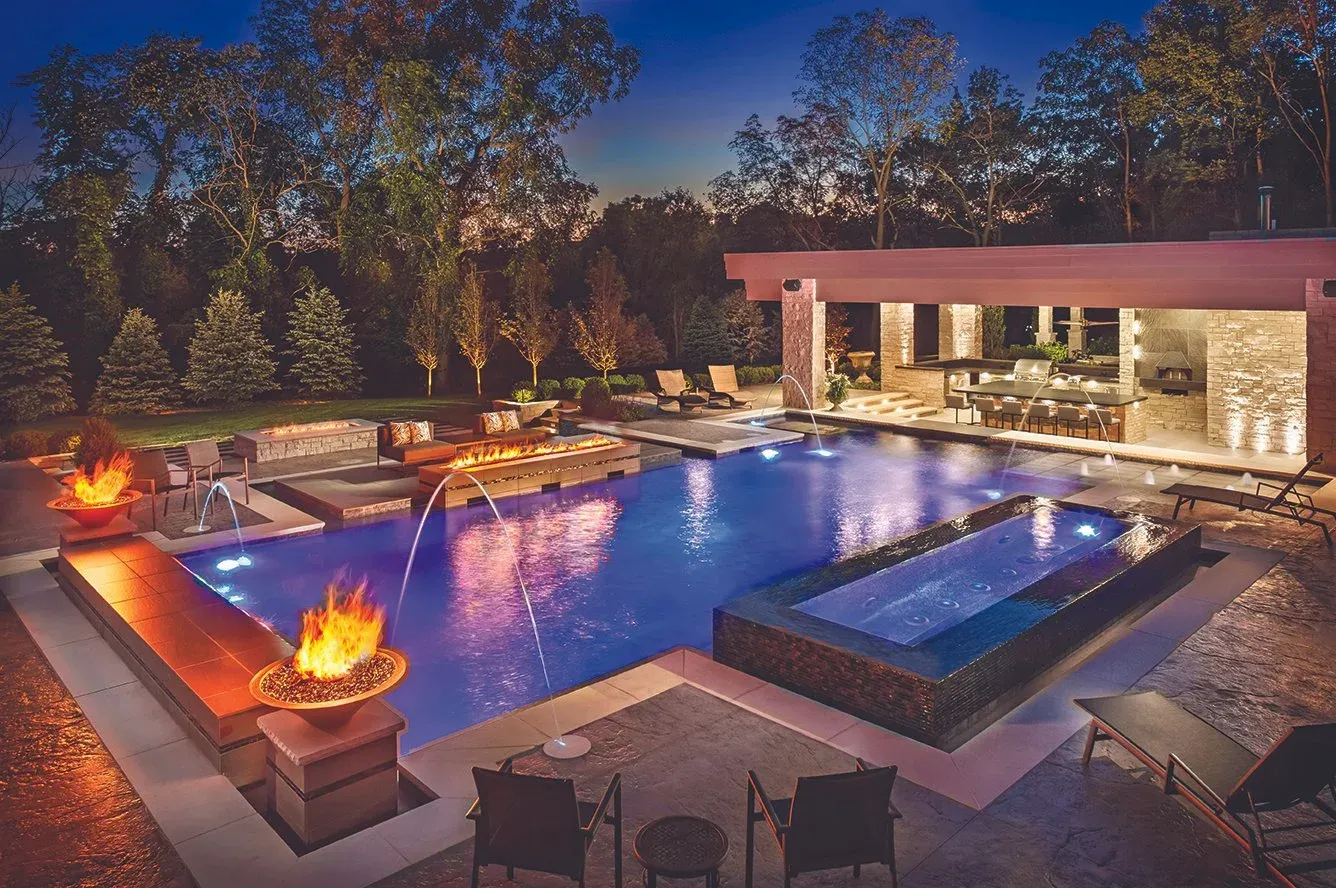
    Illuminated swimming pool with rock waterfall, hot tub, and patio furniture at twilight.

    Maintaining the appearance and integrity of luxury pool tiles is critical, particularly in Florida’s humid environment. Regular cleaning and preventive measures can safeguard against mineral buildup, maximizing longevity and beauty.

    How Can Homeowners Prevent Scale Buildup on Porcelain and Quartz Tiles?

    Homeowners can adopt several strategies to prevent scale buildup on their pool tiles, including:

    1. Regular Brushing: Gentle brushing helps to remove debris and prevent buildup.
    2. Water Treatment: Using appropriate chemicals and regularly balancing pool water can reduce mineral deposits.
    3. Routine Inspections: Engaging professionals to inspect and clean tiles periodically can address potential issues early.

    Employing these practices contributes significantly to the longevity and aesthetic appeal of pool tiles, allowing homeowners to enjoy their luxurious investments for years to come. To keep your outdoor investment pristine year-round, consider enrolling in an annual protection plan designed for luxury spaces.

    What Warranty and Protection Plans Are Available with Tile Installations?

    Many tile installation companies offer warranties and protection plans that cover defects and maintenance needs over a specified period. Such plans can include options for patching or replacing damaged tiles, ensuring that the luxury pools remain in optimal condition. Understanding the warranty terms is crucial for homeowners aiming to protect their investments and minimize unforeseen repair costs.

    Historical practices emphasize that accurate placement along the pool edge is essential for both structural integrity and visual appeal.

    Waterline Stone and Tile Design for Outdoor Pools

    use of stone or tile carried down to at least a short distance below the water line. Design and construction of the smaller outdoor swimming pool, 1932
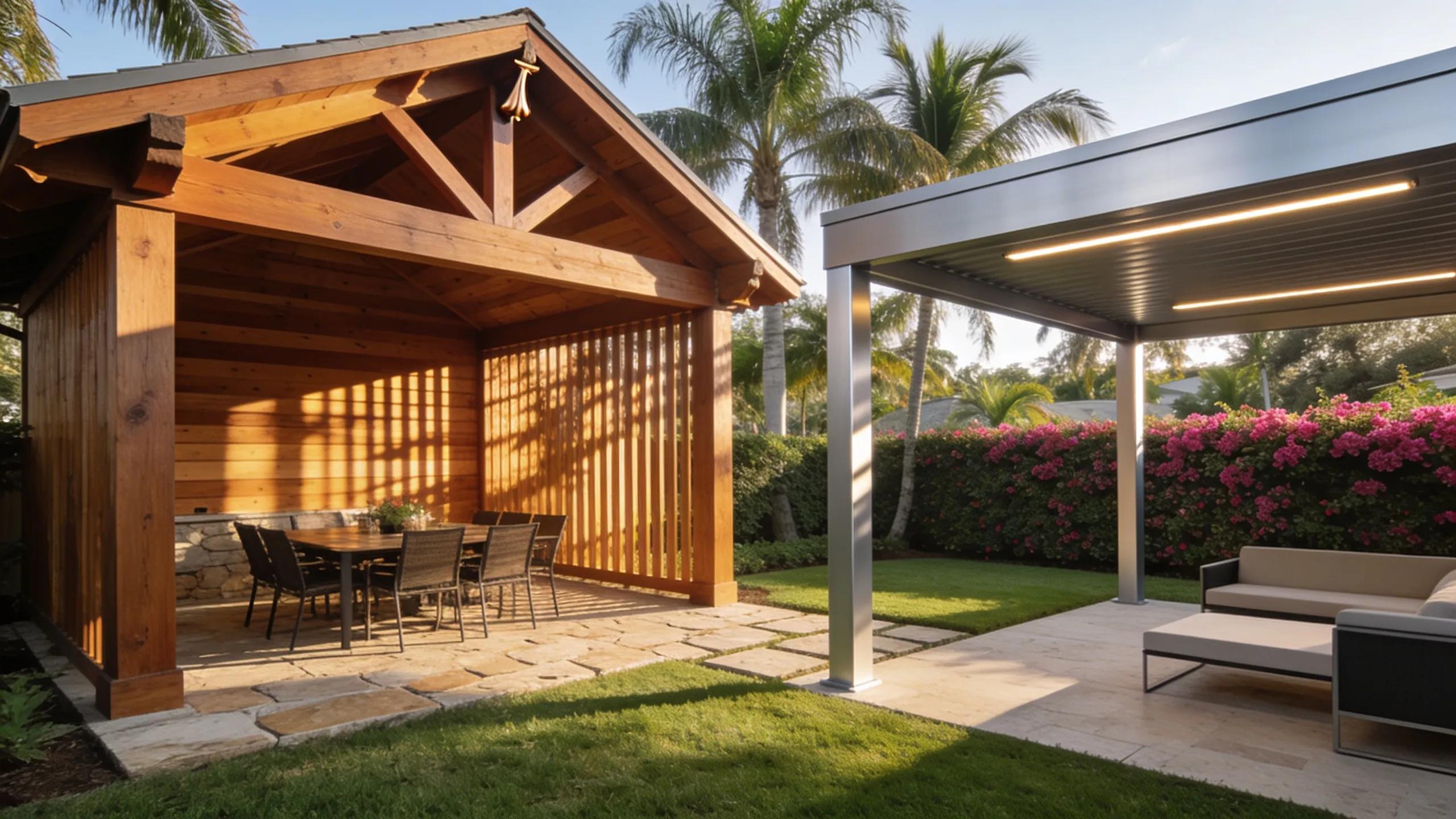
  • Custom Wood vs Aluminum Pavilions in Florida: Cedar, Timber Frame, Wind Load & Costs Explained

    Custom Wood vs Aluminum Pavilions in Florida: Cedar, Timber Frame, Wind Load & Costs Explained

    By Terrance Schabilion, Beyond Backyard Living – Custom Pool Builder Spring Hill FL

    When considering outdoor living solutions, particularly in the sunny and often unpredictable Florida climate, the choice between custom wood and aluminum pavilions becomes critical. This article delves into the unique benefits offered by cedar and timber frame pavilions, contrasting them with aluminum structures in terms of durability, maintenance, wind load compliance, and cost considerations. Homeowners can especially benefit from understanding how these materials not only enhance the aesthetic appeal of their outdoor spaces but also meet the critical requirements for safety and longevity in a region prone to strong storms and humidity.

    Readers will discover the key advantages of cedar and timber frame pavilions, analyze the durability and maintenance differences with aluminum, understand Florida’s wind load requirements for custom outdoor pavilions, and evaluate cost considerations that factor into their final decision. By the end of this guide, you’ll have a comprehensive understanding that enables informed choices for enhancing both beauty and functionality in your outdoor living areas.

    What Are the Key Benefits of Cedar and Timber Frame Pavilions in Florida?

    Cedar and timber frame pavilions offer significant advantages when it comes to outdoor living structures in Florida, particularly due to their resilience to humidity and aesthetic appeal. Cedar’s natural properties, including its resistance to moisture, make it an excellent choice for humid environments, reducing the risk of warping and deterioration. The warmth of wood also enhances the overall aesthetic of outdoor spaces, making them more inviting and valuable.

    Timber frame pavilions, on the other hand, provide not only structural integrity but also energy efficiency. Designed to withstand local climatic challenges, these structures maintain comfort and usability throughout the year. Moreover, customizability in design allows homeowners to create unique spaces tailored to their specific needs and taste.

    How Do Cedar Pavilions Enhance Luxury Poolside Designs?

    Cedar pavilions significantly elevate luxury poolside experiences through their natural beauty and unique design capabilities. The distinctiveness of cedar brings a warm and inviting feel to any outdoor setting. Homeowners can opt for various finishes and treatments, enhancing aesthetics and matching their existing outdoor décor.

    Features such as open-sided designs or integrated seating options make cedar pavilions exceptionally versatile for entertaining or relaxing by the pool. With proper maintenance, these structures can last for decades, providing both aesthetic pleasure and functional benefits that enhance property value.

    What Advantages Do Timber Frame Pavilions Offer for Florida Climates?

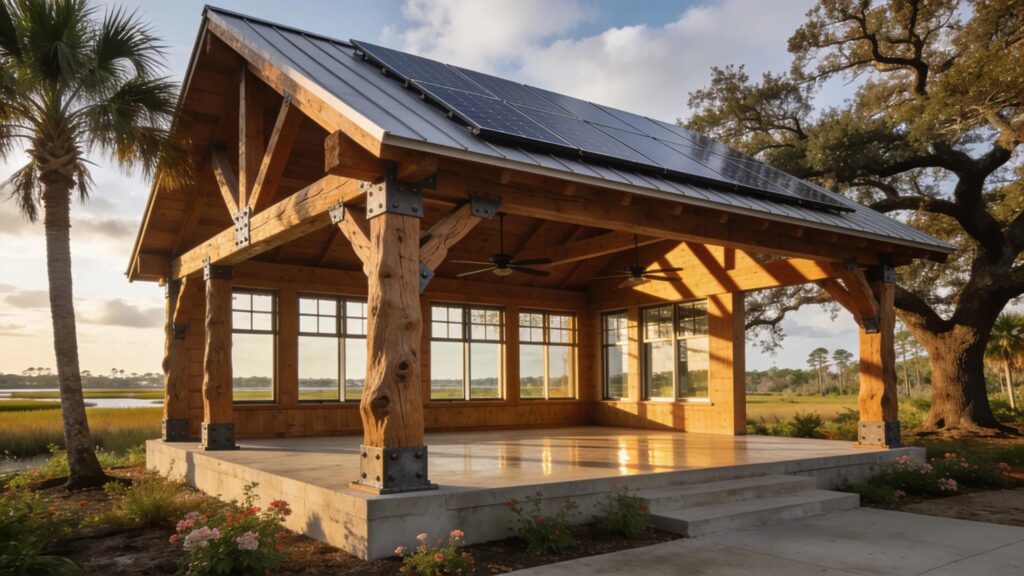
    Sturdy timber frame pavilion in a Florida landscape, displaying strength and energy efficiency against climatic challenges.

    Timber frame pavilions are designed with resilience in mind, making them ideal for the fluctuating weather conditions experienced in Florida. These structures are known for superior energy efficiency due to their insulating properties, resulting in reduced energy costs for heating and cooling.

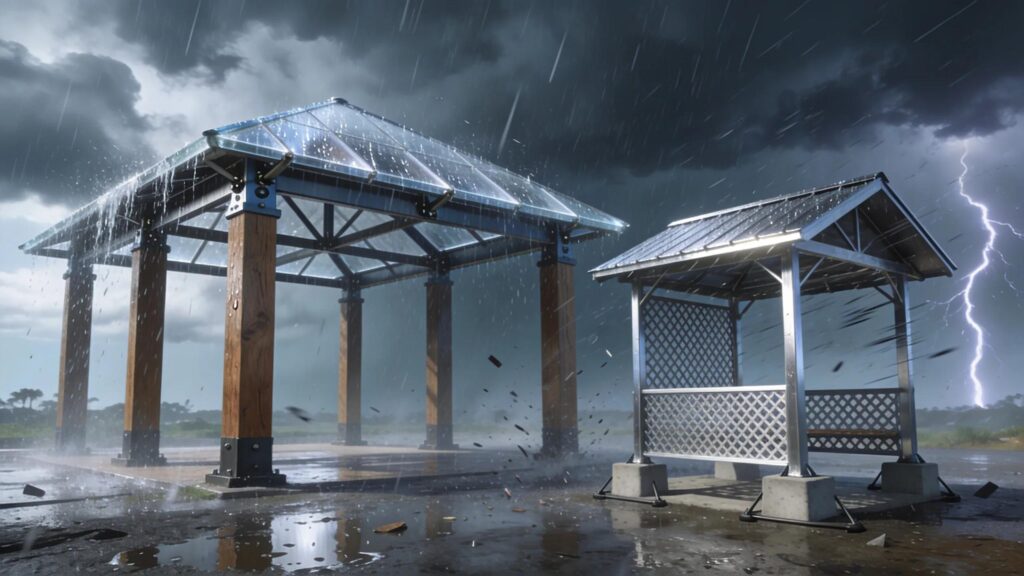
    Additionally, their robust design increases reliability during storms. Timber framing allows for flexibility in structure while maintaining stability, making it possible to withstand high winds without compromising safety. This durability positions timber frame pavilions as a long-term investment for homeowners seeking reliability and longevity.

    How Does Aluminum Compare for Durability and Maintenance in Florida Pavilions?

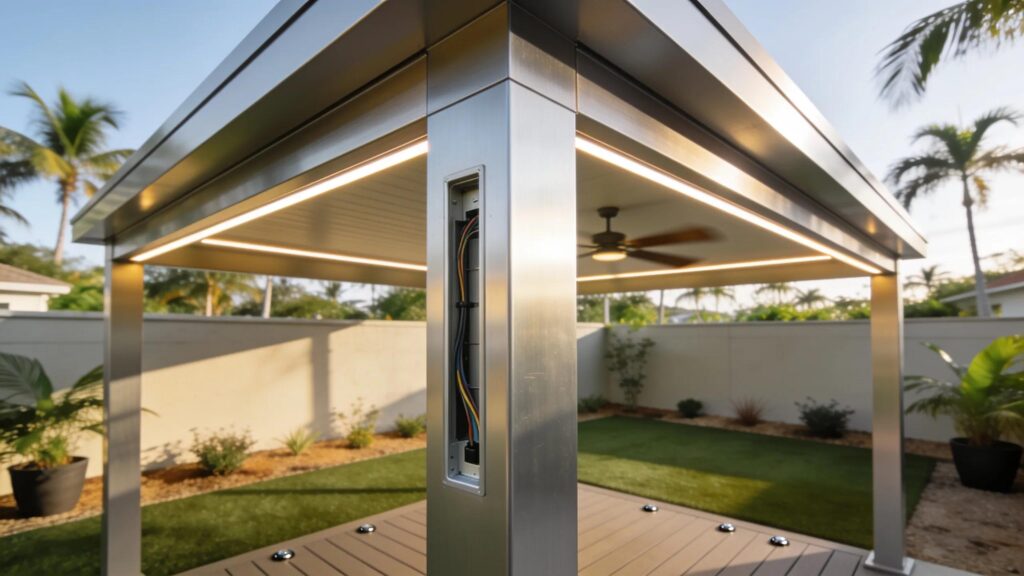
    Sleek extruded aluminum pavilion in a Florida backyard, showcasing its low-maintenance benefits and modern design.

    Aluminum pavilions present a compelling case in terms of durability and low maintenance compared to wood options. One of the most significant advantages is aluminum’s inherent resistance to rust and corrosion, which is especially beneficial in the humid Florida environment. This means fewer repairs over time and less frequent need for protective coatings or treatments.

    Moreover, aluminum structures require much less upkeep than wood, as they do not need to be sealed or stained to maintain their appearance. This translates to long-term savings, as labor and material costs associated with maintenance are considerably lower.

    What Makes Aluminum Pavilions Resistant to Florida’s Weather Conditions?

    The adaptability of aluminum to adverse weather conditions in Florida is a noteworthy trait. Its lightweight properties facilitate quick assembly and disassembly, which can be advantageous during hurricane preparations. Furthermore, aluminum is less prone to temperature fluctuations, maintaining its structural integrity under heat and humidity.

    The non-porous nature of aluminum prevents water absorption, significantly reducing the risk of mold and mildew, common issues in tropical climates. Ensuring your pavilion stands resilient against the elements enhances the usability and longevity of these outdoor structures.

    What Are the Long-term Maintenance Requirements of Aluminum vs Wood?

    When evaluating long-term maintenance between aluminum and wood structures, aluminum emerges as the clear winner due to its minimal upkeep requirements. While wood pavilions may necessitate annual inspections and periodic refinishing, aluminum merely requires occasional cleaning to remove dirt and debris.

    In the case of repairs, fixing aluminum components can often be simpler and more cost-effective. Wood, on the other hand, can deteriorate over time, requiring more substantial repairs or replacements, particularly after severe weather events. This maintenance disparity informs many homeowners’ decisions when choosing the right pavilion material.

    What Are Florida’s Wind Load Requirements for Custom Outdoor Pavilions?

    Understanding Florida’s wind load requirements is critical for ensuring the safety and durability of outdoor structures. These regulations dictate the construction standards needed to withstand hurricane-force winds, which are particularly relevant for pavilions.

    Pavilions must be engineered to meet specific local codes that account for both the design and the materials used. Compliance not only ensures safety but also preserves the long-term integrity of the structure as it faces potential weather extremes.

    How Do Wind Load Standards Affect Pavilion Material Choices?

    Wind load standards play a significant role in influencing the choice of materials for outdoor pavilions. For instance, timber frame pavilions may require additional engineering or bracing to meet these standards, while aluminum’s lightweight yet sturdy profile often aligns well with regulatory requirements.

    Some materials, like treated wood, can enhance stability, but their performance under high wind situations must be thoroughly evaluated. Selecting a pavilion material with proven wind resistance capabilities can mitigate risks and enhance overall safeguarding against the elements.

    Why Is Compliance Critical for Luxury Backyard Pavilion Projects?

    Ensuring compliance with wind load standards is not just a regulatory formality; it’s crucial for safety. Non-compliance can lead to significant risks, including structural failure during storms, which can have dire consequences not only financially but also for personal safety.

    Investing in engineered designs that prioritize wind resistance ensures that your luxury backyard pavilion is built to last, offering peace of mind alongside aesthetic appeal. It’s essential for homeowners to collaborate with qualified professionals who understand local requirements and can deliver a safely constructed outdoor space.

    Understanding how natural framing materials behave under severe atmospheric pressure helps clarify why strict engineering codes are enforced across coastal regions.

    Performance of Light-Frame Wooden Structures Under Wind and Flood Hazards Light Frame Wooden Structures (LFWS), which are more prone to wind damage by virtue of their light weight, sustain severe damage when they are subjected to simultaneous flood and wind. Performance of Light-Frame Wooden Structure (LFWS) subjected to combined wind and flood hazards, 2017

    How Do Cost Considerations Influence Choosing Between Cedar, Timber Frame, and Aluminum Pavilions?

    Cost considerations often weigh heavily on the decision-making process when selecting between cedar, timber frame, and aluminum pavilions. These financial factors encompass initial materials costs, potential long-term savings, and the value added to a property through enhanced aesthetics and functionality.

    Different materials exhibit varied price points, impacting budgeting plans for any outdoor project. Understanding how to balance initial investment against long-term return is key to making an informed decision regarding outdoor living enhancements.

    Investing in either a custom pergola or pavilion is a significant decision for Florida homeowners, where styles and materials greatly influence both the functional use and overall investment. To explore detailed pricing insights and comparisons, including wood versus aluminum options, consider reviewing the comprehensive breakdown on custom pergola cost in Florida.

    What Is the Installation and Material Cost Breakdown for Each Pavilion Type?

    Analyzing the installation and material costs for each pavilion type reveals critical insights for potential buyers. Generally, aluminum structures tend to have a lower initial cost due to reduced labor requirements, while cedar and timber frame options may incur additional expenses related to custom designs and treatments.

    Pavilion TypeMaterial CostInstallation CostTotal Cost Estimate
    Cedar PavilionModerateModerate$8,000 – $15,000
    Timber Frame PavilionModerate-HighHigh$10,000 – $20,000
    Aluminum PavilionLowLow$6,500 – $12,000

    This cost breakdown guides homeowners in understanding which materials align best with their budgets while still achieving desired project outcomes.

    How Does Long-Term ROI Compare Across Pavilion Materials in Florida?

    The long-term return on investment (ROI) for outdoor structures varies by material. While cedar and timber frame pavilions may have higher upfront costs, they often increase property value significantly due to their appeal and durability.

    On the other hand, aluminum pavilions offer lower initial costs and maintenance expenses, presenting a different ROI proposition. Understanding these dynamics is essential for homeowners aiming to make sound financial decisions regarding their outdoor enhancements.

    In summary, the choice between cedar, timber frame, and aluminum pavilions hinges on evaluating personal desires, local climate considerations, and long-term financial implications. By weighing each material against its benefits and costs, homeowners can select the perfect addition to elevate their Florida outdoor living experience.

  • Luxury Biodesign Beach Entry Pools vs Traditional Steps & Baja Shelves in Florida: Custom Natural Swimming Pool Designs

    Luxury Biodesign Beach Entry Pools vs Traditional Steps & Baja Shelves in Florida: Custom Natural Swimming Pool Designs

    By Terrance Schabilion, Beyond Backyard Living – Custom Pool Builder Spring Hill FL

    Biodesign pools represent a revolutionary approach to pool design that emphasizes aesthetics and functionality while seamlessly incorporating the surrounding environment. In Florida, homeowners seek not only to enhance their outdoor spaces but also to invest in features that provide long-term enjoyment and low maintenance requirements. This article explores the nuances between biodesign beach entry pools, traditional steps, and Baja shelves, shedding light on the key differences and advantages of each option. Readers will gain insights into the design features and benefits, luxury aspects, and the complete process of custom pool design and construction, with a focus on the Florida climate and lifestyle.

    Design Features

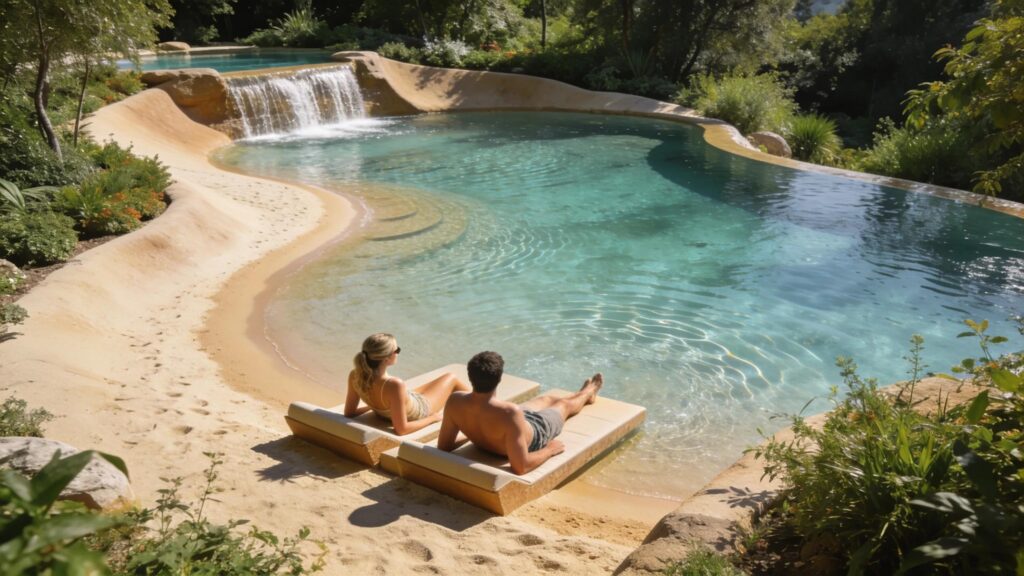
    Biodesign beach entry pools showcase unique design elements that distinguish them from traditional steps and Baja shelves. These innovative pools feature a gradual slope that mimics a natural beach, allowing for seamless entry into the water. This design not only creates an inviting atmosphere but also enhances aesthetic appeal by integrating the pool into the landscape. Additionally, biodesign pools employ eco-conscious materials and minimize the use of harsh chemicals, further appealing to environmentally minded homeowners. The customizable elements, such as natural stone finishes and integrated landscaping, contribute to the overall luxurious feel of these pools.

    Benefits

    The benefits of biodesign beach entry pools compared to traditional steps and Baja shelves are noteworthy:

    1. Lower Maintenance Needs: Biodesign pools require less upkeep due to their smooth surfaces and fewer hard edges where debris can accumulate.
    2. Enhanced Comfort and Natural Feel: The zero-entry design offers greater comfort by providing a gentle transition into the pool, making it accessible for all ages.
    3. Long-Term Durability: Constructed with high-quality materials, these pools are built to withstand Florida’s humid climate, reducing the likelihood of repairs.

    BenefitBiodesign PoolTraditional Steps
    MaintenanceMinimal care requiredModerate upkeep needed
    ComfortGradual slopeStandard steps
    DurabilityHigh-quality materialsVariable material quality

    This comparison distinctly illustrates how biodesign pools offer significant advantages for comfort and maintenance, aligning perfectly with the luxurious outdoor living experience many Floridians desire.

    Luxury Aspects

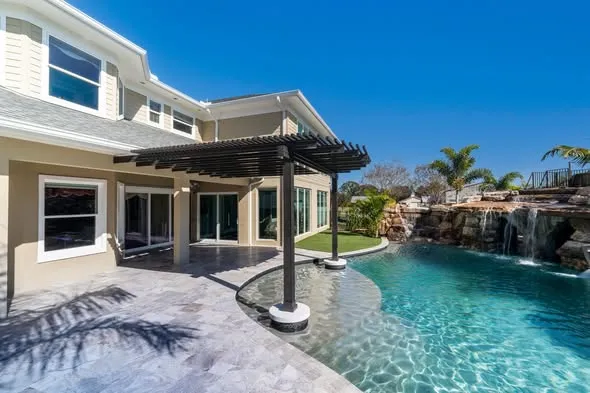
    When considering luxury outdoor living, biodesign pools excel in integrating natural elements and catering to customization preferences. The incorporation of features such as waterfalls, grottos, and pergolas enhances the overall ambiance of the outdoor space. Homeowners can personalize their pools with extensive features that reflect their taste, ranging from bespoke lighting solutions to tailored landscaping. This approach not only elevates the aesthetics but also creates multifunctional outdoor living spaces ideal for entertaining guests and enjoying leisure time.

    Key Differences Between Biodesign Beach Entry Pools, Traditional Steps, and Baja Shelves

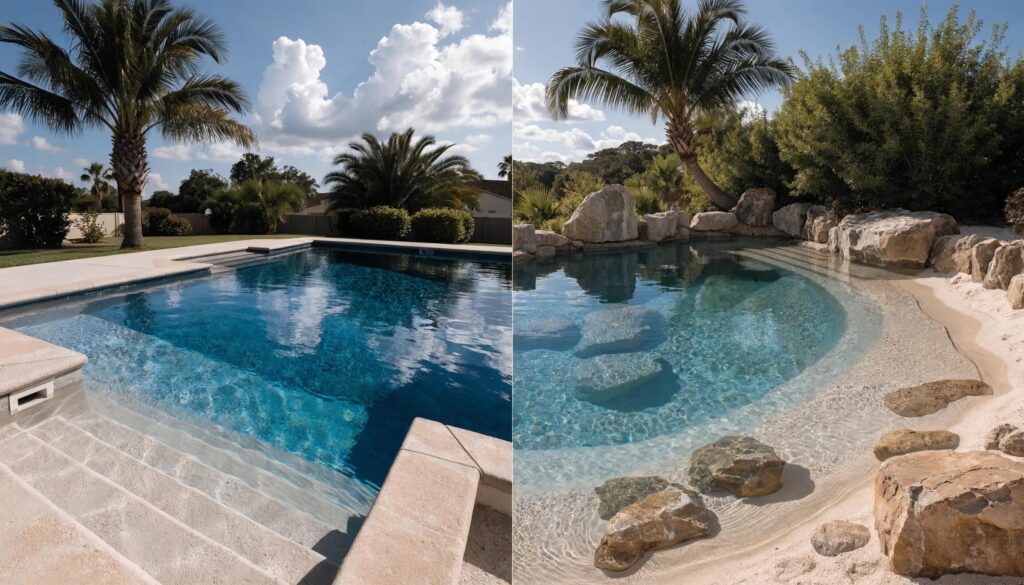
    Comparative view of traditional pool steps alongside a biodesign beach entry pool illustrating differences in access and aesthetic appeal

    Understanding the primary differences between these pool styles can significantly impact the decision-making process for homeowners in Florida.

    1. Ease of Access: Biodesign pools provide effortless entry with their gradual slopes, while traditional steps involve a more abrupt transition which may not be as user-friendly.
    2. Visual Aesthetics: Biodesign pools offer a visually appealing integration with natural surroundings compared to the more conventional look of steps and shelves.
    3. Maintenance Requirements: Biodesign pools typically require less maintenance than traditional designs, which can include steps and shelves that need additional upkeep.

    How does a Biodesign Beach Entry Pool provide zero entry access?

    A biodesign beach entry pool features a unique design that incorporates a gentle slope leading down to the water. This zero-entry access allows for a smooth entry experience, making it particularly user-friendly for individuals of all ages, including children and the elderly. The gradual slope is visually appealing, resembling a natural beach, and is often enhanced with decorative stone or natural landscaping elements, merging seamlessly into the outdoor environment.

    What functional benefits do Traditional Steps and Baja Shelves offer?

    Traditional steps and Baja shelves provide structured entry and exit options for users. These designs support usability for specific demographics; for instance, steps can be beneficial for individuals who prefer a defined and more traditional access method. Baja shelves offer the additional benefit of shallow water areas, which are great for lounging and enjoying the sun, facilitating a relaxed and comfortable outdoor experience.

    Why choose Luxury Custom Biodesign Pools for Florida’s Climate and Lifestyle?

    Biodesign pools are particularly well-suited for Florida’s climate, featuring designs that facilitate excellent airflow and natural cooling during hot summer months. The integration of eco-friendly materials and sustainable practices aligns with the increasing demand for environmentally responsible choices in home improvement. This thoughtful design approach not only enhances comfort but also embraces Florida’s outdoor lifestyle, making the most of year-round outdoor activities.

    Which premium materials ensure durability and energy efficiency in Florida pools?

    Durable and energy-efficient materials are paramount in creating high-quality biodesign pools that can withstand Florida’s weather patterns. Common materials include natural stone, high-density polyethylene, and reinforced concrete, all of which provide long-lasting durability and resistance to the elements. Furthermore, energy-efficient features such as variable speed pumps and solar heating systems dramatically reduce long-term operating costs while enhancing the overall efficiency of pool maintenance.

    How do resort-style features like waterfalls, grottos, and pergolas enhance outdoor living?

    Luxury home with pool, waterfall, and patio under a pergola.

    Incorporating resort-style features such as waterfalls, grottos, and pergolas not only enhances the aesthetic appeal of a pool but also creates a tranquil atmosphere perfect for relaxation. Waterfalls can provide soothing sounds and a calming visual effect, while grottos offer intimate spaces for leisure. Pergolas add functional shade and can be beautifully adorned with climbing plants to create lush, natural spaces for gatherings or solitary enjoyment.

    What is the Complete Turnkey Process for Custom Pool Design and Construction in Spring Hill and Nature Coast?

    Beyond Backyard Living Creations offers a comprehensive turnkey process that guides homeowners through every phase of custom pool design and construction. This process begins with initial consultations to discuss design preferences and feasibility assessments. Following this, detailed 3D renderings are created, allowing homeowners to visualize their dream pool before construction begins. This thorough approach ensures transparency and satisfaction throughout the entirety of the project.

    How does 3D pool design streamline the engineering and construction phases?

    Utilizing 3D modeling technology in pool design significantly enhances the efficiency of engineering and construction phases. Clients benefit from clear visualizations that lead to improved communication about design elements and potential features. Streamlined processes ensure that changes can be implemented quickly, reducing the likelihood of costly delays or revisions during construction.

    What does comprehensive project management include from design to final installation?

    Comprehensive project management encompasses meticulous planning and execution from the initial design stage to the final installation phase. Key aspects include timeline management, resource allocation, and regular communication with clients to address any concerns or adjustments. This level of organization ensures that projects run smoothly, resulting in the timely completion of bespoke swimming pools that meet clients’ expectations.

    What are the maintenance and longevity considerations for Natural Swimming Pools in Florida?

    Maintenance practices for natural swimming pools differ greatly from traditional pools. Biodesign pools often require less frequent servicing due to their advanced filtration systems and natural cleansing methods. However, periodic inspections and upkeep of surrounding landscapes are essential for sustaining the integrity and longevity of the pool structure. Homeowners should remain vigilant in monitoring water quality and keeping filters clean to ensure optimal swimming conditions year-round.

    How do Biodesign Pools compare to Traditional Step and Baja Shelf pools in upkeep requirements?

    In terms of upkeep, biodesign pools tend to have significantly lower maintenance requirements compared to traditional step or Baja shelf pools. The natural circulation systems in biodesign pools reduce the need for chemical treatments and rigorous cleaning schedules. Traditional pools, on the other hand, may require more frequent chemical balancing and physical maintenance due to their inherent designs.

    What design strategies support sustainable and long-lasting pool environments?

    Implementing innovative design strategies plays a crucial role in creating sustainable and enduring pool environments. Prioritizing eco-friendly materials, such as recycled or locally sourced aggregates, can greatly enhance durability while reducing the carbon footprint associated with pool construction. Additionally, thoughtful landscape integration and natural filtration practices contribute to a sustainable approach that supports a low-maintenance lifestyle. For surrounding outdoor areas, integrating pavers creates a stunning transition. Furthermore, implementing advanced paver drainage ensures proper water management around the pool deck. To protect your investment, consider our dedicated annual protection plan for long-lasting beauty.

  • Concrete Block and Natural Stone Veneer Retaining Walls & Seating Walls in Florida: Premium Materials and Drainage Solutions

    Concrete Block and Natural Stone Veneer Retaining Walls & Seating Walls in Florida: Premium Materials and Drainage Solutions

    By Terrance Schabilion, Beyond Backyard Living – Custom Pool Builder Spring Hill FL

    Retaining walls and seating walls play a crucial role in enhancing outdoor living spaces, especially in Florida’s unique climate. This article explores the essential materials and construction strategies that make these structures both functional and aesthetically pleasing. Understanding the distinct benefits of concrete blocks and natural stone veneer, along with the importance of effective drainage solutions, will empower homeowners to make informed decisions about their outdoor projects. The trade-off between durability, style, and landscape integration is crucial in crafting luxurious outdoor experiences in spring and summer.

    Through this comprehensive guide, we’ll delve into various materials used in Florida’s retaining and seating walls, the advantages of each choice, and effective drainage solutions that ensure longevity and stability. We will cover custom design options for seating walls and insights into how a professional design-build process can elevate your outdoor living experience.

    What Are the Key Materials for Retaining and Seating Walls in Florida?

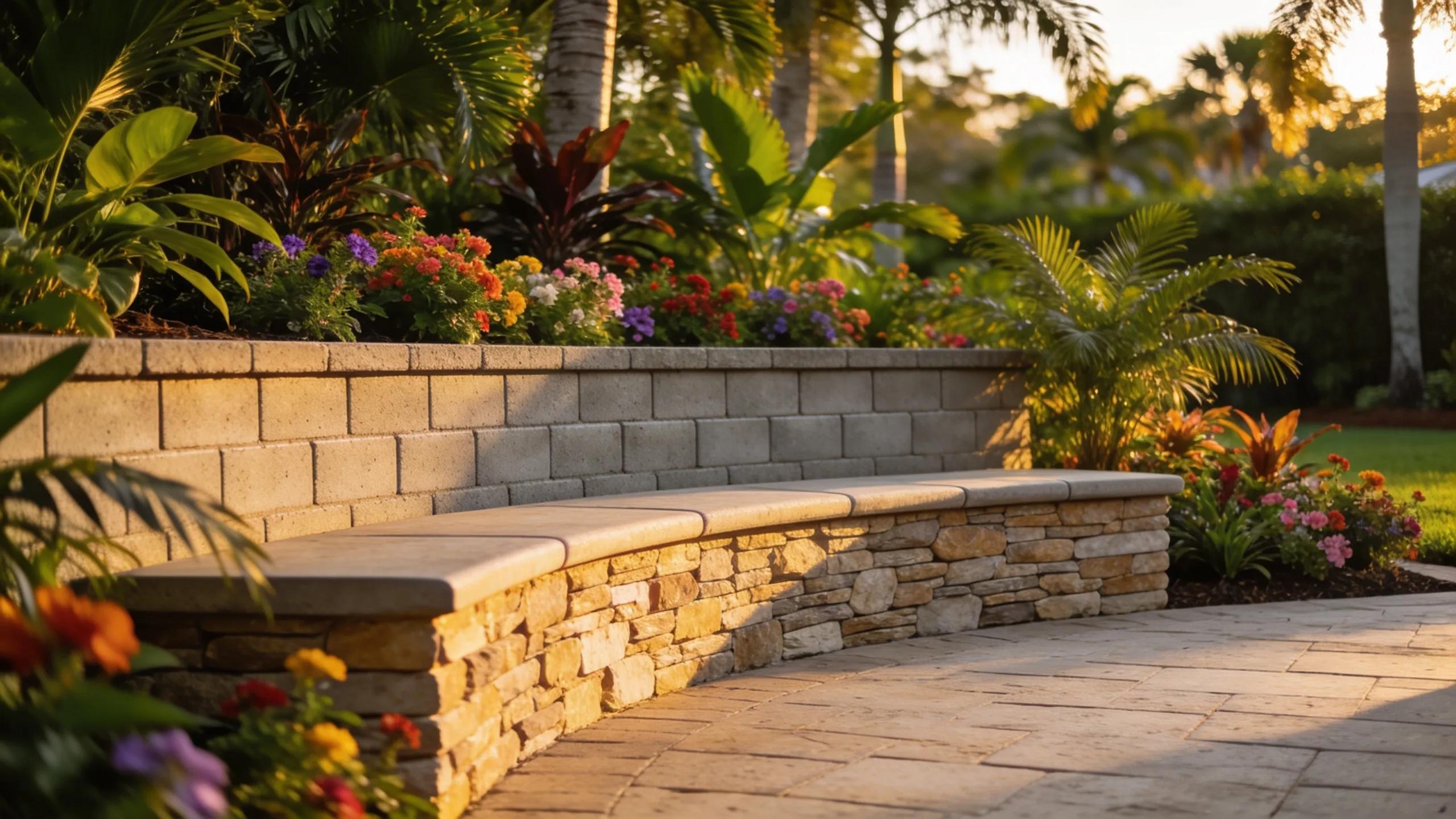
    Retaining walls and seating walls in Florida utilize several key materials to achieve durability and visual appeal. The primary materials include concrete blocks and natural stone veneer, each providing distinct characteristics beneficial to Florida’s outdoor spaces.

    MaterialCharacteristicsAesthetic Appeal
    Concrete BlockHighly durable, cost-effective, fire-resistantVersatile finishes, modern designs
    Natural Stone VeneerTimeless, low maintenance, environmentally friendlyUnique textures, luxury appeal

    This table highlights the primary materials and their advantages, enabling homeowners to choose wisely based on aesthetic preferences and construction needs.

    Why Choose Concrete Blocks for Durable Retaining Walls?

    Concrete blocks are a widely used material for retaining walls due to their numerous advantages in durability and design. They are:

    1. Cost-effective: Concrete blocks provide a budget-friendly option for creating long-lasting structures, helping to keep project costs manageable.
    2. Longevity in Humid Climates: These blocks resist moisture, making them ideal for Florida’s humid environment, which can compromise other materials.
    3. Suitability Against Hydrostatic Pressure: Concrete blocks can withstand the pressures from moisture-laden soils, preventing structural failures.

    The durability of concrete blocks ensures that they remain a reliable choice for homeowners looking to invest in lasting outdoor features.

    Advantages of Natural Stone Veneer in Outdoor Wall Design

    Natural stone veneer brings a distinct charm to outdoor wall designs, making it a favored choice among homeowners. Its key advantages include:

    1. Timeless Aesthetic Appeal: Natural stone offers a classic look that seamlessly blends with Florida’s lush landscapes while enhancing property value.
    2. Durability and Low Maintenance: Unlike other materials, stone veneer requires minimal maintenance and can withstand harsh weather conditions, making it perfect for long-term outdoor use.
    3. High-End Integration into Landscapes: The unique colors and textures of natural stone allow for custom designs that enhance the beauty of gardens, patios, and outdoor living spaces.

    These attributes make natural stone veneer an attractive option for those seeking to elevate their outdoor aesthetics.

    How Do Drainage Solutions Enhance Retaining Wall Longevity in Florida?

    Construction of drainage solutions with perforated pipes and gravel backfill around retaining walls in Florida

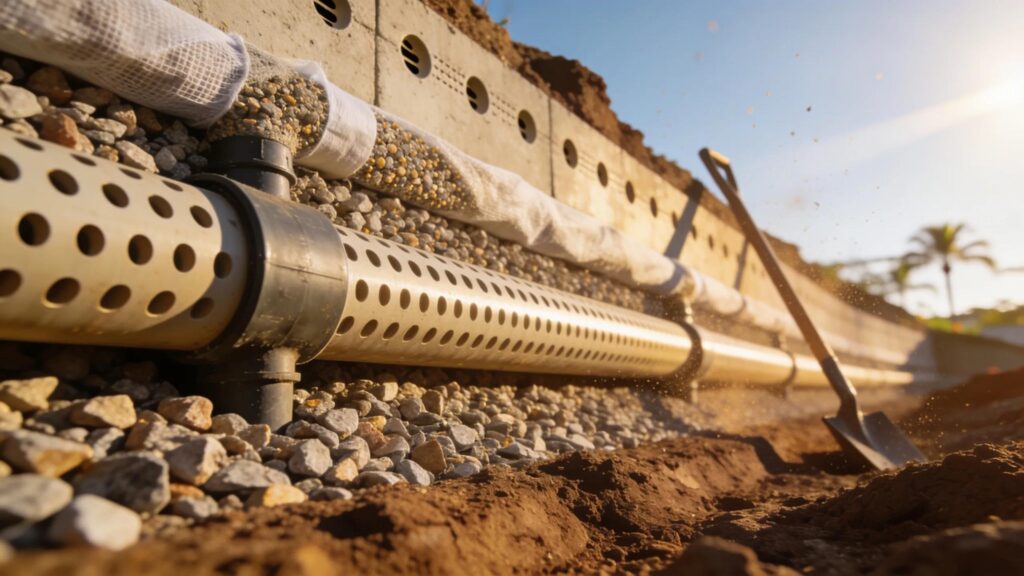
    Proper drainage solutions are critical for maintaining the integrity and longevity of retaining walls in Florida. Effective drainage systems prevent water from accumulating behind walls, which can lead to pressure build-up and eventual structural failure.

    1. Prevention of Pressure Buildup: By allowing water to escape, drainage systems reduce hydrostatic pressure on walls.
    2. Types of Drainage Solutions: Methods include weeping systems, drains, and backfill materials, each designed to manage water flow effectively.
    3. Long-Term Benefits for Wall Stability: Ongoing maintenance of drainage systems can significantly extend the life of retaining walls, making them reliable features in any outdoor space.

    Understanding the role of drainage in retaining wall construction is crucial for homeowners aiming for durability and stability.

    What Are Effective Drainage Engineering Techniques for Florida Soils?

    Effective drainage engineering techniques are essential for addressing the unique soil conditions in Florida. These techniques include:

    1. Understanding Local Soil Conditions: Assessing the type of soil helps in planning appropriate drainage solutions and choosing suitable building materials.
    2. Installation Techniques for Durability: Utilizing proper installation methods ensures that drainage systems function effectively over time.
    3. Maintenance Recommendations: Regular inspection and maintenance of drainage systems prevent blockages and ensure continuous water management.

    Implementing these techniques allows for better water control, ensuring the longevity of retaining structures.

    Proper backfill specifications are equally vital when managing local soil conditions to ensure long-term structural integrity.

    Geogrid Retaining Wall Backfill and Drainage in Florida Soils

    For pullout, sand and limerock were used for the backfill material, which meet the Florida Department of Transportation (FDOT) Material Specifications, with simulation of unsaturated and saturated conditions.

    Strength and durability of backfill geogrids for retaining walls, DV Reddy, 2000

    How Does Proper Drainage Prevent Structural Damage in Retaining Walls?

    Proper drainage is instrumental in preventing structural damage to retaining walls. Key aspects include:

    1. Effects of Water Accumulation: Unmanaged water can lead to soil erosion and pressure on walls, risking collapse.
    2. Components of Effective Drainage Systems: Effective systems often include perforated pipes, gravel backfill, and drainage mats to optimize water escape.
    3. Material Considerations for Wall Stability: Choosing materials that allow for proper drainage ensures that the walls can withstand natural water flow and moisture levels.

    Proper drainage not only protects the walls but also preserves the overall landscape integrity.

    What Are Custom Seating Wall Designs for Resort-Style Outdoor Living?

    Custom natural stone veneer seating wall with integrated LED lighting in a luxurious Florida backyard

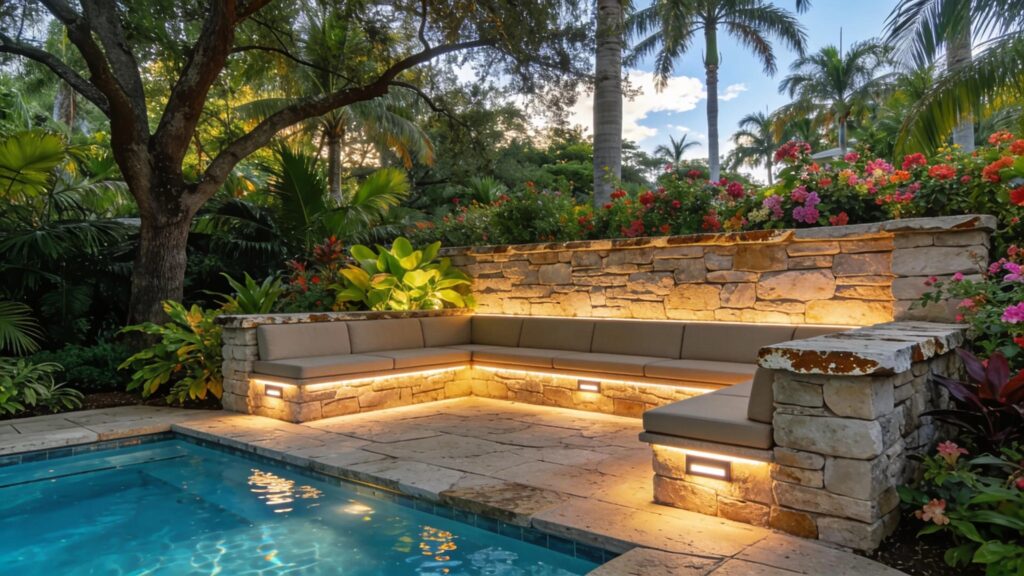
    Custom seating walls are designed to enhance outdoor living by creating comfortable and visually appealing spaces. These designs typically feature:

    1. Design Options and Aesthetics: Homeowners can choose from various shapes, heights, and finishes that align with their personal style and outdoor theme.
    2. Material Choices for Longevity: Using durable materials such as stone veneer or concrete enhances the seating walls’ resilience to Florida’s elements.
    3. Integration with Outdoor Spaces: Custom seating walls can be seamlessly integrated with pools, gardens, and outdoor kitchens, making them a central feature for social gatherings.

    Investing in custom seating walls transforms outdoor areas into luxurious, functional spaces perfect for entertaining.

    How Are Seating Walls Integrated with Pool and Outdoor Kitchen Features?

    The integration of seating walls with pools and outdoor kitchens provides functional benefits for homeowners. Considerations include:

    1. Design Considerations for Seamless Transitions: Careful planning ensures that seating walls blend naturally with existing outdoor features, avoiding abrupt changes in elevation.
    2. Aesthetic Benefits of Integration: Well-designed seating walls can enhance the overall look of pools and kitchens, creating a cohesive outdoor aesthetic.
    3. Functional Layouts for Bigger Gatherings: Seating walls create additional space for guests, enhancing the usability of outdoor areas during events.

    Such thoughtful design fosters an inviting atmosphere, encouraging outdoor enjoyment.

    What Design Trends Define Luxury Seating Walls in Spring Hill?

    In Spring Hill, several design trends for luxury seating walls are becoming popular. These trends include:

    1. Current Materials and Aesthetics: High-end materials like natural stone and composite stones are favored for their beauty and longevity.
    2. Popular Designs Among Luxury Homeowners: Features such as integrated lighting, built-in planters, and customized shapes are prevalent in new designs.
    3. Functional Trends in Outdoor Design: The shift toward multifunctional spaces sees seating walls serving as both seating and decorative features.

    Staying current with trends helps homeowners ensure their installations remain stylish and functional.

    How Does a Turnkey Design-Build Process Ensure Quality Outdoor Wall Projects?

    The turnkey design-build process enhances the quality of outdoor wall projects through streamlined management and expert execution. Advantages include:

    1. Benefits of Integrated Project Management: This approach simplifies communication and decision-making, leading to timely project completion.
    2. Quality Assurance During Construction: With a single point of contact, the risk of miscommunication and errors is reduced, ensuring high standards are maintained.
    3. Client Satisfaction Through Streamlined Communication: Regular updates and consultations keep homeowners engaged, fostering satisfaction with the final product.

    Employing a turnkey approach helps in delivering results that exceed expectations.

    What Role Does 3D Design Visualization Play in Custom Retaining Wall Projects?

    3D design visualization plays a significant role in planning custom retaining wall projects. Key benefits include:

    1. Visual Representation of Design Concepts: Homeowners can see realistic models of their projects before construction, facilitating informed decision-making.
    2. Client Engagement and Feedback: Interactive design sessions allow for adjustments based on homeowner preferences, enhancing satisfaction.
    3. Impact on Project Accuracy and Satisfaction: High-quality visualizations help in reducing errors during construction, ensuring the final product matches expectations.

    3D visualization dramatically improves the design process, allowing for creative and practical solutions.

    How Are Engineering and Construction Coordinated for Flawless Wall Installation?

    Engineering and construction coordination is crucial for the successful installation of retaining walls. This involves:

    1. Importance of Site Evaluation and Planning: Detailed site analysis ensures that the unique aspects of each site are addressed in the design and construction phases.
    2. Material Selection and Engineering Collaboration: Close collaboration between engineers and contractors ensures that the best materials are chosen for durability and aesthetics.
    3. Quality Control Throughout the Project: Regular inspections and adherence to standards are essential to prevent failures and ensure the longevity of the finished product.

    Masterful coordination results in retaining walls that are not only functional but also enhance the overall landscape.

  • Custom Pool Builder in Brooksville, FL: Luxury Pools, Spas & Outdoor Living

    Custom Pool Builder in Brooksville, FL: Luxury Pools, Spas & Outdoor Living

    By Terrance Schabilion, Beyond Backyard Living – Custom Pool Builder Spring Hill FL

    Creating the perfect backyard oasis is an aspiration for many homeowners, especially in sunny Florida. This guide explores the exquisite world of luxury custom pools and outdoor living spaces in Brooksville, offering insight into the designs, features, and experiences that define these lavish retreats. By understanding the elements that make up these luxurious environments, readers will be equipped to transform their own outdoor spaces into private paradises. From custom pool designs to high-end outdoor kitchens, every detail contributes to the overall ambiance and functionality of a resort-style backyard. Throughout this article, we will delve into essential aspects such as natural-style pool features, outdoor living spaces, and the evolving trends in luxury pool designs.

    What Defines Luxury Custom Pools and Resort-Style Backyards in Brooksville?

    Luxury custom pools are characterized by high-quality materials, personalized designs, and seamless integration with surrounding landscapes. These pools typically feature unique shapes and layouts, catering to homeowners’ preferences and the specific characteristics of the property. The use of natural stones, elegant tile work, and advanced technology significantly enhances the overall aesthetic and functionality of these pools. In Brooksville, where sunny weather prevails, creating a resort-style backyard can emphasize the experience of leisure and relaxation directly at home.

    Additionally, luxury pools are no longer confined to water alone; they often encompass diverse elements such as spas, waterfalls, and integrated seating areas, which combine to foster an inviting environment perfect for entertaining or unwinding.

    Which Natural-Style Pool Features Enhance Luxury and Ambiance?

    Naturi biodesign beach-entry lagoon pool with natural surroundings and tanning ledges

    Natural-style pool features contribute significantly to the overall luxury and ambiance of a backyard. These features often mimic the beauty of nature, incorporating organic shapes and materials. Consider adding:

    • Waterfalls: These not only add visual appeal but also create soothing sounds that enhance relaxation and atmosphere.
    • Lighting Features: Strategic lighting can change the mood of the pool area, allowing for al fresco gatherings after sunset or simply improving safety during evening use.
    • Tanning Ledges: Shallow areas integrated into the pool design provide a perfect spot for sunbathing or cooling off while lounging.

    Such elements forge connections with the natural environment, making the outdoor space feel like a private retreat, further amplifying the luxurious feel of the backyard.

    How Do Pool Types Like Spas and Infinity Pools Create a Resort Experience?

    Spas and infinity pools are quintessential components of a resort-like experience.

    • Spa Integration: Incorporating a spa next to a pool allows for a seamless transition between refreshing swims and relaxing hydrotherapy. It is an excellent addition for stress relief and socializing with family and friends.
    • Infinity Edge Pools: These pools create an optical illusion, making the water appear to extend into the horizon, often complemented by panoramic views of nature. This feature enhances the visual drama of the backyard, mimicking seaside properties even inland.

    Both pool types create inviting environments that encourage outdoor living and leisure, encapsulating the essence of luxurious backyard escapades.

    What Outdoor Living Spaces and High-End Kitchens Complement Custom Pools in Florida?

    Modern outdoor living space featuring large-format porcelain pavers with elegant dining setup in Florida

    Functional outdoor living spaces and high-end kitchens are essential in creating a holistic outdoor experience. A well-designed patio adjacent to the pool can function as an extension of the home’s living area, fostering connection with nature while providing comfort and style. Key elements include:

    • Purposeful Layouts: The arrangement of seating, dining, and cooking areas should promote seamless flow and enhance interaction among guests.
    • High-End Appliances: Luxury outdoor kitchens often feature top-of-the-line grills, pizza ovens, and refrigerators, facilitating outdoor cooking and entertaining.
    • Cohesive Aesthetics: Utilizing materials consistent with those of the pool and landscaping ensures that all components work in harmony to create a stunning visual impact.

    These outdoor amenities elevate the functionality of the space, enabling homeowners to enjoy their pools and outdoor areas to the fullest.

    Which Premium Materials and Appliances Are Used in Luxury Outdoor Kitchens?

    Building a luxury outdoor kitchen requires careful selection of materials and appliances that withstand the elements while looking stunning. Some popular choices include:

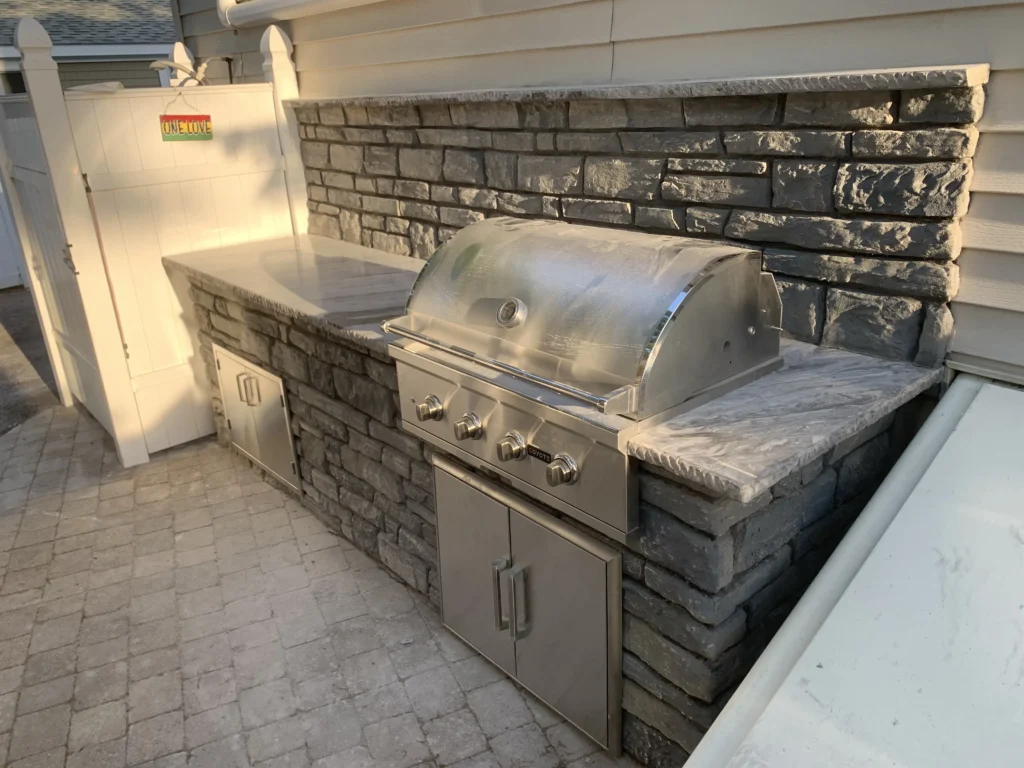
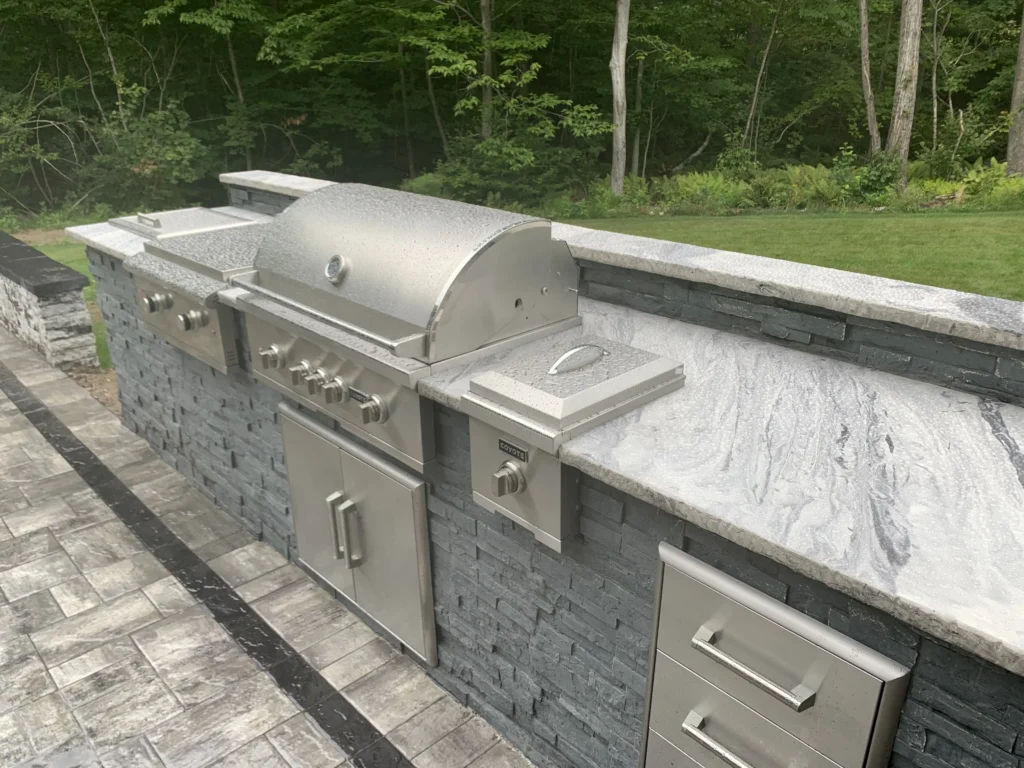
    • Natural Stone: Used for countertops and surfaces, materials like granite and quartzite offer both durability and elegance, providing a robust worktop for meal preparation.
    • Marine-Grade Appliances: Appliances designed specifically for outdoor use, such as grills and refrigerators, combine high performance with resistance to the weather and humidity.
    • Sustainable Materials: Eco-friendly options are becoming popular, with many homeowners opting for recycled or sustainably sourced materials that contribute to a lower environmental impact.

    These premium choices not only enhance the kitchen’s functionality but also add to the luxurious experience of outdoor living.

    How Do Pergolas, Lighting, and Spas Enhance Outdoor Living Ambiance?

    Creating a captivating outdoor ambiance involves thoughtful design choices that incorporate various features.

    • Shade Structures: Pergolas provide much-needed shade for lounging areas, making the space comfortable even in high temperatures.
    • Smart Lighting: Advanced lighting solutions can be used to highlight specific architectural features, facilitate evenings outside, and improve safety around the pool.
    • Spas as Relaxation Areas: In addition to their therapeutic benefits, spas create focal points around which outdoor spaces can be designed, promoting social interaction.

    These elements contribute significantly to the enjoyment and aesthetics of outdoor spaces, ensuring a well-rounded experience for all.

    How Does the Turnkey Custom Pool Design and Construction Process Work in Brooksville?

    1. Initial Consultation: This stage involves discussing the homeowner’s vision, preferences, and any previous experiences with outdoor spaces. It’s an opportunity for the builder to gather information and understand the project scope.
    2. 3D Design Phase: Utilizing advanced software, designers can create realistic 3D renderings of the proposed pool and surroundings, providing homeowners with a vivid picture of their potential oasis.
    3. Building Regulations Compliance: Ensuring that the design meets local regulations is crucial for a smooth construction process. Builders must obtain all necessary permits and adhere to safety standards.

    This comprehensive approach ensures that the final product not only meets aesthetic desires but also complies with all legal requirements, making the experience seamless for the homeowner.

    What Role Do 3D Design and Engineering Play in Custom Pool Creation?

    The incorporation of 3D design and engineering plays a vital role in custom pool creation.

    3D modeling allows for the visualization of complex designs, enabling precise placements such as:

    • Realistic Visualization: Homeowners can see their envisioned space in a realistic manner, allowing for adjustments before construction begins.
    • Structural Integrity Analysis: Ensuring that the design is feasible and safe requires an understanding of engineering principles—this analysis helps prevent issues during and after construction.
    • Client Collaboration: Designers can work closely with clients, making real-time adjustments based on feedback to refine final designs.

    These elements contribute to a smoother design process, ensuring that the end result aligns closely with homeowner expectations and site conditions.

    Which Warranty and Protection Plans Ensure Long-Term Pool Quality?

    Long-term pool quality is often secured through comprehensive warranty and protection plans that can cover various aspects of the installation and maintenance. Essential components include:

    • Lifetime Warranties: These warranties typically cover the pool structure and surface, ensuring peace of mind for homeowners as they enjoy their investment.
    • Annual Maintenance Programs: Scheduled maintenance plans help ensure pools remain in top condition, preventing larger issues through regular check-ups.
    • Performance Guarantees: Many builders offer guarantees related to the performance of equipment and features, providing homeowners with confidence in their long-term investments.

    These plans protect both financial and structural investments, serving as an assurance of quality.

    What Are the Latest Trends in Luxury Pool Materials and Sustainable Outdoor Living?

    Staying abreast of trends in luxury pool materials and sustainable outdoor living is essential for homeowners wanting to innovate. Notable trends include:

    • Sustainable Luxury Materials: Many homeowners now prioritize eco-friendly options that exhibit durability and aesthetic beauty, such as recycled concrete and sustainably sourced wood.
    • Smart Outdoor Technologies: Innovations such as automated lighting and smart temperature controls enhance the convenience of outdoor areas, integrating modern technology with nature.
    • Modern Design Expectations: Contemporary aesthetics often lean towards minimalism, with sleek finishes and functional layouts dominating trends.

    Adopting such trends can not only improve the luxury experience but also contribute to environmentally responsible practices.

    How Do Advanced Pool Deck Materials and Drainage Systems Improve Durability?

    Advanced materials and proper drainage systems are crucial for maintaining the integrity of outdoor spaces. Essential considerations include:

    • Durable Materials: Options such as porcelain pavers or stamped concrete offer enhanced resistance to elements, yielding long-lasting surfaces that remain visually appealing.
    • Drainage System Importance: Efficient drainage prevents water accumulation and potential damage, protecting both the pool and surrounding areas from erosion and standing water.
    • Safety Features: Incorporating slip-resistant surfaces enhances safety, ensuring that guests can navigate the pool area without risk of accidents.

    These factors collaboratively ensure that outdoor living spaces remain not only beautiful but also safe and durable over time.

  • Gas vs Wood Fire Pits in Florida: Benefits, Burner Options & Wind Guards Explained

    Gas vs Wood Fire Pits in Florida: Benefits, Burner Options & Wind Guards Explained

    By Terrance Schabilion, Custom Pool Builder Spring Hill FL

    Fire pits have become an essential element for enhancing outdoor living spaces, particularly in Florida, where the pleasant climate encourages year-round use. This article explores the advantages and features of gas and wood fire pits, helping homeowners make informed decisions tailored to their specific needs and preferences. The comparison includes crucial aspects such as convenience, maintenance, and safety while also delving into specialized installations suitable for Florida’s weather conditions. Through this examination, readers will discover how both types offer unique benefits that elevate outdoor experiences and increase property value, and what considerations to keep in mind when selecting a fire pit.

    Gas Fire Pits

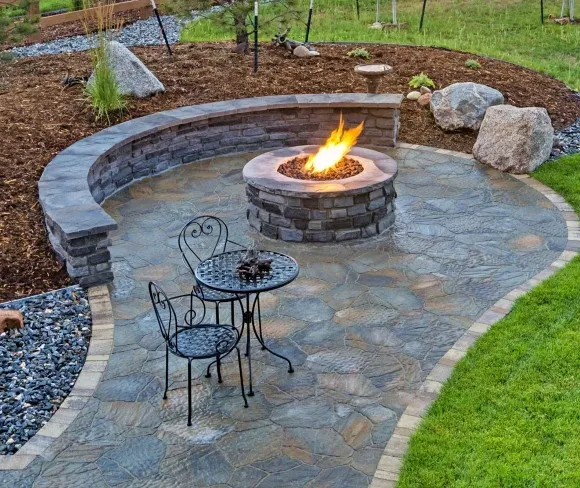
    Gas fire pits are gaining popularity due to their convenience and ease of use. They offer homeowners a quick ignition and consistent flames, making them ideal for spontaneous outdoor gatherings or evening relaxation. Designed to comply with Florida building codes, these fire pits require minimal maintenance. Typical BTU outputs range from 30,000 to 100,000 BTUs, providing ample heat for any outdoor setting.

    One standout feature is the availability of high-end gas fire pit options and services provided by Beyond Backyard Living Creations, which can elevate your outdoor space’s aesthetic and functionality. Whether you’re looking for a sleek modern design or a more traditional style, the offerings cater to diverse taste preferences, enhancing the overall outdoor experience.

    Wood Fire Pits

    Wood fire pits offer a distinctly authentic campfire experience that many enthusiasts cherish. The aroma of burning wood and crackling flames creates an inviting atmosphere, making them perfect for large gatherings and family events. They allow for variable BTU outputs ranging between 50,000 to 150,000 BTUs, significantly impacting the fire’s intensity and warmth.

    However, maintenance is higher for wood fire pits compared to their gas counterparts. This includes managing ashes, ensuring proper wood selection for clean burning, and compliance with local regulations. To enhance your wood fire pit, consider integrating custom features and additional services provided by Beyond Backyard Living Creations. This can include custom seating, stonework, and landscaping, allowing a more cohesive and stylish outdoor environment.

    Comparison Summary

    When choosing between gas and wood fire pits, several factors come into play. Both have unique benefits, but they differ in cost, convenience, and maintenance:

    1. Installation Costs: Gas Fire Pits: $2,250–$10,000+Wood Fire Pits: $1,200–$5,250
    2. Ongoing Maintenance: Gas fire pits typically require less ongoing expense and management, while wood fire pits demand regular wood purchase and ash disposal.
    3. Suitability for Florida’s Climate: Gas fire pits offer reliable performance in windy conditions but may lack the rustic charm of wood fire pits.

    Understanding these distinctions aids homeowners in selecting the right type of fire pit that enhances their outdoor living spaces while fulfilling their specific needs.

    What Are the Key Differences Between Propane, Natural Gas, and Wood Fire Pits in Florida?

    The primary differences among propane, natural gas, and wood fire pits include efficiency, maintenance, and overall experience. Propane fire pits are portable and suitable for varied locations, while natural gas fire pits require a fixed installation linked to a natural gas line. Wood fire pits offer a more traditional experience with the scent of burning logs, while gas fire pits provide a clean burning option.

    Fire Pit TypeFuel SourceMaintenance
    Propane Fire PitsPropaneModerate
    Natural Gas Fire PitsNatural GasLow
    Wood-Burning Fire PitsWoodHigh

    This table summarizes the essential differences in fire pit usage and maintenance considerations. Fuel selection significantly influences the usage experience, making it crucial for homeowners to weigh their options carefully.

    How Do Propane and Natural Gas Fire Pits Offer Convenience and Clean Burning?

    Both propane and natural gas fire pits are known for their convenience, notably due to the ease of ignition. Gone are the days of fussing with kindling and lighter fluid; igniting a gas fire pit is as simple as turning a knob or pushing a button. Moreover, these fire pits produce less soot and smoke compared to wood-burning ones, enhancing outdoor comfort and cleanliness.

    The cleaner burning feature minimizes the environmental impact and converts energy more efficiently. For those seeking the most convenient solution, investing in a gas fire pit may prove enjoyable and beneficial in the long run.

    What Are Safety Considerations for Wood Fire Pits in Florida?

    Safety is a critical concern when using wood fire pits, particularly in Florida’s changing weather conditions. Compliance with local regulations, such as maintaining a safe distance from structures and using spark screens, is essential. Proper handling practices can further prevent hazards like unexpected embers blowing away.

    Moreover, thorough checks for local fire bans are crucial, particularly during dry seasons, to ensure compliance and safety while enjoying your fire pit. Homeowners are encouraged to educate themselves on best practices for wood fire pit use, thereby enhancing safety.

    Which Custom Fire Pit Burner Kits and Installations Are Ideal for Florida Homes?

    Selecting suitable burner kits is essential for achieving the best performance from gas fire pits. Options vary from simple burner rings to elaborate, custom-designed installations tailored for Florida’s climate. Each kit’s materials should withstand humidity and provide durability against weather conditions.

    Burner TypeMaterialSuitability
    Stainless Steel Burner RingsStainless SteelHigh Resistance
    Cast Iron BurnersCast IronExtreme Heat Retention
    Ceramic Glazed BurnersCeramicDecorative and Durable

    This table highlights various burner options, showcasing their materials and suitability for outdoor fire features in Florida’s climate. Investing in quality materials ensures lasting usage and enhances the overall aesthetic appeal of outdoor areas.

    How Are Custom Burner Kits Designed for Florida’s Climate and Wind Conditions?

    Custom burner kits designed for Florida are considered with weather variations and wind conditions in mind. The use of materials that resist corrosion, such as stainless steel, ensures longevity, while specialized designs accommodate the state’s typical humidity.

    Proper installation involving durable gas lines also supports safety. Professionals like Beyond Backyard Living Creations offer tailored designs, ensuring both functionality and style. This adaptability makes for a secure and efficient fire feature in any outdoor space.

    What Does the Turnkey Fire Pit Installation Process Look Like in Spring Hill and Tampa Bay?

    The turnkey installation process for fire pits involves several phases, from consultation to final inspection. Initial discussions help pinpoint the homeowner’s preferences before moving into design considerations reflecting Florida’s climate and aesthetics.

    During installation, all components, including gas lines, burners, and safety checks, are integrated to ensure a seamless operation. Even post-installation, maintenance guidance is provided to ensure longevity and optimal functionality. Homeowners can feel confident knowing their outdoor fire feature meets safety standards and enhances their property’s ambiance.

    What Wind Guard Solutions Enhance Gas and Wood Fire Pit Performance in Florida’s Windy Areas?

    Stylish wind guard protecting a gas fire pit in a windy Florida outdoor environment

    Wind guards are essential for optimizing the performance of both gas and wood fire pits, drastically enhancing flame stability and efficiency. By preventing gusty winds from extinguishing flames or redirecting embers, they create a safer and more enjoyable environment.

    Why Are Wind Guards Essential for Outdoor Fire Features on the Nature Coast?

    The Nature Coast of Florida experiences significant winds that can disrupt fire features. Wind guards minimize the loss of heat and flame control, making them crucial for maintaining a consistent fire.

    Additionally, these guards contribute to safety, reducing the risk of stray embers igniting nearby vegetation. As a protective barrier, wind guards ensure a warm, inviting hearth even during breezy evenings outdoors.

    What Types of Wind Guards Are Recommended for Propane and Natural Gas Fire Pits?

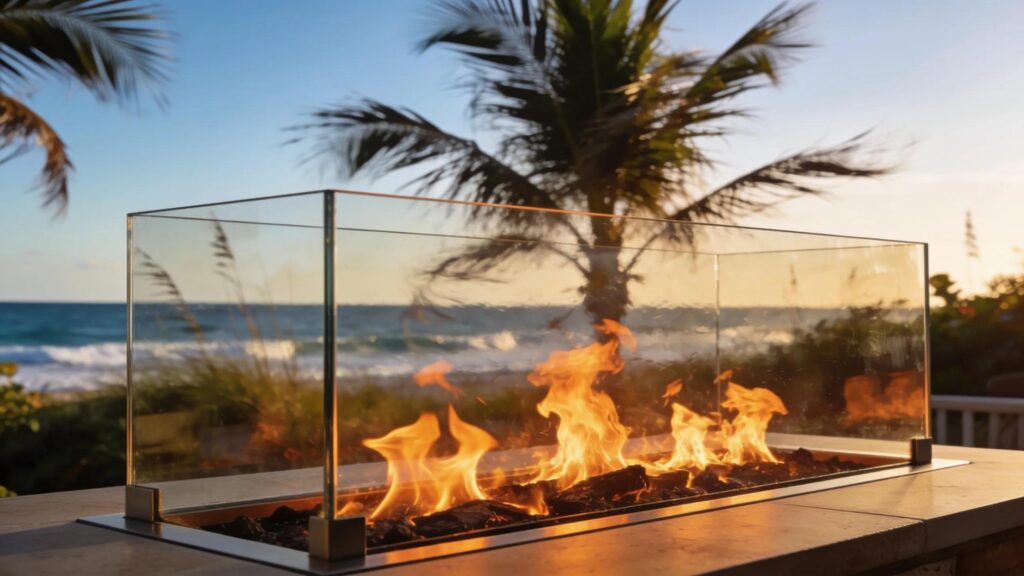
    When selecting wind guards, options range from tempered glass shields to metal screens. Each design caters to specific aesthetic preferences and practicality.

    1. Tempered Glass Shields: Provide a clear view of the flames while effectively blocking wind gusts.
    2. Metal Screens: Offer sturdy protection at a lower cost while complementing rustic fire pit designs.
    3. Foldable Guards: Provide versatility and convenience, easily adjustable for different conditions.

    Choosing the right wind guard enhances fire pit performance and prolongs outdoor enjoyment even in less favorable weather.

    How Do Luxury Outdoor Fire Pit Designs Integrate with Pools and Hardscape in Florida?

    Luxury home with pool, waterfall, and patio under a pergola.

    Luxury outdoor fire pit designs seamlessly integrate with resort-style pools and other hardscape features. By selecting premium materials and cohesive design elements, homeowners can create a visually appealing and functional outdoor space.

    What Are the Benefits of Combining Fire Pits with Resort-Style Pools and Pergolas?

    Combining fire pits with resort-style pools enhances usability and ambiance. Fire pits not only provide warmth during cooler evenings but also serve as central gathering points for family and friends.

    This integration elevates the aesthetic appeal of the entire space, increasing property value while fostering a luxurious outdoor experience. The combination of water and fire creates a striking ambiance that can transform any backyard into a personal oasis.

    Which Materials and Features Define High-End Fire Pit Installations in Spring Hill?

    Choosing durable and heat-resistant materials is crucial for high-end fire pit installations. Options include powder-coated aluminum frames for rust resistance and natural stone for aesthetics. Custom designs enable homeowners to create unique outdoor features tailored to their preferences.

    Investing in quality materials not only ensures a visually stunning outcome but also guarantees longevity and functionality, essential for Florida’s climate. Each feature contributes to creating an inviting outdoor space perfect for entertaining and relaxation. Furthermore, ensuring proper paver drainage around your hardscapes protects your investment.

    To keep your hardscapes looking pristine over the years, homeowners can benefit from a reliable annual protection plan for their outdoor living areas.

  • The Ultimate Pool Decking Materials Guide

    The Ultimate Pool Decking Materials Guide

    Choosing the right pool decking material is crucial for Florida homeowners aiming to create an inviting and functional outdoor space. With the region’s unique climate, your choice should account for durability, aesthetics, and safety. In this guide, we will thoroughly compare the three popular pool decking options: travertine, porcelain pavers, and concrete pavers. By the end of this article, you will have a clearer understanding of which material best meets your needs, taking into consideration factors such as heat resistance, maintenance requirements, and slip safety features. We will also explore what makes these materials suitable for Florida’s specific weather conditions while highlighting considerations for investment and long-term use.

    Comparison of Luxury Pool Decking Materials: Travertine, Porcelain, and Concrete Pavers

    When it comes to luxury pool decking, Florida homeowners have several attractive options. Here’s a brief overview comparing travertine, porcelain pavers, and concrete pavers.

    Material TypeBenefitsAverage CostSuitability
    TravertineLuxurious appearance, natural heat resistance, slip-resistant$20-$30 per sq. ft.Ideal for aesthetics and poolside comfort
    PorcelainHighly durable, low maintenance, can mimic natural stone$25-$40 per sq. ft.Great for a modern look and lasting performance
    ConcreteCost-effective, customizable, numerous color and pattern options$8-$15 per sq. ft.Practical for various pool designs

    Considering these factors will assist in aligning your choice with both your budget and design preferences. Each material has distinct advantages, which we will explore in more detail below.

    Travertine

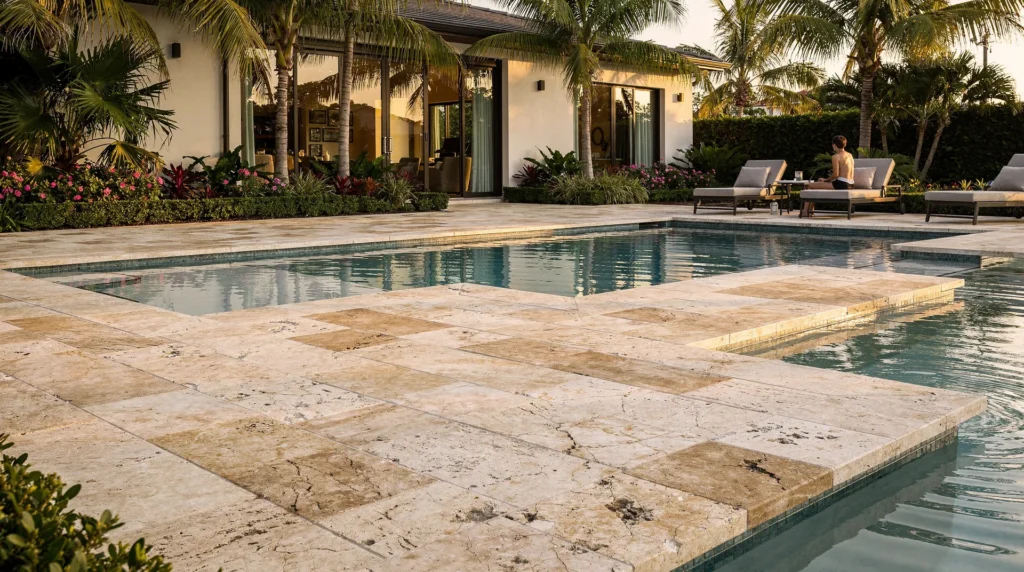
    Travertine is a natural stone that combines beauty with functionality. Its porous nature allows for excellent heat dispersion, making it comfortable to walk on under the intense Florida sun. Additionally, travertine’s textured surface provides significant slip resistance, which is crucial for safety around pools.

    Beyond its functional advantages, this material adds elegance to any outdoor space with its varied natural colors and patterns. With proper sealing and maintenance, a travertine pool deck can last for decades, making it a worthwhile investment.

    For homeowners considering travertine, partnering with experts like Beyond Backyard Living Creations can ensure a high-quality installation that maximizes the advantages of this exceptional material.

    Porcelain Pavers

    Porcelain pavers are favored for their durability and low maintenance requirements. Unlike traditional ceramics, porcelain is dense and resistant to moisture, which minimizes issues related to staining and mold—a significant benefit in humid Florida. Porcelain pavers can be made to mimic the look of natural stone or wood, creating an elegant outdoor space that remains practical.

    Moreover, the cost-effectiveness of porcelain is appealing, as it offers long-term value through its resistance to chipping and fading. While porcelain can be more expensive upfront than concrete, it often pays off in reduced maintenance efforts over time. This material is a great match for modern aesthetic preferences.

    Concrete Pavers

    Concrete pavers are a versatile choice for many homeowners. They can be molded into virtually any shape and size, allowing for creative designs that fit specific landscaping needs. Furthermore, advancements in stamp and stain techniques have enhanced their aesthetic appeal, resulting in attractive finishes that can mimic brick or stone.

    On the cost spectrum, concrete pavers are generally more budget-friendly, offering an ideal solution for expansive decking without facing prohibitive costs. However, it’s essential to consider that concrete may require sealing to prevent cracking and staining over time.

    Beyond Backyard Living Creations can provide insights on the best installation techniques for concrete pavers, ensuring longevity and aesthetic appeal.

    When integrating decking materials around different types of pool structures or incorporating cantilever coping, it’s important to note that fiberglass pool installations offer a smooth, durable surface that complements many decking options. For homeowners interested in this option, custom fiberglass pools in Florida provide tailored solutions that blend well with various decking materials, enhancing the overall pool area aesthetic and function.

    Which Pool Decking Material Performs Best in Florida’s Climate?

    Florida’s climate presents unique challenges, including high humidity and intense sunlight. When evaluating pool decking materials, it’s crucial to consider how each performs under these conditions.

    Travertine is highly recommended for its natural ability to remain cool underfoot, minimizing discomfort during hot days. Moreover, its porous structure allows for moisture absorption, which helps reduce slippery surfaces post-rain.

    Porcelain pavers also fare well, exhibiting superior resistance to thermal expansion and UV rays, making them a solid choice for long-lasting durability.

    Concrete provides versatility, though it tends to absorb heat more than natural stone. While it can be treated to improve heat resistance and traction, measures must be taken to address potential slips.

    Each of these materials offers unique advantages and considerations; understanding their specific behaviors in Florida’s climate will help homeowners make informed decisions.

    What Are the Heat Resistance and Durability Features of Travertine, Porcelain, and Concrete Pavers?

    Heat resistance is a pivotal factor for pool decking materials, particularly in Florida’s relentless heat.

    • Travertine: Known for excellent heat resistance and a comfortable surface, travertine is ideal for hot environments. Its natural properties ensure that it doesn’t become excessively hot, allowing for safer pool access.
    • Porcelain: This material stands out for its heat resistance and composed nature. Porcelain pavers typically reflect sunlight and are less prone to cracking due to thermal expansion, lending them a reputation for longevity.
    • Concrete: While economical, standard concrete can heat up considerably in direct sunlight. Options exist to enhance its heat resistance, including treatments and light-colored finishes that can help mitigate heat absorption.

    Homeowners should consider these attributes when selecting the right decking material for their outdoor living spaces.

    How Does Each Material Handle Slip Resistance and Safety Around Pools?

    Safety around the pool is of utmost importance, particularly regarding slip resistance.

    • Travertine: With its textured surface, travertine provides superb slip resistance, helping to prevent accidents. Its natural finish is particularly effective when wet, making it a standout option for pool areas.
    • Porcelain: Modern porcelain tiles often feature anti-slip textures designed specifically for outdoor use. This provides an additional layer of safety while maintaining aesthetic value.
    • Concrete: Though initially smooth, concrete can be treated to enhance grip. The effectiveness of these treatments can vary, requiring homeowners to choose finishes that suit their safety needs best.

    Prioritizing materials with good slip resistance is vital for safeguarding family and guests.

    What Are the Pros and Cons of Travertine, Porcelain, and Concrete Pool Decks?

    Evaluating the advantages and drawbacks of each material will empower homeowners to select the most suitable option based on their specific circumstances.

    Travertine

    • Pros: Elegant appearanceNatural heat resistanceExcellent slip resistance
    • Cons: Requires periodic sealingHigher upfront costs

    Porcelain

    • Pros: Highly durable and low maintenanceVersatile design optionsGreat resistance to moisture
    • Cons: Can be more expensive than concreteRequires professional installation for optimal results

    Concrete

    • Pros: Cost-effectiveHighly customizableQuick installation
    • Cons: Can absorb heatMay require sealing to prevent damage

    Understanding these insights allows for a well-rounded decision based on personal preferences and practical needs.

    What Makes Travertine Pool Decking a Luxury Choice for Florida Homeowners?

    Modern outdoor living space featuring large-format porcelain pavers with elegant dining setup in Florida

    Travertine stands out not only for its functionality but also its luxury appeal. The rich colors and textures offered by travertine create a sophisticated ambiance that enhances outdoor living spaces. Homeowners appreciate that travertine’s aesthetic value contributes to their property’s overall appeal, potentially increasing home resale value.

    Additionally, travertine’s long-lasting nature means that homeowners can enjoy its beauty without the need for frequent replacements or extensive repairs, making it a wise investment for those seeking a high-quality pool deck.

    Why Choose Porcelain Pool Decking for Modern and Durable Outdoor Spaces?

    Porcelain decking marks a trend towards modern, durable outdoor aesthetics. As a non-porous material, porcelain minimizes water absorption, significantly reducing mold buildup—a common concern in humid environments like Florida. Its visual versatility allows homeowners to achieve the desired look without sacrificing performance, making it an attractive choice for contemporary pool designs.

    Moreover, the low maintenance requirement for porcelain means homeowners can enjoy their pool area without worrying about extensive upkeep or the need for routine resealing. This contributes to its growing popularity as a premium choice.

    How Do Installation Technologies and Engineering Impact Pool Deck Longevity?

    Proper installation is paramount to every decking option, influencing not just appearance but also durability and safety.

    • For travertine, precise installation ensures that the stones sit level and true, which minimizes shifting and cracking over time.
    • Porcelain requires careful alignment to prevent cracking and ensure an even surface for aesthetic appeal. Professional installation is often recommended to avoid common pitfalls.
    • Concrete, while forgiving in the creating process, can suffer if not executed expertly. Poorly compacted bases or incorrect spacing can lead to premature failures.

    Investing in skilled installation enhances the longevity of any chosen decking material, securing a satisfied outdoor experience for years to come.

    What Maintenance, Warranty, and Protection Plans Support High-End Pool Deck Investments?

    Maintenance practices are essential for preserving luxury pool decks. Here’s a brief overview:

    • Travertine: Needs sealing every few years to protect against stains. Routine washing with gentle cleaners can maintain its appearance.
    • Porcelain: Minimal upkeep, but periodic cleaning with non-abrasive products ensures longevity, preserving its original sheen.
    • Concrete: Requires sealing to prevent cracks and stains. Regular maintenance includes cleaning to remove debris and dirt.

    Many homeowners benefit from warranties and protection plans. These can cover wear and tear, ensuring that any issues are addressed quickly and adequately, thus safeguarding your investment.

    How Does the Lifetime Settlement Warranty Protect Florida Pool Deck Homeowners?

    A lifetime settlement warranty can provide peace of mind for homeowners investing in quality decking materials. This warranty typically covers structural integrity, ensuring that if any significant issues arise, they will be rectified at no additional cost. This type of assurance is particularly valuable in Florida, where environmental factors may impact the longevity of pool decking.

    Homeowners should inquire about specific coverage terms to fully understand the protection offered, ensuring they can enjoy their outdoor spaces worry-free.

    What Are the Benefits of Annual Protection Plans for Pool Deck Longevity?

    Annual protection plans play a critical role in maintaining high-end pool decks. Key benefits include:

    1. Cost Savings: Early identification of potential issues can prevent expensive repairs over time.
    2. Enhanced Property Value: Well-maintained properties often command better market prices, as curb appeal and functionality are preserved.
    3. Continuous Support: Regular evaluations and treatments can ensure that the decking material remains in top condition, providing a safe and appealing environment for family and friends.

    These plans are a proactive measure, ensuring that your investment continues to provide value for many years. Utilizing an annual protection plan helps maintain these surfaces effortlessly.

    To learn more about safeguarding your pool deck investment with an annual protection plan tailored to your outdoor living space, contact Beyond Backyard Living Creations at +1 (352) 607-7778 or office@beyondbackyardliving.com. Our team is based at 1092 Commercial Way, Spring Hill, FL 34606, and is ready to help you preserve the beauty and longevity of your Florida pool deck for years to come.

  • Outdoor Kitchen Ventilation & Vent Hoods in Florida: CFM, Lanai Ceilings & Safety Guide

    Outdoor Kitchen Ventilation & Vent Hoods in Florida: CFM, Lanai Ceilings & Safety Guide

    By Terrance Schabilion, Beyond Backyard Living – Custom Pool Builder Spring Hill FL

    Outdoor kitchen ventilation is vital for any culinary space, especially in the warm climate of Florida, where proper airflow can enhance comfort and safety. This guide delves into the specific ventilation requirements for outdoor kitchens in Florida, focusing on aspects like CFM ratings, the design of lanai ceilings, and essential safety guidelines. Homeowners will learn the implications of these elements on performance and compliance while exploring custom solutions that elevate their outdoor cooking experiences. Proper ventilation can mitigate hazards, improve cooking efficiency, and contribute to a more enjoyable outdoor living environment. The article will cover the requirements set by Florida’s building codes, integration challenges with lanai ceiling designs, and recommendations for vent hood types best suited for these unique structures.

    What are the outdoor kitchen ventilation requirements in Florida?

    In Florida, outdoor kitchen ventilation must adhere to specific safety standards to ensure proper airflow and minimize risks associated with smoke and cooking odors. By understanding and implementing these ventilation requirements, homeowners can create functional and safe outdoor cooking spaces. The state regulations emphasize the importance of maintaining adequate fresh air supply while expelling heat, smoke, and combustion gases effectively. The right ventilation promotes a healthier cooking environment and improves the overall comfort of outdoor spaces.

    Which Florida building and fire codes govern outdoor kitchen ventilation?

    Florida’s building and fire codes outline several requirements regarding outdoor kitchen ventilation. The critical codes include:

    1. Florida Building Code (FBC): It specifies that exhaust systems must effectively remove contaminants from the cooking area.
    2. National Fire Protection Association (NFPA) Code 96: This code mandates that commercial kitchen ventilation must conform to safety and performance standards.
    3. Local Dade County Codes: These regulations provide specific local adjustments to meet air quality and safety needs.

    Adhering to these codes is essential for ensuring safety and compliance in outdoor kitchen design.

    Why is proper airflow and CFM rating crucial for outdoor kitchens?

    Proper airflow in outdoor kitchens is primarily measured by CFM (Cubic Feet per Minute) ratings, which indicate the airflow capability of ventilation systems. Adequate CFM ratings are crucial for ensuring the efficiency and effectiveness of the ventilation system.

    1. Health Safety Risks: Inadequate airflow can lead to the buildup of harmful fumes and smoke, posing health risks to families and guests.
    2. Efficiency in Cooking: Proper airflow helps dissipate heat quickly, thus improving cooking efficiency and comfort during meal preparation.
    3. Moisture Issues: Florida’s humid climate can exacerbate moisture accumulation; hence, proper ventilation systems mitigate potential mold growth, ensuring a safe and sanitary environment.

    Understanding CFM ratings enables homeowners to pick the right ventilation systems that match their outdoor cooking appliances.

    How do lanai ceiling designs impact vent hood installation?

    The design of lanai ceilings significantly influences how effective a home’s ventilation system can be. Unique architectural styles and ceiling heights introduce specific challenges when installing ventilation systems.

    What are the ventilation challenges with Florida lanai ceilings?

    Lanai ceilings can create several ventilation challenges, including:

    1. Airflow Restrictions: Low or obstructed ceilings constrict airflow paths, making it hard for vent hoods to expel smoke and heat efficiently.
    2. Moisture Retention: The enclosed nature of some lanais may trap humidity, emphasizing the need for powerful exhaust systems.
    3. Safety Hazards: Poorly designed ventilation can lead to increased fire hazards if fats and oils accumulate above cooking areas.

    Addressing these challenges through smart design and the right equipment selection is essential for maintaining safety standards.

    Which vent hood types best integrate with lanai ceiling structures?

    Outdoor kitchen emphasizing energy-efficient appliances and luxury sustainability with solar power integration

    Selecting vent hoods that complement lanai ceiling designs is key to effective ventilation. Some suitable options include:

    1. Under-Cabinet Hoods: These can fit seamlessly under elevated ceilings, providing unobtrusive extraction while maintaining airflow.
    2. Wall-Mounted Hoods: Ideal for tall ceilings, they draw smoke effectively and can be positioned where circuit patterns best promote airflow.
    3. Island Hoods: For central cooking islands, these units enhance ventilation without compromising aesthetics or design flow.

    Choosing the right type of hood creates an efficient ventilation system while preserving the visual appeal of the outdoor kitchen.

    What are the safety guidelines for BBQ grill ventilation in Florida?

    Implementing safety guidelines for BBQ grill ventilation is fundamental in outdoor kitchens. Homeowners should ensure that their grills are positioned adequately in open spaces to facilitate gas dispersion and avoid fire hazards.

    1. Orientation of Outdoor Kitchens: Positioning should consider wind patterns to direct fumes away from user activity areas.
    2. Material Selection for Safety: Use materials resistant to high temperatures and suitable for humid environments to ensure longevity and safety.
    3. Installation Practices Complying with Codes: Following local regulations during installation helps prevent fire and safety risks associated with improper venting.

    These safety measures prepare users to enjoy their grilling experience while minimizing risks.

    How do vent hood CFM ratings correspond to grill size and fuel type?

    Vent hood CFM ratings must correspond to the size and type of BBQ grill to be effective. For instance, gas grills generally require higher CFM ratings due to more substantial smoke output compared to electric grills.

    1. CFM Recommendation for Grill Size: The rule of thumb is to have 100 CFM for every 10,000 BTUs produced by a gas grill.
    2. Fuel Type Considerations: Different fuels emit varying levels of smoke and particulates; thus, adjusting the necessary CFM ratings is essential to match the grill type.
    3. Safety Implications of Inadequate CFM: Insufficient airflow can lead to backdrafts, trapping smoke and gases, which presents a severe safety concern in outdoor cooking areas.

    Understanding the relationship between CFM ratings and cooking appliances ensures safety and efficiency in outdoor kitchens.

    What installation practices meet Florida’s outdoor kitchen safety standards?

    To meet Florida’s outdoor kitchen safety standards, adherence to certain installation practices is vital:

    1. Orientation and Roof Design: Ensuring the cooking space is open-air with enough clearance avoids heat build-up and supports effective airflow.
    2. Material Choice for Humid Climate: Selecting stainless steel or other corrosion-resistant materials helps in maintaining cleanliness and longevity against Florida’s humid climate.
    3. Comprehensive Ventilation Strategies: Implementing combined systems that address extraction and air input guarantees a safer cooking environment.

    These practices promote safety and effectively enhance outdoor kitchen experiences.

    Which custom ventilation solutions optimize luxury outdoor kitchens in Florida?

    Luxurious outdoor kitchen with stone fireplace, bar, grill, and forest views.

    Custom ventilation solutions cater to the sophisticated design needs of luxury outdoor kitchens. Choosing advanced systems tailored to individual requirements helps provide superior performance.

    How does advanced 3D design improve vent hood performance in custom projects?

    Utilizing advanced 3D design technologies enables designers to visualize and enhance every aspect of vent hood performance, ensuring:

    1. Climate-Responsive Design: Tailoring designs to local weather conditions enhances functionality and efficiency.
    2. Customized Layouts for Efficiency: This approach allows for exhaust systems that match the unique configurations of outdoor kitchens, maximizing efficiency and safety.
    3. Smart Technology Integration: Implementing smart controls and automation can help users monitor and optimize ventilation based on cooking activity.

    Such custom solutions enrich the outdoor cooking experience while delivering elegance and functionality.

    What materials and vent hood technologies ensure durability and efficiency?

    Selecting durable materials and advanced technologies is crucial for the efficient operation of vent hoods in luxury outdoor kitchens. Common materials include:

    1. Marine-Grade Stainless Steel: Excellent for resisting corrosion in high-humidity environments.
    2. High-Efficiency Fan Technologies: These fans maximize airflow while minimizing energy consumption, contributing to system effectiveness.
    3. Advanced Filtration Systems: Utilizing multi-layer filters can enhance air quality by reducing smoke and cooking odors significantly.

    Suppressing noise while maximizing airflow through these technologies can improve both the performance and user experience of outdoor kitchens, ensuring longevity.

  • Custom Swimming Pool Coping in Florida: Luxury Travertine, Marble, Cantilever & Bullnose Options

    Custom Swimming Pool Coping in Florida: Luxury Travertine, Marble, Cantilever & Bullnose Options

    By Terrance Schabilion, Custom Pool Builder Spring Hill FL

    In Florida, where the sun shines brightly, having a beautiful pool area is essential for homeowners seeking relaxation and entertainment. Custom swimming pool coping plays a vital role in enhancing both the aesthetics and functionality of pools. This article delves into various high-end materials like travertine and marble, alongside design styles such as cantilever and bullnose edges. Readers will learn about the benefits of each material, their maintenance needs, and the innovative installation processes available. By understanding these aspects, homeowners can create luxurious outdoor spaces that provide enjoyment for years to come, placing emphasis on the necessary details for achieving a perfect poolside environment.

    Key Luxury Materials for Custom Pool Coping in Florida

    Outdoor kitchen emphasizing energy-efficient appliances and luxury sustainability with solar power integration

    The choice of materials for swimming pool coping significantly influences both heater efficiency and aesthetic appeal. High-quality options such as travertine, marble, cantilever, and bullnose offer unique benefits tailored to Florida’s warm climates.

    Travertine

    Travertine, a natural stone, is prized for its durability and heat resistance, making it an excellent choice for pool coping in Florida. Its porous nature allows for effective water drainage, reducing the risk of slippery surfaces. Homeowners love the warm, earthy tones of travertine that complement various outdoor landscaping styles. Additionally, maintenance requires periodic sealing to protect its surface while preserving its appeal.

    Marble

    Marble coping is synonymous with luxury and elegance. Its smooth finish and brilliant luster make even the simplest pools appear opulent. While marble is slightly more susceptible to staining compared to other materials, it withstands heat well, making it ideal for the sunny Florida climate. With proper care, such as regular cleaning and sealing, marble can retain its beauty and functionality for many years.

    Cantilever

    Cantilever coping utilizes a unique design that creates a sleek, modern look for swimming pools. This style allows for a seamless transition from the pool to the deck, enhancing the overall visual appeal of the outdoor space. It effectively addresses water drainage by directing runoff away from the pool, thereby promoting safety. Cantilever edges also offer customization options for materials and colors, allowing homeowners to tailor their pool’s look to their preferences.

    Bullnose

    Bullnose coping features a rounded edge designed for safety and elegance. The smooth transitions provided by this style minimize sharp corners, offering a friendly environment for children and guests alike. Bullnose coping can be made from various materials, including stone or concrete, allowing homeowners to select aesthetics that harmonize with their overall landscape. This style is easy to maintain, needing only regular cleaning to maintain its appearance.

    Why Choose Travertine for Natural Stone Pool Edging in Spring Hill?

    Travertine is a popular option for pool edging in Spring Hill due to its aesthetic appeal and functional attributes. Its natural texture provides not only beauty but also safety by reducing slip risks around the pool. Being heat resistant, travertine allows for comfortable use even on the hottest days. Regular maintenance, such as resealing, ensures its longevity, making it a practical investment for discerning homeowners.

    What Are the Unique Benefits of Marble Pool Coping Designs?

    Marble pool coping designs offer several unique advantages, particularly for luxury homeowners. Its striking appearance enhances curb appeal, setting a sophisticated tone for the entire property. Marble’s durability ensures that it can withstand weather changes, maintaining its beauty over time. Furthermore, its variety of colors and patterns enable individualized design choices, making it suitable for any outdoor aesthetic.

    Which Custom Edge Styles Enhance Florida Pools: Cantilever and Bullnose Explained

    Comparison of cantilever and bullnose pool coping styles featuring distinct edge designs

    Cantilever and bullnose coping styles both provide functional benefits while enhancing the aesthetic appeal of swimming pools. Cantilever gives a modern touch, ensuring smooth transitions and effective drainage management. Bullnose, on the other hand, prioritizes safety with softer edges that are welcoming for families. Both designs can be further customized, allowing homeowners to select finishes that align with their outdoor environment.

    How Does Cantilever Coping Provide a Seamless Pool-to-Deck Transition?

    Cantilever coping creates an uninterrupted flow between pool and deck areas. This design not only enhances visual continuity but also facilitates effective water drainage, which decreases risks associated with standing water. As a result, “cantilever coping improves safety” around the pool. Its clean lines and modern look appeal to homeowners aiming for sophistication in their outdoor setups.

    What Maintenance Does Bullnose Pool Coping Require and What Benefits Does It Offer?

    Bullnose pool coping requires minimal maintenance, primarily consisting of regular cleaning to avoid dirt accumulation. Its rounded edges make it less likely to chip or crack, enhancing its durability. This style offers added safety benefits, particularly for children, providing a gentle transition around pool areas while maintaining a classic aesthetic.

    How Does the Custom Pool Coping Installation Process Work with 3D Design Services?

    The installation of custom pool coping is a multi-step process that begins with a comprehensive 3D design. This allows homeowners to visualize their final project before any work begins. Following the design approval, a detailed engineering plan is created to ensure precision in implementation, setting the groundwork for a quality installation that meets all aesthetic and functional criteria.

    What Are the Steps from 3D Design to Precision Pool Coping Construction?

    Transitioning from a 3D design to precision pool coping construction involves several key steps:

    1. Design Finalization: This first step involves confirming the desired designs and materials to be used, ensuring all client preferences are met.
    2. Material Selection: Homeowners choose from available options, such as travertine or marble, balancing aesthetics and practical considerations.
    3. Site Preparation: Preparing the construction site ensures all structural requirements are met for a successful coping installation.
    4. Installation: Skilled professionals carry out the installation, ensuring all angles and finishes align with the 3D design specifications.

    These steps highlight the organized approach that contributes to an effective project execution.

    How Do Custom Features Like Waterfalls and Outdoor Kitchens Integrate With Pool Coping?

    Innovative designs can seamlessly integrate features such as waterfalls and outdoor kitchens with pool coping, enhancing the overall functionality and scenery. By utilizing the same coping materials in surrounding installations, homeowners achieve a cohesive outdoor aesthetic. This integration not only elevates visual appeal but also increases property value, as multifunctional outdoor spaces are highly sought after.

    Why Choose Beyond Backyard Living Creations for Custom Pool Coping Contractors in Tampa Bay?

    Beyond Backyard Living Creations stands out as a premier contractor for luxury custom hardscaping and pool designs in Tampa Bay. Their commitment to quality craftsmanship ensures that every project is executed with precision and care. By focusing on premium materials like travertine and marble, they cater to a clientele seeking exceptional outdoor living environments. With a complete turnkey service from design to installation, they provide peace of mind throughout the project lifecycle, supported by a “lifetime settlement warranty” for ultimate assurance.

    What Sets Our Luxury Pool Coping Services Apart in the Nature Coast Region?

    Beyond Backyard Living Creations emphasizes artisan craftsmanship in every project, which is a key differentiator in the marketplace. Offering fixed-price guarantees allows clients to understand project costs upfront, creating transparency and eliminating financial uncertainties. Their client-centered service approach ensures that every detail aligns with customer expectations, establishing trust and satisfaction from the initial consultation through project completion.

    How Does Our Turnkey Approach Enhance Client Satisfaction and Project Management?

    The turnkey approach offered by Beyond Backyard Living Creations enhances client satisfaction by simplifying the management of custom pool coping projects. Beginning with an initial consultation to design conceptualization, clients are guided through every phase of development. This method facilitates clear communication, ensuring that expectations are consistently met and refined as needed. The final walkthrough and review further solidify client confidence in the results, ensuring long-term perfection when paired with an “annual protection plan”.

  • Pergolas vs Pavilions vs Gazebos in Florida: Custom Outdoor Shade Structures Cost and Weather Protection Comparison

    Pergolas vs Pavilions vs Gazebos in Florida: Custom Outdoor Shade Structures Cost and Weather Protection Comparison

    By Terrance Schabilion, Beyond Backyard Living – Custom Pool Builder Spring Hill FL

    When considering outdoor enhancements in Florida, choosing between pergolas, pavilions, and gazebos is essential for maximizing comfort and aesthetics. These structures serve various functions, offering differing levels of shade, rain protection, and overall outdoor enjoyment. Each option presents unique benefits and costs that cater to diverse needs and preferences. In this article, we will compare these structures based on cost, weather protection, design features, and overall functionality. You’ll learn which type might fit best in your outdoor space and complement your lifestyle, particularly in Florida’s climate.

    The discussion will cover key design differences and how these impact performance against Florida’s often unpredictable weather patterns. Our exploration will include insights into the materials best suited for the region, the longevity of each structure, and the influence of luxury outdoor living trends on these choices. This comprehensive approach aims to assist homeowners in making informed decisions about enhancing their outdoor environments.

    Costs

    When evaluating the costs associated with pergolas, pavilions, and gazebos, it’s important to consider the variations in construction complexity, materials used, and installation processes. Generally, pergolas are the most economical option, often ranging from $3,000 to $5,000. Pavilions, with their more substantial structure and roofing, typically fall between $5,000 and $10,000. Gazebos, usually the most expensive due to their elaborate designs and materials, can range from $6,000 to $15,000 or more based on custom features.

    Considering these price ranges allows you to establish a budget while prioritizing necessary features. In addition to upfront costs, it’s crucial to assess long-term value, as the durability of materials and the functionality of the structures play critical roles in overall satisfaction and potential resale value.

    Weather Protection

    The Florida climate presents unique challenges when it comes to outdoor structures. Pergolas, while adding aesthetic appeal, primarily provide limited protection against rain and UV rays, acting more as a frame for climbing plants. They can effectively create shaded areas but might not withstand heavy rain or storms without proper covers.

    Pavilions, in contrast, offer significantly better weather protection. Equipped with solid roofs, they shield occupants from rain and provide useful shade during the sweltering summer months. Gazebos also excel in this regard, often featuring screened walls that enhance ventilation while keeping insects at bay.

    In summary, if year-round weather protection is essential, pavilions and gazebos are more reliable options than pergolas.

    Overall Functionality

    The functionality of pergolas, pavilions, and gazebos varies greatly, influenced by their design and structure. Pergolas are ideal for defining outdoor spaces and enhancing garden aesthetics, making them suitable for outdoor living areas where minimal rain protection is acceptable. They can seamlessly blend with landscaping elements but may require supplementary items like outdoor curtains or removable shades to provide additional coverage.

    Pavilions serve as multi-functional spaces suitable for gatherings, barbecues, and outdoor dining. With full coverage, they can host activities regardless of the weather, making them an excellent focal point in any backyard setting. Gazebos provide similar functionality while often boasting more architectural detail, thereby enriching the overall landscape design.

    When choosing between these options, consider how you intend to utilize the space, as selecting the right structure can significantly enhance your outdoor experiences.

    What Are the Key Design Differences Between Pergolas, Pavilions, and Gazebos in Florida?

    Understanding key design distinctions among pergolas, pavilions, and gazebos is crucial for making an informed choice about outdoor enhancements.

    Structural Features

    Pergolas consist of vertical posts interconnected with cross beams, creating an open feel that supports climbing plants. Pavilions have solid roofs and may include walls or screens, ensuring more shaded and sheltered spaces. Gazebos often feature rounded shapes and can offer additional decorative aspects like railings or intricate woodwork.

    Aesthetics

    From a design perspective, pergolas present a rustic charm with their open design, ideal for a natural garden setting. Pavilions often project an inviting and robust look, making them central structures in backyards. Gazebos add a sense of elegance and vintage appeal, often serving as beautiful outdoor meeting points.

    Suitability for Weather Conditions

    In the humid Florida environment, the structure design is critical. Pavilions and gazebos are constructed to withstand heavy rain and offer long-lasting durability, while pergolas are less equipped to handle severe weather without additional protections.

    How Do Architectural Features Affect Shade and Space Usage?

    Architectural features in these structures directly influence shade provision and the usability of the covered space. Pergolas with adjustable fabrics can enhance shade but may require routine maintenance and replacements. Pavilions, with fixed roofs, offer consistent shade and allow for furniture placement without concern for rain exposure. Gazebos, often freestanding, provide unique and creative opportunities for decoration while ensuring space utility beneath their roofs.

    Understanding how different architectural forms manage local thermal environments is essential for optimizing backyard comfort. Research into microclimates demonstrates that evaluating physiological equivalent temperatures helps determine the true comfort provided by structures like gazebos.

    Thermal Comfort of Gazebos and Shade Structures

    Field measurements encompassed reference conditions, concrete gazebos with varying vegetation covers, and tree shade configurations. Monte Carlo simulation (n = 10,000) computed prediction uncertainties and probabilistic thermal comfort evaluations for Physiological Equivalent Temperature (PET) and Universal Thermal Climate Index (UTCI). Comparative reliability assessment of PET and UTCI thermal comfort indices using Monte Carlo simulation in urban microclimates, 2025

    Which Materials Best Suit Florida’s Climate for Each Structure?

    Selecting appropriate materials is essential for ensuring that these structures withstand Florida’s distinct climate. For pergolas, using pressure-treated wood or materials designed to resist moisture is imperative for longevity. Aluminum or vinyl structures can provide both durability and lower maintenance.

    Pavilions should utilize robust materials, such as treated wood or metal, to endure hurricanes and intense storms, often complemented by shingles or metal roofs for added protection. Similarly, gazebos benefit from durable wood species and synthetic materials resistant to fading and water damage, ensuring lasting beauty.

    How Do Pergolas, Pavilions, and Gazebos Compare in Shade and Rain Protection Performance?

    The performance of these structures in shade and rain protection highlights significant differences.

    1. Pergolas provide minimal coverage, mainly offering shade through slatted roofs or climbing plants while requiring additional measures for rain protection.
    2. Pavilions are most effective, boasting solid roofs to block both rain and sunlight, making them ideal for year-round utilization.
    3. Gazebos offer similar advantages to pavilions with added aesthetic value and ventilation options but may not provide as much coverage due to open sides.

    How Does Each Structure Adapt to Florida’s Heat, Humidity, and Rain Patterns?

    Each structure’s ability to adapt depends on its design and materials. Pergolas may require supplemental shading devices to mitigate heat exposure while effectively integrating natural elements. Pavilions and gazebos are built to combat extreme humidity and rainfall, incorporating drainage systems like screened walls to enhance airflow and maintain comfort levels.

    Analyzing how different canopy materials interact with intense sunlight is also vital for predicting long-term performance under regional solar exposure. Studies on regional sunshades provide valuable insights into optimizing material choices for local weather conditions.

    Solar Transmittance of Florida Sunshades

    incident solar radiations for some types of shading devices (PASSYS II 1994). With the advancement in material technology and architectural design, these studies present some

    Solar transmittance analysis of different types of sunshades in the Florida climate, RR Issa, 1994

    What Are the Durability Differences for Pavilion vs Gazebo Under Florida Weather?

    Solid-roof pavilion and gazebo engineered for durability in Florida weather conditions

    When examining durability, pavilions generally outperform gazebos due to their robust nature and custom materials designed for harsher weather patterns. Solid structures bear up well against high winds and heavy rain, while gazebos can suffer from issues related to more intricate designs that may not withstand the same level of harshness for extended periods.

    What Is the Cost Comparison of Custom Luxury Pergolas, Pavilions, and Gazebos in Florida?

    Custom luxury pergola, pavilion, and gazebo in a beautifully landscaped Florida setting

    Considering custom luxury options, pricing reflects complexity, size, and materials. Custom pergolas can range from $4,500 to $10,000, while custom luxury pavilions might be priced between $7,000 and $15,000. Custom gazebos can vary greatly based on intricate designs, often starting around $8,000 and can reach upwards of $20,000, especially for elaborate constructions with high-end materials. A thoughtful approach coupled with a keen focus on essential features can significantly affect overall project values.

    Structure TypeCost RangeKey Features
    Pergola$3,000 to $5,000Open design, customizable shade options
    Pavilion$5,000 to $10,000Solid roof, versatile multi-use
    Gazebo$6,000 to $15,000Decorative features, screened options

    This cost comprehensiveness emphasizes the importance of strategic planning alongside aesthetic considerations.

    What Are Typical Warranty and Protection Plan Options for These Structures?

    Warranties and protection plans can vary among structure types and suppliers. Many reputable companies offer warranties ranging from five to ten years, covering materials and workmanship. When investing in outdoor enhancements, always review available protection plans, specifically for wood treatments and resilience against Florida’s climate, including options like an annual protection plan.

    How Do Luxury Outdoor Living Trends Influence Pergola, Pavilion, and Gazebo Choices in Florida?

    As outdoor living trends evolve, more homeowners are incorporating luxurious features that complement their chosen structures. This can include high-end outdoor kitchens near pavilions or decorative landscaping around elegant gazebos. Current trends emphasize seamless integration of indoor and outdoor spaces, thus enhancing overall living experiences.

    What Resort-Style Backyard Features Complement Each Shade Structure?

    Incorporating elements such as resort-style pools, fire pits, and manicured landscaping can complement these structures beautifully. For example, pergolas work well over hot tubs or seating areas, pavilions may host outdoor kitchens, and gazebos can create spectacular views overlooking serene backdrops.

    How Do Turnkey Design-Build Processes Enhance Custom Outdoor Transformations?

    Engaging design-build processes streamlines project execution by integrating design and construction phases. This approach ensures that all project aspects—from concept to completion—align with homeowner expectations, thereby enhancing satisfaction and delivering top-tier results in custom outdoor transformations.

    By understanding the unique characteristics and benefits of pergolas, pavilions, and gazebos, homeowners can make informed decisions that maximize their outdoor living spaces in Florida.