By Terrance Schabilion, Beyond Backyard Living – Custom Pool Builder Spring Hill FL
Choosing the right pool decking material is crucial for Florida homeowners aiming to create an inviting and functional outdoor space. With the region’s unique climate, your choice should account for durability, aesthetics, and safety. In this guide, we will thoroughly compare the three popular pool decking options: travertine, porcelain pavers, and concrete pavers. By the end of this article, you will have a clearer understanding of which material best meets your needs, taking into consideration factors such as heat resistance, maintenance requirements, and slip safety features. We will also explore what makes these materials suitable for Florida’s specific weather conditions while highlighting considerations for investment and long-term use.
Comparison of Luxury Pool Decking Materials: Travertine, Porcelain, and Concrete Pavers
When it comes to luxury pool decking, Florida homeowners have several attractive options. Here’s a brief overview comparing travertine, porcelain pavers, and concrete pavers.
| Material Type | Benefits | Average Cost | Suitability |
|---|---|---|---|
| Travertine | Luxurious appearance, natural heat resistance, slip-resistant | $20-$30 per sq. ft. | Ideal for aesthetics and poolside comfort |
| Porcelain | Highly durable, low maintenance, can mimic natural stone | $25-$40 per sq. ft. | Great for a modern look and lasting performance |
| Concrete | Cost-effective, customizable, numerous color and pattern options | $8-$15 per sq. ft. | Practical for various pool designs |
Considering these factors will assist in aligning your choice with both your budget and design preferences. Each material has distinct advantages, which we will explore in more detail below.
Travertine
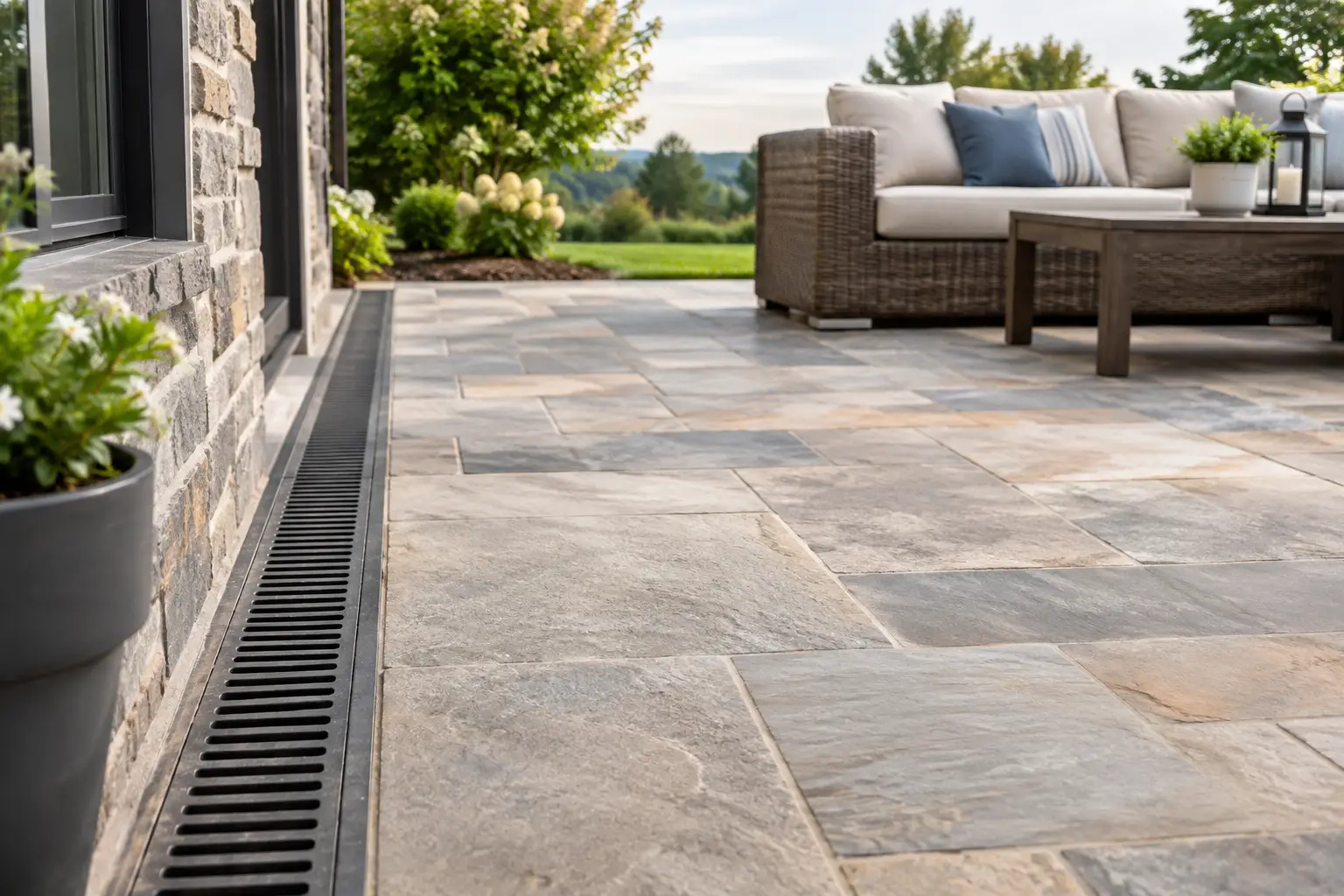
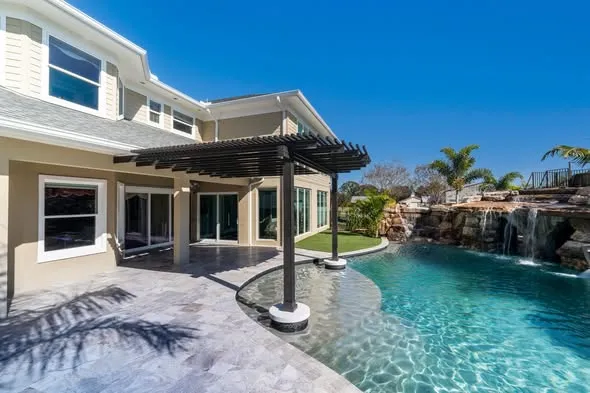
Travertine is a natural stone that combines beauty with functionality. Its porous nature allows for excellent heat dispersion, making it comfortable to walk on under the intense Florida sun. Additionally, travertine’s textured surface provides significant slip resistance, which is crucial for safety around pools.
Beyond its functional advantages, this material adds elegance to any outdoor space with its varied natural colors and patterns. With proper sealing and maintenance, a travertine pool deck can last for decades, making it a worthwhile investment.
For homeowners considering travertine, partnering with experts like Beyond Backyard Living Creations can ensure a high-quality installation that maximizes the advantages of this exceptional material.
Porcelain Pavers
Porcelain pavers are favored for their durability and low maintenance requirements. Unlike traditional ceramics, porcelain is dense and resistant to moisture, which minimizes issues related to staining and mold—a significant benefit in humid Florida. Porcelain pavers can be made to mimic the look of natural stone or wood, creating an elegant outdoor space that remains practical.
Moreover, the cost-effectiveness of porcelain is appealing, as it offers long-term value through its resistance to chipping and fading. While porcelain can be more expensive upfront than concrete, it often pays off in reduced maintenance efforts over time. This material is a great match for modern aesthetic preferences.
Concrete Pavers
Concrete pavers are a versatile choice for many homeowners. They can be molded into virtually any shape and size, allowing for creative designs that fit specific landscaping needs. Furthermore, advancements in stamp and stain techniques have enhanced their aesthetic appeal, resulting in attractive finishes that can mimic brick or stone.
On the cost spectrum, concrete pavers are generally more budget-friendly, offering an ideal solution for expansive decking without facing prohibitive costs. However, it’s essential to consider that concrete may require sealing to prevent cracking and staining over time.
Beyond Backyard Living Creations can provide insights on the best installation techniques for concrete pavers, ensuring longevity and aesthetic appeal.
When integrating decking materials around different types of pool structures or incorporating cantilever coping, it’s important to note that fiberglass pool installations offer a smooth, durable surface that complements many decking options. For homeowners interested in this option, custom fiberglass pools in Florida provide tailored solutions that blend well with various decking materials, enhancing the overall pool area aesthetic and function.
Which Pool Decking Material Performs Best in Florida’s Climate?
Florida’s climate presents unique challenges, including high humidity and intense sunlight. When evaluating pool decking materials, it’s crucial to consider how each performs under these conditions.
Travertine is highly recommended for its natural ability to remain cool underfoot, minimizing discomfort during hot days. Moreover, its porous structure allows for moisture absorption, which helps reduce slippery surfaces post-rain.
Porcelain pavers also fare well, exhibiting superior resistance to thermal expansion and UV rays, making them a solid choice for long-lasting durability.
Concrete provides versatility, though it tends to absorb heat more than natural stone. While it can be treated to improve heat resistance and traction, measures must be taken to address potential slips.
Each of these materials offers unique advantages and considerations; understanding their specific behaviors in Florida’s climate will help homeowners make informed decisions.
Travertine vs Porcelain vs Concrete Decks
Heat resistance is a pivotal factor for pool decking materials, particularly in Florida’s relentless heat.
- Travertine: Known for excellent heat resistance and a comfortable surface, travertine is ideal for hot environments. Its natural properties ensure that it doesn’t become excessively hot, allowing for safer pool access.
- Porcelain: This material stands out for its heat resistance and composed nature. Porcelain pavers typically reflect sunlight and are less prone to cracking due to thermal expansion, lending them a reputation for longevity.
- Concrete: While economical, standard concrete can heat up considerably in direct sunlight. Options exist to enhance its heat resistance, including treatments and light-colored finishes that can help mitigate heat absorption.
Homeowners should consider these attributes when selecting the right decking material for their outdoor living spaces.
How Does Each Material Handle Slip Resistance and Safety Around Pools?
Safety around the pool is of utmost importance, particularly regarding slip resistance.
- Travertine: With its textured surface, travertine provides superb slip resistance, helping to prevent accidents. Its natural finish is particularly effective when wet, making it a standout option for pool areas.
- Porcelain: Modern porcelain tiles often feature anti-slip textures designed specifically for outdoor use. This provides an additional layer of safety while maintaining aesthetic value.
- Concrete: Though initially smooth, concrete can be treated to enhance grip. The effectiveness of these treatments can vary, requiring homeowners to choose finishes that suit their safety needs best.
Prioritizing materials with good slip resistance is vital for safeguarding family and guests.
What Are the Pros and Cons of Travertine, Porcelain, and Concrete Pool Decks?
Evaluating the advantages and drawbacks of each material will empower homeowners to select the most suitable option based on their specific circumstances.
Travertine
- Pros: Elegant appearanceNatural heat resistanceExcellent slip resistance
- Cons: Requires periodic sealingHigher upfront costs
Porcelain
- Pros: Highly durable and low maintenanceVersatile design optionsGreat resistance to moisture
- Cons: Can be more expensive than concreteRequires professional installation for optimal results
Concrete
- Pros: Cost-effectiveHighly customizableQuick installation
- Cons: Can absorb heatMay require sealing to prevent damage
Understanding these insights allows for a well-rounded decision based on personal preferences and practical needs.
What Makes Travertine Pool Decking a Luxury Choice for Florida Homeowners?
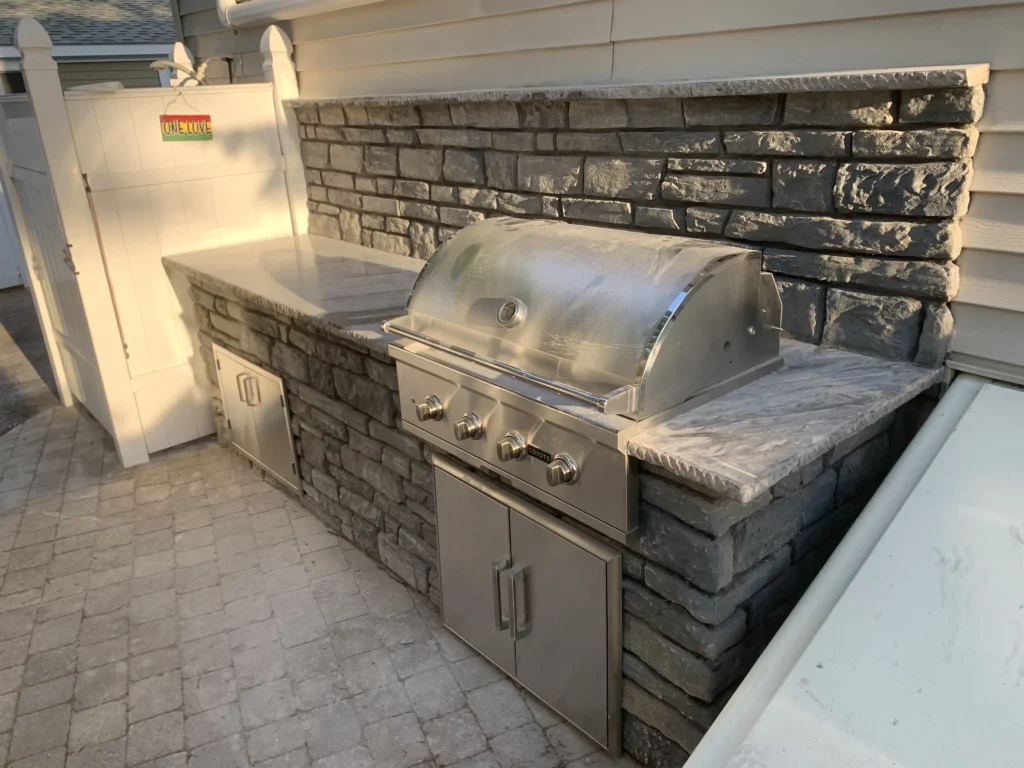
Travertine stands out not only for its functionality but also its luxury appeal. The rich colors and textures offered by travertine create a sophisticated ambiance that enhances outdoor living spaces. Homeowners appreciate that travertine’s aesthetic value contributes to their property’s overall appeal, potentially increasing home resale value.
Additionally, travertine’s long-lasting nature means that homeowners can enjoy its beauty without the need for frequent replacements or extensive repairs, making it a wise investment for those seeking a high-quality pool deck.
Why Choose Porcelain Pool Decking for Modern and Durable Outdoor Spaces?
Porcelain decking marks a trend towards modern, durable outdoor aesthetics. As a non-porous material, porcelain minimizes water absorption, significantly reducing mold buildup—a common concern in humid environments like Florida. Its visual versatility allows homeowners to achieve the desired look without sacrificing performance, making it an attractive choice for contemporary pool designs.
Moreover, the low maintenance requirement for porcelain means homeowners can enjoy their pool area without worrying about extensive upkeep or the need for routine resealing. This contributes to its growing popularity as a premium choice.
How Do Installation Technologies and Engineering Impact Pool Deck Longevity?
Proper installation is paramount to every decking option, influencing not just appearance but also durability and safety.
- For travertine, precise installation ensures that the stones sit level and true, which minimizes shifting and cracking over time.
- Porcelain requires careful alignment to prevent cracking and ensure an even surface for aesthetic appeal. Professional installation is often recommended to avoid common pitfalls.
- Concrete, while forgiving in the creating process, can suffer if not executed expertly. Poorly compacted bases or incorrect spacing can lead to premature failures.
Investing in skilled installation enhances the longevity of any chosen decking material, securing a satisfied outdoor experience for years to come.
What Maintenance, Warranty, and Protection Plans Support High-End Pool Deck Investments?
Maintenance practices are essential for preserving luxury pool decks. Here’s a brief overview:
- Travertine: Needs sealing every few years to protect against stains. Routine washing with gentle cleaners can maintain its appearance.
- Porcelain: Minimal upkeep, but periodic cleaning with non-abrasive products ensures longevity, preserving its original sheen.
- Concrete: Requires sealing to prevent cracks and stains. Regular maintenance includes cleaning to remove debris and dirt.
Many homeowners benefit from warranties and protection plans. These can cover wear and tear, ensuring that any issues are addressed quickly and adequately, thus safeguarding your investment.
How Does the Lifetime Settlement Warranty Protect Florida Pool Deck Homeowners?
A lifetime settlement warranty can provide peace of mind for homeowners investing in quality decking materials. This warranty typically covers structural integrity, ensuring that if any significant issues arise, they will be rectified at no additional cost. This type of assurance is particularly valuable in Florida, where environmental factors may impact the longevity of pool decking.
Homeowners should inquire about specific coverage terms to fully understand the protection offered, ensuring they can enjoy their outdoor spaces worry-free.
What Are the Benefits of Annual Protection Plans for Pool Deck Longevity?
Annual protection plans play a critical role in maintaining high-end pool decks. Key benefits include:
- Cost Savings: Early identification of potential issues can prevent expensive repairs over time.
- Enhanced Property Value: Well-maintained properties often command better market prices, as curb appeal and functionality are preserved.
- Continuous Support: Regular evaluations and treatments can ensure that the decking material remains in top condition, providing a safe and appealing environment for family and friends.
These plans are a proactive measure, ensuring that your investment continues to provide value for many years. Utilizing an annual protection plan helps maintain these surfaces effortlessly.