A tired waterline tile, a cracked deck, and equipment that works harder every season are not just maintenance concerns. They are signs that your backyard may be ready for a more complete vision. This pool renovation planning guide helps you move beyond isolated repairs and shape a setting that feels intentional, beautiful, and ready for the way you host, relax, and live at home.
A pool renovation can be as focused as resurfacing and replacing coping, or as transformative as rebuilding the entire pool environment with a spa, outdoor kitchen, pavilion, fire feature, and layered landscape. The difference comes down to clear priorities established before construction begins.
Begin With the Experience You Want to Create
The best renovation decisions start with a question more meaningful than, “What needs to be replaced?” Ask how you want the backyard to feel on an ordinary Tuesday evening and on the weekend when friends and family are over.
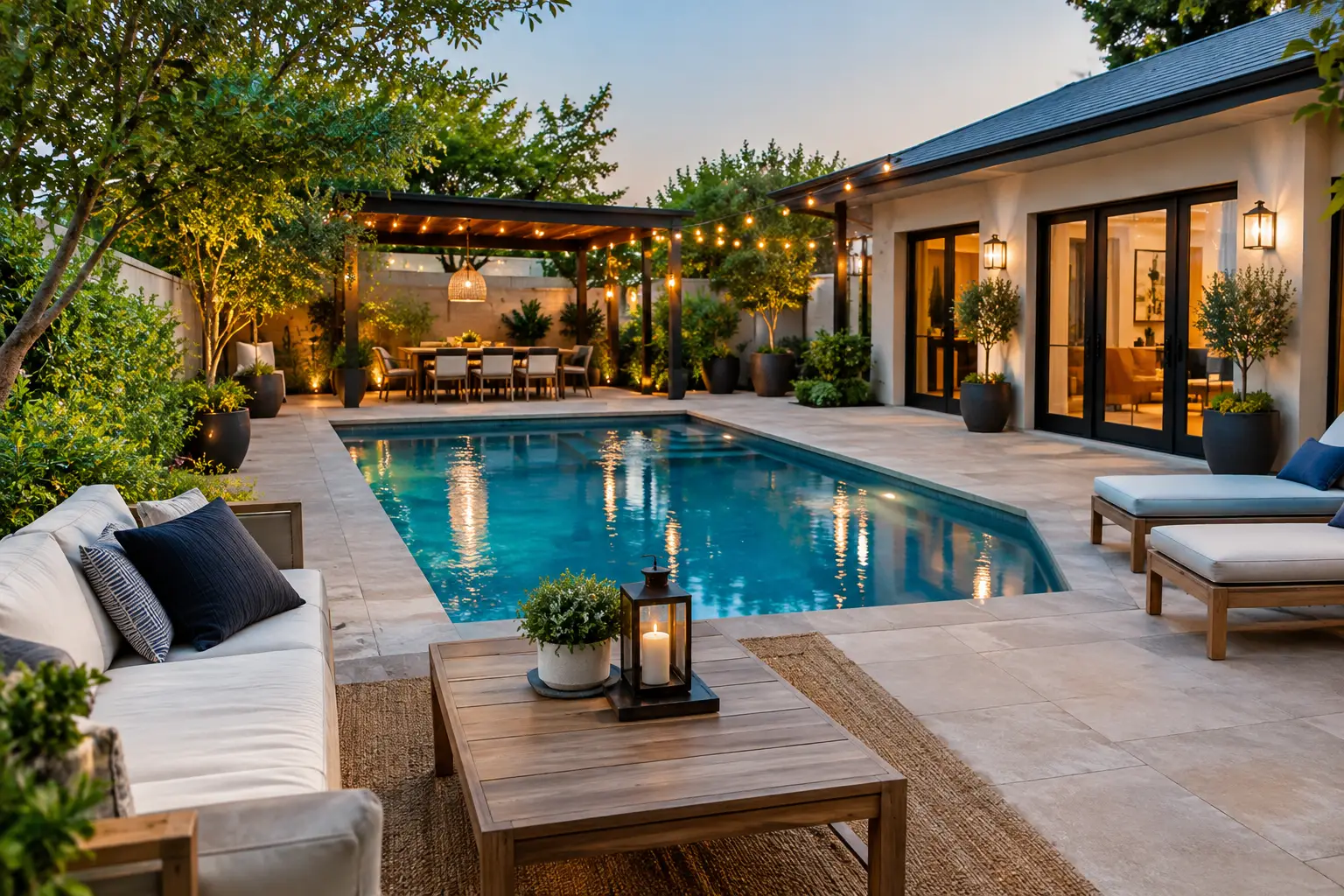
Perhaps you want a quieter retreat with a raised spa, gentle water feature, and generous shade. Maybe the goal is a polished entertainment space where guests can move easily from pool to kitchen to fire pit. For families, shallow lounging areas, durable surfaces, open sightlines, and room for games may matter most. A successful design makes these moments feel natural rather than forcing every activity into the same crowded corner of the yard.
Look beyond the pool shell. Its shape, placement, and finishes set the tone, but the surrounding hardscape, architecture, lighting, planting, and amenities determine whether the space functions as one cohesive destination. This is where a renovation becomes an outdoor transformation.
Assess What Can Stay and What Should Change
Before choosing finishes, have the existing pool and surrounding site evaluated carefully. Surface wear may be cosmetic, while persistent leaks, settling deck areas, outdated plumbing, or inefficient equipment can signal deeper work ahead. A thoughtful assessment helps prevent the frustration of installing beautiful new tile only to uncover a larger issue later.
Consider the pool structure, interior finish, coping, waterline tile, decking, drainage, equipment pad, lighting, and safety features together. If the deck has become slippery, too hot in direct sun, or disconnected from the home, replacing it may deliver more day-to-day value than a pool-only update. If the circulation system is aging, upgraded pumps, filtration, automation, and heating can improve comfort while simplifying ownership.
Some existing features may deserve to remain. Mature trees, a well-positioned patio, or a pool shape that already suits the property can provide a strong foundation. Renovation is not automatically demolition. The right approach preserves what serves the new vision and changes what limits it.
Think Through the Sunbelt Climate
In warm climates, a pool is often used for far more months of the year, which makes shade, surface temperature, drainage, and equipment performance especially consequential. Large expanses of dark decking may look dramatic but become uncomfortable under intense summer sun. Light-reflective materials can feel cooler, although they may show dirt more readily. Natural stone creates a refined look, but each material has its own maintenance and heat considerations.
Plan for shade where people gather, not only where it looks balanced on a drawing. A pergola, pavilion, covered patio, or strategically placed umbrellas can make a major difference in how long guests comfortably stay outside. Drainage also deserves early attention. Water should move away from the home and gathering areas without disrupting the clean lines of the design.
Set a Budget Around Priorities, Not Just Products
A renovation budget is more useful when it reflects the experience you are trying to create. Start by separating must-have improvements from features that would be wonderful if the budget allows. Structural repairs, safety upgrades, and equipment needs should be addressed first. Then assign investment to the elements that most shape your lifestyle, whether that is a spa, a larger patio, an outdoor kitchen, or a dramatic fire-and-water feature.
It also helps to reserve room for conditions that are not visible until work begins. Older pools can reveal plumbing issues, unstable base material, or code-related updates once decking and finishes are removed. A realistic contingency protects the integrity of the project and gives you better choices if an unexpected condition appears.
Avoid evaluating options only by their initial price. A lower-cost finish or fixture may be the right decision in some cases, but a premium material can make sense when it supports longevity, comfort, and the character of the home. The goal is not to add every available feature. It is to invest in the details that make the entire environment feel considered.
Create One Cohesive Design Plan
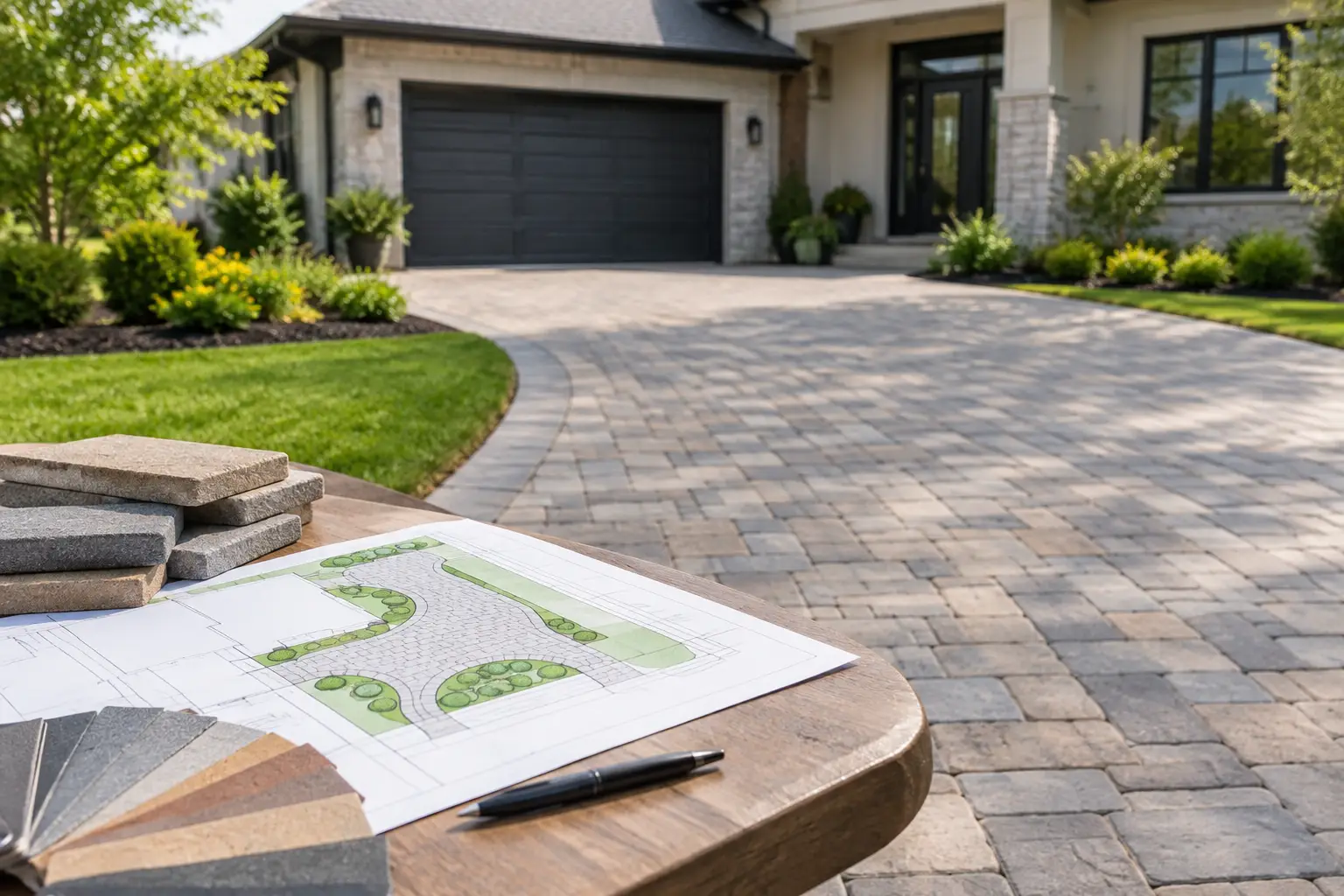
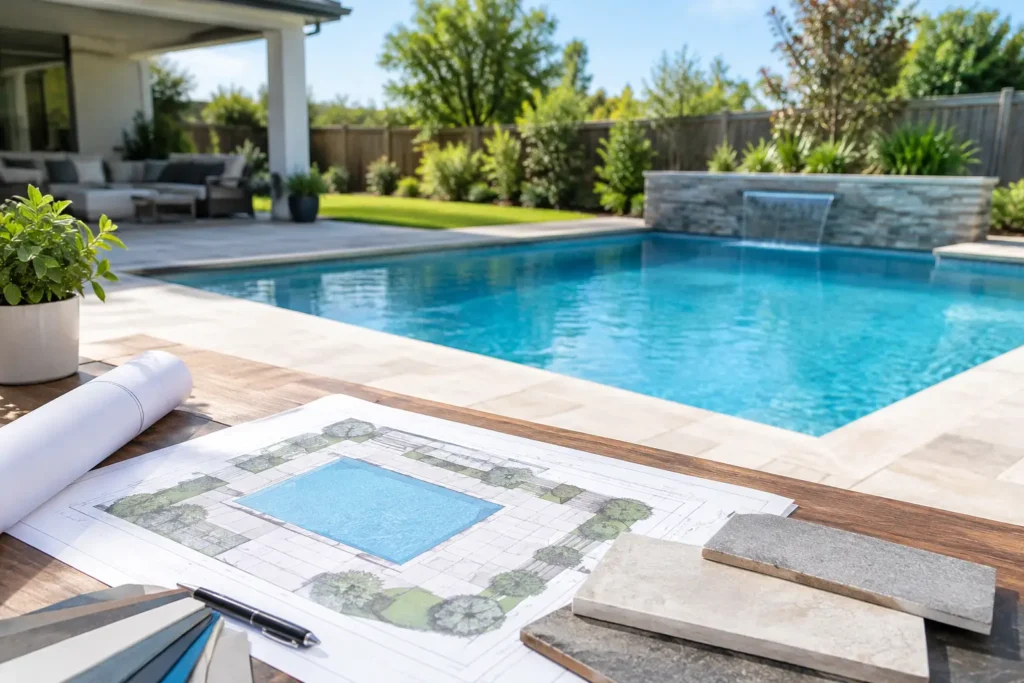
A pool should not feel like a separate installation dropped into the backyard. During planning, consider how the pool relates to the home, property lines, existing views, grade changes, and the routes people take through the space. These relationships influence everything from deck dimensions to where a grill belongs.
A good design plan creates distinct zones without making the backyard feel chopped up. The swimming area needs clear circulation and enough deck space for loungers. Dining benefits from proximity to food preparation and shade. A fire feature often works best where it can be enjoyed after a swim without blocking traffic. Landscape beds can soften hardscape edges, create privacy, and frame focal points without overwhelming the architecture.
Choose Features That Earn Their Place
Luxury is not a matter of adding more. It is the feeling of having exactly what the space and the people using it need. A tanning ledge is an excellent choice for homeowners who enjoy lounging in the water or have small children playing nearby. It may be less valuable if every square foot of swim area is already needed for active use.
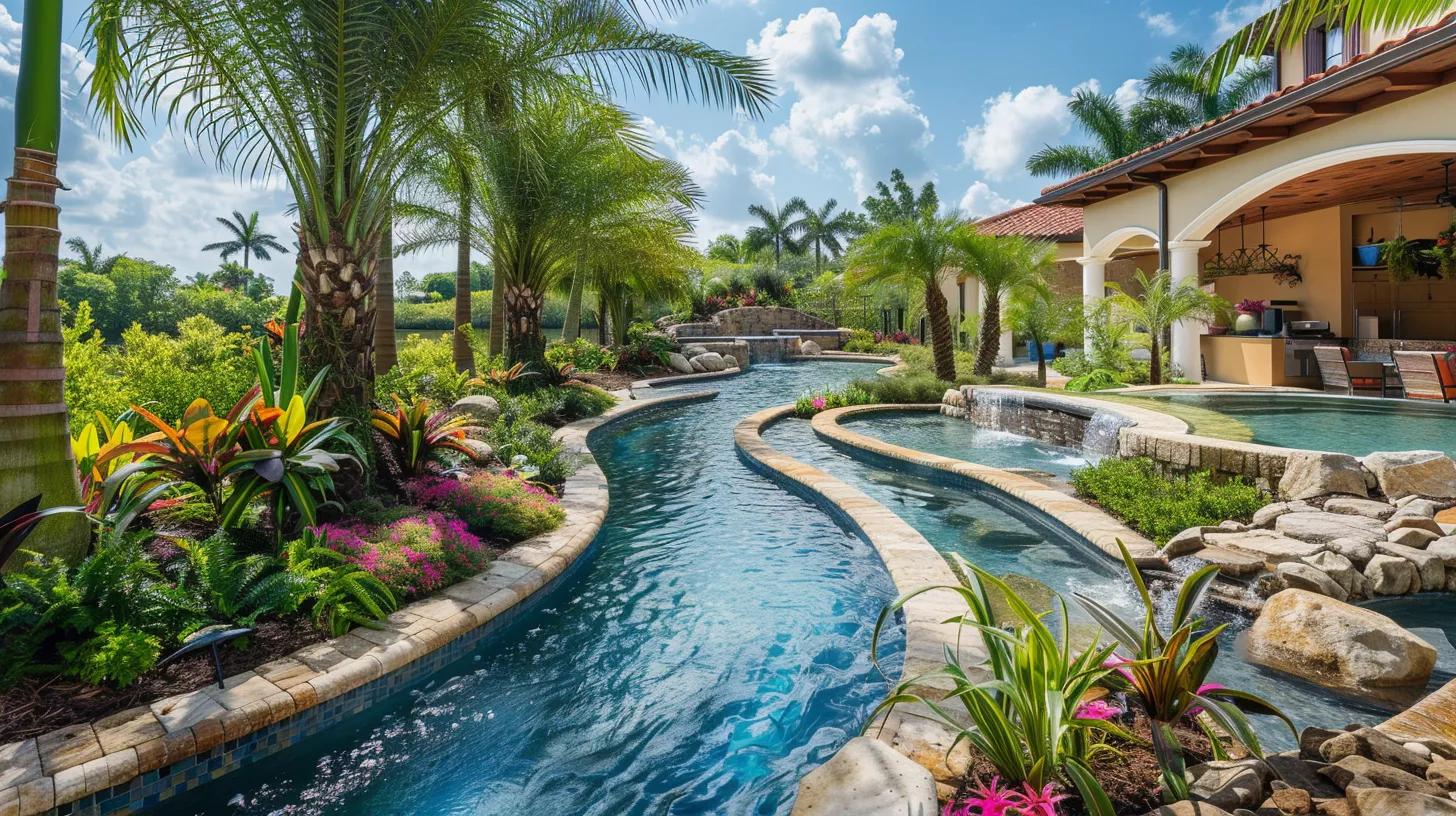
Likewise, a raised spa can extend the season and create a striking visual focal point, while a waterfall may bring welcome movement and sound to a quiet garden setting. An outdoor kitchen is most useful when it includes enough prep space, storage, and seating to keep the cook connected to guests. Select features because they support the life you want outdoors, not because they appeared in a trend photo.
Plan the Construction Sequence Early
A beautiful concept still needs a practical construction plan. Renovation timelines vary based on the scope of demolition, permitting, material availability, inspections, weather, and the complexity of custom features. If your goal is to host a milestone event or enjoy the finished space by a particular season, begin design conversations well ahead of that date.
The sequence matters. Pool repairs and equipment changes may need to occur before new decking is installed. Drainage, utilities, gas lines, and electrical work should be coordinated before finished surfaces go in. If a kitchen, fireplace, pergola, or landscape lighting is part of the plan, those systems should be designed with the pool work rather than treated as add-ons afterward.
A full-service design-build approach reduces the handoffs that can fragment a project. Instead of managing separate pool, hardscape, landscape, and outdoor living contractors, homeowners can make decisions within one unified plan. That alignment helps protect the design intent from the first concept through the finishing details.
Do Not Overlook Safety, Privacy, and Everyday Care
Safety requirements vary by location, but they should be treated as an essential design element rather than an afterthought. Fencing, gates, alarms, handrails, steps, slip resistance, and lighting all deserve consideration early in the process. Thoughtful planning can meet practical needs without compromising the elevated appearance of the backyard.
Privacy is equally personal. Some homeowners want dense screening from nearby windows, while others want to preserve an open view. Layered plantings, decorative walls, architectural screens, and strategically placed structures can create enclosure without making the yard feel boxed in.
Finally, plan for how the space will be maintained. Choose finishes that match your willingness to clean and care for them. Build enough access around equipment. Make storage available for towels, pool toys, cushions, and outdoor cookware. The most polished backyard is one that remains easy to enjoy after the first season of excitement has passed.
Bring the Vision Into Focus
The strongest pool renovations do more than refresh aging materials. They reshape how a home is experienced, creating a place where early-morning quiet, family afternoons, and memorable evenings can all happen with ease. Bring inspiration, honest priorities, and a clear sense of how you want to gather to the planning process. From there, every material, feature, and finishing touch has a purpose: designing a backyard that feels like your favorite place to be.