By Terrance Schabilion, Beyond Backyard Living – Custom Pool Builder Spring Hill FL
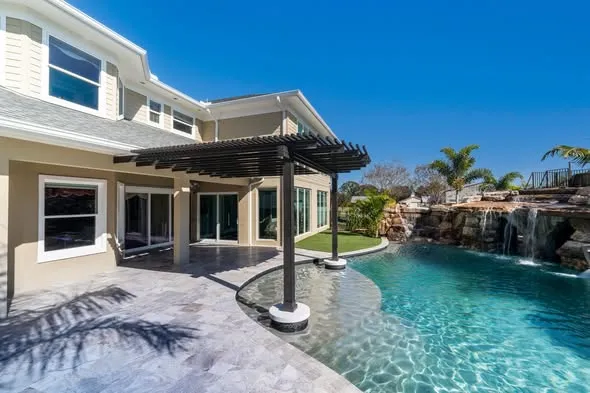
Building a pergola in Florida requires careful consideration of the local building codes, particularly regarding footings and anchoring due to the state’s susceptibility to hurricanes and strong winds. Understanding the Florida Building Code is crucial for ensuring that your outdoor structure is compliant and structurally sound. This article explores essential aspects of pergola footings, anchoring methods, and the recommended practices for maintaining stability in various soil conditions. Additionally, we will delve into the appropriate bracket systems designed to withstand Florida’s challenging weather conditions and the overall custom pergola construction process in the region.
Florida Building Codes for Pergola Footings
The Florida Building Code sets specific requirements for pergola footings and anchoring to ensure safety and durability. These regulations require builders to consider various factors such as wind load ratings, material specifications, and local compliance issues. Proper attention to these guidelines is essential for the structural integrity of the pergola, especially in areas prone to severe weather conditions.
Which wind load zones influence pergola design in Florida?
Wind load zones are determined by the geographic location within Florida, with specific design requirements varying according to the expected wind speeds in each area. For example, coastal regions typically encounter higher wind loads due to hurricane activity. Understanding these zones helps in selecting appropriate materials and designs tailored to withstand local wind conditions, thus enhancing the longevity and safety of the structure.
How deep should pergola posts be embedded to meet Florida regulations?
The depth of pergola posts must meet specific regulatory standards outlined in the Florida Building Code to ensure stability and resistance to wind forces. Generally, posts should be anchored at a depth of at least 24 to 36 inches, depending on soil types and local conditions. This depth helps prevent movement during high winds and provides a solid foundation for the structure, particularly in sandy or loose soils commonly found in many parts of Florida.
What Post Embedment Techniques and Soil Considerations Are Key for Florida Pergolas?
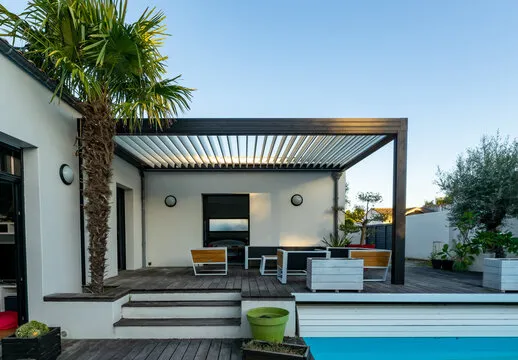
Various embedding techniques are crucial for ensuring that pergolas are stable and secure. Florida’s unique soil types present specific challenges and considerations for post installation, making it essential to choose the appropriate method for embedding posts and ensuring long-term stability.
How do Florida soil types affect pergola footing depth and stability?
Florida’s soil types, including sandy and clay soils, significantly influence the depth and method of footings for pergolas. Sandy soil tends to require deeper footings compared to clay soil due to its lower load-bearing capacity. This variability necessitates careful analysis of the soil to determine the correct depth and reinforcing techniques to use, which can significantly enhance the stability of the pergola structure over time, especially when utilizing an advanced foundation system.
What are engineered post anchor solutions suitable for coastal conditions?
Engineered post anchors are crucial for providing stability in coastal areas subject to high winds and flooding. These anchors are designed to penetrate deep into the ground and resist lateral movement, ensuring that the posts remain firmly in place during storms. Additionally, selecting high-quality materials resistant to corrosion is essential for the durability of post anchors in Florida’s humid coastal environment.
Which Hurricane Resistant Pergola Bracket Systems Are Recommended for Florida Homes?
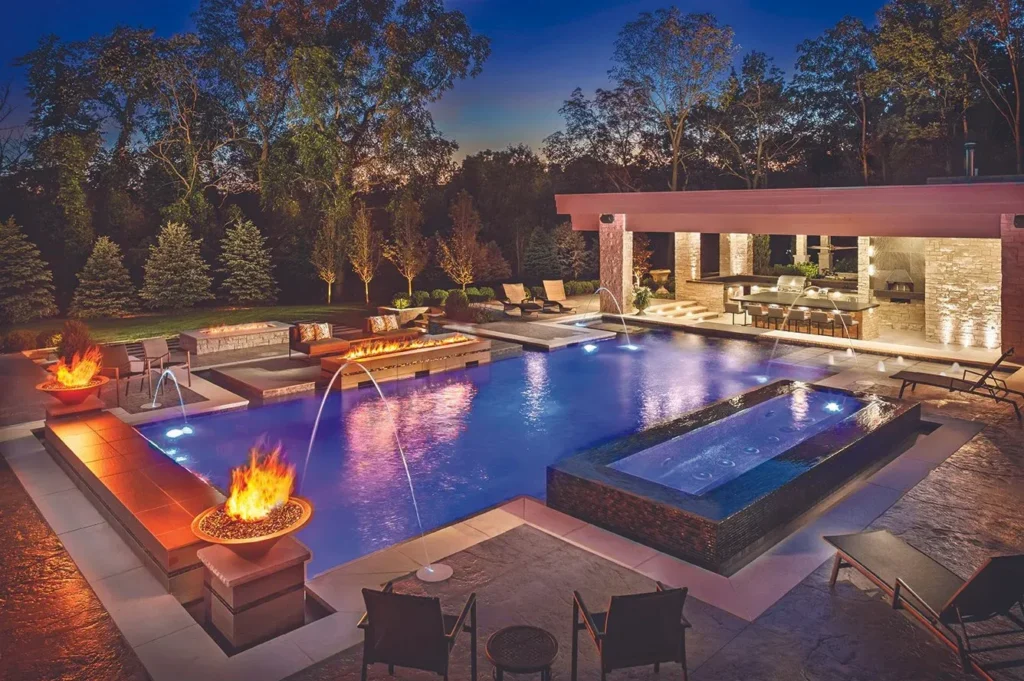
Hurricane-resistant bracket systems are vital for ensuring that pergolas are securely anchored against the forces of high winds. Choosing the right hardware can significantly affect the performance and safety of the structure in adverse weather conditions.
What features define hurricane-rated pergola hardware for Tampa Bay wind zones?
Hurricane-rated pergola hardware often includes features such as reinforced materials, corrosion-resistant coatings, and specific design elements that enhance strength and durability. These components are tested and rated according to wind load specifications to provide the necessary assurance that the hardware can withstand the unique challenges presented by Tampa Bay wind zones.
How to properly install anchored brackets on concrete paver patios?
Proper installation of anchored brackets involves first marking precise locations to ensure correct alignment and strength. The process typically includes drilling holes into the concrete pavers, utilizing the appropriate anchors, and securing the brackets firmly to the structure. Attention to detail in this process is crucial to achieve the stability and safety required in a hurricane-prone area like Florida.
What Does the Turnkey Custom Pergola Design and Build Process Include in Florida?
A turnkey custom pergola design should cover every detail, from the initial planning stage through to the final installation. This comprehensive approach ensures that all elements meet local building codes and deliver a high-quality finished product tailored to the homeowner’s vision.
How does 3D design and engineering ensure code compliance and wind resistance?
Using 3D design technology enables builders to visualize the pergola’s structural integrity and compliance with building codes before construction begins. This engineering process facilitates necessary adaptations to meet wind resistance requirements, ensuring that every post, bracket, and structural component works in unison to withstand Florida’s weather challenges.
What long-term protection plans support pergola durability under Florida conditions?
To ensure the longevity of a pergola in Florida’s climate, implementing effective protection plans is essential. These plans may include using high-quality, weather-resistant materials, regular maintenance inspections, and protective treatments for wood and metal components. By routinely caring for the structure and utilizing an ongoing maintenance program, homeowners can greatly extend its lifespan and maintain its aesthetic appeal in the face of Florida’s environmental factors.