By Beyond Backyard Living Editorial Team · Updated 2026-08-21
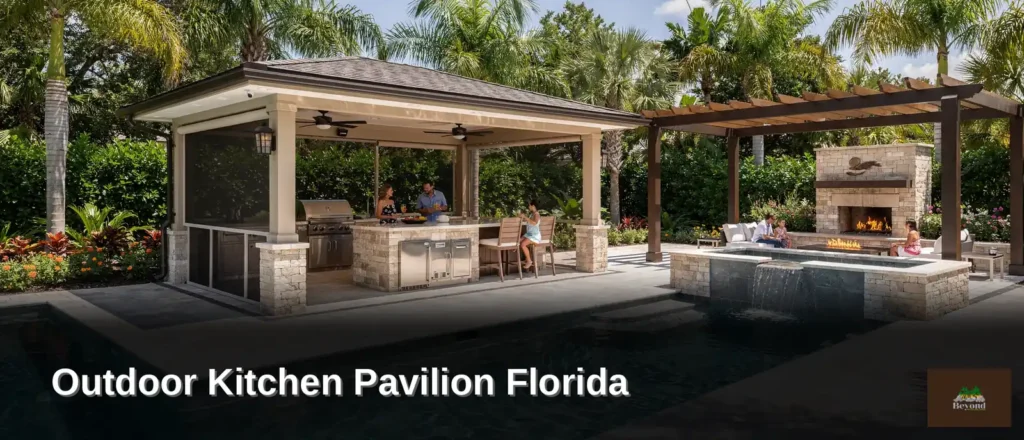
Florida’s humid climate subjects outdoor kitchen pavilions to relentless moisture, UV exposure, and salt air, corroding low-grade metals and warping cabinetry. Marine-grade stainless steel, HDPE, and Dekton surfaces resist these forces. Beyond Backyard Living, serving Tampa Bay and Central Florida, designs pavilions using climate-appropriate materials through free consultation and 3D preview before construction begins.
What Makes Florida's Climate So Hard on Kitchens?
Florida’s tropical climate punishes outdoor kitchens in ways drier states never encounter. A pavilion designed specifically for Florida’s conditions ensures durability and performance. Six forces converge on every outdoor kitchen pavilion florida homeowners install: relentless heat, saturating humidity, intense UV exposure, sudden downpours, salt-laden coastal air, and persistent insect pressure. Each one attacks a different part of the structure, which means design cannot treat them as a single problem.
These florida outdoor kitchen challenges demand attention long before construction begins. Cabinetry warps. Metal corrodes. Grout weakens under standing moisture. A kitchen that looks flawless on installation day can show visible wear within a single humid summer if the design phase skips these considerations.
Why do outdoor kitchens fail faster in Florida than other states?
Sun, humidity, and salt air work together, not separately, and that combination erodes standard building materials at an accelerated pace. Warped cabinets, corroded hardware, and cracked surfaces are common outcomes when a design was never engineered for coastal, tropical conditions.
What environmental factors should a Florida pavilion design account for?
- Intense, near-constant sun exposure
- Heavy humidity and moisture retention
- Sudden, heavy rainfall
- Salt air along coastal counties
- Insect activity year-round
- Elevated heat load during peak season
Beyond Backyard Living designs every pavilion in Florida to withstand this exact combination, not a generic version of it.
Which Materials Actually Withstand Florida Humidity?
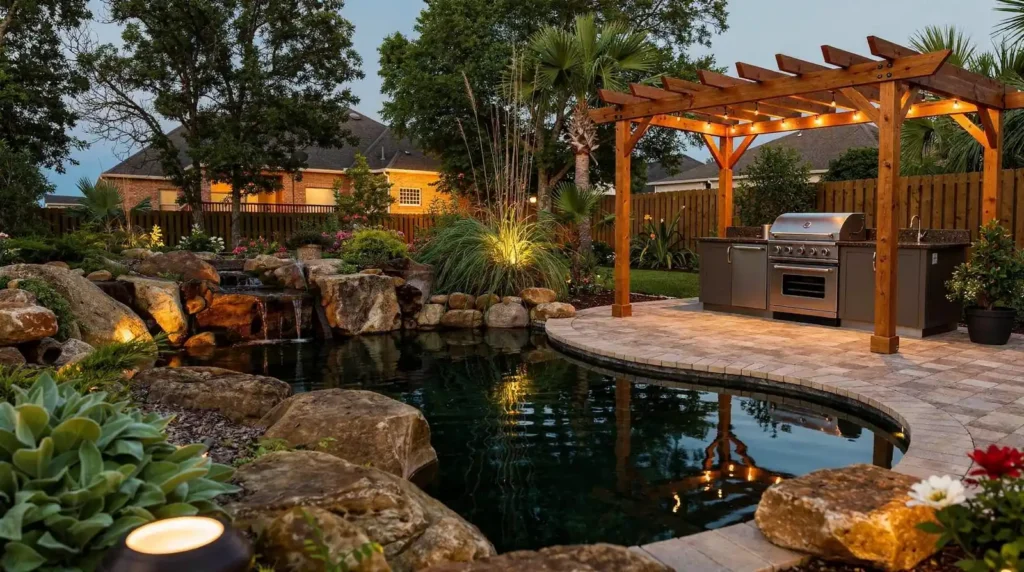
Marine-grade stainless steel, high-density polymer, and ultra-compact surfaces such as Dekton withstand humid climate outdoor kitchen materials demands better than standard residential-grade products. Salt-laden air near the coast, relentless UV exposure, and near-constant moisture attack lesser cabinetry within a few seasons. These three material categories form the foundation of genuine weatherproof outdoor kitchen design, resisting corrosion, warping, and fading long after ordinary components fail.
Florida outdoor kitchen challenges extend beyond material selection alone. Intense sun bakes exposed surfaces, while unexpected afternoon showers test seals, drainage, and structural integrity. Central Florida homeowners planning an outdoor kitchen pavilion florida project should treat sun and rain resistance as one connected design problem, not two separate concerns.
Which Countertop and Cabinetry Materials Perform Best?
Marine-grade stainless steel resists pitting and rust, even with salt exposure common near Tampa Bay and the Gulf coast. High-density polymer, often called HDPE, shrugs off moisture without swelling or rotting. Dekton and similar ultra-compact surfaces resist scratching, staining, and UV fading, making them well suited to countertops left exposed year-round.
Does Pavilion Design Affect Material Lifespan?
Thoughtful outdoor pavilion ventilation florida design slows material degradation by moving humid air away from cabinetry and appliances. Trapped moisture accelerates corrosion even on premium surfaces. Beyond Backyard Living, based in Spring Hill, FL, brings this material expertise to outdoor kitchen and pavilion projects throughout Tampa Bay and Central Florida, pairing airflow-conscious layouts with materials engineered for the region’s demanding climate.
How Should a Florida Pavilion Be Placed and Planned?
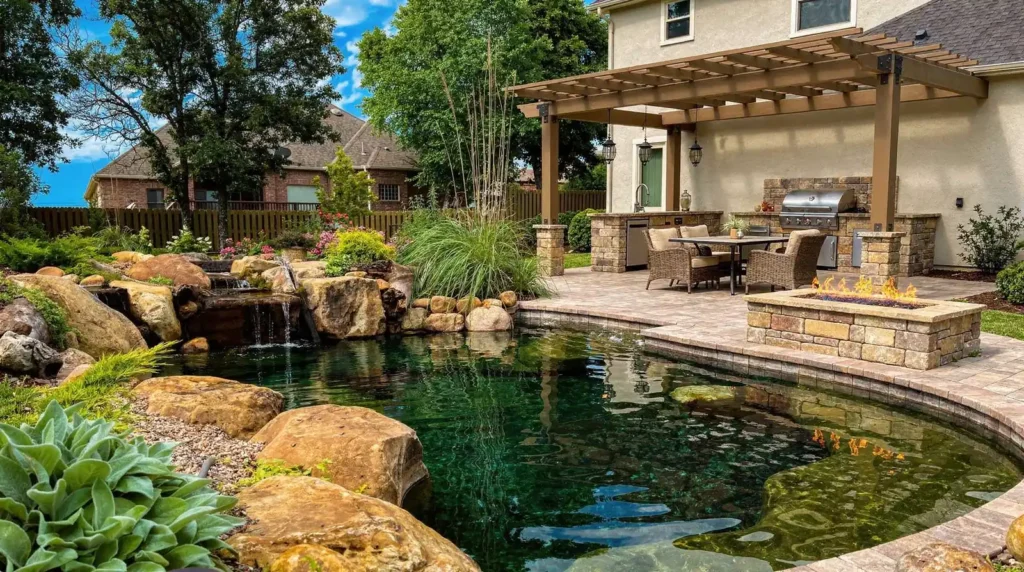
Placement determines whether a outdoor kitchen pavilion florida design earns daily use or sits neglected. Positioning the structure adjacent to the indoor kitchen ranks as the most practical layout. Ingredients and supplies travel directly between spaces without a trek across the lawn. A well-planned pavilion also anchors entertaining, turning a backyard into a genuine gathering hub while adding measurable value to the property.
Florida homes benefit from this layout more than most. Year-round warmth and a deep-rooted outdoor entertaining culture mean the space functions as a daily extension of the home, not an occasional indulgence.
What Florida-Specific Factors Complicate Pavilion Planning?
Sun exposure, rainfall, humidity, and salt-laden air rank among the toughest florida outdoor kitchen challenges facing homeowners. Addressing these conditions during design, rather than after construction, keeps the finished pavilion durable and pleasant for years.
Successful planning typically accounts for:
- Orientation that limits direct afternoon sun on cooking surfaces
- Roof pitch and overhang sized for heavy seasonal rainfall
- Selection of humid climate outdoor kitchen materials that resist corrosion
- Outdoor pavilion ventilation florida strategies that prevent heat and smoke buildup
- A weatherproof outdoor kitchen design approach applied to cabinetry, seating, and structural elements. Proper ventilation and weatherproofing are essential components when designing custom outdoor kitchens in Spring Hill FL beneath covered pavilions.
Beyond Backyard Living’s design team supports this planning process for clients throughout Tampa Bay. Central Florida, translating climate demands into a pavilion built for lasting use.
Outdoor Kitchen Pavilion Humidity & Climate FAQs
Why do outdoor kitchens fail faster in Florida than other states?
Sun, humidity, and salt air work together to erode standard building materials at an accelerated pace, leaving warped cabinets, corroded hardware, and cracked surfaces on designs never engineered for coastal, tropical conditions.
Intense sun exposure, heavy humidity, sudden rainfall, salt air, year-round insect activity, and elevated heat load all converge on outdoor kitchen pavilions, requiring designs that address each force rather than treating them as one problem.
Which materials actually withstand Florida's humid climate?
Marine-grade stainless steel resists pitting and rust, HDPE resists swelling and rotting from moisture, and Dekton resists scratching, staining, and UV fading, making these three the foundation of weatherproof outdoor kitchen design.
Why Choose Us
The formidable challenges presented by Florida’s humid climate demand nothing less than meticulous planning, superior material selection, and the discerning guidance of artisans who understand the region’s exacting environmental demands. Those who invest in outdoor kitchen pavilions crafted with authentic craftsmanship and designed with climate-conscious precision discover that their outdoor sanctuaries endure as elegant, functional retreats for decades to come, transforming the very obstacles of nature into opportunities for refined living.