If you are planning a custom pool, one of the first questions that comes up is how long does pool installation take once the vision becomes real. The honest answer is this: a well-designed pool project can move quickly, but truly beautiful outdoor spaces are built in phases, and each phase matters.
For homeowners investing in a resort-style backyard, the timeline is about more than digging a hole and filling it with water. It is about design, engineering, site preparation, craftsmanship, inspections, finishes, and the details that make the space feel polished instead of pieced together. That is why most pool installations take anywhere from 8 to 16 weeks for construction, while the full process from consultation to swim-ready completion can stretch longer depending on design complexity, permitting, weather, and the scope of the surrounding outdoor environment.
How long does pool installation from start to finish?
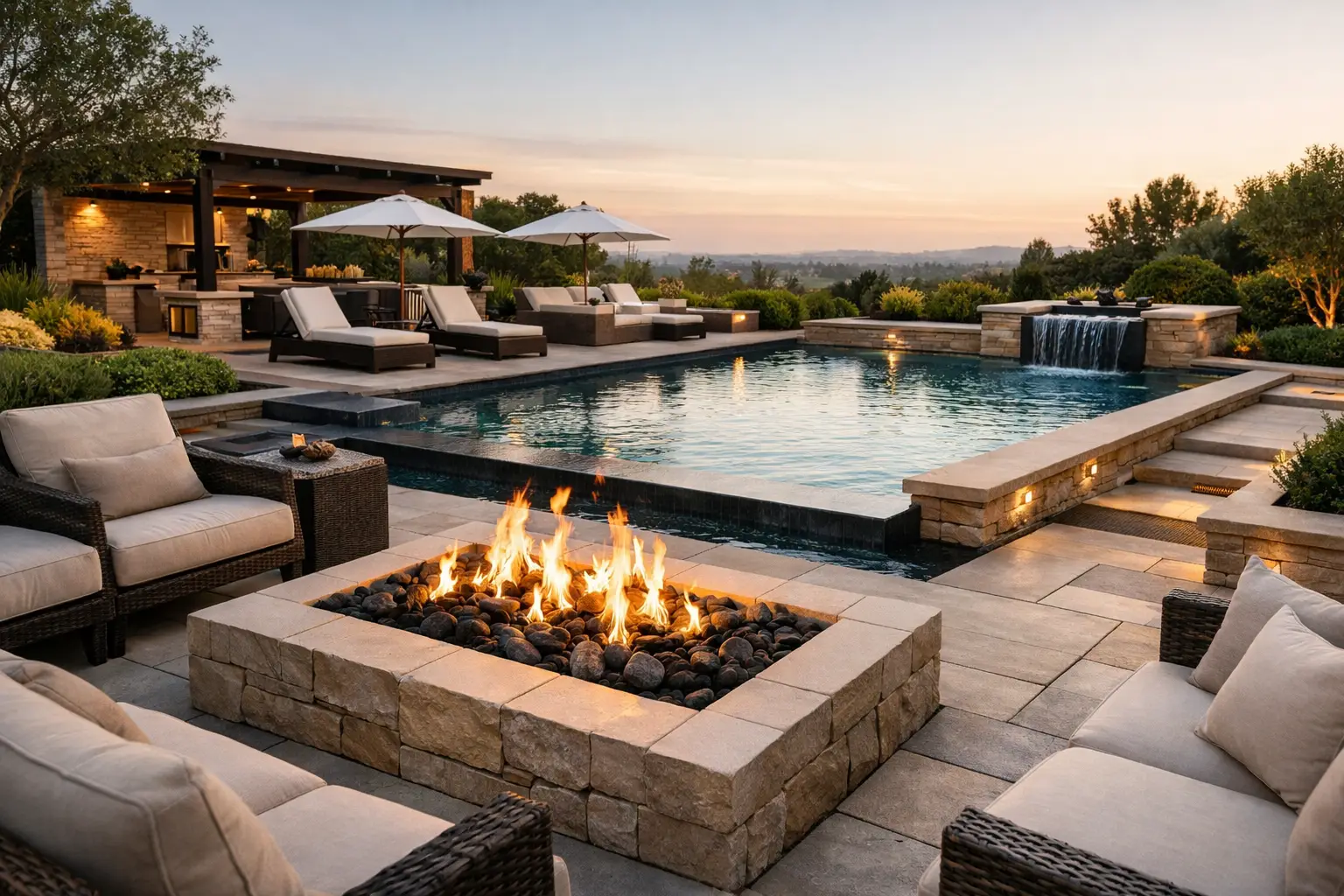
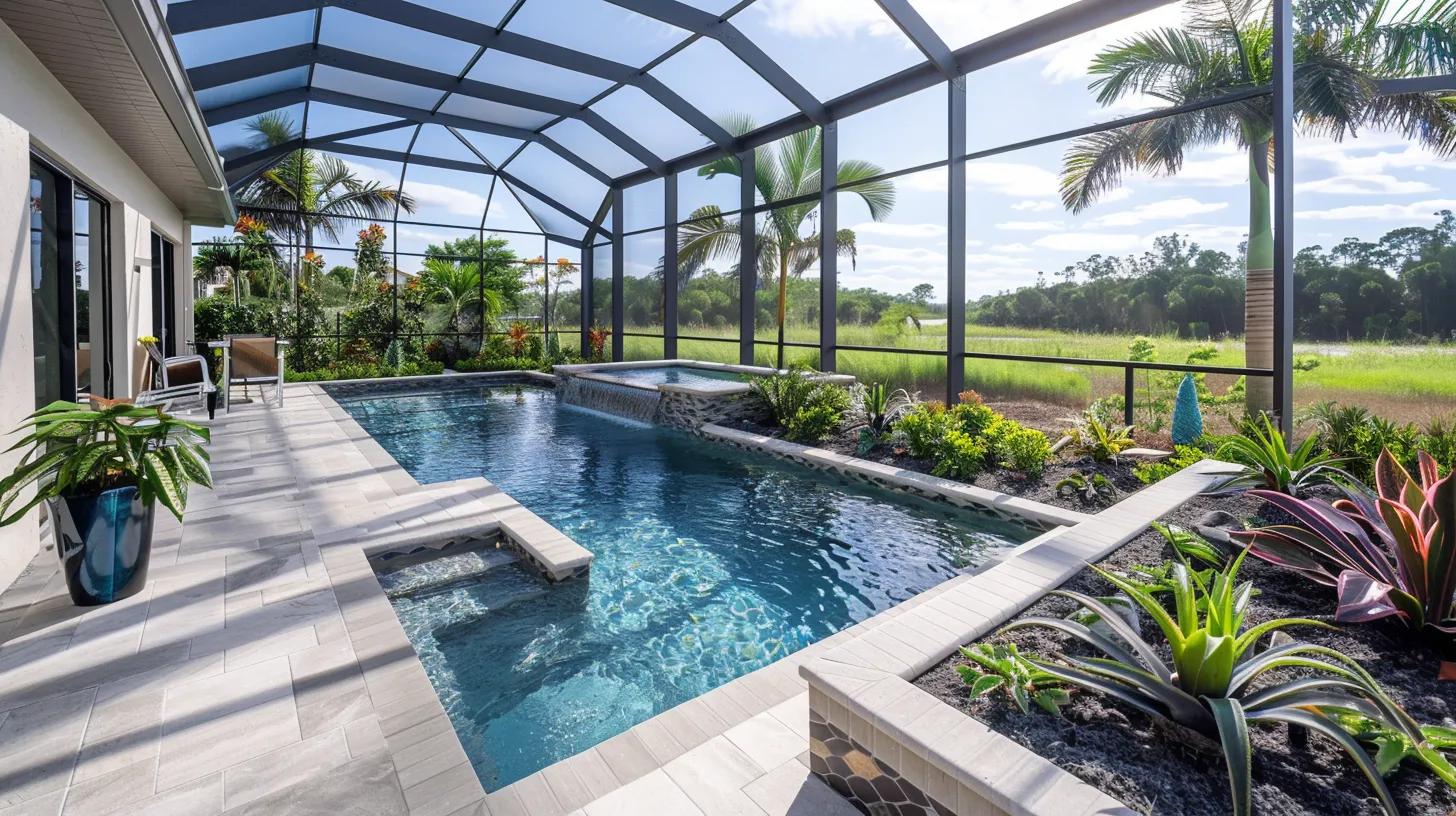
A straightforward pool in an accessible yard may be completed faster. A custom pool with a spa, tanning ledge, water features, outdoor kitchen, retaining walls, or elevated hardscape usually takes longer. In luxury residential construction, that is not a problem. It is often the path to a better result.
The full timeline usually breaks into two larger stages: pre-construction and construction. Pre-construction includes design, budgeting, revisions, engineering, and permits. Construction begins with layout and excavation and ends when the pool, decking, equipment, drainage, and finish details are complete.
For many homeowners, pre-construction can take 3 to 8 weeks or more. Construction itself often runs 8 to 16 weeks. When the pool is part of a complete backyard transformation, the total project may extend beyond that because multiple trades and features are being coordinated into one cohesive environment.
The phases that shape the pool installation timeline
Design and planning
This is where the experience starts to take shape. If your goal is a simple rectangle with standard finishes, design tends to move faster. If you want a custom geometric layout, integrated spa, fire features, premium coping, special lighting, or a full entertaining zone around the pool, planning naturally takes more time.
That extra time is valuable. It allows the pool to fit the house architecture, the property grade, and the way your family actually lives outdoors. The best projects are not rushed through design. They are thoughtfully composed.
Engineering and permits
Permits are often the least glamorous part of the process, but they can have a major impact on schedule. Local municipalities may require surveys, engineered plans, HOA approval, drainage review, fencing details, or utility clearances before work begins.
Some permits move through quickly. Others take several weeks, especially in busy seasons or jurisdictions with stricter review standards. This is one of the biggest reasons there is no universal answer to how long does pool installation take. A great builder can manage the process well, but they cannot control every timeline at city hall.
Layout and excavation
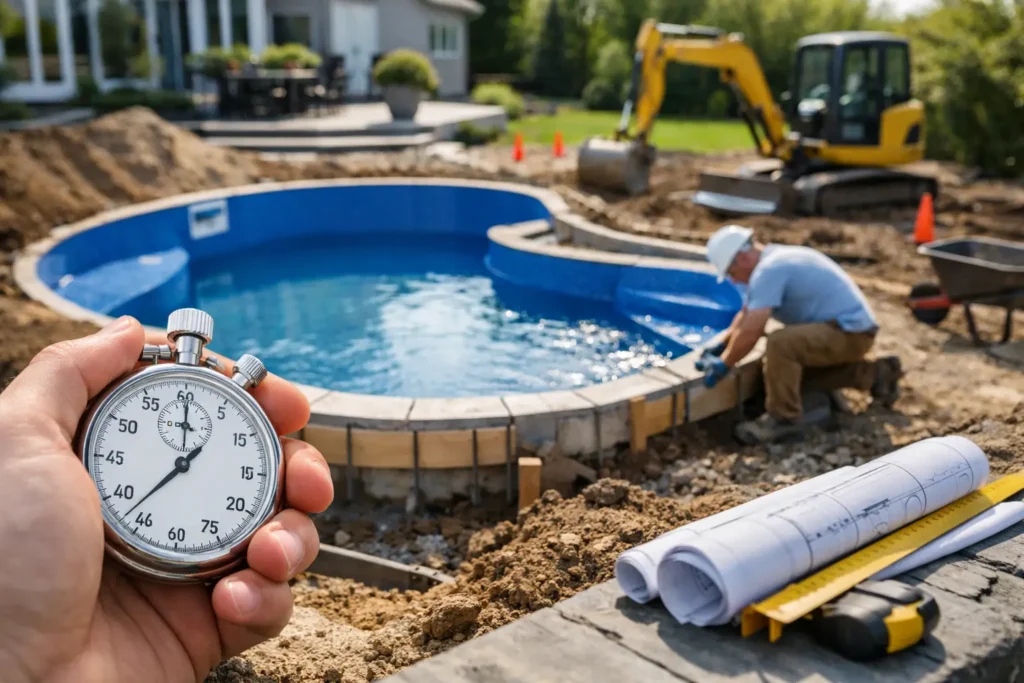
Once approvals are in place, construction becomes visible fast. The pool is laid out on-site, utilities are marked, and excavation begins. Homeowners often expect this to be the longest part, but excavation itself can happen in a matter of days.
What affects this stage is access and soil conditions. A yard with easy equipment access and stable soil is more predictable. Tight gates, steep grades, rock, groundwater, or drainage complications can add time and require specialized solutions.
Steel, plumbing, and electrical
After excavation, the pool shell infrastructure takes shape. Steel reinforcement is installed, followed by plumbing lines, electrical work, bonding, and equipment preparation. This stage sets the foundation for long-term performance, not just appearance.
In a custom project, this is also where added features start influencing the schedule. Spillover spas, deck jets, automation systems, in-floor cleaning, pool heating, lighting scenes, and outdoor audio all require coordination. The more personalized the experience, the more carefully each system needs to be installed.
Gunite or shotcrete application
For concrete pools, the shell is formed with gunite or shotcrete. This is a major milestone because the pool finally looks like a pool. Still, it is not ready for finishes yet.
The shell then needs time to cure. Depending on the method used and the project conditions, curing can add a meaningful pause before the next stage. That waiting period is part of building a durable structure, not wasted time.
Tile, coping, decking, and surrounding features
This is where luxury begins to show. Waterline tile, coping, pavers, travertine, concrete decking, retaining walls, outdoor lighting, planters, and adjacent entertaining areas all come together here.
This stage can move quickly on simpler builds, but it often takes longer on high-end projects because there are more materials, more craftsmanship, and more custom detailing involved. If your pool is part of a broader outdoor living plan, this may also overlap with a pavilion, outdoor kitchen, fireplace, or integrated landscape installation.
That is one reason a design-build approach often creates a smoother experience. Instead of treating the pool as one isolated project and the rest of the backyard as an afterthought, the entire environment is planned as one composition.
Interior finish, fill, startup, and inspections
The final surface, whether plaster, quartz, or pebble, is one of the last major steps. After that, the pool is filled, equipment is tested, water chemistry is balanced, and final inspections are completed.
This stage sounds quick, but timing still matters. Startup procedures need to be handled correctly to protect the finish and ensure the system runs as intended. A beautiful result depends on proper closeout, not just construction speed.
What can slow a pool installation down?
Weather is a major factor, especially during periods of heavy rain. Wet ground can delay excavation, decking, grading, and finish work. Material availability can also shift timelines, particularly if you select premium imported tile, specialty coping, or custom outdoor features with longer lead times.
Changes during construction are another common cause of delay. It is natural for homeowners to refine ideas once the backyard starts taking shape, but changes after work begins usually affect both schedule and cost. That is why detailed design upfront is so valuable.
Site complexity matters too. Sloped yards, poor drainage, difficult access, mature trees, utility conflicts, and retaining requirements all create a more involved build. None of those conditions mean you cannot have an extraordinary pool. They simply mean the process should be approached with skill and realism.
Faster is not always better
There is a difference between efficiency and rushing. Homeowners investing in a premium outdoor environment are usually not looking for the fastest possible installation at any cost. They are looking for confidence, craftsmanship, and a finished space that feels intentional.
A pool that is forced through construction without proper planning can lead to drainage problems, awkward layout decisions, compromised material choices, or a backyard that never quite feels finished. On the other hand, a project managed well from the beginning can keep momentum while still protecting the quality of the final result.
That balance is especially important when the pool is only one part of the dream. If your backyard also includes lounging areas, shade structures, fire elements, landscape lighting, or a complete entertaining zone, the installation timeline should support the whole vision instead of treating each feature separately.
How to keep your pool project moving smoothly
The best way to shorten avoidable delays is to make thoughtful decisions early. Choose your builder carefully, finalize key design elements before construction starts, and be realistic about what custom work requires. Premium projects involve many moving parts, but they do not need to feel chaotic.
Clear communication also matters. Homeowners should know what stage comes next, what decisions are still pending, and which variables may affect the schedule. A polished process creates confidence because you can see the project unfolding with purpose.
If you are building during a busy season, start planning earlier than you think you need to. Many homeowners wait until they want to swim to begin the conversation, but the best timelines usually belong to projects that were designed in advance.
For families creating a complete backyard retreat, that early planning pays off even more. It allows the pool, patio, planting, lighting, and hospitality features to feel connected from day one. That is where a project begins to feel less like construction and more like transformation.
At Beyond Backyard Living, that is the difference we believe homeowners feel long after the final inspection. A custom pool should not simply be installed. It should be beautifully integrated into the way you gather, relax, and enjoy home.
If you are asking how long does pool installation take, the better question may be this: how do you want the finished space to live? Once that answer is clear, the timeline becomes part of building something worth waiting for.