Luxury Pergola Installation in Florida: Essential Insights for Discerning Homeowners Before You Build
By Terrance Schabilion, Beyond Backyard Living
Building a luxury pergola in Florida is an exciting venture that can enhance your outdoor living space while providing shade and style. This comprehensive guide will equip homeowners with essential insights into the design, materials, regulations, and installation processes involved in creating a bespoke pergola. Many homeowners face challenges in selecting the right design and materials that align with Florida’s unique climate and lifestyle. By understanding these factors, you can make informed decisions that lead to a successful installation. This article will cover various design options, material choices, local regulations, installation tips, and considerations for sun exposure and privacy, ensuring you have all the information needed before embarking on your pergola project.
Design Options
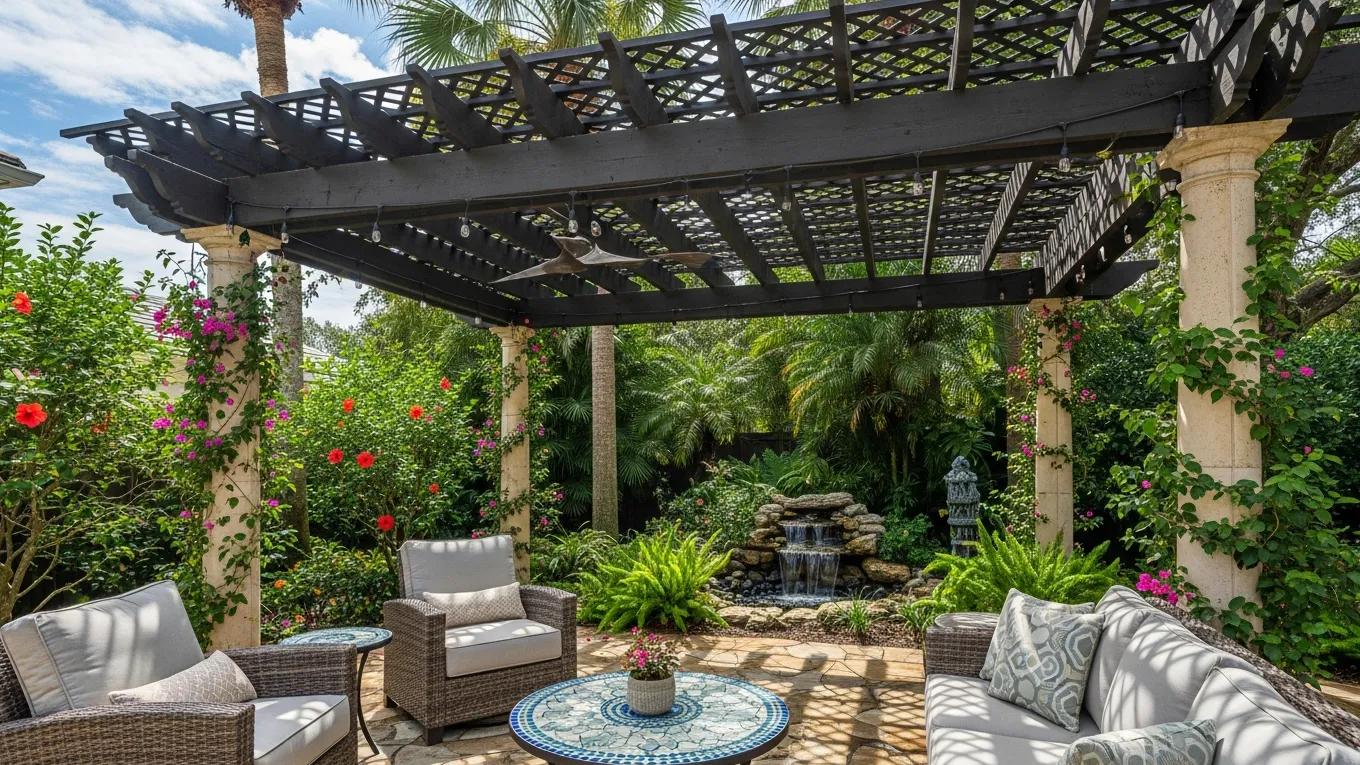
When considering a luxury pergola, the design options are vast and can be tailored to fit your specific needs and aesthetic preferences. A well-designed pergola not only enhances the beauty of your outdoor space but also serves practical purposes. Homeowners should consider the intended use of the pergola, whether for entertaining, relaxation, or as a garden feature. Integrating the design with your home’s architecture is crucial; using similar materials and styles can create a cohesive look that enhances your property’s overall appeal.
Material Choices
Selecting the right materials for your pergola is essential for durability and maintenance. Common materials include wood, aluminum, and vinyl, each offering unique benefits. Wood provides a classic aesthetic but requires regular maintenance to prevent rot and weathering. Aluminum is lightweight and resistant to rust, making it a low-maintenance option. Vinyl, while also low-maintenance, can mimic the look of wood without the upkeep. Homeowners should consider the climate impact on material choice, as Florida’s humidity and storms can affect longevity.
Local Regulations
Before beginning your pergola installation, it is vital to understand local building codes and regulations. Florida has specific guidelines regarding height restrictions, property line considerations, and necessary permits. Homeowners should consult with local authorities to ensure compliance with these regulations, which can vary by county. Understanding these requirements can prevent potential legal issues and ensure a smooth installation process.
Understanding the intricacies of Florida’s building codes is paramount for any luxury construction project, as highlighted by recent discussions on compliance.
Florida Building Codes for Luxury Construction
, and creation of building codes generally and in Florida, of Miami Beach to construct luxury high-rise buildings.’ Unsurprisingly, to ensure building code compliance.Documentation is
Condo collapse creates consumer collapse, 2023
Installation Tips
Effective installation of a luxury pergola requires careful planning and execution. Here are some essential tips to consider:
- Plan for the Full Backyard Environment: Ensure that the pergola complements other outdoor features, such as landscaping and existing structures.
- Incorporate Lighting from the Start: Consider adding lighting fixtures to enhance the ambiance and usability of the space during the evening.
- Ensure Compatibility with Other Outdoor Features: The pergola should harmonize with elements like patios, decks, and gardens to create a unified outdoor experience.
For expert guidance on the installation process, consider scheduling a consultation with professionals who specialize in luxury outdoor structures. Beyond Backyard Living can assist you in navigating the complexities of your project.
Sun Exposure and Comfort
Managing sun exposure is a critical aspect of pergola design. Homeowners should consider various shade options, such as adjustable canopies or climbing plants, to enhance comfort during hot Florida summers. Adjustable features allow for flexibility in controlling sunlight, making the space more enjoyable throughout the day. Additionally, incorporating elements like outdoor fans can further improve comfort levels.
Privacy Considerations
Privacy is another important factor when designing your pergola. Homeowners can enhance privacy by incorporating drapery panels or decorative screens that provide a sense of seclusion without sacrificing style. Balancing privacy with openness is key; consider designs that allow for airflow and visibility while still creating a private retreat.
Cohesive Planning
Cohesive planning is essential for creating a harmonious outdoor space. Engaging in a full-service design-build approach can ensure that your pergola complements the overall outdoor plan. This approach enhances user experience by integrating various elements, such as landscaping and outdoor furniture, into a cohesive design. A well-planned outdoor space not only looks appealing but also functions effectively for your lifestyle.
What Defines Bespoke Pergola Designs for Florida’s Exclusive Residences?
Bespoke pergola designs are characterized by their unique integration with the home’s architecture and the use of high-quality materials. Customization options allow homeowners to tailor their pergola to fit specific needs, whether it’s for aesthetics or functionality. These designs often reflect the homeowner’s personal style while considering the environmental factors unique to Florida.
Such bespoke approaches are particularly vital in tropical regions like Florida, where design must harmoniously integrate with the unique environmental conditions.
Custom Design for Tropical Climates
innovative design solutions that take advantage of the tropical climate The goal of integrating these elements was to try to join found-ways, to produce an outcome that appears custom.
Living in the Tropical Landscape–A Visual Toolkit: Old Models for Future Buildings
How Do Custom Pergola Designs Reflect Florida’s Climate and Lifestyle?
Custom pergola designs are particularly suited to Florida’s climate, offering effective shade solutions and integrating seamlessly with outdoor living spaces. The choice of materials is crucial; durable options that withstand humidity and storms are essential. Additionally, designs that incorporate natural elements, such as greenery, can enhance the outdoor experience while providing necessary shade.
Indeed, custom designs are increasingly focused on creating versatile outdoor spaces that can be enjoyed regardless of the weather, providing both shade and shelter.
Custom Pergola Design for All-Weather Outdoor Spaces
is to design a custom pergola and measure pergola is closed it also creates shelter for bad weather conditions such as rain. Allowing the outdoor space to be used in almost all-weather
Reducing heat stress with pergolas: Innovative shade solutions for comfortable spaces, 2024
Which Artisanal Materials Exemplify Luxury and Durability in Florida Pergolas?
When selecting materials for luxury pergolas, homeowners should consider artisanal options that offer both elegance and durability. Some exemplary materials include:
- Natural Stone: Provides a timeless look and exceptional durability.
- High-End Pavers: Ideal for creating a solid foundation and enhancing aesthetic appeal.
- Architectural Concrete: Offers versatility in design while ensuring longevity.
These materials not only enhance the visual appeal of the pergola but also ensure it withstands Florida’s environmental challenges.
What Is the Step-by-Step Process for Luxury Pergola Installation in Florida?
The installation process for a luxury pergola involves several critical steps:
- Initial Consultation: Discuss your vision and requirements with a professional.
- Site Assessment: Evaluate the location for optimal placement and design considerations.
- Design Development: Create detailed plans that incorporate your preferences and local regulations.
This structured approach ensures that every aspect of the installation is carefully considered, leading to a successful outcome.
How Does Expert Consultation Elevate the Custom Outdoor Living Experience?
Expert consultation can significantly enhance the custom outdoor living experience by providing personalized design solutions that reflect your lifestyle. Professionals can integrate existing features into the design, ensuring a seamless transition between spaces. Their knowledge of practical solutions can help homeowners avoid common pitfalls, resulting in a more satisfying project outcome.
What Are the Critical Installation Phases Tailored to Florida’s Environmental Conditions?
Understanding the critical installation phases tailored to Florida’s environmental conditions is essential for a successful project. Key considerations include:
- Local Weather: Plan installations during dry seasons to avoid complications from rain.
- Material Selection: Choose materials that can withstand humidity and storms.
- Planning for Seasonal Changes: Consider how seasonal variations may affect the pergola’s use and maintenance.
These factors are crucial for ensuring the longevity and functionality of your pergola.
Which Pergola Materials Are Most Suitable for Florida’s Unique Climate?
When selecting materials for a pergola in Florida, homeowners should consider the following options:
- Cedar: Offers natural beauty and resistance to decay but requires regular maintenance.
- Aluminum: Lightweight and rust-resistant, making it ideal for humid conditions.
- Vinyl: Low-maintenance and durable, suitable for various designs.
Each material has its advantages and should be chosen based on aesthetic preferences and maintenance capabilities.
How Do Cedar, Aluminum, and Vinyl Compare in Elegance and Resilience?
Cedar, aluminum, and vinyl each offer distinct advantages in terms of elegance and resilience:
- Cedar: Known for its natural beauty and warmth, cedar provides a classic look but requires upkeep to maintain its appearance.
- Aluminum: Offers a modern aesthetic with high resilience against weather elements, making it a practical choice for Florida.
- Vinyl: Provides a clean, contemporary look with minimal maintenance, ideal for busy homeowners.
Understanding these comparisons can help homeowners make informed decisions based on their preferences and lifestyle.
What Innovations Ensure UV Protection and Hurricane Resistance in Pergola Materials?
Recent innovations in pergola materials focus on enhancing UV protection and hurricane resistance. Key advancements include:
- UV Protection Technologies: Coatings that prevent sun damage and fading.
- Hurricane-Resistant Designs: Engineering that ensures structural integrity during severe weather events.
- Material Advancements: New composites that combine durability with aesthetic appeal.
These innovations are crucial for ensuring that luxury pergolas can withstand Florida’s unique environmental challenges.
What Are the Cost Considerations and Permitting Requirements for Luxury Pergolas in Florida?
Understanding the cost considerations and permitting requirements is essential for budgeting your pergola project. Factors influencing cost include:
- Size and Materials: Larger structures and premium materials will increase overall costs.
- Permitting Process: Navigating local regulations can add time and expense to the project.
- Regional Pricing Variations: Costs may vary based on location and market conditions.
Being aware of these factors can help homeowners plan effectively and avoid unexpected expenses.
How Is a Comprehensive Pergola Cost Estimate Calculated for Florida Homes?
A comprehensive pergola cost estimate is calculated by considering several factors:
- Size of the Pergola: Larger structures require more materials and labor.
- Type of Materials: The choice between wood, aluminum, or vinyl will impact the overall cost.
- Design Complexity: Custom designs may require additional labor and expertise.
By understanding these elements, homeowners can better anticipate the financial investment required for their project.
Which Permits and Regulations Must Be Navigated for Legal Installation?
Navigating the necessary permits and regulations is crucial for legal installation. Homeowners should identify required permits based on local building codes, which may include:
- Building Permits: Required for most structures.
- Zoning Approvals: Ensures compliance with local land use regulations.
- Inspections: May be necessary during and after construction to ensure safety and compliance.
Understanding these requirements can streamline the installation process and prevent legal complications.
How Can Meticulous Maintenance Prolong the Longevity of Your Florida Pergola?
Regular maintenance is key to prolonging the longevity of your pergola. Homeowners should consider the following practices:
- Regular Inspections: Check for signs of wear or damage, especially after storms.
- Cleaning and Sealing: Clean surfaces and apply protective sealants to prevent decay.
- Hardware Maintenance: Ensure that all fittings and fixtures are secure and in good condition.
Implementing these practices can help maintain the structural integrity and aesthetic appeal of your pergola.
What Are the Recommended Care Practices for Different Pergola Materials?
Different materials require specific care practices to ensure longevity:
- Wood: Regularly inspect for rot and apply sealants to protect against moisture.
- Aluminum: Clean with mild soap and water to prevent oxidation.
- Vinyl: Wipe down with a soft cloth to maintain its appearance.
By following these care practices, homeowners can ensure their pergola remains beautiful and functional for years to come.
How Does Seasonal Maintenance Enhance Structural Integrity and Aesthetic Appeal?
Seasonal maintenance plays a vital role in enhancing both the structural integrity and aesthetic appeal of your pergola. Regular cleaning and inspections can prevent minor issues from escalating into major repairs. Additionally, seasonal adjustments, such as adding or removing shade elements, can optimize comfort and usability throughout the year. This proactive approach not only preserves the beauty of your pergola but also extends its lifespan.
Where Can You Discover Exemplary Portfolio Highlights and Schedule a Bespoke Consultation?
To explore exemplary portfolio highlights and schedule a bespoke consultation, homeowners can visit Beyond Backyard Living. This company specializes in luxury outdoor structures and can provide insights into successful projects that align with your vision. Engaging with professionals can help you navigate the complexities of design and installation, ensuring your dream outdoor living space becomes a reality.
What Do Client Testimonials Reveal About the Luxury Pergola Experience?
Client testimonials often highlight the satisfaction and joy that come from investing in a luxury pergola. Homeowners frequently express appreciation for the enhanced outdoor living experience, increased property value, and the aesthetic appeal that a well-designed pergola brings to their homes. These positive experiences underscore the importance of quality craftsmanship and thoughtful design in creating a space that truly enhances one’s lifestyle.
How Does Scheduling a Personalized Consultation Facilitate Your Dream Outdoor Living Space?
Scheduling a personalized consultation is a crucial step in facilitating your dream outdoor living space. During this consultation, experts can provide tailored design solutions that reflect your unique preferences and lifestyle. Their guidance throughout the process ensures that every detail is considered, from material selection to compliance with local regulations. This collaborative approach not only enhances the final outcome but also ensures a smoother, more enjoyable project experience.