A backyard gathering space changes the way a home lives. It is where a quiet coffee becomes a morning ritual, where dinner stretches past sunset, and where guests naturally settle in. When considering a wood deck vs patio, the right answer is rarely about choosing the universally better surface. It is about choosing the setting that feels native to your home, your terrain, and the way you want to entertain.
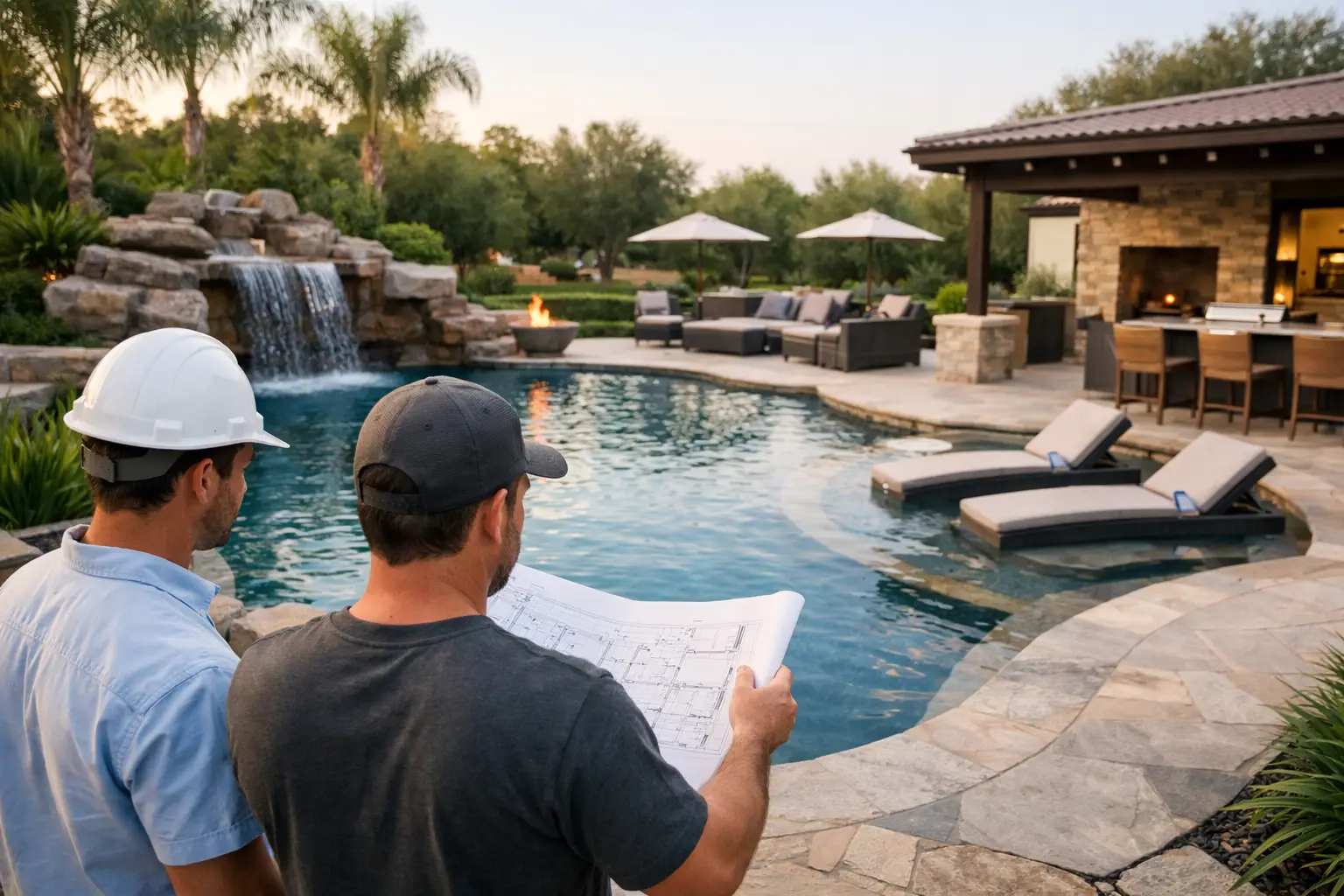
For a high-end outdoor environment, the deck or patio is not simply a floor. It is the foundation for everything that follows: a poolside lounge, a fireside conversation area, an outdoor kitchen, a dining terrace, or a shaded retreat beneath a pavilion. The best choice creates a cohesive transition from indoors to outdoors and gives the entire property a sense of intention.
Wood Deck vs Patio: Start With the Site
The grade of your property often makes the first decision clearer. A wood deck is especially effective when the home sits above the yard, when the ground slopes away from the house, or when you want a platform that meets an elevated doorway. Rather than bringing in substantial fill or building a series of retaining walls, a deck can extend outward at the proper height and make a challenging grade feel purposeful.
A patio is usually most natural on a relatively level area or a landscape where terracing makes sense. It rests closer to the earth, which gives it a grounded, architectural presence. With thoughtful changes in elevation, a patio can create distinct destinations: perhaps a lower fire pit terrace, a dining area near the home, and a pool deck that opens toward the view.
Neither approach should be chosen in isolation. Drainage, soil conditions, existing trees, sun exposure, access from the home, and the location of utilities all shape what is practical. A beautiful outdoor space begins by solving these details before selecting materials or furnishings.
The Experience: Elevated Views or Grounded Living
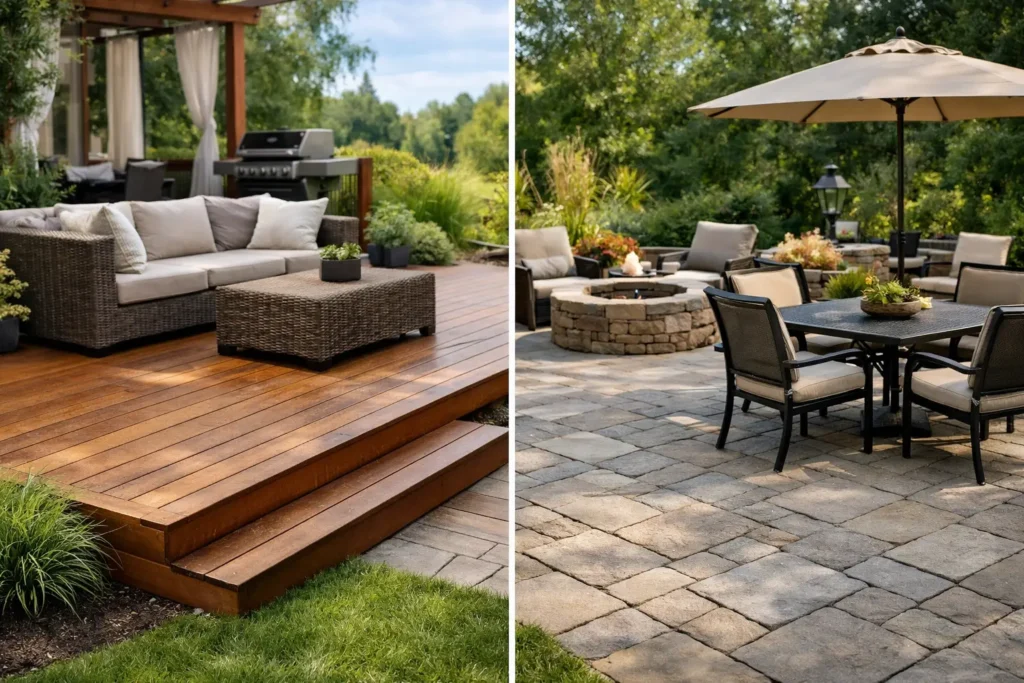
A wood deck has a particular appeal because it feels warm and inviting underfoot. Natural wood brings texture and character that works beautifully with traditional homes, lakefront settings, wooded lots, and properties with expansive views. Elevation can also create a stronger visual connection to a distant landscape, garden, or pool below.
Decks encourage a more intimate kind of gathering. The structure creates a defined room outdoors, especially when paired with railing, low-voltage lighting, a pergola, or a covered roofline. It can become a graceful extension of an interior great room or kitchen, making it easy to move food, conversation, and family life outside.
Patios create a different kind of luxury. Stone, porcelain, and premium pavers feel permanent and composed, with broad surfaces that can accommodate multiple gathering zones without visible transitions in height. A patio is often the better choice for a resort-style backyard where the landscape, water, cooking area, and lounge seating are meant to flow together.
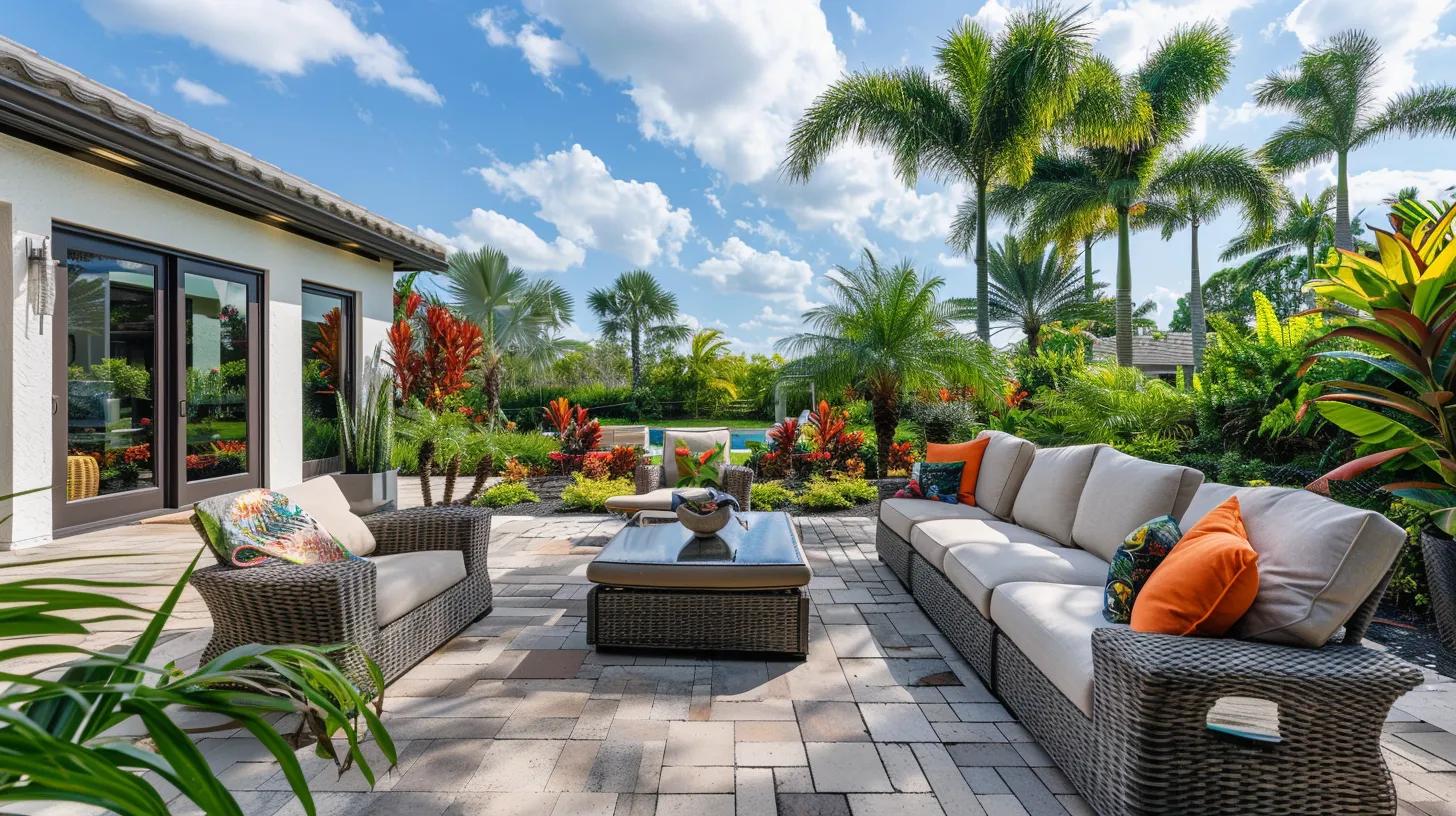
For homes in warm Sunbelt climates, patios are particularly compelling around pools and outdoor kitchens. They create a stable, easy-to-navigate surface for barefoot traffic, dining chairs, and large-scale entertaining. The material palette can also tie directly into retaining walls, walkways, planters, and a paver driveway for a unified exterior design.
How Materials Shape the Look
Not every deck needs to look rustic, and not every patio needs to feel formal. Material selection determines much of the final character.
A natural wood deck can be crafted from options such as cedar, redwood, or tropical hardwoods, each with its own color, grain, durability, and maintenance needs. Wood develops personality over time, but that living finish requires care. For homeowners who love the authentic look of wood but prefer less upkeep, premium composite decking may be worth discussing. It is not wood, but it can offer a clean, tailored appearance with greater resistance to fading, staining, and moisture.
Patios offer exceptional design range. Large-format porcelain can feel crisp and contemporary. Natural stone introduces variation and old-world richness. High-quality concrete pavers can create refined patterns, borders, and color combinations while allowing for practical repairs if needed. The right material should complement the architecture of the home rather than compete with it.
A skilled design team can also blend the two. A deck may lead down to a stone patio. A raised wood platform may define a lounge near a pool, while pavers support the outdoor kitchen and dining table. The goal is not to use more materials for the sake of variety. It is to use each material where it performs and looks its best.
Cost, Maintenance, and Long-Term Ownership
A simple cost comparison can be misleading because site preparation changes everything. An elevated deck may be more economical than building a heavily engineered patio on a steep lot. On a level yard with good access, a patio can offer excellent long-term value, particularly when it becomes part of a larger hardscape plan.
Wood decks require ongoing attention. Depending on the species and local conditions, that can include cleaning, sealing, staining, and checking for weathering or fastener issues. This maintenance is not necessarily a drawback for homeowners who appreciate natural materials, but it should be an informed choice. A neglected wood deck loses its polished appearance quickly in strong sun, humidity, or frequent rain.
Patios generally ask for less routine maintenance, though they are not maintenance-free. Joints may need refreshing, surfaces need periodic cleaning, and proper drainage remains essential. Natural stone can require sealing, while pavers may occasionally need resetting after years of settlement. The advantage is that a well-built patio tends to retain its composed appearance with relatively modest care.
Think beyond the initial installation. Consider how the surface will feel five, ten, and fifteen years from now, and whether the maintenance rhythm fits the way you want to spend your weekends.
Designing for Entertaining and Everyday Use
The strongest decision comes from imagining specific moments in the space. If you picture stepping out from a second-story family room to grill and watch the kids in the yard, a deck may be the natural answer. If your vision includes a pool, a pizza oven, a fireplace, and seating for a dozen friends, a patio often provides the generous, grounded canvas that program needs.
Scale matters as much as surface type. A deck or patio that only fits a table can feel limiting once guests arrive. A well-planned layout allows room to pull out chairs, circulate around a grill, and create separation between dining and lounging. It also considers shade, views, privacy, and how afternoon sun moves across the yard.
Do not overlook the transition from the house. Door thresholds, stair placement, and the sightline from the kitchen or living room can make an outdoor area feel effortless or disconnected. The most memorable spaces feel as though they were always part of the home, even when they were added years later.
When a Combination Creates the Better Answer
For many premium properties, wood deck vs patio is not an either-or decision. A multi-level backyard often benefits from both. An elevated deck can provide immediate access from the home and a comfortable perch for dining. Broad stairs can then lead to a patio below, where a fire feature, outdoor kitchen, pool, or garden seating area creates a larger destination.
This layered approach gives the backyard depth. It also makes the property more useful across different occasions. A small family dinner can stay close to the house, while a larger celebration can spread naturally through the lower terrace and landscape.
The key is visual continuity. Repeat a color from the deck in the furniture or pergola, echo patio tones in stone steps, and use lighting to guide guests from one zone to the next. When these details are considered together, the result feels designed rather than assembled.
Choose the Surface That Supports Your Dream Escape
Choose a wood deck when elevation, views, and the warmth of natural texture are central to the experience. Choose a patio when you want a durable, expansive setting that connects naturally to gardens, pools, kitchens, and fireside gathering spaces. Choose both when your property and lifestyle call for a backyard with more than one way to live outdoors.
The most rewarding projects begin with a complete vision, not a material sample. Beyond Backyard Living can help shape that vision around your home, your site, and the people you most want to welcome outside. Start with the moments you want your backyard to hold, and let the right foundation give those moments a place to happen.