By Terrance Schabilion, Beyond Backyard Living – Custom Pool Builder Spring Hill FL
Outdoor pizza ovens are rapidly gaining popularity among Florida homeowners looking to enhance their backyard culinary experience. This guide provides a comprehensive overview of two main types of outdoor pizza ovens: wood-fired masonry and gas-powered models. Each offers a unique cooking experience, and understanding their differences is crucial for making an informed decision. Readers will learn about the features, advantages, cooking methods, and maintenance requirements associated with each oven type. Moreover, this article will address materials and construction, performance impacts, and cost considerations while also exploring how outdoor pizza ovens can be seamlessly integrated into luxurious outdoor living spaces.
To ensure your investment is worthwhile, it’s essential to consider the aspects that make a wood-fired or gas-powered oven suitable for your specific needs. This guide will highlight key features and functionality to aid your decision-making process, while also providing insight into maintenance plans and design elements that complement these cooking appliances in the climate and setting of Florida.
Comprehensive Guide: Wood-Fired Masonry Pizza Ovens vs. Gas-Powered Pizza Ovens for Florida Backyards
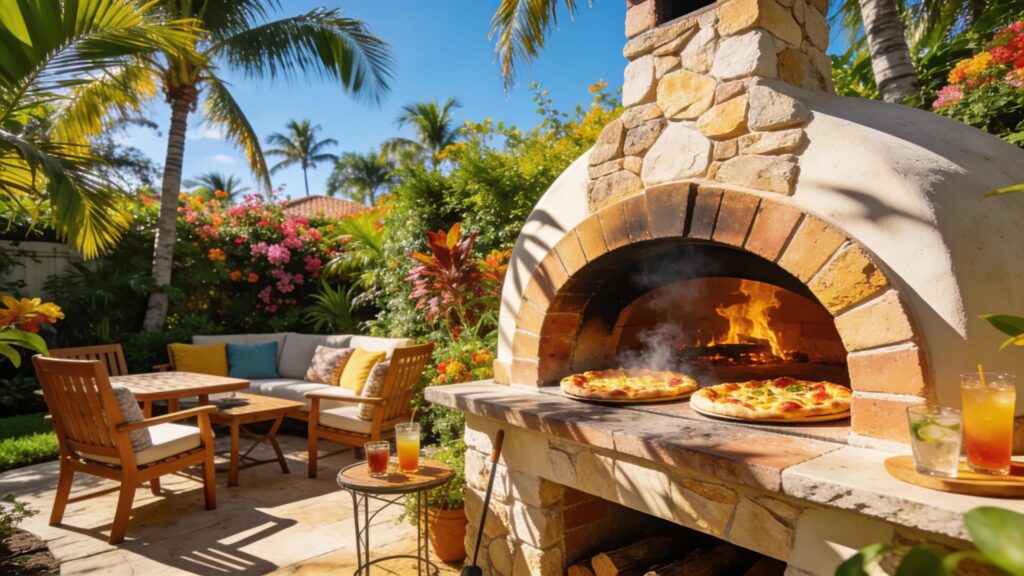
When choosing between wood-fired masonry and gas-powered pizza ovens, understanding their individual characteristics is vital. Wood-fired ovens are traditionally made of natural stone and provide a unique flavor profile that enhances the aroma and taste of the pizza. They operate at high temperatures, which is beneficial for achieving that authentic pizzeria-quality crust.
Gas-powered ovens, on the other hand, offer convenience and ease of use. They heat up more quickly, and users can enjoy precise temperature control. While they might lack the unique smoky flavor of wood-fired ovens, many brands replicate that essence through various features, such as integrated wood chip trays.
Features
The features of wood-fired masonry and gas-powered pizza ovens significantly differ in materials and functionality.
- Cooking Method and Fuel Type: Wood-fired ovens rely on wood as a fuel source, imparting a rich, smoky flavor to dishes. Gas ovens utilize propane or natural gas, offering cleaner energy with quick ignition.
- Design Style and Aesthetics: Wood-fired ovens often showcase a charming, rustic look with durable natural stone exteriors, while gas ovens come in contemporary designs that can seamlessly blend into modern outdoor kitchens.
- User Interaction and Experience: Using a wood-fired oven typically requires more hands-on management, from lighting the fire to maintaining the temperature throughout the cooking process, compared to the straightforward operation of gas-powered variants.
Advantages
Choosing the right type of outdoor pizza oven comes down to understanding their respective advantages.
- Social Experience of Wood-Fired Cooking: Cooking with a wood-fired oven creates a unique bonding atmosphere, as friends and family gather around the outdoor fire, enjoying the preparation process together.
- Convenience of Gas-Powered Ovens: Gas ovens provide hassle-free use, reducing prep time while precisely maintaining temperature, making them a practical choice for busy families or impromptu gatherings.
- Long-Term Investment Value: While wood-fired ovens may require a higher initial investment, their durability and performance can offer long-lasting value, amplifying a homeowner’s outdoor entertaining space.
Cooking Methods
Cooking methods differ between wood-fired masonry and gas-powered outdoor pizza ovens. Understanding these techniques will enhance the culinary experience.
- Wood-Fire Heating Dynamics: Wood-fired ovens reach higher temperatures through radiant heat, cooking pizzas quickly while creating the desirable charred crust that so many enjoy.
- Gas Burner Efficiencies: Gas ovens heat evenly and allow for easy control of the cooking environment, ensuring consistent results without excessive fluctuations in temperature.
- Types of Food Suited for Each Method: Each method caters to different culinary styles and preferences; wood-fired ovens excel at pizzas aimed at achieving specific textures and flavors, while gas ovens are versatile for other dishes, including slow-roasted meats and vegetables.
How Do Materials and Construction Impact Oven Performance and Durability?
The materials and construction of outdoor pizza ovens play a crucial role in determining their performance and longevity. High-quality materials, such as refractory bricks and natural stone, can retain heat effectively, ensuring pizzas cook evenly. This is particularly important in Florida’s humid climate, where temperature control is essential for optimal cooking.
Durability is also influenced by construction techniques, with well-built ovens able to withstand varying weather conditions. Marine-grade metals and heat-resistant materials are essential for gas ovens, offering resistance to corrosion and prolonged operational life despite exposure to the elements.
What Are the Key Differences Between Wood-Fired Masonry and Gas-Powered Outdoor Pizza Ovens?
The key differences between the two types of ovens include variations in operational methods, maintenance requirements, and flavor outcomes.
- Cooking Methods and Fuel Types: Wood-fired ovens create rich flavors through combustion, while gas ovens focus on rapid heating with clean results.
- Maintenance Requirements: While both types require upkeep, wood-fired ovens necessitate regular cleaning of ashes and soot, while gas ovens require checking gas connections and burners.
- Flavor Profiles of Food: The authentic smoky flavor delivered through wood-fired cooking remains unmatched, offering a distinct element that gas-powered alternatives may struggle to replicate fully.
What Are the Cost and Installation Considerations for Outdoor Pizza Ovens in Florida?
When evaluating outdoor pizza ovens, cost and installation are crucial considerations that can significantly impact your decision.
- Cost Comparison for Materials and Installation: Wood-fired masonry pizza ovens generally cost more initially due to building materials and labor but can provide long-term durability and style. Gas-powered ovens often have lower upfront costs, focusing on ease of installation and access to local gas lines.
- Long-Term Return on Investment: A well-maintained wood-fired oven can enhance property value and improve outdoor hosting experiences, while gas ovens enable convenient, everyday use without substantial maintenance costs.
- Factors Influencing Installation Timings: Depending on the chosen oven type, installation timelines can vary, with masonry ovens taking longer to construct and install effectively, while gas models can often be set up quickly.
For those considering a high-ticket project for outdoor living upgrades, services from companies like Beyond Backyard Living Creations can provide expert guidance for selecting and installing the perfect pizza oven and other luxury hardscaping options applicable for your space.
How Can Outdoor Pizza Ovens Be Integrated Into Luxury Florida Backyards?
Integrating outdoor pizza ovens into luxury backyards requires thoughtful consideration of design and layout.
- Strategic Layout for Functionalities: Positioning the oven near seating areas facilitates social interactions and ease of serving, encouraging a communal cooking environment.
- Cohesive Design with Landscaping Features: Employing similar materials in the oven’s construction to the surrounding landscape elements creates a unified aesthetic, enhancing the overall visual appeal.
- Functionality in Seasonal Contexts: Outdoor pizza ovens can be utilized year-round in Florida’s mild climate, allowing for diverse cooking experiences, from summer gatherings to cozy winter nights.
What Design Elements Complement Pizza Ovens in Custom Outdoor Kitchens?
For a visually appealing outdoor kitchen, design elements must complement the pizza oven effectively.
- Aesthetic Integration Into Kitchen Styles: Ensuring that the oven’s design aligns with the overall kitchen style—rustic versus modern—maintains a cohesive look throughout the space.
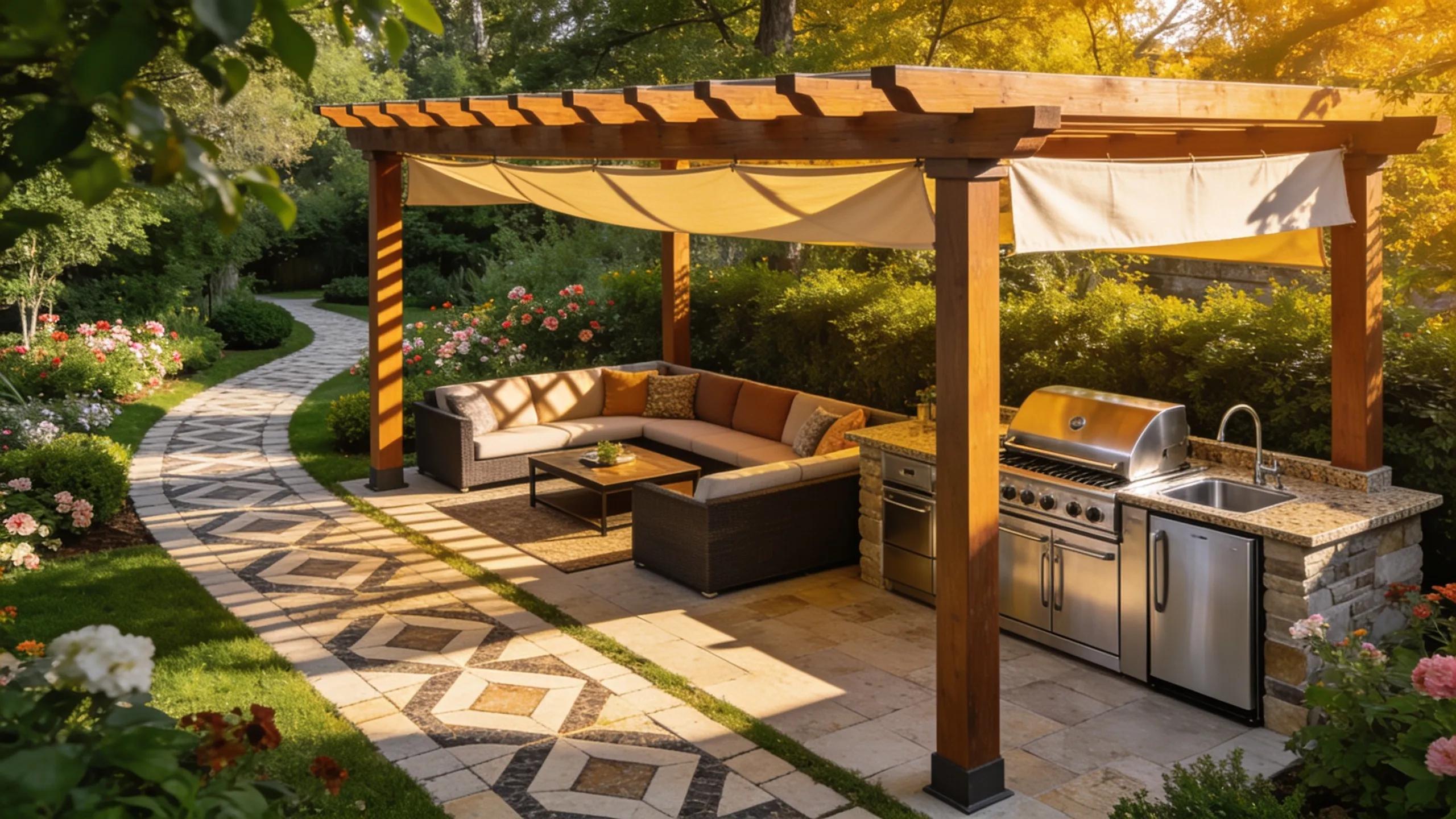
- Functional Considerations for Layout: Proximity to other cooking appliances and sufficient countertop space should be considered, enabling seamless meal preparations and service flow.
- Materials That Match the Overall Theme: Selecting finishes and construction materials that reflect the homeowner’s tastes can greatly enhance the atmosphere, ensuring a fully custom outdoor dining experience.
How Do Pools, Water Features, and Pergolas Enhance Outdoor Cooking Spaces?
Incorporating pools, water features, and pergolas can elevate outdoor cooking spaces to new heights.
- Streamlining Outdoor Gatherings: These features create an inviting atmosphere for guests, offering a relaxing environment that complements the culinary experience with leisure settings.
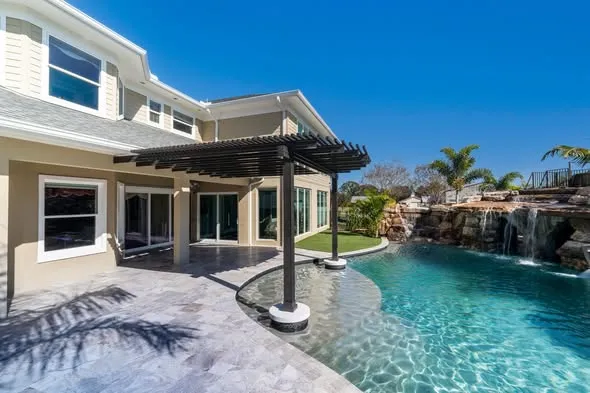
- Aesthetic Harmony: Complementing your pizza oven with visually striking installations increases the overall beauty of the outdoor space, creating a luxurious and tranquil ambiance.
- Functionality Improvements for Cooking: Structures like pergolas provide shade and protection, making it easier and more comfortable to cook outdoors during varying weather conditions.
What Maintenance and Longevity Tips Are Essential for Outdoor Pizza Ovens in Florida?
To ensure outdoor pizza ovens remain functional and aesthetically pleasing, regular upkeep is vital, and utilizing an annual protection plan can safeguard your hardscaping investment.
- Regular Cleaning Schedules: Establishing a routine for clearing ashes, soot, and debris helps prevent performance degradation and prolongs the oven’s lifespan.
- Protection from Weather Elements: Utilizing covers or proper shelter solutions can safeguard ovens from Florida’s seasonal rains and high humidity, minimizing wear.
- Long-Term Upkeep Strategies: Scheduling professional inspections periodically can forecast minor issues before they escalate, ensuring your outdoor kitchen remains in pristine condition. Furthermore, ensuring a lifetime settlement warranty is part of your hardscape planning gives extra peace of mind for heavy masonry structures.