By Terrance Schabilion, Beyond Backyard Living – Custom Pool Builder Spring Hill FL
When considering outdoor enhancements in Florida, choosing between pergolas, pavilions, and gazebos is essential for maximizing comfort and aesthetics. These structures serve various functions, offering differing levels of shade, rain protection, and overall outdoor enjoyment. Each option presents unique benefits and costs that cater to diverse needs and preferences. In this article, we will compare these structures based on cost, weather protection, design features, and overall functionality. You’ll learn which type might fit best in your outdoor space and complement your lifestyle, particularly in Florida’s climate.
The discussion will cover key design differences and how these impact performance against Florida’s often unpredictable weather patterns. Our exploration will include insights into the materials best suited for the region, the longevity of each structure, and the influence of luxury outdoor living trends on these choices. This comprehensive approach aims to assist homeowners in making informed decisions about enhancing their outdoor environments.
Costs
When evaluating the costs associated with pergolas, pavilions, and gazebos, it’s important to consider the variations in construction complexity, materials used, and installation processes. Generally, pergolas are the most economical option, often ranging from $3,000 to $5,000. Pavilions, with their more substantial structure and roofing, typically fall between $5,000 and $10,000. Gazebos, usually the most expensive due to their elaborate designs and materials, can range from $6,000 to $15,000 or more based on custom features.
Considering these price ranges allows you to establish a budget while prioritizing necessary features. In addition to upfront costs, it’s crucial to assess long-term value, as the durability of materials and the functionality of the structures play critical roles in overall satisfaction and potential resale value.
Weather Protection
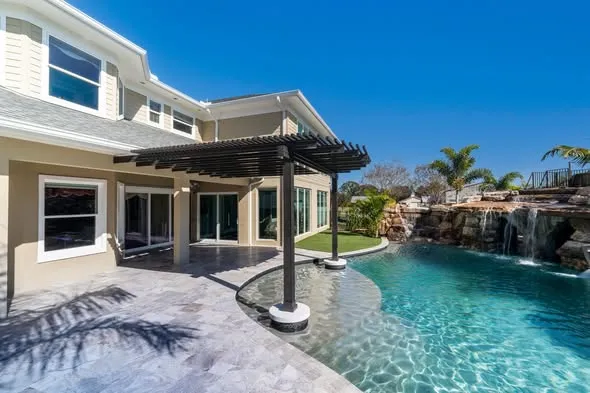
The Florida climate presents unique challenges when it comes to outdoor structures. Pergolas, while adding aesthetic appeal, primarily provide limited protection against rain and UV rays, acting more as a frame for climbing plants. They can effectively create shaded areas but might not withstand heavy rain or storms without proper covers.
Pavilions, in contrast, offer significantly better weather protection. Equipped with solid roofs, they shield occupants from rain and provide useful shade during the sweltering summer months. Gazebos also excel in this regard, often featuring screened walls that enhance ventilation while keeping insects at bay.
In summary, if year-round weather protection is essential, pavilions and gazebos are more reliable options than pergolas.
Overall Functionality
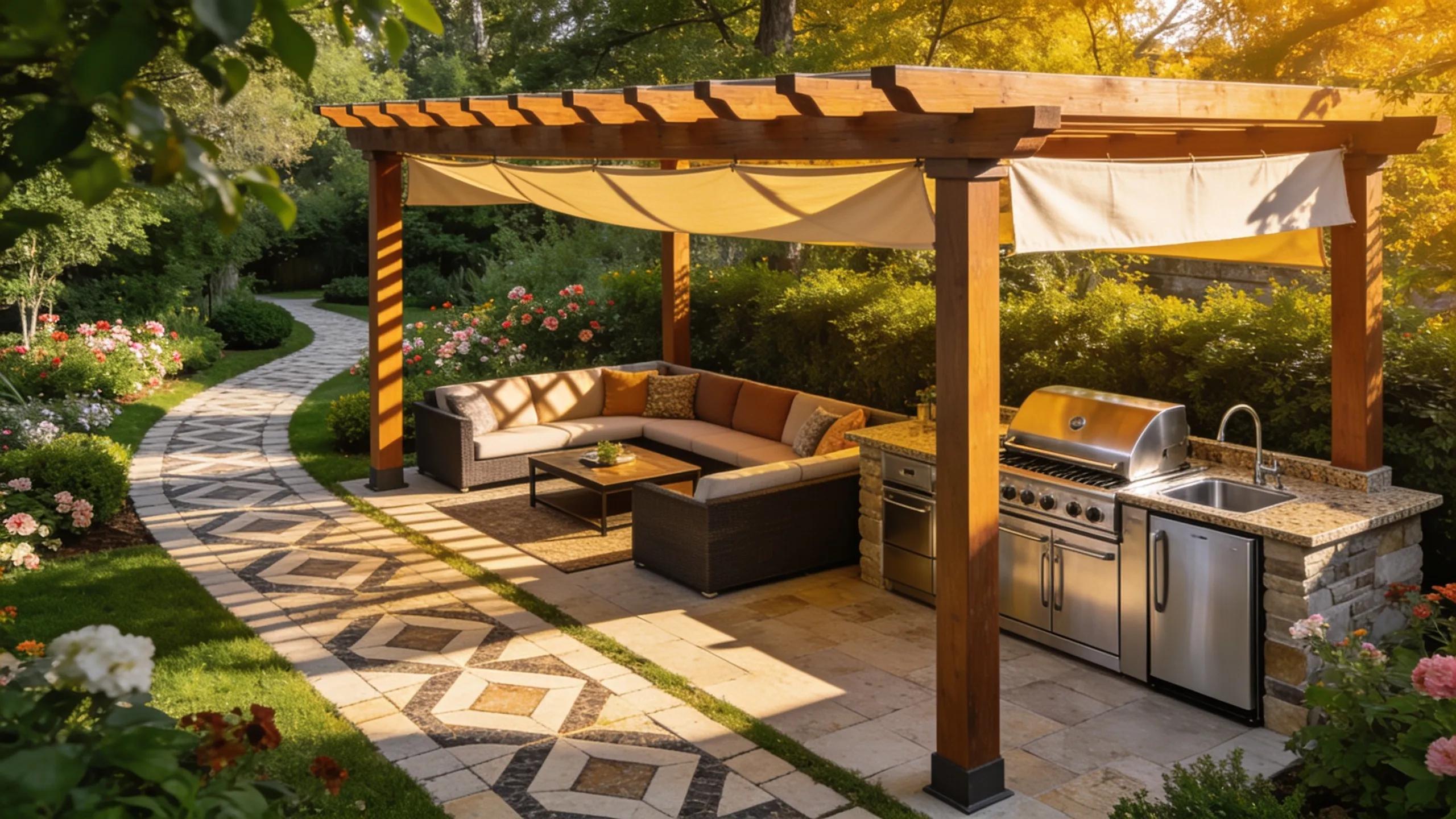
The functionality of pergolas, pavilions, and gazebos varies greatly, influenced by their design and structure. Pergolas are ideal for defining outdoor spaces and enhancing garden aesthetics, making them suitable for outdoor living areas where minimal rain protection is acceptable. They can seamlessly blend with landscaping elements but may require supplementary items like outdoor curtains or removable shades to provide additional coverage.
Pavilions serve as multi-functional spaces suitable for gatherings, barbecues, and outdoor dining. With full coverage, they can host activities regardless of the weather, making them an excellent focal point in any backyard setting. Gazebos provide similar functionality while often boasting more architectural detail, thereby enriching the overall landscape design.
When choosing between these options, consider how you intend to utilize the space, as selecting the right structure can significantly enhance your outdoor experiences.
What Are the Key Design Differences Between Pergolas, Pavilions, and Gazebos in Florida?
Understanding key design distinctions among pergolas, pavilions, and gazebos is crucial for making an informed choice about outdoor enhancements.
Structural Features
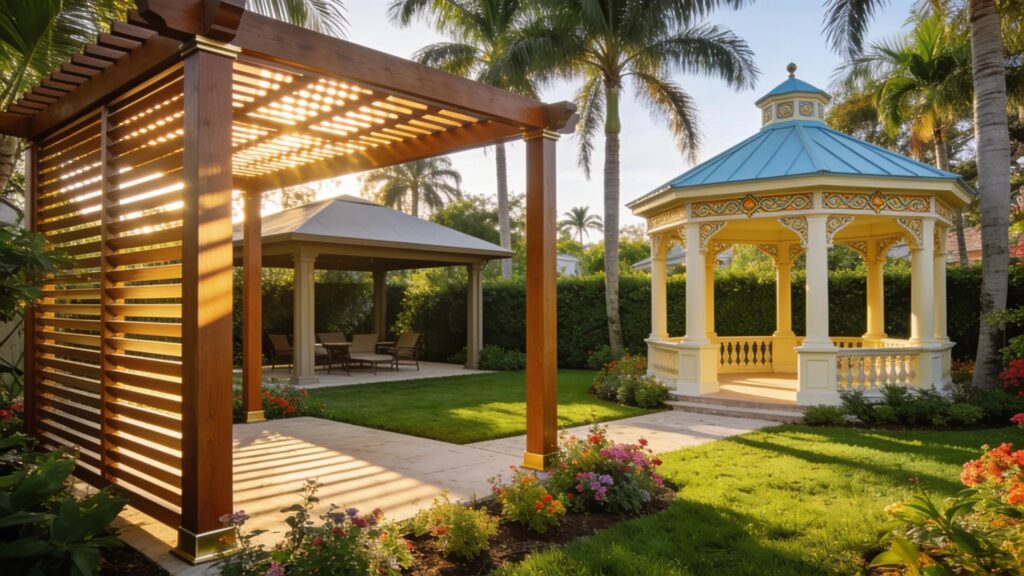
Pergolas consist of vertical posts interconnected with cross beams, creating an open feel that supports climbing plants. Pavilions have solid roofs and may include walls or screens, ensuring more shaded and sheltered spaces. Gazebos often feature rounded shapes and can offer additional decorative aspects like railings or intricate woodwork.
Aesthetics
From a design perspective, pergolas present a rustic charm with their open design, ideal for a natural garden setting. Pavilions often project an inviting and robust look, making them central structures in backyards. Gazebos add a sense of elegance and vintage appeal, often serving as beautiful outdoor meeting points.
Suitability for Weather Conditions
In the humid Florida environment, the structure design is critical. Pavilions and gazebos are constructed to withstand heavy rain and offer long-lasting durability, while pergolas are less equipped to handle severe weather without additional protections.
How Do Architectural Features Affect Shade and Space Usage?
Architectural features in these structures directly influence shade provision and the usability of the covered space. Pergolas with adjustable fabrics can enhance shade but may require routine maintenance and replacements. Pavilions, with fixed roofs, offer consistent shade and allow for furniture placement without concern for rain exposure. Gazebos, often freestanding, provide unique and creative opportunities for decoration while ensuring space utility beneath their roofs.
Understanding how different architectural forms manage local thermal environments is essential for optimizing backyard comfort. Research into microclimates demonstrates that evaluating physiological equivalent temperatures helps determine the true comfort provided by structures like gazebos.
Thermal Comfort of Gazebos and Shade Structures
Field measurements encompassed reference conditions, concrete gazebos with varying vegetation covers, and tree shade configurations. Monte Carlo simulation (n = 10,000) computed prediction uncertainties and probabilistic thermal comfort evaluations for Physiological Equivalent Temperature (PET) and Universal Thermal Climate Index (UTCI). Comparative reliability assessment of PET and UTCI thermal comfort indices using Monte Carlo simulation in urban microclimates, 2025
Which Materials Best Suit Florida's Climate for Each Structure?
Selecting appropriate materials is essential for ensuring that these structures withstand Florida’s distinct climate. For pergolas, using pressure-treated wood or materials designed to resist moisture is imperative for longevity. Aluminum or vinyl structures can provide both durability and lower maintenance.
Pavilions should utilize robust materials, such as treated wood or metal, to endure hurricanes and intense storms, often complemented by shingles or metal roofs for added protection. Similarly, gazebos benefit from durable wood species and synthetic materials resistant to fading and water damage, ensuring lasting beauty.
How Do Pergolas, Pavilions, and Gazebos Compare in Shade and Rain Protection Performance?
The performance of these structures in shade and rain protection highlights significant differences.
- Pergolas provide minimal coverage, mainly offering shade through slatted roofs or climbing plants while requiring additional measures for rain protection.
- Pavilions are most effective, boasting solid roofs to block both rain and sunlight, making them ideal for year-round utilization.
- Gazebos offer similar advantages to pavilions with added aesthetic value and ventilation options but may not provide as much coverage due to open sides.
How Does Each Structure Adapt to Florida’s Heat, Humidity, and Rain Patterns?
Each structure’s ability to adapt depends on its design and materials. Pergolas may require supplemental shading devices to mitigate heat exposure while effectively integrating natural elements. Pavilions and gazebos are built to combat extreme humidity and rainfall, incorporating drainage systems like screened walls to enhance airflow and maintain comfort levels.
Analyzing how different canopy materials interact with intense sunlight is also vital for predicting long-term performance under regional solar exposure. Studies on regional sunshades provide valuable insights into optimizing material choices for local weather conditions.
Solar Transmittance of Florida Sunshades
incident solar radiations for some types of shading devices (PASSYS II 1994). With the advancement in material technology and architectural design, these studies present some
Solar transmittance analysis of different types of sunshades in the Florida climate, RR Issa, 1994
What Are the Durability Differences for Pavilion vs Gazebo Under Florida Weather?
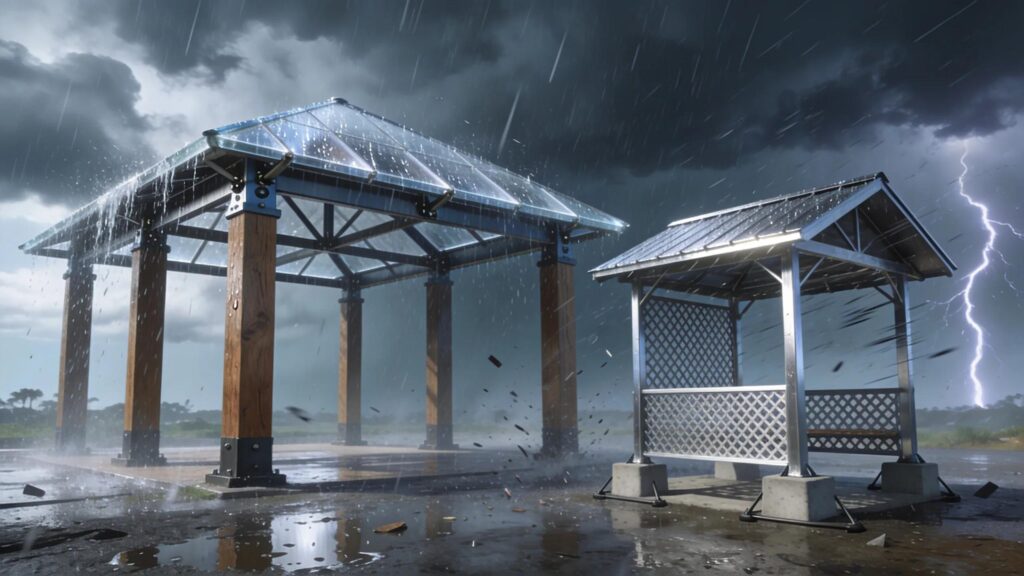
When examining durability, pavilions generally outperform gazebos due to their robust nature and custom materials designed for harsher weather patterns. Solid structures bear up well against high winds and heavy rain, while gazebos can suffer from issues related to more intricate designs that may not withstand the same level of harshness for extended periods.
What Is the Cost Comparison of Custom Luxury Pergolas, Pavilions, and Gazebos in Florida?
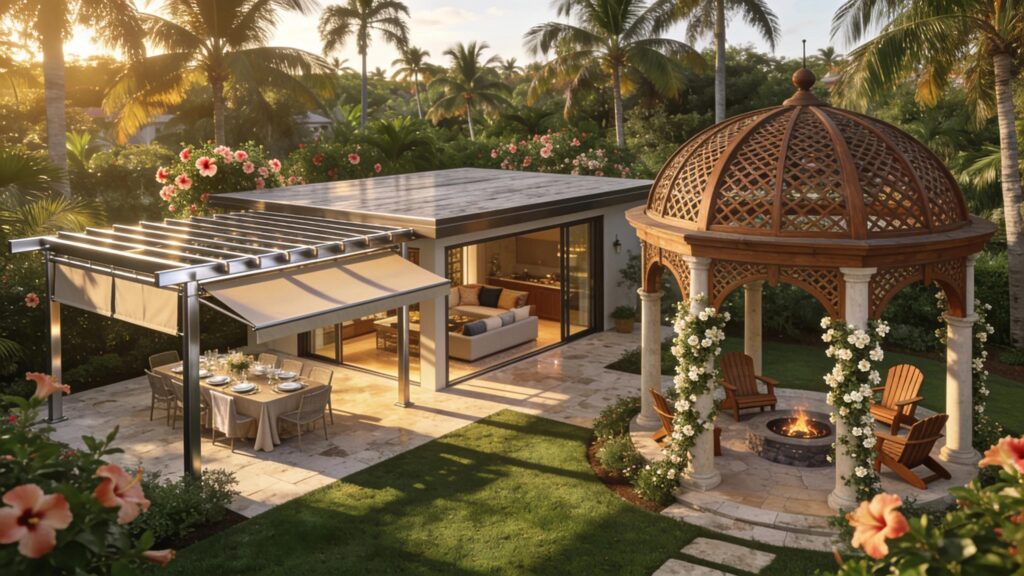
Considering custom luxury options, pricing reflects complexity, size, and materials. Custom pergolas can range from $4,500 to $10,000, while custom luxury pavilions might be priced between $7,000 and $15,000. Custom gazebos can vary greatly based on intricate designs, often starting around $8,000 and can reach upwards of $20,000, especially for elaborate constructions with high-end materials. A thoughtful approach coupled with a keen focus on essential features can significantly affect overall project values.
| Structure Type | Cost Range | Key Features |
|---|---|---|
| Pergola | $3,000 to $5,000 | Open design, customizable shade options |
| Pavilion | $5,000 to $10,000 | Solid roof, versatile multi-use |
| Gazebo | $6,000 to $15,000 | Decorative features, screened options |
This cost comprehensiveness emphasizes the importance of strategic planning alongside aesthetic considerations.
What Are Typical Warranty and Protection Plan Options for These Structures?
Warranties and protection plans can vary among structure types and suppliers. Many reputable companies offer warranties ranging from five to ten years, covering materials and workmanship. When investing in outdoor enhancements, always review available protection plans, specifically for wood treatments and resilience against Florida’s climate, including options like an annual protection plan.
How Do Luxury Outdoor Living Trends Influence Pergola, Pavilion, and Gazebo Choices in Florida?
As outdoor living trends evolve, more homeowners are incorporating luxurious features that complement their chosen structures. This can include high-end outdoor kitchens near pavilions or decorative landscaping around elegant gazebos. Current trends emphasize seamless integration of indoor and outdoor spaces, thus enhancing overall living experiences.
What Resort-Style Backyard Features Complement Each Shade Structure?
Incorporating elements such as resort-style pools, fire pits, and manicured landscaping can complement these structures beautifully. For example, pergolas work well over hot tubs or seating areas, pavilions may host outdoor kitchens, and gazebos can create spectacular views overlooking serene backdrops.
How Do Turnkey Design-Build Processes Enhance Custom Outdoor Transformations?
Engaging design-build processes streamlines project execution by integrating design and construction phases. This approach ensures that all project aspects—from concept to completion—align with homeowner expectations, thereby enhancing satisfaction and delivering top-tier results in custom outdoor transformations.
By understanding the unique characteristics and benefits of pergolas, pavilions, and gazebos, homeowners can make informed decisions that maximize their outdoor living spaces in Florida.