
By Terrance Schabilion, Beyond Backyard Living – Custom Pool Builder Spring Hill FL
Outdoor kitchen ventilation is vital for any culinary space, especially in the warm climate of Florida, where proper airflow can enhance comfort and safety. This guide delves into the specific ventilation requirements for outdoor kitchens in Florida, focusing on aspects like CFM ratings, the design of lanai ceilings, and essential safety guidelines. Homeowners will learn the implications of these elements on performance and compliance while exploring custom solutions that elevate their outdoor cooking experiences. Proper ventilation can mitigate hazards, improve cooking efficiency, and contribute to a more enjoyable outdoor living environment. The article will cover the requirements set by Florida’s building codes, integration challenges with lanai ceiling designs, and recommendations for vent hood types best suited for these unique structures.
What are the outdoor kitchen ventilation requirements in Florida?
In Florida, outdoor kitchen ventilation must adhere to specific safety standards to ensure proper airflow and minimize risks associated with smoke and cooking odors. By understanding and implementing these ventilation requirements, homeowners can create functional and safe outdoor cooking spaces. The state regulations emphasize the importance of maintaining adequate fresh air supply while expelling heat, smoke, and combustion gases effectively. The right ventilation promotes a healthier cooking environment and improves the overall comfort of outdoor spaces.
Which Florida building and fire codes govern outdoor kitchen ventilation?
Florida’s building and fire codes outline several requirements regarding outdoor kitchen ventilation. The critical codes include:
- Florida Building Code (FBC): It specifies that exhaust systems must effectively remove contaminants from the cooking area.
- National Fire Protection Association (NFPA) Code 96: This code mandates that commercial kitchen ventilation must conform to safety and performance standards.
- Local Dade County Codes: These regulations provide specific local adjustments to meet air quality and safety needs.
Adhering to these codes is essential for ensuring safety and compliance in outdoor kitchen design.
Why is proper airflow and CFM rating crucial for outdoor kitchens?
Proper airflow in outdoor kitchens is primarily measured by CFM (Cubic Feet per Minute) ratings, which indicate the airflow capability of ventilation systems. Adequate CFM ratings are crucial for ensuring the efficiency and effectiveness of the ventilation system.
- Health Safety Risks: Inadequate airflow can lead to the buildup of harmful fumes and smoke, posing health risks to families and guests.
- Efficiency in Cooking: Proper airflow helps dissipate heat quickly, thus improving cooking efficiency and comfort during meal preparation.
- Moisture Issues: Florida’s humid climate can exacerbate moisture accumulation; hence, proper ventilation systems mitigate potential mold growth, ensuring a safe and sanitary environment.
Understanding CFM ratings enables homeowners to pick the right ventilation systems that match their outdoor cooking appliances.
How do lanai ceiling designs impact vent hood installation?
The design of lanai ceilings significantly influences how effective a home’s ventilation system can be. Unique architectural styles and ceiling heights introduce specific challenges when installing ventilation systems.
What are the ventilation challenges with Florida lanai ceilings?
Lanai ceilings can create several ventilation challenges, including:
- Airflow Restrictions: Low or obstructed ceilings constrict airflow paths, making it hard for vent hoods to expel smoke and heat efficiently.
- Moisture Retention: The enclosed nature of some lanais may trap humidity, emphasizing the need for powerful exhaust systems.
- Safety Hazards: Poorly designed ventilation can lead to increased fire hazards if fats and oils accumulate above cooking areas.
Addressing these challenges through smart design and the right equipment selection is essential for maintaining safety standards.
Which vent hood types best integrate with lanai ceiling structures?
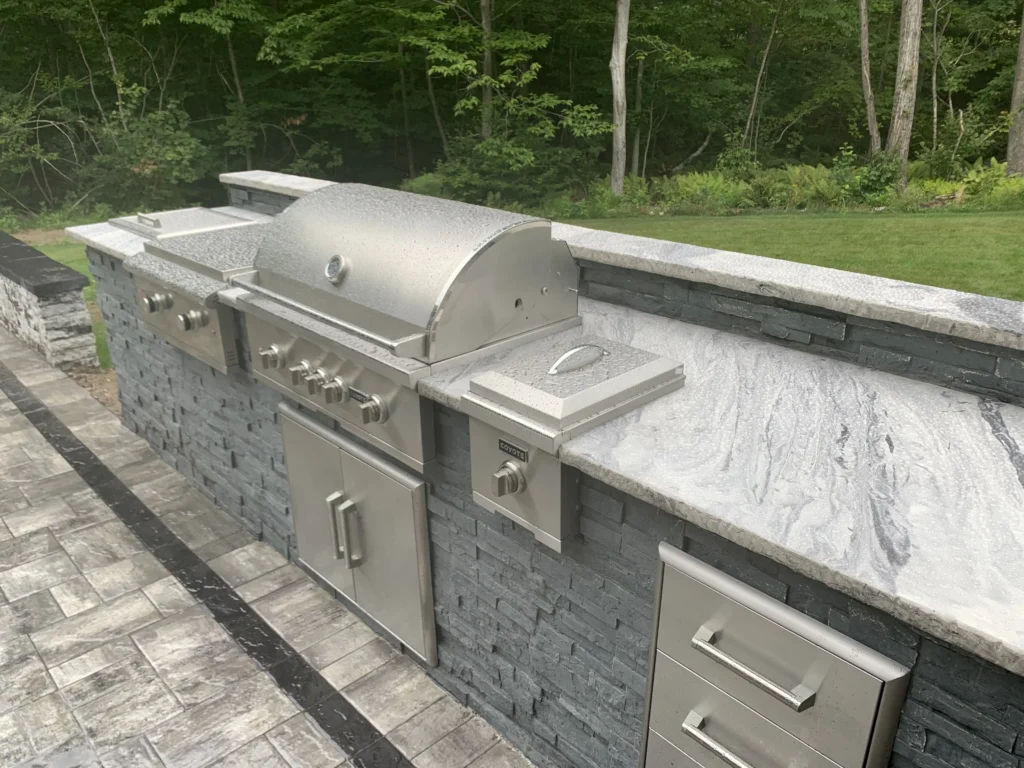
Selecting vent hoods that complement lanai ceiling designs is key to effective ventilation. Some suitable options include:
- Under-Cabinet Hoods: These can fit seamlessly under elevated ceilings, providing unobtrusive extraction while maintaining airflow.
- Wall-Mounted Hoods: Ideal for tall ceilings, they draw smoke effectively and can be positioned where circuit patterns best promote airflow.
- Island Hoods: For central cooking islands, these units enhance ventilation without compromising aesthetics or design flow.
Choosing the right type of hood creates an efficient ventilation system while preserving the visual appeal of the outdoor kitchen.
What are the safety guidelines for BBQ grill ventilation in Florida?
Implementing safety guidelines for BBQ grill ventilation is fundamental in outdoor kitchens. Homeowners should ensure that their grills are positioned adequately in open spaces to facilitate gas dispersion and avoid fire hazards.
- Orientation of Outdoor Kitchens: Positioning should consider wind patterns to direct fumes away from user activity areas.
- Material Selection for Safety: Use materials resistant to high temperatures and suitable for humid environments to ensure longevity and safety.
- Installation Practices Complying with Codes: Following local regulations during installation helps prevent fire and safety risks associated with improper venting.
These safety measures prepare users to enjoy their grilling experience while minimizing risks.
How do vent hood CFM ratings correspond to grill size and fuel type?
Vent hood CFM ratings must correspond to the size and type of BBQ grill to be effective. For instance, gas grills generally require higher CFM ratings due to more substantial smoke output compared to electric grills.
- CFM Recommendation for Grill Size: The rule of thumb is to have 100 CFM for every 10,000 BTUs produced by a gas grill.
- Fuel Type Considerations: Different fuels emit varying levels of smoke and particulates; thus, adjusting the necessary CFM ratings is essential to match the grill type.
- Safety Implications of Inadequate CFM: Insufficient airflow can lead to backdrafts, trapping smoke and gases, which presents a severe safety concern in outdoor cooking areas.
Understanding the relationship between CFM ratings and cooking appliances ensures safety and efficiency in outdoor kitchens.
What installation practices meet Florida’s outdoor kitchen safety standards?
To meet Florida’s outdoor kitchen safety standards, adherence to certain installation practices is vital:
- Orientation and Roof Design: Ensuring the cooking space is open-air with enough clearance avoids heat build-up and supports effective airflow.
- Material Choice for Humid Climate: Selecting stainless steel or other corrosion-resistant materials helps in maintaining cleanliness and longevity against Florida’s humid climate.
- Comprehensive Ventilation Strategies: Implementing combined systems that address extraction and air input guarantees a safer cooking environment.
These practices promote safety and effectively enhance outdoor kitchen experiences.
Which custom ventilation solutions optimize luxury outdoor kitchens in Florida?
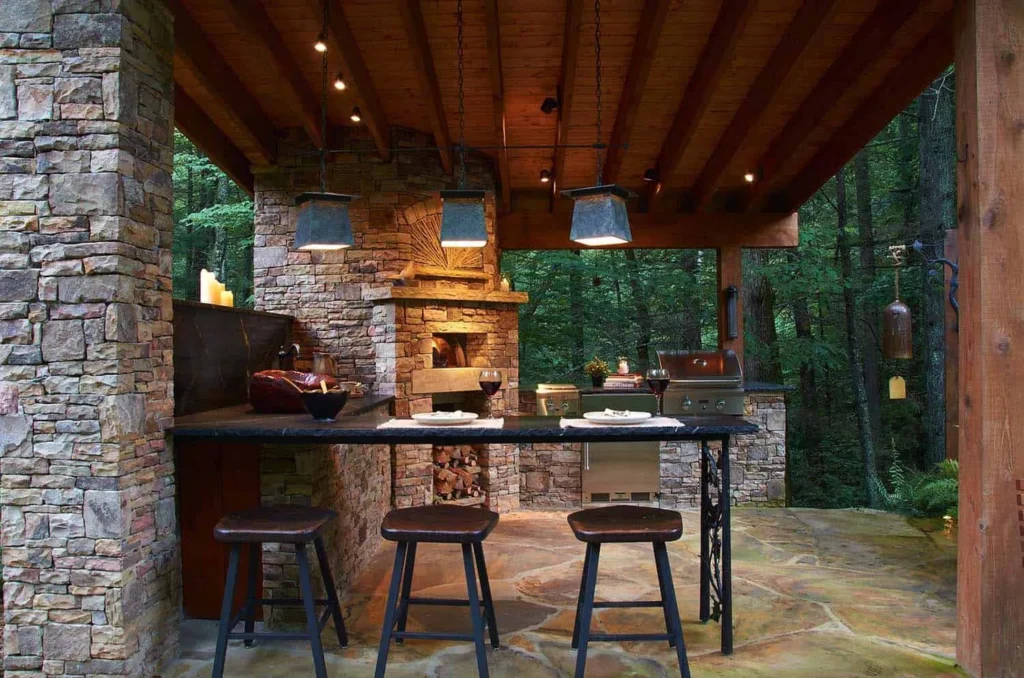
Custom ventilation solutions cater to the sophisticated design needs of luxury outdoor kitchens. Choosing advanced systems tailored to individual requirements helps provide superior performance.
How does advanced 3D design improve vent hood performance in custom projects?
Utilizing advanced 3D design technologies enables designers to visualize and enhance every aspect of vent hood performance, ensuring:
- Climate-Responsive Design: Tailoring designs to local weather conditions enhances functionality and efficiency.
- Customized Layouts for Efficiency: This approach allows for exhaust systems that match the unique configurations of outdoor kitchens, maximizing efficiency and safety.
- Smart Technology Integration: Implementing smart controls and automation can help users monitor and optimize ventilation based on cooking activity.
Such custom solutions enrich the outdoor cooking experience while delivering elegance and functionality.
What materials and vent hood technologies ensure durability and efficiency?
Selecting durable materials and advanced technologies is crucial for the efficient operation of vent hoods in luxury outdoor kitchens. Common materials include:
- Marine-Grade Stainless Steel: Excellent for resisting corrosion in high-humidity environments.
- High-Efficiency Fan Technologies: These fans maximize airflow while minimizing energy consumption, contributing to system effectiveness.
- Advanced Filtration Systems: Utilizing multi-layer filters can enhance air quality by reducing smoke and cooking odors significantly.
Suppressing noise while maximizing airflow through these technologies can improve both the performance and user experience of outdoor kitchens, ensuring longevity.