By Terrance Schabilion, Beyond Backyard Living – Custom Pool Builder Spring Hill FL
Creating an outdoor kitchen in Florida offers a unique experience, blending culinary adventures with the beauty of nature. However, effective outdoor kitchen ventilation is crucial, especially given Florida’s warm, humid climate. Proper ventilation helps manage humidity, improves air quality, and enhances comfort for both chefs and guests. This article will explore the essential aspects of outdoor kitchen ventilation, focusing on CFM sizing for range hoods, effective ducting solutions, and considerations for covered patios. Understanding these elements ensures optimal airflow management and sets the stage for enjoyable outdoor cooking.
What Are the Key Outdoor Kitchen Ventilation Requirements in Florida?
In Florida, outdoor kitchens face specific ventilation challenges due to the state’s humid climate and varying temperatures. Adequate ventilation is vital to maintaining comfort and minimizing issues related to heat and moisture. Key requirements include humidity control, increased airflow, and effective pollutant removal to create a pleasant cooking environment.
How Does Florida's Climate Affect Outdoor Kitchen Ventilation Design?
Florida’s climate is characterized by high humidity levels and fluctuating temperatures, greatly influencing the design of outdoor kitchen ventilation systems. During the summer months, the ambient temperature can soar, making it essential to implement effective ventilation that promotes airflow and reduces heat buildup. High humidity can also lead to condensation, making moisture management critical to protect cooking equipment and maintain comfort for users.
What Safety and Comfort Standards Guide Vent Hood Installation?
Installed vent hoods must adhere to specific safety and comfort standards to ensure optimal performance and user satisfaction. Compliance with local building codes is vital, covering aspects such as electrical components, gas connections, and vent configurations. Ensuring that range hoods exhaust outdoors prevents the accumulation of smoke, grease, and odors, promoting a safe and enjoyable cooking environment.
How Do You Calculate CFM Sizing for BBQ Range Hoods in Spring Hill?
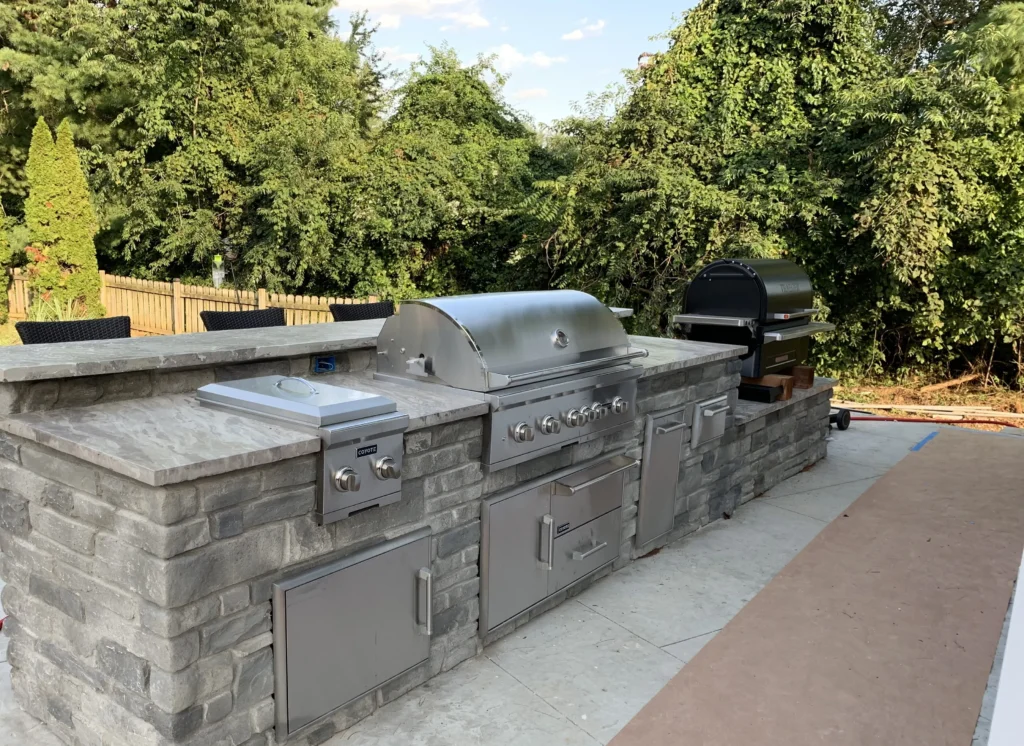
Choosing the right CFM (cubic feet per minute) rating for BBQ range hoods is essential for effective ventilation. Understanding airflow needs based on cooking habits, kitchen size, and the hood’s installation will guide homeowners in selecting suitable equipment tailored to their specific outdoor cooking environments.
What Is the Formula for Accurate CFM Calculation for Outdoor Grilling?
To determine the necessary CFM for an outdoor kitchen range hood, a simple formula is applied: multiply the cooking surface area by the desired air change rate. A common rule of thumb is to provide approximately 100 CFM for every 12 inches of cooking surface width. For instance, a 36-inch cooking surface would require approximately 300 CFM for adequate ventilation. This calculated airflow helps ensure that smoke and odors are effectively eliminated from the cooking area.
Which Factors Influence CFM Needs for High-Performance Range Hoods?
Several factors affect the CFM needs for high-performance range hoods. Key considerations include:
| Factor | Description | Impact Level |
|---|---|---|
| Kitchen Size | Larger kitchens necessitate higher CFM ratings to manage airflow effectively. | High |
| Cooking Habits | Frequent frying or grilling produces more smoke, requiring increased ventilation capacity. | Medium |
| Hood Design | The style and design of the hood can affect how efficiently it captures and expels smoke. | High |
Understanding how these factors play a role in CFM requirements helps homeowners choose appropriate range hoods to ensure optimal performance.
What Are Effective Ducting Solutions for Outdoor Kitchens in Florida's Humid Climate?
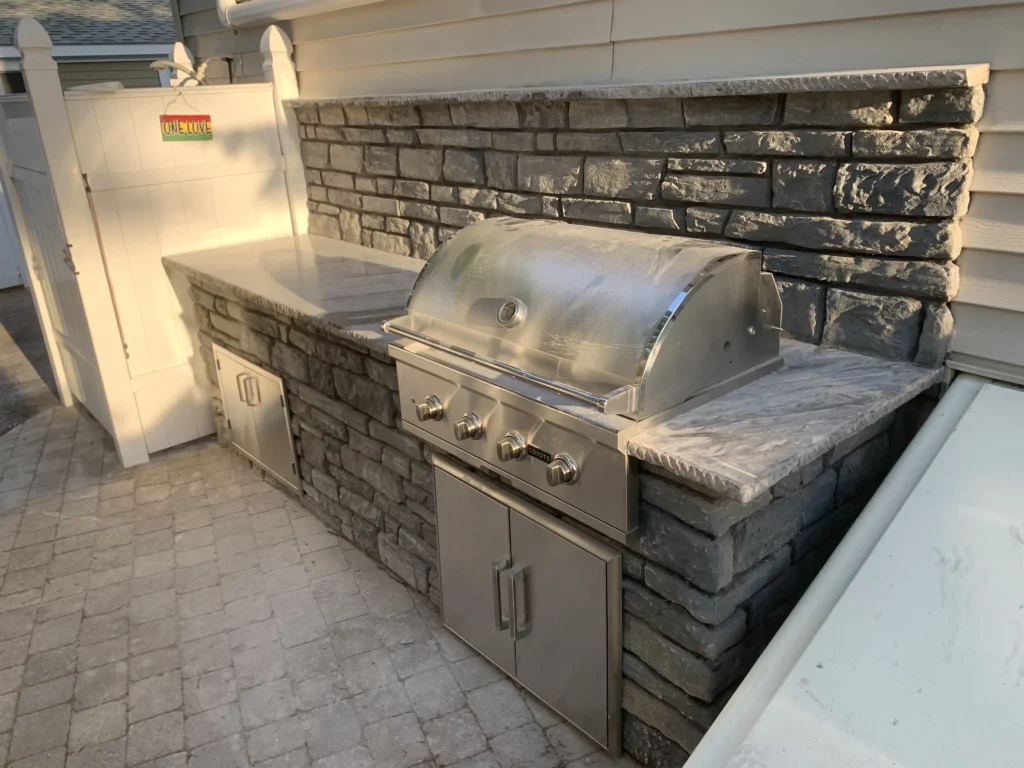
Ducting solutions are key to ensuring that outdoor kitchens maintain proper ventilation while managing the humidity prevalent in Florida. Selecting suitable materials and layouts is essential for effective moisture control and maximizing airflow efficiency.
Which Materials Resist Corrosion and Moisture in Florida Conditions?
In Florida’s humid environment, selecting materials that resist corrosion and moisture is paramount. Ideal ducting materials include galvanized steel, stainless steel, or aluminum, which provide longevity and durability against weather-related challenges. Using marine-grade materials is also beneficial to withstand high moisture levels and prevent deterioration over time, ensuring a robust and efficient ventilation system.
How Should Ducting Layouts Be Optimized for Covered Patios?
Optimizing ducting layouts for covered patios ensures airflow efficiency while addressing potential obstacles. When designing ducting, consider the following best practices:
- Straight Paths: Keeping ducts as straight as possible minimizes airflow resistance and enhances overall efficiency.
- Proper Slope: Ensure that ducts have a slight downward slope to facilitate moisture drainage, preventing water buildup within the system.
- Clearance Guidelines: Maintain adequate clearance around ducts to avoid heat retention and ensure adequate air movement.
Implementing these strategies enhances performance, providing effective ventilation for outdoor cooking spaces.
Ducting Solutions for Florida Outdoor Kitchens
Covered patios can benefit from various ventilation options to ensure air quality and comfort. Understanding these systems helps homeowners select appropriate solutions tailored to their outdoor environments.
Can Outdoor Kitchen Vent Hoods Be Safely Installed Under Covered Patios?
Yes, outdoor kitchen vent hoods can safely be installed under covered patios, provided that local safety regulations are followed. These installations require careful consideration of the vent hood’s position, ensuring that it effectively captures smoke and odors while maintaining proper clearance from combustible materials. Employing hoods designed specifically for outdoor use can significantly enhance safety and performance.
What Systems Maximize Airflow While Preventing Moisture Intrusion?
To optimize airflow while preventing moisture intrusion, consider advanced ventilation systems such as:
- Inline Fans: These can be installed within ducting systems to boost airflow efficiency while maintaining a low noise level.
- Heat Recovery Ventilators (HRVs): HRVs capture and utilize heat from exhaust air, maximizing energy efficiency and indoor comfort.
- Dehumidifiers: Integrating dehumidification technologies into the ventilation system can effectively manage humidity levels, ensuring comfort year-round.
These innovative systems provide effective leakage protection and overall enhanced airflow management for outdoor kitchen settings.