Outdoor Kitchen Maintenance in Florida’s Climate: Expert Strategies to Preserve and Protect Your Investment
By Terrance Schabilion, Beyond Backyard Living
Maintaining an outdoor kitchen in Florida’s unique climate is essential for preserving your investment and enjoying the benefits of outdoor living. The state’s hot, humid conditions can present challenges that, if not addressed, may lead to costly repairs and diminished enjoyment. This article offers valuable insights into effective maintenance practices, durable materials, and tips for ensuring the longevity of your outdoor kitchen. We will explore how Florida’s climate impacts outdoor kitchens and the best strategies for protecting against environmental factors. By understanding how to care for these spaces, you can maximize their enjoyment and lifetime.
Effective Maintenance Practices
Effective maintenance of outdoor kitchens involves a series of intentional practices that help preserve their functionality and appearance. Regular cleaning and maintenance not only enhance aesthetics but also contribute to the longevity of the materials used.
- Regular Cleaning: Cleaning surfaces such as countertops and grills minimizes wear caused by food residue and other contaminants.
- Sealing Surfaces: Applying sealants on porous surfaces reduces moisture infiltration, which is crucial in preventing mold growth and structural damage.
- Annual Inspections: Conducting annual inspections can help identify potential problems early, ensuring that minor issues do not develop into major repairs.
These practices emphasize the importance of proactive care in maintaining outdoor kitchens, aligning perfectly with the values of homeowners who wish to protect their investments.
Beyond Backyard Living provides customized solutions and products specifically designed for outdoor kitchen upkeep, ensuring that your space remains functional and inviting.
Materials That Withstand Heat and Humidity
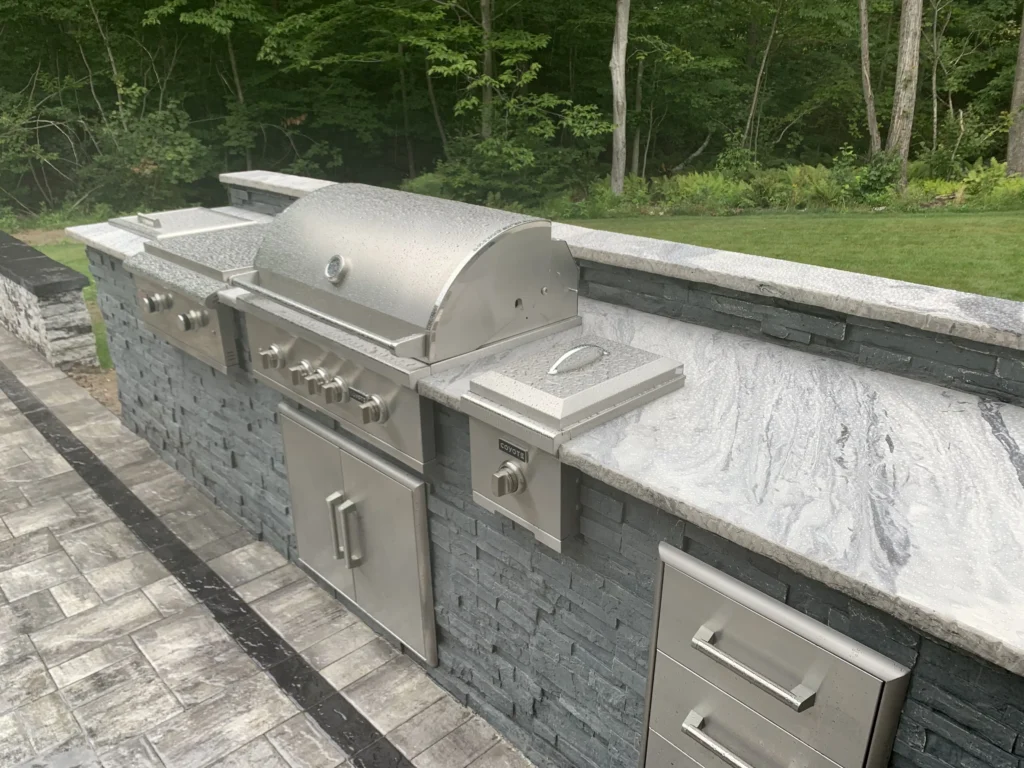
Choosing the right materials is critical for outdoor kitchens, especially in Florida’s intense heat and humidity. Some materials are far better suited to withstand the state’s climate than others.
| Material | Property | Value |
|---|---|---|
| Stainless Steel | Corrosion resistance | Ideal for appliances and fixtures. |
| Natural Stone | Longevity and durability | Perfect for countertops and surfaces. |
| Composite Materials | Versatility and resistance | Used for cabinets and shelving. |
The selection of these materials ensures that the outdoor kitchen will not only look great but also stand the test of time against the harsh Florida elements.
Tips for Ensuring Longevity
To maximize the lifespan of your outdoor kitchen, various strategies can be implemented. These strategies ensure that the outdoor kitchen remains a delightful space for years to come.
- Use UV-Resistant Finishes: Applying UV-resistant sealers helps to prevent fading and deterioration caused by the sun.
- Incorporate Shade Structures: Structures like awnings or pergolas provide significant protection from direct sunlight.
- Select Eco-Friendly Materials: Using sustainable materials adds an additional layer of protection against environmental degradation.
These recommendations help homeowners effectively safeguard their outdoor kitchens from Florida’s climatic challenges.
How Does Florida’s Unique Climate Impact the Longevity of Outdoor Kitchens?
Florida’s climate significantly affects outdoor kitchens, making maintenance crucial for their longevity. The high humidity levels can lead to mold and mildew growth, while intense sunlight can cause materials to fade or deteriorate faster than in milder climates. Additionally, coastal areas may experience salt air exposure, which accelerates corrosion and rust.
Understanding how these climatic factors affect your outdoor kitchen allows homeowners to apply the necessary preventive measures. Ultimately, this knowledge aids in creating a sustainable outdoor cooking and entertaining space.
What Are the Effects of Humidity, Salt Air, and UV Exposure on Outdoor Kitchen Materials?
The environmental elements in Florida profoundly impact the materials used in outdoor kitchens.
- Humidity: High humidity can result in moisture accumulation, leading to mold, warping, and structural issues.
- Salt Air: For coastal properties, the salt air can hasten corrosion in metals, especially those not specifically treated to resist such conditions.
- UV Exposure: Prolonged sun exposure causes fading and can weaken various materials, requiring homeowners to take extra precautions to sustain their aesthetic quality.
These effects underline the necessity for selecting resilient materials and strategies designed to combat Florida’s unique climate.
The humid conditions prevalent in Florida also create an ideal environment for problems such as mildew growth and storm damage, particularly for homes that are left unoccupied for extended periods.
Protecting Outdoor Kitchens: Florida Climate Challenges
Florida’s environment creates the possibility for mildew growth, storm damage, and pests. Unoccupied homes are more susceptible to these types of damage. This revised 6-page fact sheet provides the necessary steps to prepare your home before leaving for an extended period of time.Closing Your Seasonal Home: FCS3154/HE887, rev. 6/2014, RA Cantrell, 2014
Moreover, the combination of moisture, oxygen, and salt in coastal areas significantly accelerates various forms of corrosion.
Florida Climate: Outdoor Kitchen Corrosion Prevention
Corrosion is a naturally occurring deterioration of a metal caused by reaction with its environment and especially with oxygen. The result is the production of brown rust on iron or steel, white spots or surface discoloration on aluminum and blue or green layers on copper. Moisture, oxygen and a salt (e.g. sodium chloride) all contribute to the corrosion process. In a humid climate, especially in coastal areas where moisture is saline or salty, corrosion can occur readily.Avoiding Corrosion Problems in Florida: FCS3141/HE605, 1/2003, 2003
Which Climate Factors Should Homeowners Prioritize in Protective Maintenance?
Homeowners should prioritize several climate factors for effective outdoor kitchen maintenance. Key considerations include:
- Humidity Management: Implementing dehumidifiers and proper ventilation helps control moisture levels.
- UV-Resistant Finishes: Choosing finishes that can resist UV damage safeguards your kitchen’s appearance.
- Shade Solutions: Incorporating measures such as trees or permanent structures offers additional protection from direct sunlight.
Prioritizing these factors not only enhances the longevity of the outdoor kitchen but also improves its overall functionality and visual appeal.
What Are the Best Weatherproof Materials for Durable Outdoor Kitchens in Florida?
When it comes to building or upgrading an outdoor kitchen, the choice of materials is paramount. The most resilient options include:
- Natural Stone: This material impresses with its durability and aesthetic appeal for countertops and paving.
- Marine-Grade Metals: Ideal for appliances and fixtures, these materials withstand rust and corrosion.
- Composite Options: These materials offer flexibility in design and durability for cabinetry and countertops.
Investing in these weatherproof materials can lead to significant long-term savings, as they require less frequent replacement or repair.
Why Is Stainless Steel Preferred for Florida Outdoor Kitchen Appliances?
Stainless steel is often the material of choice for outdoor kitchen appliances for several reasons.
- Rust and Corrosion Resistance: It withstands the moisture and saline environment without deteriorating.
- Longevity: Its durability ensures that the appliances last significantly longer, which reduces replacement costs.
- Aesthetic Appeal: Its sleek look complements outdoor kitchen designs beautifully.
For Florida homeowners, the choice of stainless steel appliances represents a blend of practicality and style, ensuring that their outdoor kitchens remain both functional and attractive.
How Do Stone and Wood Countertops Resist Florida’s Environmental Challenges?
Stone and wood countertops are frequently used in outdoor kitchens, each offering unique strengths against Florida’s climate. Stone countertops are known for their resistance to moisture and heat, making them a superb choice for outdoor use, while treated wood countertops, though requiring regular sealing, can add a warm aesthetic.
Which Routine Cleaning and Maintenance Practices Preserve Your Outdoor Kitchen’s Prestige?
Regular cleaning and maintenance are essential for preserving the appearance and functionality of outdoor kitchens. Homeowners should adopt the following practices:
- Scheduled Cleanings: Engaging in regular cleanings prevents food residue and stains from setting in.
- Inspecting for Damage: Routinely checking for signs of wear or potential issues ensures that repairs are conducted promptly.
- Seasonal Maintenance: Adopting a seasonal approach to maintenance helps adjust for changing climate conditions.
Following these practices helps homeowners maintain not just the kitchen’s functionality but also its aesthetic appeal.
What Are Essential Outdoor Kitchen Cleaning Tips Tailored for Florida’s Climate?
Cleaning an outdoor kitchen in Florida requires specific approaches tailored to the climate:
- Use Non-Abrasive Cleaners: Opt for gentle cleansers that won’t damage surfaces while effectively removing dirt and bacteria.
- Frequency: Clean high-use surfaces like countertops and grilling areas after every use to prevent residue buildup.
- Seasonal Deep Cleans: Schedule deep cleaning sessions at the start of the wet season to prevent any potential mold growth.
These tailored cleaning tips help ensure that outdoor kitchens remain operational and visually appealing throughout the year.
How Often Should You Perform Grill Maintenance to Prevent Corrosion and Wear?
Regular grill maintenance is vital for preventing corrosion and ensuring the grill operates efficiently.
- Cleaning: Clean the grates and interior components after use to prevent grease buildup—this should be done after every grilling session.
- Inspection: A thorough inspection should be conducted every three months to identify rust or functionality issues.
- Covering: When not in use, grills should be covered appropriately to shield them from moisture and UV exposure.
By adhering to this maintenance schedule, homeowners can extend the lifespan of their grills while ensuring optimal cooking performance.
How Can Preventive Weatherproofing Maximize Your Outdoor Kitchen’s Lifespan?
Preventive weatherproofing is a proactive approach to ensure the longevity of outdoor kitchens. Key strategies include:
- Implementing Proper Sealing: Seal surfaces with high-quality products to repel moisture and prevent damage.
- Using Protective Coatings: Apply protective coatings to furniture and counters to safeguard against UV damage.
- Building Adequate Drainage: Ensure proper drainage around the kitchen to manage water runoff effectively.
These weatherproofing measures allow homeowners to minimize maintenance needs while maximizing the lifespan of their outdoor kitchens.
Which Sealants and Protective Coatings Are Most Effective in Florida’s Environment?
Selecting the right sealants and coatings is important for protecting outdoor kitchens. Effective options include:
- Silicone-Based Sealants: These offer excellent flexibility and waterproofing.
- Polyurethane Coatings: This type of coating provides a strong protective layer against both moisture and UV damage.
- Epoxy Sealants: Known for their durability, epoxy options provide robust protection and are ideal for high-traffic areas.
Utilizing these sealants effectively helps maintain the integrity of outdoor kitchen materials against Florida’s environmental challenges.
When Is Professional Maintenance Consultation Advisable to Safeguard Your Investment?
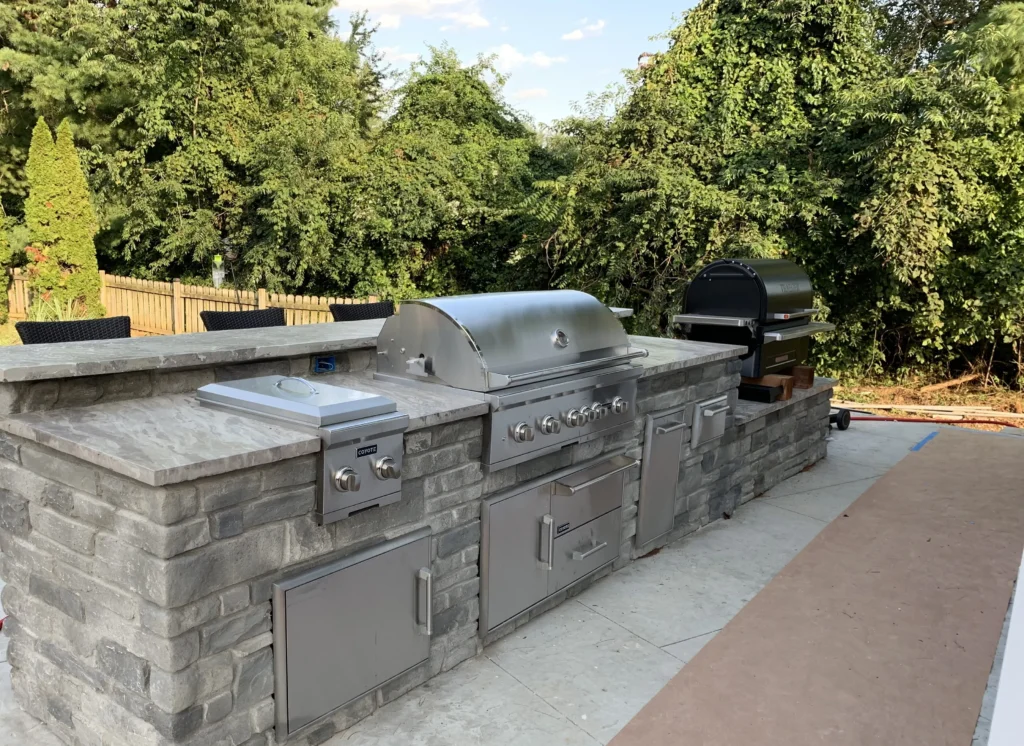
While DIY maintenance is vital, there are times when consulting professionals is a wise choice. Homeowners should consider professional consultations when:
- Significant Wear Is Noted: If there are signs of deep wear or damage that you cannot rectify, seeking expert help is warranted.
- Annual Inspections: Engaging professionals for annual maintenance checks can uncover hidden issues and ensure everything operates smoothly.
- Complex Repairs Are Needed: For any specialized repairs, particularly involving electrical or plumbing issues, professionals should be consulted.
Investing in professional maintenance not only protects your outdoor kitchen but is also a valuable safeguard for your investment, enhancing the longevity of this essential space.