By Terrance Schabilion, Custom Pool Builder Spring Hill FL
When considering a new pool in Florida, potential owners often face the dilemma of choosing between Naturi natural pools and saltwater pools. Understanding the distinct characteristics of each pool type is essential for making a decision that aligns with personal preferences and lifestyle. This article dives into the skin feel, water chemistry, and corrosion resistance of both options, providing insight into how they affect the swimming experience. In particular, we will explore the environmental implications and maintenance requirements, which are crucial for ensuring long-term satisfaction and usability. Key sections include a comparison of skin feel differences between natural and saltwater pools, their respective water chemistry, and the role of corrosion resistance in Florida’s coastal climate.
Hardware & Coping Corrosion
Skin feel refers to the tactile sensation experienced by swimmers when they enter the water. Naturi natural pools are designed to provide a softer, more pleasant feel compared to their saltwater counterparts. This softer sensation is attributed to the unique filtration systems utilized in these pools, which mimic natural ecosystems. User testimonials often highlight a preference for the gentler touch of Naturi pools, making them an appealing option for families and those with sensitive skin.
Water Chemistry:
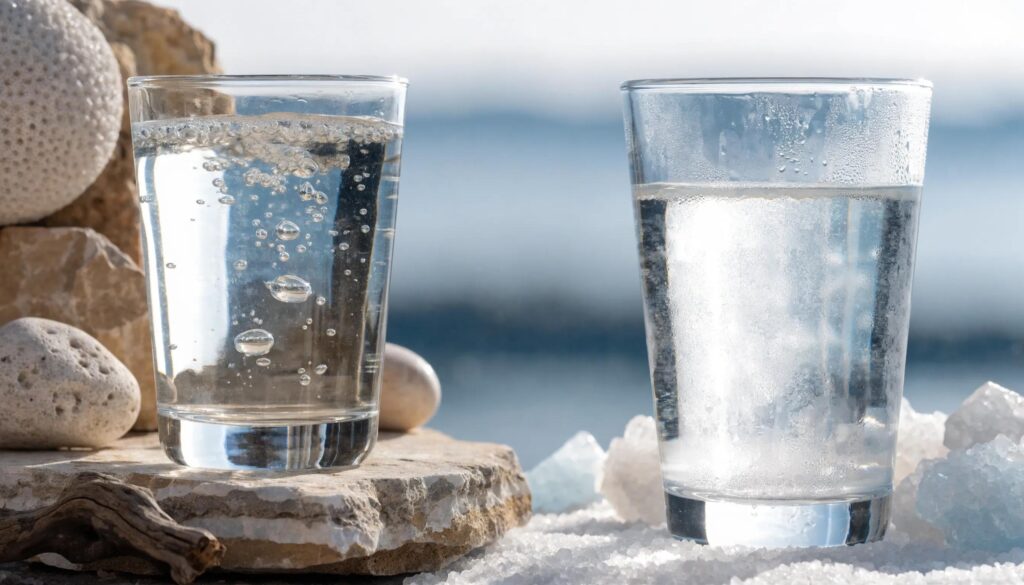
Water chemistry plays a pivotal role in influencing the swimming experience in both Naturi natural and saltwater pools. The differences in filtration systems significantly affect the chemical makeup of the water. Naturi pools employ a natural filtration approach that relies on plants and beneficial microorganisms, promoting a harmonious balance. In contrast, saltwater pools utilize salt chlorine generators that convert sodium chloride into chlorine through electrolysis, which can leave swimmers feeling slightly irritated due to higher chemical levels.
How Does Water Chemistry Influence Skin Sensation in Natural and Saltwater Pools?
The chemistry of the water can significantly affect skin sensation. Naturi pools maintain a pH and chemical balance that is much closer to that of natural freshwater, often leaving users with a smooth and soothing experience. On the other hand, saltwater pools, while convenient in their self-regulating chlorine levels, may lead to a drier feeling on the skin as chlorine can strip moisture away, leading to irritation for some swimmers.
Which Chemicals Are Commonly Used in Saltwater Pools and What Are Their Effects?
Saltwater pools typically rely on sodium chloride (table salt) for their chlorine generation. Other common chemicals may include stabilizers such as cyanuric acid and additional sanitizers, which are necessary to maintain optimal water quality. While these compounds facilitate easier maintenance, they can still cause skin dryness and require proper management to avoid issues such as over-salination.
Corrosion Resistance:
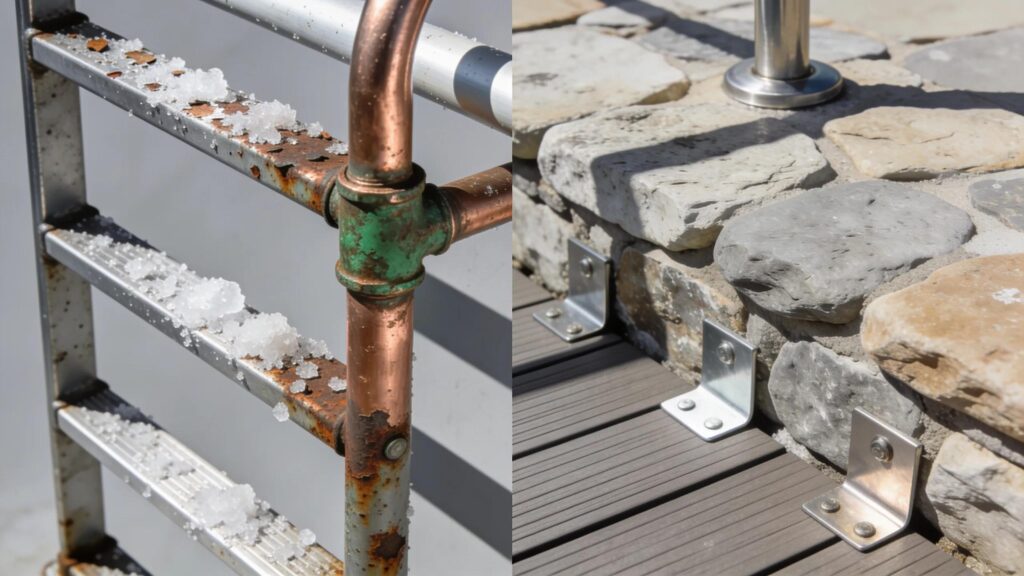
Corrosion resistance is a crucial factor when selecting a pool type in Florida’s coastal environment. Saltwater pools are particularly susceptible to corrosion due to the higher salinity of the water, which can adversely affect pool equipment and materials. As a result, homeowners may need to invest significantly in “corrosion-resistant materials” to ensure longevity.
How Does Saltwater Pool Corrosion Affect Pool Equipment and Materials Longevity?
The salinity in saltwater pools can lead to accelerated wear on pumps, heaters, and other metal components. Regular maintenance and monitoring of water chemistry are essential to prevent premature deterioration of pool infrastructure. It is advisable for owners to consider equipment made of corrosion-resistant materials to mitigate these issues.
What Technologies Enhance Corrosion Resistance in Natural Pool Systems on Florida’s Nature Coast?
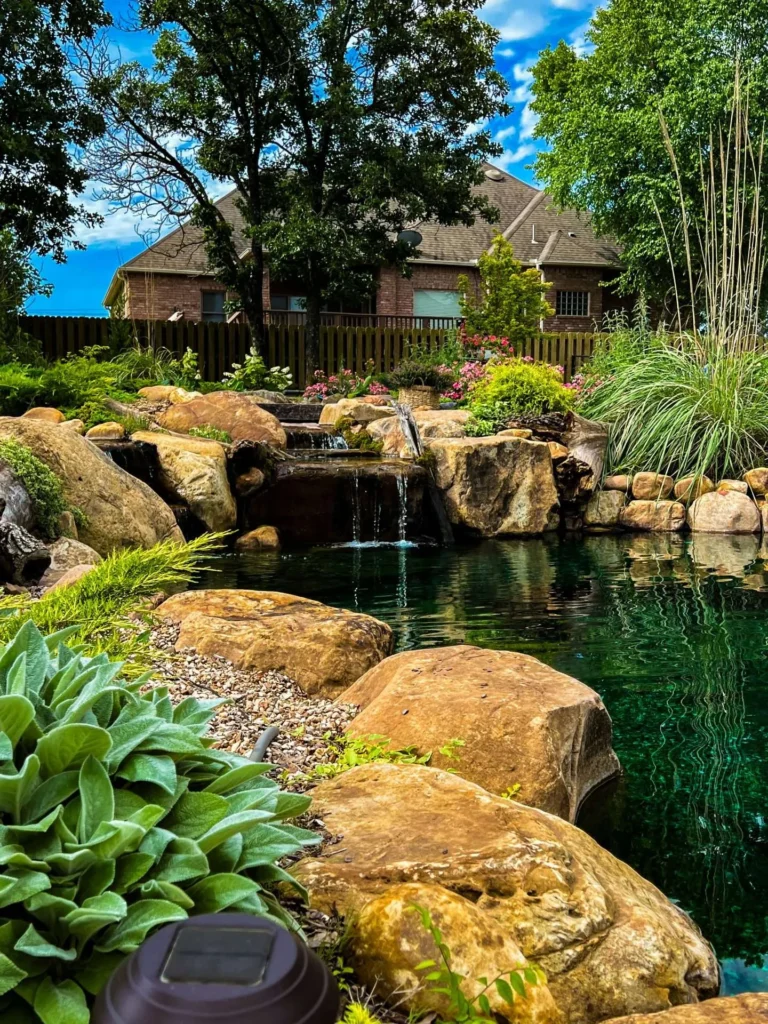
Naturi natural pool systems often incorporate innovative materials and technologies that improve resistance to corrosion without the harmful side effects associated with saltwater. Utilizing natural stone or specially treated metals reduces corrosion risk, ensuring that the structural integrity of the pool is maintained even in challenging environments.
Why Are Eco-Friendly Pool Options Growing Popular in Spring Hill and Tampa Bay?
Across regions like Spring Hill and Tampa Bay, eco-friendly options for pools have surged in popularity. This shift is largely due to increasing environmental awareness and the benefits associated with low chemical usage. Naturi natural pools not only offer an attractive aesthetic but also promote biodiversity and sustainability.
How Do Naturi Natural Pools Align with Environmental Benefits and Reduced Chemical Use?
Naturi natural pools provide numerous environmental benefits, such as reduced reliance on harsh chemicals and the creation of habitats for local wildlife. By filtering and purifying water through a natural ecological process, these pools minimize chemical runoff and contribute to healthier surrounding ecosystems.
What Are the Advantages of Custom Hardscape and Resort-Style Water Features in Luxury Pool Designs?
In addition to the ecological benefits, incorporating custom “hardscapes” and resort-style features enhances the overall swimming experience. These elements create inviting spaces for relaxation and entertainment, aligning with the luxurious expectations of many homeowners in Florida. Beyond Backyard Living Creations specializes in designing these bespoke elements, ensuring your pool complements your outdoor living style beautifully.
To protect your investment and maintain the pristine condition of your outdoor space over time, consider utilizing a “settlement warranty” alongside professional installation practices.