By Terrance Schabilion, Custom Pool Builder Spring Hill FL
In the sunny state of Florida, choosing the right type of pool can be a significant decision for homeowners. With the options of natural pools, saltwater systems, and traditional chlorine pools each presenting unique benefits and challenges, understanding their differences is essential. This article delves into cost comparisons, maintenance needs, and health implications of these pool types, offering valuable insights for potential pool owners. Florida’s warm climate creates a perfect environment for outdoor swimming, making it vital for homeowners to consider the most suitable pool option. Key sections will cover the distinct characteristics of each pool type and the nuanced factors involved in their installation and upkeep.
Construction Costs & Chemical Maintenance
The differences between natural, saltwater, and chlorine pools lie primarily in their construction, water treatment, and overall swimming experience. Natural pools utilize biological filtration systems that rely on plants and natural processes to keep water clean, offering a more environmentally friendly alternative. Saltwater pools, on the other hand, use salt chlorine generators to produce chlorine from salt, providing a gentler swimming experience with lower chlorine levels. Traditional chlorine pools employ chemical chlorinators, requiring regular addition of chlorine to maintain water quality. Each pool type impacts swimmers’ health, maintenance costs, and environmental considerations in distinct ways.
How Does Each Pool Type Use Distinct Water Sanitation Methods?
Different pool types employ various methods to sanitize water. Natural pools depend on biological filtration systems that support aquatic plants, which help to purify water naturally. These systems create a self-sustaining environment, making them eco-friendly and low in chemical use. Saltwater pools utilize salt chlorine generators that convert salt into chlorine, thereby generating a steadier supply of chlorine while being less harsh on the skin than traditional chlorine systems. In contrast, traditional chlorine pools utilize chemical chlorinators that require regular dosage of chlorine disinfectants, which can be irritating to some swimmers.
How Do Construction and Installation Costs Compare for Natural, Saltwater, and Chlorine Pools in Florida?
The construction and installation costs of these pool types can vary significantly based on their design and materials. Natural pools generally involve higher upfront costs due to the extensive landscaping and biological filtration systems required. Saltwater pools are typically more affordable than natural pools but may still come with costs associated with the salt chlorine generators. Traditional chlorine pools usually have the lowest initial installation costs; however, ongoing maintenance costs can accumulate significantly over time, particularly when considering the purchase of chemicals required for water balance.
| Pool Type | Average Cost | Maintenance Frequency |
|---|---|---|
| Natural Pools | High | Low |
| Saltwater Pools | Moderate | Moderate |
| Chlorine Pools | Low | High |
This comparison illustrates the financial considerations each pool type entails, aiding homeowners in making an informed decision tailored to their financial situation and preferences.
What Should Florida Homeowners Know About Maintenance Requirements for Natural, Saltwater, and Chlorine Pools?
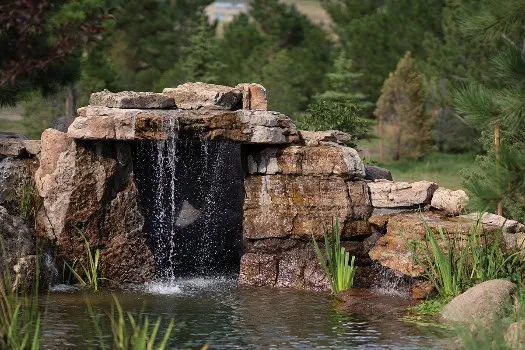
Maintaining each pool type involves distinct practices that reflect their construction and water treatment methods. Natural pools require regular care to ensure their biological filtration system remains functional, including trimming plants and monitoring water quality. In contrast, saltwater pools involve maintaining equipment such as salt chlorine generators, which require occasional inspections and cleaning to function optimally. Traditional chlorine pools demand the most frequent maintenance; homeowners must regularly test and balance water chemistry, along with adding chlorine and other chemicals to prevent algae growth.
As an integral part of pool ownership, understanding these maintenance needs empowers Florida homeowners to choose a pool type that aligns with their lifestyle and willingness to engage in upkeep. Beyond Backyard Living Creations offers comprehensive maintenance services that can help streamline these requirements, ensuring pool owners can enjoy their investment without hassle.
How Do Natural Swimming Pools Promote Eco-Friendly Water Filtration?
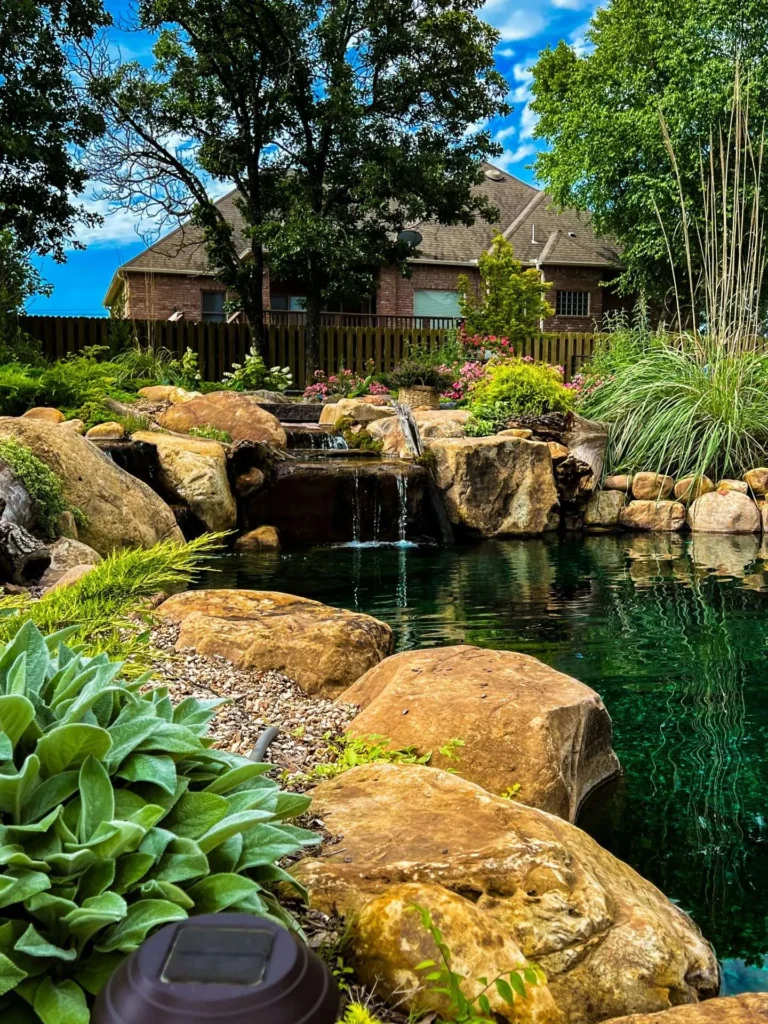
Natural pools stand out for their eco-friendly approach to water filtration. The biological filtration systems used in these pools succeed by leveraging plants and microorganisms to filter and purify water. This process not only keeps the pool clean but also supports local biodiversity by creating a small ecosystem. Such pools reduce the need for harsh chemicals and contribute positively to the environment, appealing to homeowners looking for sustainable pool options in Florida.
To better understand how these systems maintain water purity without synthetic additives, consider the established ecological mechanisms documented in international research.
Understanding Natural Swimming Pools and Biological Filtration
In recent decades, natural swimming pools (NSPs) have gained popularity in Europe, especially in Germany and Austria. NSPs differ from swimming pools in that they utilize biological Pathogen performance testing of a natural swimming pool using a cocktail of microbiological surrogates and QMRA-derived management goals, 2021
What Are the Documented Health Benefits of Natural Pools Versus Chemical-Based Systems?
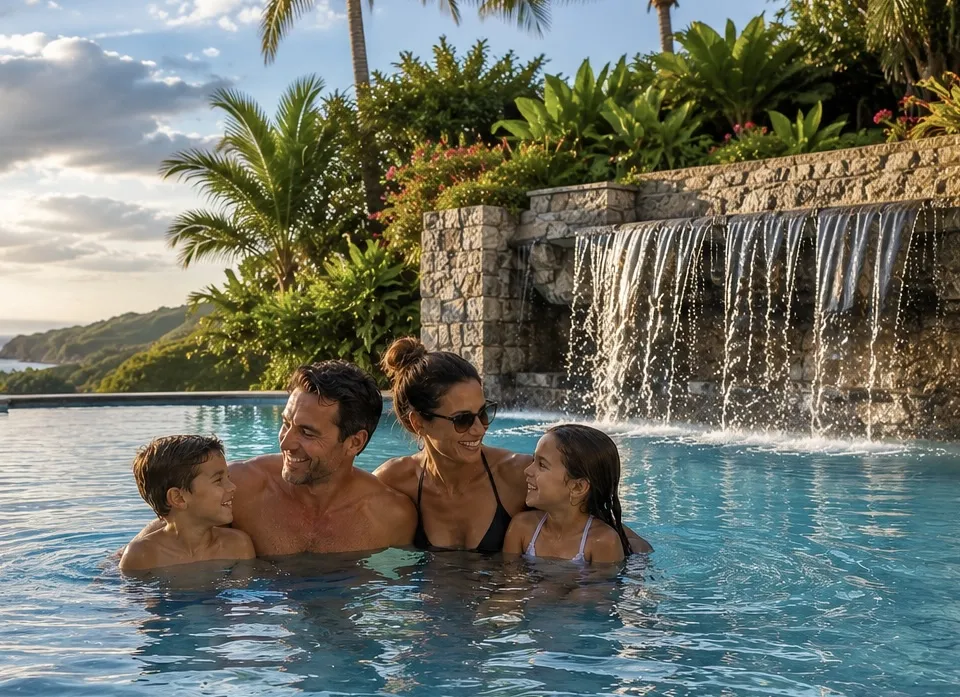
Choosing a natural pool system can yield numerous health benefits compared to chemically treated alternatives. Natural pools eliminate the need for traditional chlorine and other disinfectants often linked to skin irritations, respiratory issues, and allergies. Research indicates that regular exposure to natural materials can enhance overall swimmer satisfaction and comfort. Additionally, the calming presence of surrounding vegetation contributes to a more relaxing swimming environment, promoting mental well-being.
When designing your outdoor oasis, integrating features like a paver pool deck can significantly enhance the surrounding area while providing a durable surface. The health advantages of natural pools resonate strongly with those prioritizing holistic swimming experiences. As an emerging trend, these pools offer an attractive alternative to chemical-based systems, providing peace of mind both for individuals and the environment.