By Terrance Schabilion, Beyond Backyard Living – Custom Pool Builder Spring Hill FL
Choosing the right outdoor structure for your home in Florida, especially in areas prone to hurricane conditions, involves an understanding of both design and performance. Insulated solid-roof pavilions and motorized louvered pergolas each have unique benefits that cater to different needs in outdoor living spaces. This guide dives into the critical differences between these structures, exploring how their design influences hurricane preparedness, shade solutions, and cost implications. Homeowners often face challenges relating to functionality, durability, and overall cost-effectiveness when selecting outdoor structures. In this article, we will assess the features, advantages, and specifications surrounding insulated solid-roof pavilions and motorized louvered pergolas.
We’ll begin by comparing the fundamental structural differences and move into performance characteristics, financial considerations, and design processes from planning to installation.
What Are the Key Differences Between Insulated Solid-Roof Pavilions and Motorized Louvered Pergolas?
Insulated solid-roof pavilions and motorized louvered pergolas are two distinct types of outdoor structures, each designed for specific uses and capabilities.
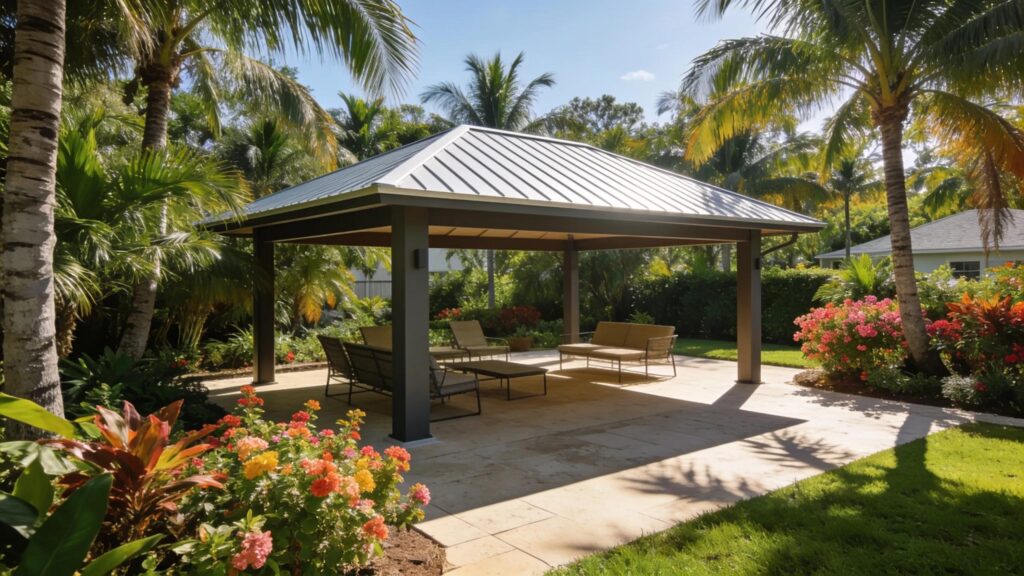
- Structural Features: Insulated solid-roof pavilions typically have a completely enclosed roof that provides substantial protection from the elements. This makes them ideal for all-season use in Florida’s climate. In contrast, motorized louvered pergolas feature adjustable slats that can open or close, providing flexibility in shading and ventilation but offering less structural protection against heavy rain and wind.
- Shading Capabilities: The design of insulated pavilions naturally enhances shade and shelter, allowing for comfortable outdoor living throughout the year. Motorized pergolas, however, allow users to customize sunlight exposure based on preference and weather, although their effectiveness may vary during severe weather.
- Hurricane Preparedness: Considering Florida’s hurricane conditions, insulated solid-roof pavilions often comply with stricter construction standards, making them better equipped to withstand high winds. Motorized pergolas, while engineered with some resistance, cannot typically match the robustness of a solid roof for hurricane-proof structures.
Beyond Backyard Living Creations specializes in building high-quality insulated solid-roof pavilions that provide solid protection without compromising on style and outdoor experience.
How Does Insulation and Roof Type Affect Pavilion Performance?
Insulation plays a critical role in the performance of pavilions, influencing both energy efficiency and indoor comfort.
Pavilions equipped with insulated roofs maintain stable temperatures, reducing heat exposure in Florida’s warm climate. This insulation minimizes the reliance on additional cooling solutions, promoting energy efficiency. Furthermore, insulated pavilions are less likely to succumb to moisture issues, ensuring the longevity of the structure and the comfort of those inside.
Higher durability against extreme weather conditions is another major benefit. Florida homeowners can trust that these structures will stand firm during storm seasons without significant wear.
What Are the Functional Advantages of Motorized Louvers in Pergolas?
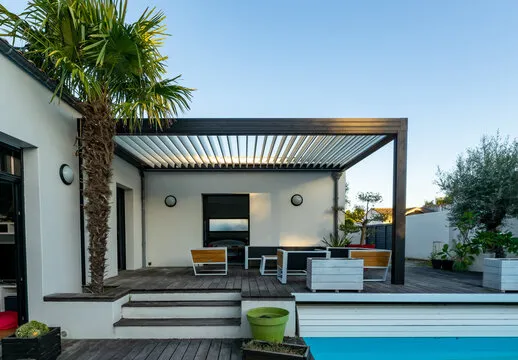
Motorized louvered pergolas offer several functional advantages that can enhance outdoor living experiences significantly.
- Automation Features: With the ability to control the slats via remote or smartphone app, homeowners can adjust the shading quickly according to weather changes without manual effort.
- Convenience and Adaptability: These pergolas can automatically close during rain, providing shelter and preventing water accumulation, enhancing comfort and utility.
- Airflow Management: The design allows for better airflow through open slats, making the space more enjoyable during hot days without direct sun exposure.
Solid Pavilions vs Louvered Pergolas
Florida’s building codes impose stringent standards for outdoor structures, especially in relation to hurricane preparedness. Both insulated solid-roof pavilions and motorized louvered pergolas must meet these regulations, which often include specific design specifications for wind loads, materials used, and structural integrity under stress from severe weather conditions.
The impact of these standards is profound on the design process. For instance, materials in pavilions must be engineered to resist high winds and storm surges. Similarly, motorized louvered systems are produced using durable materials, but their inherently adjustable features must also comply with the wind resistance ratings dictated by local codes.
What Is the Required Wind Load Rating for Hurricane Resistant Outdoor Structures in Florida?
In Florida, the required wind load ratings for outdoor structures such as pavilions and pergolas can reach up to 180 mph depending on specific locations within the state and their respective exposure categories. This rating ensures that structures can withstand hurricane conditions prevalent in the area.
Understanding these requirements is essential for homeowners investing in hurricane-rated outdoor living solutions. Structures designed without these specifications may pose significant safety risks during storms.
How Are Pavilions and Pergolas Engineered to Withstand Florida’s Hurricane Conditions?
The engineering process for both structures incorporates advanced techniques designed to exceed hurricane-resistant requirements.
- Reinforced Connections: Both pavilions and pergolas use reinforced connections to secure components, ensuring structural stability during severe winds.
- Anchoring Techniques: Proper anchoring techniques are critical for ensuring that these structures remain grounded and resistant to uplift during storms.
- Material Selection: The choice of materials is also crucial. High-strength aluminum and specific composites are typically used in hurricane-rated designs, providing lightweight yet durable options.
What Are the Cost Considerations and Investment Values of Pavilions Compared to Pergolas in Florida?
Cost considerations are vital when choosing an outdoor structure, as they significantly impact the overall investment value.
Typically, insulated solid-roof pavilions require a higher initial investment compared to motorized louvered pergolas. This is due to the materials and engineering required for insulation and durability. However, the long-term benefits may outweigh the initial costs, as pavilions generally require less maintenance and offer extended usability all year round.
How Does the Initial Cost of Insulated Solid-Roof Pavilions Compare to Motorized Louvered Pergolas?
Initial costs for insulated solid-roof pavilions are generally higher, usually starting around $20,000 to $30,000, depending on size and features. In contrast, motorized louvered pergolas can start around $15,000. It’s advisable for customers to evaluate these structures based on specific needs, intended use, and potential return on investment over time.
What Are the Long-Term Benefits and ROI of Hurricane Rated Luxury Outdoor Structures?
Investing in hurricane-rated luxury outdoor structures such as insulated solid-roof pavilions typically results in high ROI for homeowners. The benefits include:
- Increased Property Value: Quality outdoor spaces enhance overall property appeal.
- Insurance Discounts: Homes with reinforced structures may qualify for lower insurance premiums.
- Years of Enjoyment: Durable design and engineering mean fewer replacements and repairs over time.
What Does the Beyond Backyard Living Creations Process Entail from 3D Design to Installation?
Beyond Backyard Living Creations follows a comprehensive process to deliver exceptional outdoor solutions, starting with an innovative 3D design phase.
The 3D design process allows clients to visualize their project before construction begins, ensuring personalization and a full understanding of the final product. Collaborative adjustments are made based on client feedback to ensure maximum satisfaction during installation.
How Does the 3D Design Process Enhance Customization for Florida Outdoor Living Spaces?
3D design technology enhances customization in several ways:
- Visualization: Clients get a realistic view of how their outdoor space can be transformed.
- Tailoring Styles: Options for materials, colors, and layouts are easily adjustable based on individual tastes.
- Seamless Integration: Designs can integrate with existing landscaping and architectural elements, ensuring coherence with the homeowner’s vision.
What Engineering and Construction Steps Ensure Code Compliance and Quality Assurance?
Ensuring that each project meets local code requirements involves several critical steps:
- Regulatory Checks: Plans are reviewed against Florida’s hurricane codes to ensure compliance.
- Quality Assurance Measures: Regular assessments during the construction phase guarantee standards are met.
- Final Inspections: Completed structures undergo thorough inspections before being handed over to the client.
By understanding the comprehensive approach from design to structure maintenance, homeowners can better appreciate the full value of their investment in outdoor spaces from Beyond Backyard Living Creations, supported by a lifetime settlement warranty and an annual protection plan.