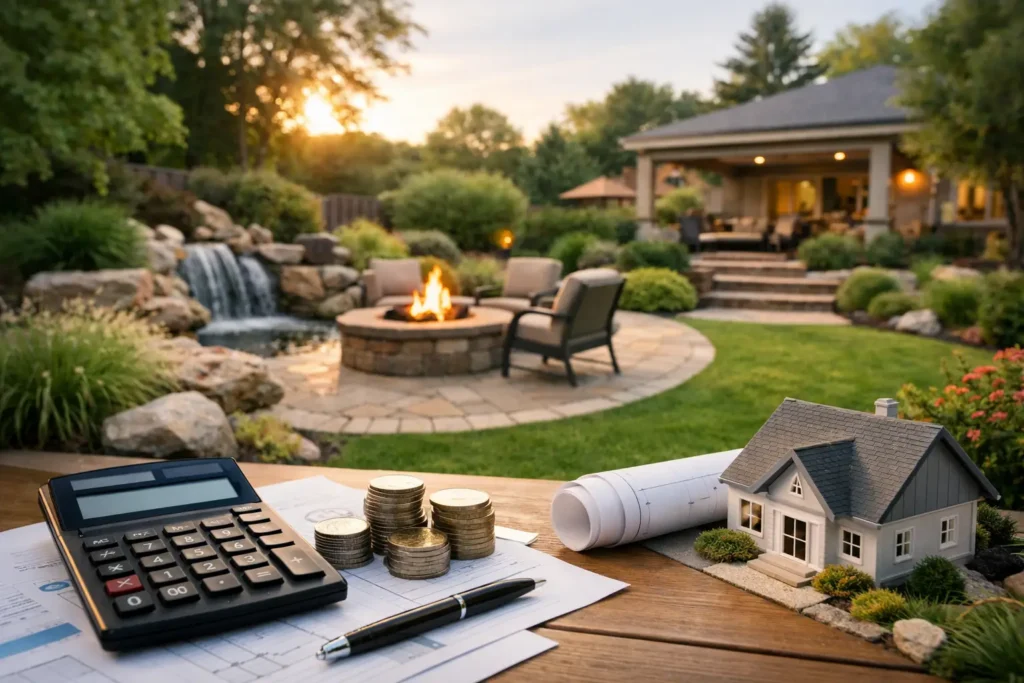
A backyard that feels effortless rarely starts that way. The clean lines, layered planting, inviting patio, soft lighting, and poolside gathering space that make a home feel like a private retreat are usually the result of careful planning and a meaningful investment. So, how much does landscaping cost? For most homeowners, the answer ranges from a few thousand dollars for focused improvements to six figures for a fully customized outdoor living environment.
The biggest mistake is treating landscaping as a single line item. It is really a collection of choices – design, grading, drainage, planting, hardscaping, lighting, irrigation, and specialty features – that all shape the final number. Once you understand what drives cost, it becomes much easier to invest wisely and build a space that looks beautiful and lives well.
How much does landscaping cost for most homes?
For basic landscaping updates, many homeowners spend around $5,000 to $15,000. That might include refreshing planting beds, adding sod, improving edging, installing mulch or decorative stone, and solving a few visible problem areas.
For a more complete front or backyard refresh, costs often land between $15,000 and $50,000. This is where the project starts to feel more intentional. You may be adding landscape lighting, irrigation upgrades, new trees, expanded planting design, a walkway, small retaining walls, or a modest patio.
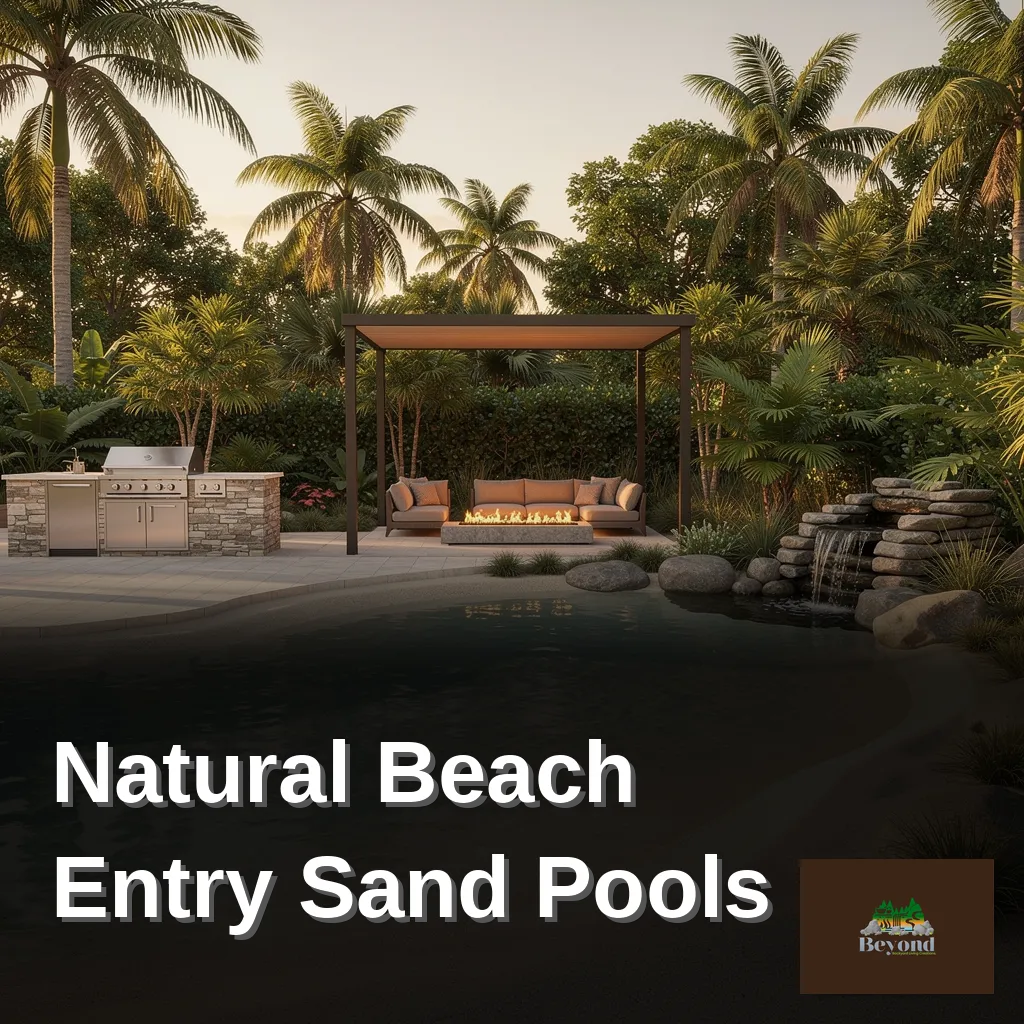
For luxury outdoor transformations, budgets frequently begin around $50,000 and can rise well beyond $150,000. At this level, landscaping is no longer just about curb appeal. It becomes a full outdoor lifestyle project with custom hardscapes, water features, outdoor kitchens, shade structures, fire features, pool surroundings, and integrated design details that make the entire property feel cohesive.
That is why broad online averages can be misleading. A homeowner searching for fresh sod and shrubs is asking a very different pricing question than someone envisioning a resort-style backyard built for entertaining.
What has the biggest impact on landscaping cost?
Scope of work
The size of the project is the first major factor. A targeted upgrade to improve a front entry will cost dramatically less than reimagining an entire backyard with multiple gathering spaces. Cost rises not only with square footage, but with complexity. A yard that includes dining, lounging, cooking, and recreation zones takes more thought, more materials, and more skilled installation.
Site conditions
Flat, accessible lots are usually simpler and less expensive to build. Sloped terrain, poor drainage, erosion issues, tight access, and challenging soil can all raise costs. If crews need to regrade the property, bring in fill, install drainage solutions, or work around limited entry points, pricing will reflect that added labor and equipment.
Softscape vs. hardscape
Planting is typically less expensive than construction, although mature specimen trees and large-scale installations can still carry a premium. Hardscape elements such as patios, walkways, retaining walls, steps, and driveways tend to raise budgets quickly because they require excavation, base preparation, skilled craftsmanship, and higher-cost materials.
This is one reason two projects of similar size can vary so much. A yard centered on lawn and planting beds may be relatively modest. A yard with natural stone, pavers, built-in seating, and architectural masonry will move into a different investment range.
Materials and finish level
Material selection changes everything. Concrete pavers generally cost less than premium natural stone. Pressure-treated structures cost less than custom cedar or hardwood details. Standard plant sizes cost less than mature installations that create instant impact.
Luxury projects often invest in materials that do more than look good on day one. They hold their color, wear beautifully, and complement the architecture of the home. That matters when the goal is not just a finished yard, but a refined, lasting outdoor environment.
Features and amenities
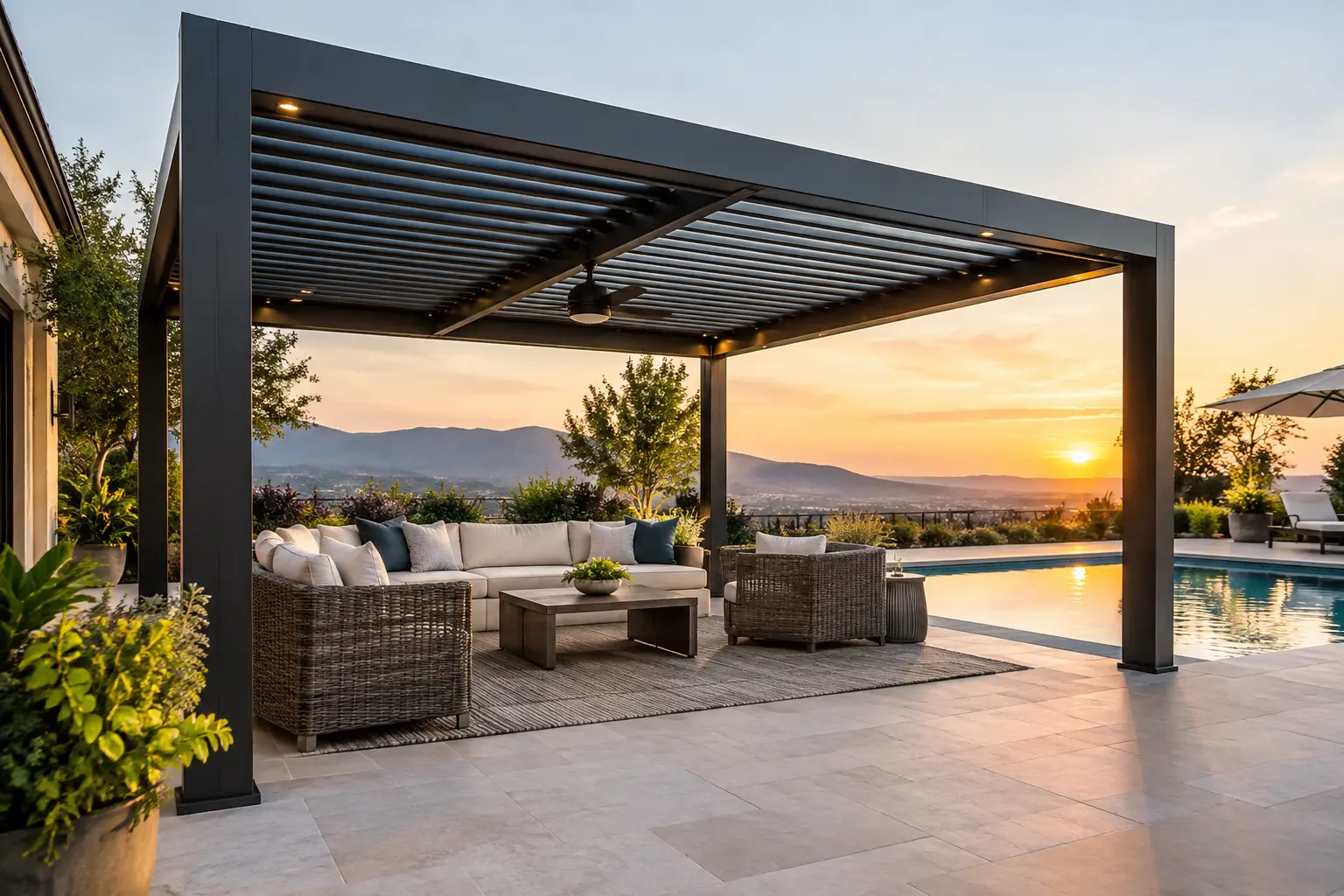
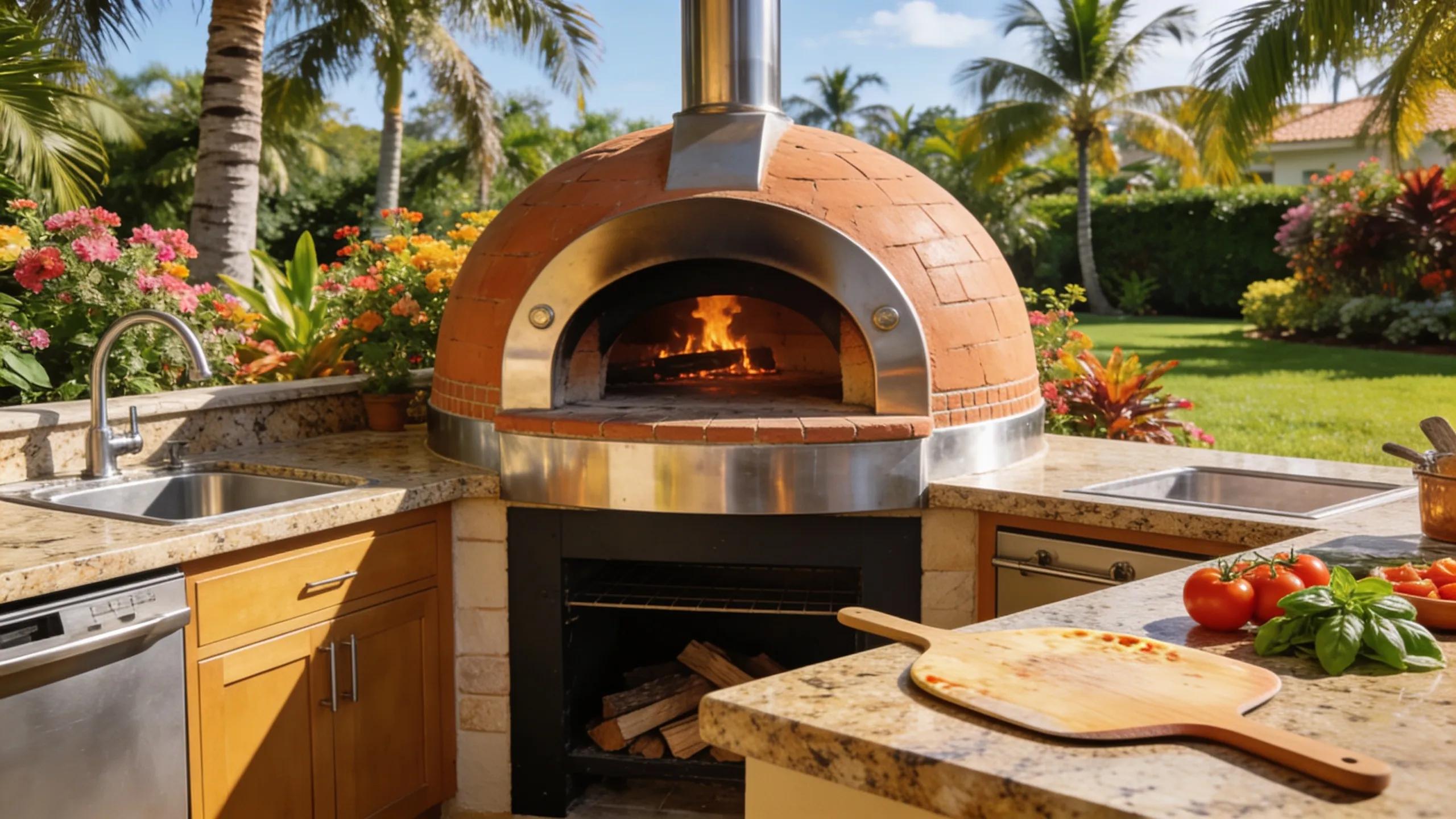
Every added feature shifts the budget upward. Fire pits, fireplaces, pergolas, pavilions, seat walls, outdoor kitchens, pizza ovens, water features, putting greens, and custom lighting systems all add value and enjoyment, but each comes with its own design and installation demands.
Pools deserve their own category because they often become the anchor of a high-end backyard plan. Once a pool enters the conversation, surrounding hardscape, plant design, drainage, fencing, lighting, and outdoor entertaining areas usually follow.
Typical landscaping cost by project type
If you are trying to build a realistic budget, it helps to think in components.
A planting refresh with bed clean-up, mulch, and a mix of shrubs and ornamental accents may fall between $3,000 and $10,000, depending on yard size and plant selection. Sod installation may add several thousand dollars more, especially if site prep is extensive.
Irrigation systems often range from roughly $2,500 to $8,000 or more. Landscape lighting can start around $2,000 for a simple setup and climb past $10,000 for a professionally designed system that highlights architecture, pathways, trees, and entertaining areas.
Patios and walkways often begin around $8,000 to $15,000 for smaller spaces and can easily exceed $25,000 to $50,000 when materials, size, and custom detailing become more ambitious. Retaining walls can range widely based on height, engineering needs, and material choice, often starting in the several-thousand-dollar range and moving much higher for structural or decorative installations.
Outdoor kitchens usually start around $15,000 and can rise quickly depending on appliances, utilities, counters, storage, and finish materials. Fire features may range from a few thousand dollars for a simple fire pit to significantly more for a custom fireplace with seating walls and integrated hardscape.
A comprehensive luxury backyard renovation, especially one designed as a unified experience rather than a collection of add-ons, can move into the $75,000 to $250,000 range and beyond.
Why design matters to the final number
Homeowners sometimes see design as an extra cost when it is actually one of the smartest ways to control the overall investment. Good design prevents expensive missteps, awkward layouts, and disconnected features that never quite work together.
A thoughtful plan also helps prioritize where to spend and where to simplify. You may decide that a larger entertaining patio matters more than oversized planting beds, or that lighting and drainage should happen now while a pavilion is phased for later. The point is not to cut ambition. It is to shape ambition into a plan that fits your property and your lifestyle.
For premium outdoor living projects, design becomes even more valuable because every decision affects the next one. Grade changes affect patios. Patio placement affects kitchen layout. Shade structures affect lighting. Planting affects privacy and sightlines. When these elements are coordinated from the beginning, the result feels polished instead of pieced together.
How to budget for the yard you really want
The most effective starting point is not asking what landscaping should cost in the abstract. It is asking what kind of experience you want your property to deliver.
If your priority is curb appeal, your budget may focus on front-yard planting, lighting, and entry hardscape. If you love entertaining, you may want to invest in a patio, cooking area, fire feature, and layered lighting first. If your goal is a complete backyard escape, the budget should reflect a holistic vision rather than scattered upgrades over time.
It also helps to be honest about whether you want a cosmetic refresh or a transformational project. There is nothing wrong with either choice, but they are priced very differently. A refresh improves appearance. A transformation changes how you live at home.
In many cases, phasing the project makes sense. Core infrastructure such as grading, drainage, utilities, and main hardscape can be completed first, with additional enhancements added later. That approach protects the integrity of the design while giving you flexibility on timing.
When a lower bid is not really a better value
Landscaping estimates can vary sharply, and it is tempting to compare them as if they are interchangeable. They usually are not. One proposal may include detailed site prep, drainage work, premium materials, and a cohesive design approach, while another may only cover visible surface improvements.
A lower price can sometimes mean smaller plant material, less base preparation under pavers, fewer lighting fixtures, limited warranty coverage, or a fragmented scope that leaves key problems unresolved. Those savings can disappear fast if you need repairs, replacements, or additional work later.
For homeowners investing in a signature outdoor space, craftsmanship matters. So does project management. A beautifully designed backyard loses its appeal quickly if the process feels chaotic or the details are rushed.
So, what should you expect to spend?
A practical working range for professional landscaping is about $5,000 to $50,000 for small to mid-sized improvements, with custom outdoor living projects often starting at $50,000 and moving upward based on features, materials, and site conditions. If your vision includes multiple destinations, elevated finishes, and a fully integrated design, the investment will reflect that level of customization.
The right question is not just how much does landscaping cost. It is what will it take to create an outdoor setting that fits your home, your routines, and the way you want to host, relax, and spend time outside. That is where the real value lives.
If you are planning a backyard with lasting beauty and purpose, start with the vision, then build the budget around the experience you want to come home to.