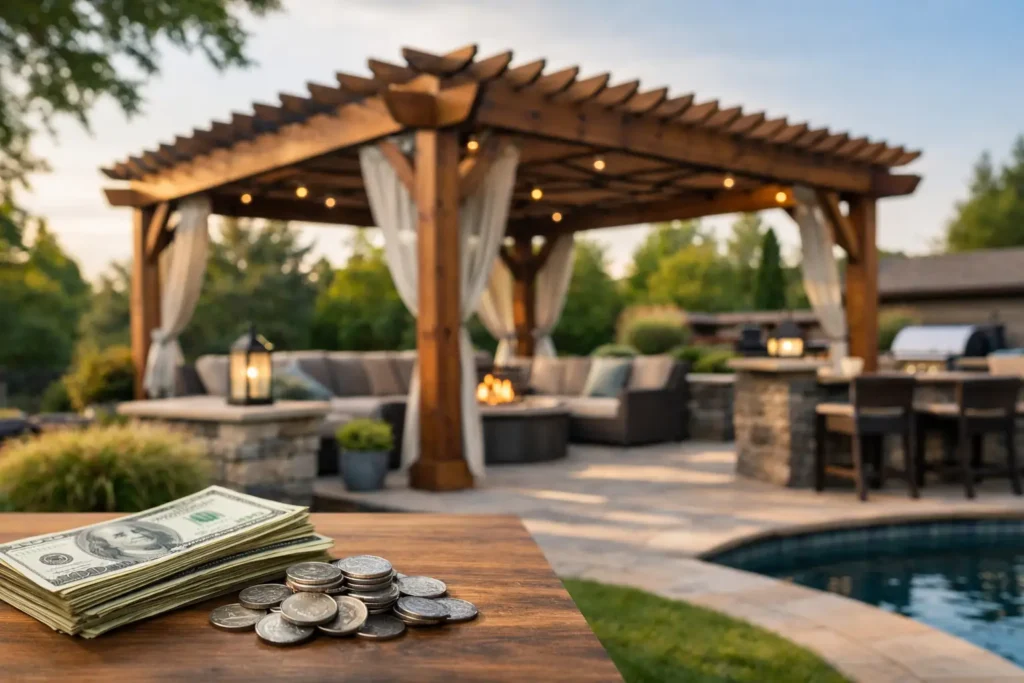
A pergola can look deceptively simple – four posts, overhead beams, a little shade. But if you have ever priced one for a well-designed backyard, you already know the real answer to how much does a custom pergola cost is not simple at all. The investment can range from a few thousand dollars for a basic structure to tens of thousands for a fully integrated architectural feature that anchors an outdoor living space.
That spread exists for a reason. A custom pergola is not just a product. It is part shade structure, part design statement, and often part of a larger plan for dining, lounging, cooking, or gathering by the pool. When it is done well, it does more than add cover. It gives the entire backyard a sense of intention.
How much does a custom pergola cost in real-world terms?
For most homeowners, a custom pergola cost falls somewhere between $8,000 and $30,000+, with truly high-end projects climbing beyond that when the structure is large, engineered, and tied into a broader outdoor living design.
At the lower end of that range, you are usually looking at a smaller pergola with straightforward materials, limited decorative detailing, and a relatively uncomplicated install. At the upper end, the pergola is often customized to match the home, sized for a specific entertaining zone, and upgraded with features like premium finishes, integrated lighting, fans, privacy walls, or a motorized canopy.
If the pergola is being built as part of a luxury patio, pool deck, outdoor kitchen, or full backyard transformation, the structure itself may represent only one part of the project budget. In that setting, cost is shaped as much by design intent as by square footage.
What drives the cost of a custom pergola?
The biggest pricing factor is usually the level of customization. A pergola built to fit your space exactly, complement your home’s architecture, and support the way you entertain will cost more than a prefabricated option. But it also tends to look better, perform better, and feel like it belongs.
Size and scale
A larger pergola naturally requires more material, more labor, and in many cases more structural planning. A compact structure designed to shade a small seating area is very different from one intended to cover an expansive outdoor dining room or frame a full kitchen and bar.
Scale also affects engineering. Wider spans may require larger beams, upgraded footings, or a more substantial post layout. That changes both the look and the cost.
Material selection
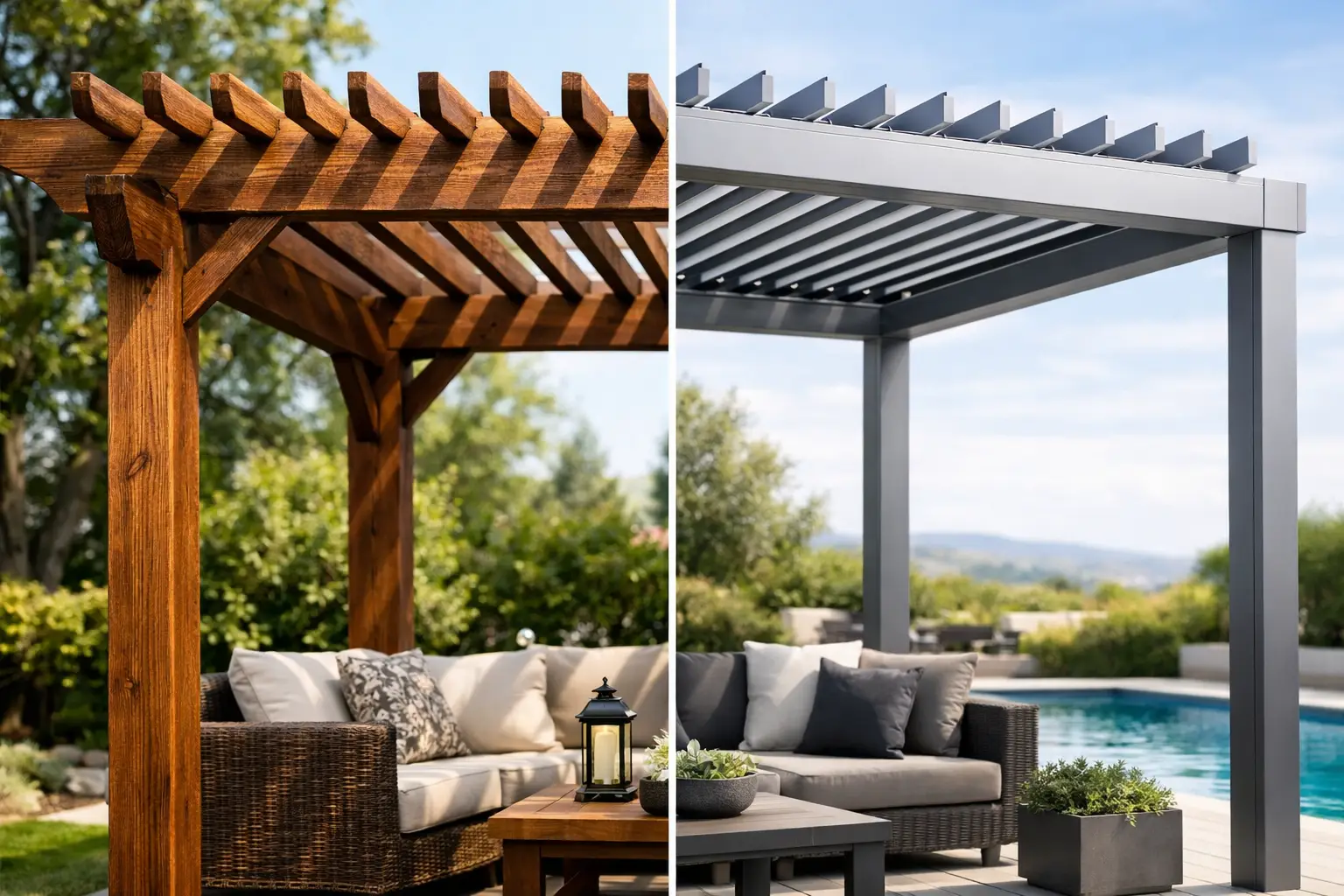
Material plays a major role in how much a custom pergola costs. Wood offers warmth and character, but the species matters. Pressure-treated lumber is more budget-friendly, while cedar and redwood offer a richer finish at a higher price point. Exotic hardwoods push the investment even further.
Aluminum and other low-maintenance materials often come with a higher upfront cost, especially in custom configurations, but they can appeal to homeowners who want a clean architectural look with less upkeep over time. In luxury outdoor spaces, the right material is often chosen as much for visual harmony as for maintenance.
Design complexity
Simple rectangle, open top, standard posts – that is one price point. Add custom dimensions, detailed beam ends, curved elements, integrated screens, ceiling treatments, or a tailored stain or finish, and pricing moves up quickly.
Complexity also includes how the pergola relates to the rest of the property. Matching rooflines, tying into masonry columns, aligning with a custom patio layout, or coordinating with an outdoor fireplace requires design precision. That level of craftsmanship shows in the final result, and it shows in the budget too.
Site conditions and installation
Not every backyard is equally easy to build in. A level, accessible site with clear installation conditions is more straightforward than a sloped yard, tight access area, or space that requires demolition and prep work before the pergola can even begin.
Foundations matter here as well. If footings need to be deeper, the patio must be cut and patched, or the pergola must be integrated into existing hardscape, labor costs can rise. Utility locations, drainage, and code requirements can all affect the final number.
Upgrades that can move a pergola into luxury territory
For many homeowners, the base structure is only the starting point. The most inviting pergolas are often the ones designed as outdoor rooms rather than simple shade frames.
Lighting and electrical
Integrated lighting adds both beauty and function. Recessed lights, pendant fixtures, accent lighting, and even outlet placement can transform a pergola from daytime feature to evening destination. Electrical work adds cost, but it also expands how often the space gets used.
Fans, heaters, and comfort features
In warm climates, a ceiling fan under a pergola can make a major difference. In shoulder seasons, infrared heaters or other comfort upgrades may help extend use. These additions are especially popular when the pergola covers a dining or lounge area intended for frequent entertaining.
Privacy elements and shade control
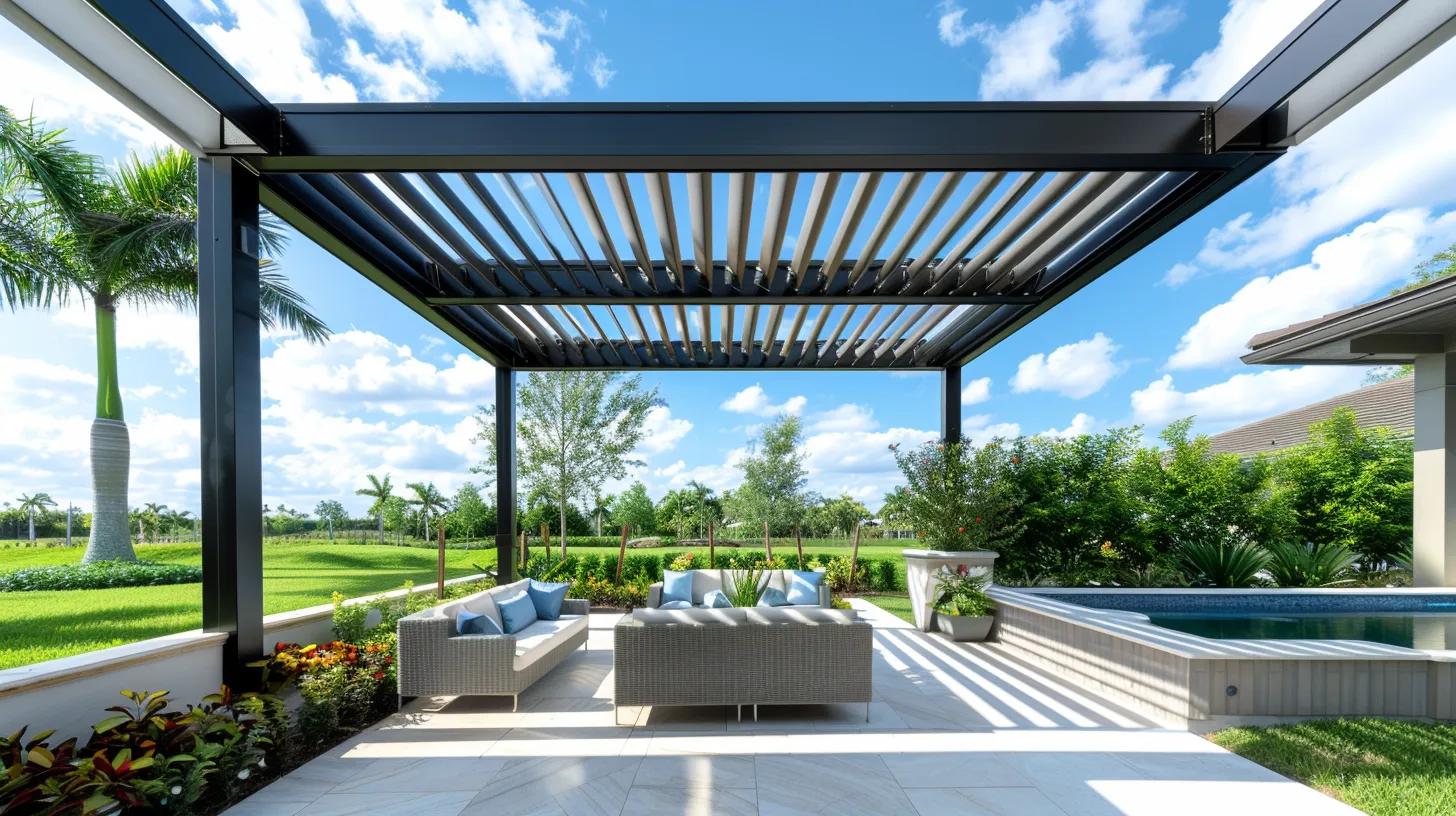
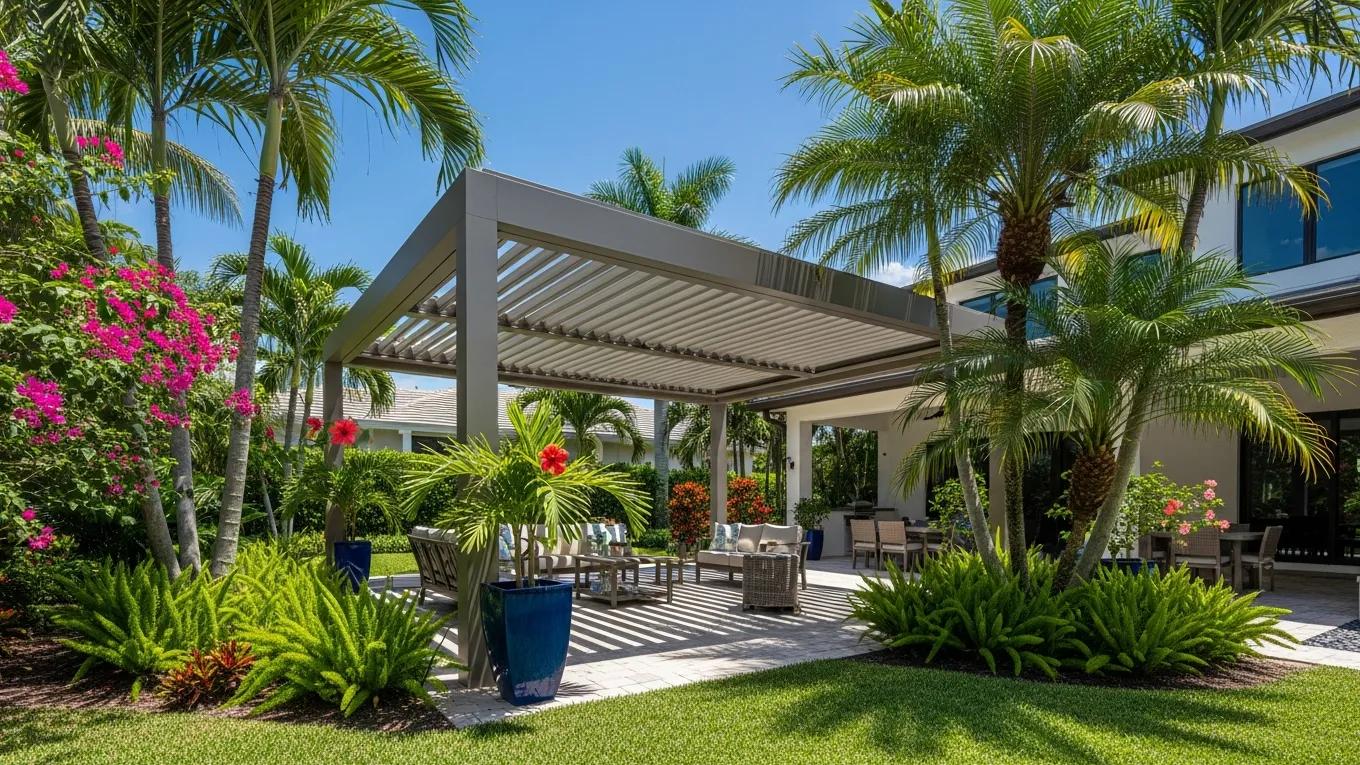
A traditional pergola provides filtered shade, not full protection from sun or rain. If your goal is stronger shade performance, the structure may need added features such as retractable canopies, fixed panels, drapery, privacy screens, or motorized louvers.
These upgrades raise the price, sometimes significantly, but they also change what the pergola can do. For a homeowner creating a private backyard retreat, that may be money well spent.
Built-in integration with other outdoor features
Some of the most striking pergolas are not standalone at all. They are integrated with outdoor kitchens, bars, fireplaces, seat walls, or poolside lounges. In those cases, the cost of the pergola reflects coordination across trades, materials, and design elements.
That is also where the structure starts delivering more than shade. It becomes the architectural centerpiece that brings the whole space together.
Why custom pergola pricing varies so much
When homeowners compare prices, they are often not comparing the same thing. One contractor may quote a basic structure only. Another may include design work, permits, footings, finish details, lighting prep, and premium installation standards.
That is why low pricing can be misleading. A number that looks attractive at first may not account for the details that make the pergola durable, proportionate, and visually refined. On a premium property, those details matter.
There is also the question of permanence. A pergola that is properly designed for your yard and built to complement the home tends to age better than a one-size-fits-all solution. It looks less like an add-on and more like part of the estate.
Is a custom pergola worth the investment?
If your goal is simply to add a little shade for the lowest possible cost, custom may not be necessary. But that is not usually what homeowners in the luxury outdoor market are after.
A custom pergola is worth it when you want the backyard to feel finished. It is worth it when you care about proportion, materials, craftsmanship, and how the structure supports real lifestyle moments – weekend dinners, poolside afternoons, evenings around the fire, or quiet coffee in the morning.
It can also add perceived value to the home, especially when it is part of a cohesive landscape and hardscape plan. Buyers respond to outdoor spaces that feel complete. They respond even more strongly to spaces that feel designed.
How to budget wisely for a pergola project
The best first step is to think beyond the pergola itself. Ask what role it needs to play in your backyard. Is it shading a dining table, framing an outdoor kitchen, softening a pool deck, or creating a destination lounge? The answer shapes the right size, placement, and level of finish.
From there, prioritize what matters most. Some homeowners want natural wood character. Others want low maintenance. Some care most about structure and scale, while others want comfort upgrades like lighting and fans. Knowing what you value helps keep the design focused.
It is also smart to consider whether the pergola should be planned alongside a larger outdoor project. When designed in context with patios, landscaping, and gathering spaces, the pergola often feels more intentional and can be installed more efficiently than if it is treated as a separate afterthought.
For homeowners investing in a high-end backyard, this is where working with a design-build team can make the process much more rewarding. A company like Beyond Backyard Living can help you evaluate not just what the pergola costs, but what it contributes to the beauty, comfort, and hospitality of the space as a whole.
A custom pergola is rarely just about shade. At its best, it creates the kind of place people naturally gather – and that is the part that tends to outlast the price tag.