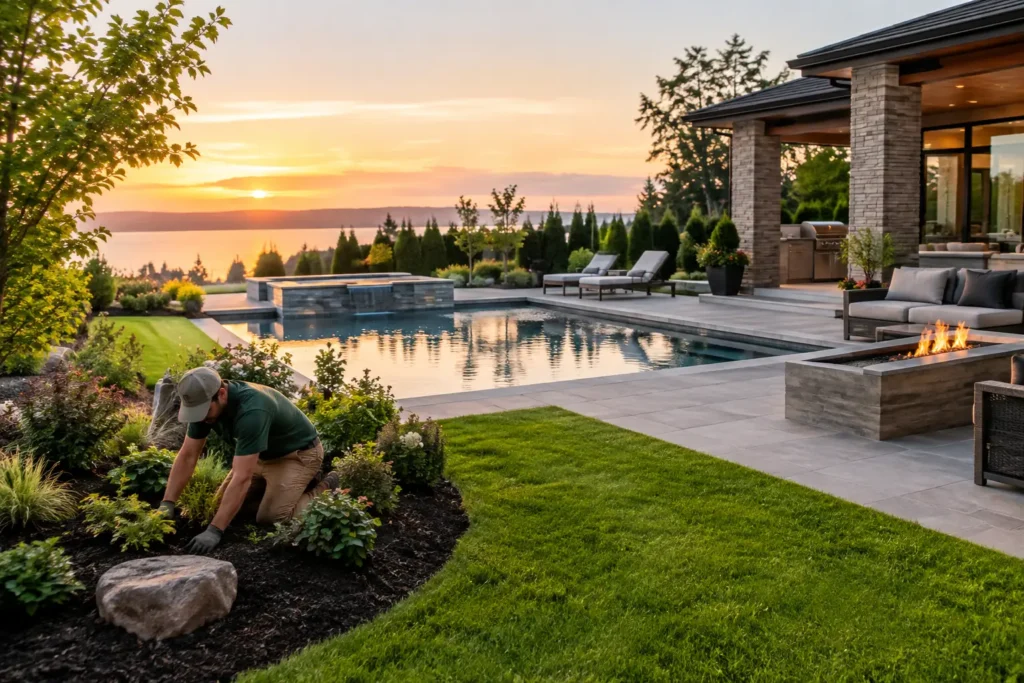
A remarkable backyard rarely comes from adding one more patio, planting a few shrubs, or placing a fire pit in an open corner. It comes from seeing the entire property as one experience. The right landscape contractors help homeowners turn that vision into a place that feels composed, inviting, and distinctly their own – from the first step outside to the final evening gathered around the fire.
For homeowners investing in a premium exterior environment, the question is not simply, “What should we add?” It is, “How should this space live?” The answer may include a pool that draws the eye from the kitchen windows, a covered pavilion that makes summer entertaining effortless, or layered planting that creates privacy without making the yard feel closed in. Great outdoor spaces are planned around real life, then built with the craftsmanship to make that life feel elevated.
What Landscape Contractors Actually Bring to the Project
A landscape contractor can handle much more than installation. For a significant outdoor transformation, the best teams function as planners, builders, problem-solvers, and creative partners. They understand how grade, drainage, access, utilities, materials, planting, and architecture must work together before the first paver is installed.
That integrated perspective matters because outdoor features affect one another. A new pool changes drainage patterns and circulation. A retaining wall may create the level ground needed for a patio, but it also influences views, planting opportunities, and the transition into the rest of the property. An outdoor kitchen needs more than attractive finishes. It needs smart placement, utility coordination, storage, task lighting, and enough room for guests to gather without interrupting the cook.
When these decisions are made separately, a backyard can feel pieced together. When they are planned as a unified environment, each feature has a purpose. The walkway feels natural beneath your feet. The seating area captures the best view. The planting softens stonework, creates seasonal color, and frames the architecture rather than competing with it.
Start With a Lifestyle Plan, Not a Shopping List
A luxury backyard should reflect how its owners want to spend their time. Before discussing materials or individual features, an experienced design-build team will ask better questions. How often do you entertain? Do you picture large celebrations or quiet family dinners? Is the yard meant to feel open and social, private and restorative, or both? What views should be highlighted, and what neighboring sightlines should disappear?
For a family that hosts often, the priority may be a generous pool deck, an outdoor kitchen, and a fire feature that extends the evening. For another homeowner, the better investment may be a tranquil water feature, a shaded lounge, and a paver walkway that connects a morning coffee spot to a garden retreat. Neither approach is more luxurious. The luxury is in designing for the way you actually live.
This is also the moment to plan beyond the immediate wish list. If a future pavilion, putting green, or expanded pool area is likely, the site plan should account for it now. Phasing can be a smart strategy when it protects the larger vision rather than forcing costly rework later.
The Outdoor Rooms That Make a Backyard Feel Complete
The most successful projects often create a sequence of outdoor rooms. These spaces do not need walls to feel defined. Changes in elevation, paver patterns, planting, overhead structures, lighting, and furniture placement can give each area its own character.
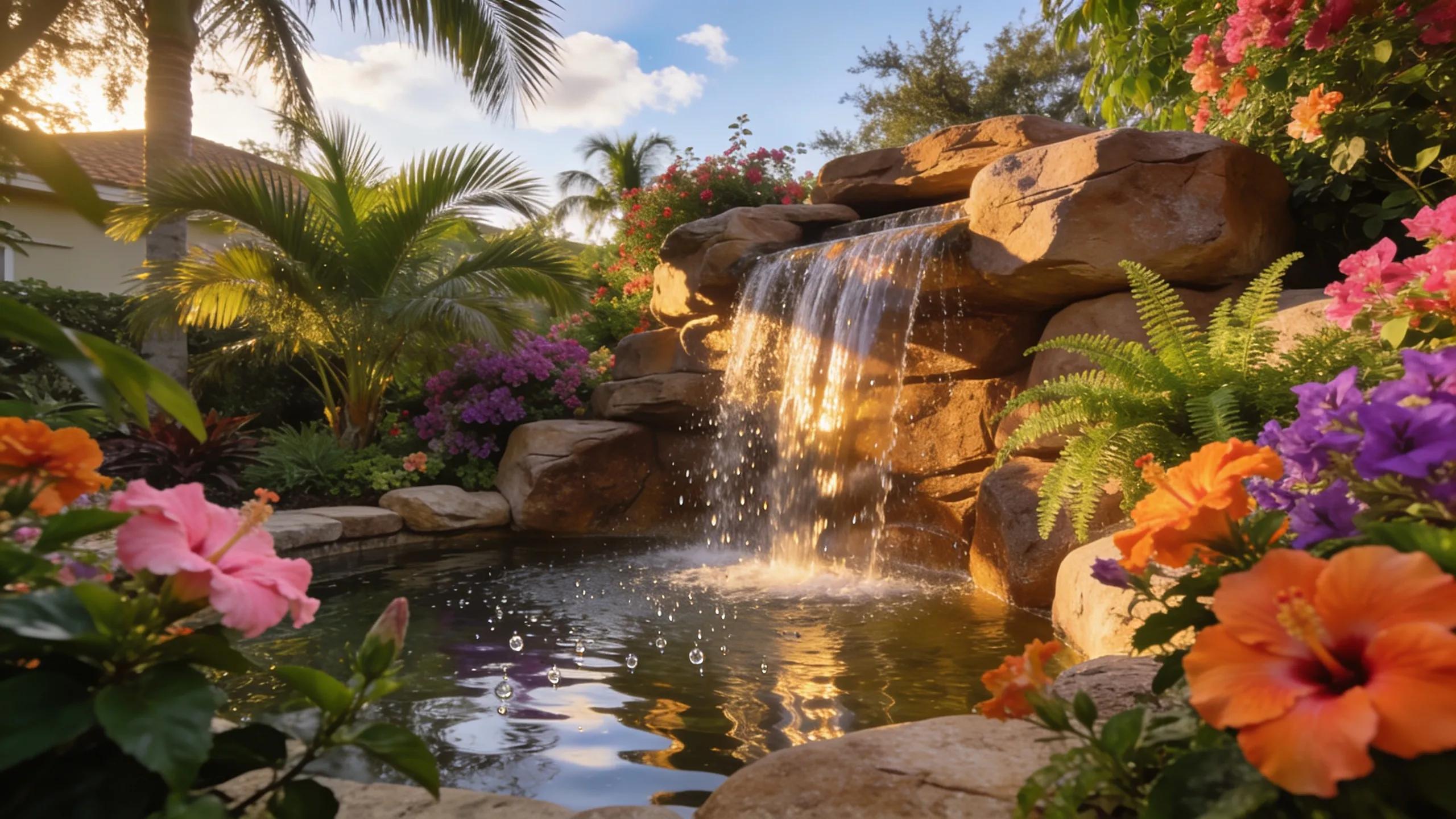
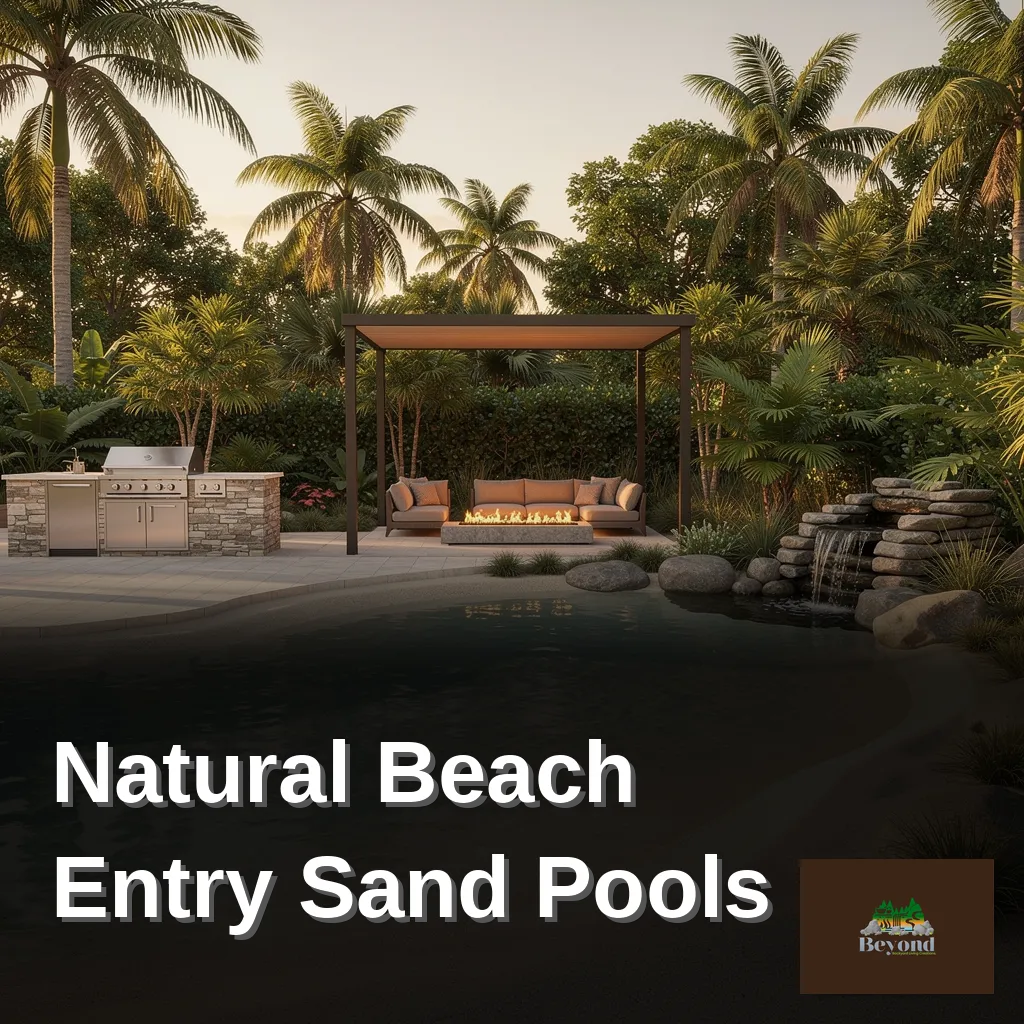
A patio near the home may serve as the everyday dining room. Farther out, a poolside lounge becomes the place to relax in the sun. A pergola can establish shade and intimacy, while a fireplace or fire pit creates a natural destination after dark. The goal is not to fill every inch of the yard. It is to create movement, purpose, and moments of discovery.
In the Sunbelt, shade and cooling are especially important. A beautiful exposed patio can become underused if it has no protection from intense afternoon sun. Thoughtful orientation, covered structures, fans, water features, and well-placed trees can make the difference between a space that photographs well and one that is genuinely enjoyable from spring through fall.
Why Construction Details Matter as Much as Design
Beautiful renderings are valuable, but a premium landscape is ultimately judged by how it is built. Pavers should feel stable underfoot. Walls should be engineered for the site. Drainage should move water away from the home and usable living areas. Pool decking, steps, railings, and transitions should be safe without looking utilitarian.
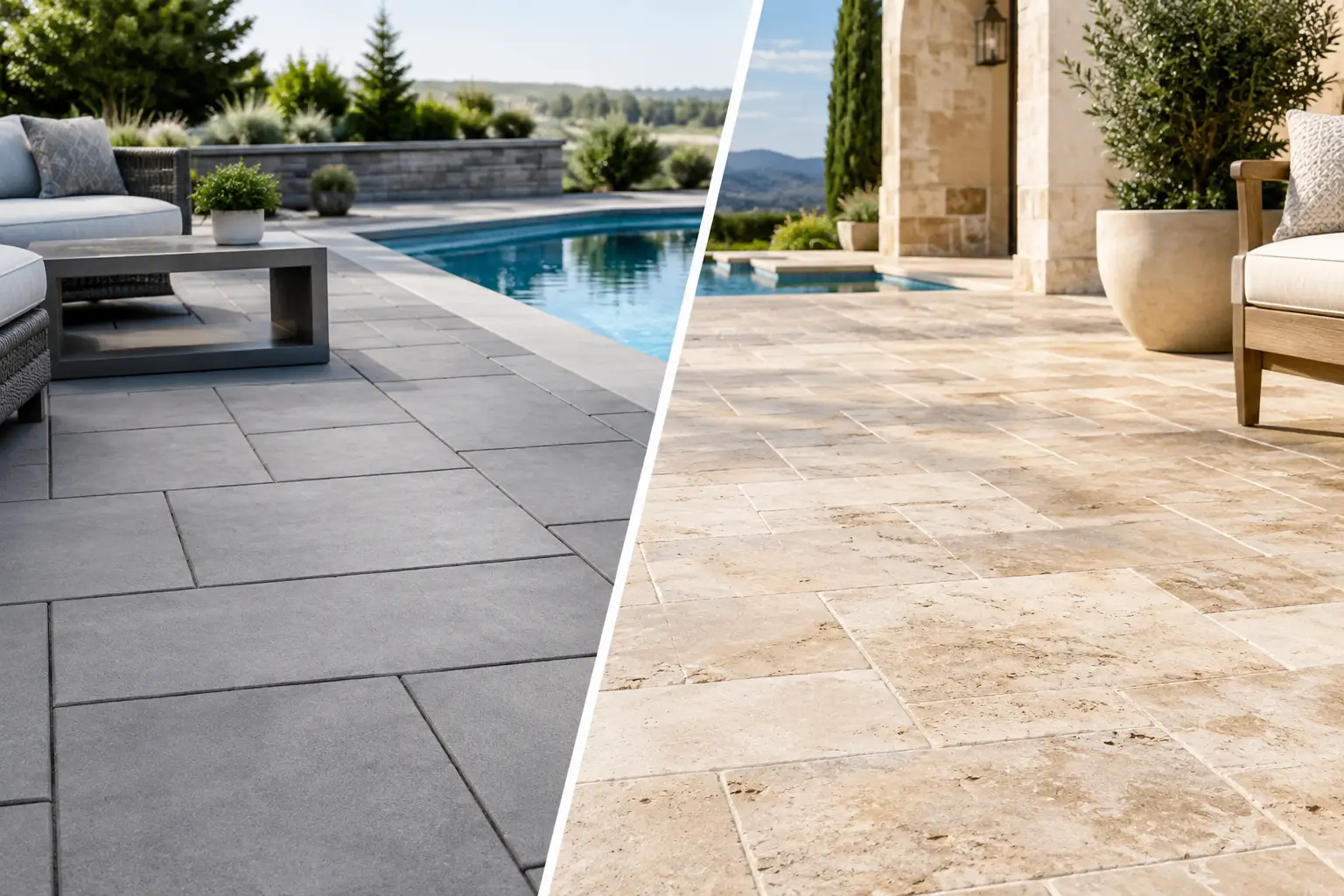
Material selection also deserves more thought than simply choosing a color. Natural stone brings variation and character, while porcelain may offer a clean contemporary appearance and low-maintenance performance. Concrete pavers provide versatility in pattern and scale. Each option has trade-offs involving heat retention, slip resistance, cost, maintenance, and the overall architectural style of the home.
The same is true of planting. Mature-looking landscapes are not created by placing the largest possible plant in every bed. They come from a layered plan that considers sunlight, irrigation, soil, long-term growth, privacy, and seasonal interest. A thoughtful palette gives a property dimension and softness while remaining appropriate for the local climate.
Drainage Is Part of the Luxury Experience
Drainage is rarely the feature homeowners daydream about, but it protects every feature they do. Standing water, erosion, washed-out mulch, and soggy turf can undermine an otherwise exceptional project. A qualified contractor evaluates existing grades, roof runoff, soil conditions, and low points early in the planning process.
Sometimes the solution is subtle: regrading, surface drains, swales, or strategically placed catch basins. On more complex sites, it may involve retaining walls, drainage structures, or careful coordination around a pool and patio. The right approach depends on the property. What should not vary is the attention given to water management before finishes are installed.
How to Choose Landscape Contractors for a Major Investment
Not every contractor is suited to lead a comprehensive outdoor transformation. A team that excels at lawn maintenance or simple planting may not have the design depth, construction experience, or project coordination required for pools, structural hardscapes, kitchens, and architectural features.
Look for a contractor who can explain the process clearly, not just show attractive photos. You should understand who develops the design, how revisions are handled, what is included in the scope, how permits and utilities are coordinated, and how communication will work once construction begins. A detailed proposal should make the investment easier to understand, not harder.
It is also worth asking how the contractor manages changes. Custom projects can reveal site conditions that were not visible during the initial consultation, such as buried utilities, unsuitable soil, or drainage concerns. A professional team does not pretend those possibilities do not exist. They identify them promptly, explain the options, and protect the integrity of the larger plan.
At Beyond Backyard Living, the design conversation begins with the life you want to create outdoors, then brings the details together into a tailored construction plan. That full-service approach helps homeowners avoid the frustration of coordinating separate trades while keeping the finished space cohesive from every angle.
Budgeting for a Backyard Built to Last
A premium landscape project is an investment in both the property and the way you enjoy it. Budget ranges vary widely because site conditions, square footage, access, materials, structural needs, and feature complexity all matter. A modest patio refresh and a complete resort-style backyard are fundamentally different projects, even if both include pavers and planting.
The best way to budget is to prioritize the elements that shape the entire experience: site preparation, drainage, hardscape foundations, circulation, and core gathering spaces. Decorative enhancements can sometimes be phased. Foundations and infrastructure should not be compromised, because they are difficult and expensive to revisit once the project is complete.
It helps to reserve flexibility for the unexpected. This is not a sign that planning failed. It is practical preparation for a custom build on a real property, where existing conditions can influence the work. An honest conversation about allowances, contingencies, and priorities allows decisions to feel deliberate rather than rushed.
Give the Process Enough Time
Custom outdoor construction follows a rhythm. Discovery and design come first, followed by selections, engineering or permitting when needed, scheduling, site preparation, and construction. The timeline depends on project scale, local approvals, weather, material availability, and the complexity of features such as pools, masonry, or utility connections.
Starting early is especially valuable if you hope to enjoy the space during a particular season or host an important event. Rushing the design phase can lead to decisions that do not serve the property long term. A carefully considered plan gives the construction team a clear standard to build toward and gives you confidence in every choice.
Your backyard has the potential to become the setting for slow Sunday mornings, milestone celebrations, impromptu dinners, and the kind of evenings guests remember. Choose a team that sees more than a project site – and give them a vision worthy of the home you have built.