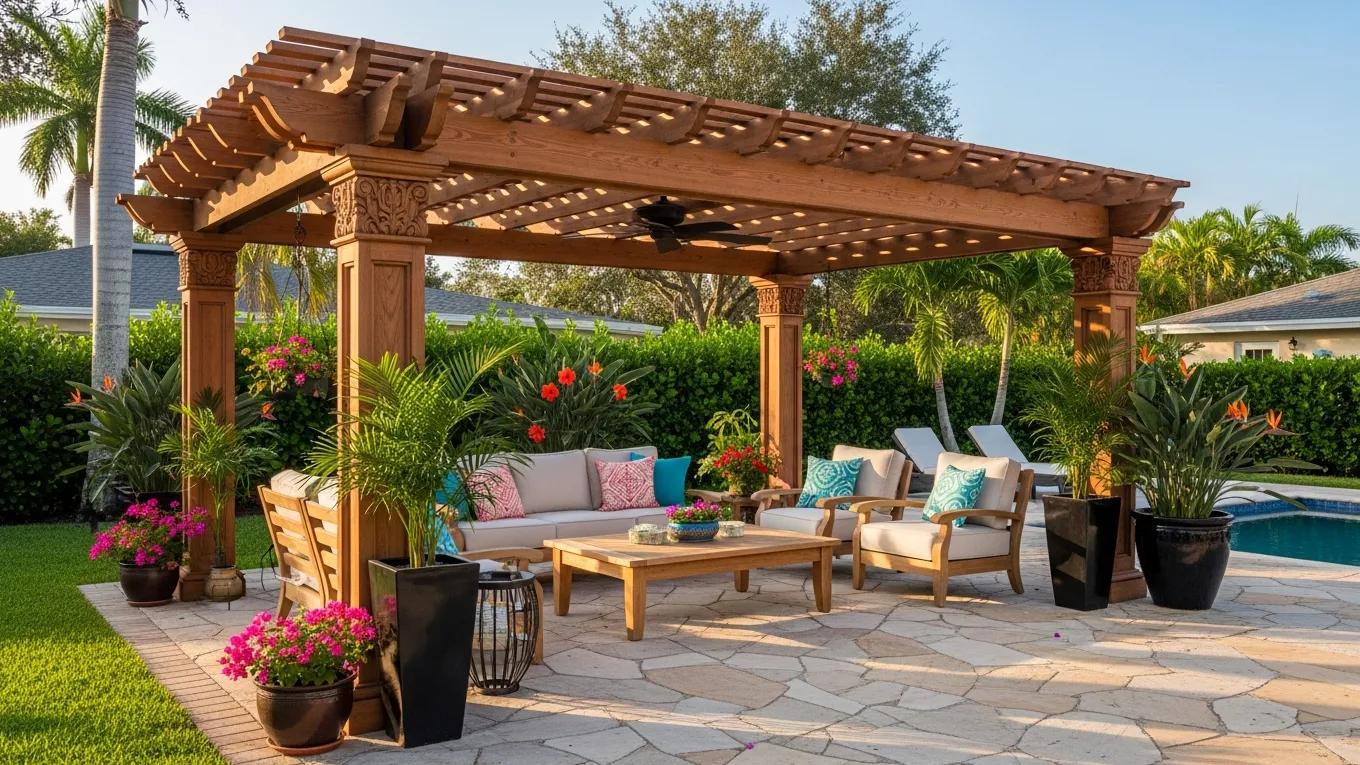
The choice between a gas fire pit vs wood is not simply about how you light a flame. It shapes how your patio feels when guests arrive, how easily a weeknight gathering comes together, and how your backyard performs as a polished extension of your home. A fire feature should belong to the larger experience – framed by comfortable seating, thoughtful hardscaping, soft landscape lighting, and the kind of setting that invites people to stay awhile.
For some homeowners, the crackle of burning logs is part of the ritual. For others, pressing a button and seeing a clean, consistent flame is the definition of effortless hospitality. The best choice depends on the atmosphere you want to create, how you plan to use the space, and how your fire feature fits within your complete outdoor design.
Gas Fire Pit vs Wood: The Experience Comes First
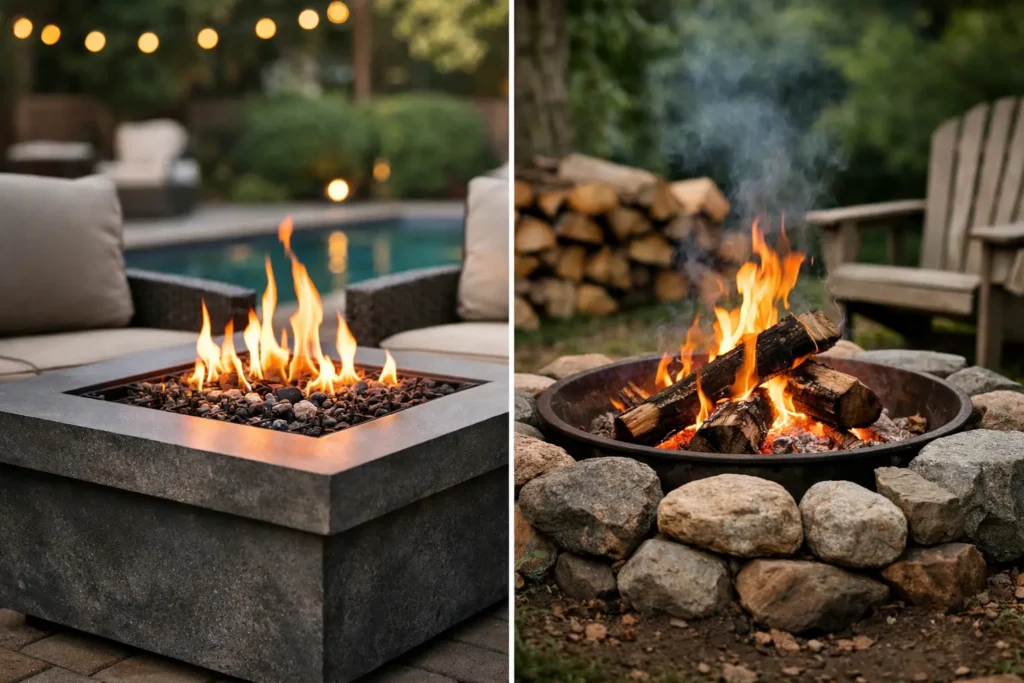
A wood-burning fire pit creates an unmistakable sensory experience. There is the scent of wood smoke, the shifting flame, and the familiar sound of logs catching fire. For homeowners who picture cool evenings with family, toasted marshmallows, and a more traditional campfire feeling, wood has an emotional pull that gas cannot fully duplicate.
That atmosphere comes with more hands-on involvement. Someone needs to carry and store firewood, start the fire, tend it through the evening, and clean out ash once everything has cooled. Smoke can also change the comfort level quickly, especially when wind moves it toward a seating area, outdoor kitchen, pool deck, or neighboring property.
A gas fire pit offers a different kind of luxury. The flame is available within seconds, often with the turn of a key or push of an ignition button. There is no stack of wood to manage, no smoke drifting across a dinner table, and no ash cleanup after guests leave. It is an especially strong fit for homeowners who want their outdoor space ready for impromptu entertaining, quiet evenings by the pool, or a relaxed glass of wine after work.
Gas does not have to feel plain or predictable. Contemporary fire media, including lava rock, fire glass, and ceramic logs, can be selected to complement the architecture and palette of the home. A long linear burner can feel sculptural along a modern patio wall, while a round fire bowl creates a natural focal point between a pool and lounge seating. The result is less campfire, more resort courtyard.
The Practical Difference: Convenience, Cleanup, and Control
A gas fire pit wins decisively on convenience. Its flame height is generally more consistent, and it can be shut off immediately when the evening ends. That control matters in a refined outdoor environment, where the fire feature may sit near upholstered seating, a covered pavilion, or a dining area that is used frequently.
Wood requires more planning, but that does not make it the wrong choice. A properly designed wood-burning fire pit can become the heart of a more relaxed, rustic gathering space. It simply needs room to function well. Firewood storage, spark management, ash removal, and a safe circulation zone should be considered from the beginning rather than added as afterthoughts.
For families, either option can work beautifully when designed responsibly. Gas eliminates open sparks and makes shutdown simple, while wood offers a memorable hands-on experience for supervised gatherings. In both cases, placement, materials, clearances, and local code requirements deserve professional attention.
Smoke matters more than many homeowners expect
The romance of a wood fire can fade when smoke follows guests from one side of the patio to the other. Even dry, seasoned hardwood produces smoke during lighting and as logs shift. This can be a real concern in tighter neighborhoods, near screened porches, or in backyards where the fire feature sits close to a pool or covered living space.
Gas provides a cleaner-burning flame without the familiar wood smoke and embers. For homeowners who entertain often, have close neighbors, or prefer to keep cushions, linens, and outdoor finishes cleaner, that difference can be meaningful. In many Sunbelt backyards, gas also makes more sense during warm seasons when a small amount of visual warmth is welcome but a large, smoky fire is not.
Cost Is More Than the Purchase Price
Comparing cost requires looking beyond the fire pit itself. A wood-burning feature may have a lower initial equipment cost, particularly for a simple masonry or metal bowl. However, a custom built fire pit still requires a durable foundation, heat-resistant materials, proper drainage, and thoughtful placement within the patio plan.
Gas usually requires more upfront investment because it involves a burner system and fuel source. Natural gas may require an underground line run from the home, while propane needs a concealed, accessible tank location. Ignition systems, controls, and specialty fire media can also affect the final investment.
Over time, wood has a recurring cost in firewood and storage, while gas has a recurring fuel cost. Actual operating expense depends on how often you use the feature, local utility rates, burner output, and the length of each gathering. Neither choice is automatically less expensive in every situation.
The more useful question is value. If a gas fire pit is used three nights a week because it is effortless to operate, it may deliver more lifestyle value than a wood feature used only a few times each season. If your favorite backyard moments involve a full evening around a traditional fire, the rituals of wood may be exactly what make the investment worthwhile.
Design Freedom and Backyard Placement
The most successful fire features look as though they were always part of the property. They create a destination, not an object dropped onto a patio.
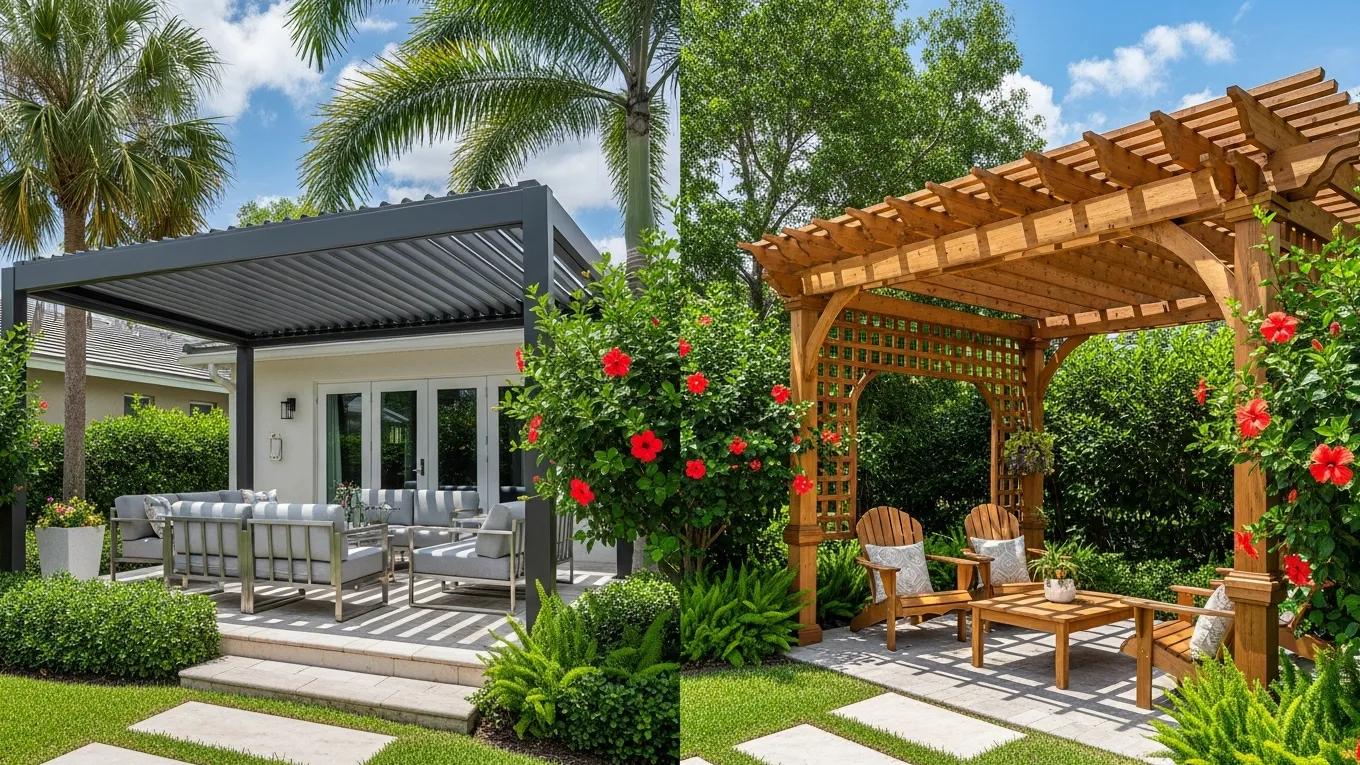
Gas offers exceptional design flexibility. It can be incorporated into a raised patio wall, a cocktail table, a modern fire bowl, or a custom fireplace. Because the flame is controlled and there is no need to load logs into the feature, gas can support sleeker profiles and more tailored seating arrangements. It pairs naturally with outdoor kitchens, poolscapes, pergolas, and architectural stonework.
Wood-burning fire pits typically need more open space around them for safety and comfort. They work especially well in a dedicated gathering zone set apart from the main dining area, perhaps with built-in seating, natural stone, and generous room for conversation. When planned with the surrounding landscape, a wood fire pit can feel wonderfully grounded and timeless.
Scale is essential with both. A large fire feature can overwhelm a modest patio, while a small bowl can disappear in a sprawling pool deck. The feature should relate to the width of the seating area, the height of nearby walls, and the visual weight of the home. It should also be positioned to preserve views, circulation, and the best sightlines from inside the house.
Do not overlook fuel access and local requirements
Before selecting a style, confirm what is possible on your property. Natural-gas access, propane tank placement, municipal codes, HOA guidelines, and local burn restrictions can influence the decision. Some areas may limit wood-burning features during dry periods or restrict the types of fires allowed.
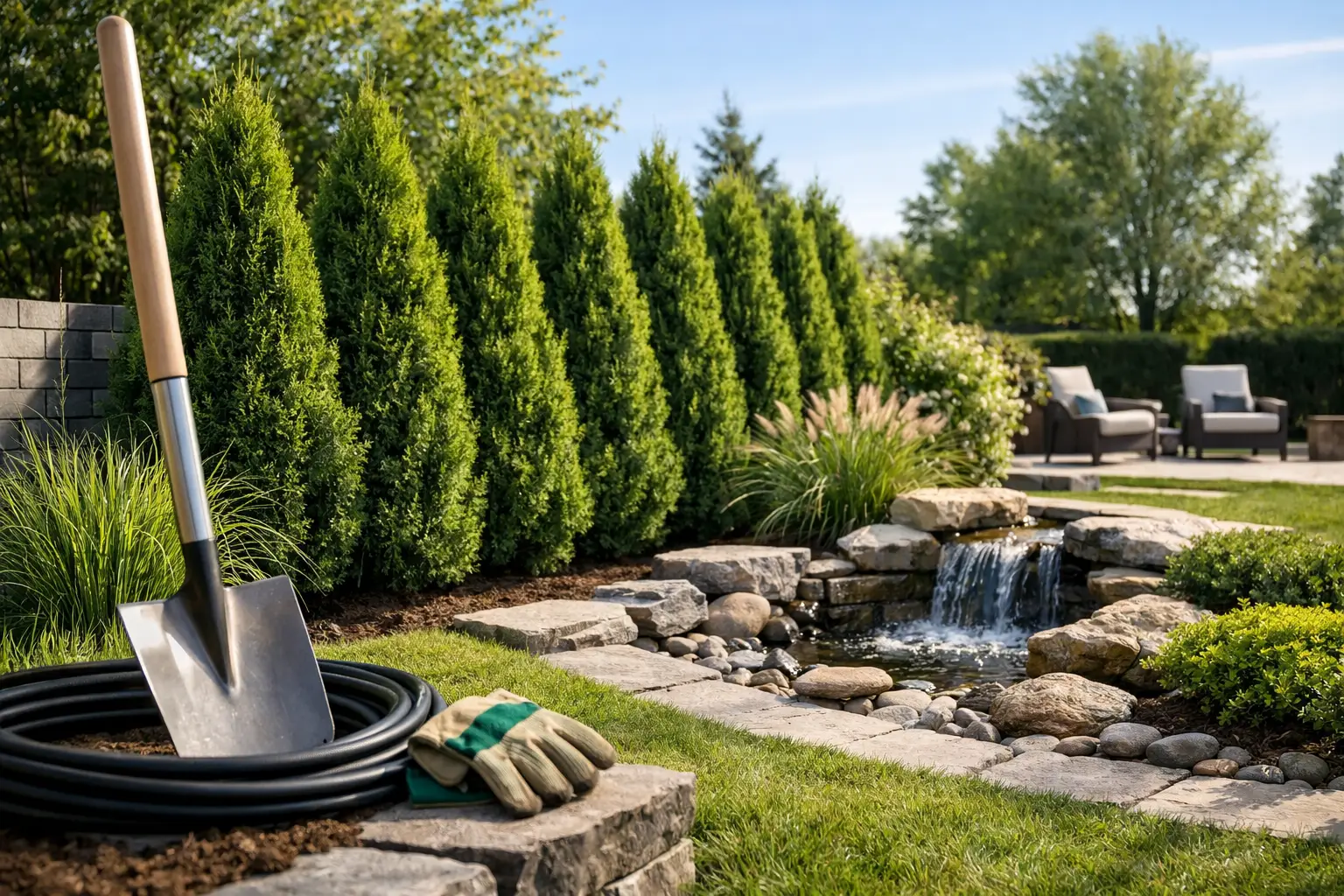
A thoughtful design process accounts for these details early. It also considers drainage, surrounding plantings, overhead structures, and the materials used on the patio. Premium outdoor spaces feel effortless because the technical decisions were resolved before the first stone was set.
Which Fire Feature Is Right for You?
Choose a gas fire pit if your priority is easy operation, a clean flame, frequent use, and a tailored look that integrates with a more refined entertaining space. It is often the natural choice for pool patios, outdoor kitchens, and lounge areas where convenience and polished design lead the conversation.
Choose wood if you value the sensory ritual of a real campfire and have room for a dedicated fire gathering area. It is a strong choice for homeowners who see tending the fire as part of the evening rather than a chore to avoid.
There is also room for a hybrid approach across a larger property. A gas fire feature near the house can support everyday entertaining, while a wood-burning fire pit farther into the landscape creates a separate destination for slower weekends and larger gatherings.
The right flame is the one that makes you use your backyard more. When a fire feature is designed as part of a complete outdoor environment, it can turn an ordinary evening into the kind of gathering your family and friends remember long after the fire goes out.