
By Terrance Schabilion, Beyond Backyard Living – Custom Pool Builder Spring Hill FL
Florida’s warm climate makes outdoor kitchens a desirable feature for homeowners, particularly in lanai settings. But with this appeal comes the need for strict adherence to local regulations concerning ventilation and fire safety. Understanding the Florida Building Code and the specifics of outdoor kitchen vent hood requirements is crucial for both aesthetic design and compliance. This guide aims to illuminate the necessary building codes, CFM sizing, and fire safety protocols that will help you create a safe and functional outdoor cooking space.
In this article, we will explore key Florida lanai building codes for outdoor kitchen ventilation, methods for calculating the correct CFM for vent hoods, and installation best practices for fire safety compliance. Additionally, we will examine why fire safety is critical in outdoor kitchens and how compliance can be achieved.
Florida Lanai Building & Fire Codes
In Florida, outdoor kitchen ventilation must comply with specific building codes that ensure safety and efficiency. These codes are put in place to prevent potential hazards arising from the use of gas grills and outdoor cooking equipment. Compliance is essential not just for legal reasons, but also for the safety of users and property.
Which Florida building codes regulate outdoor kitchen vent hoods and ventilation?
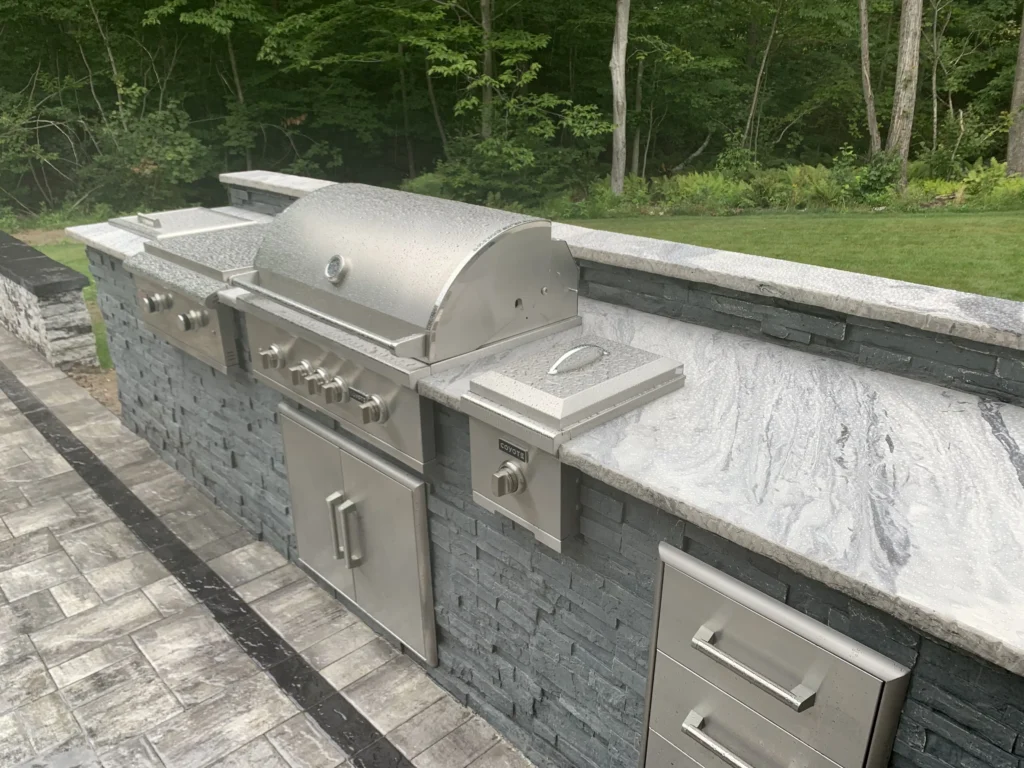
Three critical codes regulate outdoor kitchen ventilation in Florida: the Florida Building Code, the Florida Fire Prevention Code, and National Fire Protection Association (NFPA) regulations. The Florida Building Code details structural requirements for vent hoods, while the Florida Fire Prevention Code establishes standards for fire safety equipment and practices. Compliance with these regulations ensures that outdoor kitchens are equipped with adequate ventilation systems, which are crucial in managing smoke, heat, and harmful gases.
What fire safety requirements must outdoor kitchens in lanais comply with?
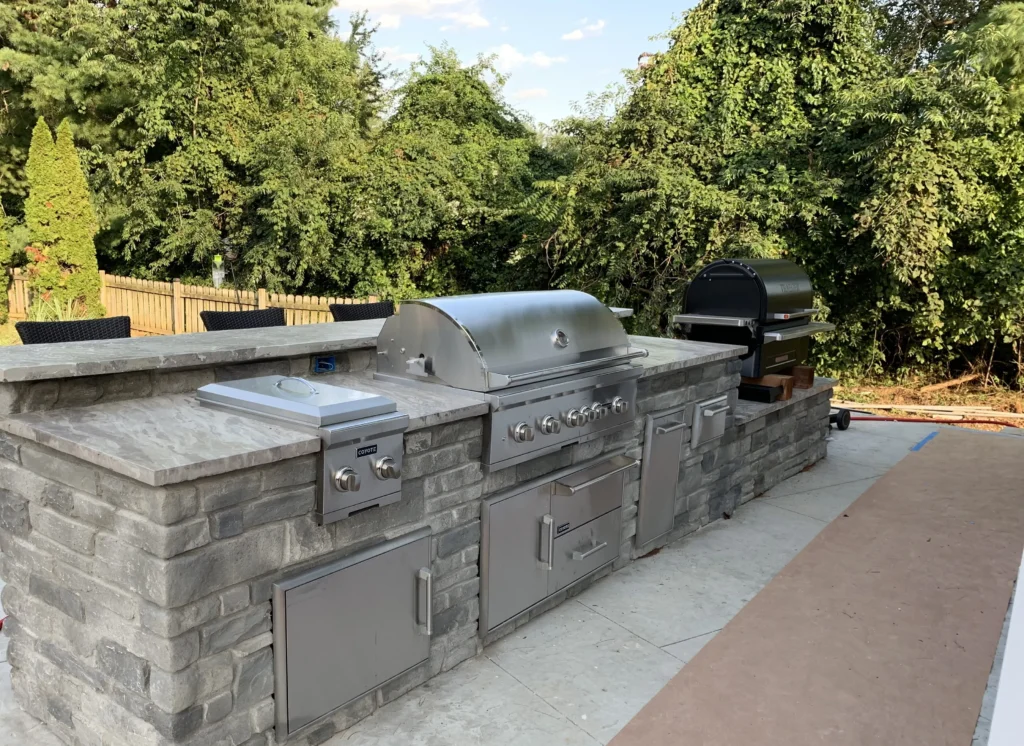
Fire safety is paramount in any outdoor kitchen setup. Key requirements include maintaining safe distances between grills and flammable materials, providing proper fire extinguishing equipment, and ensuring that ventilation systems are correctly installed to prevent fire hazards. These protocols significantly reduce the risk of outdoor kitchen fires, making compliance non-negotiable for homeowners.
How is CFM sizing calculated for outdoor kitchen vent hoods in Florida lanai environments?
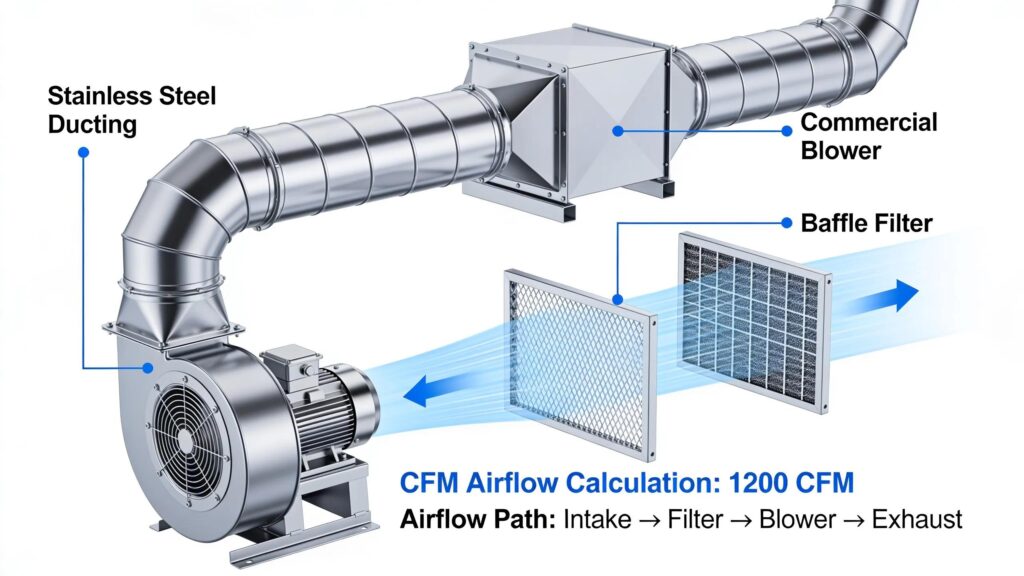
Understanding CFM (Cubic Feet per Minute) is vital for selecting the right vent hood for your outdoor kitchen. Proper sizing of the vent hood ensures that all smoke, grease, and odors are effectively captured and expelled, maintaining a pleasant cooking environment.
What measurement standards and formulas determine proper vent hood airflow?
CFM calculations are based on several factors including the type of cooking appliance, the BTU output, and the specific design of the kitchen space. A common rule of thumb is to provide at least 100 CFM for every 10,000 BTU of cooking power. This relationship helps ensure that the ventilation system can adequately manage the cooking heat and emissions.
How does grill BTU influence outdoor kitchen exhaust fan sizing?
The British Thermal Unit (BTU) rating of grills is crucial in determining the appropriate size for exhaust fans. Higher BTU ratings typically indicate greater heat production, which means a more robust ventilation system is required. Properly sized fans not only enhance comfort during cooking but also promote safety by reducing the buildup of potentially harmful gases in the enclosed outdoor kitchen area.
What are the installation requirements and best practices for lanai vent hood systems in Florida?
Installing vent hood systems in outdoor kitchens involves adhering to specific guidelines to ensure safety and effectiveness. These installations should take into account both placement and materials to meet Florida’s building codes.
Which engineered ventilation components and materials meet Florida code standards?
Using high-quality materials that comply with the Florida building codes is essential. Components such as stainless steel hood vents, grease filters, and proper ductwork play critical roles in the overall functionality of the ventilation system. Opting for high-end outdoor kitchens designed with durable materials can enhance both performance and aesthetics.
How does engineered ventilation integration ensure fire safety and code compliance?
Integrating engineered ventilation systems not only meets the required codes but also enhances fire safety through effective smoke and odor extraction. These systems often include features such as fire-rated ducting and automatic shutoff capabilities, ensuring that they operate efficiently and safely in case of an emergency. By utilizing engineered systems, homeowners can ensure compliant and safe outdoor kitchen environments.
Why is fire safety critical for Florida outdoor kitchen vent hoods, and how is compliance verified?
Fire safety in outdoor kitchens cannot be overstressed, especially given the combination of heat-producing appliances and potential fire hazards associated with outdoor environments. Compliance with fire safety standards protects both property and life.
What certifications and inspections are required for lanai outdoor kitchens?
Certifications for outdoor kitchens generally include compliance with local building codes and passing inspections for the installed ventilation systems. Homeowners should ensure that their contractors provide proof of adherence to these standards to avoid liabilities.
How do fire safety protocols relate to ventilation system design and maintenance?
Proper ventilation system design and regular maintenance are crucial for mitigating fire risks. Ensuring that grease buildup is regularly cleaned and that the system is functioning efficiently helps prevent fires. Homeowners should schedule routine inspections to maintain fire safety and compliance with local codes.
This article provides an extensive overview of the requirements and best practices for outdoor kitchen ventilation in Florida lanai setups. By adhering to the discussed codes and safety protocols, homeowners can create a beautiful and functional outdoor cooking space while ensuring compliance and safety. For surfaces surrounding your cooking area, consider the elite system for solid structural integrity, and ensure long-term durability backed by a settlement warranty.