

By Terrance Schabilion, Beyond Backyard Living – Custom Pool Builder Spring Hill FL
Effective ventilation is crucial for outdoor kitchens in Florida, as it directly impacts cooking safety and comfort. In this guide, we will explore the essential requirements for outdoor kitchen ventilation systems, focusing on CFM ratings, clearance standards, code compliance, and material selection. Readers can expect to gain insights on the specific guidelines needed to enhance their luxury outdoor cooking spaces, ensuring both functionality and adherence to local regulations. As outdoor kitchens become popular, understanding the ventilation needs within Florida’s unique climate is vital for both designers and homeowners. We will cover CFM requirements for outdoor grill vent hoods, building codes and clearance standards, ideal vent hood materials, and maintenance practices to sustain safety and efficiency.
What Are the CFM Requirements for Outdoor Grill Vent Hoods in Florida?
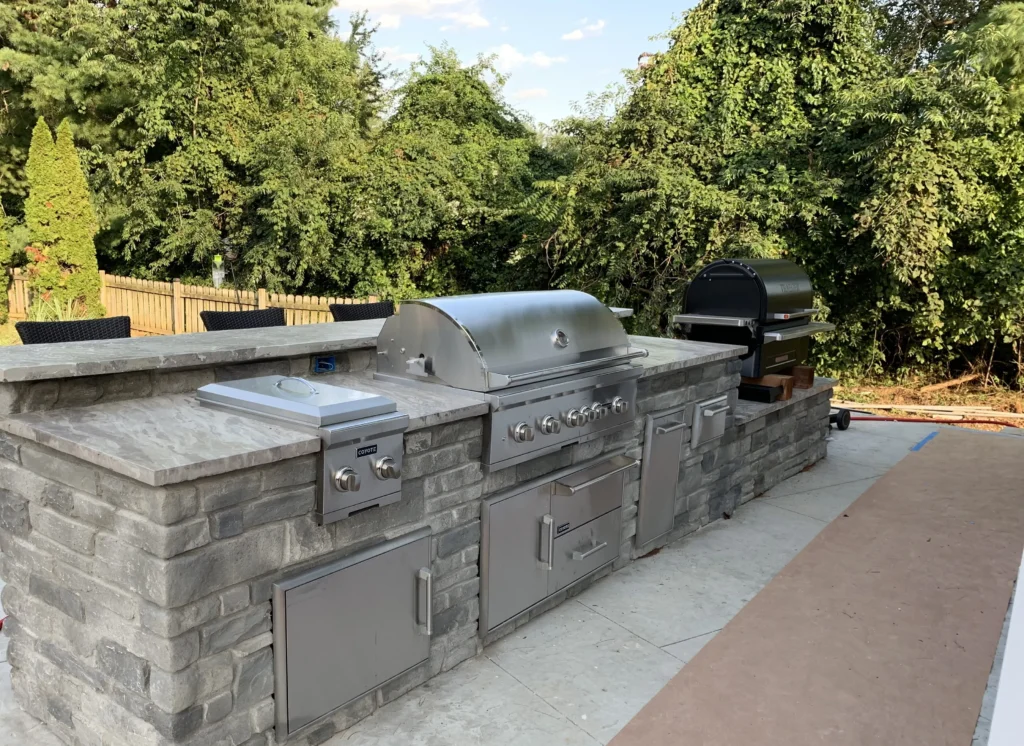
CFM, or cubic feet per minute, measures the airflow a ventilation system can effectively move. Proper CFM ratings for outdoor grill vent hoods are essential to ensure adequate performance and safety while cooking. In Florida, outdoor kitchens often feature larger grills and elaborate cooking areas, which necessitate sufficient exhaust capacity to remove smoke, heat, and odors. The typical CFM requirements range based on various factors, including the type of grill, the cooking style, and the outdoor kitchen’s layout. Understanding these specifications allows homeowners to select the right ventilation solutions to suit their needs.
How to Calculate Proper Exhaust Capacity for Luxury Outdoor Kitchens
To calculate the proper exhaust capacity for your outdoor kitchen, start by evaluating the grill’s BTU output. The formula to determine the required CFM is to divide the total BTUs by 100. For instance, if a grill has an output of 50,000 BTUs, the necessary CFM is approximately 500. Homeowners should also consider additional factors such as the complexity of cooking and the frequency of use. By properly sizing the exhaust system, you can significantly enhance cooking performance and maintain a pleasant atmosphere.
What Factors Influence Florida Vent Hood Sizing Guidelines?
Several factors influence vent hood sizing guidelines in Florida, including local regulations and environmental conditions. Humidity and heat management in Florida’s climate play a significant role in determining the appropriate exhaust capacity. Additionally, kitchen layout impacts airflow—open-concept kitchens may require different ventilation solutions compared to enclosed spaces. Understanding these elements is vital for selecting an effective ventilation system that aligns with the overall design.
What Are the Florida Building Codes and Clearance Standards for Outdoor Kitchen Ventilation?
Florida’s building codes and clearance standards provide essential guidelines that ensure safety and functionality for outdoor kitchen ventilation systems. Compliance with these regulations is necessary to prevent hazards and to promote safety during cooking activities. The codes specify minimum distances required between the ventilation hood and various surfaces, which contribute to effective airflow and fire safety.
Which Clearance Distances Are Required for Covered and Open Outdoor Kitchens?
For covered outdoor kitchens, the minimum clearance from the cooking surface to the vent hood should be at least 30 inches. In contrast, open outdoor kitchens may require slightly less space, approximately 24 inches, depending on the specific design and materials used. These clearance standards ensure proper air circulation and reduce the risk of fire hazards in your outdoor cooking area.
How Do Florida Mechanical and Fire Safety Codes Impact Vent Hood Installation?
Florida’s mechanical and fire safety codes directly impact vent hood installation practices. These codes dictate the materials and methods that must be used to ensure a safe and effective ventilation system. For example, vent hoods must be made of non-combustible materials, and installation must meet specified standards to prevent grease buildup. Adhering to these codes not only enhances safety but can also improve the overall performance of the ventilation system in outdoor kitchens.
Which Premium Vent Hood Materials and Luxury Ventilation Solutions Are Ideal for Florida Outdoor Kitchens?
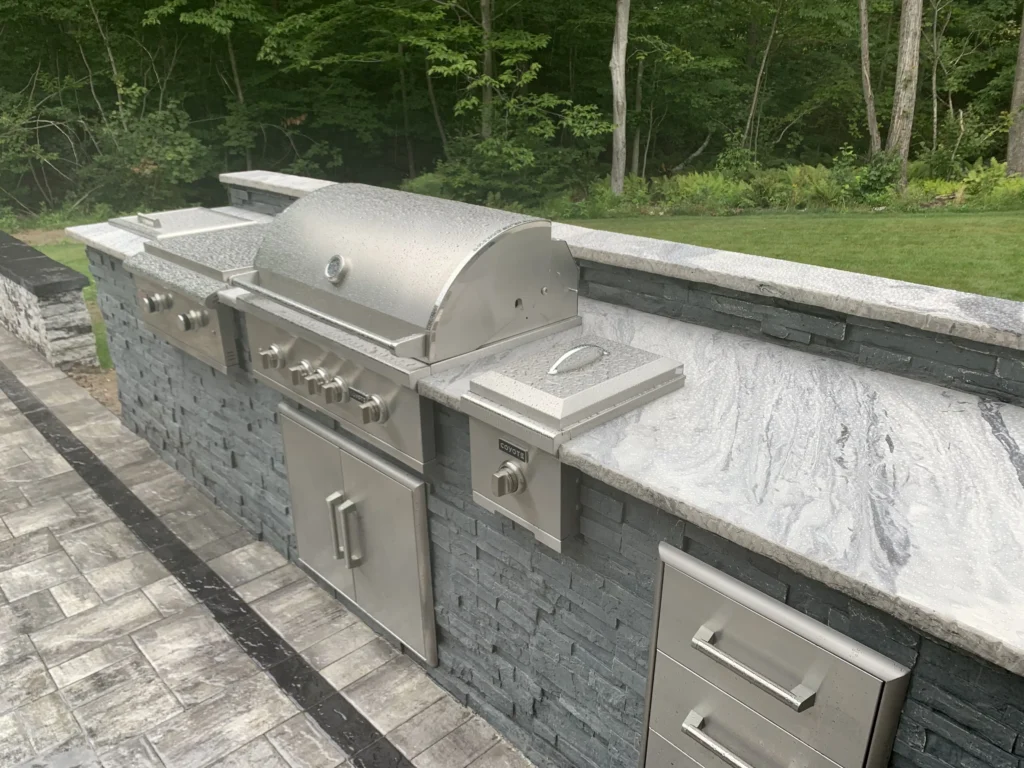
Selecting the right materials for vent hoods is critical in Florida’s outdoor kitchens due to the humid climate and exposure to various weather conditions. Premium vent hoods built from high-quality, durable materials not only enhance the aesthetic appeal but also provide essential functionality in dissipating smoke and odors.
What Materials Provide Durability and Style for Outdoor Kitchen Vent Hoods?
Stainless steel is often the material of choice for vent hoods in outdoor kitchens because it is both durable and resistant to rust and corrosion. Other materials that offer durability and style include copper and aluminum, each providing unique aesthetic qualities while maintaining functionality. Selecting vent hoods made from these materials can ensure longevity and reduce maintenance needs, enhancing the overall kitchen experience.
How to Integrate Ventilation with Resort-Style Pools and Custom Pergolas?
Integrating ventilation solutions with resort-style pools and custom pergolas involves a cohesive design approach. Utilizing seamless transitions between the cooking area and outdoor features ensures a harmonious aesthetic. For instance, placing the vent hood design to complement the pool layout or pergola structure enhances the outdoor experience. Working with design professionals can facilitate a layout that enhances both beauty and functionality, creating a truly luxurious outdoor space.
What Are the Best Maintenance and Safety Practices for Florida Outdoor Kitchen Ventilation Systems?
Regular maintenance is crucial to ensuring the safety and performance of outdoor kitchen ventilation systems. Without proper care, accumulated grease and debris can lead to unsafe conditions during cooking. Implementing proactive maintenance practices can enhance safety and extend the life of your ventilation system.
How to Schedule Ventilation Inspections and Ensure Code Compliance Over Time?
Establishing a routine for ventilation inspections is fundamental to ensuring compliance with Florida’s building codes. To maintain compliance, homeowners should schedule annual protection checks, along with additional evaluations after heavy cooking seasons. Inspections should include assessments of the vent hood functionality, cleanliness, and potential fire hazards. By adhering to a dedicated schedule, homeowners can effectively prevent issues before they arise.
What Are Recommended Cleaning and Upkeep Tips for Grill Vent Hoods?
Cleaning your grill vent hood is essential for maintaining its performance and ensuring safety. Recommended practices include using non-abrasive cleaners to prevent damage, scheduling deep cleans at least twice a year, and inspecting grease traps regularly. Homeowners should be cautious to ensure all components function correctly, reducing the risk of fire hazards and ensuring the longevity of the ventilation system.
Understanding how combustion byproducts disperse outdoors is essential for evaluating why robust ventilation systems are necessary for open-flame cooking setups.
Emissions and Ventilation Analysis for Charcoal Barbecue Grills
Particulate and gaseous emissions from charcoal combustion in barbecue grills Particulate and gaseous emissions from charcoal combustion in barbecue grills, ED Vicente, 2018