By Terrance Schabilion, Beyond Backyard Living – Custom Pool Builder Spring Hill FL
When considering outdoor living solutions, particularly in the sunny and often unpredictable Florida climate, the choice between custom wood and aluminum pavilions becomes critical. This article delves into the unique benefits offered by cedar and timber frame pavilions, contrasting them with aluminum structures in terms of durability, maintenance, wind load compliance, and cost considerations. Homeowners can especially benefit from understanding how these materials not only enhance the aesthetic appeal of their outdoor spaces but also meet the critical requirements for safety and longevity in a region prone to strong storms and humidity.
Readers will discover the key advantages of cedar and timber frame pavilions, analyze the durability and maintenance differences with aluminum, understand Florida’s wind load requirements for custom outdoor pavilions, and evaluate cost considerations that factor into their final decision. By the end of this guide, you’ll have a comprehensive understanding that enables informed choices for enhancing both beauty and functionality in your outdoor living areas.
What Are the Key Benefits of Cedar and Timber Frame Pavilions in Florida?
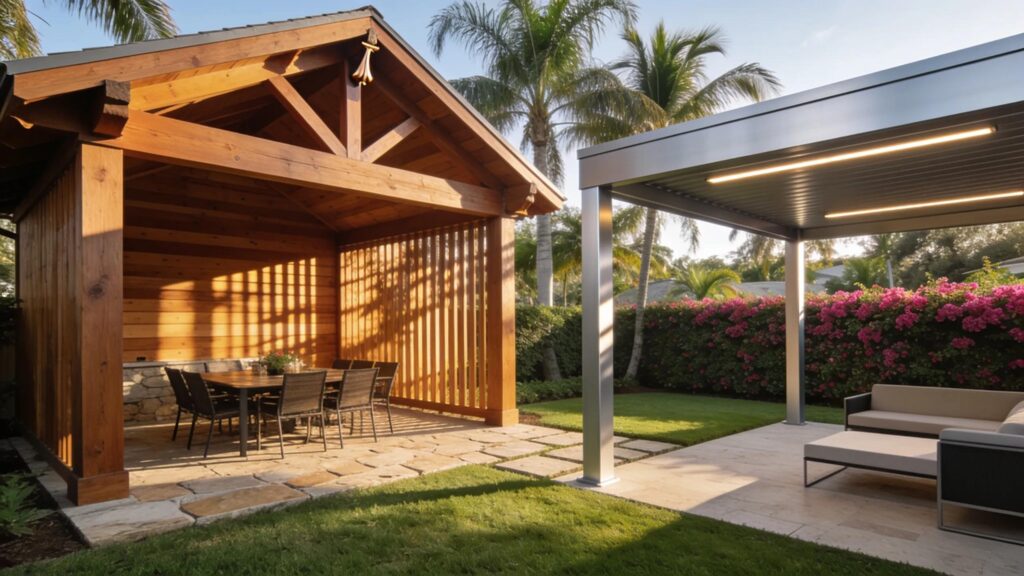
Cedar and timber frame pavilions offer significant advantages when it comes to outdoor living structures in Florida, particularly due to their resilience to humidity and aesthetic appeal. Cedar’s natural properties, including its resistance to moisture, make it an excellent choice for humid environments, reducing the risk of warping and deterioration. The warmth of wood also enhances the overall aesthetic of outdoor spaces, making them more inviting and valuable.
Timber frame pavilions, on the other hand, provide not only structural integrity but also energy efficiency. Designed to withstand local climatic challenges, these structures maintain comfort and usability throughout the year. Moreover, customizability in design allows homeowners to create unique spaces tailored to their specific needs and taste.
How Do Cedar Pavilions Enhance Luxury Poolside Designs?
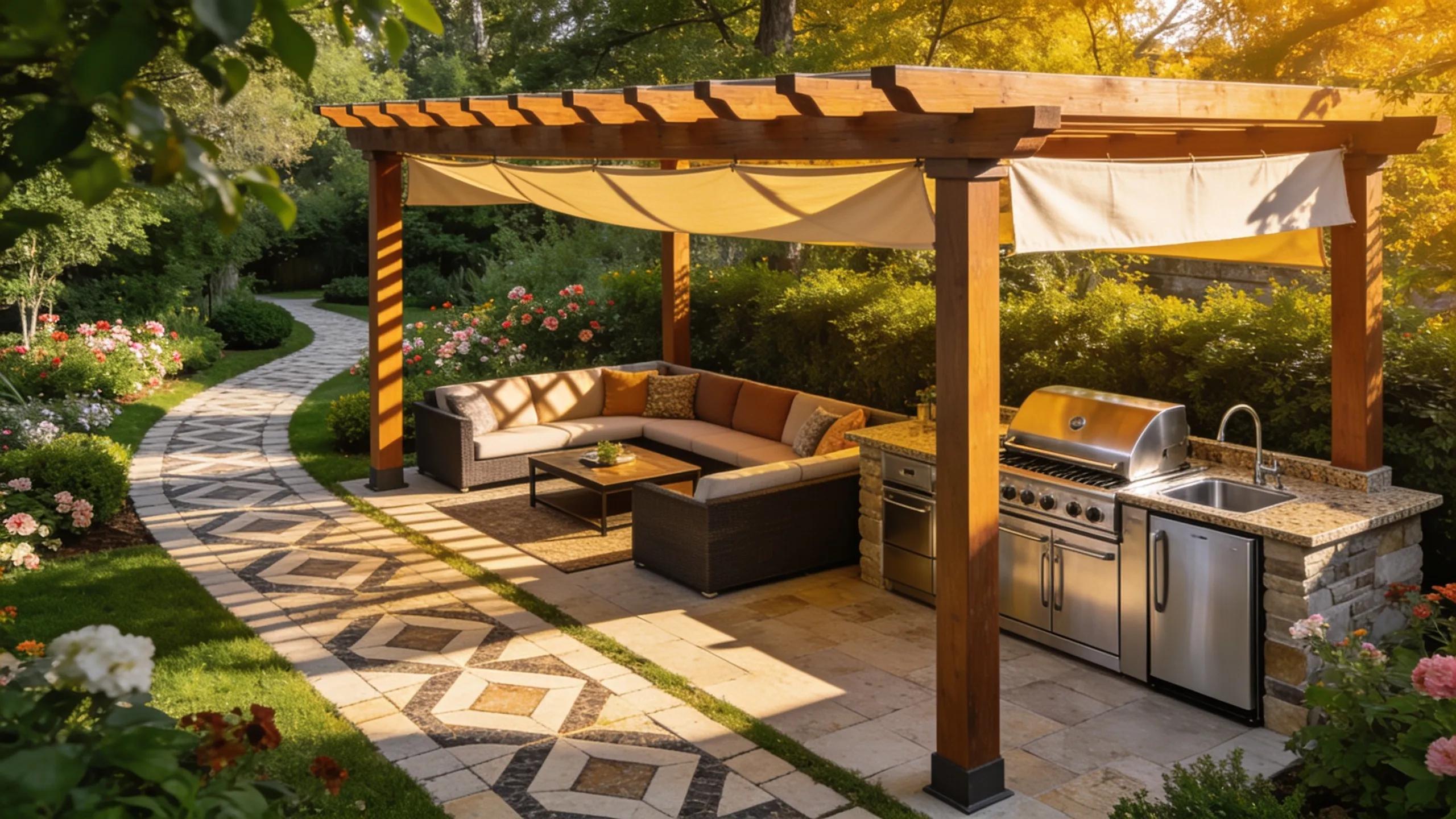
Cedar pavilions significantly elevate luxury poolside experiences through their natural beauty and unique design capabilities. The distinctiveness of cedar brings a warm and inviting feel to any outdoor setting. Homeowners can opt for various finishes and treatments, enhancing aesthetics and matching their existing outdoor décor.
Features such as open-sided designs or integrated seating options make cedar pavilions exceptionally versatile for entertaining or relaxing by the pool. With proper maintenance, these structures can last for decades, providing both aesthetic pleasure and functional benefits that enhance property value.
What Advantages Do Timber Frame Pavilions Offer for Florida Climates?
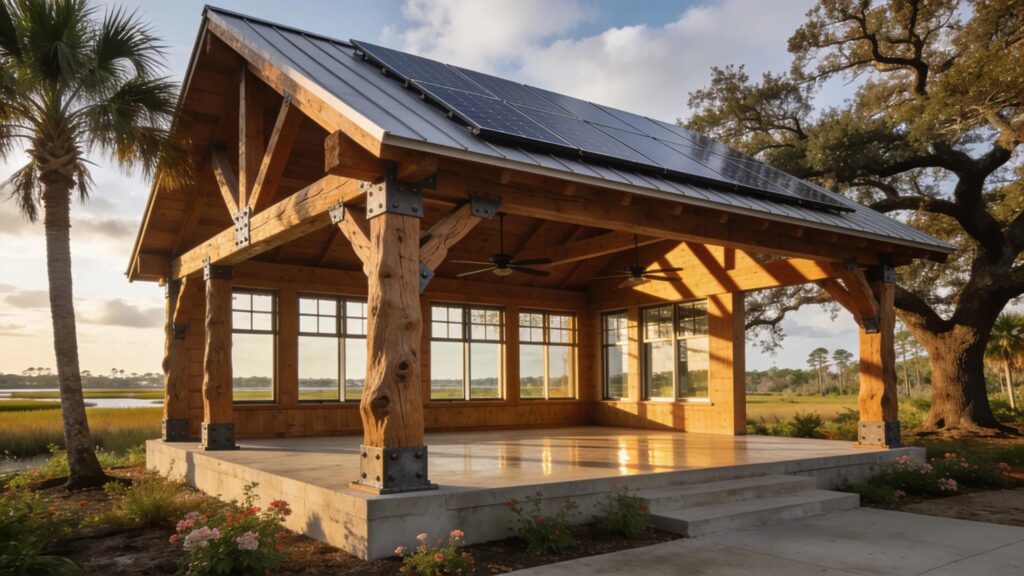
Timber frame pavilions are designed with resilience in mind, making them ideal for the fluctuating weather conditions experienced in Florida. These structures are known for superior energy efficiency due to their insulating properties, resulting in reduced energy costs for heating and cooling.
Additionally, their robust design increases reliability during storms. Timber framing allows for flexibility in structure while maintaining stability, making it possible to withstand high winds without compromising safety. This durability positions timber frame pavilions as a long-term investment for homeowners seeking reliability and longevity.
How Does Aluminum Compare for Durability and Maintenance in Florida Pavilions?
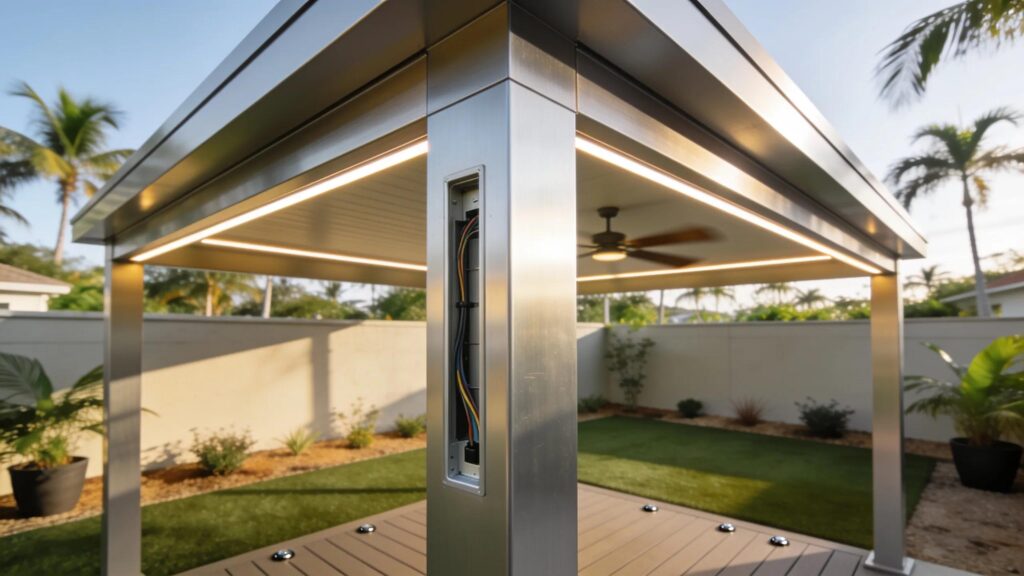
Aluminum pavilions present a compelling case in terms of durability and low maintenance compared to wood options. One of the most significant advantages is aluminum’s inherent resistance to rust and corrosion, which is especially beneficial in the humid Florida environment. This means fewer repairs over time and less frequent need for protective coatings or treatments.
Moreover, aluminum structures require much less upkeep than wood, as they do not need to be sealed or stained to maintain their appearance. This translates to long-term savings, as labor and material costs associated with maintenance are considerably lower.
What Makes Aluminum Pavilions Resistant to Florida’s Weather Conditions?
The adaptability of aluminum to adverse weather conditions in Florida is a noteworthy trait. Its lightweight properties facilitate quick assembly and disassembly, which can be advantageous during hurricane preparations. Furthermore, aluminum is less prone to temperature fluctuations, maintaining its structural integrity under heat and humidity.
The non-porous nature of aluminum prevents water absorption, significantly reducing the risk of mold and mildew, common issues in tropical climates. Ensuring your pavilion stands resilient against the elements enhances the usability and longevity of these outdoor structures.
What Are the Long-term Maintenance Requirements of Aluminum vs Wood?
When evaluating long-term maintenance between aluminum and wood structures, aluminum emerges as the clear winner due to its minimal upkeep requirements. While wood pavilions may necessitate annual inspections and periodic refinishing, aluminum merely requires occasional cleaning to remove dirt and debris.
In the case of repairs, fixing aluminum components can often be simpler and more cost-effective. Wood, on the other hand, can deteriorate over time, requiring more substantial repairs or replacements, particularly after severe weather events. This maintenance disparity informs many homeowners’ decisions when choosing the right pavilion material.
What Are Florida’s Wind Load Requirements for Custom Outdoor Pavilions?
Understanding Florida’s wind load requirements is critical for ensuring the safety and durability of outdoor structures. These regulations dictate the construction standards needed to withstand hurricane-force winds, which are particularly relevant for pavilions.
Pavilions must be engineered to meet specific local codes that account for both the design and the materials used. Compliance not only ensures safety but also preserves the long-term integrity of the structure as it faces potential weather extremes.
How Do Wind Load Standards Affect Pavilion Material Choices?
Wind load standards play a significant role in influencing the choice of materials for outdoor pavilions. For instance, timber frame pavilions may require additional engineering or bracing to meet these standards, while aluminum’s lightweight yet sturdy profile often aligns well with regulatory requirements.
Some materials, like treated wood, can enhance stability, but their performance under high wind situations must be thoroughly evaluated. Selecting a pavilion material with proven wind resistance capabilities can mitigate risks and enhance overall safeguarding against the elements.
Why Is Compliance Critical for Luxury Backyard Pavilion Projects?
Ensuring compliance with wind load standards is not just a regulatory formality; it’s crucial for safety. Non-compliance can lead to significant risks, including structural failure during storms, which can have dire consequences not only financially but also for personal safety.
Investing in engineered designs that prioritize wind resistance ensures that your luxury backyard pavilion is built to last, offering peace of mind alongside aesthetic appeal. It’s essential for homeowners to collaborate with qualified professionals who understand local requirements and can deliver a safely constructed outdoor space.
Understanding how natural framing materials behave under severe atmospheric pressure helps clarify why strict engineering codes are enforced across coastal regions.
Performance of Light-Frame Wooden Structures Under Wind and Flood Hazards Light Frame Wooden Structures (LFWS), which are more prone to wind damage by virtue of their light weight, sustain severe damage when they are subjected to simultaneous flood and wind. Performance of Light-Frame Wooden Structure (LFWS) subjected to combined wind and flood hazards, 2017
How Do Cost Considerations Influence Choosing Between Cedar, Timber Frame, and Aluminum Pavilions?
Cost considerations often weigh heavily on the decision-making process when selecting between cedar, timber frame, and aluminum pavilions. These financial factors encompass initial materials costs, potential long-term savings, and the value added to a property through enhanced aesthetics and functionality.
Different materials exhibit varied price points, impacting budgeting plans for any outdoor project. Understanding how to balance initial investment against long-term return is key to making an informed decision regarding outdoor living enhancements.
Investing in either a custom pergola or pavilion is a significant decision for Florida homeowners, where styles and materials greatly influence both the functional use and overall investment. To explore detailed pricing insights and comparisons, including wood versus aluminum options, consider reviewing the comprehensive breakdown on custom pergola cost in Florida.
What Is the Installation and Material Cost Breakdown for Each Pavilion Type?
Analyzing the installation and material costs for each pavilion type reveals critical insights for potential buyers. Generally, aluminum structures tend to have a lower initial cost due to reduced labor requirements, while cedar and timber frame options may incur additional expenses related to custom designs and treatments.
| Pavilion Type | Material Cost | Installation Cost | Total Cost Estimate |
|---|---|---|---|
| Cedar Pavilion | Moderate | Moderate | $8,000 – $15,000 |
| Timber Frame Pavilion | Moderate-High | High | $10,000 – $20,000 |
| Aluminum Pavilion | Low | Low | $6,500 – $12,000 |
This cost breakdown guides homeowners in understanding which materials align best with their budgets while still achieving desired project outcomes.
How Does Long-Term ROI Compare Across Pavilion Materials in Florida?
The long-term return on investment (ROI) for outdoor structures varies by material. While cedar and timber frame pavilions may have higher upfront costs, they often increase property value significantly due to their appeal and durability.
On the other hand, aluminum pavilions offer lower initial costs and maintenance expenses, presenting a different ROI proposition. Understanding these dynamics is essential for homeowners aiming to make sound financial decisions regarding their outdoor enhancements.
In summary, the choice between cedar, timber frame, and aluminum pavilions hinges on evaluating personal desires, local climate considerations, and long-term financial implications. By weighing each material against its benefits and costs, homeowners can select the perfect addition to elevate their Florida outdoor living experience.