By Terrance Schabilion, Beyond Backyard Living – Custom Pool Builder Spring Hill FL
When considering a pool for your Florida home, understanding the differences between custom gunite pools and prefabricated pools is essential. Each type offers unique advantages and challenges that can impact installation costs, maintenance requirements, and overall satisfaction. Custom gunite pools, renowned for their design flexibility, allow homeowners to create a truly personalized space. On the other hand, prefabricated pools offer quicker installation times and simpler maintenance. This article will guide you through the installation processes, cost comparisons, maintenance needs, and key differences to help you make an informed decision. We’ll also examine the influence of Florida’s soil conditions on pool installation and the associated costs and timelines for each option.
Installation Process
The installation process of custom gunite pools differs significantly from that of prefabricated pools. Custom gunite pools require extensive groundwork due to their unique designs and the material involved. The construction begins with digging the hole, followed by reinforcing steel and applying gunite, which is a mixture of sand, cement, and water. This process takes several weeks and requires skilled labor, ensuring that the structure is robust and tailored to the homeowner’s specifications.
In contrast, prefabricated pools are manufactured off-site and then delivered for installation. These pools are typically made from materials like fiberglass or vinyl, making them easier and quicker to set up. The process usually takes only a few days from start to finish, drastically reducing the construction timeline for homeowners eager to enjoy their new pool.
Cost Comparisons
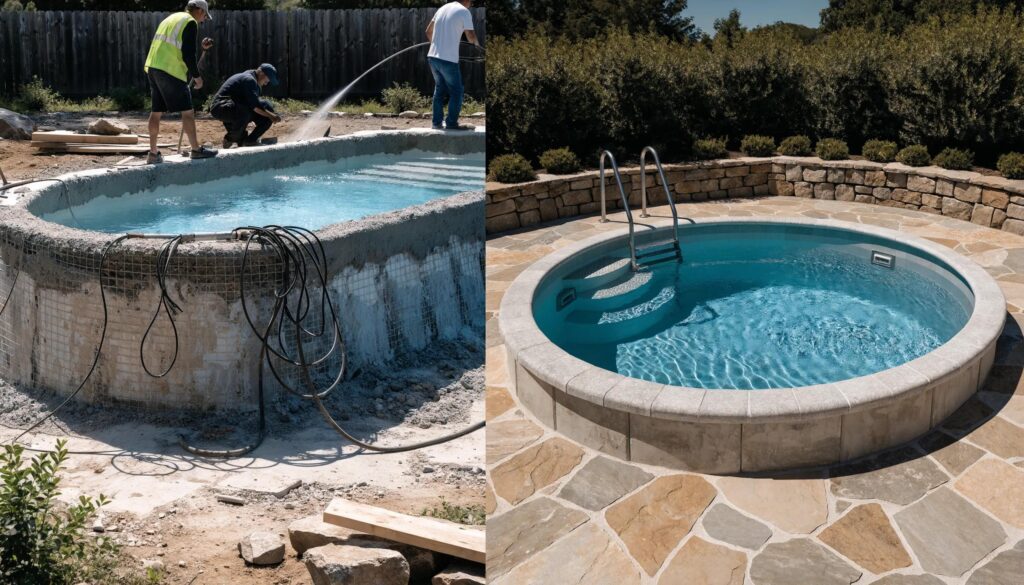
When it comes to financial considerations, custom gunite pools generally have a higher upfront cost compared to prefabricated pools. The reasons for this disparity include the materials used, skilled labor required, and the extent of customization options available. While the initial expense can be significant, many homeowners find that the long-term value of a custom pool, including potential increases in property value and longevity, justifies the investment.
Here is a detailed look at the cost implications:
Pool Type | Initial Cost | Long-term Value |
|---|---|---|
Custom Gunite Pool | Higher upfront cost | Better long-term investment |
Prefabricated Pool | Lower initial cost | Variable long-term value |
Ultimately, understanding the cost mechanics can aid in making an informed choice about which type of pool to invest in.
Maintenance Requirements
The maintenance requirements between custom gunite pools and prefabricated pools differ greatly. Custom pools, due to their unique construction, may necessitate more complex maintenance. Regular checks on the gunite surface, water chemistry, and filtration systems are crucial to ensure the longevity of the pool.
On the other hand, prefabricated pools often feature simpler maintenance needs. Their materials are designed for easy upkeep, and maintenance routines typically involve cleaning filters and ensuring proper water levels. By understanding these differences, homeowners can better prepare for the ongoing responsibilities of pool ownership.
Customization Level
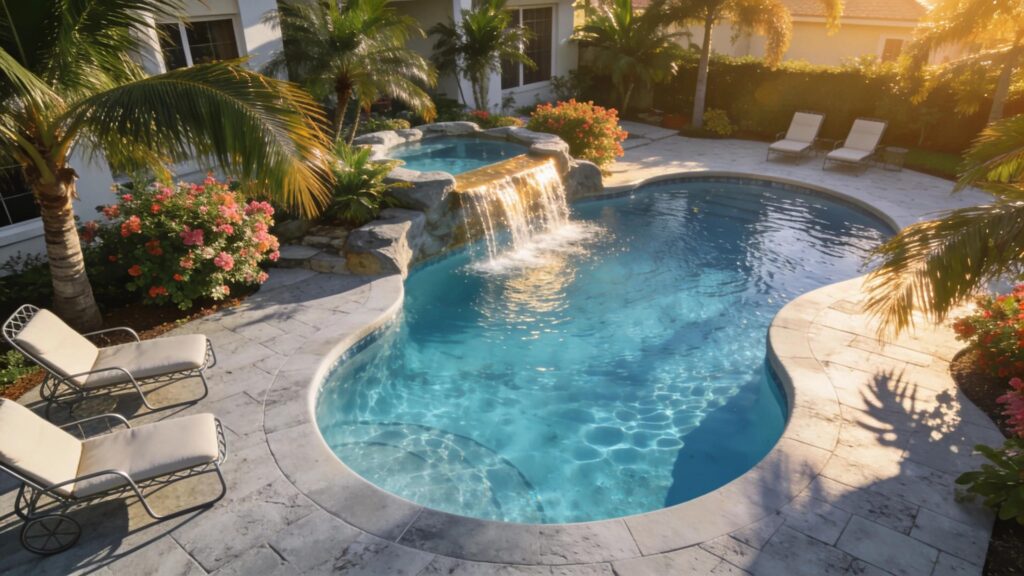
Customization is a defining feature of gunite pools. Homeowners can design pools with various shapes, sizes, and features like waterfalls, integrated spas, or unique tiling and coping options. This level of personalization caters to individual aesthetics and recreational needs, making each project unique.
Conversely, prefabricated pools come with predetermined shapes and sizes, limiting design flexibility. While there are options for different finishes and colors, the scope for customization remains restricted compared to gunite pools. Thus, homeowners prioritizing a personalized design may lean towards custom gunite alternatives.
What Are the Key Differences Between Gunite and Prefabricated Pools?
Construction Methods
The construction methods for gunite and prefabricated pools are fundamentally different. Gunite pools are created on-site by mixing sand and cement, which are then applied to the framework. This technique allows customization but extends the construction timeline.
Prefabricated pools, however, are pre-formed and delivered to the site for assembly. This method reduces the timeline significantly and simplifies the installation process, appealing to homeowners looking for a faster solution.
Durability
Durability is another critical factor in the comparison. Custom gunite pools are known for their longevity, with proper care often lasting for decades. The gunite surface is exceptionally durable and resistant to wear and tear, provided it is maintained correctly.
In contrast, prefabricated pools can be prone to damage if not installed correctly. Issues such as cracking can arise, especially in regions with shifting soils. Homeowners must weigh the pros and cons of each material type regarding durability as part of their decision-making process. For enhanced durability and foundation stability in paving projects, consider the Beyond Base Elite System.
Understanding the engineering challenges involved in precast concrete structures, especially for applications like swimming pools, is crucial for long-term structural integrity.
Structural System for Precast Concrete Swimming Pools
โครงสร้างคอนกรีตเสริมเหล็กเป็นระบบการก่อสร้างหลักของประเทศไทยมาอย่างยาวนาน และระยะหลังมีการใช้ระบบโครงสร้างคอนกรีตสำเร็จรูปกันอย่างแพร่หลายมามากกว่า 10 ปี อย่างไรก็ตาม ระบบคอนกรีตสำเร็จรูปที่ใช้กันอยู่มีข้อจำกัดคือ ไม่สามารถใช้งานได้ในสภาวะใต้น้ำ วิทยานิพนธ์ฉบับนี้มีจุดมุ่งหมายในการพัฒนาระบบคอนกรีตสำเร็จรูปสำหรับโครงสร้างสระว่ายน้ำ โดยประยุกต์ใช้ยางรองคอสะพานเพื่อเป็นยางกันซึม ซึ่งยางจะต้องรับแรงเฉือนระหว่างชิ้นส่วนคอนกรีตและป้องกันการรั่วซึมน้ำของโครงสร้างได้ วิธีการศึกษาประกอบไปด้วย 2 การทดสอบหลัก หลังจากการออกแบบต้นแบบสระว่ายน้ำคอนกรีตสำเร็จรูปและรอยต่อระหว่างชิ้นส่วนโครงสร้าง การทดสอบแรกเป็นการทดสอบความสามารถในการรับแรงเฉือนและแรงอัดในเวลาเดียวกันเพื่อที่จะศึกษาพฤติกรรมการรับแรงเฉือนของยางในสภาวะจริง ผลการทดสอบแสดงถึงความสามารถในการรับแรงเฉือนของยางภายใต้หน่วยแรงอัดที่ 1 และ 2 เมกะพาสคาล สำหรับยางที่มีค่าความแข็งเท่ากับ 60 และ 70 ค่าแรงเฉือนสุดท้ายพบว่ามีค่าสูงกว่าค่าแรงเฉือนที่ต้องการสำหรับต้นแบบโครงสร้างสระว่ายน้ำสำเร็จรูป การทดสอบที่ 2 เป็นการทดสอบการป้องกันการซึม Structural system for precast concrete swimming pool, 2019
Maintenance Requirements
As previously discussed, maintenance requirements differ significantly between the pool types. Gunite pools require meticulous and regular maintenance due to their porous surfaces, while prefabricated pools demand less upkeep and feature materials that resist algae growth better. Evaluating your willingness to commit time and resources to maintenance will be vital.
Cost Considerations
In summary, while custom gunite pools and prefabricated options differ in cost structures, it is essential to consider both upfront and long-term expenses. Custom pools may have a higher initial investment, but they provide considerable returns in terms of value and durability. Understanding these financial implications will help homeowners choose a pool that fits their budget and lifestyle.
How Does the Material Impact Pool Durability and Design Options?
Durability
Material plays a crucial role in the durability of pools. Gunite pools are renowned for their strength and resistance to various external factors. They can withstand harsh environmental conditions without significant damage when constructed correctly.
Prefabricated pools, particularly when made from fiberglass, offer advantages regarding algae resistance and rapid installation. However, homeowners should consider possible durability issues linked to the installation process. A well-installed prefabricated pool can still provide many years of enjoyment, given the right care.
Design Options
Design options vary greatly based on the material used for pool construction. Gunite pools offer broad versatility, allowing for creative designs tailored to the homeowners’ preferences. In stark contrast, prefabricated pools are available in limited configurations, which may restrict options for those wanting a customized layout.
What Are the Advantages of Custom Gunite Pools Compared to Prefab Options?
Custom gunite pools provide numerous advantages compared to prefabricated options. These include:
Flexible Design Options: Homeowners can create unique shapes and features, tailoring the pool to their specific requirements.
Potential for Increased Property Value: A well-designed gunite pool can significantly enhance the aesthetic appeal and value of your property, making it a worthwhile investment.
Long-lasting Durability: With proper maintenance, custom gunite pools are capable of lasting for several decades.
These advantages can make custom gunite pools a more attractive option for discerning homeowners. When it comes to ensuring the longevity and stability of outdoor living spaces, particularly in areas prone to settlement, understanding the benefits of a robust foundation system is key. For insights into premium paving solutions and their long-term advantages, explore Beyond Backyard Living pavers.
How Do Florida Soil Conditions Affect Pool Installation Decisions?
What Soil Engineering Challenges Are Unique to Central Florida?
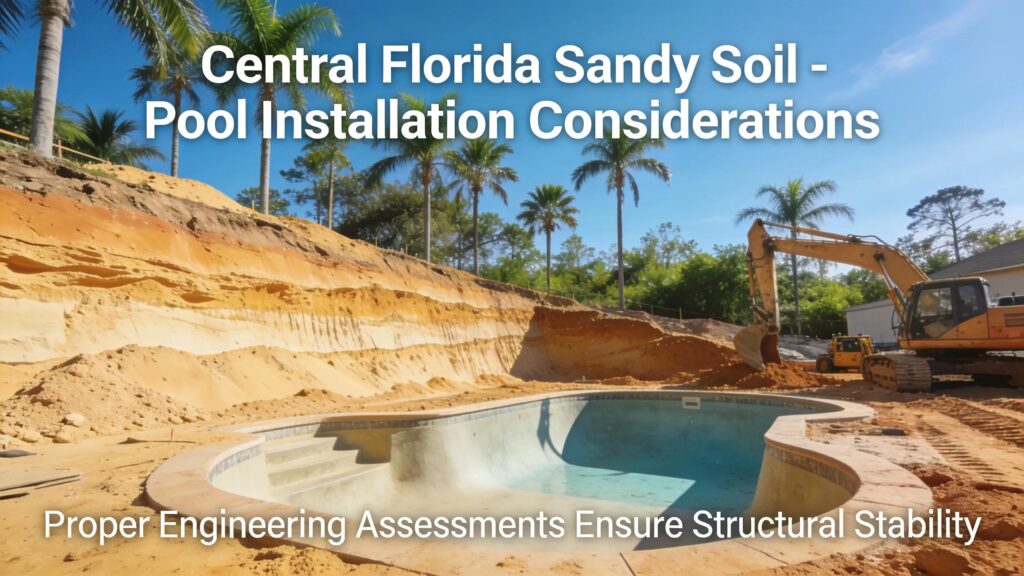
Florida’s soil conditions present unique challenges during pool installation. Certain soil types in Central Florida may shift or settle, impacting pool stability and necessitating careful engineering assessments. Homeowners must be aware of these challenges when selecting their pool type to ensure long-term success.
How Does Soil Compatibility Influence Pool Longevity and Warranty Coverage?
Soil compatibility significantly impacts pool longevity and the warranties offered. Poor soil conditions can void warranties and lead to accelerated wear and tear. Conversely, suitable soil types can enhance the durability of the pool structure, ensuring optimal performance and protection over time. This commitment to lasting quality is mirrored in the lifetime settlement warranty offered on certain paving products, providing peace of mind for homeowners.
What Are the Installation Costs and Timelines for Gunite vs. Prefabricated Pools in Florida?
How Do Material and Labor Affect Florida Pool Construction Costs?
In Florida, the costs associated with pool construction vary widely depending on the materials and labor involved. Custom gunite pools typically require more skilled labor and longer timelines for installation, leading to higher overall costs compared to prefabricated options. Homeowners should factor these costs into their budget when considering which type of pool to install.
What Maintenance and Warranty Options Should Florida Homeowners Consider?
How Do Maintenance Needs Differ Between Gunite and Prefabricated Pools?
The maintenance needs of gunite pools often involve specialized care, such as acid washing the surface and checking pool chemistry more frequently. Prefabricated pools, in contrast, have more straightforward maintenance routines, allowing for quicker and easier upkeep. Understanding these differences will help homeowners better plan for pool ownership.
What Are Typical Warranty Programs for Florida Pool Installations?
Warranty programs vary between pool types, with custom gunite installations typically offering different coverage options compared to prefabricated pools. Homeowners should carefully read warranty details to ensure coverage meets their expectations, particularly regarding structural components and installation quality. For ongoing protection and maintenance of outdoor living areas, consider an annual protection plan.