By Terrance Schabilion, Custom Pool Builder Spring Hill FL
Maintaining a luxurious biodesign pool in Florida necessitates a thorough understanding of various maintenance aspects, including algae prevention, UV sanitization, and seasonal care. With Florida’s unique climate, pools face specific challenges, primarily due to algae growth, which can affect water quality and aesthetics. This article provides insights into effective methods for algae prevention and discusses how eco-friendly UV sanitization can enhance pool water quality. Furthermore, we explore essential winter care practices that protect luxury pools during cooler months. You’ll learn how these strategies not only keep your pool pristine but also align with environmentally friendly practices. Let’s dive into the proven methods to ensure your biodesign pool remains a stunning centerpiece of your backyard oasis.
What Are Proven Algae Prevention Methods for Natural Pools in Florida?
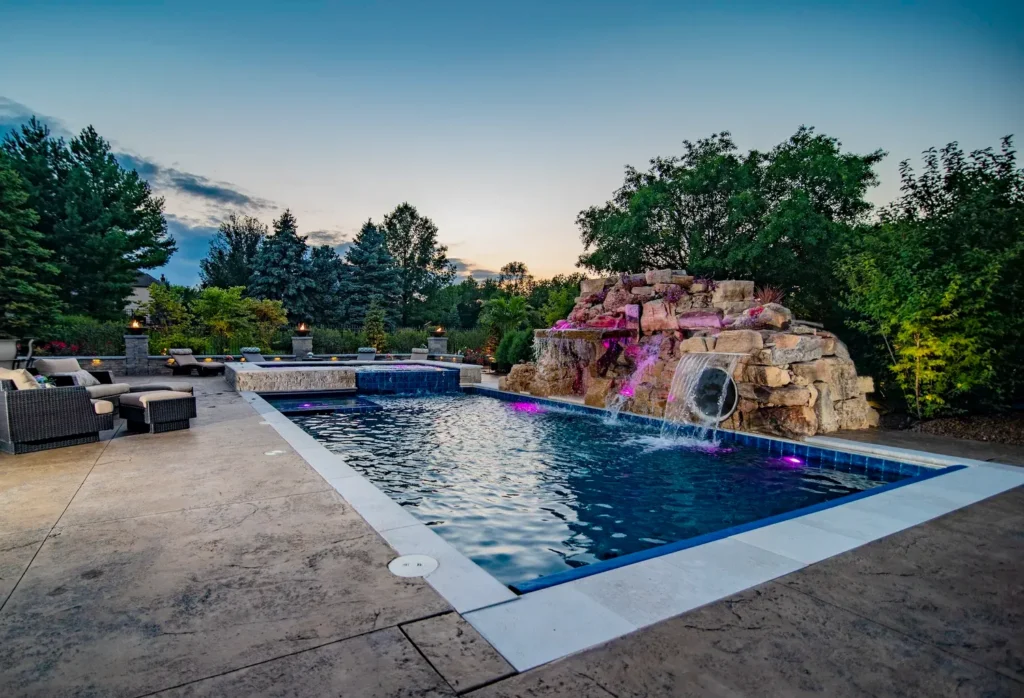
Preventing algae growth in natural pools is crucial for maintaining water clarity, quality, and aesthetic appeal. Effective algae control involves understanding local conditions and employing methods that support the pool’s ecosystem while deterring unwanted growth. Successful strategies typically integrate ecological approaches and regular maintenance routines that adjust to seasonal changes in Florida’s weather. This dual-focus strategy helps maintain a balanced aquatic environment that minimizes the risk of algae proliferation.
How Does Natural Sand Filtration Help Control Algae Growth?
Natural sand filtration is an eco-friendly method that boosts the pool’s natural ecosystem by mimicking natural processes. This system effectively filters water, trapping debris and contaminants while allowing beneficial microorganisms to thrive. These microorganisms help maintain the pool’s ecological balance by outcompeting algal blooms for nutrients and light. Additionally, natural sand filtration systems are known for “their cost efficiency” and ecological benefits, leading to improved water clarity without the harsh chemicals often associated with traditional filtration methods.
Which Organic and Eco-Friendly Algae Inhibitors Work Best in Florida's Climate?
Several organic and eco-friendly algae inhibitors are particularly effective in Florida’s warm climate, where algae thrive. Here are some top recommendations for controlling algae growth naturally:
| Algae Inhibitor | Effectiveness | User Considerations |
|---|---|---|
| Barley Straw | High | Regular applications throughout the season can be beneficial. |
| Copper-based Algaecides | Moderate | Should be used cautiously; follow guidelines for application. |
| Beneficial Bacteria | High | Excellent for establishing a healthy microbial balance in the pool. |
These options provide a sustainable approach to algae management, promoting a healthy aquatic environment while minimizing chemical usage in luxury biodesign pools.
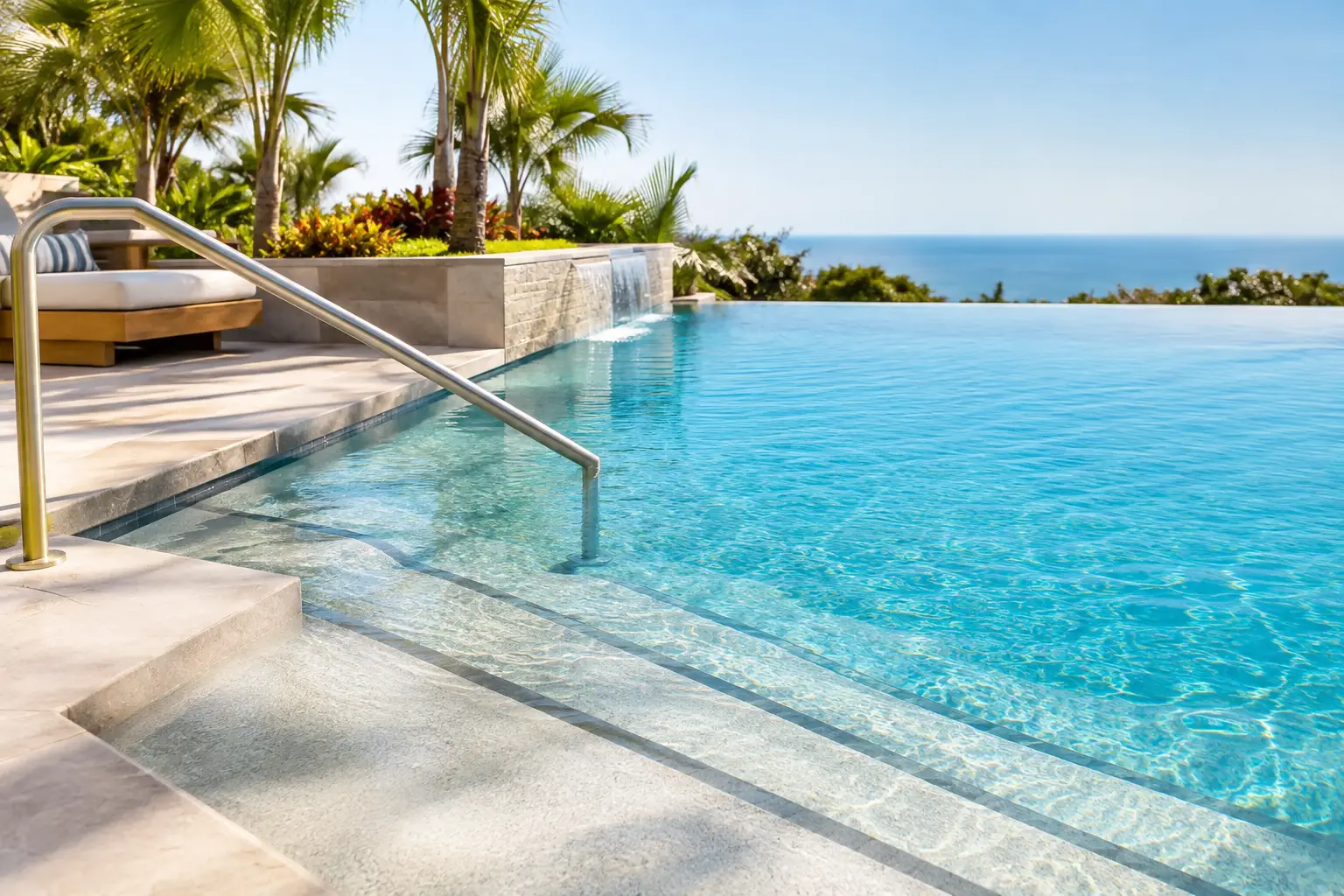
Beach Entry Surface Care
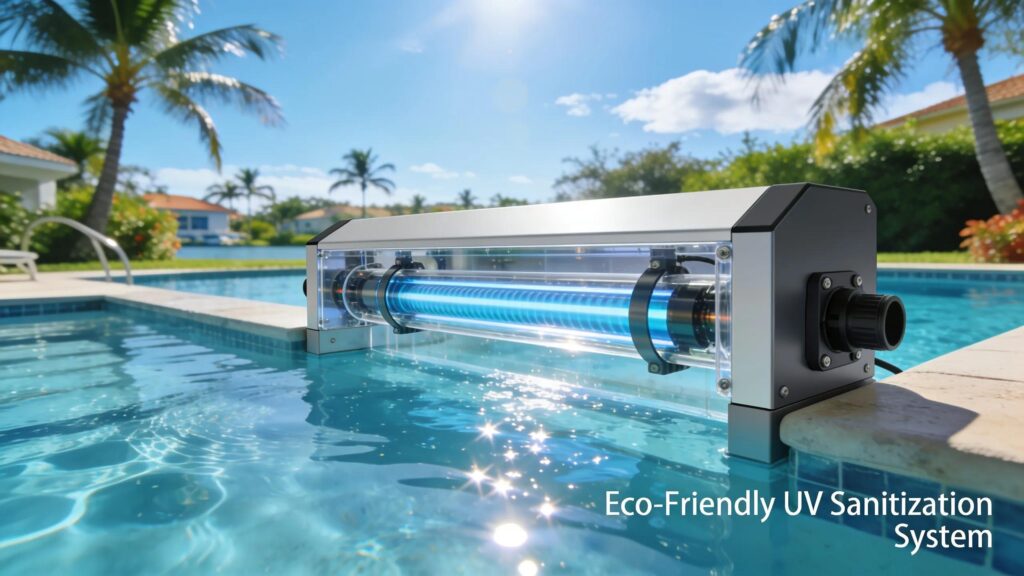
Eco-friendly UV sanitization is a modern approach to pool maintenance that significantly improves water quality while reducing dependence on harsh chemicals. This method involves using UV light to neutralize bacteria, viruses, and algae without altering the pool’s chemical balance. The result is clearer, safer water for swimming. UV systems are increasingly popular in luxury pool designs, ensuring not just cleanliness but also environmental sustainability.
What Are the Benefits of UV Sanitizers Compared to Conventional Treatments?
UV sanitization offers several advantages over traditional chemical treatments, making it a preferred choice for many pool owners:
- Reduced Chemical Usage: By utilizing UV light, pools require fewer chemicals, contributing to a healthier swimming environment.
- Improved Water Clarity: UV sanitization effectively eliminates bacteria and microorganisms, ensuring crystal clear water.
- Environmental Benefits: This method significantly reduces the ecological footprint of pool maintenance by minimizing chemical runoff.
These benefits highlight the importance of adopting UV sanitization in luxury biodesign pools, which aligns with modern sustainability practices.
How Often Should UV Sanitization Systems Be Maintained in Luxury Biodesign Pools?
Maintenance of UV sanitization systems is pivotal to ensure ongoing effectiveness. Routine checks and balances are essential, with recommendations typically suggesting inspections every three to six months. Regularly replacing UV lamps is crucial—many systems require lamp changes annually, depending on usage and environmental factors. Adjusting maintenance schedules based on the pool’s seasonal use can further enhance efficiency and overall water quality.
Which Seasonal Winter Care Practices Protect Luxury Biodesign Pools in Florida?
Maintaining a biodesign pool in winter requires specific care to protect both the pool and its surrounding features. Florida’s milder winters can pose unique challenges, including water quality maintenance and preventing debris accumulation. Essential winter care practices ensure that pools remain in ideal condition, ready for use as temperatures rise.
What Are Essential Winterizing Steps for Natural Sand Filter Pools?
Winterizing steps for natural sand filter pools include:
- Proper Balancing of Water Chemistry: Ensuring optimal pH and alkalinity levels is critical before the winter months.
- Equipment Protection: Covering filtration systems and equipment from freezing temperatures is necessary to prevent damage.
- Covering Pools: Using a quality pool cover helps keep debris out while maintaining the water’s chemistry.
These steps form the foundation for a successful winter care routine that protects both aesthetics and functionality.
How to Sustain Pool Ecosystem Health During Florida’s Cooler Months?
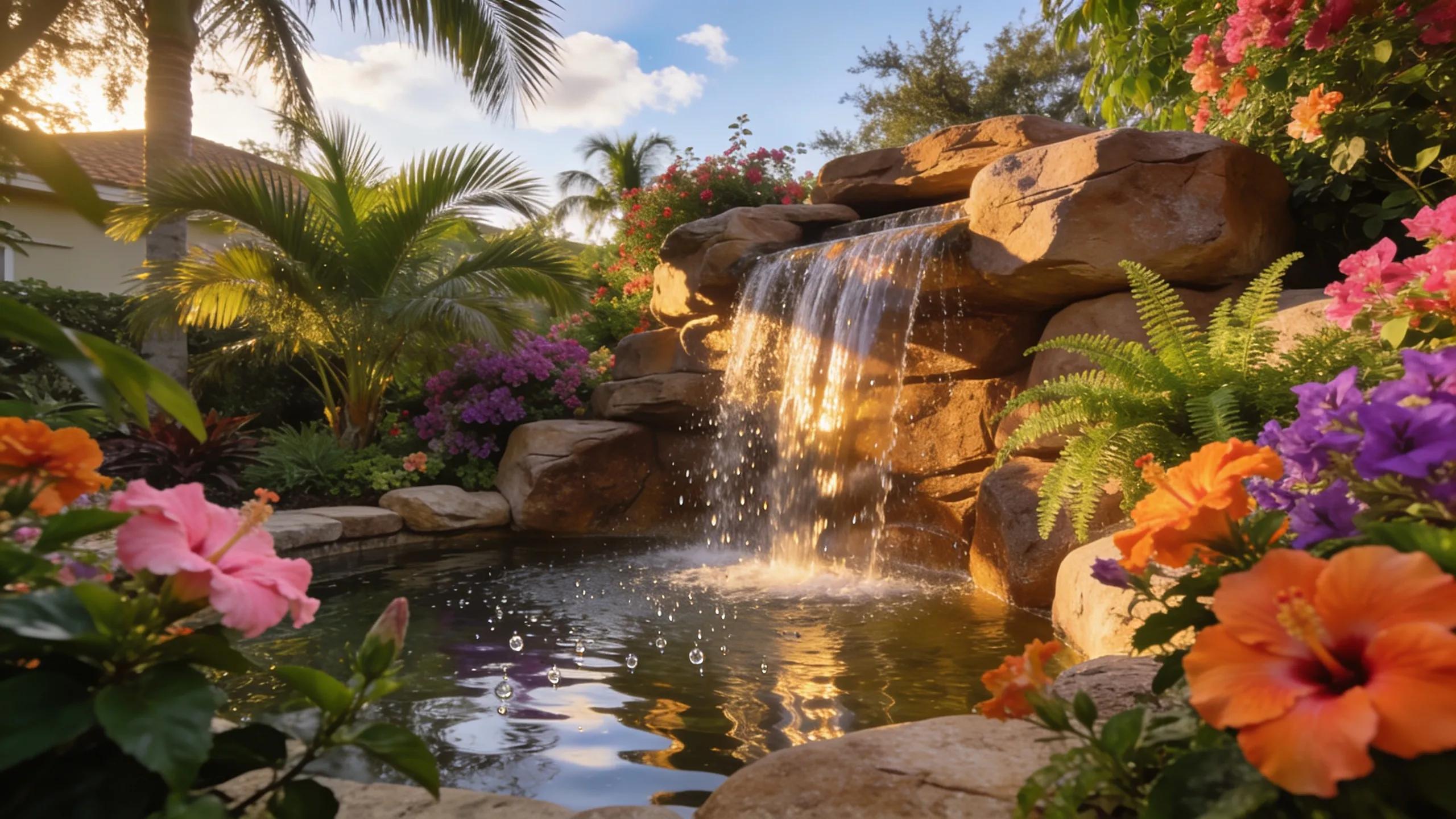
Maintaining ecosystem health in cooler months involves regular water quality checks, managing debris, and ensuring balanced chemical levels. Here are key strategies: waterfalls
- Regular Water Quality Checks: Routine testing ensures that chemical levels remain stable.
- Debris Management Practices: Cleaning the pool frequently prevents organic decay that feeds algae.
- Chemical Balance Maintenance Tips: Adjusting chemicals as needed during cooler months is essential for sustaining water quality.
Implementing these measures during Florida’s winter months ensures that your luxury biodesign pool remains vibrant and inviting.
How Are Custom Resort-Style Features Integrated into Biodesign Pool Maintenance?
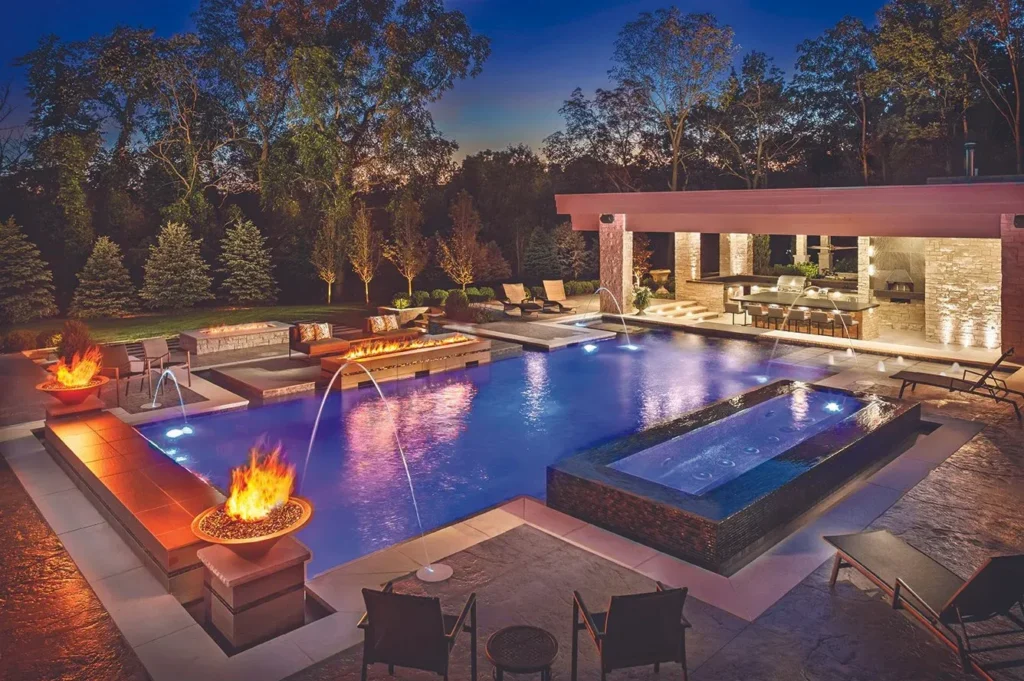
The integration of custom resort-style features such as waterfalls, grottos, and outdoor kitchens not only enhances the aesthetic appeal of biodesign pools but also presents unique maintenance considerations. These features often require specialized care and detailing to keep them in optimal condition.
What Maintenance Considerations Apply to Waterfalls, Grottos, and Pergolas?
Maintenance for unique design features includes:
- Cleaning and Upkeep Strategies: Regular cleaning is necessary to prevent buildup of algae and debris on surfaces.
- Water Flow Maintenance: Ensuring that water flows correctly is important for both functionality and aesthetics.
- Seasonal Care Needs: Adjusting care routines based on seasonal impacts to maintain these features effectively.
Incorporating these considerations supports the longevity and beauty of custom designs in your “pool area”.
How Do Outdoor Kitchens and Hardscape Designs Affect Pool Care Routines?
Integrating outdoor kitchens and hardscapes into pool designs can significantly impact overall pool care routines. Factors include:
- Interaction Between Pool and Outdoor Areas: Cooking and dining areas can introduce organic debris into the pool.
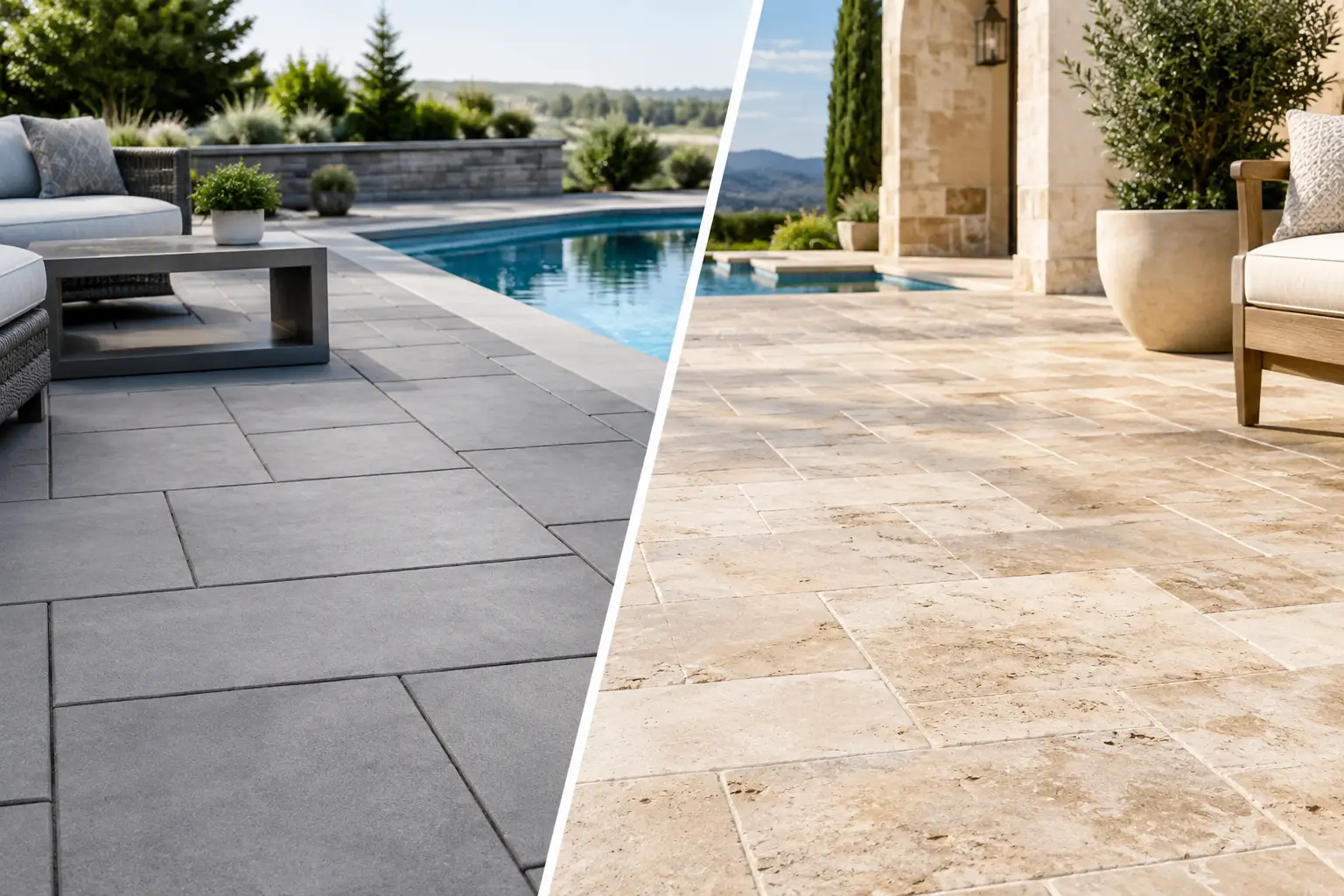
- Materials Selection for Durability: Choosing appropriate materials helps minimize maintenance issues while maintaining a cohesive look.
- Regular Cleaning Protocols: Ensuring both the kitchen and pool area are cleaned together prevents cross-contamination of debris and protects water quality.
Creating seamless harmony between pool and outdoor living spaces demands “thoughtful maintenance practices” to ensure both remain in prime condition.