Author: Beyond Backyard

  • Naturi Natural Pools vs Saltwater Pools in Florida: Comparing Skin Feel, Chemistry, and Corrosion Resistance

    Naturi Natural Pools vs Saltwater Pools in Florida: Comparing Skin Feel, Chemistry, and Corrosion Resistance

    By Terrance Schabilion, Custom Pool Builder Spring Hill FL

    When considering a new pool in Florida, potential owners often face the dilemma of choosing between Naturi natural pools and saltwater pools. Understanding the distinct characteristics of each pool type is essential for making a decision that aligns with personal preferences and lifestyle. This article dives into the skin feel, water chemistry, and corrosion resistance of both options, providing insight into how they affect the swimming experience. In particular, we will explore the environmental implications and maintenance requirements, which are crucial for ensuring long-term satisfaction and usability. Key sections include a comparison of skin feel differences between natural and saltwater pools, their respective water chemistry, and the role of corrosion resistance in Florida’s coastal climate.

    Skin Feel:

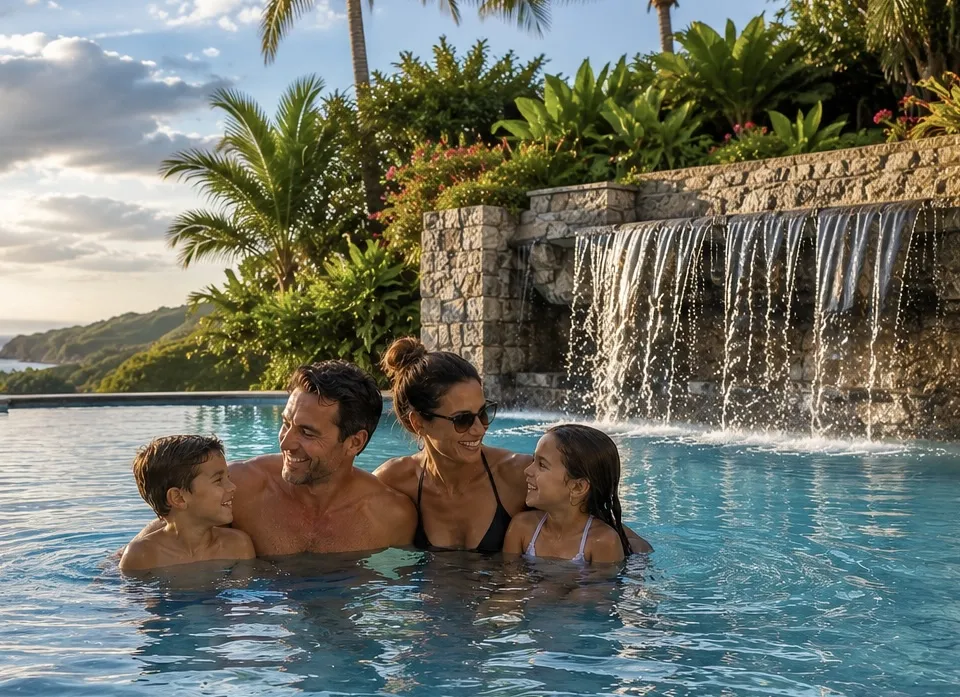
    Skin feel refers to the tactile sensation experienced by swimmers when they enter the water. Naturi natural pools are designed to provide a softer, more pleasant feel compared to their saltwater counterparts. This softer sensation is attributed to the unique filtration systems utilized in these pools, which mimic natural ecosystems. User testimonials often highlight a preference for the gentler touch of Naturi pools, making them an appealing option for families and those with sensitive skin.

    Water Chemistry:

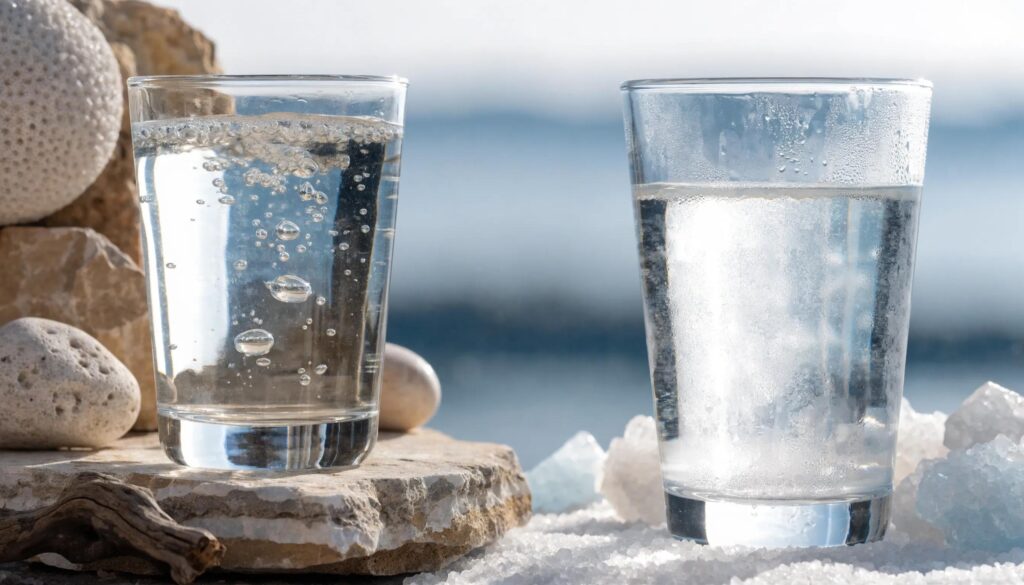
    Comparison of water chemistry: crystal clear Naturi natural pool water vs. slightly cloudy saltwater pool water

    Water chemistry plays a pivotal role in influencing the swimming experience in both Naturi natural and saltwater pools. The differences in filtration systems significantly affect the chemical makeup of the water. Naturi pools employ a natural filtration approach that relies on plants and beneficial microorganisms, promoting a harmonious balance. In contrast, saltwater pools utilize salt chlorine generators that convert sodium chloride into chlorine through electrolysis, which can leave swimmers feeling slightly irritated due to higher chemical levels.

    How Does Water Chemistry Influence Skin Sensation in Natural and Saltwater Pools?

    The chemistry of the water can significantly affect skin sensation. Naturi pools maintain a pH and chemical balance that is much closer to that of natural freshwater, often leaving users with a smooth and soothing experience. On the other hand, saltwater pools, while convenient in their self-regulating chlorine levels, may lead to a drier feeling on the skin as chlorine can strip moisture away, leading to irritation for some swimmers.

    Which Chemicals Are Commonly Used in Saltwater Pools and What Are Their Effects?

    Saltwater pools typically rely on sodium chloride (table salt) for their chlorine generation. Other common chemicals may include stabilizers such as cyanuric acid and additional sanitizers, which are necessary to maintain optimal water quality. While these compounds facilitate easier maintenance, they can still cause skin dryness and require proper management to avoid issues such as over-salination.

    Corrosion Resistance:

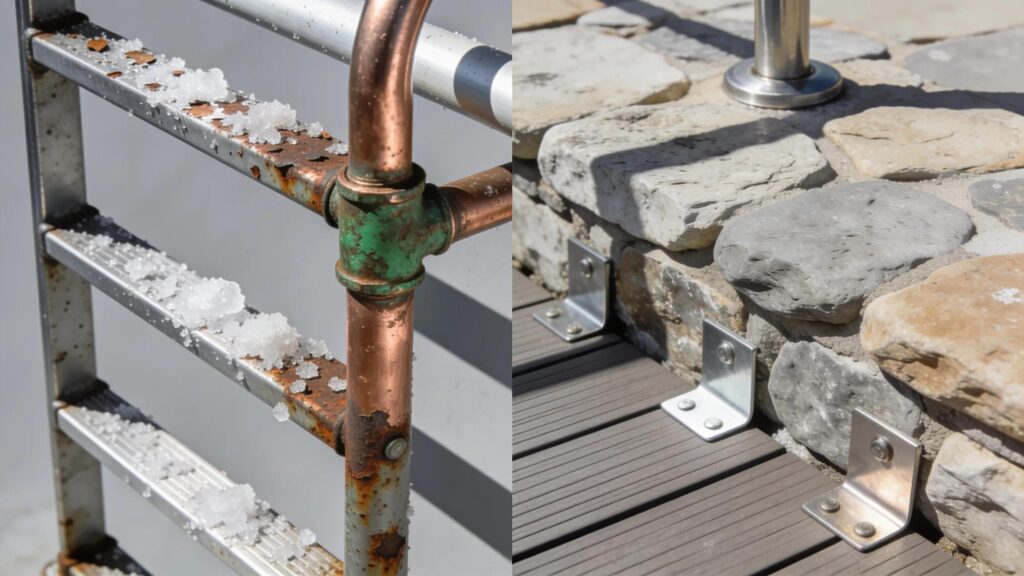
    Close-up of corrosion effects on saltwater pool equipment vs. corrosion-resistant materials in Naturi natural pools

    Corrosion resistance is a crucial factor when selecting a pool type in Florida’s coastal environment. Saltwater pools are particularly susceptible to corrosion due to the higher salinity of the water, which can adversely affect pool equipment and materials. As a result, homeowners may need to invest significantly in “corrosion-resistant materials” to ensure longevity.

    How Does Saltwater Pool Corrosion Affect Pool Equipment and Materials Longevity?

    The salinity in saltwater pools can lead to accelerated wear on pumps, heaters, and other metal components. Regular maintenance and monitoring of water chemistry are essential to prevent premature deterioration of pool infrastructure. It is advisable for owners to consider equipment made of corrosion-resistant materials to mitigate these issues.

    What Technologies Enhance Corrosion Resistance in Natural Pool Systems on Florida’s Nature Coast?

    Naturi natural pool systems often incorporate innovative materials and technologies that improve resistance to corrosion without the harmful side effects associated with saltwater. Utilizing natural stone or specially treated metals reduces corrosion risk, ensuring that the structural integrity of the pool is maintained even in challenging environments.

    Why Are Eco-Friendly Pool Options Growing Popular in Spring Hill and Tampa Bay?

    Across regions like Spring Hill and Tampa Bay, eco-friendly options for pools have surged in popularity. This shift is largely due to increasing environmental awareness and the benefits associated with low chemical usage. Naturi natural pools not only offer an attractive aesthetic but also promote biodiversity and sustainability.

    How Do Naturi Natural Pools Align with Environmental Benefits and Reduced Chemical Use?

    Naturi natural pools provide numerous environmental benefits, such as reduced reliance on harsh chemicals and the creation of habitats for local wildlife. By filtering and purifying water through a natural ecological process, these pools minimize chemical runoff and contribute to healthier surrounding ecosystems.

    What Are the Advantages of Custom Hardscape and Resort-Style Water Features in Luxury Pool Designs?

    In addition to the ecological benefits, incorporating custom “hardscapes” and resort-style features enhances the overall swimming experience. These elements create inviting spaces for relaxation and entertainment, aligning with the luxurious expectations of many homeowners in Florida. Beyond Backyard Living Creations specializes in designing these bespoke elements, ensuring your pool complements your outdoor living style beautifully.

    To protect your investment and maintain the pristine condition of your outdoor space over time, consider utilizing a “settlement warranty” alongside professional installation practices.

  • Custom Luxury Naturi Sand Pools with Integrated Spas & Cascading Rock Grottos in Florida: Design and Hydrotherapy Benefits

    Custom Luxury Naturi Sand Pools with Integrated Spas & Cascading Rock Grottos in Florida: Design and Hydrotherapy Benefits

    By Terrance Schabilion, Beyond Backyard Living – Custom Pool Builder Spring Hill FL

    Creating an outdoor oasis that combines luxury and wellness has never been easier with Naturi sand pools featuring integrated spas and cascading rock grottos. These custom designs not only elevate your outdoor living environment but also offer unique hydrotherapy advantages. This article explores the benefits of naturi sand pools and how their integrated spa systems enhance relief and relaxation. Many homeowners desire both aesthetic beauty and functional therapy in their outdoor spaces; naturi sand pools fulfill this through eco-friendly filtration systems and stunning natural aesthetics. We’ll delve into what makes naturi sand pools exceptional, the key features of luxury pool designs, and how cascading rock grottos contribute to a resort-like experience.

    What Are Naturi Sand Pools and How Do Their Integrated Spas Enhance Outdoor Living?

    Naturi sand pools are luxurious swimming environments filled with fine quartz sand that offers a natural aesthetic and a soothing feel. Their integrated spas enhance the outdoor living experience by providing hydrotherapy benefits, which promote relaxation and recovery. As a high-end alternative to traditional pools, naturi sand pools also incorporate customizable features that can be tailored to each homeowner’s preferences. The combination of sand surfaces and integrated spa jets not only adds an aesthetically pleasing element but also offers significant physical benefits for users seeking therapeutic experiences.

    Key Features of Natural Stone Pool Design and Sand Filter Systems

    Natural stone pool designs couple durability with stunning visuals, making them a popular choice for luxury outdoor spaces. Some key features include:

    • Durability: Natural stone materials provide a long-lasting and resilient surface that is ideal for various climates.
    • Low Maintenance Needs: With the proper care, these pools require minimal upkeep compared to conventional materials.
    • Natural Aesthetics: The organic look of stone integrates seamlessly with the surrounding environment, enhancing the overall landscape of any property.

    These elements contribute to creating an inviting and elegant outdoor experience that can be enjoyed for years to come.

    Why Choose Custom Cascading Rock Grottos and Resort-Style Waterfalls for Your Pool?

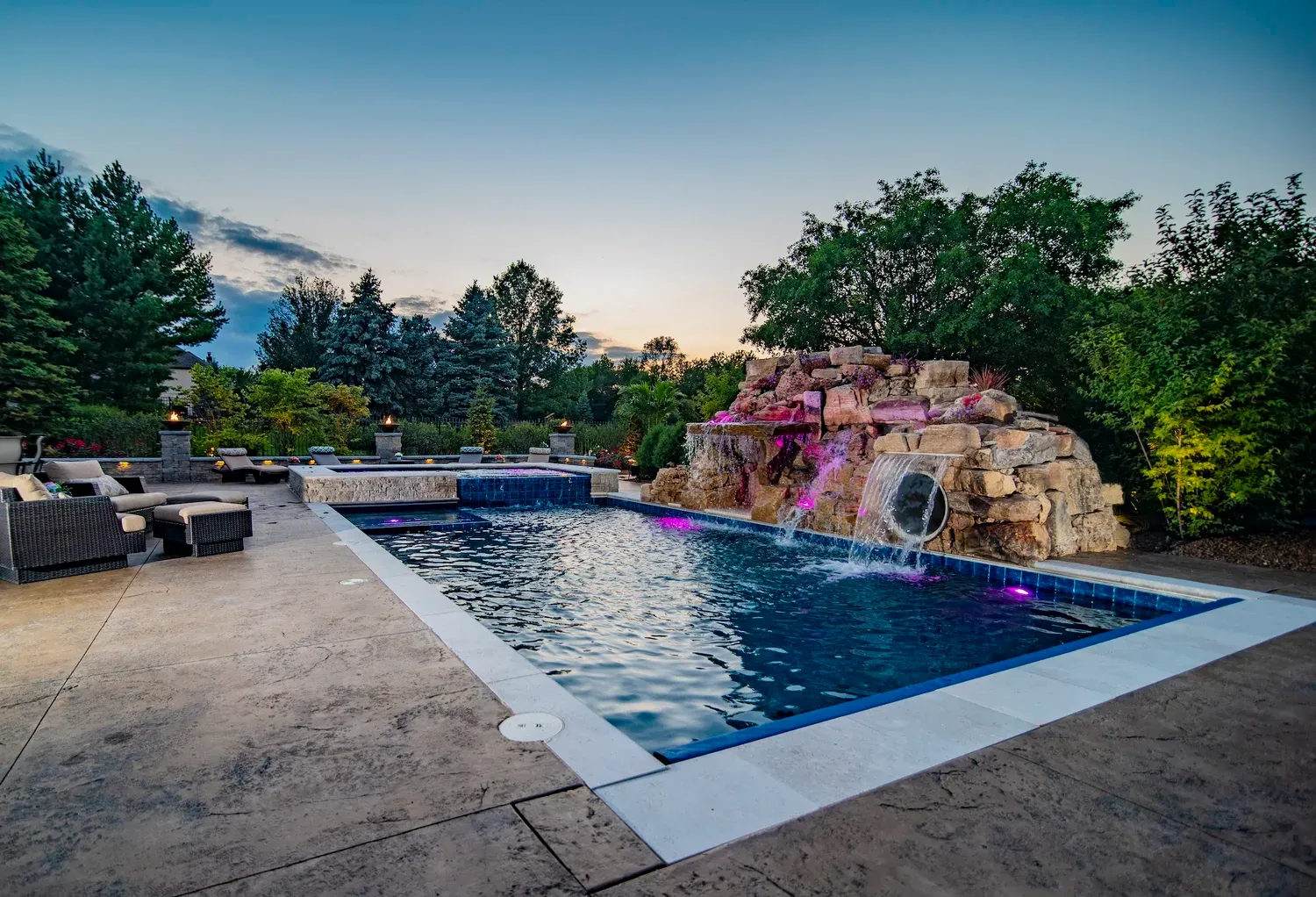
    Incorporating rock grottos and resort-style waterfalls into your pool design adds not just aesthetic charm but also functional benefits. Here are some compelling reasons to include these features:

    • Aesthetic Appeal: Custom cascading rock grottos create a breathtaking focal point in any backyard, instantly elevating the beauty of the space.
    • Functionality: These features can also double as shaded areas, providing a cool retreat from the sun on hot days.
    • Relaxation Benefits: The sound of flowing water combined with the natural surroundings provides a tranquil atmosphere that enhances relaxation.

    Adding such elements not only enriches the design but also enhances the overall experience of poolside leisure.

    Design Innovations in Rock Grotto Architecture and Water Flow Engineering

    Recent advancements in rock grotto architecture and water flow engineering have transformed how these features can be designed and integrated into pool environments. Key innovations include:

    • Custom Rock Waterfalls: Tailored to fit the unique contours of your space, these waterfalls enhance water movement and visual architecture.
    • Grottos for Shaded Relaxation: Thoughtful design allows for shaded areas that provide a perfect retreat from the sun.
    • Resort-Style Features: By using advanced water feature technology, pools can include engaging water movements that make for an interactive experience.

    These innovative designs ensure that every detail aligns with the client’s vision for a premium outdoor environment.

    For those looking to enhance their outdoor living spaces with luxury pools, Beyond Backyard Living Creations offers expert custom design and build services, specializing in high-end outdoor environments throughout Spring Hill and the Nature Coast region. With a focus on integrating elements like naturi sand pools, cascading rock grottos, and luxurious spas, they create personalized backyard retreats.

    How Do Premium Materials and Features Like Paver Decks, Pergolas, and Outdoor Kitchens Complement Your Pool Design?

    Enhancements in premium materials like paver decks, pergolas, and outdoor kitchens are essential to complementing your pool design perfectly. Key considerations include:

    • Material Selection: Using high-quality materials not only adds value but also ensures longevity and visual appeal throughout your pool area.
    • Functional Layout: Thoughtful design optimization creates inviting spaces around the pool for gatherings, dining, or simply enjoying the outdoors.
    • Maintenance Tips: Selecting resilient materials that withstand both time and weather conditions reduces the chance of wear, ensuring the space remains beautiful.

    Incorporating these features allows homeowners to maximize their outdoor areas, creating multifunctional spaces that cater to relaxation and entertainment while seamlessly integrating with the luxurious design of their custom pools. To ensure the durability of your surroundings, utilizing an elite system guarantees structural integrity, backed by a lifetime settlement warranty for ultimate peace of mind.

  • Custom Travertine vs Porcelain Paver Patios in Florida: Heat Absorption, Slip Resistance & Drainage Guide

    Custom Travertine vs Porcelain Paver Patios in Florida: Heat Absorption, Slip Resistance & Drainage Guide

    By Terrance Schabilion, Beyond Backyard Living – Custom Pool Builder Spring Hill FL

    When it comes to creating luxurious outdoor spaces in Florida, the choice between travertine and porcelain pavers is crucial. Each material offers unique benefits tailored to the warmer, humid climate of the region. This guide delves into the essential attributes of these pavers, focusing on their heat absorption properties, slip resistance, and drainage solutions. Understanding these factors will empower homeowners to make informed decisions about their patio designs, ensuring comfort and aesthetic appeal year-round.

    In Florida, where outdoor living is a way of life, the sun’s heat can pose challenges for patio surfaces. The right choice of paver not only enhances the beauty of an outdoor space but also addresses practical concerns such as safety and maintenance. We’ll explore how natural travertine and modern porcelain withstand higher temperatures and moisture exposure while comparing their performance metrics. This exploration will cover critical areas including the impact of Florida’s climate on patio temperatures, the effectiveness of each material’s slip resistance, and innovative drainage solutions that maximize the longevity of backyard retreats.

    How do Travertine and Porcelain pavers compare in heat resistance for Florida patios?

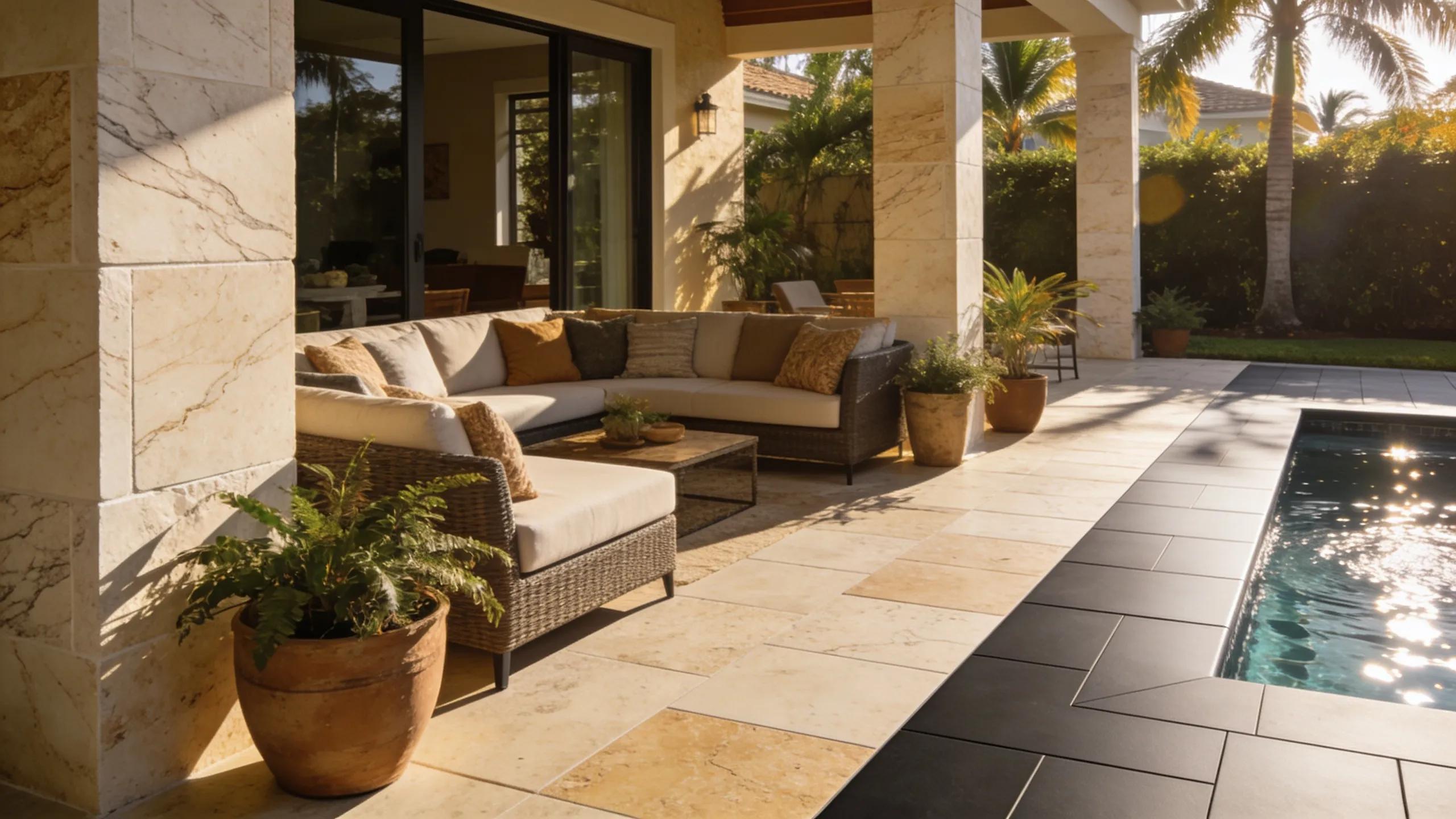
    Heat resistance is a vital factor for any outdoor material, especially in the sunny climate of Florida. Travertine pavers are renowned for their ability to remain cooler in harsh heat due to their porous nature, which helps dissipate heat quickly. Conversely, porcelain pavers, while less porous, can absorb and retain heat, making them potentially hotter under direct sunlight.

    Homeowners need to consider performance differences in Florida’s climate. Over time, the choice of paver can influence both comfort levels during peak sun exposure and overall durability. Maintenance needs also play a role, with travertine requiring periodic sealing to maintain its cooling properties, while porcelain’s dense structure can allow for simpler cleaning routines.

    What are the heat absorption properties of Travertine vs Porcelain pavers?

    The heat absorption characteristics differ significantly between travertine and porcelain pavers. Travertine’s natural stones have heat reflective qualities that allow them to stay cooler throughout the day. In contrast, porcelain can retain warmth, making it less favorable for areas where foot traffic is expected under the sun.

    Comparison of Heat Absorption

    MaterialHeat Absorption LevelRecommended Use
    TravertineLowPool decks, patios with high foot traffic
    PorcelainHighIndoor spaces, shaded patios

    This table illustrates that travertine is ideal for sunny outdoor environments, providing a more comfortable surface temperature. The impact of moisture and climate further influences the performance of these pavers, particularly in terms of maintenance and care.

    How does Florida’s climate influence patio surface temperatures?

    Florida’s humid subtropical climate significantly impacts patio surface temperatures, with high moisture levels and abundant sunshine creating unique challenges. The intense sun exposure will exacerbate the heat retention of materials like porcelain, leading to warmer surface temperatures and necessitating careful selection for outdoor applications.

    For homeowners, this means considering not only the look but also the functionality of their chosen materials. Travertine, through its natural cooling properties, can mitigate heat buildup on the surface—making it a more comfortable choice for barefoot areas such as around pools or during family gatherings in the sun.

    Which paver material offers superior slip resistance for pool decks in Florida?

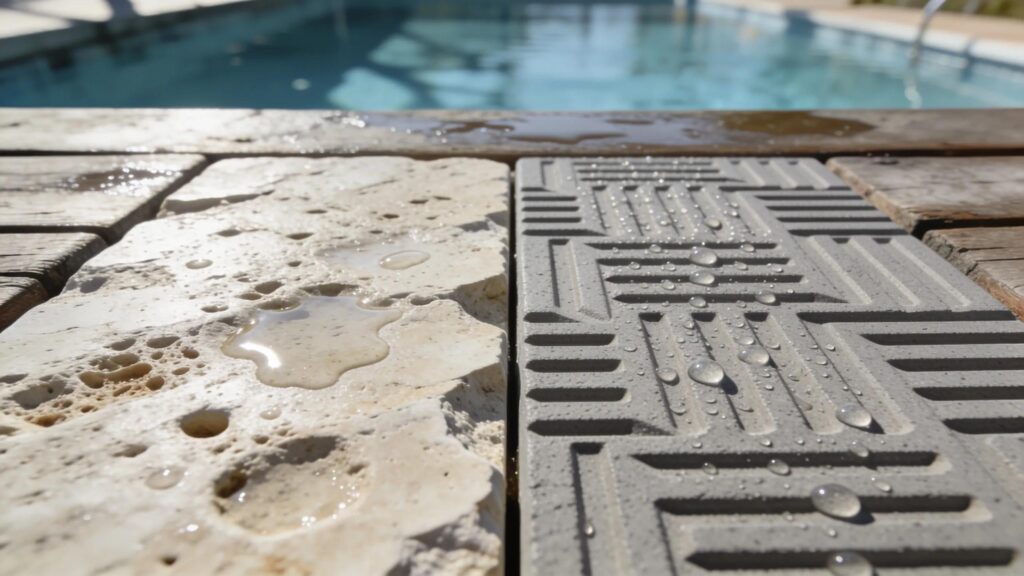
    Close-up of travertine and porcelain textures highlighting slip resistance in a pool deck

    Slip resistance is a critical concern for pool decks, particularly in a wet environment like Florida. When comparing travertine and porcelain, both materials exhibit unique advantages. Travertine has a naturally textured surface, granting it superior traction when wet, which makes it an excellent choice around pools.

    Porcelain can feature finishes specifically designed for slip resistance, but its smooth nature can sometimes present challenges. Although both materials can be safe, travertine generally stands out as the more reliable option for minimizing slip hazards.

    Recommendations for Poolside Safety

    1. Choose Textured Surfaces: Opt for travertine for its natural slip-resistant qualities.
    2. Consider Sealants: If using porcelain, select options with anti-slip coatings.
    3. Regular Maintenance: Ensure both types are cleaned regularly to maintain their surface qualities.

    How do ASTM slip resistance ratings validate safety for Travertine and Porcelain?

    ASTM slip resistance ratings offer a framework to evaluate the safety of both paver types. These ratings help homeowners understand the friction levels provided by different materials, guiding choices for safe outdoor spaces. Travertine generally meets or exceeds safety standards, especially when installed with proper surface texture.

    Meanwhile, porcelain pavers can also pass safety ratings if they feature appropriate finishes. Homeowners must investigate these ratings and choose compliant products to enhance patio safety—a crucial aspect in regions prone to unexpected rain.

    What maintenance practices improve slip resistance on outdoor pavers?

    Proper maintenance is key to maximizing slip resistance on outdoor pavers, whether they are travertine or porcelain. The following practices can enhance the longevity and safety of these materials:

    1. Regular Cleaning: Remove debris and algae that can build up and create slippery conditions.
    2. Frequent Inspections: Check for wear or damage that could affect traction.
    3. Sealing: For travertine, applying a sealant can protect against moisture while enhancing slip resistance.

    Maintaining both types will not only prolong their aesthetic appeal but will also ensure safety for all users, especially in wet conditions.

    To better understand how these surface characteristics hold up under pressure, comprehensive engineering evaluations offer valuable insight into material behavior.

    Evaluating Physical and Skid Resistance Properties of Pavements

    The research evaluates density, porosity, water absorption, compressive strength, indirect tensile strength, resilient modulus, rutting resistance, fatigue life, skid resistance, and durability. STUDY OF THE PHYSICAL,

    MECHANICAL, AND PERFORMANCE PROPERTIES OF ROAD PAVEMENTS, 2026

    What are the best drainage solutions for custom pool patios in Florida?

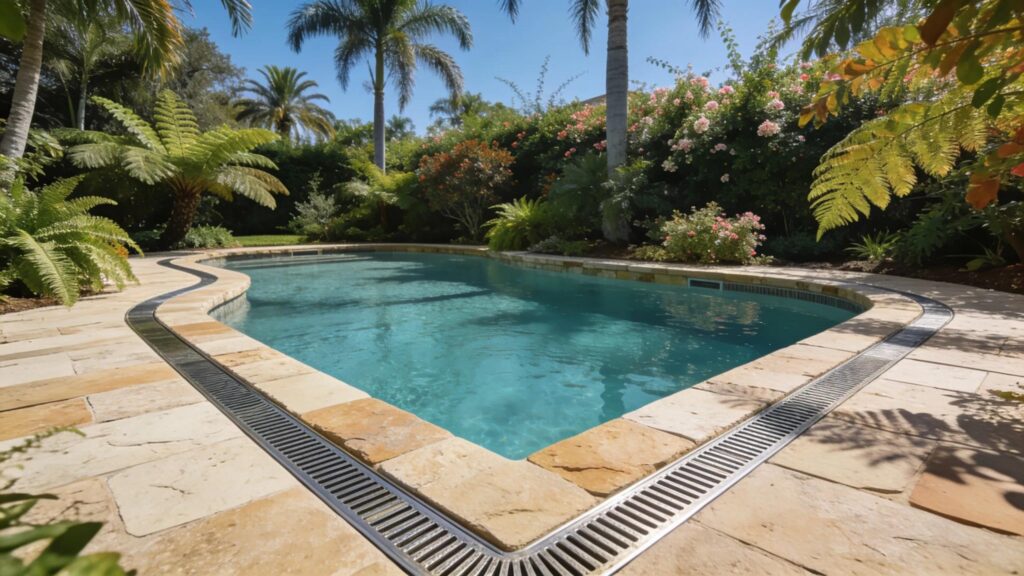
    Outdoor pool patio with effective drainage solutions including French drains in Florida

    Effective drainage solutions are vital for maintaining the integrity and functionality of patios in Florida’s wet season. Poor drainage can lead to water pooling, which increases the risk of slips and material degradation.

    Various strategies can be employed, such as the integration of drainage systems that direct water away from paved areas, ensuring a dry surface. For heavy rainfall, installing proper slope systems enhances runoff, safeguarding the patio’s longevity.

    How does the Beyond Base Elite system enhance drainage and patio stability?

    The Beyond Base Elite system represents an advanced approach to patio construction that significantly enhances drainage and stability. This innovative design features:

    • Structured Layers: It helps direct water efficiently away from the surface.
    • Durability Enhancements: The system minimizes settling and shifting of pavers over time.
    • Improved Airflow: By allowing moisture evaporation, it maintains better overall drainage.

    Such a system is essential for anyone looking to invest in high-quality patio designs that blend aesthetics with functionality.

    Why is proper drainage essential for longevity in Florida’s outdoor patios?

    Proper drainage is crucial for the longevity of outdoor patios, particularly in Florida’s climate. It helps prevent issues such as:

    • Erosion: Adequate drainage systems prevent water buildup that erodes materials over time.
    • Structural Integrity: Ensures that materials remain stable and perform effectively over their lifespan.
    • Mold and Mildew Prevention: Proper water management reduces the risk of mold development, enhancing safety.

    Investing in robust drainage solutions ensures that outdoor spaces remain beautiful and functional for years.

    What custom luxury outdoor features complement Travertine and Porcelain patios?

    When designing luxurious outdoor features, travertine and porcelain patios can be beautifully complemented by various enhancements. Integrated elements like natural-style pools, grotto designs, and outdoor kitchens not only elevate the aesthetic but can also enhance usability.

    How do pools, waterfalls, and pergolas integrate with high-end paver designs?

    Integrating features such as pools, waterfalls, and pergolas into paver designs creates cohesive outdoor spaces. Here’s how these elements contribute:

    • Pools: A well-placed pool can utilize travertine’s natural cooling properties, providing a seamless transition from water to land.
    • Waterfalls: These can enhance aesthetic appeal while creating a soothing atmosphere, aided by porous paving that matches the natural surroundings.
    • Pergolas: Installed over paver patios, they offer shade options that protect against the afternoon sun, promoting greater outdoor enjoyment.

    The strategic integration of these high-end features ensures that patios not only serve fundamental functions but also fulfill a luxurious aesthetic desire.

    What are the benefits of tailored warranty and maintenance plans for patio longevity?

    Maintaining outdoor patios, whether of travertine or porcelain, can be greatly enhanced through tailored warranties and maintenance plans. These plans often include:

    1. Preventative Care: Regular assessments can catch potential issues before they escalate.
    2. Coverage for Repairs: Many warranties provide protection against damage due to environmental factors.
    3. Custom Care Plans: Personalized maintenance plans ensure that specific materials receive appropriate care over time.

    Such investment in service ensures that patios maintain their visual allure while maximizing safety and functionality throughout their lifespan.

  • Naturi Sand Pool Cost in Florida: Pricing Factors, Long-Term ROI & Luxury Upgrades Explained

    Naturi Sand Pool Cost in Florida: Pricing Factors, Long-Term ROI & Luxury Upgrades Explained

    By Terrance Schabilion, Beyond Backyard Living – Custom Pool Builder Spring Hill FL

    The allure of Naturi sand pools in Florida goes beyond their aesthetic appeal, as these pools are crafted to provide a unique swimming experience that harmonizes with nature. Potential buyers are often curious about the costs associated with installation, the long-term return on investment (ROI), and the luxury upgrades that enhance these resort-style outdoor spaces. This article aims to explore key pricing factors influencing Naturi sand pool installation, delve into their value in terms of property aesthetics and market demand, and highlight luxurious features that can elevate a backyard oasis. Whether you’re considering investing in a custom natural pool or exploring high-end enhancements, understanding these dynamics can help inform your decisions.

    What Are the Key Pricing Factors for Natural Swimming Pool Installation in Florida?

    When it comes to deciding on the installation of a Naturi sand pool, several key pricing factors play a crucial role.

    Which elements influence the cost of custom sand filter pools?

    The cost of custom sand filter pools can vary significantly based on several pivotal elements.

    1. Material Quality: The type and quality of materials used for construction heavily influence costs. Premium materials not only enhance aesthetics but also ensure durability.
    2. Installation Complexity: Pools with complex designs may require more skilled labor and extensive planning, which can add to installation costs.
    3. Size and Design Features: Larger pools with unique design features such as integrated waterfalls or artistic stonework naturally cost more to build due to increased material and labor requirements.

    These elements intertwine to set the final price point for a custom sand filter pool, often enhanced by integrating pavers around the perimeter.

    How do location and local Florida regulations impact natural pool pricing?

    The geographical location of the installation site and local regulations also significantly affect pricing.

    • Permitting Complexities: In Florida, obtaining permits for pool installation can involve specific requirements that vary by county or municipality. This often means additional fees and processing times.
    • Location-Specific Requirements: Certain areas may have unique zoning laws or environmental considerations that can impose limitations or add costs to the installation process.
    • Environmental Considerations: For instance, if the installation site is near protected wetlands, additional steps may be needed to comply with environmental regulations.

    Understanding these intricacies can better prepare potential buyers for the financial implications of their pool installation.

    What Is the Long-Term Investment ROI of Natural Swimming Pools in the Florida Market?

    Investing in a natural pool like a Naturi sand pool offers more than immediate enjoyment; it can significantly enhance property value and provide substantial returns.

    How do natural pools increase property market value in Spring Hill and Nature Coast regions?

    A well-designed natural pool can be a significant asset to homeowners looking to increase their property value.

    • Aesthetic Enhancement: Properties with beautifully landscaped outdoor living areas, including natural pools, tend to attract more buyers, contributing to higher market prices.
    • Market Demand: In regions like Spring Hill and Nature Coast, there is increasing demand for homes featuring luxury outdoor amenities. Homes that incorporate these features are often perceived as more desirable, leading to faster sales and better pricing.

    This driving demand creates an inviting potential for homeowners to see their investment appreciate over time, especially when backed by a solid lifetime settlement warranty.

    What energy savings and maintenance benefits contribute to ROI?

    Beyond the initial investment in construction, Naturi sand pools can offer long-term savings and benefits:

    • Reduced Chemical Use: Natural pools typically require fewer chemicals for maintenance, leading to lower ongoing expenses.
    • Durability: The robust nature of sand pool installations may result in reduced repair costs and a longer lifespan compared to traditional pools.
    • User-friendly Maintenance: Many natural pools are designed for easier maintenance, further reducing costs and time commitments for homeowners.

    These factors collectively enhance the ROI for homeowners, making the investment in a Naturi sand pool not only enjoyable but financially sound.

    Which Luxury Upgrades Boost Value and Appeal of Resort Style Backyard Pools in Florida?

    When considering additions to Naturi sand pools, several luxury upgrades can significantly enhance both the value and the overall experience of the outdoor space.

    What luxury features add the most value: grottos, waterfalls, pergolas, or outdoor kitchens?

    Each luxury feature offers unique benefits that can elevate the overall appeal of a sand pool:

    1. Grottos: Create a tropical ambiance while providing cool, shaded retreat areas that enhance the pool’s aesthetic allure.
    2. Waterfalls: Not only do they contribute to a tranquil atmosphere, but they also improve water circulation and filtration, enhancing the pool’s ecosystem.
    3. Pergolas: These structures provide shaded seating areas, adding comfort and an outdoor living space feel that is attractive to buyers.
    4. Outdoor Kitchens: An outdoor kitchen adjacent to the pool creates a complete entertainment area, bringing a resort-style experience directly to home.

    Investing in these features not only augments the pool’s appeal but also significantly increases market desirability, particularly when paired with exquisite paver pool decks.

    How do premium materials and design innovations enhance custom pool environments?

    Choosing premium materials and innovative designs can make a stunning difference in the quality and longevity of a Naturi sand pool.

    • Aesthetic and Durability Enhancements: Materials such as natural stone or high-quality tiles can elevate the visual appeal while ensuring that the pool withstands Florida’s climate.
    • Eco-Conscious Designs: Sustainable materials and construction practices are increasingly favored, appealing to eco-conscious buyers and providing a marketing edge.
    • Market Preferences for Sustainable Materials: As environmental awareness rises, the choice of sustainable materials can enhance both the appeal and perceived value of the pool.

    Selecting the right materials and employing innovative designs can ultimately create a custom pool environment that stands out in a competitive market.

    How Does the Turnkey Design-to-Construction Process Work for Custom Sand Pools?

    Understanding the turnkey process for constructing a Naturi sand pool can simplify decision-making and ensure a smoother project experience.

    What are the key stages from 3D modeling to final construction delivery?

    The construction of a custom sand pool involves several key stages:

    1. Initial Consultation and Design Phases: Clients discuss their visions and preferences, leading to conceptual drawings and 3D models to visualize the final product.
    2. Building and Inspection Stages: Following design approval, construction commences, including excavation, installation, and regular inspections to ensure compliance with safety standards.
    3. Final Delivery and Client Feedback: Once the pool is complete, a final walk-through with the client ensures all aspects meet their expectations, allowing for adjustments if necessary.

    This structured approach not only streamlines the process but also fosters clear communication between the client and contractors.

    How does a seamless process improve client experience and project reliability?

    A well-managed construction process significantly enhances the client experience.

    • Enhanced Client Trust and Satisfaction: Clear timelines and reliable project updates foster trust, making clients feel involved and valued.
    • Reduction of Project Overruns: A clearly defined structure reduces delays and helps manage expectations effectively.
    • Increased Quality Assurance: Consistent oversight ensures quality standards are maintained throughout the construction, resulting in a finished product that meets or exceeds expectations.

    This seamless process emphasizes the importance of professionalism and quality when investing in a luxury outdoor living space.

  • Custom Outdoor Fire Features & Fire Tables in Florida: Gas vs Propane vs Bioethanol Guide by Beyond Backyard Living

    Custom Outdoor Fire Features & Fire Tables in Florida: Gas vs Propane vs Bioethanol Guide by Beyond Backyard Living

    By Terrance Schabilion, Beyond Backyard Living – Custom Pool Builder Spring Hill FL

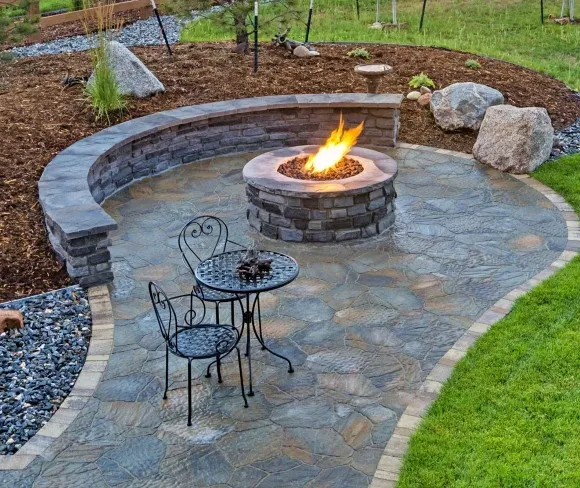
    Outdoor fire features have become a luxurious essential for enhancing Florida’s warm evening gatherings, transforming backyards into enchanting spaces. This comprehensive guide explores the different fuel options available, specifically gas, propane, and bioethanol, for these custom fire features. Understanding these options is crucial for homeowners looking to create a comfortable and stylish outdoor ambiance that complements the Florida lifestyle. Many homeowners face challenges selecting the right type of fire feature for their unique settings. By better understanding your options, you can ensure functionality, safety, and aesthetic appeal. This article will cover the suitability of each fuel type in Florida’s climate, their performance, environmental impacts, and the best use cases.

    Comprehensive Guide: Comparing Gas, Propane, and Bioethanol for Outdoor Fire Features in Florida

    When exploring outdoor fire features, the three primary fuel types to consider are gas, propane, and bioethanol. Each option presents unique characteristics that appeal to specific user needs, especially in Floridas diverse climate conditions. Understanding these fuel types allows homeowners to make informed decisions tailored to their outdoor needs. The choice among gas, propane, and bioethanol depends on various factors, including installation flexibility, environmental impact, and user experience.

    Fuel Types Overview

    Gas fire features primarily use natural gas, creating a clean and consistent flame ideal for permanent installations. Propane fire features utilize tanks, allowing for greater flexibility in placement and seasonal use, perfect for mobile or temporary setups. Bioethanol fire features stand out as an eco-friendly option, using renewable resources and producing minimal smoke, making them suitable for urban environments where regulations may be more stringent. Each fuel type has distinct advantages and disadvantages that align differently with personal preferences and environmental considerations.

    Benefits

    The advantages of each fuel type highlight their unique benefits. Gas fire features provide a constant and powerful flame, making them excellent for high-output needs. Propane offers flexibility, allowing homeowners to use fire features in areas not directly connected to gas lines. On the green front, bioethanol fire features minimize emissions while offering a warm and inviting atmosphere that doesn’t compromise environmental integrity. Considering these benefits aids homeowners in aligning their selection with their lifestyle and environmental values.

    Suitability for Florida’s Climate

    Floridas warm climate plays a vital role in determining the most appropriate fire feature fuel type. For instance, gas fire features thrive in stable and consistently warm environments, providing dependable performance year-round. In contrast, propane features shine in configurations where portability is essential and desired space might be more limited. Eco-friendly bioethanol options benefit from Florida’s outdoor lifestyle since they do not require venting and can be placed almost anywhere, allowing homeowners to enjoy outdoor warmth without extensive installation requirements.

    Performance

    Performance across the three fuel types varies significantly. Gas fire features deliver high heat performance and instantaneous ignition, providing immediate ambiance and warmth. Propane, while also efficient, requires management of fuel tank levels and can produce slightly less consistent heat if powered by smaller tanks. Bioethanol features, while the least hot, thrive in their ease of use and aesthetic, creating beautiful flames without the need for extensive maintenance.

    Emissions

    Considering emissions is critical, especially under increasing environmental scrutiny. Gas and propane options emit fewer particulates compared to traditional wood-burning fireplaces, making them more environmentally friendly choices. Bioethanol stands out as the cleanest-burning fuel, producing only water vapor and minimal CO2, thus appealing to eco-conscious consumers and those living in areas with strict regulations on emissions.

    Installation Considerations

    When it comes to installation, propane and bioethanol offer greater ease compared to gas fire features, which require proper gas line installation and safety protocols. The turnkey installation process offered by Beyond Backyard Living Creations highlights their ability to handle all aspects of the installation, ensuring safety and compliance with local regulations. This comprehensive service helps homeowners avoid common pitfalls associated with installations.

    For foundation pads and hearth flooring beneath fire features, it’s important to consider how thermal stress and embers can impact materials; for example, travertine and porcelain hardscaping may experience discoloration or surface damage if not properly treated or protected, making material selection and installation methods critical for durability and safety.

    Fire features also pair seamlessly with durable outdoor kitchen countertop materials such as leathered granite, quartzite, and porcelain slabs, providing resilient and elegant surfaces for fire table ledges, outdoor kitchen drink rails, and surrounding horizontal areas that enhance both style and functionality.

    Additionally, when locating fire features near covered areas, clearance requirements must be carefully observed to comply with roof structure fire codes and ensure safety. This includes maintaining adequate overhead clearance near custom cedar pavilions and covered shade structures to prevent fire hazards and allow proper ventilation.

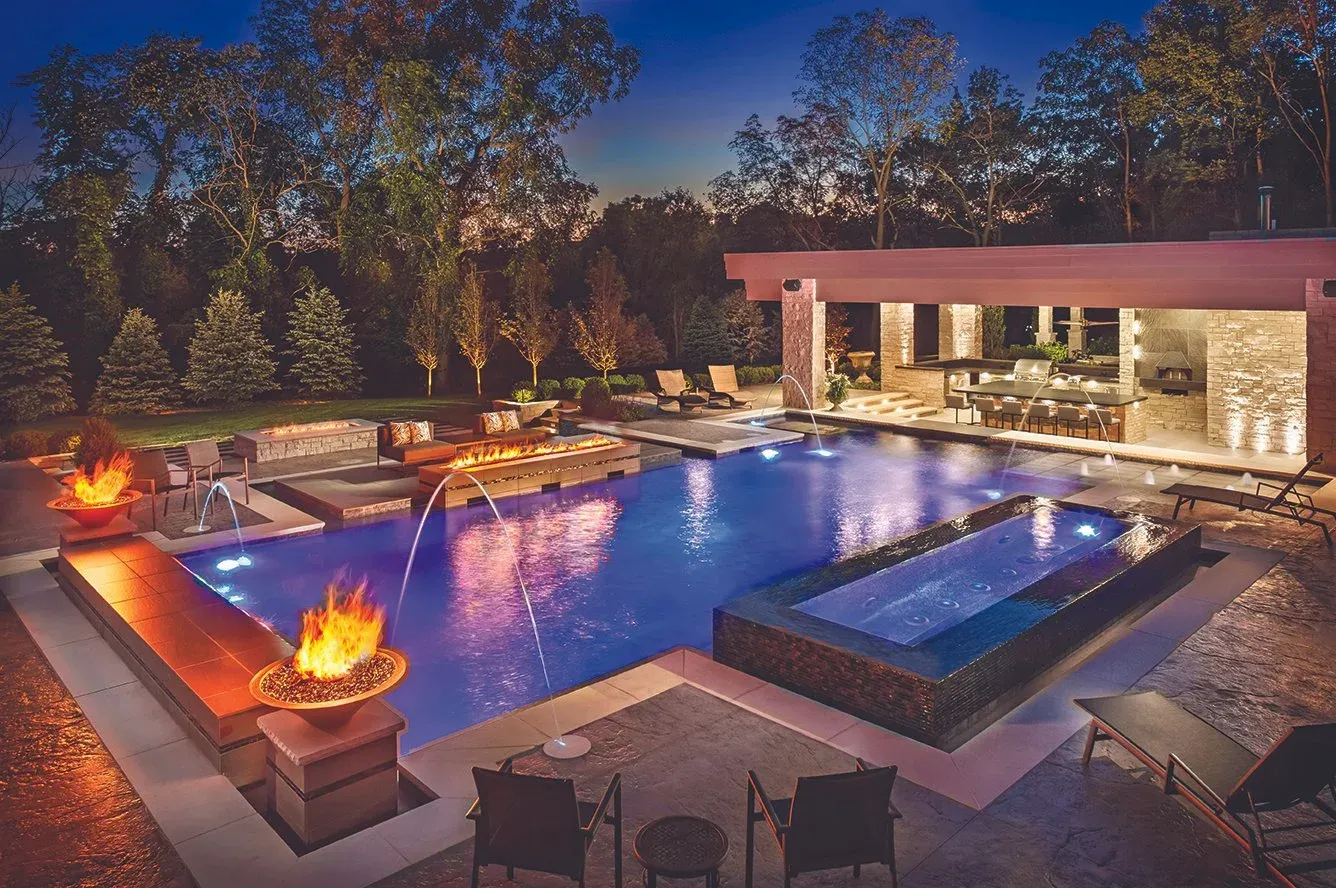
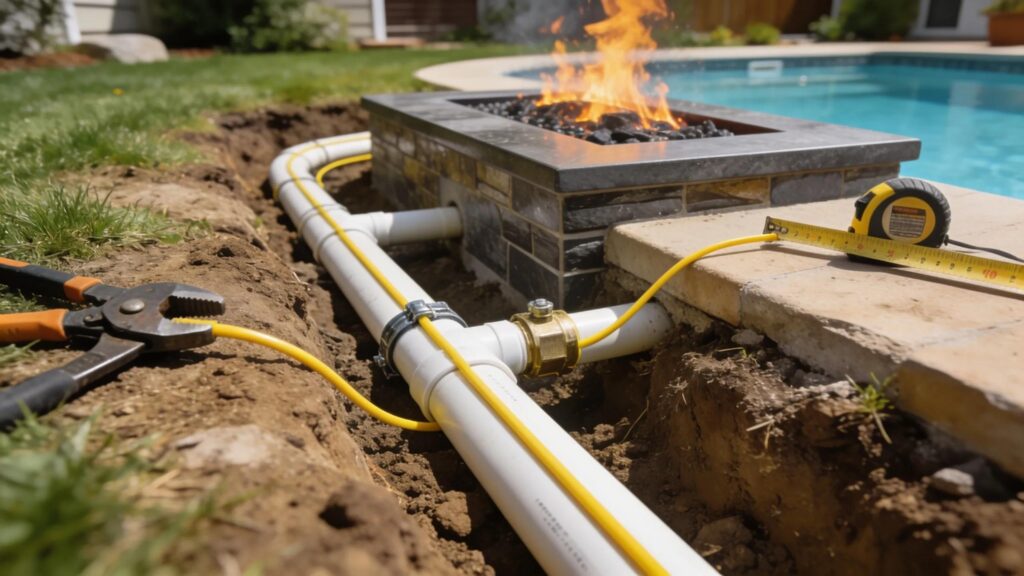
    Specialized gas and plumbing considerations are crucial in hardscape fire designs, especially for poolside fire accents or combination fire/water installations. These requirements ensure safe and efficient operation of pool fire bowls and copper water bowls in Florida, addressing unique challenges posed by moisture and outdoor elements typical to the region. Additionally, stunning pool waterfall and fire bowl combinations can provide an elegant fusion of fire and water, enhancing the sensory appeal and luxury of outdoor living spaces.

    Maintenance

    Maintenance varies significantly depending on the chosen fuel type. Gas and propane features require regular checks to ensure safety and performance, including inspecting gas lines and tank levels. In contrast, bioethanol fire features necessitate refilling fuel containers but are relatively easy to maintain, requiring minimal cleaning due to the absence of soot or ash.

    Cost Comparison

    When considering the cost of installation and long-term maintenance, its essential to evaluate the overall investment. Below is a table comparing the costs associated with each fuel type.

    Fuel TypeInstallation CostFuel Cost (per month)Maintenance Cost
    GasHigherModerateLow
    PropaneModerateHighModerate
    BioethanolLowerModerateLow

    Choosing the right option depends on individual budgets, desired aesthetics, and safety considerations.

    Best Use Cases

    Each fuel type is suited for different applications. Gas fire features are best for permanent installations where high heat output is desired. Propane features are ideal for homeowners seeking portable options that can adapt to various outdoor settings. Bioethanol stands out for those aiming for minimal impact on the environment while still enjoying the beauty and ambiance of a fire feature.

    What Fuel Type is Ideal for Luxury Outdoor Fire Features in Florida?

    The ideal fuel type for luxury outdoor fire features in Florida hinges on personal preferences and specific use cases. Gas fire features excel in permanent installations requiring substantial output, while propane offers versatility and ease of use. Eco-friendly bioethanol options appeal to those seeking a sustainable approach, making these a fantastic choice amid Floridas beautiful climate.

    How do Gas, Propane, and Bioethanol Fire Tables Compare in Performance and Emissions?

    The performance and emissions of gas, propane, and bioethanol fire tables differ significantly based on their operational mechanisms. Gas features provide high heat and low emissions, making them a strong candidate for consistent use. Propane offers slightly less efficiency but greater flexibility, while bioethanol excels in eco-friendliness but may need more frequent refueling.

    What Are the Benefits of Eco-Friendly Bioethanol Fire Tables for Florida Outdoor Living?

    Eco-friendly bioethanol fire tables provide numerous advantages tailored for Floridas outdoor living spaces. They require no venting and produce beautiful flames with minimal emissions, making them suitable for residential areas with strict regulations. Additionally, their portability and ease of setup appeal to homeowners who value convenience and style.

    Which Design Styles Elevate Custom Outdoor Fire Features into Resort-Quality Backyards?

    Choosing the right design style for outdoor fire features can significantly influence the aesthetics of a backyard. Resort-style designs often incorporate natural elements, such as stone and high-quality finishes, to create an inviting atmosphere. These design choices enhance the outdoor experience and align with the luxurious lifestyles many homeowners seek in Florida.

    How Does Resort Style Inspire Fire Table and Pit Designs in Floridas Coastal Climate?

    Resort-style designs draw inspiration from Floridas coastal scenery, often featuring smooth lines and natural stones that harmonize with outdoor environments. The incorporation of unique shapes and vibrant fixtures can transform any patio or garden area into a luxurious retreat, enhancing both functionality and relaxation.

    What Premium Materials and Safety Features Are Essential for High-End Fire Features?

    High-end fire features should utilize premium materials for durability and visual appeal. Safety features, such as protective glass surrounds and heat-resistant materials, ensure that fire features can be enjoyed without compromising safety. Investing in quality construction enhances the life span of these stunning outdoor installations.

    Complementing Outdoor Living Zones and Culinary Amenities

    Outdoor fire features naturally complement other outdoor living zones and culinary amenities by adding warmth and ambiance to social and dining areas. They pair beautifully with cooking setups, enhancing the overall outdoor experience. In particular, fire features work harmoniously alongside wood-fired and gas outdoor pizza ovens, both in functionality and style, creating a cozy and inviting environment for gathering and entertaining.

    What Does Beyond Backyard Livings Turnkey Installation Process Include for Fire Features?

    Beyond Backyard Living provides a thorough turnkey installation process, ensuring homeowners receive a seamless experience from design to implementation. This process includes everything from initial 3D design services to engineering and construction, helping create the perfect integration of fire features within existing landscaping.

    How Does 3D Design and Engineering Ensure Perfect Integration of Fire Features?

    Utilizing advanced 3D design technology allows for customized plans that fit seamlessly into existing environments. This technology ensures that fire features not only fulfill functional purposes but also enhance the visual appeal of outdoor spaces, matching the homeowners vision with precision.

    What Are the Safety and Permitting Requirements for Outdoor Fire Features in Florida?

    When planning to install outdoor fire features, homeowners must acknowledge specific safety and permitting requirements. Compliance with local regulations ensures safe use, and Beyond Backyard Living offers guidance in meeting these critical standards to validate installations and guarantee safety.

    How Can Customers Maximize Longevity and Enjoyment of Custom Fire Tables in Florida?

    Proper maintenance practices are crucial for maximizing the longevity and enjoyment of custom fire tables. Routine checks, cleaning, and seasonal maintenance keep fire features in optimal condition, ensuring safety and performance throughout the years.

    What Maintenance Practices Ensure Long-Term Safety and Performance of Fire Pits?

    Regular maintenance tasks, including inspecting fuel sources and cleaning the fire features, directly contribute to their long-term performance. Homeowners are encouraged to stay proactive in caring for their outdoor installations, as this leads to prolonged functionality and enjoyment.

    How Do Warranty Plans and Climate Adaptations Protect Outdoor Fire Features?

    Homeowners can ensure protection for their outdoor fire features through well-structured warranty plans that cover potential issues arising from Floridas unique climate. Climate adaptations, such as selecting weather-resistant materials, can further enhance longevity and reduce the influence of environmental factors.
  • Permeable Pavers vs Traditional Concrete Pavers in Florida: Effective Drainage, Runoff Control & HOA Regulations Explained

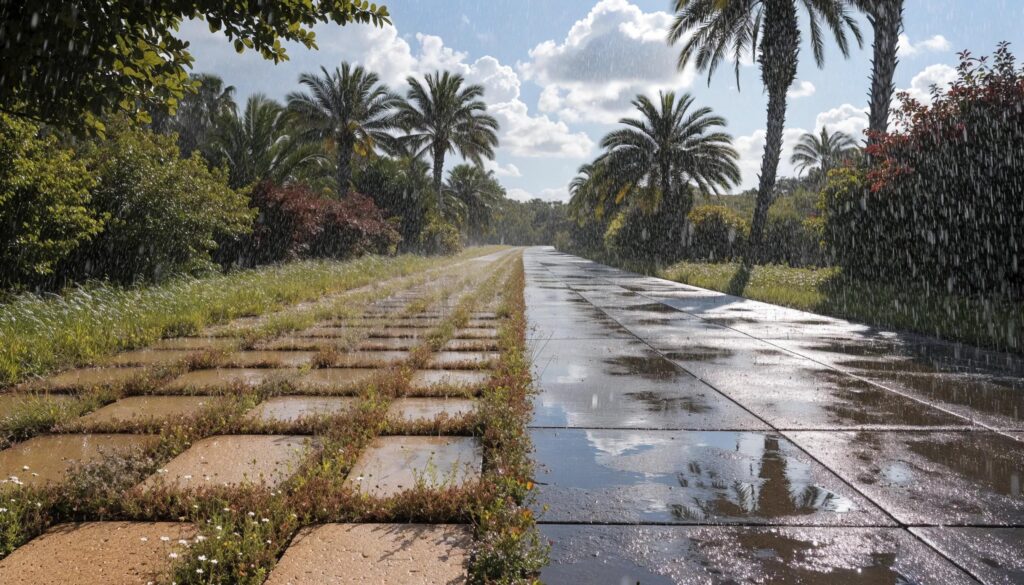
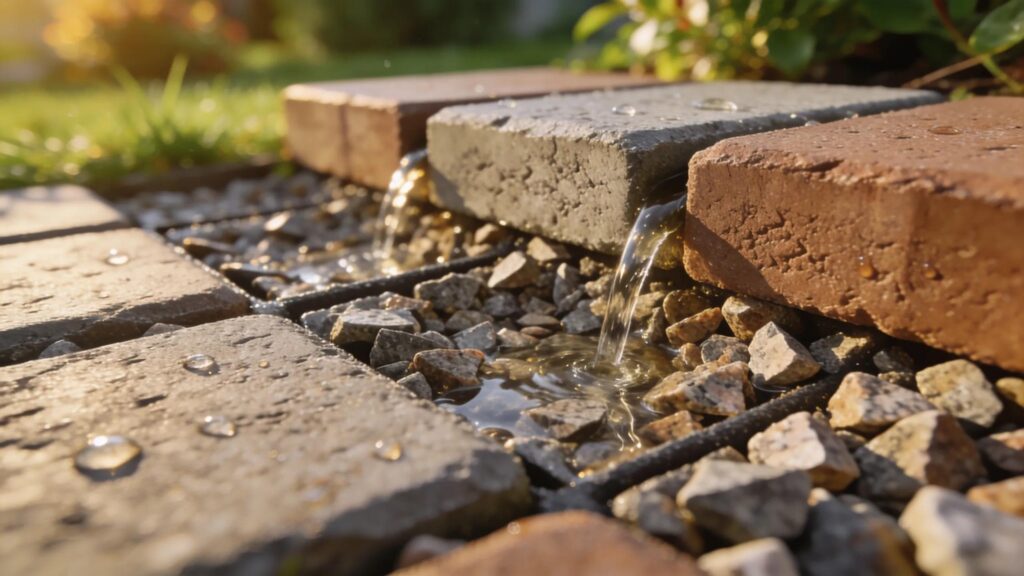
    Comparison of permeable and traditional concrete pavers in a Florida backyard landscape

    By Terrance Schabilion, Beyond Backyard Living – Custom Pool Builder Spring Hill FL

    The choice between permeable pavers and traditional concrete pavers is crucial for homeowners in Florida, especially given the region’s heavy rainfall and strict HOA regulations. Permeable pavers offer significant advantages in managing water drainage and runoff, making them an excellent choice for sustainable landscaping. This article will explore the differences between these two types of pavers, focusing on effective drainage solutions, runoff control measures, and HOA regulations that affect installation.

    Homeowners often face challenges with standing water and environmental regulations, creating a need for effective paving solutions that comply with local guidelines. Understanding the benefits and mechanics behind permeable pavers can lead to more informed decisions, particularly in areas prone to flooding. We’ll guide you through the key comparisons, exploring effective drainage methods, runoff control strategies, and relevant regulations governing paver installations.

    Comparison of Permeable Pavers and Traditional Concrete Pavers in Florida

    Permeable pavers and traditional concrete pavers serve similar purposes in creating durable outdoor surfaces, but they differ significantly in design and functionality. Permeable pavers are designed to allow water to flow through their surface, reducing runoff and promoting natural drainage. This characteristic is especially beneficial in Florida, where heavy rainfall can lead to flooding and erosion.

    In contrast, traditional concrete pavers create a solid surface that prevents water infiltration, leading to higher runoff volumes. This not only increases the risk of flooding but can also strain the local drainage system. Additionally, using impervious surfaces may violate local HOA guidelines, which often encourage sustainable landscaping practices.

    Choosing the right paver type is critical for homeowners looking to maintain compliance with HOA regulations while addressing environmental challenges effectively.

    1. Effective Drainage Solutions:

    Detailed view of a permeable paver system with open-graded aggregate base for effective drainage

    Drainage solutions are essential for preventing water accumulation and managing excess rainfall, particularly in Florida’s humid climate. Permeable pavers are specifically designed with interlocking joints and porous materials that promote rapid water absorption and filtration. This feature significantly enhances drainage efficiency compared to traditional concrete pavers, which act as barriers to water flow.

    Key features of drainage solutions include:

    1. Open-Graded Material: This allows for better infiltration of water and reduces ponding on hard surfaces.
    2. Aggregate Base: A well-structured aggregate base supports drainage and helps maintain the integrity of the paving surface under heavy rainfall conditions.
    3. Design Features: Innovative designs, including patterns that maximize surface permeability, contribute to improved water management.

    Traditional concrete pavers, while durable, often require additional drainage systems, such as trenches and drainage pipes, to manage runoff effectively. This not only increases installation costs but also complicates maintenance.

    Material TypeDesign FeatureDrainage Efficiency
    Permeable PaversInterlocking paving blocksHigh (allows water infiltration)
    Traditional ConcreteSolid block surfaceLow (prevents water infiltration)
    Permeable PaversOpen-graded baseHigh (enhances drainage)

    The integration of permeable pavers within Florida landscapes represents a proactive approach to rainwater management, making them an ideal choice for those conscious of environmental impact.

    What Are the Key Differences Between Permeable and Traditional Concrete Pavers?

    The primary differences between permeable and traditional concrete pavers center on their water management capabilities. Permeable pavers allow water to infiltrate through their surface, providing efficient drainage solutions suitable for regions with significant rainfall. In contrast, traditional concrete pavers create a solid surface that exacerbates water issues during heavy rainfalls.

    These differences affect not only functionality but also compliance with local regulations and the environmental impact of each choice. Selecting the right type of paver can minimize water runoff and reduce the risk of flooding while aligning with HOA interests in promoting sustainable landscaping.

    2. Runoff Control Measures:

    Successful runoff control measures rely heavily on the choice of paving materials. Permeable pavers include design features that capture surface water and facilitate its gradual absorption into the ground. This contrasts sharply with traditional concrete pavers, which compel water to flow towards drains or sewers and can lead to localized flooding.

    Benefits of using permeable pavers for runoff control include:

    1. Flood Mitigation: By allowing water to infiltrate, permeable pavers significantly reduce the risk of flooding during heavy rainfall events.
    2. Soil Recharge: These pavers support groundwater replenishment, promoting healthier ecosystems and reducing the risk of drought in drier months.
    3. Pollution Prevention: By filtering pollutants through the stone aggregates, permeable pavers help maintain clean water systems.

    The implications of improper runoff management can lead to regulatory fines and increased maintenance costs. Thus, choosing permeable pavers represents not only an environmental choice but also a strategic decision to mitigate risks associated with poor drainage.

    How Do Permeability and Drainage Impact Paver Performance in Florida?

    In Florida, where torrential downpours are commonplace, the permeability of the paving material plays a crucial role in performance. Permeable pavers perform exceptionally well in managing drainage, absorbing significant amounts of rainfall and allowing stormwater to percolate into the ground instead of pooling. This feature is particularly advantageous during Florida’s storm seasons.

    The impact of permeability extends beyond immediate utility, influencing the long-term sustainability of landscaping projects. Homeowners benefit from a decreased risk of flooding and reduced wear on traditional drainage systems, encouraging practices that align with broader state environmental standards.

    To better understand how state guidelines shape community-level property standards, it is helpful to examine official legislative frameworks regarding sustainable outdoor design.

    Florida-Friendly Landscaping Legislation and HOA Regulations

    This document is about the 2009 Florida-Friendly Landscaping™ legislation and its implications for water conservation and environmental protection in Florida. It highlights the role of homeowners’ associations (HOAs) in landscape design and maintenance, encouraging the adoption of Florida-Friendly landscaping practices to conserve water and protect the environment. Questions and Answers: 2009 Florida-Friendly Landscaping™ Legislation: ENH1179/EP440, 5/2020, 2009

    3. HOA Regulations:

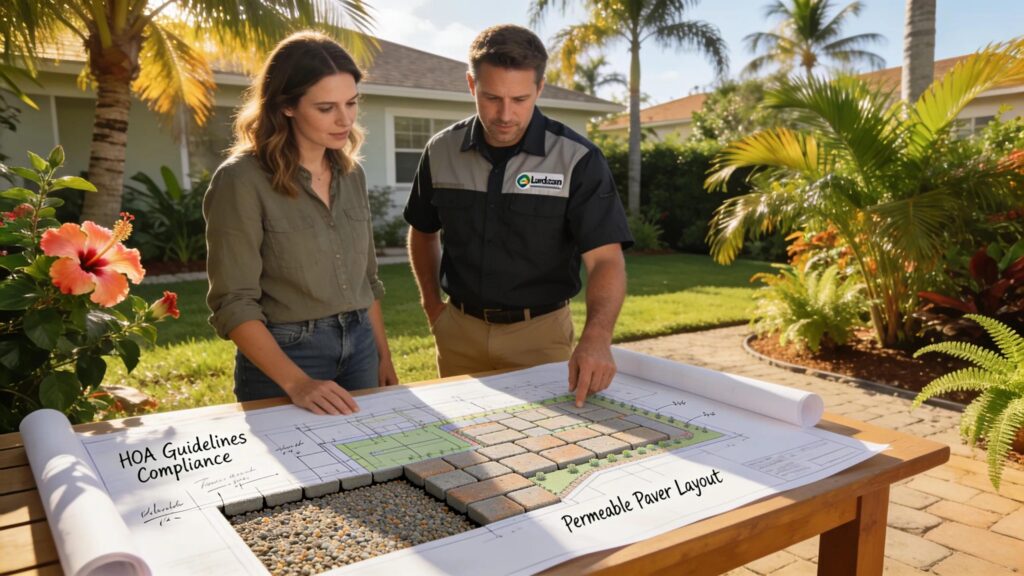
    Homeowner discussing paver installation compliance with a landscaping expert in a Florida backyard

    Understanding HOA regulations is essential for homeowners considering paver installations. Many HOAs in Florida advocate for environmentally sustainable practices, encouraging the use of permeable surfaces to manage stormwater. As a result, they often have guidelines that favor permeable pavers over traditional alternatives.

    Key considerations regarding HOA regulations include:

    1. Compliance Standards: Installing permeable pavers can help satisfy local environmental standards set by HOAs, promoting sustainable landscaping.
    2. Approval Processes: Homeowners must often submit landscaping plans to their HOA for approval, and using permeable materials can increase the likelihood of a successful application.
    3. Maintenance Responsibilities: Permeable pavers typically require different maintenance compared to traditional ones, and understanding these responsibilities is vital for compliance.

    Failing to adhere to these regulations can lead to fines, required removal of non-compliant materials, or increased scrutiny during future renovations.

    How Do Florida HOA Regulations Affect Permeable and Traditional Paver Installations?

    Florida’s HOA regulations often emphasize the importance of sustainable landscaping practices. Permitting permeability in paver materials is frequently a key requirement that homeowners are expected to meet when installing paving surfaces. As a result, permeable pavers may be favored over traditional concrete pavers due to their environmental benefits.

    HOAs may also establish design criteria that require aesthetic considerations in addition to functional benefits. Choosing permeable pavers can simplify the approval process while aligning with the HOA’s mission to foster environmentally responsible landscapes.

    Combining effective drainage solutions with compliance to HOA regulations is critical for Florida homeowners. Ultimately, selecting permeable pavers over traditional concrete alternatives can enhance landscape sustainability while minimizing the risks associated with flooding and environmental degradation. If you’re considering a project, we recommend scheduling a consultation to explore the best options for your unique landscape needs, ensuring compliance with local regulations while enriching your outdoor space.

  • Engineered Retaining Walls & Terracing for Sloped Florida Properties: Drainage, Materials & Luxury Hardscape Design

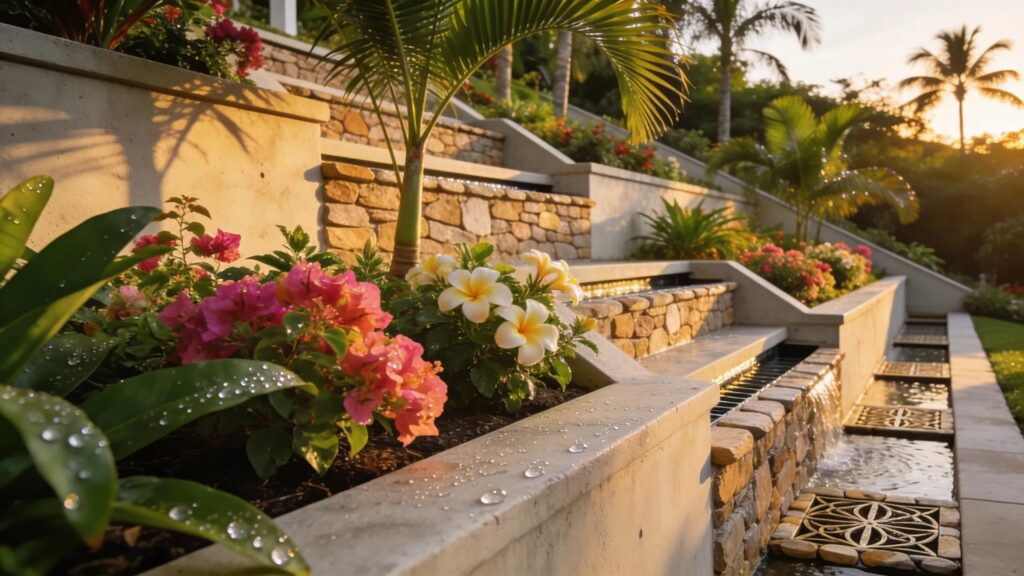
    Engineered retaining wall in a landscaped sloped Florida property emphasizing luxury design and effective drainage

    By Terrance Schabilion, Beyond Backyard Living – Custom Pool Builder Spring Hill FL

    Navigating the challenges of landscaping on sloped terrains can be daunting, especially in Florida where the unique climate presents specific challenges. This article explores the vital elements of engineered retaining walls and terracing systems, tailored specifically for sloped properties in this region. You will learn about essential drainage solutions, material options, and luxury hardscape design features that enhance both functionality and aesthetic appeal. Understanding how engineered solutions can stabilize sloped yards while preventing soil erosion is crucial for homeowners looking to maximize their outdoor space. We will delve into the mechanics of effective drainage, compare durable materials, and highlight design trends that can elevate any landscape.

    Drainage Solutions

    Effective drainage is integral to the success of retaining walls and terracing systems, especially in Florida’s diverse climate. Proper drainage solutions help manage stormwater and prevent soil erosion, ensuring long-term stability for sloped properties. Retaining walls are often designed to manage water runoff and protect against hydrostatic pressure that can compromise structural integrity. Innovative drainage technologies, such as perforated drainage pipes and aggregate backfill, work in tandem to facilitate efficient water flow away from foundation walls.

    How Do Retaining Walls Prevent Soil Erosion and Stabilize Sloped Properties?

    Engineered retaining walls serve as barriers that hold back soil, effectively mitigating erosion on sloped properties. These structures create flat surfaces that redirect water runoff, preventing the soil from becoming saturated and sliding away. By using geogrid reinforcement, the walls achieve enhanced stability, allowing for the successful cultivation of gardens or lawns. Furthermore, retaining walls not only prevent soil erosion but also contribute to the overall beauty of the landscape.

    Why Is Engineering Critical for Retaining Walls in Florida’s Unique Climate?

    Florida’s warm, tropical climate poses several risks that necessitate the engineering of retaining walls, including heavy rainfall and potential flooding. Customized engineering ensures that the materials and construction methods employed will withstand these environmental challenges. Specifically, the setup of adequate drainage pathways and the selection of weather-resistant materials are critical to avoid degradation over time. Without proper engineering, retaining walls may fail, leading to costly repairs and damage.

    Material Options

    Choosing the right materials plays a pivotal role in the effectiveness and aesthetics of retaining walls. Various types of materials such as natural stone, concrete blocks, and pavers each provide unique advantages suitable for different landscape designs.

    Material TypeDurabilityAesthetic AppealMaintenance
    Natural StoneHighTimeless beautyLow
    Concrete BlocksMedium to HighVersatile designsModerate
    PaversMediumCustom patternsModerate

    These options allow homeowners to create personalized scopes that enhance their outdoor areas. Natural stone retaining walls blend seamlessly into the landscape, providing organic aesthetics, while concrete blocks can be molded into various shapes and sizes, making them adaptable to specific design visions. On the other hand, pavers create a modern look with exceptional design capabilities.

    Which Material Finishes Complement Luxury Outdoor Features Like Pools and Pergolas?

    When integrating retaining walls with luxury outdoor features such as pools and pergolas, the choice of material finish can dramatically affect the overall look. For instance, natural stone offers a rustic charm that can beautifully complement a pool environment, creating a cohesive natural feel. Alternatively, polished concrete blocks can introduce a sleek, modern vibe, aligning well with contemporary pergola designs. Selecting the right finish is essential for unifying various elements of a landscape.

    Luxury Hardscape Design Features

    Luxury design elements can significantly elevate the visual appeal and functionality of a landscape, particularly when paired with engineered retaining walls. Features such as outdoor kitchens, elaborate lighting, and sophisticated hardscaping can transform a simple backyard into an entertaining oasis.

    How Does the Turnkey 3D Design to Build Process Enhance Custom Terracing and Retaining Wall Projects?

    The Turnkey 3D design process simplifies the journey from conception to realization for homeowners looking to enhance their outdoor space. By utilizing advanced 3D modeling technologies, landscape architects can provide precise visualizations of the finished design. This process ensures that all elements, from terracing structures to drainage solutions, are seamlessly integrated and meet the aesthetic desires of clients while adhering to structural requirements.

    What Are the Steps Involved in 3D Design and Engineering for Sloped Florida Properties?

    The 3D design and engineering process for sloped properties typically includes several key steps:

    1. Initial Consultation: Understanding homeowners’ visions and requirements.
    2. Site Assessment: Evaluating existing site conditions such as soil type and drainage patterns.
    3. Design Creation: Crafting a detailed 3D model that encompasses retaining walls, drainage, and overall landscaping.
    4. Engineering Approval: Ensuring that designs meet local guidelines and engineering standards.
    5. Construction Phase: Implementing the designs with high-quality materials and skilled labor.

    Incorporating these steps guarantees that the project not only fulfills aesthetic desires but also aligns with safety regulations and functional needs.

    Retaining walls and terracing systems offer invaluable solutions for managing sloped Florida properties. The integration of effective drainage, selected materials, and luxury design features culminates in structurally sound and visually enticing landscapes. Homeowners seeking to enhance their outdoor spaces can benefit from working with experienced professionals like Beyond Backyard Living Creations, who specialize in unique and engineered landscaping solutions. For personalized design consultations, it is crucial to consider the expertise available to ensure projects meet aesthetic aspirations and environmental requirements accurately.

  • Custom Gas Fire Pits vs Fire Tables in Florida: Wind Deflection, Electronic Ignition & Cost Guide

    Custom Gas Fire Pits vs Fire Tables in Florida: Wind Deflection, Electronic Ignition & Cost Guide

    By Terrance Schabilion, Beyond Backyard Living – Custom Pool Builder Spring Hill FL

    In Florida’s outdoor living spaces, custom gas fire pits and fire tables offer not only warmth but also a centerpiece for entertainment and relaxation. Understanding the differences between these two options is crucial for homeowners looking to enhance their outdoor experience. This guide explores the fundamental distinctions, design considerations, ignition systems, performance factors influenced by wind, cost factors, and integration strategies for these fire features. Whether you seek comfort, aesthetics, or functionality, this article will address the essential aspects and benefits of custom gas fire pits and fire tables in a Florida context.

    What Are the Key Differences Between Custom Gas Fire Pits and Fire Tables in Florida?

    Custom gas fire pits and fire tables serve similar purposes but differ significantly in design, functionality, and style. Fire pits typically feature a classic circular or square shape and are designed for warmth and ambiance. They are often lower to the ground, encouraging a more intimate gathering experience. Conversely, fire tables double as functional outdoor furniture, providing a surface for snacks and drinks alongside the heat they generate. Understanding these differences helps homeowners select the best option for their needs, particularly considering the unique climate of Florida, which often benefits from upgrading outdoor pavers to support these heavy architectural elements.

    How Do Design and Material Choices Affect Fire Pit and Fire Table Luxury?

    The luxury of custom gas fire pits and fire tables is significantly influenced by the choice of materials and design features. Options range from natural stone, tile, and even stainless steel, each contributing to the visual appeal and durability of the fire feature. High-quality materials not only enhance the aesthetic experience but also impact maintenance requirements, especially in Florida’s humid environment. Trends such as modern minimalist designs and integration with existing outdoor decor further elevate the luxury experience, allowing homeowners to personalize their spaces according to their style.

    What Are Typical Electronic Ignition Systems Used in Florida Fire Features?

    Electronic ignition systems play a vital role in the functionality and reliability of gas fire features. These systems allow for easy and safe lighting of the flame, adding a convenience factor that manual systems do not provide. In Florida, where sudden weather changes can occur, advanced electronic ignitions often feature safety shut-off mechanisms that are crucial for user safety. The common types include piezoelectric ignition, which generates a spark at the push of a button, and continuous ignition systems that maintain a flame until manually turned off.

    How Does Wind Deflection Influence Performance of Outdoor Fire Pits and Tables in Florida?

    Wind can significantly affect the performance and safety of outdoor fire features. In areas like Tampa Bay, where gusty winds are not uncommon, the design of fire pits and tables must incorporate wind-resistant elements to ensure stability and functionality. Features such as wind guards or strategically designed enclosures can enhance safety by preventing the flame from being blown out or causing unintended spread of heat. It’s essential to consider the placement of these fire features within the landscape to mitigate wind impacts effectively.

    What Wind Resistant Design Features Enhance Fire Pit Stability in Tampa Bay?

    Incorporating wind-resistant design elements is vital for ensuring the stability of fire pits in windy conditions. Elevated designs or back barriers can shield the flame, making the fire pit more reliable during breezy evenings. Additionally, solid construction materials like heavy stone or reinforced metal contribute to durability and prevent tipping in high winds. These features not only enhance safety but also improve the overall experience by allowing for comfortable gatherings regardless of windy weather.

    How Do Electronic Ignition Systems Operate Effectively in Windy Outdoor Environments?

    Electronic ignition systems must be designed to function effectively in varying weather conditions. Many modern systems include wind-resilient features like flame sensors that automatically adjust the gas flow based on the intensity of surrounding winds. This technology not only ensures that the fire remains lit in adverse conditions but also enhances overall efficiency and safety. Understanding how these systems work can give homeowners peace of mind when using their fire features, especially during gusty evenings.

    What Are the Cost Factors for Custom Gas Fire Pits and Fire Tables in Florida?

    The investment in custom gas fire pits and tables can vary widely depending on several factors, including materials, design complexity, and installation specifics. Installed costs for gas fire pits generally range from $2,500 to $10,000+, reflecting variations in materials and custom features. Fire tables typically cost between $750 and $4,500+, depending on their size and additional functionalities. Understanding these cost factors can help homeowners budget effectively for their outdoor enhancements.

    How Do Material and Engineering Impact Pricing of Luxury Fire Features?

    Material selection and engineering quality play a crucial role in the overall pricing of luxury fire features. Natural stone and high-grade stainless steel generally drive higher costs due to their durability and aesthetic appeal. Additionally, the complexity of design, such as incorporating built-in seating or unique shapes, can significantly increase installation costs. Homeowners should consider long-term value, as higher-quality materials often lead to lower maintenance needs and extended lifespan.

    What Is the Comparison Between Fire Pit and Fire Table Installation and Maintenance Costs?

    When comparing installation and maintenance costs between fire pits and fire tables, it’s important to note that fire tables often require more intricate installation due to their dual function as furniture. Fire pits will typically have lower installation costs as they are primarily built for heating. Maintenance for both options involves regular cleaning and occasional checks for gas line integrity; however, fire tables may require more upkeep of their surfaces and finishes.

    How to Integrate Custom Fire Features Into Luxury Florida Outdoor Living Spaces?

    Enhancing outdoor spaces with custom fire features involves a thoughtful design strategy that aligns with existing landscaping and architectural elements. Fire pits and tables can be integrated into patio areas, near swimming pools, or other communal spaces to create inviting environments. Key design elements such as seating arrangements, lighting, and natural foliage can enhance the fire feature’s overall appeal while providing a cohesive look to the outdoor area.

    What Are Design Strategies for Combining Fire Features with Natural Style Pools and Pergolas?

    Combining fire features with natural style pools and pergolas requires strategic planning to maintain aesthetic balance. Using designs that reflect the organic shapes of surrounding elements, such as a curved fire pit that mirrors a pool’s outline or a fire table integrated into a pergola’s structure, can enhance visual flow. Additionally, selecting materials that complement the natural landscape fosters harmony between fire features and outdoor living spaces, often supported by a reliable paver pool deck setup.

    How Do Warranty and Ongoing Protection Plans Support Long-Term Fire Pit and Table Use?

    Warranties and ongoing protection plans are essential for ensuring the longevity and reliable performance of outdoor fire features. Many manufacturers offer coverage that includes parts and labor, providing peace of mind for homeowners. Additionally, maintenance plans can help keep these features in prime condition, addressing wear and tear before they become expensive repairs. Homeowners should consider these plans as part of the overall investment in their outdoor living spaces, paired alongside an annual protection plan for surrounding hardscapes.

  • Naturi Sand Pools vs Saltwater Pools in Florida: Skin Health, Equipment Corrosion & Water Quality Insights

    Naturi Sand Pools vs Saltwater Pools in Florida: Skin Health, Equipment Corrosion & Water Quality Insights

    By Terrance Schabilion, Beyond Backyard Living – Custom Pool Builder Spring Hill FL

    As homeowners explore options for their swimming pool needs, understanding the differences between Naturi sand pools and saltwater pools is essential. Each pool type offers unique benefits and challenges that can significantly impact skin health, equipment longevity, and overall water quality. In Florida’s humid climate, these factors become even more critical. This article will delve into the health benefits of Naturi sand pools, explore equipment corrosion issues associated with saltwater pools, and examine the key water quality distinctions between the two types of pools. By the end, readers will gain insights into choosing the pool that best suits their lifestyle and maintenance preferences, while also considering the ecological impact of their choice.

    What Are the Skin Health Benefits of Natural Sand Pools Compared to Saltwater Pools?

    Natural sand pools provide several advantages for skin health, particularly in Florida’s warm climate. The biological filtration system used in these pools minimizes chemical additives, which often irritate the skin and eyes. This filtration method ensures that only natural substances enter the water, allowing for a gentler swimming experience. The reduction of irritants helps maintain the skin’s natural moisture balance, reducing dryness and promoting overall skin health.

    How Does Natural Sand Filtration Promote Skin Safety in Florida’s Climate?

    The unique design of natural sand pools utilizes biological filtration systems that rely on the natural cleansing power of sand and beneficial microorganisms. This system effectively filters out impurities and maintains a stable pH, which is less harsh on swimmers’ skin. In Florida, where humidity can exacerbate skin conditions, swimming in natural sand pools allows for a luxurious experience without the chemical risk. Thus, these pools contribute to skin safety by fostering a more natural environment for swimmers.

    What Dermatological Advantages Do Natural Pools Offer Over Saltwater Systems?

    Natural pools can be healthier for the skin due to their reduced reliance on chlorine and other harsh chemicals compared to saltwater systems. Chlorine, even at lower levels, can cause skin irritation and exacerbate conditions like eczema or dermatitis. In contrast, the soft, natural feel of water in sand pools results from its filtration process and lower chemical content, providing a wellness aspect that many swimmers and families appreciate.

    How Does Saltwater Pool Equipment Corrosion Affect Longevity in Florida?

    Understanding how saltwater impacts equipment longevity in Florida is crucial for many pool owners. While saltwater pools require less chemical maintenance, the presence of salt itself can cause corrosion due to the highly corrosive nature of sodium ions.

    Causes of Corrosion

    Numerous factors contribute to the corrosion of saltwater pool equipment. High salinity levels in the water can wear down metals faster than traditional pool chemicals. Additionally, Florida’s coastal environment brings salt-laden air, which can accelerate corrosion rates. Local humidity can exacerbate these conditions, leading to rapid deterioration of equipment components.

    Impact on Equipment Lifespan

    The effects of corrosion significantly impact the lifespan of pool equipment. Corroded parts may fail suddenly, resulting in unexpected maintenance costs and safety concerns. Regularly monitoring equipment and addressing corrosion is essential for extending its operational life.

    Preventive Measures

    To mitigate corrosion in saltwater pools, it is essential to select high-quality, corrosion-resistant materials when installing equipment. Protective coatings can be applied to metal parts to help shield them from saltwater damage. Routine maintenance practices, such as regular inspections and timely replacements, are necessary to prolong equipment longevity.

    Maintenance Tips

    Continuous maintenance is vital for keeping saltwater pool systems running smoothly over time. Pool owners should ensure that salt levels are balanced, regularly clean off salt deposits from equipment, and maintain proper water chemistry. Implementing these strategies can significantly reduce wear and improve the longevity of saltwater pool systems.

    What Causes Faster Corrosion in Saltwater Pool Equipment Specific to Florida’s Environment?

    Florida’s unique environmental factors contribute to accelerated corrosion in saltwater pool systems. The combination of high humidity levels and the saline atmosphere creates an environment where salt molecules can corrode metals rapidly. Certain materials may also fail faster in this climate, leading to the need for advanced material solutions for those investing in saltwater systems.

    Which Materials and Warranty Coverage Enhance Saltwater and Natural Pool Durability?

    Selecting the right materials is crucial for enhancing the durability of both natural sand and saltwater pools. Corrosion-resistant materials and stainless steel components are excellent choices for saltwater pools, while natural elements like stone and premium paver systems support the aesthetics and longevity of natural pools. When planning surrounding surfaces, incorporating an elite system ensures long-lasting structural integrity against shifting ground. Furthermore, protecting your investment with a lifetime settlement warranty offers peace of mind for decades to come.

    What Are the Key Water Quality Differences Between Natural Sand and Saltwater Pools?

    The water quality management methods for naturi sand pools differ significantly from those of saltwater pools. Sand pools utilize biological filtration for a more natural balance, whereas saltwater pools typically still rely on certain chemical treatments to maintain water quality.

    Pool TypeWater Quality ParameterValue
    Naturi SandpH Levels7.2 – 7.6
    SaltwaterChlorine Levels1 – 3 ppm
    Naturi SandChemical Additives RequiredMinimal
    SaltwaterChemical Additives RequiredRegularly

    This comparison highlights how naturally managed factors in sand pools promote superior water quality in a more sustainable manner.

    How Do Filtration Systems Impact Eco-Friendly Pool Water Quality in Florida?

    Filtration systems play a crucial role in maintaining eco-friendly water quality in pools across Florida. Naturi pools often harness biological methods that naturally cycle water while conserving resources, leading to a lower ecological footprint. In contrast, saltwater pools still require significant chemical monitoring to keep the water balanced, making them less sustainable in certain contexts.

    Why Are Natural Pools Considered Safer and More Sustainable for Swimmers?

    Natural sand pools are widely recognized for their safer swimming environments. With reduced exposure to chemical irritants, swimmers can experience a gentler aquatic quality that promotes skin health and overall well-being. Additionally, the natural composition supports healthier aquatic ecosystems, making naturi pools a sustainable choice for environmentally conscious homeowners.

    How Do Luxury Design Trends Integrate Natural and Saltwater Pool Systems in Florida Homes?

    Modern luxury design trends increasingly focus on integrating natural aesthetics into pool designs. Homeowners are drawn to features such as natural-style pools, resort-style waterfalls, and custom hardscape solutions that blend seamlessly with Florida’s landscapes. This integration not only enhances visual appeal but also encourages sustainable living practices among pool owners.

    What Custom Hardscape Features Complement Natural Sand Pools for Resort-Style Outdoor Living?

    Incorporating various custom hardscape features amplifies the beauty and functionality of natural sand pools, creating a resort-style outdoor living space. Elements like stone fire pits, ornate pergolas, and landscaped terraces promote relaxation and increase the usability of outdoor spaces. Homeowners can leverage these features to create an inviting environment for family gatherings and social events.

    How Does Turnkey Pool Design and Construction Support Eco-Friendly Luxury Pools?

    Engaging in turnkey pool design ensures a holistic approach to eco-friendly luxury pools. By selecting sustainable materials and thoughtful designs, pool contractors can create environmentally friendly systems that support local ecosystems while offering a luxurious experience for homeowners. This comprehensive approach enhances water efficiency, functionality, and aesthetics, resulting in a compelling investment for property owners.

  • Custom Swimming Pool Fire Bowls & Water-Fire Combos in Florida: Gas Lines, Torches & Automation Solutions

    Custom Swimming Pool Fire Bowls & Water-Fire Combos in Florida: Gas Lines, Torches & Automation Solutions

    By Terrance Schabilion, Custom Pool Builder Spring Hill FL

    Custom swimming pool fire bowls and water-fire combos represent the pinnacle of luxury outdoor living, perfectly designed to elevate the ambiance of any backyard space. These features not only create a stunning visual centerpiece but also enhance the overall experience of enjoying a poolside retreat. In Florida, where outdoor living is a way of life, understanding the installation, maintenance, and integration of gas lines, torches, and automation systems is essential for both aesthetic appeal and safety. This article provides a comprehensive overview of the various designs available, the intricacies involved in gas line installation, the options for torches, and the exciting advancements in automation solutions. By addressing these elements, homeowners can create beautiful, functional outdoor spaces that blend fire and water in perfect harmony.

    Available Designs

    When considering custom swimming pool fire bowls and water-fire combos, a range of designs and styles is available to cater to individual preferences and set the tone for the outdoor space. These designs typically integrate fire features harmoniously with water elements, creating a resort-style environment right in one’s backyard. Options may include:

    1. Standalone Fire Bowls: These offer a dramatic focal point, often crafted from durable materials like cast concrete or metal that can withstand outdoor elements.
    2. Water-Fire Combos: These features combine the soothing sound of flowing water with the visual impact of fire, ideal for creating a tranquil atmosphere.
    3. Customizable Designs: Many manufacturers allow for personalized touches, ensuring that homeowners can select colors, shapes, and sizes that complement their existing landscape architecture.

    These design options ensure that each installation not only serves a practical purpose but also adds exceptional beauty to the home’s outdoor aesthetic.

    Gas Line Installation

    Properly installed underground gas lines with safety features for pool fire features

    Ensuring the proper installation of gas lines is critical when adding fire features such as bowls and torches. Professional installation adheres to safety standards and regulations, minimizing risks such as leaks or malfunctions. The process typically involves assessing the location, selecting appropriate materials, and following compliance guidelines set forth by local authorities.

    What Are the Key Safety Considerations for Gas Line Installation in Custom Fire Bowls?

    Key safety considerations include ensuring that all materials used are rated for gas, securing the lines appropriately to prevent any movement, and maintaining proper venting to avoid dangerous gas build-up. Compliance with the latest safety regulations is paramount, as improper installation can lead to hazardous situations.

    Why Is Professional Gas Line Installation Critical for Pool Fire Features?

    Engaging professionals for gas line installations guarantees adherence to safety standards and building codes. It mitigates risks associated with amateur installations, where inexperienced individuals might overlook critical steps. Qualified technicians can identify potential hazards, conduct pressure tests, and ensure that all safety protocols are observed, providing peace of mind for homeowners.

    What Safety Standards Guide Outdoor Gas Line Setup in Florida?

    In Florida, several safety standards guide the installation of outdoor gas lines, including state-specific codes that cover everything from materials to installation techniques. Adhering to these regulations is essential for ensuring the safety and durability of the installation. Homeowners should consult local building departments or certified professionals to review specific guidelines applicable to their region.

    Torch Options

    Adding torches to a swimming pool setting enhances both safety and aesthetics. Various fuel types and designs are available to suit different preferences and outdoor environments. These options can create an inviting atmosphere while ensuring functional safety.

    The primary types of torches typically include:

    • Natural Gas Torches: These provide a reliable, consistent source of fire, easily integrated with existing gas lines.
    • Propane Torches: Portable and flexible, propane torches are excellent for gatherings where mobility is preferred.
    • Ethanol Torches: Eco-friendly options, these torches offer a clean burn with minimal smoke, suitable for enclosed spaces where ventilation may be limited.

    Ultimately, torches serve as both decorative and functional items, enhancing the overall experience in the outdoor space.

    Automation Solutions

    Homeowner using smartphone to control automated features of a luxury pool with fire bowls

    Automation in fire and water features revolutionizes the way homeowners interact with their pools. Smart technologies enhance convenience, allowing users to control features such as lighting, water flow, and fire elements through their smartphones or centralized systems.

    How Do Automated Control Systems Enhance Water-Fire Combo Features?

    Automated control systems streamline the management of various features, allowing homeowners to set schedules for their fire and water combos. This technology promotes energy efficiency, ensuring that elements operate only when needed. Additionally, smart controls enhance safety by allowing users to monitor and adjust features remotely.

    Which Technologies Power Automated Pool Fire Bowl Controls?

    Modern automated pool fire bowl controls leverage sophisticated technologies, including Wi-Fi-enabled devices and smart home integration platforms. These technologies offer customizable settings that allow for personalized preferences in flame height, color transitions, and water patterns.

    What Are the Benefits of Integrating Automation with Fire and Water Elements?

    Integrating automation with fire and water features provides several benefits, including enhanced convenience, decreased energy usage, and improved safety. Homeowners can create an enchanting atmosphere with programmable settings, offering an elevated experience during social gatherings and family events.

    Additional Considerations

    When planning outdoor fire and water features, several essential factors should be taken into account. Material durability plays a crucial role, as features must withstand the outdoor elements to maintain appearances and functionality over time.

    What Design Trends Define Resort-Style Pools with Fire and Water Features in Florida?

    Emerging design trends reflect a growing interest in integrating natural elements with luxury features. Many homeowners now seek pools that blend seamlessly with landscaping, using natural stones, vibrant plantings, and elegant fire fixtures to create a cohesive outdoor experience.

    How Do Natural-Style Pools Incorporate Fire Bowls and Waterfall Grottos?

    Natural-style pools often feature fire bowls incorporated into waterfall grottos, enhancing the visual and auditory experience of flowing water while providing a sophisticated fire element. These designs create a relaxing and inviting ambiance that perfectly complements the allure of natural landscapes.

    Which Premium Materials Elevate Outdoor Fire and Water Feature Aesthetics?

    Using premium materials such as high-grade stainless steel, weather-resistant stone, and custom-glazed ceramic can drastically elevate the look of fire and water features. These materials not only look stunning but also offer longevity and resistance against the elements.

    What Does the Complete Turnkey Process for Custom Pool Fire Bowl Projects Include?

    The complete turnkey process encompasses everything from initial design consultations to final installations. Essential phases include concept designs, 3D modeling, engineering checks for safety compliance, and final construction, ensuring a seamless transition from idea to completed feature.

    How Does 3D Design and Engineering Streamline Pool and Fire Feature Construction?

    3D design technologies significantly streamline the construction process, allowing for precise visualization and adjustments before any groundwork begins. These tools facilitate effective communication between designers and clients, ensuring that the final product meets the initial vision while adhering to safety standards.

    For ongoing care around your custom installations, consider utilizing an annual protection plan to keep your hardscapes and features looking immaculate throughout the year.