Author: Beyond Backyard

  • Louvered Pergola Cost in Florida: Motorized vs Manual, Permits, Materials & ROI Guide

    Louvered Pergola Cost in Florida: Motorized vs Manual, Permits, Materials & ROI Guide

    By Terrance Schabilion, Beyond Backyard Living – Custom Pool Builder Spring Hill FL

    Louvered pergolas have become increasingly popular in Florida due to their versatility and functionality, allowing homeowners to enjoy their outdoor spaces in any weather. In this guide, we will explore the various costs associated with motorized versus manual louvered pergolas, the necessary permits required for installation, the materials that impact durability and aesthetics, and a detailed look at the return on investment (ROI) associated with these structures. By understanding these elements, prospective buyers can make informed decisions regarding their outdoor living enhancements. The sections ahead will thoroughly address costs, permitting processes, material options, and the financial benefits of adding a custom louvered pergola to your home.

    What are the costs of motorized versus manual louvered pergolas in Florida?
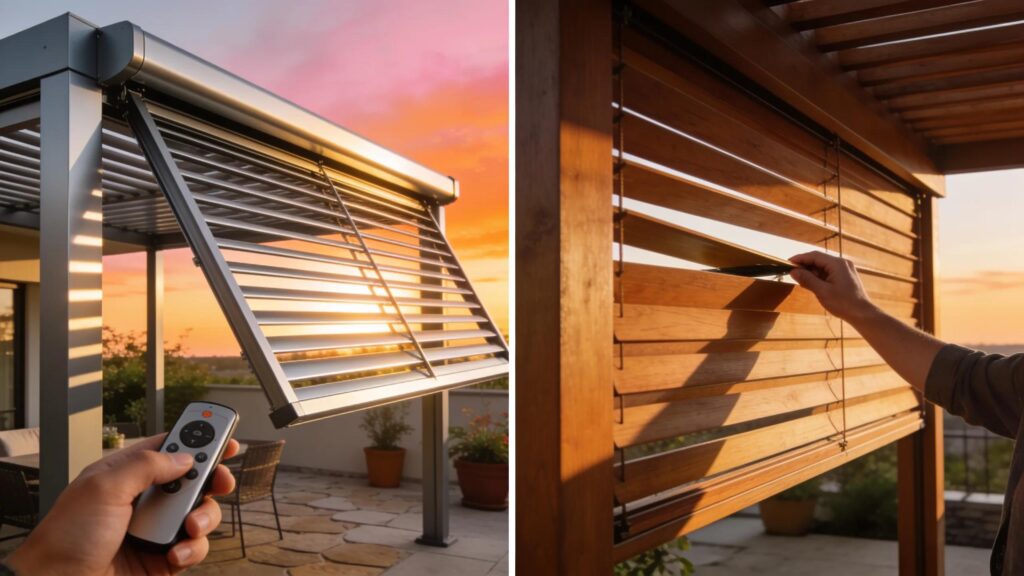
    Comparison of motorized and manual louvered pergolas in a stylish outdoor setting

    The cost of louvered pergolas in Florida varies significantly between motorized and manual options. Motorized louvered pergolas typically start at a higher price point due to their advanced features and ease of use compared to manual alternatives. Generally, the cost for manual louvered pergolas ranges from $8,000 to $12,000, while motorized versions often exceed $20,000.

    Choosing the right pergola involves considering both the initial cost and the long-term benefits. For those interested in a higher-end installation, investing in a motorized unit might provide superior long-term satisfaction and usability. Beyond Backyard Living Creations specializes in the installation of both motorized and manual louvered pergolas, ensuring clients receive high-quality products that align with their lifestyle and outdoor needs.

    How do installation and material costs vary between motorized and manual pergolas?

    The difference in installation and material costs between motorized and manual louvered pergolas can be substantial. Motorized pergolas require additional components such as motorization systems, which involve higher installation expenses. Installation for manual louvered pergolas is generally simpler and quicker, making this option more cost-effective for those on a tighter budget.

    Labor costs may also fluctuate based on the complexity of the installation. Motorized systems demand additional expertise, thus increasing labor charges. Finding a reliable contractor, such as Beyond Backyard Living Creations, ensures that homeowners can navigate these complexities without overspending.

    What are typical pricing ranges for custom pergola installations in Spring Hill and Nature Coast?

    In the Spring Hill and Nature Coast regions, custom pergola installations can vary in price based on materials, size, and design complexity. Homeowners can generally expect to pay:

    1. Manual Louvered Pergolas: Between $8,000 and $12,000.
    2. Motorized Louvered Pergolas: Starting often over $20,000, reflecting additional functionalities such as remote operation and integrated lighting systems.
    3. Custom Features: Engaging in further customization, including built-in lighting or additional structural components, could increase costs but add significant value to outdoor spaces.

    Pricing can also be influenced by the overall demand for outdoor living enhancements within these communities, making consultation with experienced contractors invaluable for accurate estimates.

    What Florida permits and regulations apply to louvered pergola installations?

    When installing a louvered pergola in Florida, homeowners must navigate the necessary permits and regulations. Each county or municipality may have specific requirements, so it is crucial to verify local building codes. Typically, a building permit is required to ensure that the structure meets safety standards and zoning laws.

    Which local agencies govern outdoor structure permits in Spring Hill and Nature Coast?

    In Spring Hill and the Nature Coast region, several local agencies oversee the permitting process for outdoor structures:

    • Hernando County Building Division: Responsible for issuing building permits and ensuring compliance with local building codes.
    • Planning and Zoning Department: Manages zoning regulations that may impact the placement and design of outdoor structures.
    • Local Homeowners’ Associations (HOAs): May impose additional rules or guidelines governing aesthetics and construction practices.

    Engaging with these agencies early in the project planning stage can prevent delays and ensure compliance with local construction standards.

    How does Beyond Backyard Living Creations streamline permit acquisition through turnkey design-build?

    Beyond Backyard Living Creations offers a comprehensive turnkey design-build service that includes assistance with permit acquisition. This service ensures that homeowners do not face the often complex bureaucratic processes alone. By collaborating closely with local agencies, they streamline the paperwork involved in obtaining the necessary permits, saving clients valuable time and reducing stress associated with project initiation.

    How do premium materials affect pergola durability and aesthetic appeal?

    The materials selected for a louvered pergola play a critical role in determining its durability and visual attractiveness. Premium materials generally provide enhanced structural integrity and longevity compared to lower-grade alternatives.

    What are the differences between aluminum, wood, and vinyl louvered pergola materials?

    MaterialAspectValue
    AluminumDurabilityResistant to rust and corrosion, requires minimal maintenance
    WoodAesthetic AppealOffers a natural, classic look but requires regular upkeep to prevent weathering
    VinylLongevityHighly resistant to fading and warping, mimics the appearance of wood without heavy maintenance requirements

    Homeowners must weigh these aspects when selecting materials. For instance, while wood can provide a warm and inviting look, it requires ongoing maintenance to protect against pests and environmental damage, whereas aluminum delivers a more modern aesthetic with less upkeep needed.

    How do material choices impact long-term maintenance and warranty coverage?

    Material choice significantly influences the long-term maintenance requirements of a louvered pergola. Wood installations, while beautiful, often necessitate periodic staining or sealing to preserve their integrity. In contrast, metals like aluminum require far less attention, often just an occasional wash to maintain appearance.

    Investigating warranty coverage for different materials is equally important, as manufacturers frequently support aluminum and vinyl constructions with longer warranties compared to wooden options. Understanding these maintenance and warranty dynamics is crucial for ensuring the long-term value of your investment.

    What is the ROI of investing in a custom luxury louvered pergola in Florida?

    Investing in a custom luxury louvered pergola can significantly enhance property value and improve outdoor usability. These outdoor structures create comfortable living spaces that extend usable square footage while providing shade and protection from the elements.

    How do motorized pergolas enhance backyard usability and property value?

    Motorized pergolas enhance backyard usability by allowing homeowners to control light and airflow at the touch of a button. With features such as automated louvers and integrated lighting, these installations create versatile outdoor environments suitable for various activities, from relaxing weekends to vibrant social gatherings. This increased functionality can translate into a higher property value, making a home more appealing to potential buyers.

    What luxury outdoor living features integrate with pergolas to boost investment returns?
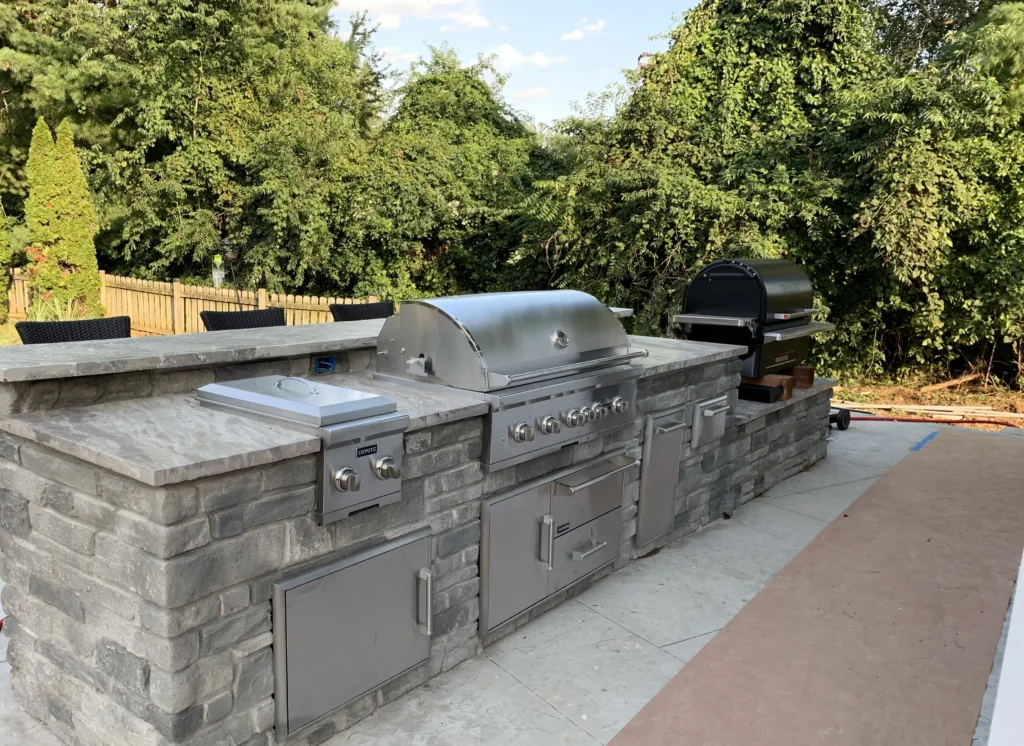
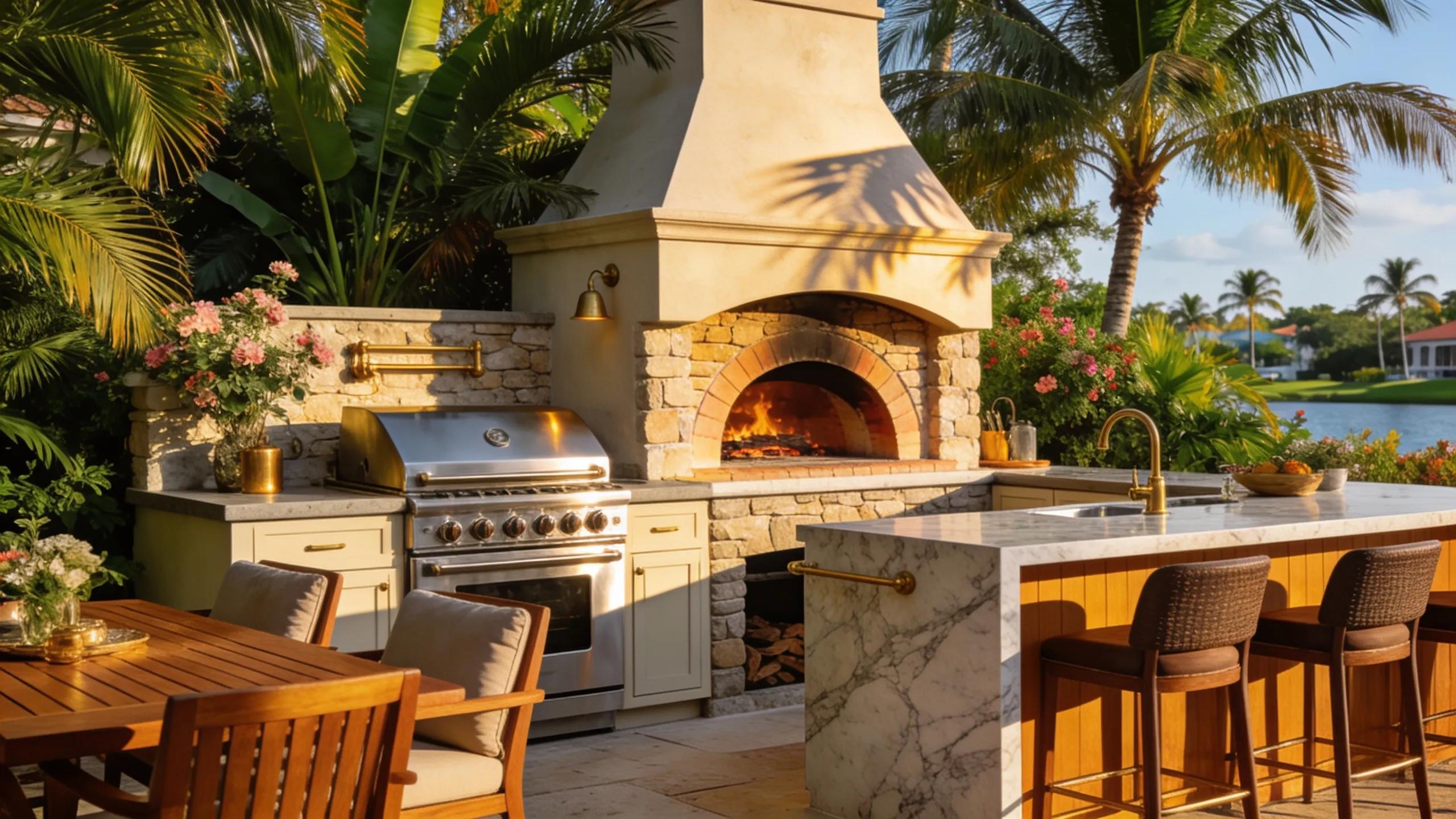
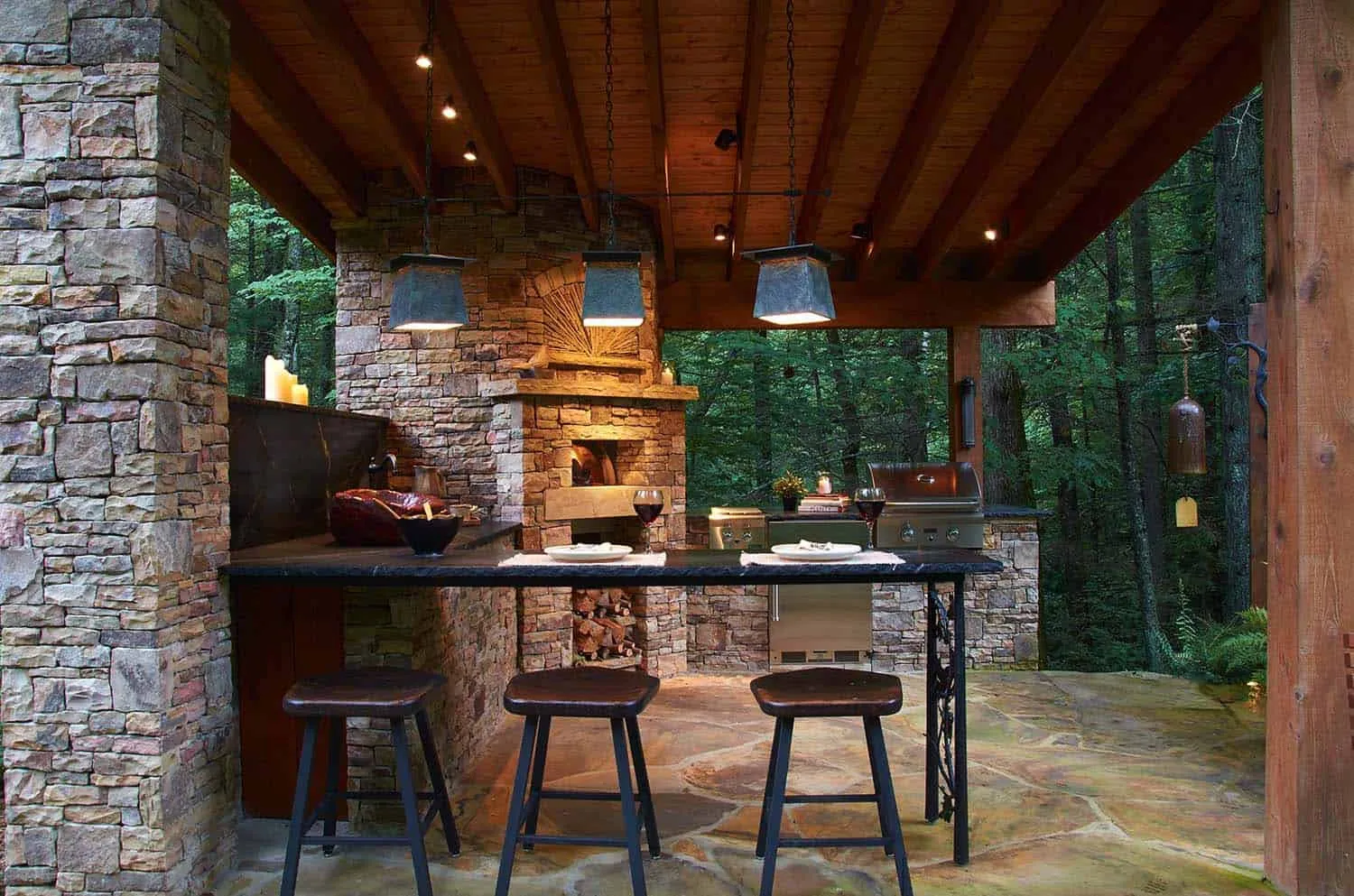
    Luxury outdoor kitchen showcasing a custom pizza oven integrated with elegant design and landscaping

    Integrating luxury outdoor features with louvered pergolas can further amplify investment returns. Some complementary elements include:

    1. Outdoor Kitchens: Custom kitchens adjacent to pergolas add convenience and comfort for social gatherings.
    2. Custom Pools: Connecting a louvered pergola to a luxurious pool area creates a cohesive and inviting outdoor atmosphere.
    3. Landscaping Features: Thoughtfully designed gardens or water features can enhance the overall appeal and serenity of a backyard.

    These enhancements contribute to an overall increase in property marketability, making investing in high-quality outdoor living spaces a wise decision for homeowners looking to elevate their environments.

    When finalizing your backyard project, it is essential to consider the integrity of your foundation, including proper drainage to protect your investment for years to come.
  • Luxury Naturi Natural Pools in Florida: Handcrafted Sand Pools, Beach Entry & Chemical-Free Designs

    Luxury Naturi Natural Pools in Florida: Handcrafted Sand Pools, Beach Entry & Chemical-Free Designs

    By Terrance Schabilion, Beyond Backyard Living – Custom Pool Builder Spring Hill FL

    In the lush landscapes of Florida, luxury takes on a natural form with handcrafted sand pools that mimic the serene beauty of a tropical beach. Imagine a tranquil oasis in your backyard that provides a unique swimming experience while complementing the ambient characteristics of the surrounding environment. This article explores the intricacies of Naturi natural pools, focusing on their design, benefits, and the sustainable practices that define them.

    Understanding the allure of these pools involves a deep dive into their composition and the technology behind their maintenance. With features such as chemical-free water systems and “beach entry designs”, Naturi pools promise a healthier and more aesthetically pleasing alternative to conventional swimming pools. We will also discuss the distinctive design elements that make these pools a centerpiece of outdoor luxury in Florida, and the innovative process of turning a vision into a reality.

    What defines luxury handcrafted sand pools in Florida?

    Naturi handcrafted sand pools are characterized by their unique blend of luxury and natural aesthetics. These pools stand out due to their elaborate designs, custom features, and integration with the surrounding landscape. Crafted to complement the local environment, they are made using premium materials that ensure not only durability but also an inviting appearance that enhances any outdoor setting.

    Key features of Naturi handcrafted sand pool designs

    Naturi pools are known for their customizable features that cater to the unique tastes of individual homeowners. Some of the standout attributes include:

    • Beach Entry Designs: Seamless transitions from deck to water create a natural, beach-like feel.
    • Custom Waterfalls and Grottos: These elements enhance visual appeal while providing soothing sounds of flowing water.
    • Use of Premium Materials: Each pool incorporates durable resins and premium quartz sand that enhance both the look and longevity of the pool.

    These features not only elevate the visual charm but also promote a luxurious swimming experience.

    Benefits of sand substrates in natural swimming pools

    The use of sand substrates in Naturi pools offers several advantages over traditional pool materials. One of the primary benefits is improved water quality, thanks to the natural filtration properties of sand. This substrate creates a more organic swimming environment with lower maintenance requirements. Additionally, sand pools provide an aesthetic that integrates seamlessly with tropical landscaping, offering a natural look that enhances the overall appeal of your outdoor space. Health-wise, swimming in a chemical-free environment reduces irritation often associated with conventional pools, promoting a more pleasant swimming experience.

    Why choose chemical-free pool technology for your Florida pool?

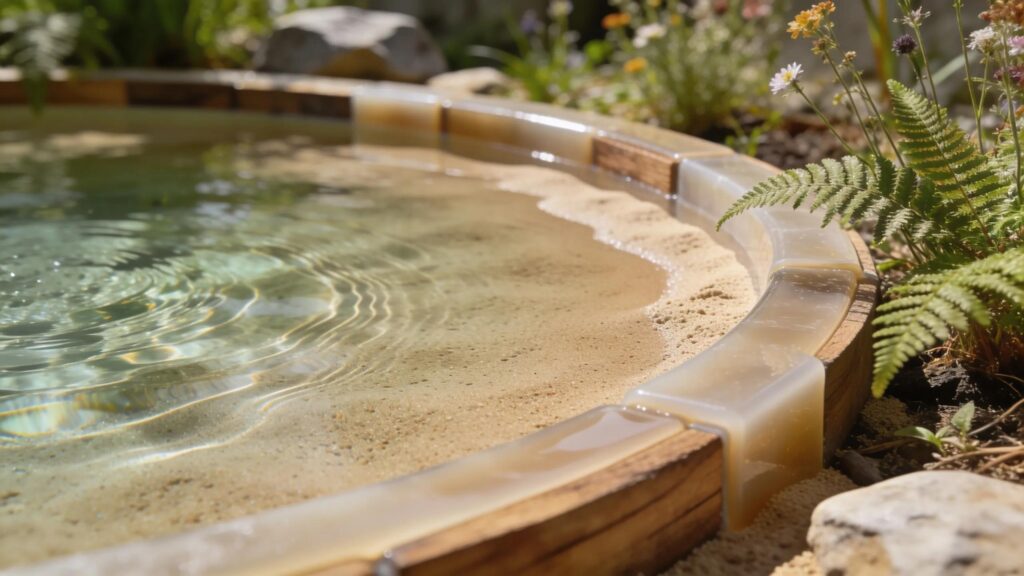
    Close-up of a chemical-free Naturi pool highlighting natural water filtration and eco-friendly surroundings

    Chemical-free pool technology is paramount when it comes to protecting both health and the environment. By opting for these innovative systems, pool owners in Florida can enjoy the benefits of clean water without the harsh effects of traditional pool chemicals. This approach results in a healthier swimming experience and contributes positively to the ecosystem.

    How chemical-free water filtration enhances eco-friendly pool systems

    Chemical-free water filtration systems leverage natural processes to maintain water clarity and quality. Utilizing advanced natural filtration systems not only reduces reliance on synthetic chemicals but also promotes biological balance in the pool environment. As a result, users experience greater comfort while swimming, as the water feels softer and less irritating on the skin, making for a thoroughly enjoyable experience.

    Sustainability advantages of chemical-free natural swimming pools

    Investing in a chemical-free pool offers numerous sustainability advantages. These systems minimize the environmental impact during construction and operation, providing a greener alternative to traditional pool designs. Furthermore, integrating native plants and natural habitats contributes to supporting local wildlife, making your pool an integral part of the ecosystem rather than a detriment. This eco-friendly approach aligns well with the values of many Florida homeowners seeking to preserve their beautiful landscapes.

    How do beach entry designs enhance the natural pool experience?

    Luxury home with pool, waterfall, and patio under a pergola.

    Beach entry designs elevate the pool experience by blending seamlessly with the surrounding environment. These designs mimic the soft slopes of natural beaches, allowing for an effortless transition into the water that is both visually appealing and functional.

    Design elements that mimic natural beachfronts in Florida pools

    Naturi pools feature design elements that replicate the feel of a natural beachfront. The incorporation of local stones and sands into the pool design not only adds authenticity but enhances the overall aesthetic, ensuring that the pool integrates beautifully with its surroundings. Landscaping that mirrors coastal shorelines further enhances the experience, providing a resort-like atmosphere right at home.

    Resort-style features: grottos, waterfalls, and pergolas integration

    Adding resort-style features such as grottos, waterfalls, and pergolas enhances comfort and creates areas for relaxation and entertainment. These features contribute to an inviting ambiance, appealing to all ages. The tranquil sounds of running water and shaded spaces for lounging transform a simple pool into a luxurious retreat, perfect for both leisure and social gatherings.

    What is the turnkey 3D design-to-build process for luxury pools?

    The process of creating a Naturi pool begins with a comprehensive consultation to understand the homeowner’s unique vision. This collaboration integrates advanced 3D design technology, allowing customers to visualize their projects before the construction phase begins.

    Step-by-step workflow from 3D visualization to pool construction

    The construction timeline encompasses several stages, starting from the initial concept to the final installation. After approvals are secured, the construction process includes preparation, excavation, and the installation of premium materials followed by detailed landscaping around the pool area. This meticulous approach ensures that each project is executed with precision and quality control during each phase.

    How premium materials and warranty plans ensure lasting pool quality

    Selecting high-quality materials is essential for creating a durable pool. The use of premium quartz sand and durable resins extends the lifespan of the pool while ensuring a beautiful finish. Additionally, “warranty plans” provide homeowners peace of mind, assuring them that their investment is protected against potential structural failures or material issues. This focus on quality not only enhances durability but also adds financial value to the property. For those maintaining their investment long-term, our “annual protection plan” ensures your outdoor space remains in pristine condition year after year.

  • 304 vs 316 Marine-Grade Stainless Steel for Florida Outdoor Kitchens: Comparing Durability and Corrosion Resistance

    304 vs 316 Marine-Grade Stainless Steel for Florida Outdoor Kitchens: Comparing Durability and Corrosion Resistance

    By Terrance Schabilion, Beyond Backyard Living – Custom Pool Builder Spring Hill FL

    When it comes to choosing materials for outdoor kitchens in Florida, understanding the differences between 304 and 316 marine-grade stainless steel is crucial. Both metals are popular options for the construction of outdoor kitchen fixtures, but they differ significantly in terms of chemical composition, corrosion resistance, and overall durability. This article sheds light on these differences and will provide valuable insights for homeowners and designers alike, helping them make informed choices for their luxury outdoor kitchens. We will delve into the key distinctions in chemical compositions, performance in marine environments, and maintenance practices that extend the lifespan of stainless steel fixtures.

    What Are the Key Differences Between 304 and 316 Stainless Steel Grades?

    304 and 316 stainless steel grades are both widely used in various applications, including outdoor kitchens. The primary difference lies in their chemical compositions, which significantly affect their corrosion resistance and durability in coastal environments.

    How Do Chemical Compositions Affect Corrosion Resistance?

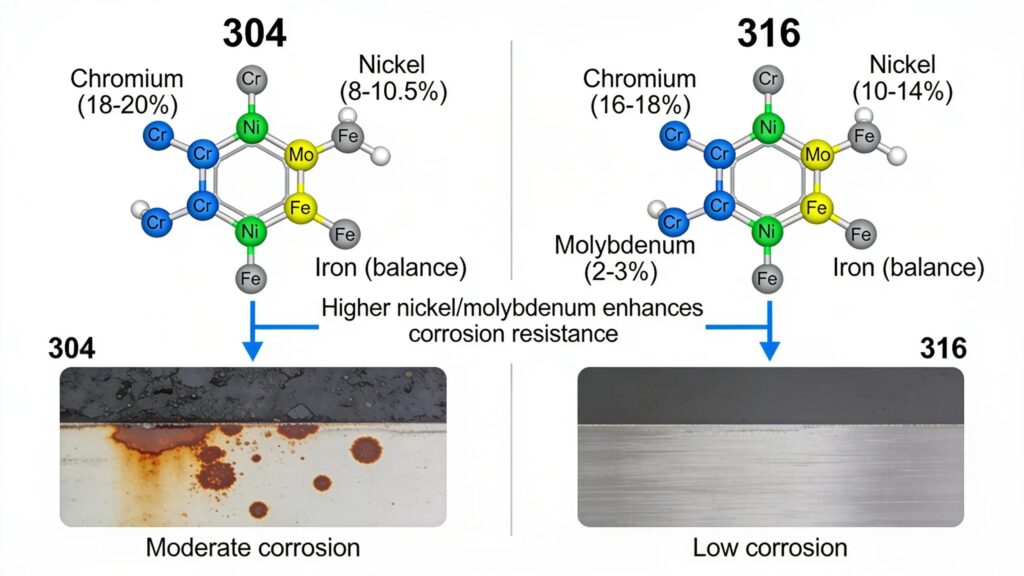
    Molecular structure comparison of 304 and 316 stainless steel highlighting chemical compositions

    The corrosion resistance of stainless steel largely depends on its alloying elements. 304 stainless steel contains 18% chromium and 8% nickel, providing a strong resistance to oxidation but limited protection against chloride environments. In contrast, 316 stainless steel includes molybdenum—typically around 2-3%—alongside its chromium and nickel content. This addition significantly enhances its corrosion resistance, especially against saltwater and chloride ion corrosion, making it more suitable for coastal locations like Florida.

    To further understand how these compositional differences impact the material’s structural integrity, consider the findings from metallurgical research:

    Corrosion Resistance Analysis of SS 304 and SS 316 Grades

    Dairy industry utilizes higher food grade SS 304 and 316. However, even these relatively corrosion resistant stainless steel grades may experience some pitting corrosion. These two grades have compositional differences that lead to differences in their resistance to corrosion. This study compares the ability of thermoduric bacterial biofilms to cause microbiologically induced corrosion on SS 304 and SS 316 coupons. Studies Related to Microbially Induced Corrosion of Stainless Steel 304 and 316, 2015

    Which Grade Offers Better Performance in Marine Environments?

    When considering performance in marine environments, 316 stainless steel clearly demonstrates superior resilience. Numerous studies have highlighted its resistance to pitting and crevice corrosion, factors that commonly affect metal structures near saltwater. For example, 316 stainless steel retains integrity and appearance even in the harsh conditions of Florida’s coastal atmosphere, while 304 may show signs of dulling or corrosion with prolonged exposure.

    Why Is 316 Stainless Steel Preferred for Florida’s Coastal Outdoor Kitchens?

    In Florida, characterized by its high humidity and salt air, 316 stainless steel is often the preferred choice for outdoor kitchens. Its enhanced corrosion resistance translates into a longer lifespan and lower maintenance needs, ensuring that your outdoor investments remain pristine over time.

    How Does Florida’s Salt Air and Humidity Impact Stainless Steel?

    The salt air in Florida’s coastal regions can be detrimental to metal surfaces. 316 stainless steel, due to its molybdenum content, withstands these harsh environmental factors much better than 304 stainless steel. Homeowners can expect 316 to resist rust and degradation longer, which is essential for maintaining the aesthetics and functionality of their outdoor kitchen spaces.

    What Benefits Does Molybdenum in 316 Steel Provide?

    Molybdenum provides several advantages in 316 stainless steel, primarily enhancing its corrosion resistance. This element allows the steel to perform well in various environments where chloride exposure is common. As a result, kitchen fixtures made from 316 steel exhibit increased longevity, reducing the need for frequent replacements and repairs.

    What Maintenance Practices Extend the Lifespan of Stainless Steel Outdoor Kitchens in Florida?

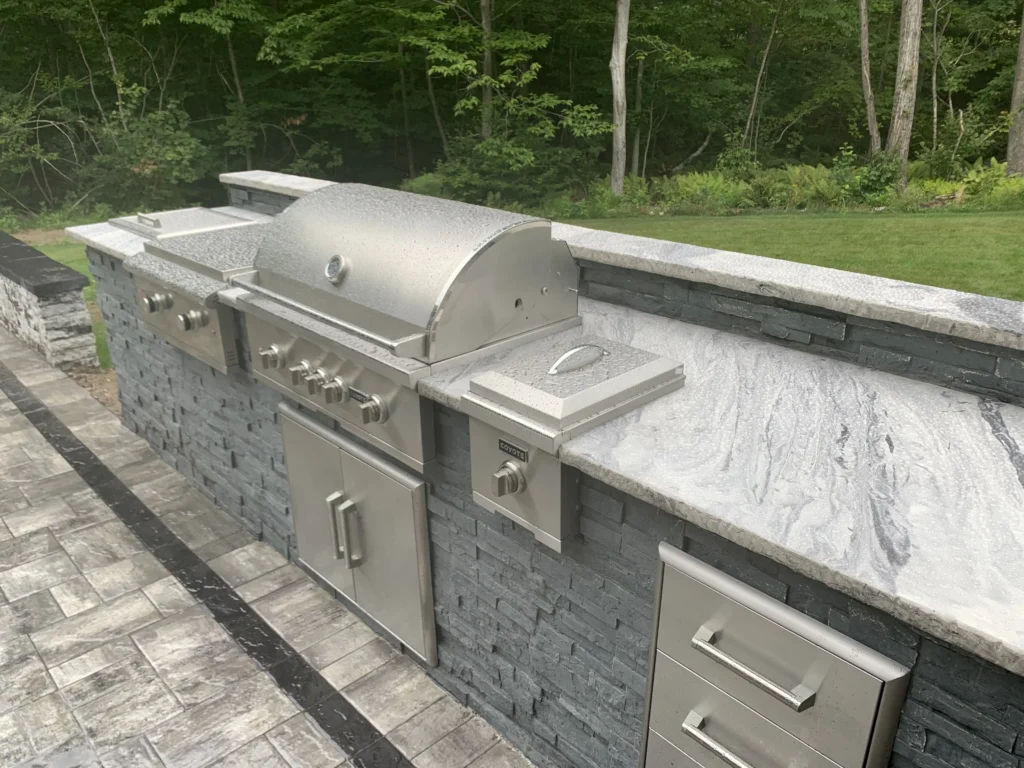
    Modern outdoor living space featuring large-format porcelain pavers with elegant dining setup in Florida

    Consistent maintenance routines are essential for preserving the longevity and appearance of stainless steel outdoor kitchens. Engaging in proactive cleaning and protective measures can significantly enhance the material’s resilience to the Florida elements.

    Which Cleaning Techniques Prevent Rust and Corrosion?

    Proper cleaning is vital to preventing rust and corrosion on stainless steel surfaces. Recommended practices include:

    1. Use Non-Abrasive Cleaners: Choose cleaning products specifically designed for stainless steel to avoid scratching the surface.
    2. Regular Cleaning Schedule: Clean outdoor kitchen fixtures at least monthly to remove buildup from salt and debris.
    3. Protective Sealants: Apply quality sealants designed for stainless steel to create a barrier against moisture and corrosive elements.

    Implementing these practices helps maintain the appearance and functionality of outdoor kitchens, ultimately prolonging the life of the fixtures. To ensure your investment remains protected long-term, homeowners should also consider an annual protection plan for their exterior hardscape and kitchen structures.

    How Do Luxury Custom Outdoor Kitchens Integrate Marine-Grade Stainless Steel Components?

    Luxury custom outdoor kitchens frequently incorporate marine-grade stainless steel components to enhance both functionality and aesthetic appeal. The integration of materials such as 316 stainless steel allows homeowners to achieve sophisticated designs without compromising on durability.

    How Beyond Backyard Living Creations Incorporates Premium Materials?

    Beyond Backyard Living Creations is positioned as a premier luxury custom pool and hardscape design-and-build contractor operating in the Spring Hill and Nature Coast region of Florida. The company emphasizes the importance of using high-quality materials in their outdoor kitchen designs to ensure longevity and customer satisfaction. Premium stainless steel is a key focus, reflecting their commitment to excellence in craftsmanship. Every installation is backed by a lifetime settlement warranty for peace of mind.

    What Design Features Complement Stainless Steel in Resort-Style Kitchens?

    Incorporating marine-grade stainless steel within a resort-style kitchen involves more than just selecting the right materials. Essential design features can enhance overall functionality and visual appeal, such as:

    • Natural Stone Accents: Pairing stainless steel with natural stone creates an elegant contrast while improving aesthetics.
    • Functional Layouts: Open layouts that integrate stainless steel fixtures facilitate seamless cooking and entertaining.
    • Custom Lighting: Incorporating versatile lighting can highlight the sleek finish of stainless steel and enhance the overall ambiance.

    By considering these complementary design elements, homeowners can create stunning outdoor kitchens that stand the test of time.

  • Custom Outdoor Pizza Ovens in Florida: Comprehensive Guide to Built-In Wood-Fired & Gas Pizza Ovens

    Custom Outdoor Pizza Ovens in Florida: Comprehensive Guide to Built-In Wood-Fired & Gas Pizza Ovens

    By Terrance Schabilion, Beyond Backyard Living – Custom Pool Builder Spring Hill FL

    Custom outdoor pizza ovens have become a highlight in luxury outdoor kitchens across Florida, merging functionality with aesthetic appeal. These specialized cooking appliances are designed to amplify culinary experiences, making them an essential part of outdoor entertaining. This article explores the ins and outs of selecting the right pizza oven—be it wood-fired or gas—while considering crucial aspects such as integration into outdoor spaces, material choices, and maintenance strategies. By incorporating professional paver installations, you can create a solid foundation that elevates the entire kitchen area. We will also discuss the importance of utilizing innovative 3D design and engineering practices in the installation process, along with essential maintenance tips tailored for long-lasting performance.

    What Are the Key Features of Wood-Fired and Gas Outdoor Pizza Ovens in Florida?

    Wood-fired and gas outdoor pizza ovens offer distinct features tailored to varied culinary preferences, particularly in Florida’s warm environment. Wood-fired ovens deliver exceptional heat retention, allowing for higher cooking temperatures which enhances flavor and crust texture. Conversely, gas ovens provide convenience with precise temperature control and faster heat-up times, making them user-friendly for spontaneous outdoor gatherings.

    The cooking times for each type also vary significantly. While wood-fired ovens typically reach their optimum temperature in about 30 minutes, gas ovens can be ready in as little as 10 to 15 minutes. Understanding these distinctions helps homeowners determine the best fit for their pizza-making needs and lifestyle.

    What Materials Ensure Durability and Performance in Florida’s Climate?

    Luxury outdoor kitchen showcasing a custom pizza oven integrated with elegant design and landscaping

    Selecting the right materials for outdoor pizza ovens is crucial for performance and durability in Florida’s humid environment. Homeowners should consider the following materials due to their resilience:

    1. Natural Stone: Known for its moisture resistance, natural stone withstands Florida’s climate while providing a rustic aesthetic.
    2. Stainless Steel: This material is vital for its resistance to rust and corrosion, making it ideal for outdoor fixtures exposed to moisture and heat.
    3. Marine-Grade Metals: Utilized in premium outdoor kitchens, marine-grade metals ensure longevity and reliability, resisting the harsher elements often found by the coast.

    These materials not only enhance the oven’s functionality but also complement the overall design of outdoor cooking spaces. When planning these high-end kitchens, consider integrating advanced paver drainage to protect your investment from heavy tropical rains.

    What Are the Benefits and Differences Between Wood-Fired and Gas Pizza Ovens?

    Wood-fired and gas pizza ovens each come with unique advantages that cater to different cooking styles. Home chefs should evaluate the following benefits:

    1. Flavor Profiles: Wood-fired ovens impart a distinct smoky flavor to pizzas that many enthusiasts consider unmatched. The wood’s essence can enhance the overall aroma and flavor of dishes.
    2. Cooking Experience: The traditional method of using wood creates a hands-on cooking experience where individuals can engage more deeply with the preparation process, making it a fun activity during gatherings.
    3. Operational Differences: Gas ovens are often easier to operate for beginners, requiring little more than turning a knob and igniting the flame. Wood-fired ovens demand more skill in managing and maintaining the fire.

    For those interested in a blend of convenience with artisanal quality, exploring hybrid models can also be beneficial. To ensure your outdoor kitchen remains in peak condition year after year, enrolling in an annual protection plan provides peace of mind for both your oven and surrounding hardscape features.

    How Do Custom Outdoor Pizza Ovens Integrate into Luxury Outdoor Kitchens in Florida?

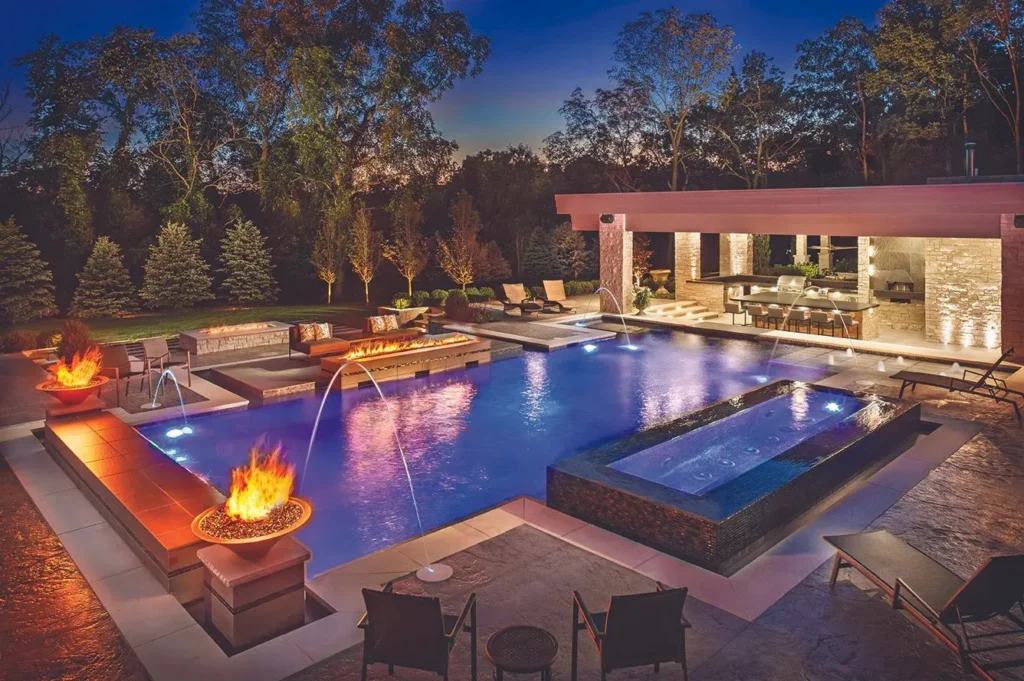
    Luxurious backyard pool area with outdoor kitchen, spa, and fire features at dusk.

    Integrating custom outdoor pizza ovens into high-end outdoor kitchens adds significant flair and functionality. These built-in ovens can seamlessly blend with the surrounding fixtures and design elements, creating a unified aesthetic.

    Design considerations should include:

    • Cohesive Aesthetics: Employing similar materials and styles throughout the outdoor kitchen enhances visual appeal.
    • Functional Layout: Strategically placing the oven near other cooking stations or dining areas ensures that it serves as a practical part of outdoor entertaining.

    By envisioning the oven’s role within the overall kitchen, homeowners can elevate their outdoor cooking experience.

    Which Design Trends and Premium Materials Elevate Outdoor Kitchen Spaces?

    The trends influencing outdoor kitchen designs include:

    • Use of Marine-Grade Stainless Steel: This trend stands out for its sleek look and resistance to harsher weather conditions.
    • Custom Masonry Techniques: Homeowners are now opting for bespoke stonework that not only supports the oven but also enhances the visual character of the kitchen space.
    • Modular Kitchen Components: These flexible systems allow for easy customization and future expansion based on family needs.

    Engaging these materials and trends can create a stylish, functional outdoor kitchen that is perfect for entertaining.

    What Are the Benefits of Built-In Custom Oven Designs Over Freestanding Options?

    Built-in custom oven designs provide several advantages over traditional freestanding models. They allow for:

    • Integration: These ovens are designed to function as part of the outdoor kitchen as a cohesive unit, ensuring seamless aesthetics.
    • Enhanced Usability: Custom designs often include cabinetry and storage that optimize space and accessibility.
    • Durability: Built-in designs tend to be more robust as they can utilize higher quality materials and construction techniques specifically engineered for outdoor conditions.

    These advantages make built-in ovens a desirable option for luxury outdoor kitchens.

    What Is the Turnkey Process for Custom Outdoor Pizza Oven Design and Installation in Florida?

    The turnkey process for installing custom outdoor pizza ovens involves several key stages, ensuring precision from concept to completion.

    1. Initial Consultation: This step allows for discussing homeowner aspirations, preferences, and budget considerations.
    2. 3D Modeling: Utilizing advanced 3D design and engineering, homeowners can visualize their project, ensuring that all dimensions and styles meet their expectations.
    3. Construction Timeline: Once approved, the project moves to the construction phase, with a clear schedule agreed upon to minimize disruptions.

    This structured approach promotes a stress-free experience that allows homeowners to enjoy the process of creating their ideal outdoor kitchen.

    How Does 3D Design and Engineering Ensure Precision and Quality Construction?

    Incorporating 3D design services enhances the construction process by providing detailed visualizations of the project. Benefits include:

    • Visualization: Homeowners can see how elements come together, helping to confirm designs and make necessary adjustments before construction begins.
    • Precision in Design Specifications: Detailed models reduce uncertainties and construction errors, allowing for more accurate material assessments and planning.
    • Quality Assurance: The comprehensive design phase enhances overall build quality, ensuring that the finished product fulfills all intended use scenarios.

    These advantages reinforce the importance of technology in modern outdoor kitchen projects.

    What Are the Steps from Consultation to Final Installation?

    The journey from the initial consultation to final installation involves critical steps to ensure satisfaction:

    1. Consultation Steps: Discussing specific needs and desires with a project manager.
    2. Design Approval Processes: Reviewing and approving 3D models that reflect the homeowner’s vision.
    3. Installation Phases and Timelines: Clear communication regarding timelines helps manage expectations.

    These steps help create a tailored experience that satisfies homeowner desires while ensuring efficient project management.

    How Are Outdoor Pizza Ovens Maintained and Protected With Warranties in Florida’s Environment?

    Maintaining outdoor pizza ovens is essential to ensure longevity and optimal performance, especially in Florida’s challenging weather conditions.

    Key maintenance practices include:

    • Routine Cleaning: Regularly removing ash and food debris to prevent pests and odors.
    • Yearly Inspection: Conducting an annual check can reveal wear and tear that may necessitate repairs.
    • Environmental Protection: Utilizing covers during adverse weather can significantly extend the oven’s life.

    By adhering to these practices, homeowners can enjoy their ovens well into the future.

    What Maintenance Practices Prolong Oven Life and Performance?

    To maximize the lifespan and efficiency of outdoor pizza ovens, homeowners should consider these strategies:

    1. Regular Inspection: Checking for wear in seals, door hinges, and other components that may affect performance.
    2. Seasonal Deep Cleaning: A thorough cleanse after each season ensures that buildup does not compromise quality.
    3. Environmental Consideration: Protective measures against humidity and moisture guard against rust and deterioration.

    Incorporating these practices can lead to a superior outdoor cooking experience.

    Which Warranty Options Cover Materials and Structural Integrity?

    Warranties play a vital role in protecting investments in outdoor pizza ovens. Common warranty options cover:

    • Material Coverage: Protects against defects attributed to substandard materials over a specified timeframe.
    • Structural Integrity: Ensures that the foundational elements of the oven maintain their integrity throughout the warranty period.
    • Environmental Protection: Certain warranties may cover damage caused by environmental factors typical to Florida.

    Understanding warranty options helps homeowners feel assured that their investment is protected.

  • Choosing an Outdoor Kitchen Contractor in Florida: Reviews, Materials & Ventilation Codes

    Choosing an Outdoor Kitchen Contractor in Florida: Reviews, Materials & Ventilation Codes

    By Terrance Schabilion, Beyond Backyard Living – Custom Pool Builder Spring Hill FL

    Creating a luxury outdoor kitchen is more than an upgrade; it is a comprehensive design-build project requiring expert coordination of materials, engineering, and compliance with Florida codes. For those choosing an outdoor kitchen contractor in Florida, understanding the nuances of structural materials, commercial ventilation, and local permitting is essential. This guide serves Central Florida homeowners and commercial clients by covering how to select top-tier contractors such as an outdoor kitchen builder spring hill, how luxury outdoor kitchen builders Orlando Central Florida reviews elevate design standards, and the importance of adhering to gas and ventilation regulations for covered outdoor kitchens.Emphasizing key regional searches like outdoor kitchens spring hill and services by covered outdoor kitchen builder spring hill, this comprehensive resource positions itself as the flagship guide for homeowners and commercial developers across Hernando County and Central Florida.

    Choosing an Outdoor Kitchen Contractor in Florida: The Design-Build Standard

    When choosing an outdoor kitchen contractor in Florida, it is critical to prioritize integrated design-build services that manage all aspects of the project from conception through installation, ensuring quality and code compliance. Contractors adhering to this standard coordinate engineering, materials sourcing, construction, and inspections, creating a seamless process that produces luxury outdoor kitchens focused on longevity and functionality in Florida’s unique climate.This approach is especially vital when hiring specialists like an outdoor kitchen builder spring hill, ensuring your project benefits from comprehensive management and expertise.

    Outdoor Kitchen Builder Spring Hill & Luxury Outdoor Kitchens Tampa: Structural Materials and Engineering

    Marine-Grade 304 vs 316 Stainless Steel Frame Engineering & UV-Stabilized HDPE Marine Polymer Cabinetry

    Durability and corrosion resistance against Florida’s intense humidity and coastal salt air are paramount. Marine-grade 304 stainless steel offers solid corrosion resistance suitable for many outdoor environments, but marine-grade 316 stainless steel framing is engineered for superior protection against salt spray and atmospheric chlorides, making it the premier choice for outdoor kitchens spring hill and high-end builds across Central Florida.These stainless steel frames are precision-engineered using advanced fabrication techniques to ensure structural rigidity and longevity.Complementing the frames, the cabinetry utilizes UV-stabilized all-weather HDPE marine polymer, which is engineered to resist warping, fading, and moisture intrusion. This polymer cabinetry is specifically formulated to withstand the harsh Florida sun and coastal conditions, preserving aesthetic and functional integrity over time.

    Engineered Non-Porous Quartzite & Dense Granite Countertops Resistant to Florida Citrus, Red Wine, and Intense Solar UV Rays

    Countertop materials must combat Florida’s extreme UV exposure, heat, and contact with acidic substances like citrus and red wine. Engineered quartzite and dense granite surfaces offer low porosity and chemical resistance, effectively preventing staining, etching, and degradation. Their dense composition ensures a highly durable, maintenance-friendly surface, delivering the lasting luxury homeowners expect from premium outdoor kitchens.These materials provide not just functional benefits but also elevate the visual appeal of outdoor kitchen builder spring hill and outdoor kitchen with green egg builder tampa projects.

    Dedicated Ceramic Kamado & Big Green Egg Smoker Cutout Tables with 1.5-Inch Thermal Isolation Air Gaps and Granite/Quartzite Heat Shields

    Specialty cooking units such as ceramic Kamado grills and Big Green Egg smokers require custom-built cutout tables engineered for thermal isolation. These enclosures incorporate a minimum 1.5-inch thermal isolation air gap around the smoker body to reduce heat transfer and minimize risk to surrounding cabinetry and finishes.Heat shields fashioned from granite or quartzite surround these cutouts, providing a thermal barrier that protects marine polymer cabinetry from damage, significantly extending the lifespan and safety of these integrated cooking stations.This level of engineering attention is fundamental when selecting an outdoor kitchen builder spring hill experienced with green egg and ceramic Kamado installations.

    High-CFM Commercial Ventilation & Gas Plumbing for Covered Lanais and Pavilions

    Covered Outdoor Kitchen Builder Spring Hill: High-CFM Commercial Range Hoods (1200+ CFM) & Integrated Make-Up Air Damper Systems

    For covered outdoor kitchen builder spring hill projects, ensuring safe and efficient smoke and heat removal is crucial. High-CFM commercial-grade ventilation systems using range hoods rated at 1200 or more cubic feet per minute (CFM) are engineered to handle grease, smoke, and heat generated by high-output burners.These systems integrate make-up air damper units that balance airflow by introducing fresh air, preventing negative pressure issues inside covered lanais and pavilions. This balance is required to comply with Florida building and OSHA ventilation codes.Contractors specializing in covered outdoor kitchen builder spring hill use engineering calculations and advanced HVAC integration to size and install these systems properly for maximum efficacy and code compliance.

    Gas Plumbing Sizing (3/4-Inch to 1-Inch LP/Natural Gas Trunks) for 60,000–120,000+ BTU High-Output Burner Systems & Insulated Grill Jackets for Combustible Framing

    Efficient and safe gas plumbing is engineered based on high-output burner requirements, usually ranging from 60,000 to over 120,000 BTUs. Supply trunks often range from 3/4-inch to 1-inch in diameter to deliver sufficient gas volume while maintaining regulated pressure.LP and natural gas systems are carefully designed with pressure regulation, secure connections, and leak prevention, adhering strictly to local codes.Where combustible framing is present near grills, insulated grill jackets are applied to contain heat and protect cabinetry. These jackets improve energy efficiency by retaining grill heat and preventing damage, a necessity for safety and warranty compliance in Florida climates.Selecting a contractor experienced with these systems, such as an outdoor kitchen builder spring hill, ensures proper engineering and installation.

    Contractor Reviews & Due Diligence: Luxury Outdoor Kitchen Builders Orlando Central Florida Reviews

    Evaluating Florida General Contractor (CGC/CBC) Licensure, Insurance & Direct Workmanship

    Reputation and licensure are paramount when selecting luxury outdoor kitchen builders Orlando Central Florida reviews often emphasize. Confirming licensed status under Florida’s CGC or CBC classifications ensures the contractor meets rigorous state standards.Comprehensive insurance validates risk mitigation credentials, and verifying direct contractor involvement rather than subcontractor delegation guarantees quality workmanship and accountability.Thorough vetting safeguards your investment and aligns with best practices highlighted in regional reviews.

    Turnkey Master Planning vs Subcontractor Fragmented Builds

    Turnkey master planning delivers holistic project management under a single contractor umbrella, managing design, procurement, installation, and inspection phases seamlessly. This mitigates risks related to miscommunication, scheduling conflicts, and inconsistent workmanship.Fragmented builds relying heavily on multiple subcontractors often introduce delays and quality disparities.Highly rated luxury outdoor kitchen builders Orlando Central Florida reviews frequently commend turnkey service providers for timeline adherence and consistent quality control.

    Hernando & Hillsborough County Permitting, Electrical & Gas FAQs

    Do covered outdoor kitchens require mechanical ventilation and range hood permits in Florida?

    Yes, covered outdoor kitchens in Hernando and Hillsborough Counties generally require mechanical ventilation permits when incorporating built-in gas grills. These permits ensure compliance with local codes through inspections verifying that high-CFM commercial-grade vent hoods and integrated make-up air systems meet airflow, safety, and performance criteria.

    What are the safety clearance requirements for installing built-in gas grills into combustible cabinets?

    Florida codes prescribe clearance distances, often a minimum of 6 inches, between built-in gas grills and combustible materials. The use of non-combustible barriers or insulated grill jackets around grills is mandatory to prevent fire hazards and maintain manufacturer warranties.Adherence to these clearances protects homeowners and supports insurance compliance.

    How do you protect marine polymer and stainless steel outdoor cabinets from coastal salt air corrosion?

    Protection strategies include selecting marine-grade 316 stainless steel frames for their superior salt air corrosion resistance, applying regular anti-corrosion coatings, and instituting routine maintenance schedules to wash away salt deposits.HDPE marine polymer cabinetry adds moisture and UV damage resistance, enhancing cabinet longevity in coastal Florida environments.

    What plumbing and electrical permits are required in Hernando and Hillsborough Counties for outdoor kitchens?

    Gas plumbing permits are required for LP or natural gas connections, ensuring installations meet pressure standards and pass leak testing.Electrical permits govern outlet, lighting, and appliance wiring, mandating GFCI protection and compliance with the National Electrical Code.All installations must be completed by licensed professionals and pass county inspections to be approved.

  • Outdoor Kitchen Cost in Florida: Comprehensive Pricing, Materials, Appliances & ROI Guide

    Outdoor Kitchen Cost in Florida: Comprehensive Pricing, Materials, Appliances & ROI Guide

    By Terrance Schabilion, Beyond Backyard Living – Custom Pool Builder Spring Hill FL

    The cost of an outdoor kitchen in Florida can vary significantly based on several factors, including materials, appliances, and overall design. Homeowners are increasingly investing in these spaces as they enhance outdoor living experiences and property value. In this guide, you will explore the comprehensive pricing of outdoor kitchens in Florida, gain insights into quality materials and appliances, and understand the return on investment (ROI) for these luxurious features. As many individuals seek to create ideal outdoor entertaining environments, it’s essential to analyze what factors influence costs and how they align with personal preferences and local trends.

    Throughout this article, we will break down the project tiers, cost components, permitting considerations, high-quality materials, and appliance options. By examining the ROI, financing options, and current design trends, readers can make informed decisions about their outdoor kitchen projects. Whether planning a standard setup or a premium luxury design, understanding these intricacies will help homeowners navigate the investment process effectively.

    Cost Breakdown

    The cost of an outdoor kitchen can differ based on various elements such as size, complexity, and specific features included in the design. Understanding these components is essential to create a realistic budget that suits individual preferences.

    Project Tiers

    When considering an outdoor kitchen, homeowners can typically choose from three project tiers: Standard, Premium, and Luxury.

    1. Standard Tier: This entry-level option generally includes basic features such as a simple grill and prep area, with costs ranging from $5,000 to $10,000.
    2. Premium Tier: This mid-range option may incorporate additional features like built-in cabinetry and upgraded appliances, with an estimated cost between $15,000 and $30,000.
    3. Luxury Tier: Designed for those seeking high-end features, this tier includes elements like custom stonework, high-quality appliances, and advanced water features, resulting in costs starting at $25,000 and extending upwards.

    Understanding these tiers aids in defining a budget that aligns with desired features and overall design aspirations.

    Cost Components

    The overall cost of an outdoor kitchen includes several components, primarily materials, labor, and appliance selections.

    • Materials: The choice of materials significantly impacts costs, with options ranging from standard concrete to premium stone finishes.
    • Labor: Engaging skilled contractors for installation can account for a substantial portion of the budget, often ranging from 30% to 50% of the total cost, depending on the project’s complexity.
    • Appliances: Selecting appliances, such as grills, refrigerators, and sinks, can vary in price significantly based on brand and features.

    Each of these cost components plays a pivotal role in shaping the final price of the outdoor kitchen.

    Permitting Costs

    Permitting is another critical element when planning for outdoor kitchens in Florida.

    • Cost Variations: Depending on the county, permitting fees can range from $50 to $1,000 and may vary based on specific project details.
    • Regulatory Compliance: Homeowners should factor in the time associated with securing necessary permits to avoid potential delays.

    Understanding these permitting costs ensures that home projects comply with local regulations and budgeting reflects these essential expenses.

    Materials and Appliances

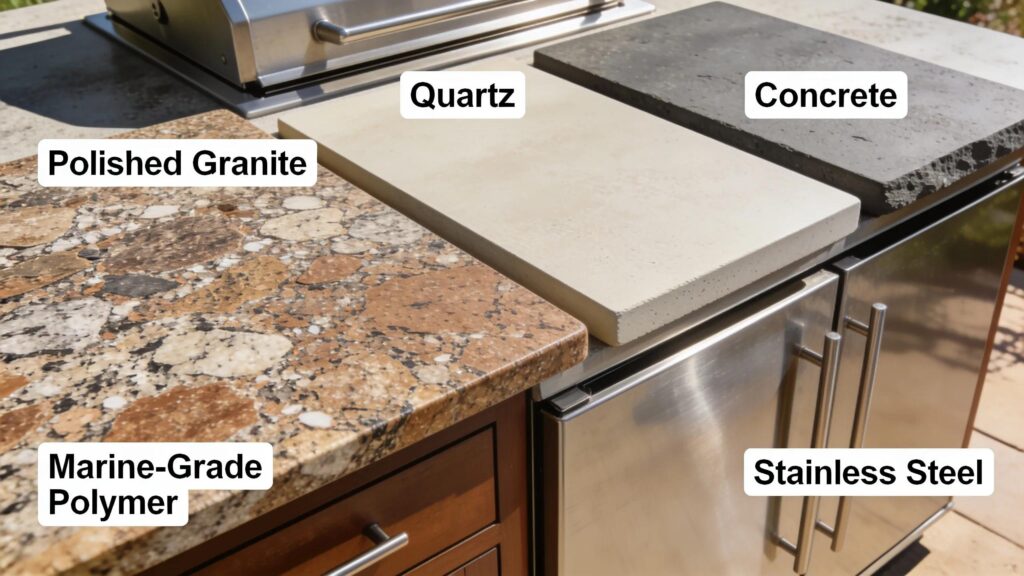
    Different countertop materials including granite, quartz, and concrete with cabinetry samples

    A high-quality outdoor kitchen not only enhances aesthetic appeal but also ensures durability and functionality. Selecting suitable materials and appliances is vital for long-term satisfaction.

    Appliance Packages

    Outdoor kitchens often come equipped with various tiers of appliance packages:

    1. Standard Package: This typically includes basic grill options and minimal additional features, with costs starting around $1,500.
    2. Premium Package: Featuring advanced grills, side burners, and refrigerators, prices in this tier can range from $3,000 to $10,000.
    3. Luxury Package: This top-tier option offers professional-grade appliances and high-end features, costing $10,000 or more.

    Choosing the right appliance package aligns functionality with outdoor cooking ambitions.

    Material Quality

    The quality of materials used for outdoor kitchens significantly affects both aesthetics and longevity. Ensuring a solid foundation for your culinary space often involves using a sturdy base system to support heavy masonry.

    • Natural Stone vs. Concrete: While concrete may be less expensive, natural stone provides superior durability and visual appeal, making it a popular choice among homeowners.
    • Weather Resistance: Using high-quality materials helps mitigate maintenance costs over time, ensuring the structure withstands Florida’s weather conditions.

    Investing in high-quality materials ensures that outdoor kitchens remain functional and visually appealing for years to come.

    Return on Investment (ROI)

    Luxurious backyard pool area with outdoor kitchen, spa, and fire features at dusk.

    Understanding the ROI for outdoor kitchen investments is crucial for homeowners considering enhancements to their property value.

    Factors Influencing ROI

    Several factors influence the ROI after building an outdoor kitchen.

    • Location: Homes in areas with favorable climates and socioeconomic conditions often yield higher returns from outdoor kitchen additions.
    • Quality of Installation: Professional installations using high-quality materials and appliances provide better resale value.
    • Outdoor Living Trends: As outdoor living spaces become more sought after, well-designed kitchens attract potential buyers and can enhance property appeal.

    By focusing on these factors, homeowners can maximize returns from their investments.

    Financing Options

    Exploring financing options for outdoor kitchen construction is essential for many homeowners. Protecting your long-term investment is just as important as the initial build, which is why considering an annual protection plan can help preserve the integrity of your hardscaping elements.

    • Home Equity Loans: Leveraging home equity remains a popular method for funding renovations and can offer favorable interest rates.
    • Personal Loans: Alternatively, many homeowners opt for personal loans that provide quick access to funds, typically with established repayment terms.
    • Installment Payments: Some contractors offer financing plans that allow homeowners to pay over time, easing immediate financial burdens.

    Understanding and utilizing financing options can facilitate the realization of outdoor kitchen dreams while managing financial implications effectively.

  • Travertine Pool Decks in Florida: Benefits, Colors, Heat Resistance & Installation Guide

    Travertine Pool Decks in Florida: Benefits, Colors, Heat Resistance & Installation Guide

    By Terrance Schabilion, Beyond Backyard Living – Custom Pool Builder Spring Hill FL

    Travertine pool decks offer a stylish and functional solution tailored for Florida’s unique climate. Known for their natural beauty and durability, these surfaces provide essential heat resistance and slip-proof qualities, making them particularly suitable for outdoor spaces near water. In this guide, we’ll explore the advantages of using travertine, the variety of colors available, how well these materials withstand Florida’s heat, and the installation process to ensure a long-lasting finish. The article aims to equip homeowners with all the necessary information to make an informed decision when choosing the perfect pool deck material.

    Travertine Pool Decks in Florida

    Travertine is a natural stone formed from mineral deposits, primarily found in hot springs and limestone caves, making it a perfect choice for pool decks in Florida’s warm climate. It stands out due to its elegant appearance, allowing homeowners to create stunning outdoor areas that complement various architectural styles. This material not only enhances the aesthetic appeal but also offers practical benefits, such as exceptional durability and heat resistance, essential for maintaining pleasant surfaces during sunny days. With its versatile designs, travertine can be used in everything from traditional to contemporary pools, giving homeowners plenty of options for customization.

    Benefits:

    Travertine pool decks provide numerous advantages that cater to both functionality and aesthetic appeal. Here are some key benefits to consider:

    1. Natural Slip Resistance: The textured surface of travertine pavers offers excellent grip, reducing the risk of slips and falls, which is crucial around pools.
    2. Heat Resistance: Travertine remains cool to the touch, even in high temperatures, making it a comfortable choice for bare feet during hot summer days.
    3. Durability: This stone is known for its strength and resistance to wear and tear, ensuring your pool deck lasts for many years with minimal maintenance.
    4. Aesthetic Appeal: Available in a variety of colors and patterns, travertine enhances the appearance of any pool area, creating an inviting atmosphere for relaxation and entertainment.

    Beyond Backyard Living Creations, a premier contractor in the Nature Coast regions of Florida, offers luxurious travertine installation services customized to your specific needs, ensuring top-quality craftsmanship alongside these impressive benefits.

    Available Colors:

    Outdoor kitchen emphasizing energy-efficient appliances and luxury sustainability with solar power integration

    Travertine comes in a range of natural colors that can beautifully accentuate any landscape design. Common color options include:

    • Classic Ivory: A light, neutral tone that complements a wide array of design styles.
    • Gold: Offers a warmer hue, adding a touch of elegance to outdoor spaces.
    • Walnut: This rich, dark color brings depth and sophistication to pool areas.
    • Rose: A soft pink shade that adds a unique twist to more conventional designs.

    These color variations allow homeowners to harmonize their pool decks with the overall aesthetic of their property, making travertine not only a functional choice but also a stylistic one.

    Heat Resistance Features:

    Florida’s climate can reach intense temperatures, making heat resistance a critical factor for pool deck materials. Travertine’s unique cellular structure aids in heat management, ensuring a comfortable surface.

    How Heat Resistant Are Travertine Pool Decks for Florida’s Climate?

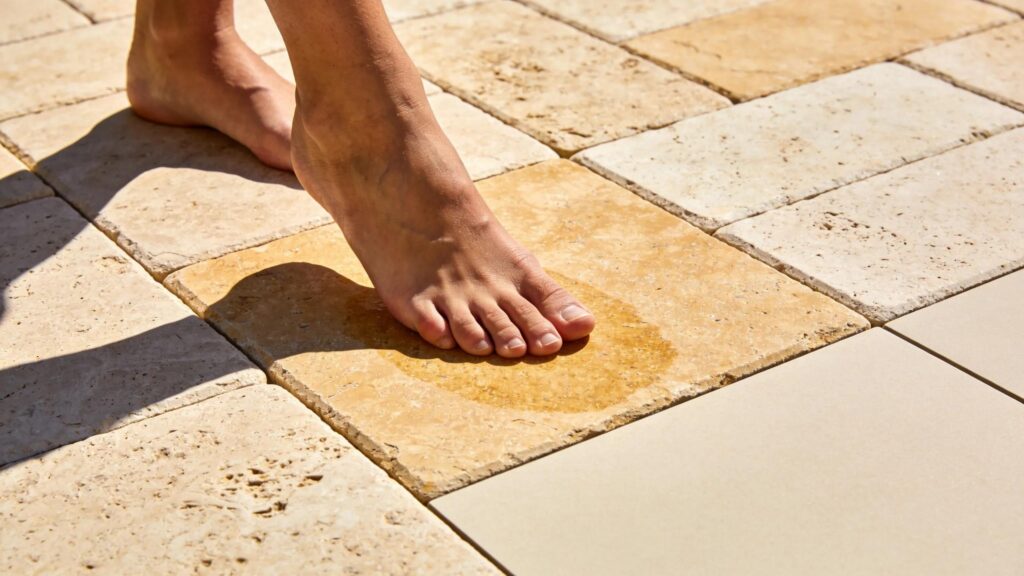
    Travertine is renowned for its ability to stay cool underfoot, even when exposed to direct sunlight for extended periods. This property is particularly advantageous in Florida, where temperatures can soar. The stone absorbs less heat compared to traditional concrete or darker materials, making it safer and more pleasant for poolside lounging.

    What Makes Travertine a Natural Heat Resistant Pool Decking Material?

    The porous nature of travertine allows it to dissipate heat efficiently, making it an ideal choice for outdoor use. This characteristic not only enhances comfort but also contributes to the pool deck’s longevity by reducing thermal stress, which can lead to cracks in less resilient materials.

    How Does Heat Resistance Improve Pool Safety and Comfort?

    Maintaining a comfortable temperature on pool surfaces is crucial for ensuring safety and relaxation. Hot surfaces can cause discomfort and increase the risk of accidents around pools. Travertine’s heat-resisting properties help create a tranquil environment where families can enjoy the outdoors without worrying about the heat.

    Installation Guide for Potential Buyers:

    Luxury home with pool, waterfall, and patio under a pergola.

    Understanding the installation process for travertine pool decks can significantly impact the final outcome. Proper installation ensures longevity and performance.

    What Does Travertine Pool Deck Installation Involve?

    Installation of travertine pavers involves several steps, including site preparation, laying the base, and careful placement of the tiles to ensure even surfaces. It’s recommended to hire skilled professionals to execute this process for optimal results.

    What Is the Beyond Base Elite System for Travertine Pool Deck Installation?

    Beyond Backyard Living Creations employs the Beyond Base Elite System, a meticulous installation method that guarantees the highest quality standards. This system is designed to enhance durability and efficiency, ensuring that your travertine pool deck remains magnificent and functional for years to come.

    What Are Typical Costs and Timelines for Travertine Pool Deck Installation in Florida?

    The cost of installing a travertine pool deck in Florida varies based on several factors, including the size of the area, choice of stone, and installation complexity. Homeowners can typically expect costs to range from $15 to $25 per square foot, and the installation process usually takes about 1 to 2 weeks, depending on the project’s scale.

  • Luxury Outdoor Lighting in Florida: Landscape, Patio & Poolside Illumination for Resort-Style Living

    Luxury Outdoor Lighting in Florida: Landscape, Patio & Poolside Illumination for Resort-Style Living

    By Terrance Schabilion, Beyond Backyard Living – Custom Pool Builder Spring Hill FL

    Creating a luxurious outdoor space involves more than just aesthetical appeal; it’s about crafting an ambiance that allows you to enjoy the beauty of nature in the evening. In Florida, where outdoor living is a year-round possibility, luxury outdoor lighting plays a crucial role in enhancing landscapes, patios, and poolside areas. This comprehensive guide will delve into various lighting solutions, highlighting techniques, design ideas, and products that can transform any outdoor space into a resort-style haven. We will also address the importance of choosing professional lighting services to ensure a seamless integration of these solutions.

    From landscape lighting that enhances the natural beauty of your yard to patio illumination that creates a welcoming atmosphere, this article covers essential design principles and installation tips. Specific sections will explore key features of resort-style pool lighting, and practical design suggestions, ensuring you have all the knowledge to elevate your outdoor experience.

    Modern lighting design research underscores that these functional installations are instrumental in defining the emotional character and user experience of outdoor environments.

    The Art of Layered Outdoor Lighting for Resort-Style Ambiance

    This study explores the dual role of lighting design within the broader framework of sustainability, emphasizing the need to balance technical efficiency with the subjective human experience of space. Light functions not only as a quantifiable physical phenomenon but also as a symbolic medium that shapes perception, emotion, and cultural meaning. Drawing on the metaphor of an iceberg to illustrate the layered nature of lighting, the research highlights how its often-overlooked qualitative aspects, such as spatial identity, emotional resonance, and user experience, are integral to sustainable design.

    Spatial lighting considerations to develop sustainable lighting design, P Lotfabadi, 2025

    Landscape Lighting

    Landscape lighting significantly enhances the visual appeal of outdoor spaces by strategically highlighting features like trees, pathways, and water elements. By utilizing uplighting, pathway lighting, and accent lighting, homeowners can create depth and intrigue in their gardens. For instance, soft uplighting can accentuate the trunks of mature trees, while pathway lights ensure safe navigation through the yard during evening hours. For a seamless and elegant foundation for these illuminated landscapes, consider exploring premium paver solutions that complement outdoor designs.

    Beyond Backyard Living Creations recognizes the importance of choosing high-quality fixtures that complement both the landscape and the architectural style of the home. Premium materials not only elevate the aesthetic but also ensure durability against Florida’s weather conditions.

    Recommended Landscape Lighting Products

    ProductFeatureBenefit
    LED Landscape LightingEnergy-efficientLong-lasting illumination with lower power consumption.
    Custom Hardscape IlluminationIntegrated designEnhances pathways and outdoor structures seamlessly.
    Smart Controls for Outdoor LightingAutomation and schedulingAllows for customized lighting experiences and energy savings.

    The integration of these advanced products can create stunning visual effects while reducing energy costs. By focusing on quality materials and modern technologies, people can ensure their outdoor lighting stands the test of time while enhancing the beauty of their property.

    Patio Illumination

    Effective patio illumination transforms outdoor spaces into cozy gathering spots. Layered lighting is essential, combining ambient, task, and accent lights to create a versatile environment for entertaining and relaxation. Fire features, such as fire pits or fireplaces, can also serve as both a functional and aesthetic element, enhancing warmth during cooler months. Consider how integrated lighting can enhance paver pool decks, creating a cohesive and inviting atmosphere.

    Incorporating shade structures can further improve the usability of patios, protecting against the sun while providing an opportunity for uniquely designed lighting installations.

    Choosing a turnkey process for your patio lighting installation ensures that every aspect is professionally handled, from design to implementation. This approach guarantees not only the efficiency of the installation but also adheres to best practices for outdoor lighting.

    Poolside Lighting

    Comparison of steel framing and concrete block for outdoor kitchens

    The poolside environment is a sanctuary for relaxation and entertainment, making it crucial to implement bespoke lighting solutions that enhance the experience. Options like underwater LED lights provide a sophisticated touch while maintaining safety and visibility. Accent lighting can highlight the pool’s perimeter or landscaping features adjacent to the water, creating a stunning visual contrast against the night sky. Proper substrate and drainage are critical for the longevity of any poolside hardscape, making the paver drainage system a vital consideration.

    Task lighting is equally essential for functional areas around the pool, such as outdoor kitchens. Proper lighting ensures that these spaces are safe and user-friendly even after sunset. Utilizing energy-efficient systems in these areas aligns with a desire for sustainability without sacrificing aesthetics.

    Key Features of Resort-Style Pool Lighting in Florida

    Resort-style pool lighting embodies features that elevate the ambiance and safety of outdoor pools, including:

    1. Underwater LED Lighting: Creates a mesmerizing glow that enhances the pool’s aesthetic.
    2. Accent Lighting: Highlights landscaping features, enhancing the overall appeal of the outdoor space.
    3. Fire Features: Adds warmth and creates a focal point that encourages gathering and social interaction.

    These characteristics not only enhance the pool’s visual appeal but also improve its usability, making evening swims safer and more enjoyable.

    What Lighting Techniques Create Resort-Grade Waterfall and Grotto Ambiances?

    Custom waterfall in a backyard setting, highlighting materials and design elements for outdoor aesthetics

    Incorporating the right lighting techniques can transform a simple pool into a luxurious oasis. Layered lighting, including ambient, task, and accent lights, creates depth and sets the mood. For instance, accent lights can be strategically placed to highlight water features like waterfalls or grottos, adding a dramatic effect. The structural integrity of such features, especially when integrated with paving, is often supported by advanced base systems, such as the Beyond Base Elite System, ensuring long-term stability.

    Employing underwater LED lights in these features can enhance visibility while also adding a shimmering effect to the water, showcasing the natural beauty of the pool area. This meticulous attention to detail helps in crafting an inviting and captivating environment.

    Which Custom Outdoor Lighting Designs Elevate Florida Patios and Landscapes?

    Custom outdoor lighting designs can significantly enhance the beauty and functionality of patios and landscapes. Design styles can vary, incorporating natural elements and using high-end materials to create unique atmospheres.

    Integrating lighting with outdoor structures, like pergolas or trellises, can add character while ensuring functional lighting for nighttime use. Utilizing constructed designs that accentuate the architecture of the home ensures a cohesive aesthetic throughout the property, establishing a retreat-like ambiance.

    Installation Tips

    When it comes to the installation of outdoor lighting, strategic placement is key. Prioritizing professional consultation ensures that the lighting is both aesthetically pleasing and functional. Additionally, it is vital to observe local regulations and safety codes during installation. For peace of mind regarding the foundation of your outdoor structures, a lifetime settlement warranty is a valuable assurance.

    Some essential tips for effective installation include:

    1. Planning the Layout: Outline where lights will be placed to maximize effect and minimize interference with existing landscaping.
    2. Layering Techniques: Utilize different types of lighting (ambient, task, accent) to create depth and variety in illumination.
    3. Choosing the Right Fixtures: Consider weather resistance and durability, especially for coastal areas in Florida.

    By following these installation tips, homeowners can create beautifully lit outdoor spaces that are both functional and visually appealing.

    How Does the Turnkey Design Process From 3D Modeling to Installation Work?

    The turnkey design process offers a comprehensive solution for homeowners looking to enhance their outdoor spaces with luxury lighting. This service encompasses several stages, starting with 3D modeling that allows clients to visualize their projects before work begins.

    Following the modeling phase, teams will proceed with detailed project planning, ensuring compliance with local regulations and addressing specific client needs. Effective project management throughout the installation process guarantees quality control, delivering a seamless transition from design to implementation.

    What Are the Energy Efficiency Benefits of Automated Outdoor Lighting Controls?

    Automated outdoor lighting controls provide significant energy efficiency benefits. These systems allow for remote control and programmable schedules, enabling homeowners to customize their lighting based on specific preferences or needs.

    Additionally, the environmental impact of using these systems is considerable, helping reduce energy consumption and therefore lowering costs. With automated lighting, you can ensure that your outdoor areas are illuminated only when necessary, enhancing sustainability without compromising luxury.

  • Travertine vs Porcelain Pavers for Florida Pool Decks & Patios: Durability, Heat Resistance, and Slip Safety

    Travertine vs Porcelain Pavers for Florida Pool Decks & Patios: Durability, Heat Resistance, and Slip Safety

    By Terrance Schabilion, Beyond Backyard Living – Custom Pool Builder Spring Hill FL

    When it comes to choosing the right materials for “pool decks and patios” in Florida, the debate between travertine and porcelain pavers is significant. Both options offer distinct advantages and each is suited for different needs and preferences, particularly concerning durability, heat resistance, and slip safety. Understanding these characteristics helps homeowners build stunning outdoor spaces that are functional as much as they are beautiful. Florida’s unique climate poses challenges like high temperatures and humidity, making the right choice all the more crucial for long-lasting outdoor installations.

    This article will explore the essential comparisons between travertine and porcelain pavers regarding their durability, heat resistance, and slip-reduction properties. We will discuss the suitability of these materials for outdoor environments and the considerations to keep in mind while making your choice. Additionally, we will highlight the high-end, resort-grade transformations that can be achieved with expert installation by professionals like Beyond Backyard Living Creations.

    Comparison of Travertine and Porcelain Pavers for Florida Pool Decks and Patios

    When considering travertine vs porcelain pavers for Florida pool decks and patios, it’s vital to understand the fundamental characteristics of both materials. Travertine, a natural stone, brings an organic appeal to landscapes with its unique color variations and texture. On the other hand, “porcelain pavers”, made from ceramic, offer high durability and ease of maintenance.

    Both options come with their benefits. Travertine provides a unique aesthetic and generally cooler surface temperatures, while porcelain pavers are known for their energy efficiency and resilience against moisture and chemicals. Each material can add value and beauty to outdoor spaces, yet their varied properties require homeowners to consider long-term implications and maintenance needs carefully.

    Durability:

    Durability is a crucial factor when selecting materials for pool decks. Both travertine and porcelain pavers showcase unique durability characteristics that can impact their performance over time.

    Wear Resistance:

    Wear resistance is one of the fundamental differences between travertine and porcelain pavers. Travertine is susceptible to acid etching, especially when exposed to harsh chemicals found in pool maintenance products. This makes it less ideal for high-chemical environments unless properly sealed. In contrast, porcelain pavers are highly resistant to moisture and wear, making it essential to have proper “paver drainage” for humid climates and poolside installations.

    Lifespan:

    When it comes to lifespan, porcelain pavers generally provide an impressive longevity of approximately 25 years due to their dense composition and resistance to damage. Conversely, travertine generally lasts around 10-30 years depending on factors such as installation quality and maintenance; improper sealing can significantly decrease its life expectancy and leave it vulnerable to mold and mildew within a short period.

    MaterialLifespanMaintenance Needs
    Travertine10-30 yearsRegular sealing required
    Porcelain25 yearsMinimal maintenance needed

    This comparison depicts how porcelain pavers can be the more durable option, especially in terms of longevity, necessitating fewer maintenance interventions compared to travertine.

    Heat Resistance:

    Close-up of travertine and porcelain pavers demonstrating barefoot heat resistance on a sunny patio

    Heat resistance is a key concern for outdoor materials in Florida’s climate. The ability of a surface to remain cool underfoot is desirable, especially around pool areas.

    Both travertine and porcelain pavers have characteristics that help them stand up to the heat. Travertine’s natural properties offer slight heat resistance, which helps keep the surface cooler than many other materials. Porcelain, however, maintains a better overall heat resistance due to its denser material structure, preventing excessive heat absorption even under direct sunlight.

    Slip Safety:

    Homeowner using smartphone to control automated features of a luxury pool with fire bowls

    Safety is paramount, especially around pool areas where moisture can create hazardous conditions. The natural texture of travertine provides a slight advantage when it comes to slip resistance, making it a preferred option for many homeowners. However, porcelain pavers can also offer high slip resistance, particularly when textured surfaces are chosen.

    Slip Resistance Scores and Safety Standards

    Slip resistance is quantified through testing methods, with different ratings indicating a surface’s safety under wet conditions. For optimal safety around pools, pavers with a rating of R10 or R11 are recommended.

    1. Travertine: Naturally slip-resistant when dry, but may require regular maintenance to retain texture.
    2. Porcelain: Availability of textured finishes specifically designed to enhance grip, particularly beneficial for pool decks.

    The incorporation of these materials into your outdoor design can ensure safety while simultaneously maintaining a stylish aesthetic.

    Suitability for Outdoor Environments:

    Both travertine and porcelain pavers have distinct environmental benefits in Florida’s harsh climate. Travertine provides a hot-summer surface that remains relatively cool, while porcelain is favored for its design consistency and superior moisture resistance. These features contribute significantly to their suitability for outdoor applications, such as pool decks and patios.

    Choosing the right material depends on personal preference, required maintenance, and budget. Beyond Backyard Living Creations specializes in the luxurious options available for both materials, transforming outdoor areas into exquisite, functional living spaces. Their design expertise can guide you in making informed decisions that enhance the beauty and value of your property.

    What impact do heat resistant pavers have on outdoor living experience?

    The right heat-resistant pavers can enhance your outdoor experience by maintaining a comfortable surface temperature and prolonging your enjoyment of the patio or pool area, even during peak sun hours.

    1. Comfort: Heat-resistant pavers prevent burns and discomfort, allowing for more enjoyable outdoor gatherings.
    2. Lifestyle Enhancement: These materials contribute to an inviting atmosphere, encouraging longer outdoor enjoyment.
    3. Design Versatility: A variety of styles and color options ensure compatibility with diverse design preferences.

    Incorporating high-quality pavers can significantly elevate the aesthetics and functionality of your outdoor spaces.

    What custom luxury design features enhance pool decks with travertine or porcelain pavers?

    Utilizing travertine or porcelain pavers in your pool deck design can offer a rich array of custom features, including:

    1. Borders and Inlays: Innovative design elements like contrasting borders can enhance the overall visual interest.
    2. Custom Mosaics: Custom mosaic patterns tailored from pavers can serve as stunning focal points in the design.
    3. Integrated Lighting: Thoughtful installation of integrated lighting enhances the safety and appeal of the space during the evening hours.

    Contact Beyond Backyard Living Creations to explore unique designs that meet your aesthetic goals while ensuring safety and durability.

    What role does the Beyond Base Elite System play in installation quality?

    Expert installation can significantly impact the performance and longevity of travertine and porcelain pavers. The “Beyond Base Elite System” optimizes the installation process, providing a solid foundation that enhances the stability and durability of your patio or pool deck. Proper installation minimizes shifting and damage, allowing your investment to retain its beauty over time.

    This proprietary system ensures that the pavers are laid with precision, reducing the likelihood of issues during their lifespan. Homeowners looking for reliable, beautiful outdoor transformations should consider working with professionals who utilize the best technologies in their installation practices.

  • Travertine vs. Concrete Pavers in Florida: Heat Resistance, Durability & Pool Deck Installation Guide

    Travertine vs. Concrete Pavers in Florida: Heat Resistance, Durability & Pool Deck Installation Guide

    By Terrance Schabilion, Custom Pool Builder Spring Hill FL

    When choosing materials for pool decks in Florida, the climate’s impact on heat absorption and durability is crucial. Pool owners often face the decision between travertine and concrete pavers, each offering unique advantages. In this article, we’ll delve into the heat resistance and durability of these materials, along with installation considerations to help you make an informed choice. The Florida sun can create intense heat in outdoor areas, making the selection of the right paver essential for comfort and longevity. Additionally, understanding the maintenance requirements and aesthetic appeal of both options will guide your decision-making process. By examining these elements, you’ll be well-equipped to choose the best pavers for your luxury outdoor space.

    Heat Resistance:

    Heat resistance is a critical factor in selecting pool deck materials for Florida’s warm climate. The intense sun exposure can significantly impact the comfort of walking on these surfaces, especially around a pool area. Travertine pavers tend to have superior heat resistance compared to concrete pavers. The natural stone structure of travertine allows it to retain less heat, resulting in a cooler surface, which is especially beneficial for barefoot walking in poolside settings. Concrete, while popular and durable, can absorb heat and become uncomfortable to the touch during hot days.

    What are the heat resistance differences between travertine and concrete pavers in Florida?

    Travertine has a unique porous surface that helps dissipate heat more effectively than concrete. Studies indicate that travertine can remain significantly cooler than concrete pavers, making it a preferred choice for areas exposed to direct sunlight. This is particularly important for pool decks, where comfort and safety should be prioritized, ensuring that feet do not get burnt on hot surfaces.

    How does Florida’s climate affect pool deck paver heat retention?

    The Florida climate, known for its high humidity and persistent heat, exacerbates the issue of heat retention. Pavers that absorb high temperatures may lead to discomfort, making travertine a more favorable option for residential and commercial pool decks. Besides heat absorption, the cooling features of travertine contribute significantly to the overall user experience around pools.

    Why are travertine pavers preferred for heat resistance around pools?

    Travertine pavers are often the material of choice in high-end installations around pools due to their ability to remain cooler underfoot. This quality not only enhances comfort but can also translate to a safer environment for children and pets. The luxurious appearance of travertine adds aesthetic value while providing practical benefits in terms of heat resistance.

    Durability:

    Close-up comparison of travertine and concrete pavers demonstrating durability against pool chemicals and salt water

    When considering paver options for pool decks, durability is paramount. Florida’s climate, which includes intense heat, humidity, and occasional storm events, necessitates pavers that can withstand such conditions. Travertine exhibits excellent durability due to its natural stone structure, making it less prone to cracking and chipping as compared to concrete pavers. Additionally, travertine is resistant to fading, which can impact the long-term appearance of pool decks.

    Research into aggregate materials reveals that natural stone options often provide superior wear resistance in outdoor environments compared to standard concrete alternatives.

    Durability Comparison: Travertine vs. Concrete Aggregate Performance

    On the other hand, limestone and travertine-based pervious concrete samples were more durable against wear.

    The effects of aggregate and fiber characteristics on the properties of pervious concrete, BF Ozel, 2022

    How do travertine and concrete pavers compare in durability for Florida pool decks?

    Concrete pavers can also be durable; however, they may require more maintenance over time. They are prone to cracking under extreme weather conditions, particularly if improperly installed or if the subgrade is inadequate. Conversely, travertine’s inherent characteristics offer a natural resilience that can outperform concrete over time, particularly in a challenging climate like Florida’s.

    What factors influence the longevity of travertine pavers in outdoor Florida settings?

    The longevity of travertine pavers is influenced by several factors, including proper installation and regular maintenance. Ensuring a solid subgrade and using quality sealants can significantly extend the lifespan of travertine. The installation of quality pool deck paver systems plays a crucial role here. Learn more about advanced installation systems that significantly extend the lifespan of pavers.

    Which concrete paver properties enhance durability in Florida’s climate?

    Concrete pavers that are designed with high-quality aggregates and advanced curing techniques can also provide significant durability. Features such as reinforced concrete mixes and surface treatments enhance the longevity of concrete pavers, making them a viable option when installed correctly for pool areas. Adequate drainage systems are important to complement these pavers, as proper water management helps prevent erosion or shifting. Explore effective drainage solutions crucial for Florida pool deck longevity.

    Installation Considerations:

    Homeowner using smartphone to control automated features of a luxury pool with fire bowls

    The installation of pool deck pavers is critical to their performance and longevity. Both travertine and concrete pavers require specific techniques to ensure they are laid correctly. Travertine pavers, known for their aesthetic appeal, require a solid, leveled base for proper drainage and weight distribution.

    What are the key features of pool deck paver installation systems in Florida?

    High-quality installation systems for pool decks often incorporate specialized base materials that provide stability and drainage. In Florida, the Beyond Base Elite System enhances the foundational stability of both travertine and concrete pavers, ensuring they remain secure over time.

    How does the Beyond Base Elite System improve foundational stability?

    The Beyond Base Elite System utilizes advanced engineering that offers superior weight distribution across the paver surface, reducing the risk of shifting and settling. This system is designed specifically for high-end installations, contributing to a flawless finish and durability.

    What drainage solutions are essential for Florida pool deck longevity?

    Effective drainage solutions are crucial for the longevity of pool deck pavers. Proper grading and the installation of adequate drainage systems help redirect water away from the pool area, preventing water accumulation that could lead to shifting or structural issues.

    Maintenance Requirements:

    Maintaining pool deck pavers is essential to ensure they last for many years. Different materials have varying maintenance needs, and understanding these requirements can help homeowners make informed choices.

    What are the recommended cleaning methods for each paver type?

    For travertine, it is recommended to use a gentle cleanser that does not strip the natural sealant, applied with a soft brush. This method ensures the natural finish is preserved while cleaning effectively. In contrast, concrete pavers may require pressure washing to remove embedded dirt and debris, followed by sealing to protect against stains and fading.

    What is the frequency of sealing and upkeep?

    Travertine pavers typically need to be sealed every 1-2 years, depending on foot traffic and exposure to the elements. Concrete pavers, on the other hand, may need sealing more often, especially after pressure washing, to maintain their appearance and performance. For continued protection, consider an annual protection plan to ensure lasting durability.

    What are the signs that maintenance is needed?

    Signs that maintenance is needed include visible staining, discoloration, or the presence of loose pavers. For travertine, the loss of sealant gloss or increased dirt accumulation may indicate the need for a thorough cleaning and resealing.

    Aesthetic Appeal:

    The visual appeal of pool deck pavers plays a significant role in enhancing outdoor spaces. Homeowners often prioritize aesthetics while ensuring materials remain functional in high-traffic areas like pool decks.

    What color and design options are available with travertine and concrete?

    Travertine pavers are available in a variety of natural stone colors and textures, ranging from creamy beige to rich browns, offering a timeless look that complements diverse architectural styles. Concrete pavers, on the other hand, provide the flexibility of color and pattern customization, allowing homeowners to create unique designs that reflect their personal tastes.

    How do aesthetic choices impact property value?

    Investing in aesthetically pleasing materials like travertine can elevate property values, as they set apart luxury properties in competitive markets. Properly designed outdoor spaces create inviting environments that appeal to potential buyers, enhancing overall interest.

    What are user preferences in visual appeal?

    Users often prefer the classic and elegant appearance of travertine, while others might favor the modern versatility offered by concrete. Ultimately, the choice hinges on personal preference, desired ambiance, and overall design goals for the outdoor space. For extensive options and inspiration, explore all types of paver solutions.

    MaterialAdvantageMaintenance Requirement
    TravertineSuperior heat resistanceSeal every 1-2 years
    ConcreteCustomizability in designMore frequent sealing needed

    This table summarizes the strengths and maintenance needs of travertine and concrete pavers, aiding in decision-making for luxury pool deck installations.

    Installation TypeRequired ToolsCommon Pitfalls
    TravertineLeveling toolsIncorrect base preparation
    ConcreteConcrete mixerNot allowing adequate curing

    Understanding the tools and potential pitfalls can enhance the installation process and ensure a successful outcome. Properly installed pool decks offer beauty and functionality.

    Choosing between travertine and concrete pavers involves weighing the unique benefits and considerations of each material. The natural heat resistance of travertine makes it a popular choice in Florida’s hot climate, while concrete offers versatility and a myriad of design options. Integrating high-quality installation systems and understanding maintenance requirements will further ensure the longevity and aesthetic appeal of your outdoor spaces. Furthermore, ensure your choice aligns with long-term value, consider the lifetime settlement warranty for peace of mind.