By Terrance Schabilion, Beyond Backyard Living – Custom Pool Builder Spring Hill FL
When it comes to choosing materials for outdoor kitchens in Florida, understanding the differences between 304 and 316 marine-grade stainless steel is crucial. Both metals are popular options for the construction of outdoor kitchen fixtures, but they differ significantly in terms of chemical composition, corrosion resistance, and overall durability. This article sheds light on these differences and will provide valuable insights for homeowners and designers alike, helping them make informed choices for their luxury outdoor kitchens. We will delve into the key distinctions in chemical compositions, performance in marine environments, and maintenance practices that extend the lifespan of stainless steel fixtures.
What Are the Key Differences Between 304 and 316 Stainless Steel Grades?
304 and 316 stainless steel grades are both widely used in various applications, including outdoor kitchens. The primary difference lies in their chemical compositions, which significantly affect their corrosion resistance and durability in coastal environments.
How Do Chemical Compositions Affect Corrosion Resistance?
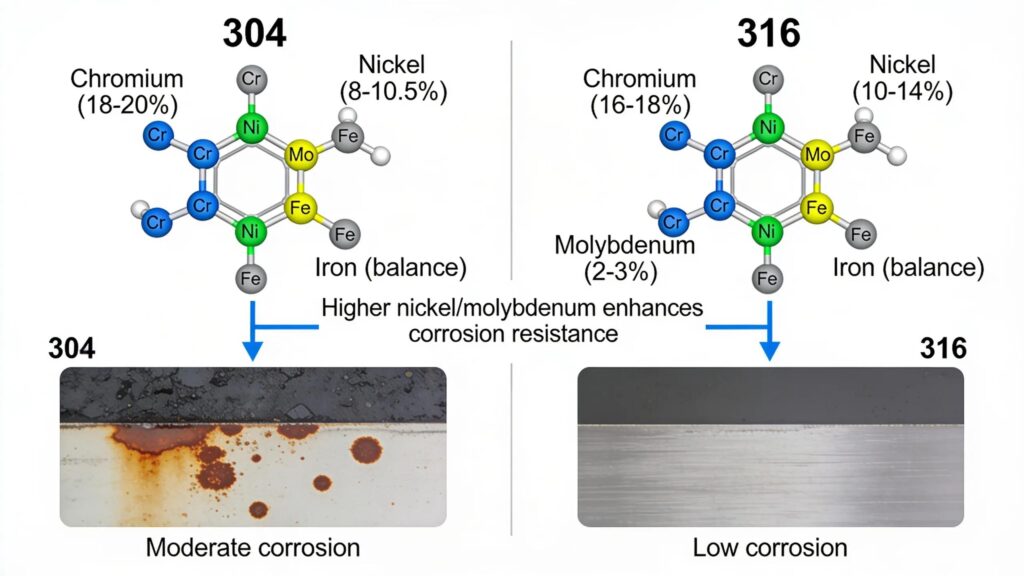
The corrosion resistance of stainless steel largely depends on its alloying elements. 304 stainless steel contains 18% chromium and 8% nickel, providing a strong resistance to oxidation but limited protection against chloride environments. In contrast, 316 stainless steel includes molybdenum—typically around 2-3%—alongside its chromium and nickel content. This addition significantly enhances its corrosion resistance, especially against saltwater and chloride ion corrosion, making it more suitable for coastal locations like Florida.
To further understand how these compositional differences impact the material’s structural integrity, consider the findings from metallurgical research:
Corrosion Resistance Analysis of SS 304 and SS 316 Grades
Dairy industry utilizes higher food grade SS 304 and 316. However, even these relatively corrosion resistant stainless steel grades may experience some pitting corrosion. These two grades have compositional differences that lead to differences in their resistance to corrosion. This study compares the ability of thermoduric bacterial biofilms to cause microbiologically induced corrosion on SS 304 and SS 316 coupons. Studies Related to Microbially Induced Corrosion of Stainless Steel 304 and 316, 2015
Which Grade Offers Better Performance in Marine Environments?
When considering performance in marine environments, 316 stainless steel clearly demonstrates superior resilience. Numerous studies have highlighted its resistance to pitting and crevice corrosion, factors that commonly affect metal structures near saltwater. For example, 316 stainless steel retains integrity and appearance even in the harsh conditions of Florida’s coastal atmosphere, while 304 may show signs of dulling or corrosion with prolonged exposure.
Why Is 316 Stainless Steel Preferred for Florida’s Coastal Outdoor Kitchens?
In Florida, characterized by its high humidity and salt air, 316 stainless steel is often the preferred choice for outdoor kitchens. Its enhanced corrosion resistance translates into a longer lifespan and lower maintenance needs, ensuring that your outdoor investments remain pristine over time.
How Does Florida’s Salt Air and Humidity Impact Stainless Steel?
The salt air in Florida’s coastal regions can be detrimental to metal surfaces. 316 stainless steel, due to its molybdenum content, withstands these harsh environmental factors much better than 304 stainless steel. Homeowners can expect 316 to resist rust and degradation longer, which is essential for maintaining the aesthetics and functionality of their outdoor kitchen spaces.
What Benefits Does Molybdenum in 316 Steel Provide?
Molybdenum provides several advantages in 316 stainless steel, primarily enhancing its corrosion resistance. This element allows the steel to perform well in various environments where chloride exposure is common. As a result, kitchen fixtures made from 316 steel exhibit increased longevity, reducing the need for frequent replacements and repairs.
What Maintenance Practices Extend the Lifespan of Stainless Steel Outdoor Kitchens in Florida?
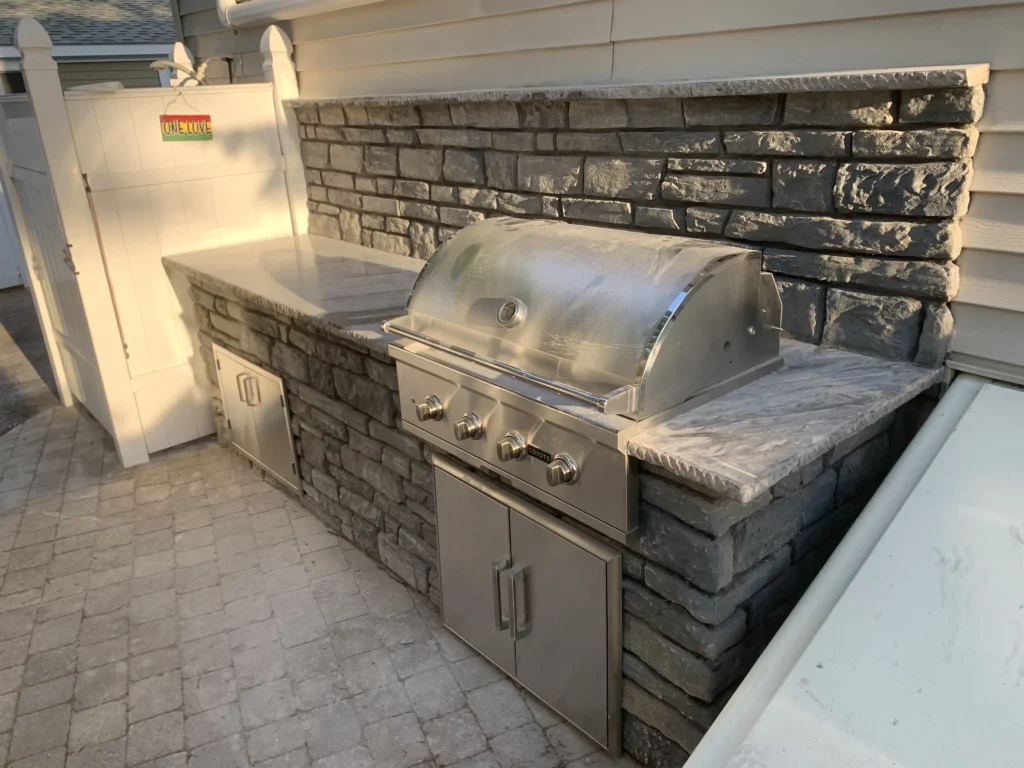
Consistent maintenance routines are essential for preserving the longevity and appearance of stainless steel outdoor kitchens. Engaging in proactive cleaning and protective measures can significantly enhance the material’s resilience to the Florida elements.
Which Cleaning Techniques Prevent Rust and Corrosion?
Proper cleaning is vital to preventing rust and corrosion on stainless steel surfaces. Recommended practices include:
- Use Non-Abrasive Cleaners: Choose cleaning products specifically designed for stainless steel to avoid scratching the surface.
- Regular Cleaning Schedule: Clean outdoor kitchen fixtures at least monthly to remove buildup from salt and debris.
- Protective Sealants: Apply quality sealants designed for stainless steel to create a barrier against moisture and corrosive elements.
Implementing these practices helps maintain the appearance and functionality of outdoor kitchens, ultimately prolonging the life of the fixtures. To ensure your investment remains protected long-term, homeowners should also consider an annual protection plan for their exterior hardscape and kitchen structures.
How Do Luxury Custom Outdoor Kitchens Integrate Marine-Grade Stainless Steel Components?
Luxury custom outdoor kitchens frequently incorporate marine-grade stainless steel components to enhance both functionality and aesthetic appeal. The integration of materials such as 316 stainless steel allows homeowners to achieve sophisticated designs without compromising on durability.
How Beyond Backyard Living Creations Incorporates Premium Materials?
Beyond Backyard Living Creations is positioned as a premier luxury custom pool and hardscape design-and-build contractor operating in the Spring Hill and Nature Coast region of Florida. The company emphasizes the importance of using high-quality materials in their outdoor kitchen designs to ensure longevity and customer satisfaction. Premium stainless steel is a key focus, reflecting their commitment to excellence in craftsmanship. Every installation is backed by a lifetime settlement warranty for peace of mind.
What Design Features Complement Stainless Steel in Resort-Style Kitchens?
Incorporating marine-grade stainless steel within a resort-style kitchen involves more than just selecting the right materials. Essential design features can enhance overall functionality and visual appeal, such as:
- Natural Stone Accents: Pairing stainless steel with natural stone creates an elegant contrast while improving aesthetics.
- Functional Layouts: Open layouts that integrate stainless steel fixtures facilitate seamless cooking and entertaining.
- Custom Lighting: Incorporating versatile lighting can highlight the sleek finish of stainless steel and enhance the overall ambiance.
By considering these complementary design elements, homeowners can create stunning outdoor kitchens that stand the test of time.